Fire Lady Fur Parka Guide

Parka Guide:
What Is a Parka Jacket?

A parka is a hooded winter coat built for cold-weather coverage. This guide shows how to choose one by warmth, length, hood structure, lining, detachable fur trim, fit over layers, care risk, and whether a fur-trim parka or full fur coat is the better buy.

First Question

Do you need a parka jacket, a puffer, or a full fur coat?

Compare By

Budget, warmth, hood shape, trim, length, fit over layers, styling, and care.

Shop First

Start with the fur-trim parka collection if you want hooded winter warmth at a more practical price.

Updated July 2026

Evaluated by warmth construction, hood coverage, fit over layers, weather use, material combination, care requirements, and everyday wear.

Definition

What Is a Parka Jacket?

Many shoppers use "parka" for very different coats. Here, it means a warm hooded winter coat with body coverage, visible or detachable fur trim, and enough polish for city wear.

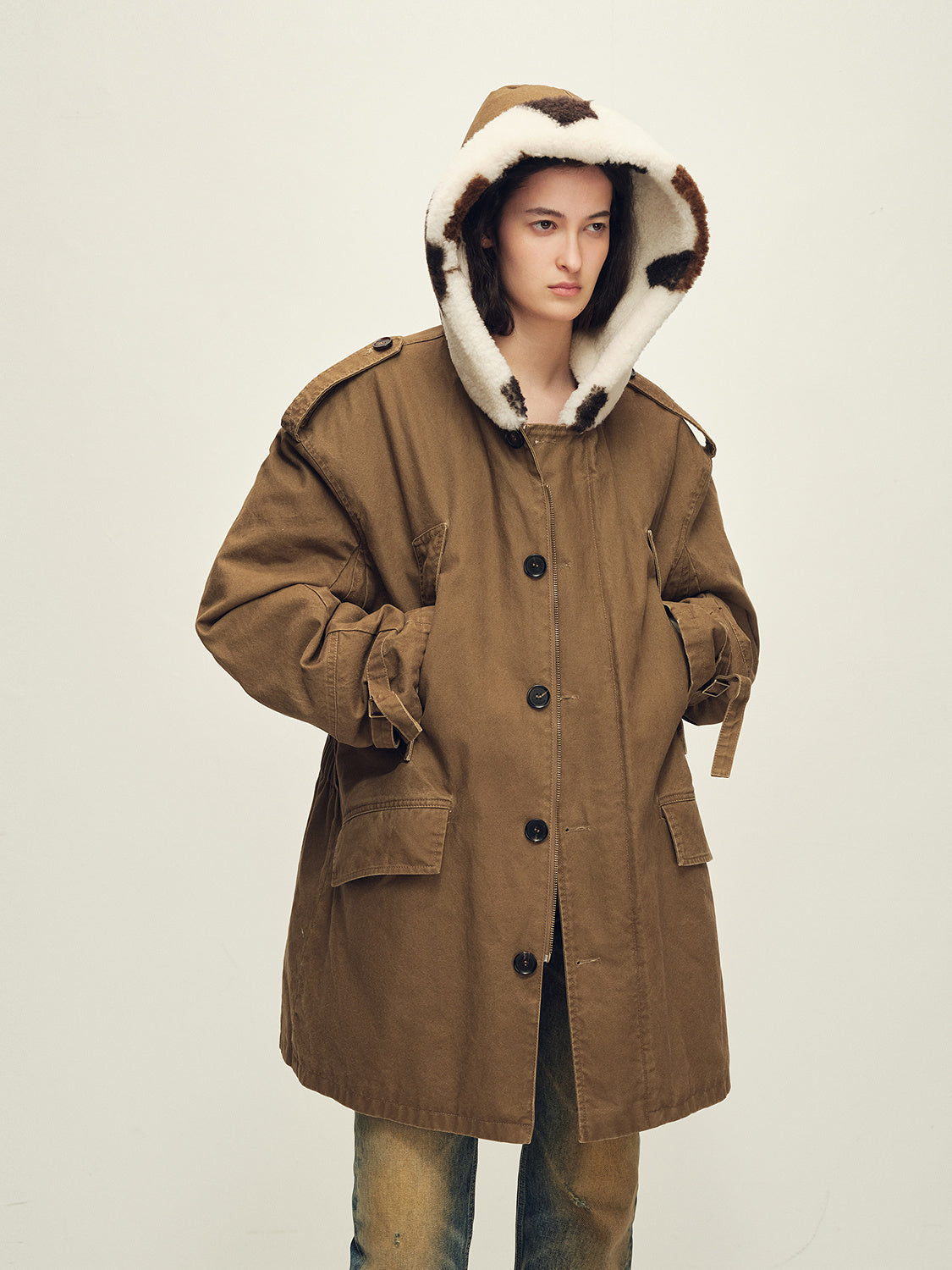
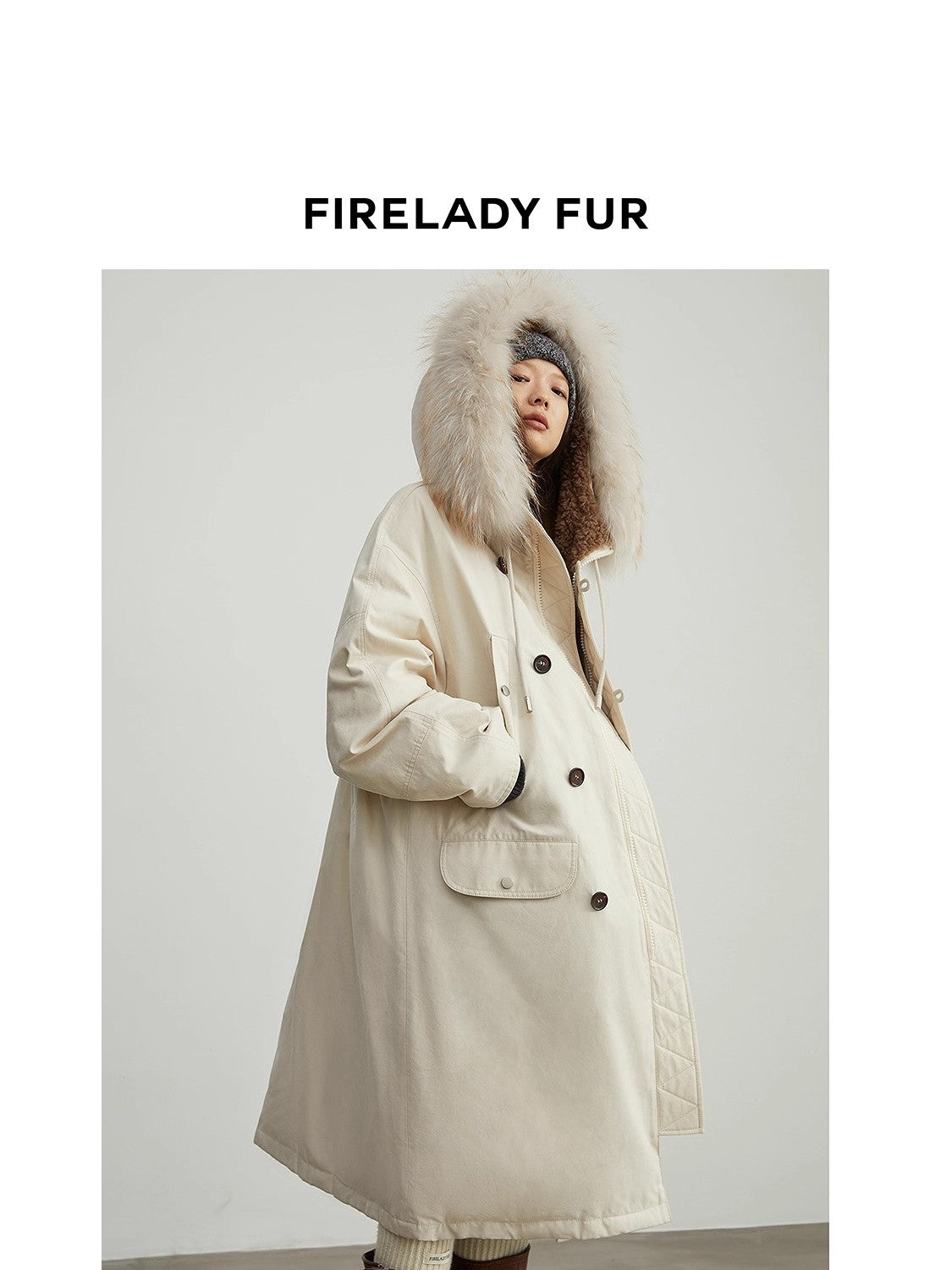
Long hooded parka showing protective coverage and a shearling-lined hood

A parka is a hooded winter coat designed for cold-weather coverage.

A parka jacket is usually longer than a standard jacket and is built with a protective hood, an insulated or lined body, practical pockets, and weather-ready coverage for cold days. In the Fire Lady Fur context, the strongest parka is a polished women's winter coat with visible fur trim, useful warmth, and enough structure for daily city wear.

That keeps this guide separate from lightweight rain shells, swim parkas, and sporty packable jackets. Use it to decide whether your next step is a fur-trim parka, a buying guide, a warmth guide, or a full fur coat comparison.

Good forCold commutes, travel, errands, wet sidewalks, snow days, and winter outfits that need structure.
Check firstHood depth, length, lining, fill, trim attachment, pockets, closure, and care label.
Where to startDetachable fur-trim parkas, then compare warmth, styling, fit, and care details.
Budget Choice

Parka vs Fur Coat: Buy by Budget.

If you want the fur look, warmth, and a lower entry price, start with a fur-trim parka. If the budget is higher and you want the coat itself to read as fur, a full fur coat makes more sense.

Approximate Fire Lady Fur collection pricing. Final prices can change by style, material, color, size, and promotion.
More economical

Choose Fur-Trim Parkas

Best when you want a good-looking winter coat with real warmth, hood function, and a lower price.

Approx.$240-$500
  • Why it winsIt looks richer than a plain jacket and costs much less than most full fur coats.
  • Best useCommuting, errands, travel, school runs, city snow, and outfits that still need shape.
  • Know thisThe fur is trim, not the whole garment. You get the look without paying for a full fur coat.
Higher budget

Choose Full Fur Coats

Best when warmth, fur texture, and a stronger fashion statement matter more than the lower price.

Approx.$413-$858+
  • Why it winsMore fur, stronger presence, stronger warmth perception, and a dressier winter look.
  • Best useFormal winter wear, statement styling, colder evenings, and shoppers who want the material to lead.
  • Know thisIt costs more and needs more careful storage. If budget is tight, the parka is the smarter first buy.
Parka Fit

How Should a Parka Fit?

A parka should leave enough room for winter layers without pulling across the shoulders, chest, or hips. The hood, sleeves, and hem should still feel comfortable when you walk, sit, drive, and raise your arms.

ShouldersThe shoulder area should sit naturally without pulling when you reach forward or raise your arms.
Chest and HipsThe zipper should close smoothly over normal winter layers without tension across the chest or hips.
SleevesSleeves should cover the wrists while leaving enough room for gloves and natural arm movement.
Layering RoomCheck the parka over the thickest sweater you regularly wear rather than testing it only over a thin top.
Length and MobilityLonger coverage improves protection, but the coat should remain comfortable when sitting, climbing stairs, walking, or driving.
Parka Types

Choose the Type That Fits Your Winter.

Most shoppers should look at detachable fur-trim parkas first. Length, hood depth, padding, shearling detail, and care needs decide which version makes sense.

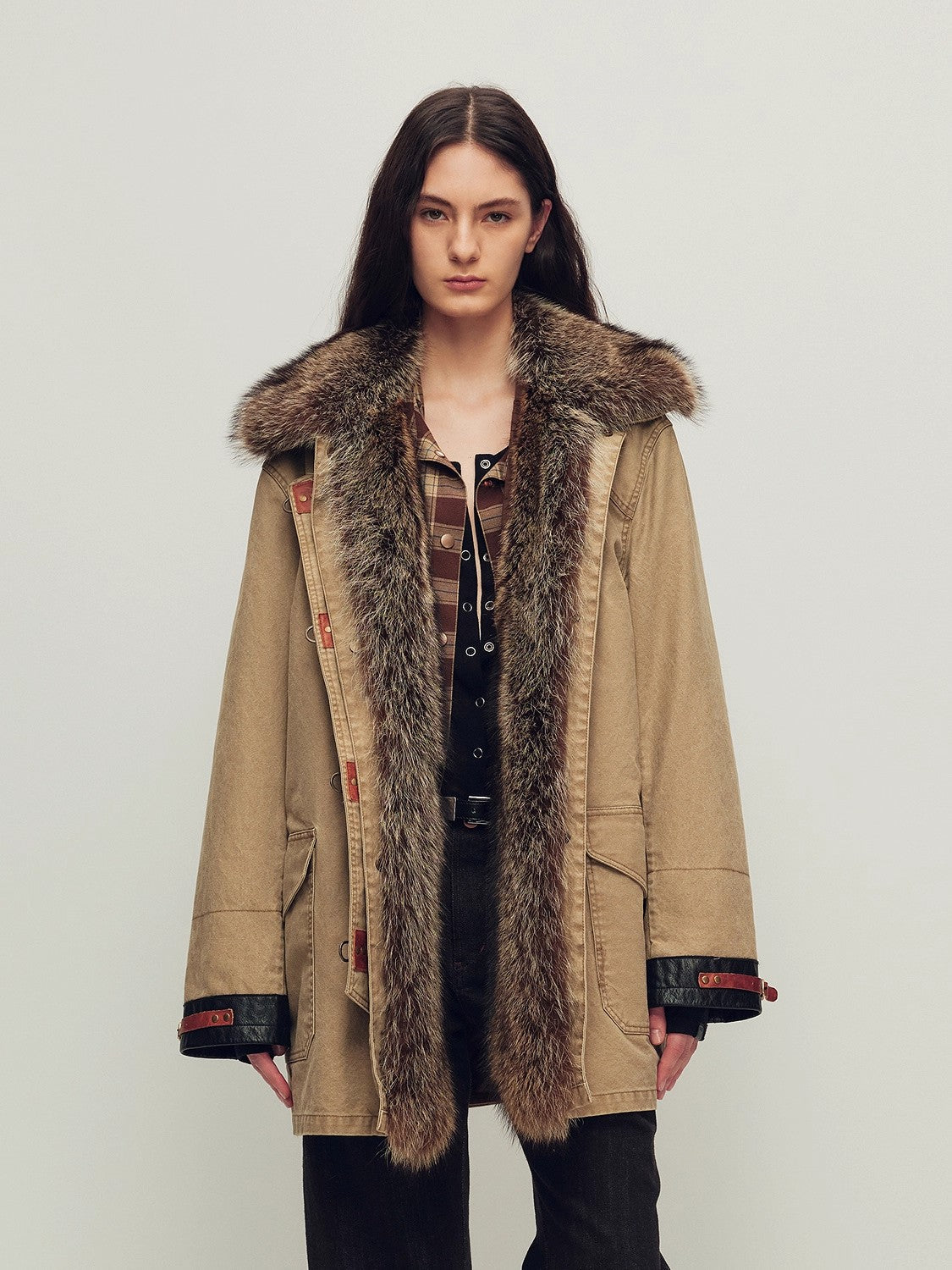
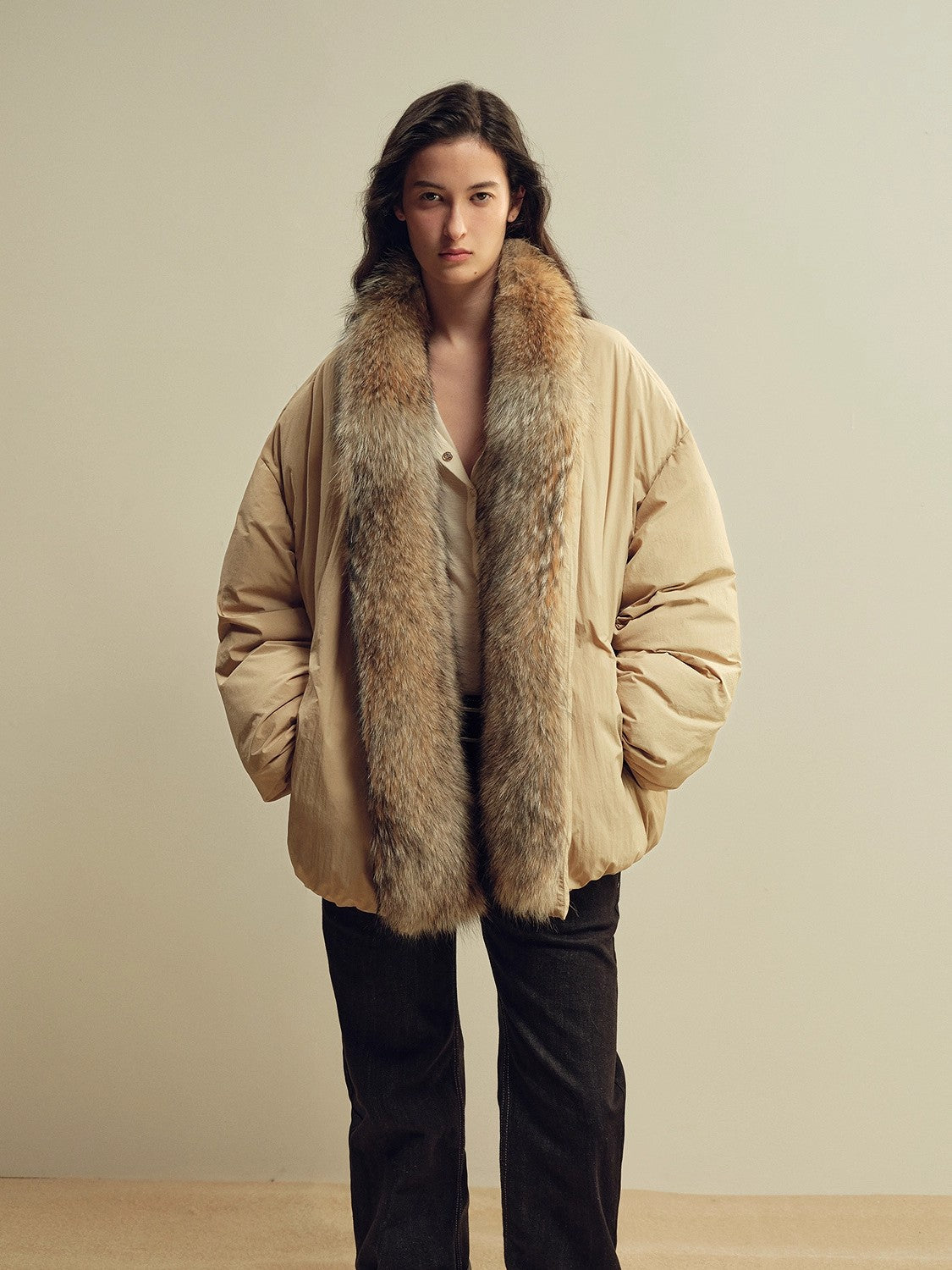
Detachable fur-trim parka with hooded winter styling
Best First Shop

Detachable Fur-Trim Parkas

Start here if you want hooded warmth, visible fur detail, useful pockets, and a polished city look without paying full fur-coat prices.

  • Best forCold commutes, winter errands, travel, city snow, and buyers who want trim impact with functional coverage.
  • Check firstHood structure, trim attachment, closure, hem length, fill, lining, pockets, and whether the trim can be removed for cleaning.
  • Skip ifThe goal is full-fur presence, formal event drama, or technical mountain-shell performance.
Shop Women's Fur-Trim Parkas
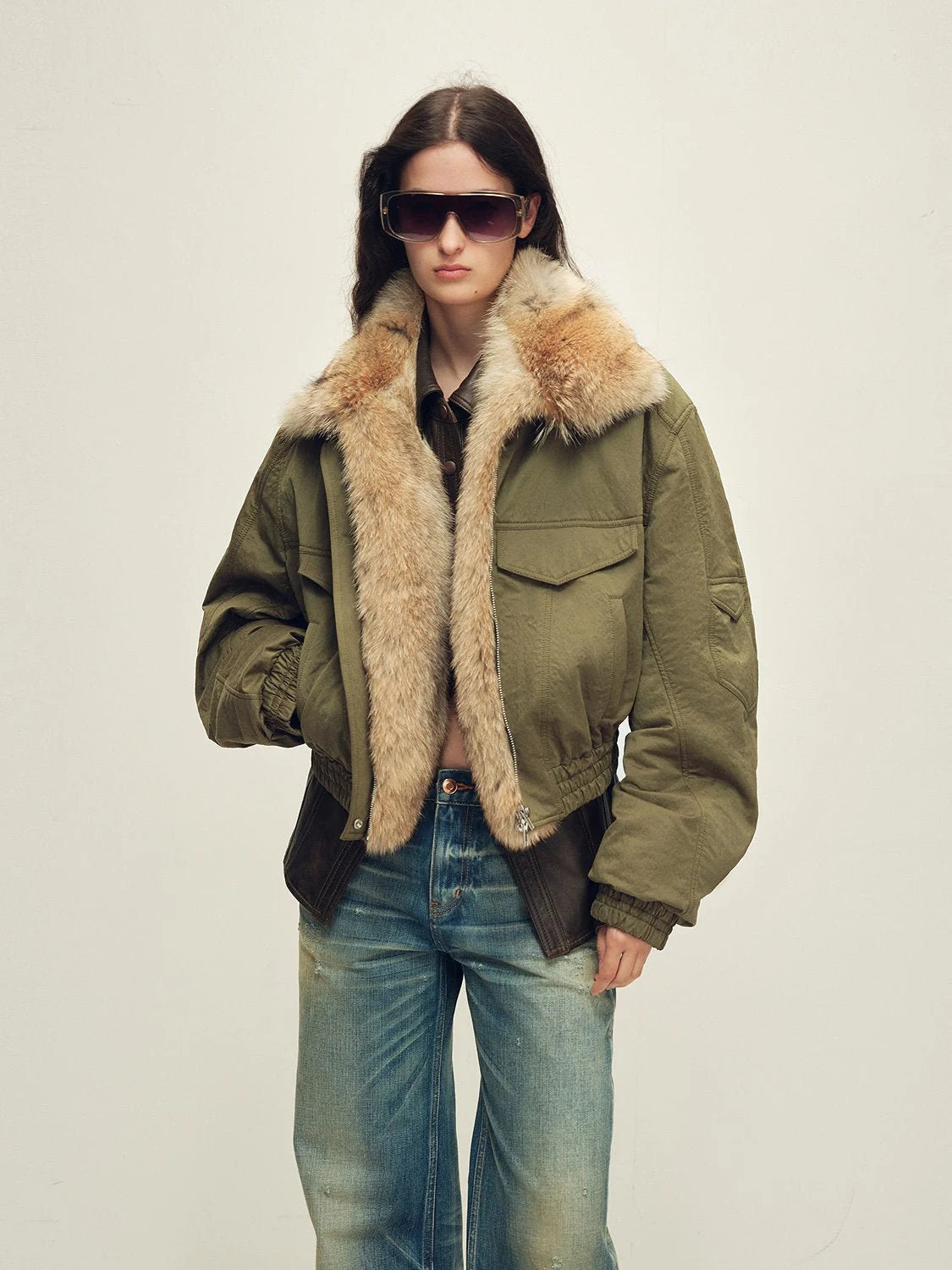
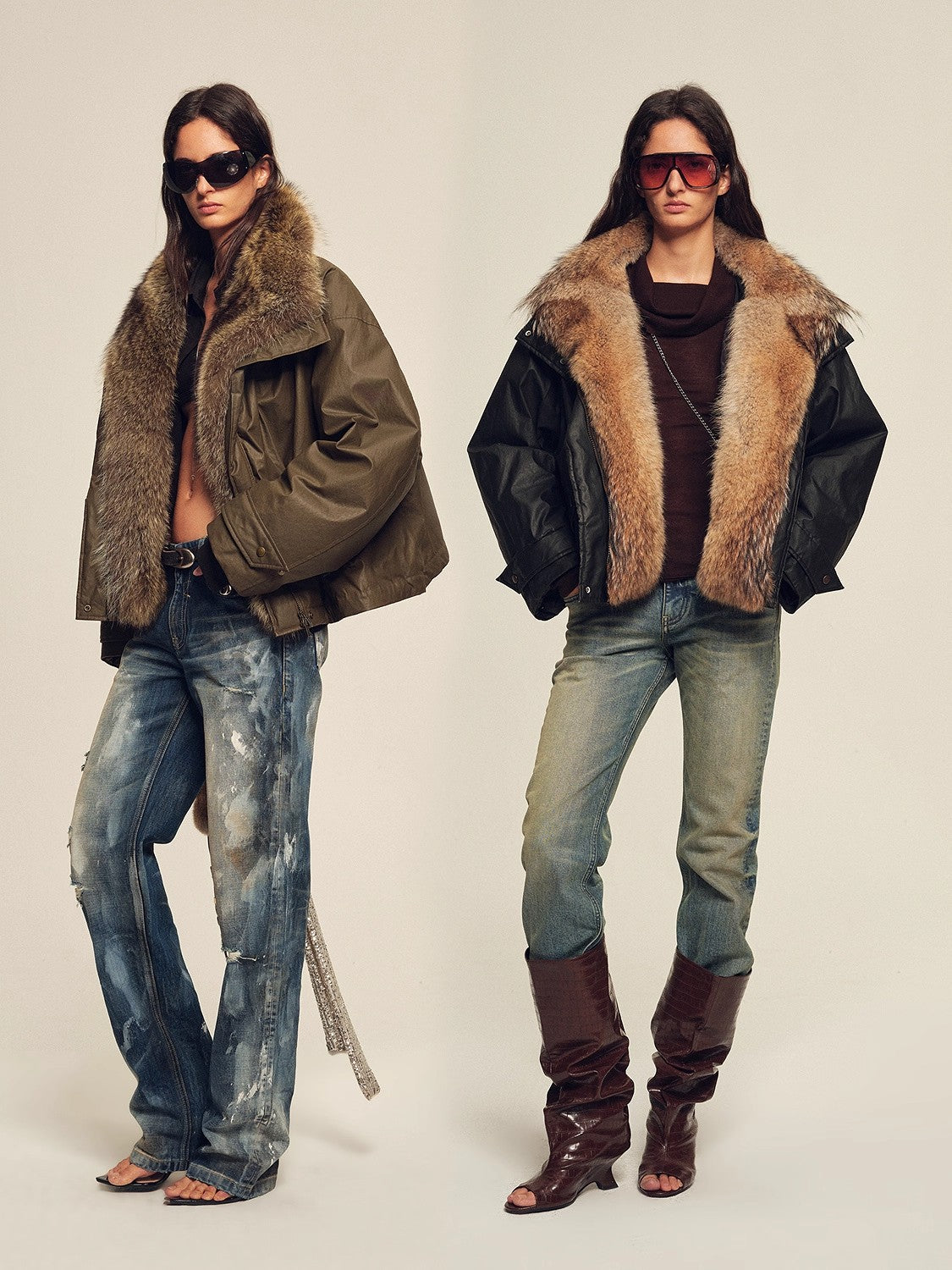
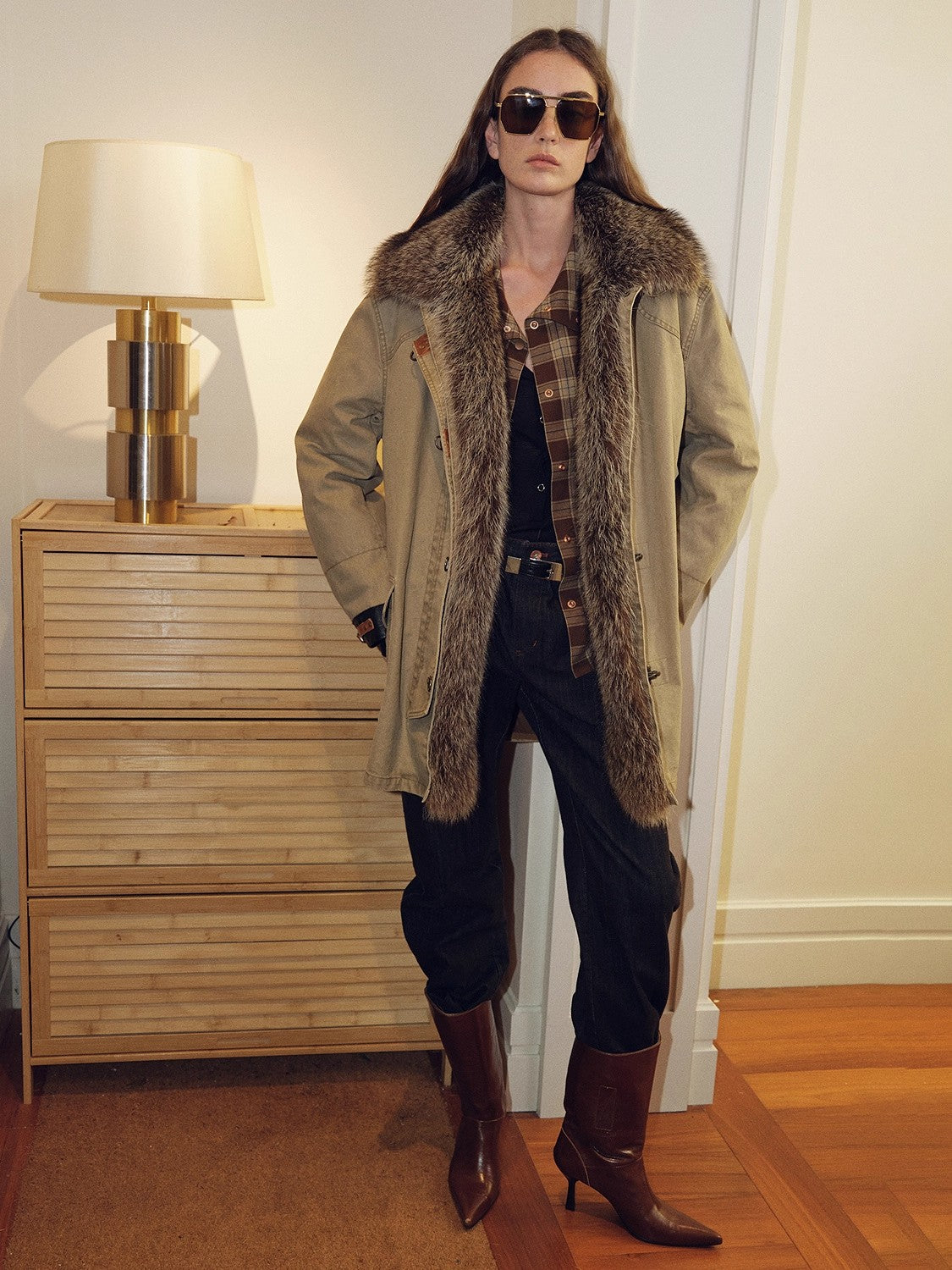
Long olive fur-trim parka with full winter coverage
Coverage

Long Parkas

Choose this when thigh or knee coverage matters more than a short fashion silhouette.

Check length
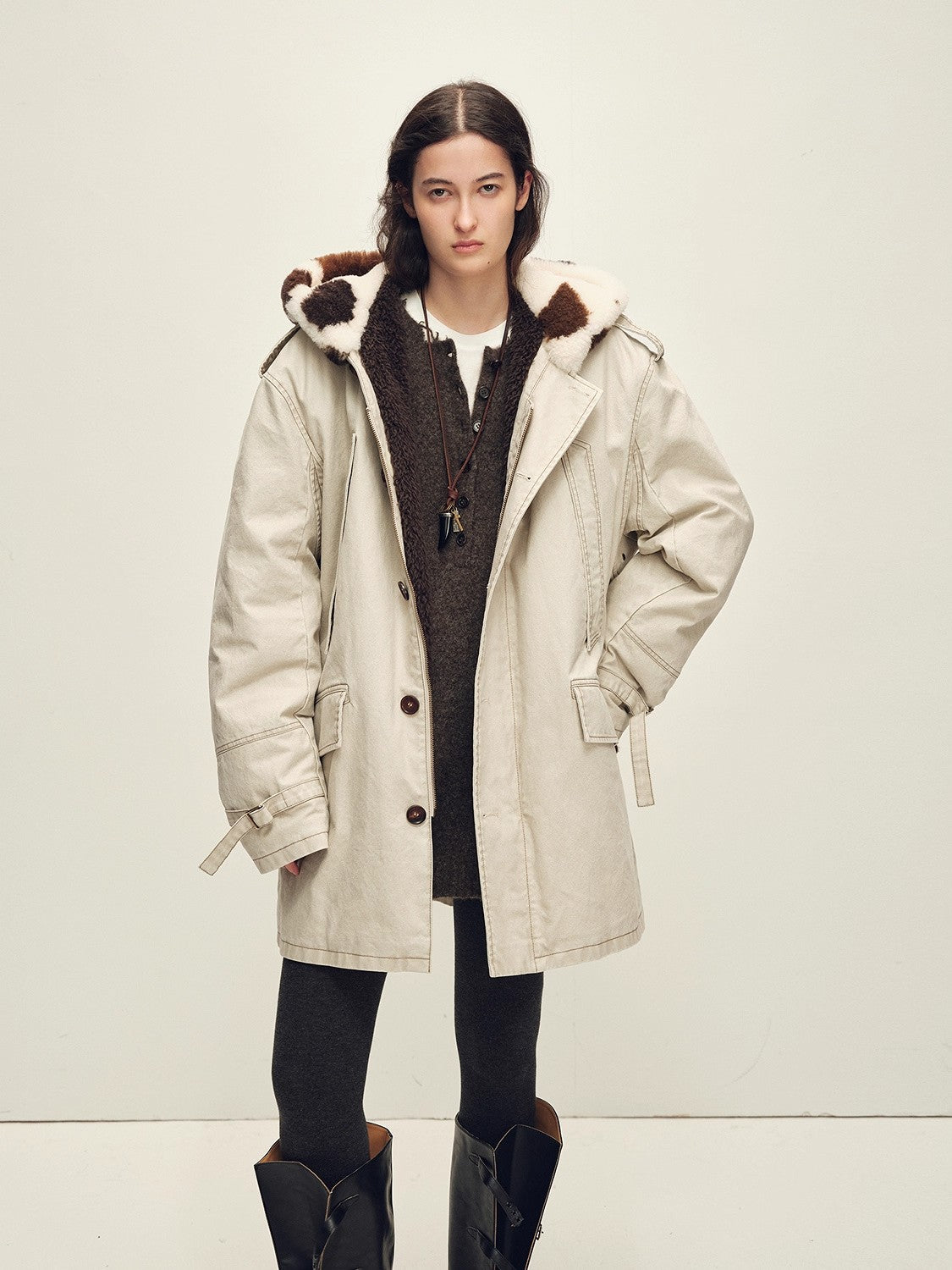
Long white parka with a full fur-trim hood
Hood

Fur-Trim Hood Parkas

Choose this when the hood needs to protect your face, not only decorate the neckline.

Compare trim
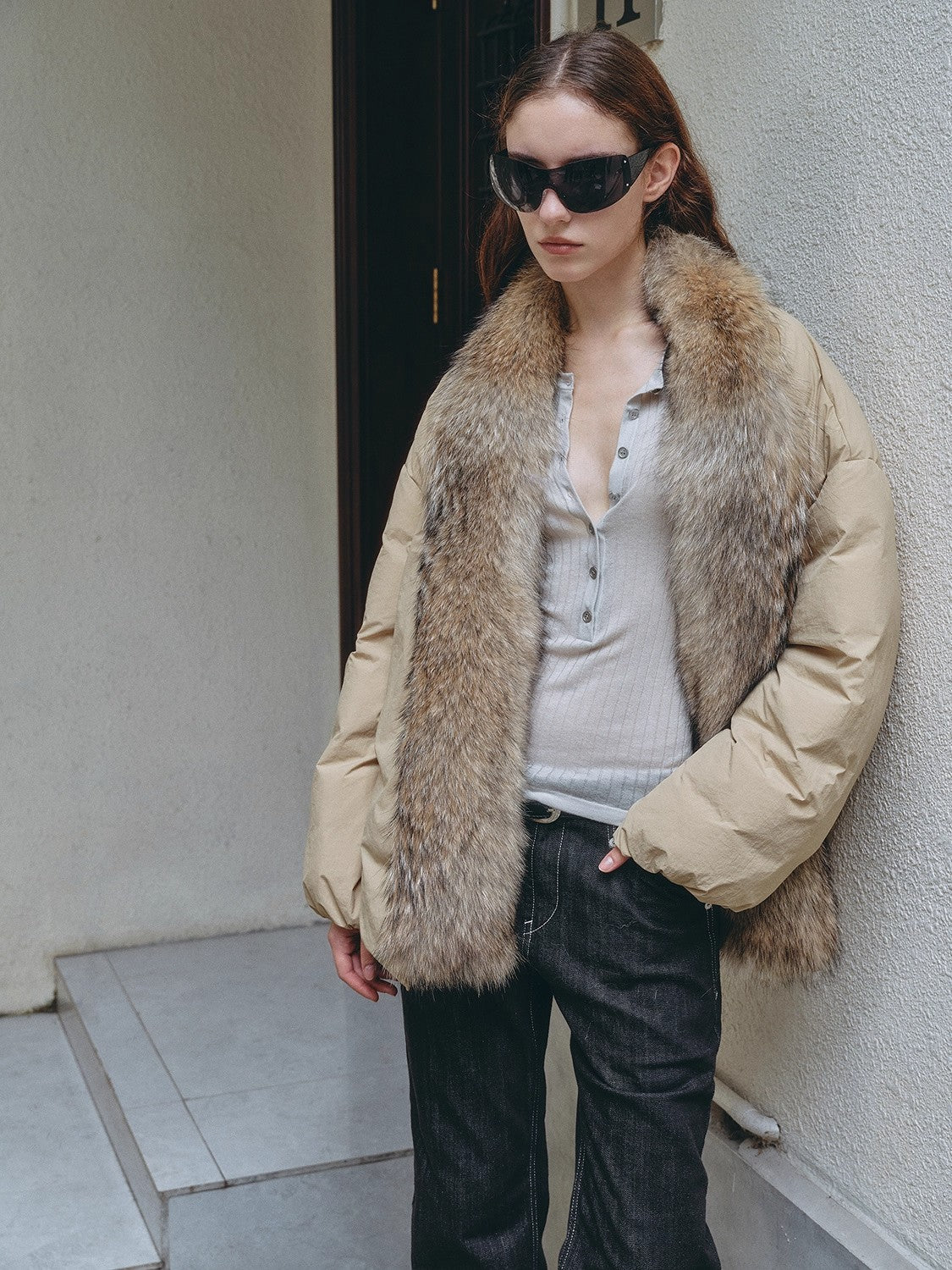
Padded beige parka with generous fur trim and insulated volume
Material

Padded Fur-Trim Parkas

Choose this when insulated body warmth, soft volume, and fur-trim detail matter together.

Check care
Fire Lady Fur Take

A Fur-Trim Parka Is the Practical Luxury Choice.

Choose a parka when your winter includes driving, errands, school runs, wet sidewalks, travel, and cold city movement. It should look good, keep you warm, and still be easy enough to wear often.

If you want fur to be the whole statement, buy the fur coat. If you want the fur look, real warmth, and a lower price, the parka is usually the smarter everyday buy.

Best forDaily cold, commuting, travel, errands, and practical warmth with visible fur detail.
Skip ifYou want the coat to read as full fur from across the room and the budget supports it.
Next stepPick your warmth level, length, trim type, and budget range.
Warmth Matrix

Warmth Comes From the Whole Coat.

Do not buy warmth from one word on a product page. Length, hood depth, shell, lining, trim, fill, wind control, snow exposure, and layering all change how the coat feels outside.

Factor
What to check
Warmth signal
Risk if ignored
Length

Hip, mid-thigh, knee, and mobility around stairs or car seats.

More coverage blocks drafts and protects the upper leg.

Too short for deep cold, too long for frequent driving.

Hood

Depth, face coverage, drawcord behavior, and whether the hood stays up in wind.

A structured hood can change real warmth more than extra body bulk.

Flat hoods look good in photos but fail in wind.

Shell

Wind resistance, surface hand feel, rain tolerance, and seam behavior.

A tighter shell reduces wind loss and helps the lining work.

Soft fashion shells can feel cold in moving air.

Lining

Smooth lining, plush lining, quilted lining, shearling detail, and friction over layers.

Comfort and layer glide matter for daily wear.

Sticky linings make bulky sweaters hard to wear.

Fur trim

Trim size, density, removability, attachment method, and care boundary.

Trim can protect the face and create the luxury winter look.

Non-removable trim raises cleaning and weather risk.

Fill

Down, synthetic insulation, quilting, loft recovery, and cold spots.

Loft plus coverage creates warm air retention.

Flat fill makes a coat look warm but feel thin.

Wind

Front closure, storm flap, cuff behavior, and hem draft control.

Wind-blocking details often matter more than thickness.

Open fronts and loose cuffs leak warmth quickly.

Snow

Wet snow exposure, surface drying, trim protection, and storage after wear.

Durable shell and removable trim make snow days easier.

Moisture around fur or shearling creates care problems.

Layering

Sweater allowance, shoulder movement, sleeve room, and hem volume.

A slightly forgiving fit extends the cold range.

Too-tight fit crushes loft and makes the parka colder.

Fur Trim Choice

Choose Detachable Fur Trim When You Want the Fur Look With More Control.

Detachable fur trim is the middle ground: you get the fur look and face-framing warmth, but you can remove the trim for storage, cleaning, rough weather, or a quieter outfit.

Choose detachable fur-trim parka ifYou want visible fur, hood function, pockets, warmth, and a price below a full fur coat.
Choose full fur coat ifThe goal is material drama, formal presence, and a fur-first silhouette rather than outdoor utility.
Choose puffer ifYou prioritize lightweight insulation, packability, sporty styling, and lower mixed-material care load.
Choose technical shell ifThe environment is wet, alpine, high-output, or performance-driven rather than city winter luxury.
Shop Detachable Fur-Trim Parkas
Comparison Snapshot

A Quick Way to Choose the Right Winter Coat.

If two coat types both look good, compare the parts that change the purchase: budget, warmth, weather, formality, care, and how often you will wear it.

Compare
Choose a parka when
Choose the other category when
Next step
Parka vs Puffer
You need hood structure, trim presence, pockets, and a more polished winter silhouette.
You need lightweight loft, sport styling, and low maintenance.
Parka vs Fur Coat
You want warmth, style, and a more economical daily coat.
You have the budget for stronger fur presence and a more expensive fashion piece.
Parka vs Down Jacket
You care about hood, hem, trim, and city styling as much as insulation.
You need maximum warmth-to-weight and simple technical function.
Parka vs Shell
You need warmth built into the garment and a luxury winter look.
You need waterproof performance, high activity use, and layering systems.
Parka vs Shearling Coat
You need hooded coverage and trim flexibility with a mixed-material build.
You want the material itself to be the dominant warmth and style signal.
Parka Article Guides

Read More Only When You Need a Specific Answer.

Use these topics when one detail is still stopping the purchase: fit, warmth, material, outfits, comparisons, care, or product-page checks.

Parka Guide Archive

Explore the Complete Parka Article Library

Browse the Parka Guide archive for the latest buying, warmth, material, styling, comparison, care, and product-selection articles.

Browse the Parka Guide Archive
Collection Path

When You Are Ready, Shop the Fur-Trim Parka Collection.

If the budget points to a parka and the fur-trim look is right, the next step is simple: compare women's detachable fur-trim parkas by length, hood, color, and care.

01Confirm the categoryChoose parka when you need hooded daily warmth, visible trim, and a lower price than full fur.
02Check the detailsCompare warmth, trim, length, fit, pockets, and care before choosing a product.
03Shop the collectionGo to detachable fur-trim parkas when the hood, trim, and winter-use needs match.
Open Fur-Trim Parka Collection
Care Risk Block

Check Care Before You Buy.

Many premium parkas mix fur trim, fabric, leather, shearling detail, or insulated fill. Check the care limits before you choose, especially if the coat will see snow, rain, travel, or frequent wear.

Open Care Guide
Fur trim
Risk: matting, moisture, heat damage, and wrong brushing.
Best move: detach when possible and keep cleaning instructions separate from the shell.
Shearling
Risk: water marks, stiffness, flattened nap, and poor drying.
Best move: avoid wet storage and use professional care for serious exposure.
Leather panels
Risk: cracking, color transfer, harsh cleaners, and heat drying.
Best move: condition carefully and keep cleaners away from fur and fabric panels.
Down fill
Risk: clumping, cold spots, trapped moisture, and compression.
Best move: dry thoroughly and never store compressed for long periods.
Storage
Risk: crushed trim, stale odor, mildew, and permanent creasing.
Best move: hang with space, breathable cover, dry room, and protected trim.
Dry cleaning
Risk: cleaner treats shell, trim, lining, and leather as one material.
Best move: ask about mixed materials before leaving the garment.
Machine washing
Risk: trim damage, shell distortion, fill collapse, and hardware stress.
Best move: avoid unless the exact garment label permits it and trim is protected.
FAQ

Quick Answers Before You Choose.

These answers keep the choice simple: parka or fur coat, enough warmth or not, removable trim or not, easy care or not.

What is a parka jacket?

A parka jacket is a hooded winter coat built for cold-weather coverage. It is usually longer than a standard jacket and may include lining, fill, pockets, storm closures, and fur trim for extra warmth and polish.

What is the difference between a parka and a winter coat?

A winter coat is a broad category. A parka is more specific: hooded, protective, often longer, and built around cold-weather coverage. In this guide, the relevant parka is a polished women's winter coat with fur trim or mixed-material detail.

Should I buy a parka or a full fur coat?

Choose a fur-trim parka if you want the fur look, daily warmth, hood function, and a lower entry price. Choose a full fur coat if the budget is higher and you want the material itself to be the main fashion statement.

Is a fur-trim parka warmer than a puffer?

Not automatically. A puffer may have more lightweight loft, while a fur-trim parka can offer better hood coverage, wind protection, length, and face-framing warmth. The warmer choice depends on fill, shell, lining, hood structure, length, and how the coat fits over layers.

When should I choose detachable fur trim?

Choose detachable fur trim when you want the look and face coverage of fur but need more control over cleaning, storage, weather exposure, and styling. Removable trim is especially useful when the shell and trim require different care.

Can I machine-wash a fur-trim parka?

Do not assume machine washing is safe. Fur trim, shearling, leather panels, down fill, hardware, and lining may all react differently. Follow the garment label, remove detachable trim when allowed, and use professional care when the materials are mixed or unclear.

Where should I start shopping?

Start with the detachable fur-trim parka collection if you want hooded warmth, visible trim, city-ready styling, and a more practical price than full fur. From there, narrow by length, hood, warmth, trim removability, fit over layers, and care risk.

How should a parka fit?

A parka should leave enough room for normal winter layers without pulling across the shoulders, chest, or hips. The sleeves should cover the wrists, and the coat should remain comfortable when you sit, walk, drive, and raise your arms.

Are parkas waterproof?

Not every parka is waterproof. Check the specific product description for shell performance, water-resistance claims, seam construction, and care instructions. Water-resistant fabric can handle limited moisture but should not automatically be treated as fully waterproof.

What temperature is a parka suitable for?

There is no universal temperature rating for every parka. Warmth depends on insulation type and amount, shell protection, coat length, hood coverage, wind exposure, activity level, layering, and individual cold tolerance. Use the product construction and intended winter conditions instead of relying on the word parka alone.

Next Step

Start With the Coat That Fits the Budget and the Winter.

If you want the fur look at a more practical price, start with detachable fur-trim parkas. If the budget is higher and you want fur to be the main event, compare full fur coats before you decide.

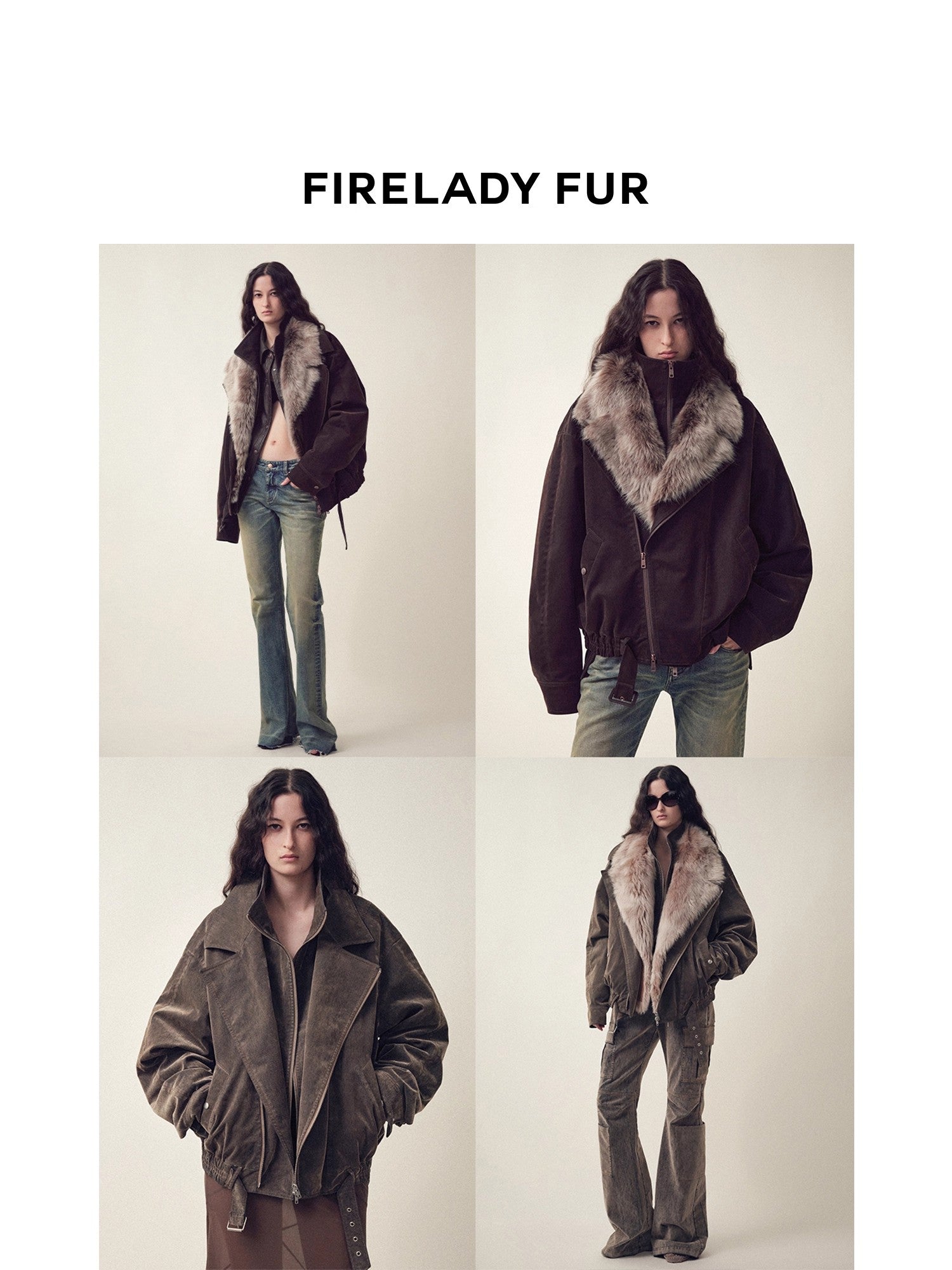
Long tan fur-trim parka styled for the final shopping step