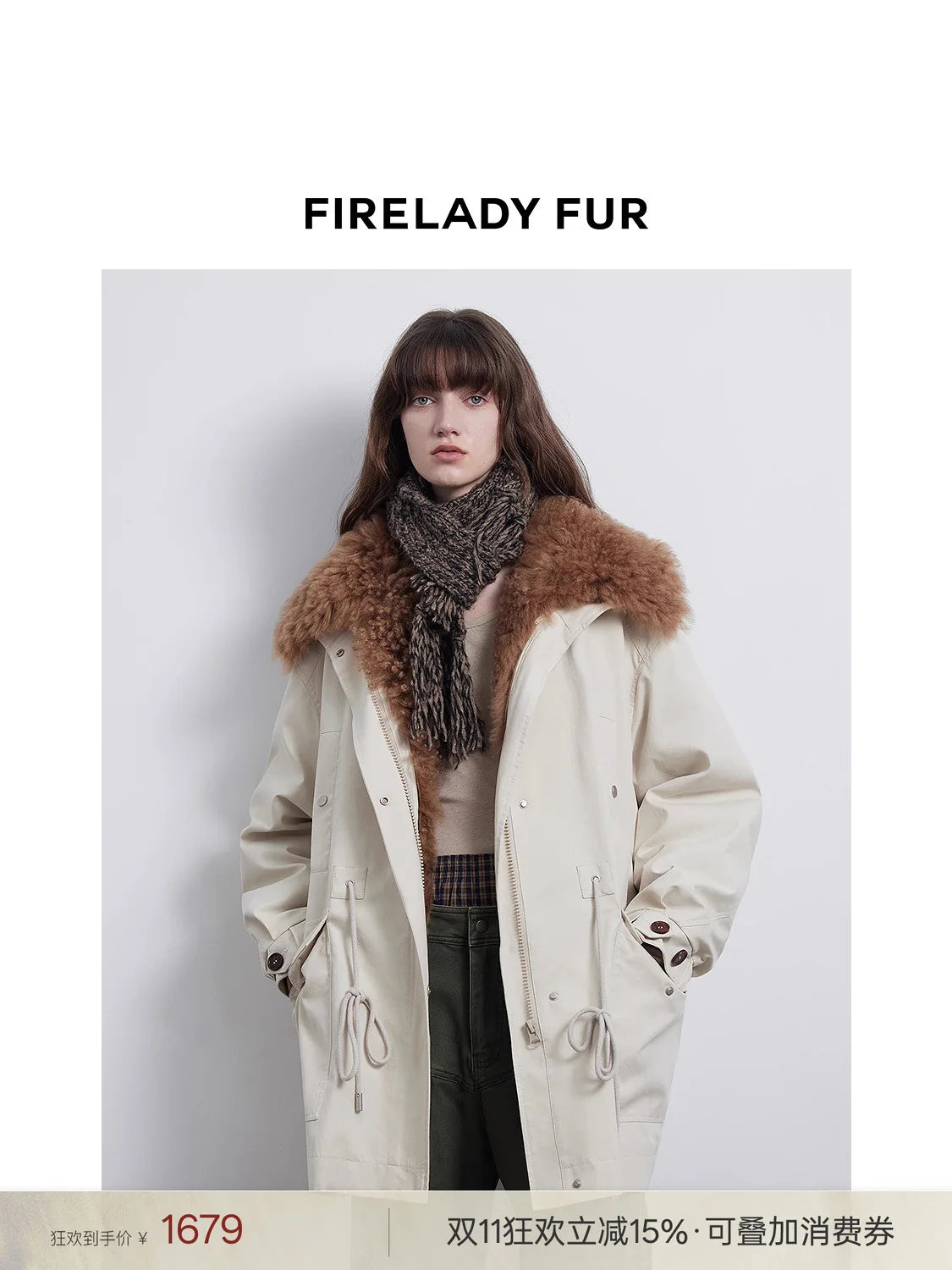
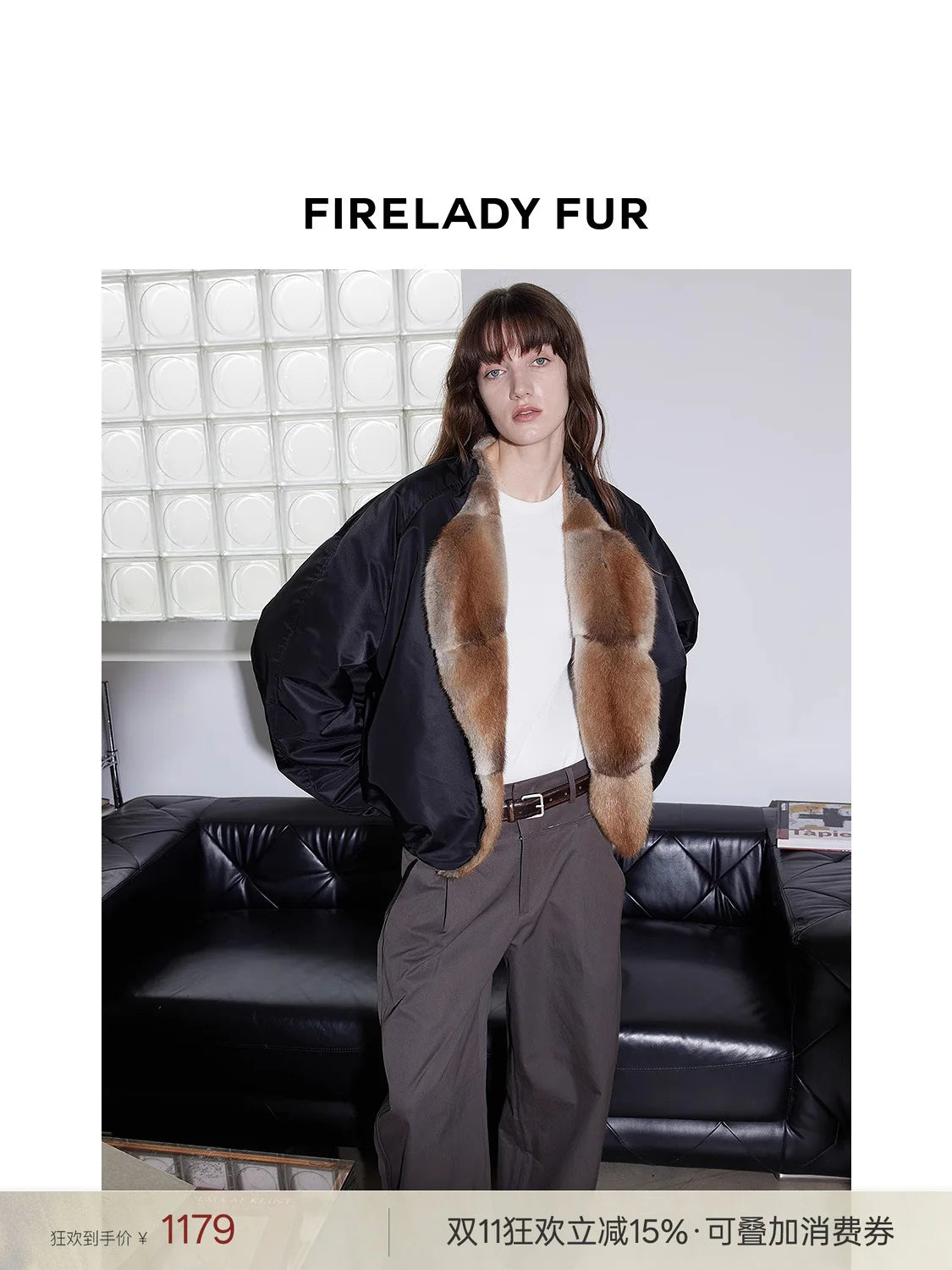
Daily winter warmth
Good for the cold days you repeat: commuting, errands, school runs, travel, and winter walks.
Born of Nature, Bred in Warmth.| 11 years of focus on fur
Use this page when you are ready to buy a winter parka and need a clear way to choose. The right fur trim parka should match your budget, daily weather, hood preference, warmth needs, care tolerance, and the way you dress in cold city life.
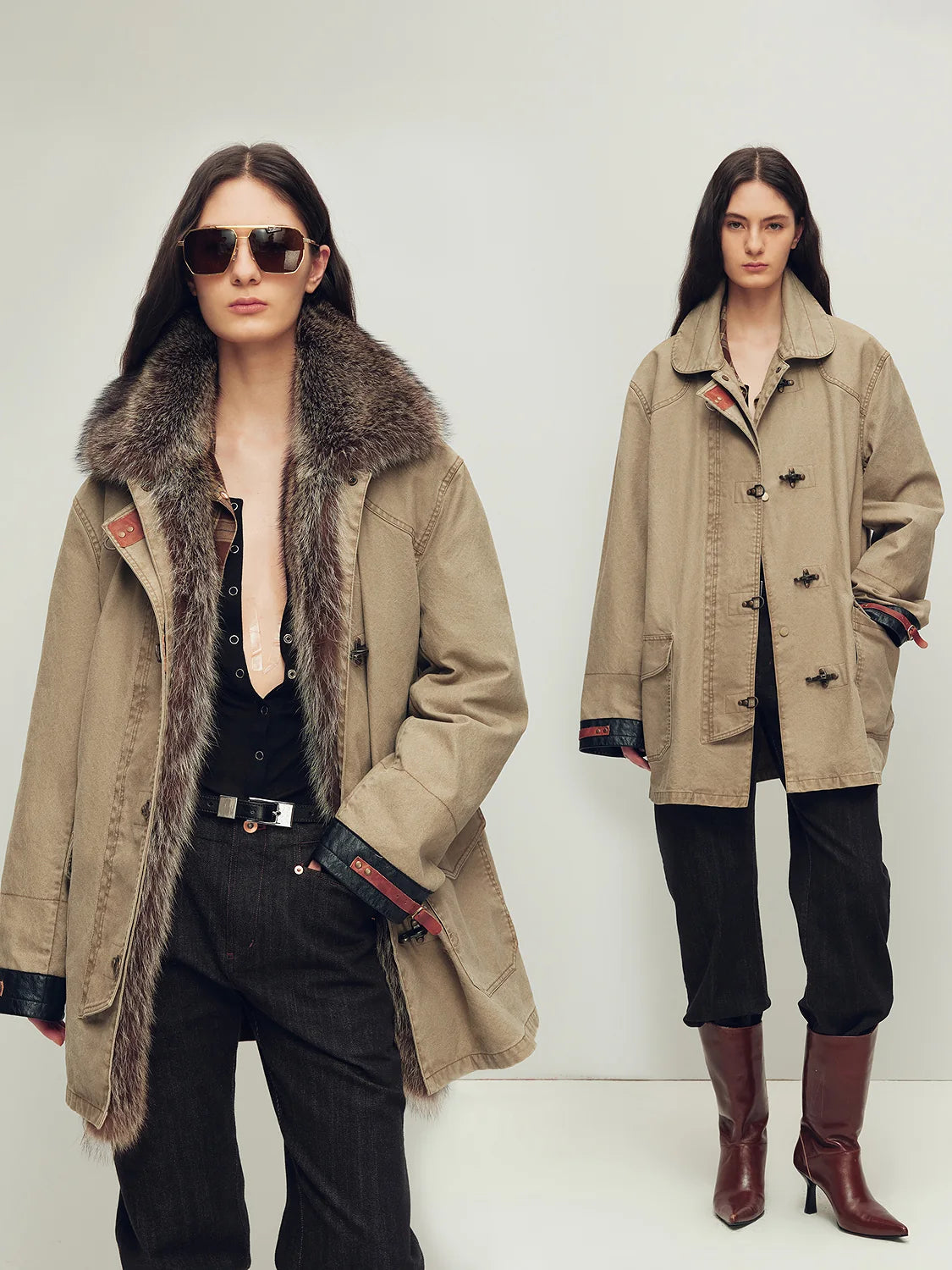
Good for the cold days you repeat: commuting, errands, school runs, travel, and winter walks.
A hood helps with wind, light snow, cold mornings, and weather that makes open collars feel thin.
Fur trim, length, and structure make the coat easier to wear with boots, denim, dresses, or work looks.
It is easier for daily movement, cars, pockets, mixed weather, and casual winter routines.
You get visible fur styling and winter utility at a lower entry price than most full fur coats.
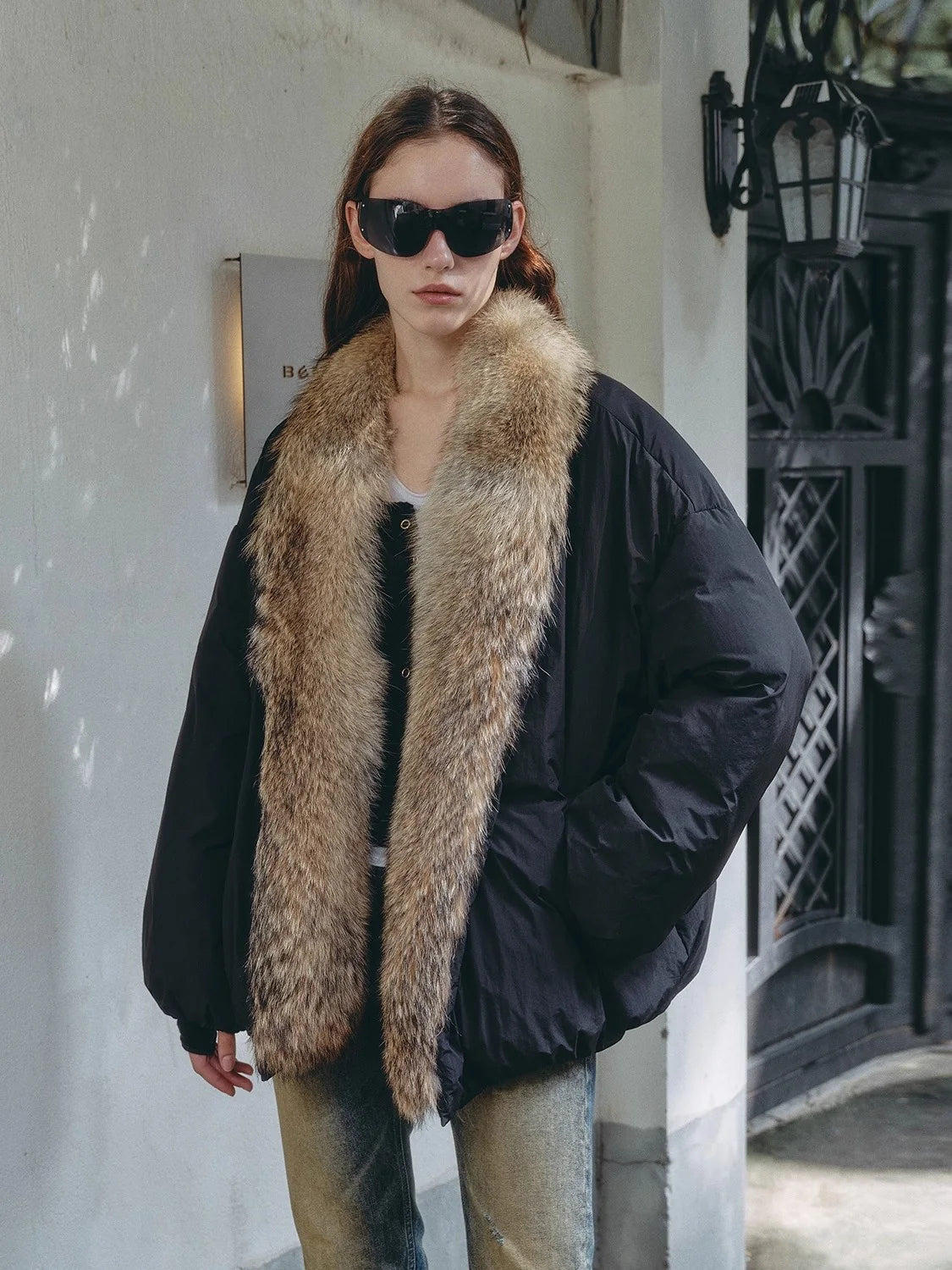
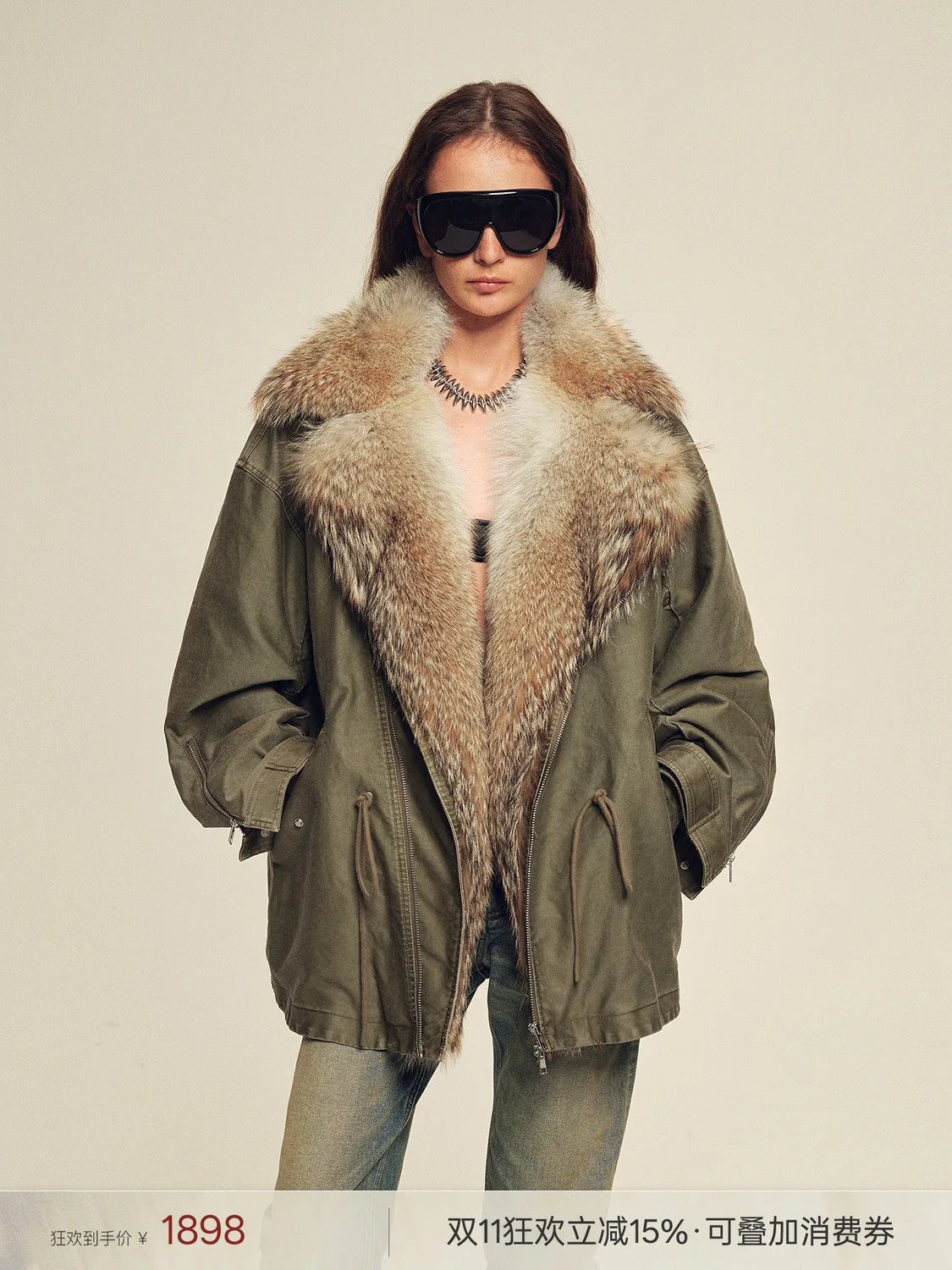
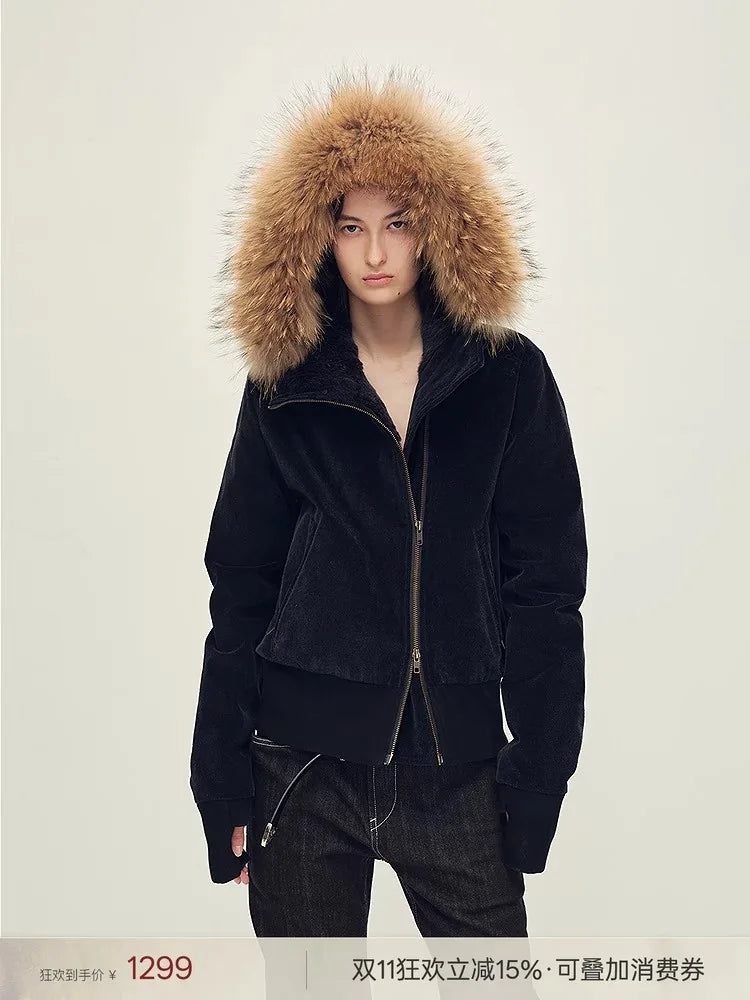
For this buying guide, a parka is a hooded winter coat built for coverage, warmth, and daily wear. Fire Lady Fur focuses on the version with visible fur trim, useful length, and a more polished finish than a basic puffer.
Best when you want a good looking winter coat with hood function, real warmth, and a lower entry price.
Best when fur texture, stronger presence, and a dressier winter statement matter more than the lower price.
Choose this when you need daily warmth, hood coverage, polished styling, and a lower entry price than full fur.
Choose this for easy casual warmth and lighter care. Skip it when the outfit needs structure, fur trim, or a dressier finish.
Choose this for stronger fur presence and dressier winter styling. Skip it when daily movement and price matter more.
Choose this for waterproof performance, outdoor weather systems, and packability. It is not the luxury styling route.
Decide whether the coat is for commuting, driving, travel, daily errands, school runs, city snow, or long outdoor time.
Use the price range to decide whether a fur trim parka, full fur coat, puffer, or technical shell is the smarter category.
Shorter parkas are easier in cars and casual outfits. Longer parkas add coverage for wind, snow, and colder walks.
Look at hood depth, fur volume, closure, and whether the trim frames the face without blocking movement or care.
Read the shell, lining, fill, closure, cuff, pocket, and layering details. Thickness alone does not prove warmth.
Fur trim, shearling, leather panels, and down fill can make the coat richer, but they also change cleaning and storage.
When the use, budget, length, hood, warmth, and care limit are clear, move to the detachable fur trim parka collection.
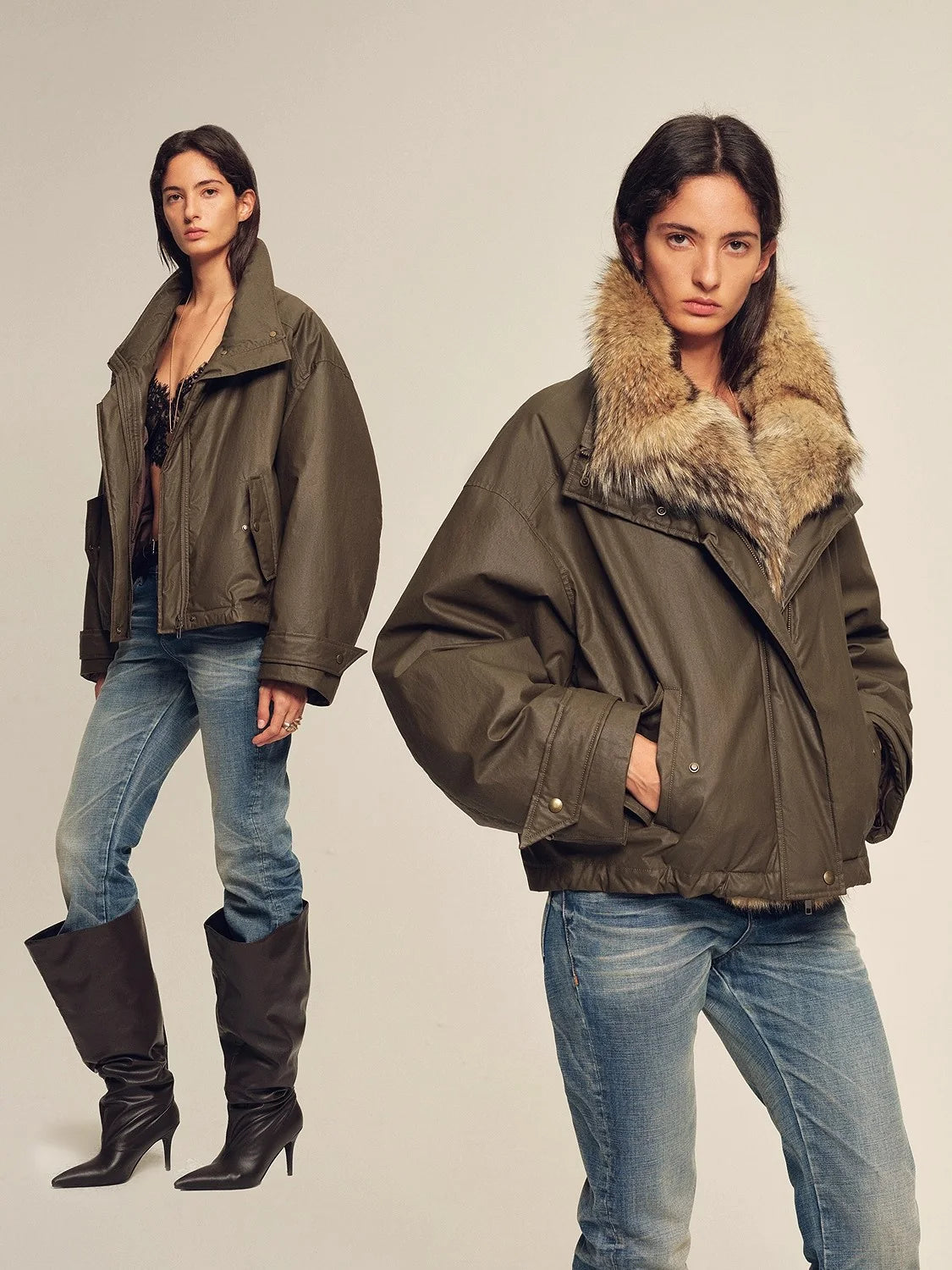
Look at coverage, closure, and room to move before comparing bulk.
Hip length is easier for driving. Mid thigh and knee length protect better in wind and snow.
Choose more coverage when walking matters more than car comfort.
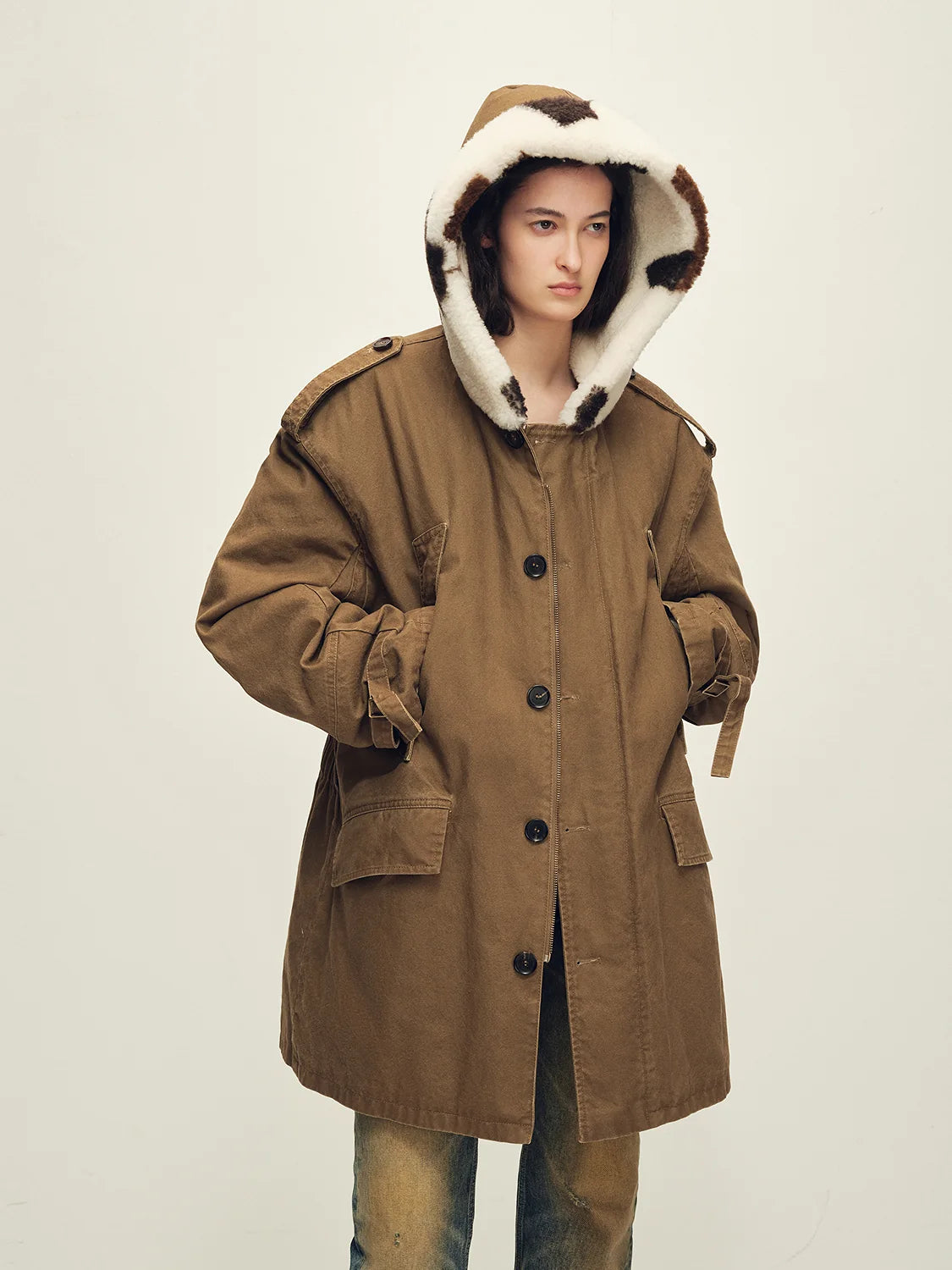
A deeper hood and fur trim help around the face, especially in wind and cold mornings.
If you dislike hood weight, choose detachable or lower volume trim.
Look for a shell, zipper, snaps, storm flap, cuffs, and pocket placement that reduce drafts.
A thick coat with weak closure can still feel cold.
Check whether warmth comes from lining, fill, material weight, or room for layers.
Do not judge warmth from puffiness alone.
The parka should close over a sweater without pulling across the chest or hips.
Too tight compresses layers and reduces warmth.
Best when you want the fur look but need easier cleaning, storage, and weather control.
Best when face framing, warmth perception, and visible winter styling matter. Check whether the hood still feels wearable.
Best when the coat needs to look calmer with work outfits, denim, travel layers, or a smaller frame.
Best when rain, packability, or technical performance matters more than fur styling.
The type should follow the buying framework. Do not choose by the strongest photo first; choose by length, hood, trim, material, and whether the collection route fits the budget.
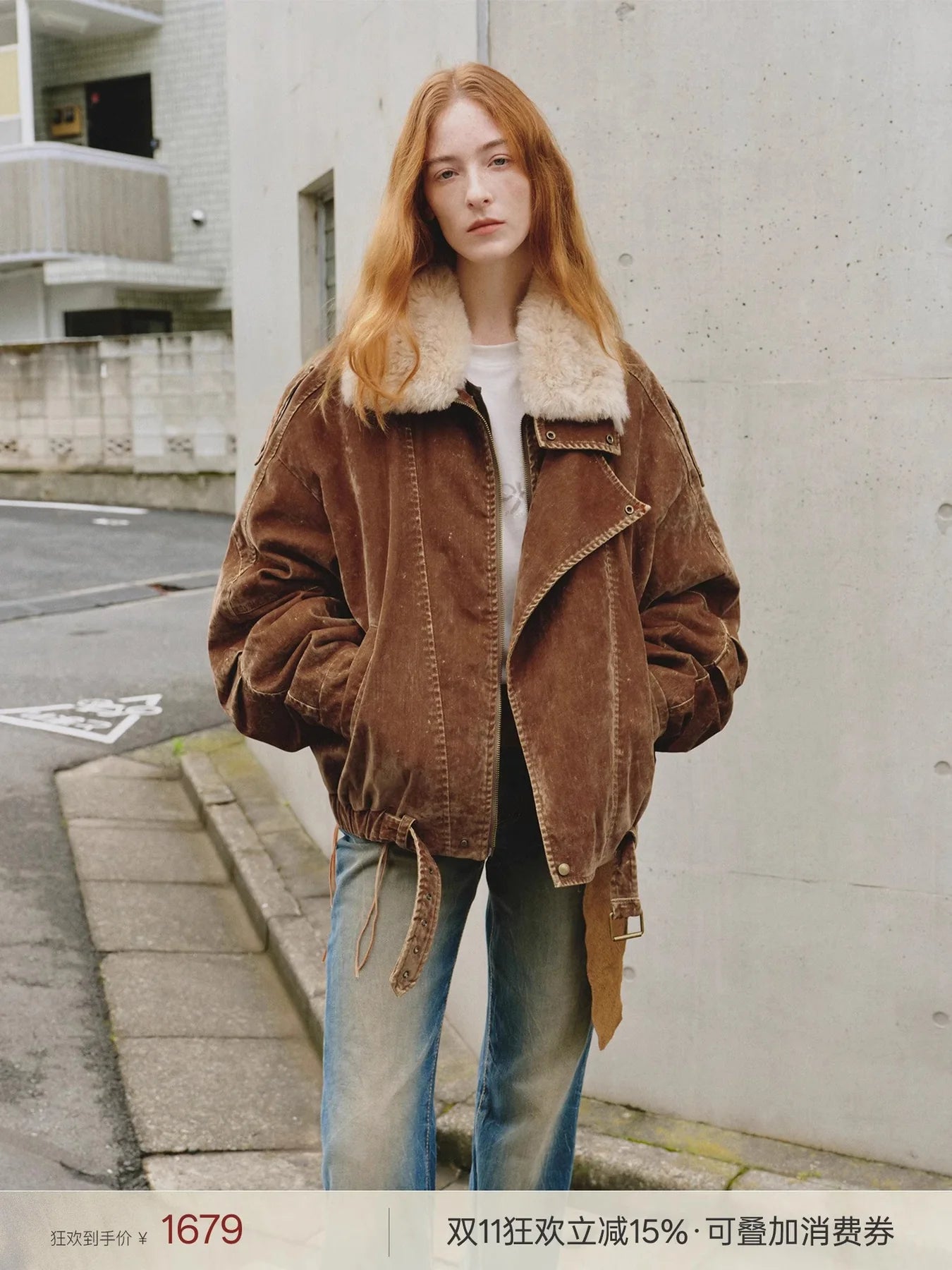
Best when more body coverage matters more than a short silhouette.
Best when the hood is part of the warmth system, not only decoration.
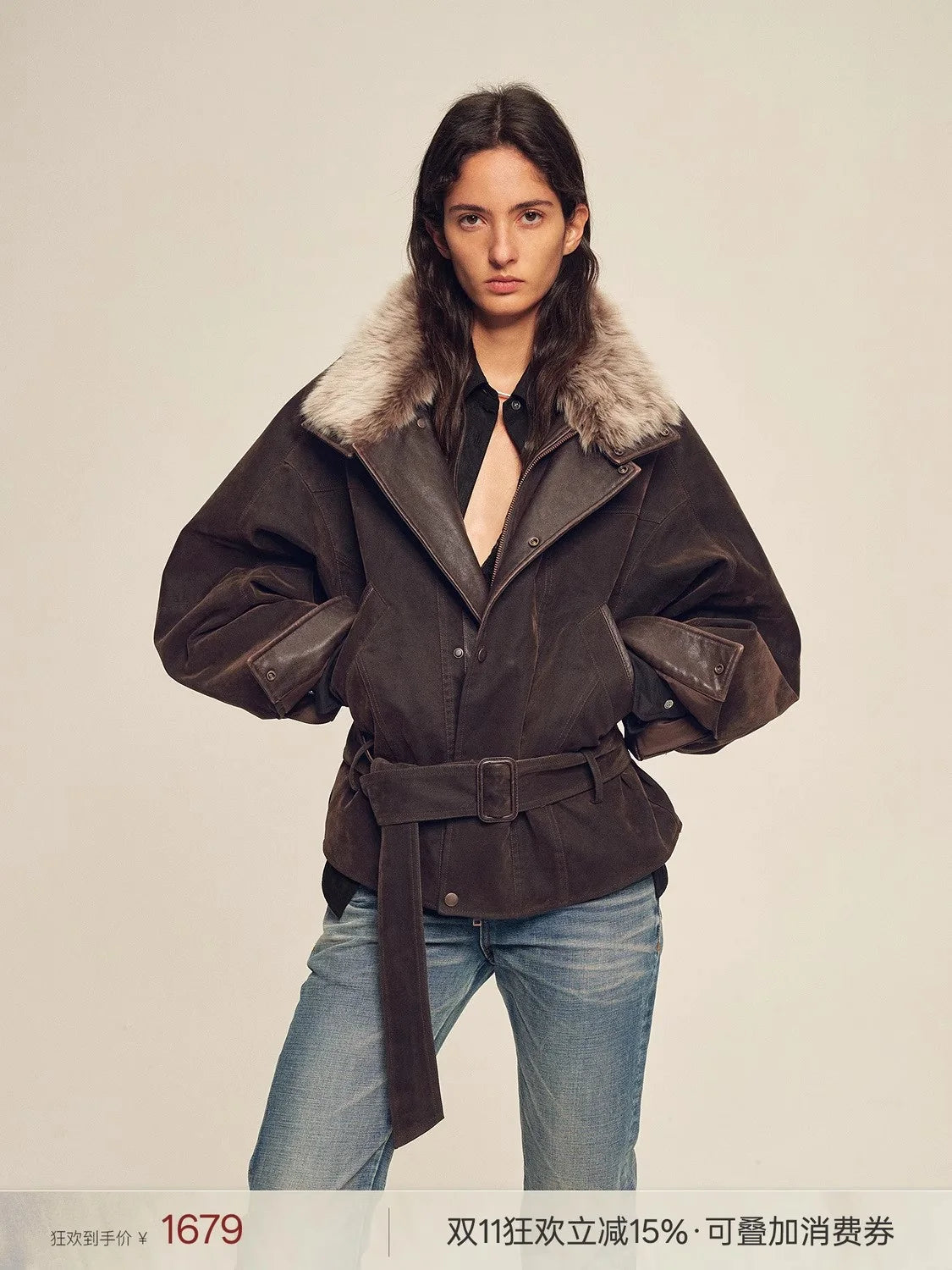
Best when texture and structure matter enough to accept more careful cleaning.
The main shopping route when you want fur styling, hood function, and practical daily warmth.
Use What Is a Parka? as the definition, then choose the buying path that matches the real decision: use, fit, length, features, or value.
The buying page should not send every reader into the same long read. Start with the article group that matches the real hesitation, then move to the collection when the coat details are clear.
Match the parka to the winter job, daily routine, and climate before comparing details.
Use these before choosing a size or judging whether the coat works over real winter layers.
Choose hem length by mobility, body coverage, driving, walking, and proportion.
Compare detachable trim, hood shape, closures, pockets, and hardware before checkout.
Verify product-page evidence, construction quality, price, and return risk before buying.
Once the budget, warmth level, length, hood, trim, and care limit are clear, the next useful step is the detachable fur trim parka collection. At that point, another overview is less useful than comparing actual products.
Risk: matting, moisture, heat damage, or rough brushing.
Best route: choose detachable trim when possible.
Risk: clumping, trapped moisture, cold spots, and compression.
Best route: dry thoroughly and avoid compressed storage.
Risk: water marks, stiffness, cracking, and cleaner damage.
Best route: avoid wet storage and ask for mixed material care.
Risk: distorted shell, damaged trim, fill collapse, and hardware stress.
Best route: avoid unless the garment label clearly permits it.
Use these answers when you are close to choosing and need one last check before comparing products.
Start with budget, winter use, length, hood depth, trim attachment, fit over layers, closure, pockets, material notes, and care label. If those details match your routine, then compare products in the detachable fur trim parka collection.
Buy a fur trim parka when you want warmth, hood function, a fur look, and a lower entry price. Buy a full fur coat when the budget is higher and you want fur to be the main material statement.
It should close without pulling across the chest, shoulders, or hips, and the sleeves should still move when you bend your arms. A tight parka can look cleaner in photos but feel colder because it compresses layers.
Yes, if you want more control. Detachable trim makes weather, storage, cleaning, and styling easier because the shell and fur do not always need the same treatment.
Shop when you know the budget, length, hood, trim, and care limits you can accept. At that point, the best next step is to compare real product photos, details, and sizes.
If the fur trim parka route makes sense, move into the collection and compare length, trim, hood, closure, material notes, and care label. If the budget and styling goal point to a full fur coat instead, use the fur coat guide before shopping.