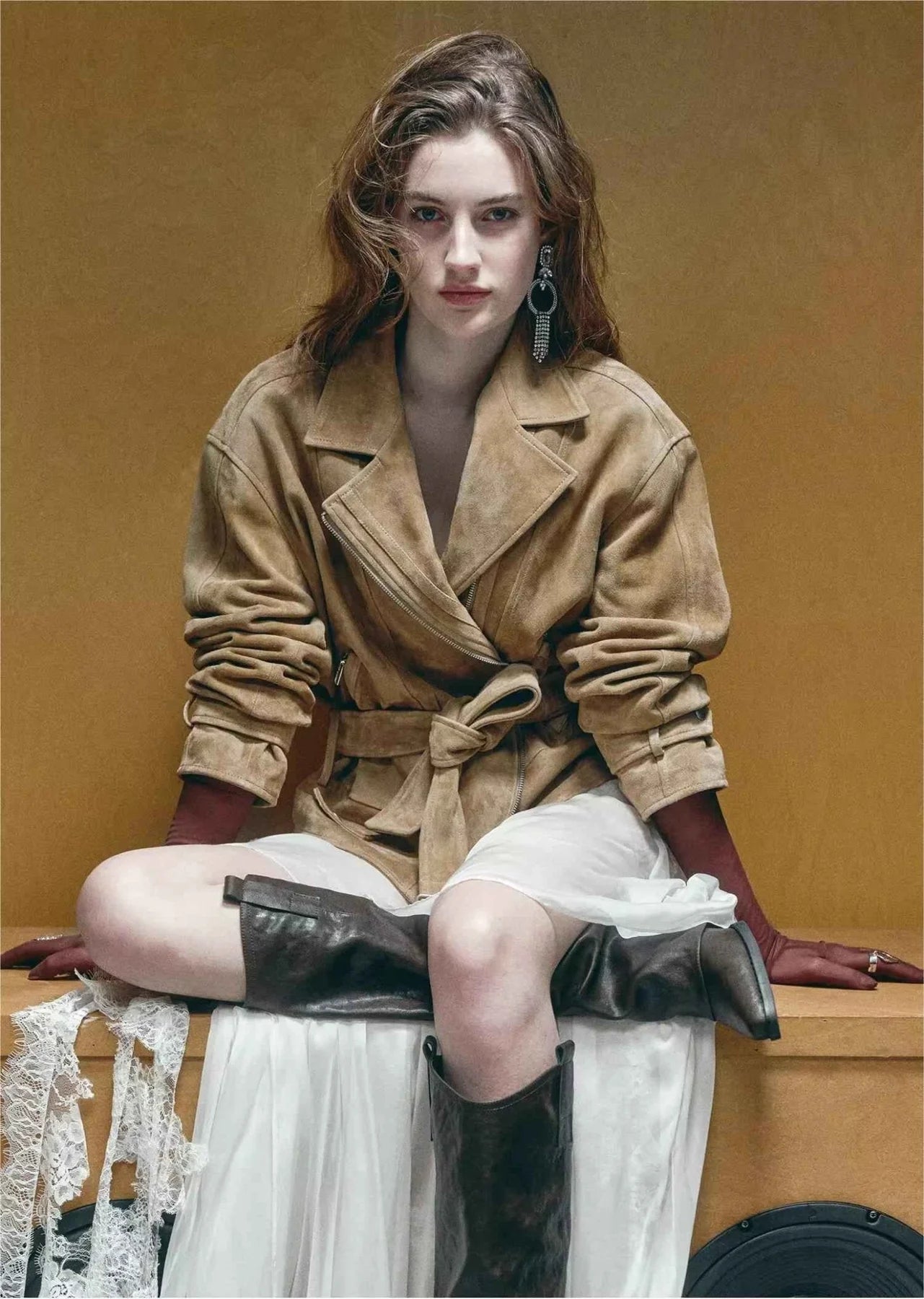
Un guide de décision, pas une liste de tendances.
Chaque approche associe la coupe du blouson, le cuir, son adaptation au climat et son usage probable.
Free Shipping Sitewide & | Easy returns
Become a Member and Unlock More Exclusive Rewards| Join now
HALLOWEEN SALE | ENJOY 30% OFF SITE WIDE I SHOP NOW
Le guide du blouson en cuir
Comparez les styles, les coupes, les types de cuir, la construction et la chaleur, puis découvrez comment porter, nettoyer, nourrir et entretenir le blouson de votre choix.
Créez votre sélection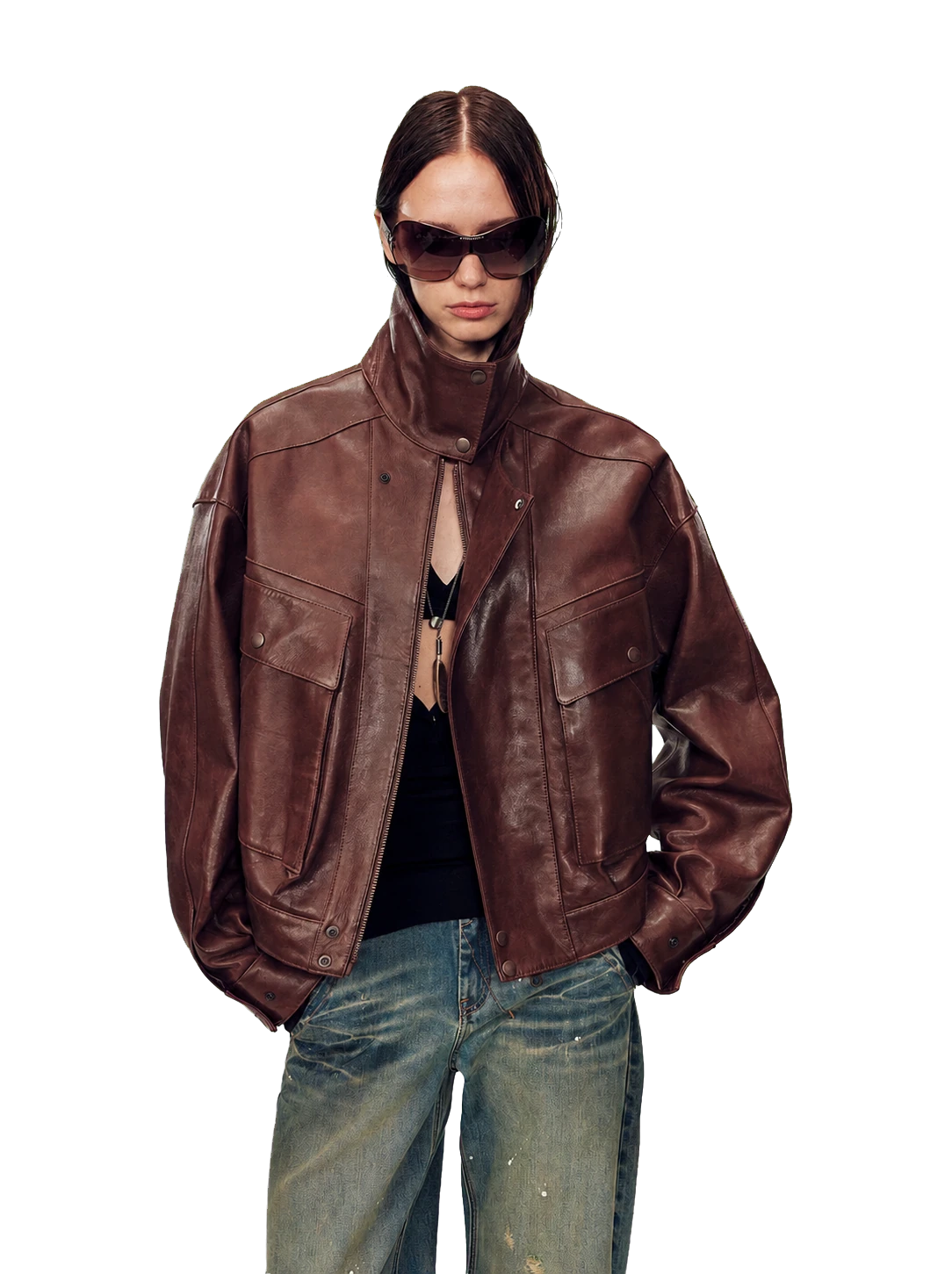
Chaque approche associe la coupe du blouson, le cuir, son adaptation au climat et son usage probable.
Comprenez la souplesse, le grain, la finition, le poids, la patine et les compromis derrière chaque option.
Le placement des épaules, l'aisance de fermeture, l'inclinaison des manches et les superpositions prévues comptent davantage qu'une taille inscrite sur une étiquette.
Choisissez une silhouette utile et entretenez la finition sans effacer l'évolution naturelle du blouson.
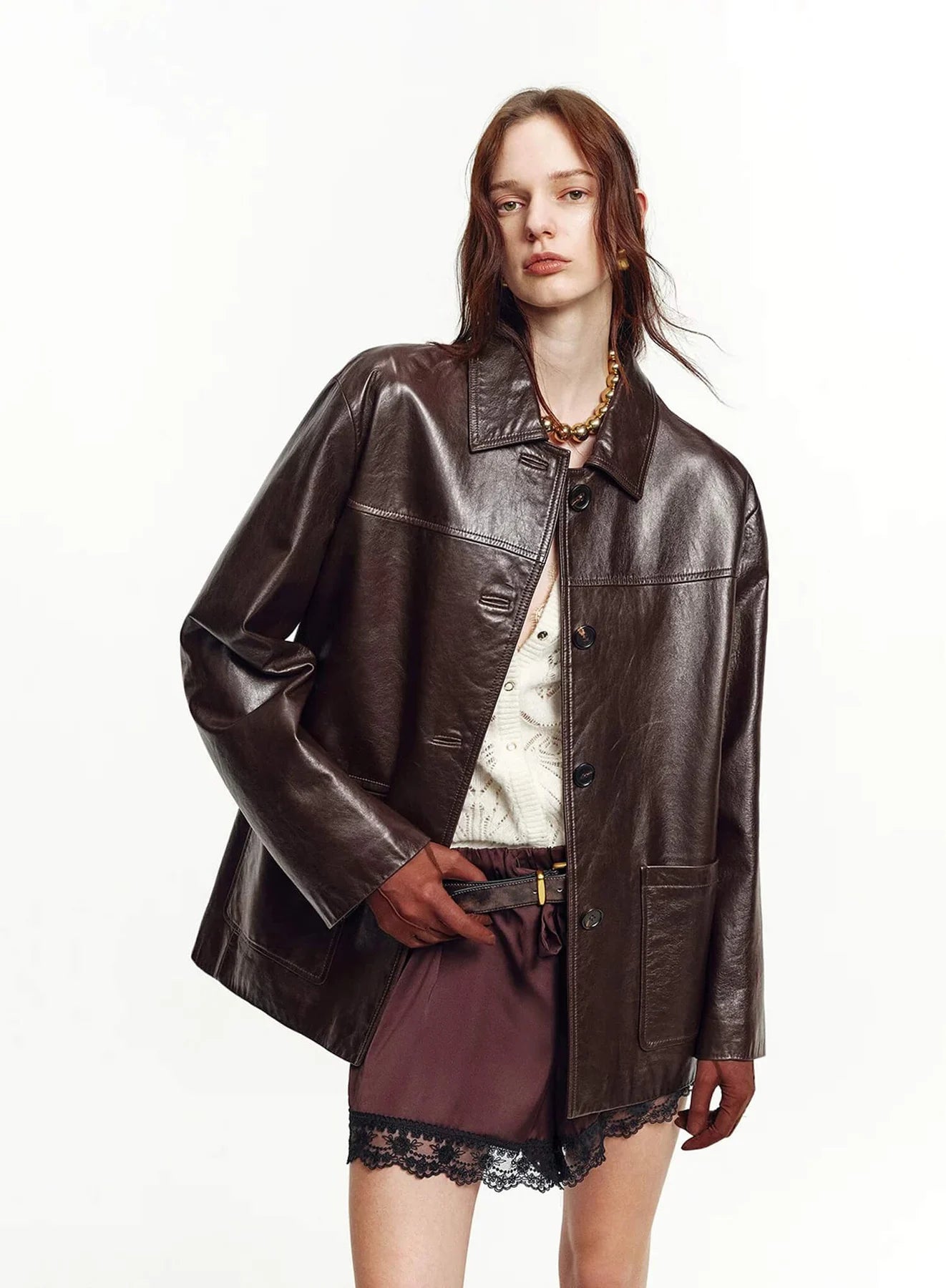
Ce qui le rend indispensable
Le meilleur achat n'est pas simplement du « cuir véritable ». C'est la bonne peau, la bonne finition, la bonne construction, les bonnes proportions et la capacité de superposition qui fonctionnent ensemble pour votre façon de vous habiller au quotidien.
Le cuir d'agneau souple peut donner à un blouson court un aspect fluide et spontané. Un cuir de vachette plus ferme ou une finition cirée peut soutenir une coupe aviateur ou motard plus structurée. Le daim modifie totalement la température visuelle, troquant la brillance pour une surface plus douce et feutrée. Aucune option n'est automatiquement la meilleure.
Définissez d'abord son rôle. La matière et la silhouette doivent servir ce rôle ensemble.
Commencez ici
Cette décision permet d'éviter la plupart des erreurs coûteuses. Identifiez l'usage principal, puis utilisez les sections suivantes pour affiner le choix de la matière, de la longueur et de la finition.
Privilégiez un poids facile à porter, une aisance de mouvement aux épaules et une longueur qui s'accorde avec vos pantalons et jeans habituels.
Recherchez un volume audacieux, la forme du col ou le placement à la taille plutôt qu'une surcharge décorative.
Prévoyez de la place pour les mailles et vérifiez la fermeture, la doublure, les poignets, la protection du cou et l'exposition au vent.
Favorisez des proportions équilibrées, des poches pratiques, des éléments métalliques réparables et une finition qui peut vieillir naturellement.
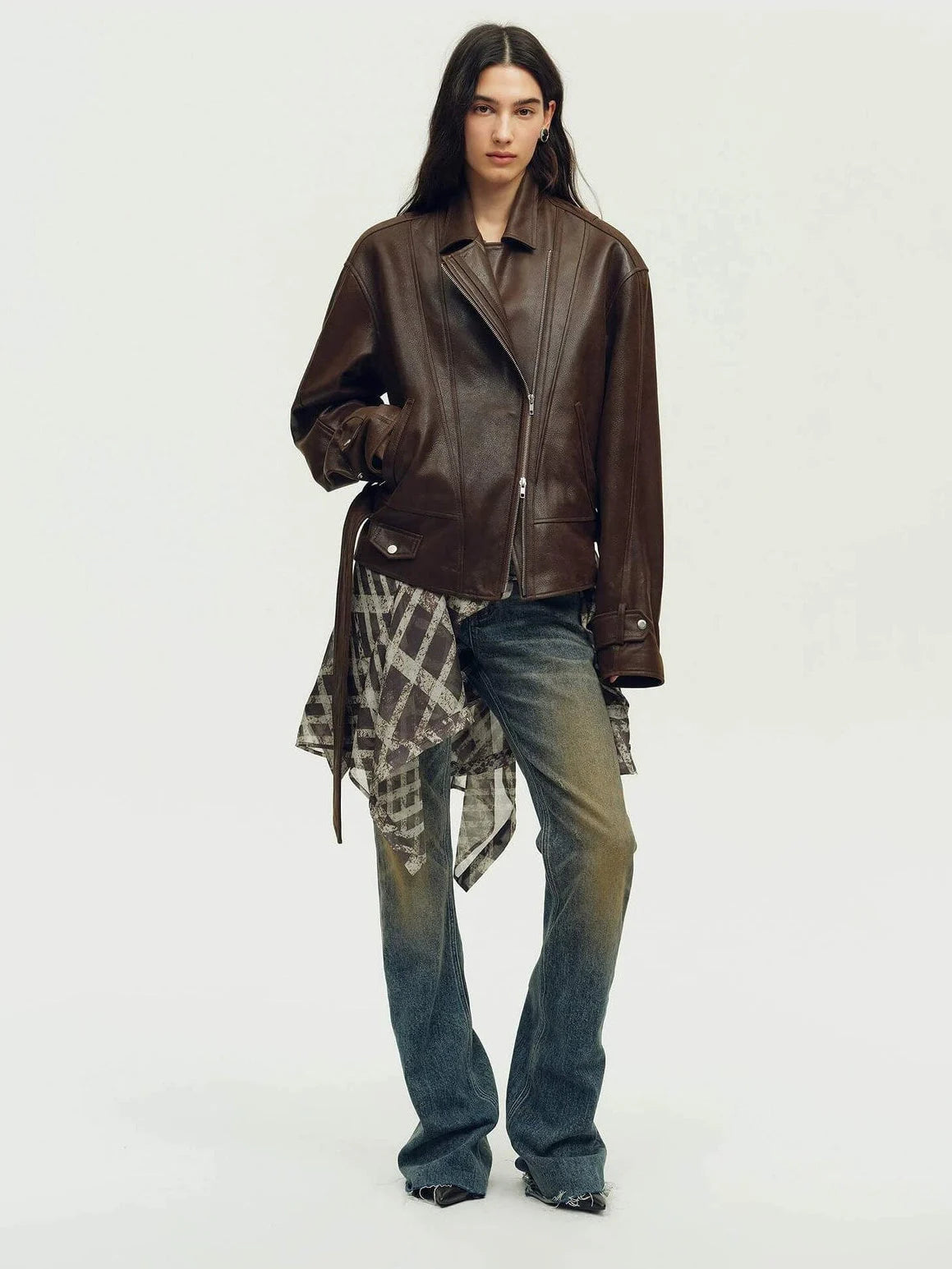
Comparez le comportement de l'agneau, du mouton, de la chèvre, de la vachette et du daim.
Distinguez l'aisance recherchée d'un blouson simplement trop grand ou trop petit.
Choisissez des proportions basées sur la fonction de votre garde-robe, pas sur une notion vague d'intemporalité.
Accordez la sensibilité de la finition à la météo, à vos voyages, au stockage et à vos habitudes de soin.
Consultez la bibliothèque d'articles pour des conseils d'achat, de comparaison, de style et d'entretien.
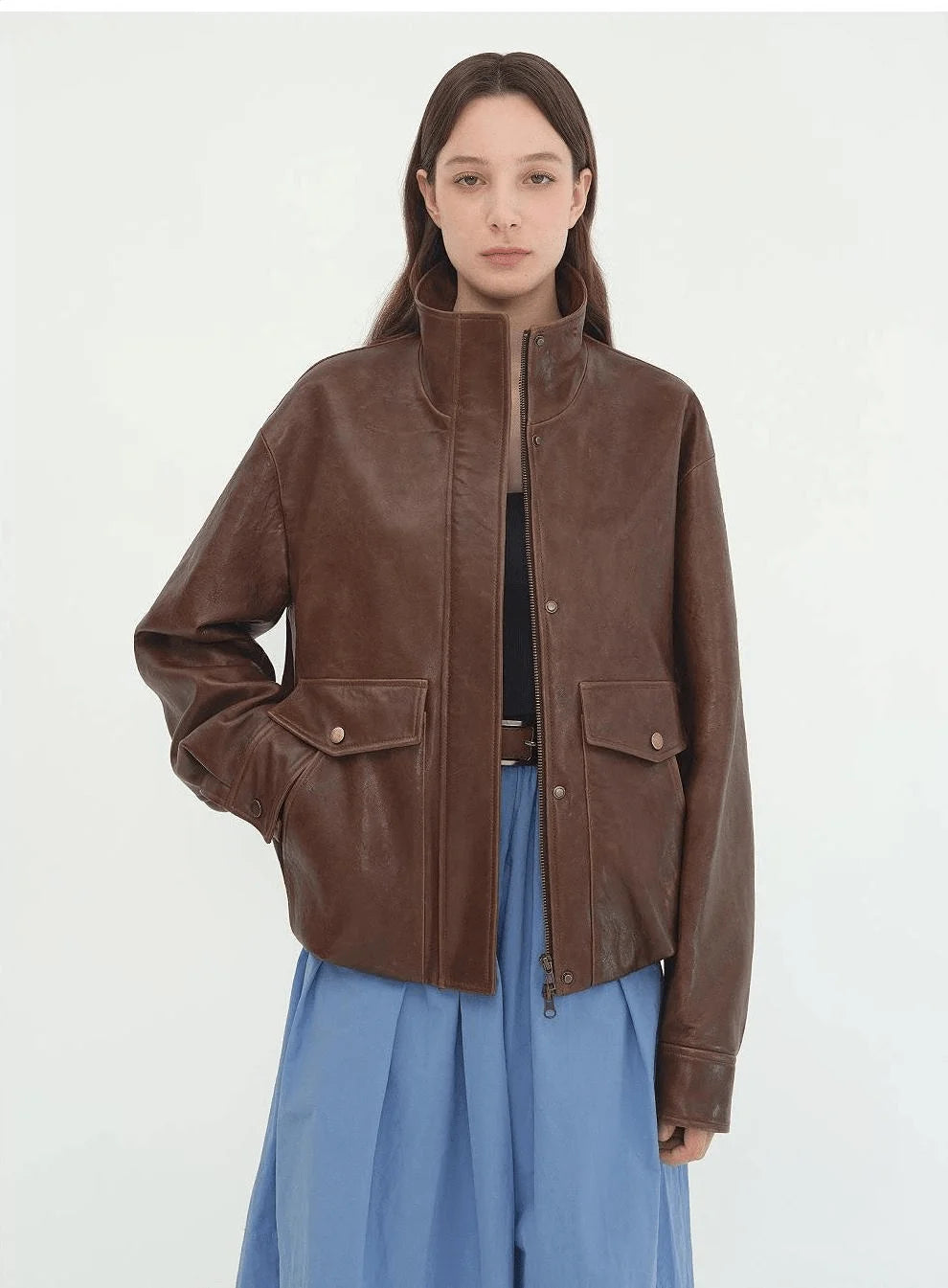
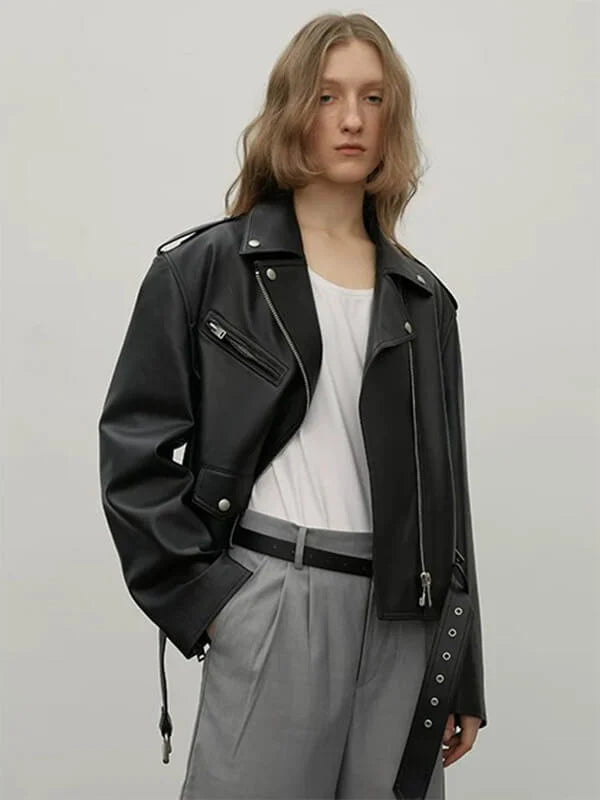
Familles de silhouettes
Un blouson se définit d'abord par ses proportions : là où il s'arrête, comment tombent les épaules, le volume autour du corps et le rendu du col près du visage.
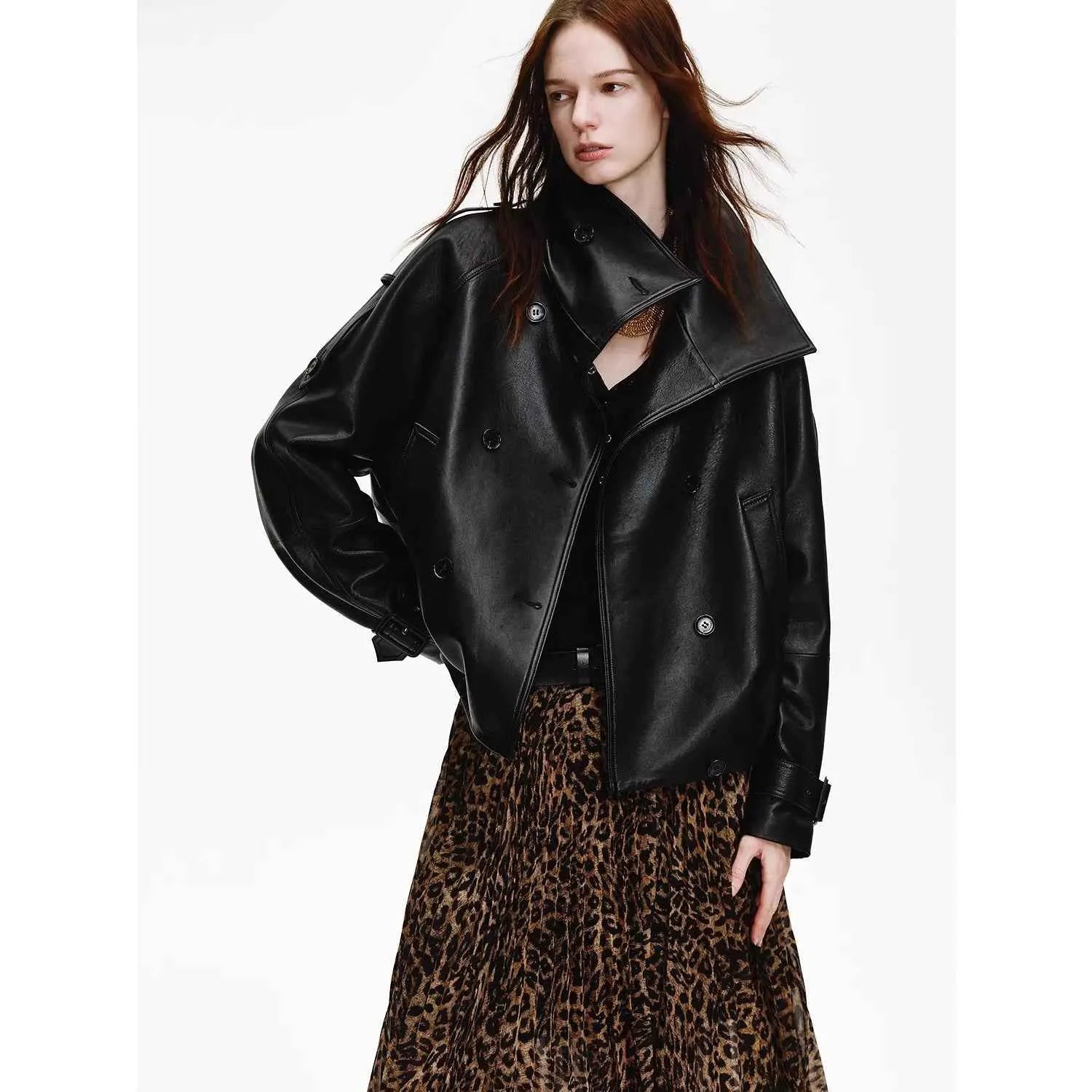
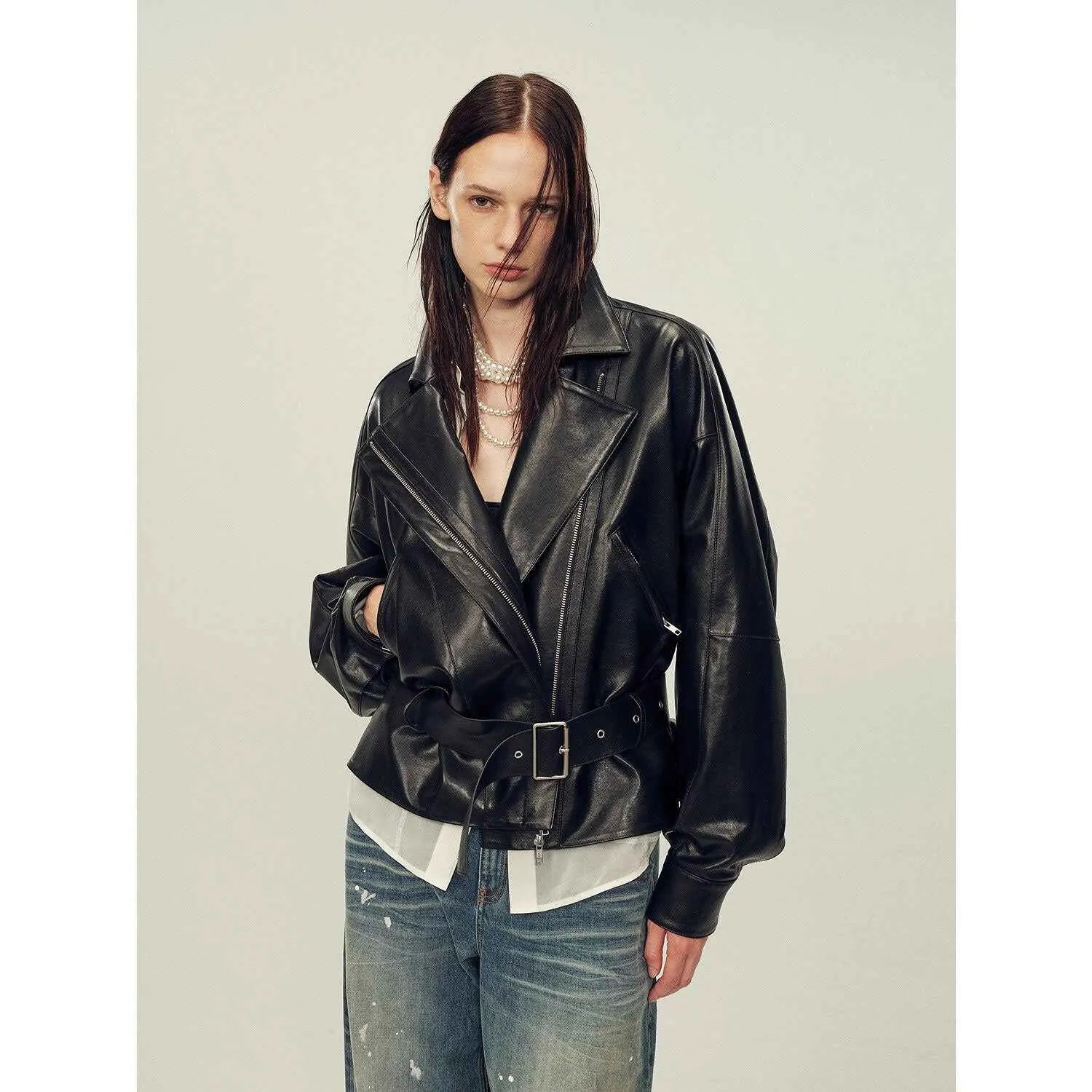
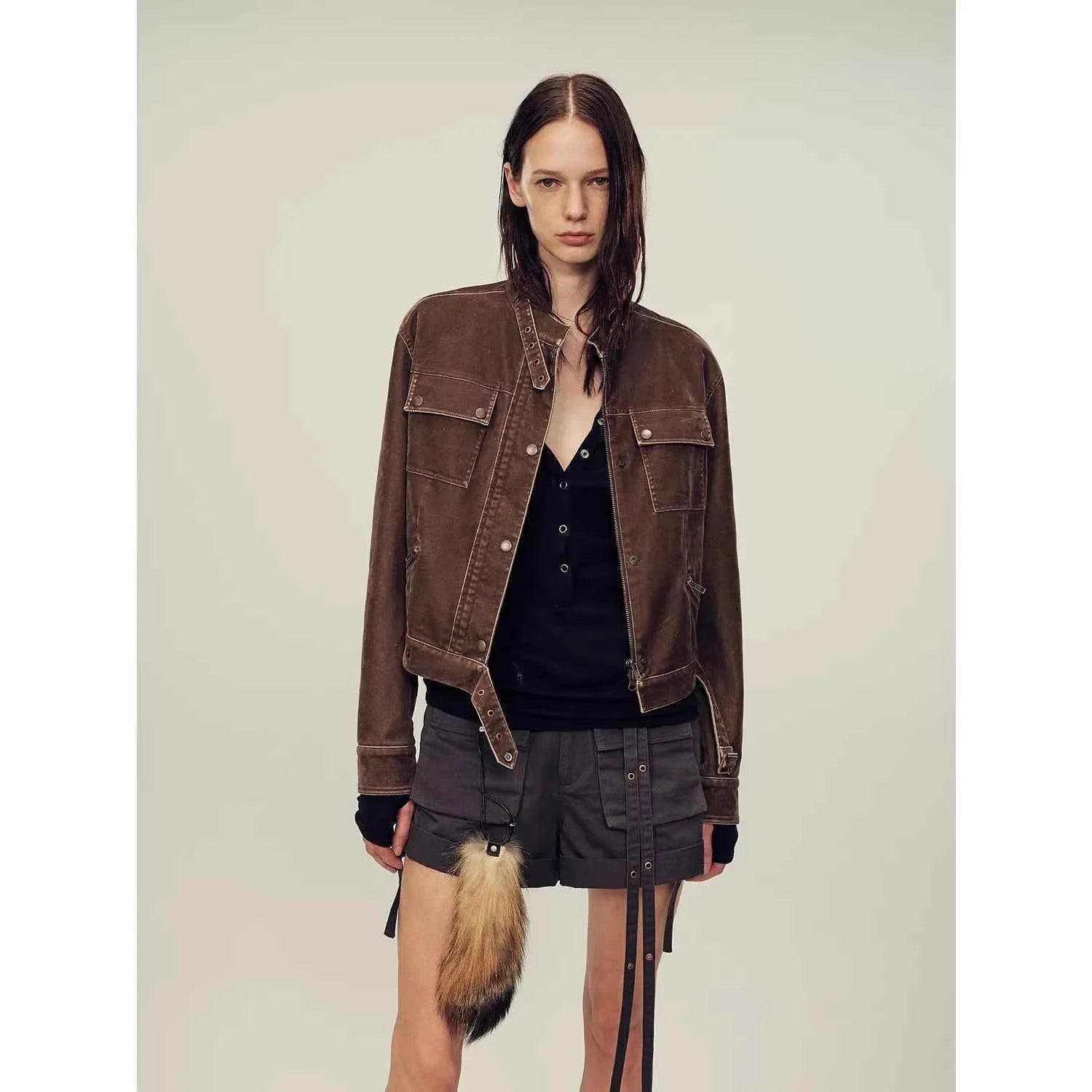
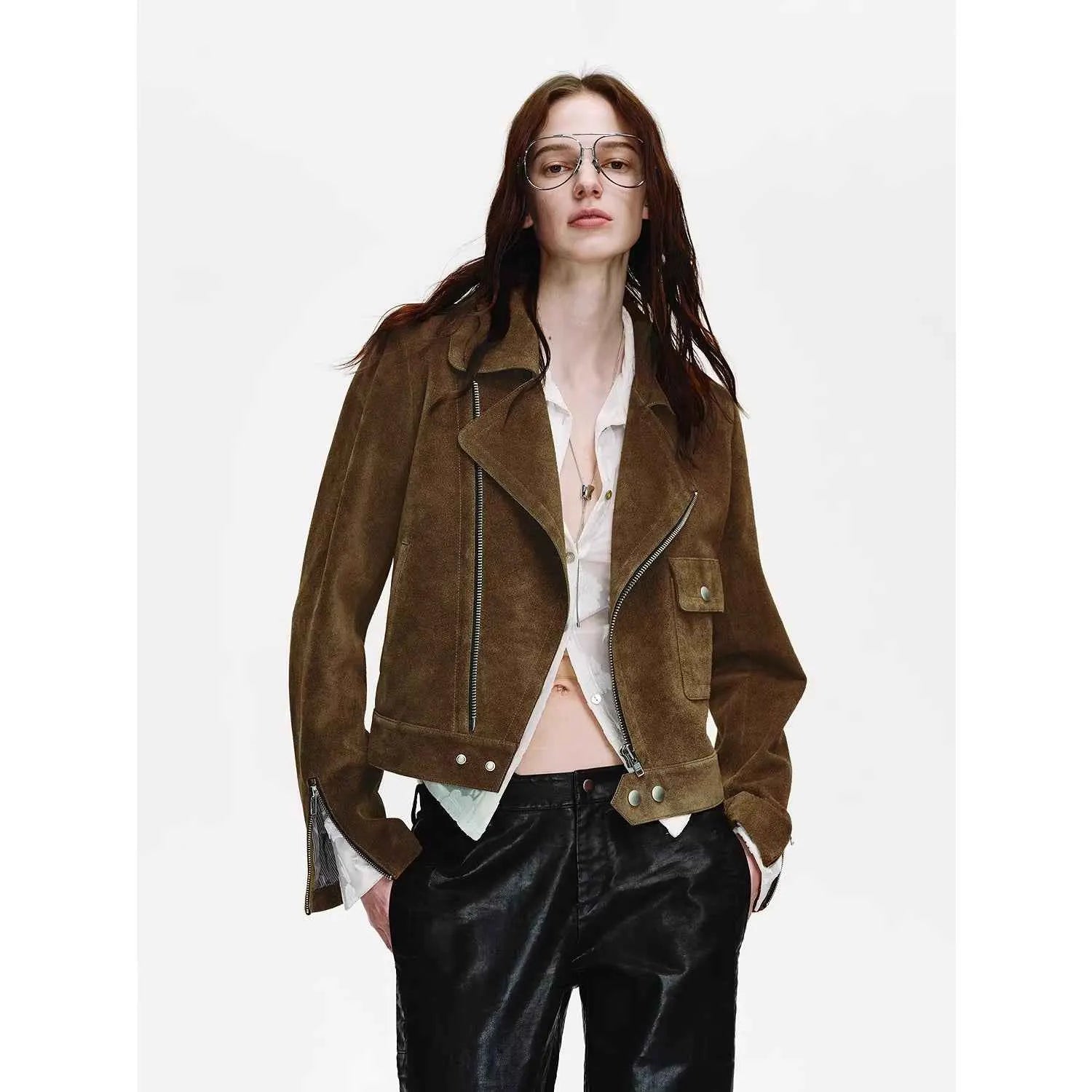
Caractère du cuir
Le « cuir » n'est pas une sensation unique. Pensez en termes de drapé, de densité, de surface, de souplesse acquise avec le temps et de sensibilité de la finition.
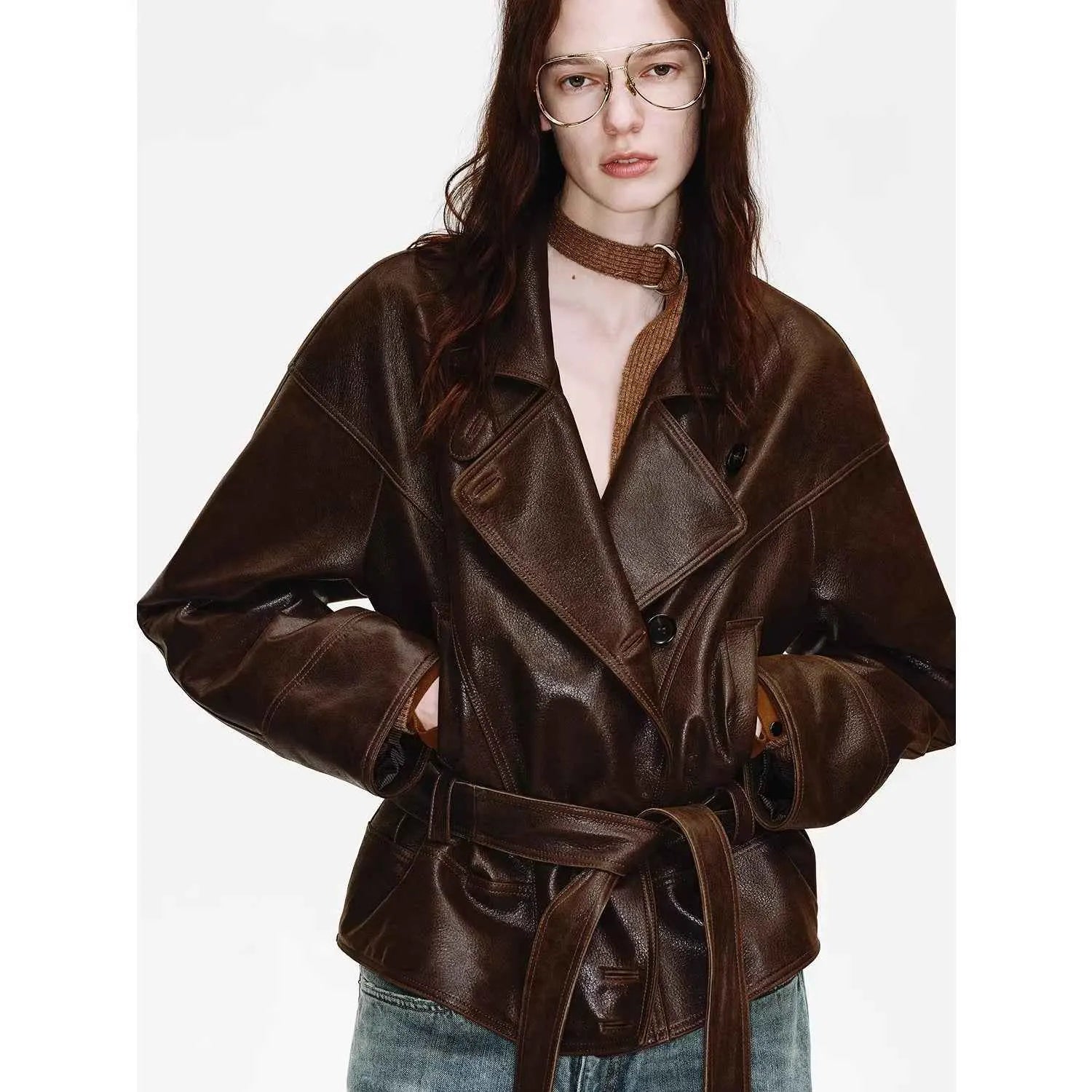
Souple, léger et fluide. Idéal pour les coupes près du corps et les blousons urbains raffinés ; moins adapté à une abrasion répétée.
Très varié, il équilibre souvent la douceur avec plus de tenue. La finition et l'épaisseur comptent autant que l'appellation de l'espèce.
Fréquemment grainé, résistant et plus léger que sa durabilité ne le suggère. Utile pour les blousons destinés à un usage régulier.
Généralement plus ferme et substantielle. Elle convient aux coupes motard, aviateur ou workwear, avec une période de rodage plus longue.
Les surfaces mates, les cires, l'aspect vieilli et le tannage végétal peuvent transformer radicalement la même silhouette.
Demandez comment la finition réagit à la pluie, aux frottements, aux rayures, à l'entretien et au soleil avant de décider si sa beauté convient à votre quotidien.
Coupe et longueur
Un blouson en cuir doit pouvoir se fermer sur les couches que vous prévoyez de porter, permettre aux bras de bouger sans tirer sur les épaules et s'arrêter à un niveau cohérent avec votre garde-robe.
Construction et valeur
Le nom de la peau décrit la matière, non la qualité du blouson fini. La construction détermine si la forme, le mouvement et les éléments métalliques resteront convaincants après des usages répétés.
Recherchez des coutures qui soutiennent la silhouette, un grain et une couleur équilibrés, et des panneaux qui bougent ensemble plutôt que de contraindre le corps.
Vérifiez les emmanchures, les coins de poches, les poignets et la zone de fermeture. La doublure doit bouger librement sans se tordre, tirer ou exposer des points de tension.
Zippez, boutonnez et fermez le blouson avec les couches prévues. Les accessoires doivent être sécurisés sans déformer le cuir alentour.
La possibilité de remplacer les zips, des coutures accessibles et une coupe pratique comptent souvent plus qu'une complexité décorative ou une appellation de cuir luxueuse.
Couleur et patine
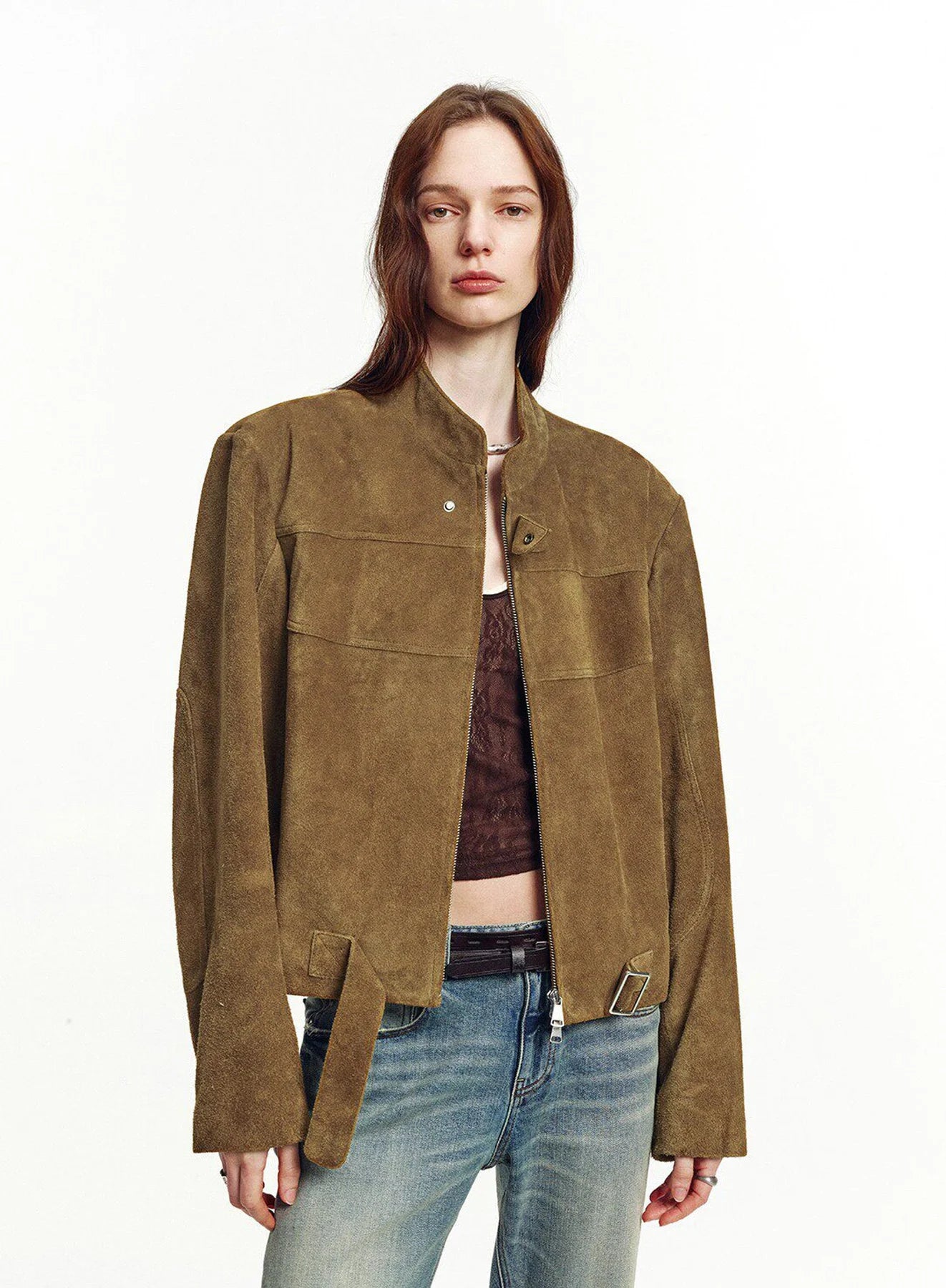
Le noir accentue généralement la silhouette et les éléments métalliques. Le marron révèle davantage les variations tonales, les frottements et la chaleur. Les finitions bordeaux et tabac peuvent faire le pont entre les deux, tandis que le daim absorbe la lumière et diminue le contraste. Choisissez l'histoire que vous souhaitez voir vieillir.
La vision Firelady
Un blouson fort n'a pas besoin de multiplier les signaux. Un col net, un volume utile, une surface de cuir convaincante et des éléments métalliques qui servent le design ont plus d'autorité que des décorations ajoutées sans but.
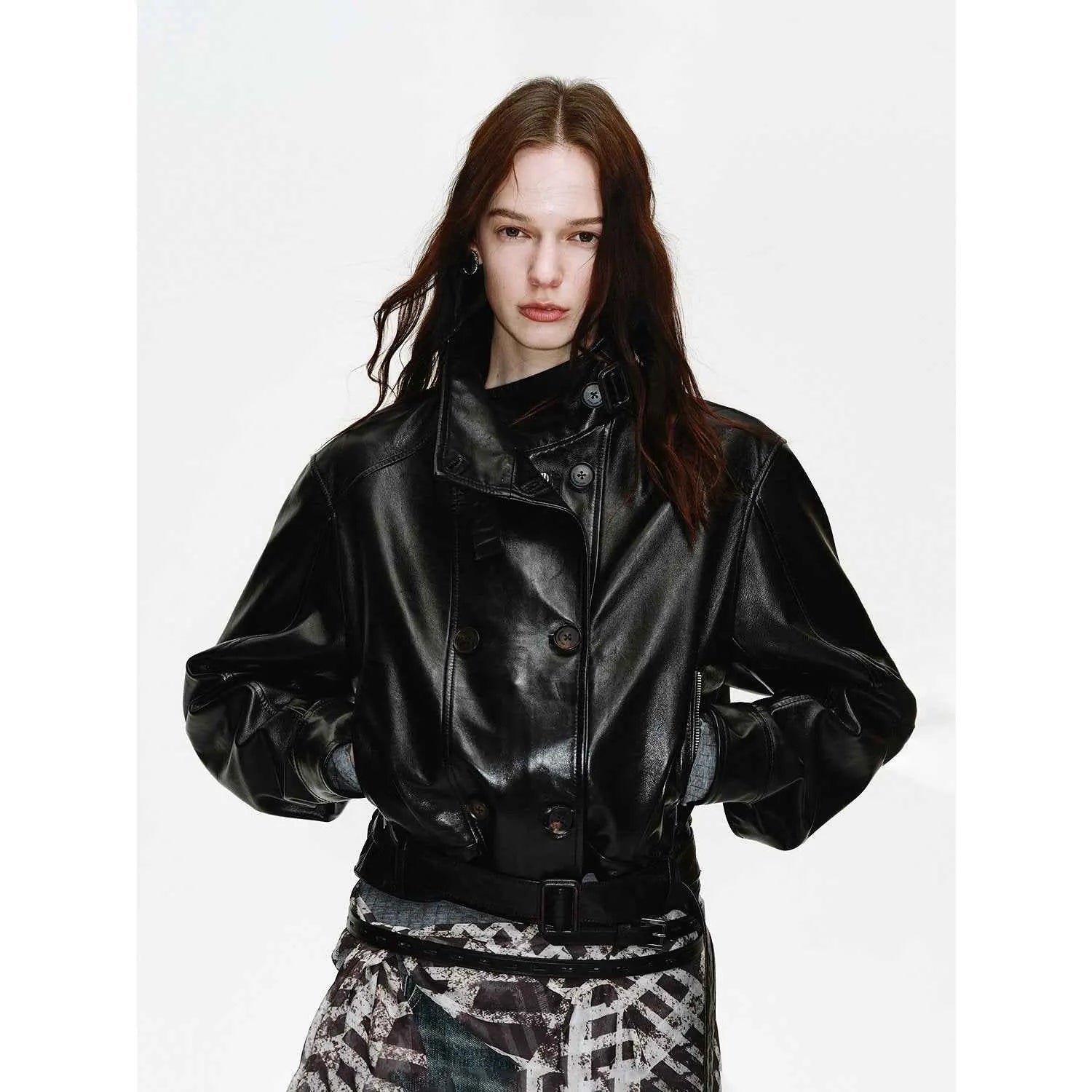
Six parcours approfondis
Utilisez ces parcours comme structure de troisième niveau sous ce centre de ressources. Chacun résout une décision différente au lieu de répéter les mêmes conseils produits.
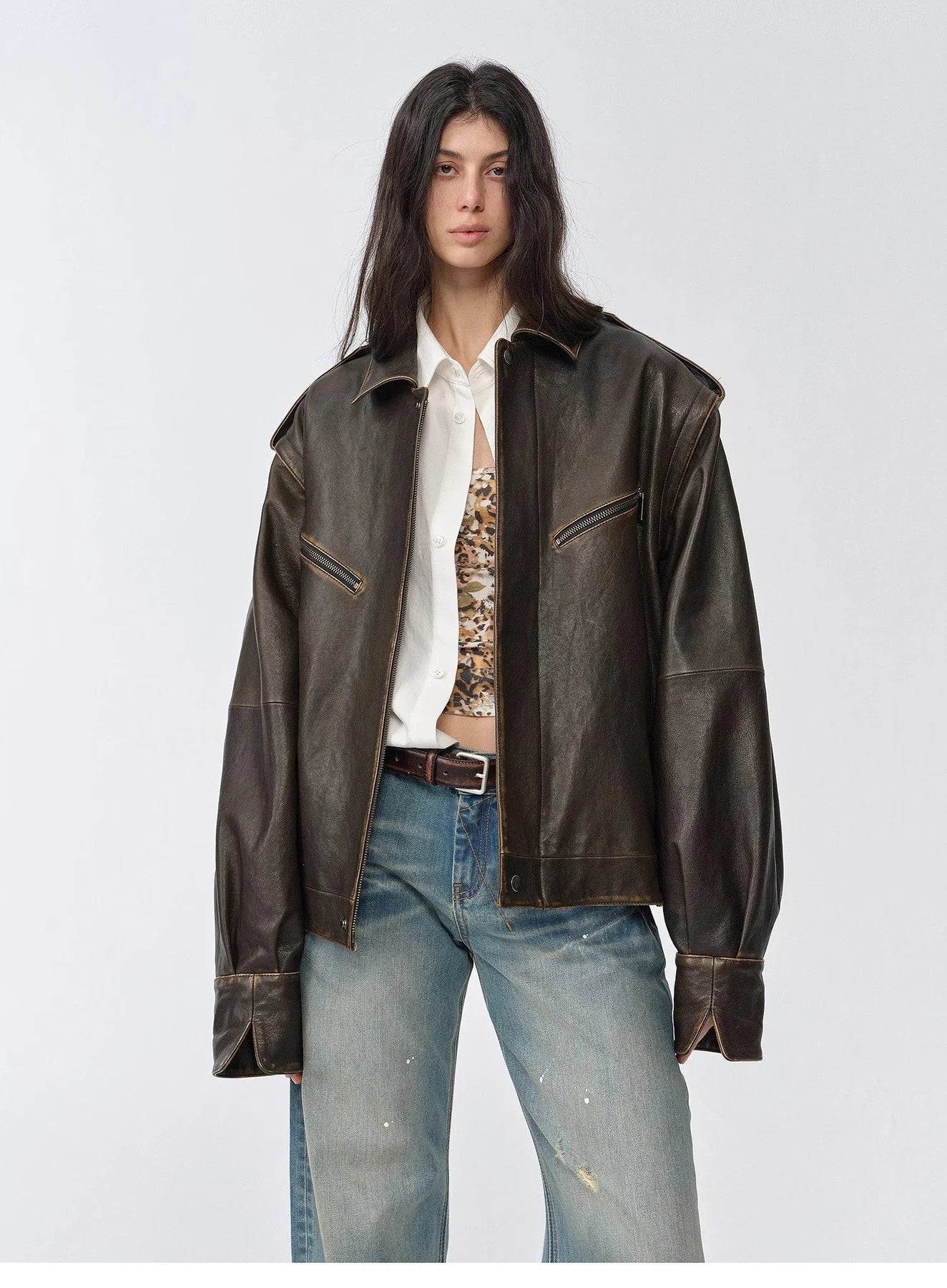 Une catégorie, six manières utiles de l'aborder.
Taille, mesures, aisance au niveau de la fermeture, superposition des couches, budget, indicateurs de qualité et vérifications pour les achats en ligne.
Agneau, mouton, chèvre, vachette, daim, surfaces cirées, aspect vieilli, grain et patine.
Moto, bomber, aviateur, courte, oversize, col entonnoir, blazer, trench et coupes d'inspiration vintage.
Construisez des looks autour de la couleur, des proportions, de la météo, des chaussures, des sacs, des jupes, du jean, du tailoring et du voyage.
Rangement, eau, hydratation, odeurs, plis, rayures, nettoyage professionnel et décisions de restauration.
Décisions comparatives sur la couleur, la peau, la finition, les proportions, l'adaptation météo et la polyvalence au quotidien.
Comparaison rapide
Ce sont des tendances pratiques, pas des classements absolus. L'épaisseur, le tannage, la finition et la fabrication peuvent changer le comportement de chaque peau.
Sélection shopping
Utilisez le guide ci-dessus pour comparer le rôle que chaque veste pourrait jouer. Le meilleur choix est celui qui s'adapte à vos tenues habituelles, pas seulement l'image la plus frappante prise isolément.
Bibliothèque d'articles sur la veste en cuir
C'est le moteur éditorial derrière le centre de ressources : suffisamment vaste pour favoriser la découverte, mais regroupé de manière assez serrée pour que chaque article puisse répondre à un problème de recherche réel sans se répéter.
Acheter selon vos besoins
Lorsque votre choix est clair, naviguez en utilisant un filtre dominant : le comportement de la matière, la couleur, la finition ou la silhouette.
La vaste collection de cuir Firelady, déclinée en diverses silhouettes, finitions et palettes de couleurs.
↗02Pour plus de profondeur, un caractère patiné et des surfaces conçues pour évoluer visiblement.
↗03Pour une structure plus ferme, une main substantielle et des silhouettes qui conservent une ligne nette.
↗Vérification des risques d'entretien
Le cuir est fait pour bouger, se plisser et se patiner avec le temps. Un bon entretien prévient les dommages évitables — humidité, chaleur, moisissure, sécheresse excessive, transfert de couleur — sans pour autant effacer toute trace d'usure.
Foire aux questions
Utilisez ces réponses pour résoudre vos dernières préoccupations pratiques avant de comparer chaque veste.
Haut de pageIl n'y a pas de réponse universelle. L'agneau convient aux silhouettes douces et raffinées ; la chèvre équilibre souvent résistance et poids ; le cuir de vachette soutient une structure plus ferme ; le daim offre un aspect mat et plus doux mais nécessite davantage d'entretien face aux intempéries. Choisissez en fonction de la coupe, de la fréquence d'utilisation et de l'entretien que vous pouvez réellement assurer.
Elle doit tomber parfaitement au niveau des épaules, se fermer par-dessus vos couches habituelles sans tension, et permettre un mouvement naturel des bras. Le cuir peut se détendre à l'usage, mais la veste ne doit pas dépendre d'un étirement excessif pour devenir fonctionnelle.
Prenez une taille au-dessus uniquement si vos mesures, les couches prévues ou la coupe spécifique l'exigent. Un style « oversize » et une taille correcte ne sont pas la même chose ; comparez les mesures du vêtement et vérifiez ensemble les épaules, la poitrine, les manches et la longueur à l'ourlet.
Un cuir d'agneau de qualité peut supporter un usage urbain régulier s'il est traité avec soin, mais sa surface souple est généralement plus sensible à l'abrasion que les cuirs plus épais. Il convient mieux à ceux qui privilégient la légèreté et le tombé, et qui n'attendent pas une robustesse digne d'un vêtement de travail.
Le noir crée un contraste plus fort et donne généralement une allure plus tranchée ; le marron s'accorde particulièrement bien avec le crème, le jean, le vert olive, le camel et les tons neutres chauds. L'option la plus polyvalente est celle qui s'harmonise avec les couleurs et les chaussures déjà présentes dans votre garde-robe.
Une légère exposition est généralement sans danger si la veste est épongée et séchée lentement, loin de toute source de chaleur directe. Une pluie soutenue peut marquer les finitions, durcir le cuir ou altérer la couleur, particulièrement sur le daim et les surfaces spéciales. Vérifiez les instructions d'entretien spécifiques à votre veste.
Nourrissez-la en fonction de sa sécheresse, du climat, de la finition et de l'usure, plutôt que selon un calendrier rigide. Un excès de produit peut assombrir ou ramollir la surface. Testez le produit sur une zone cachée et évitez les traitements inadaptés au daim ou aux finitions spéciales.
Ne vous fiez pas seulement à l'étiquette. Observez le comportement de la surface, la cohérence des panneaux là où ils doivent l'être, la qualité des coutures, la robustesse de la doublure et des accessoires, et vérifiez si la conception reste efficace une fois fermée et en mouvement.
Une veste bien faite peut durer de nombreuses années si la coupe reste actuelle, si le cuir est stocké correctement et si les problèmes de fermeture ou de doublure sont réparés avant de devenir irréparables. La longévité dépend autant de la pertinence du design et de l'entretien que de l'épaisseur de la peau.
Une veste standard ou légèrement décontractée arrivant au niveau de la hanche est souvent le meilleur point de départ, car elle s'associe facilement avec de nombreux pantalons, jupes et robes. Toutefois, une veste courte ou longue peut être plus judicieuse si ces proportions dominent déjà votre garde-robe.
Votre prochaine veste en cuir
Commencez par son usage, affinez par la silhouette et le caractère du cuir, confirmez la taille, puis laissez la couleur et la finition personnaliser votre choix.
Voir la collection cuir