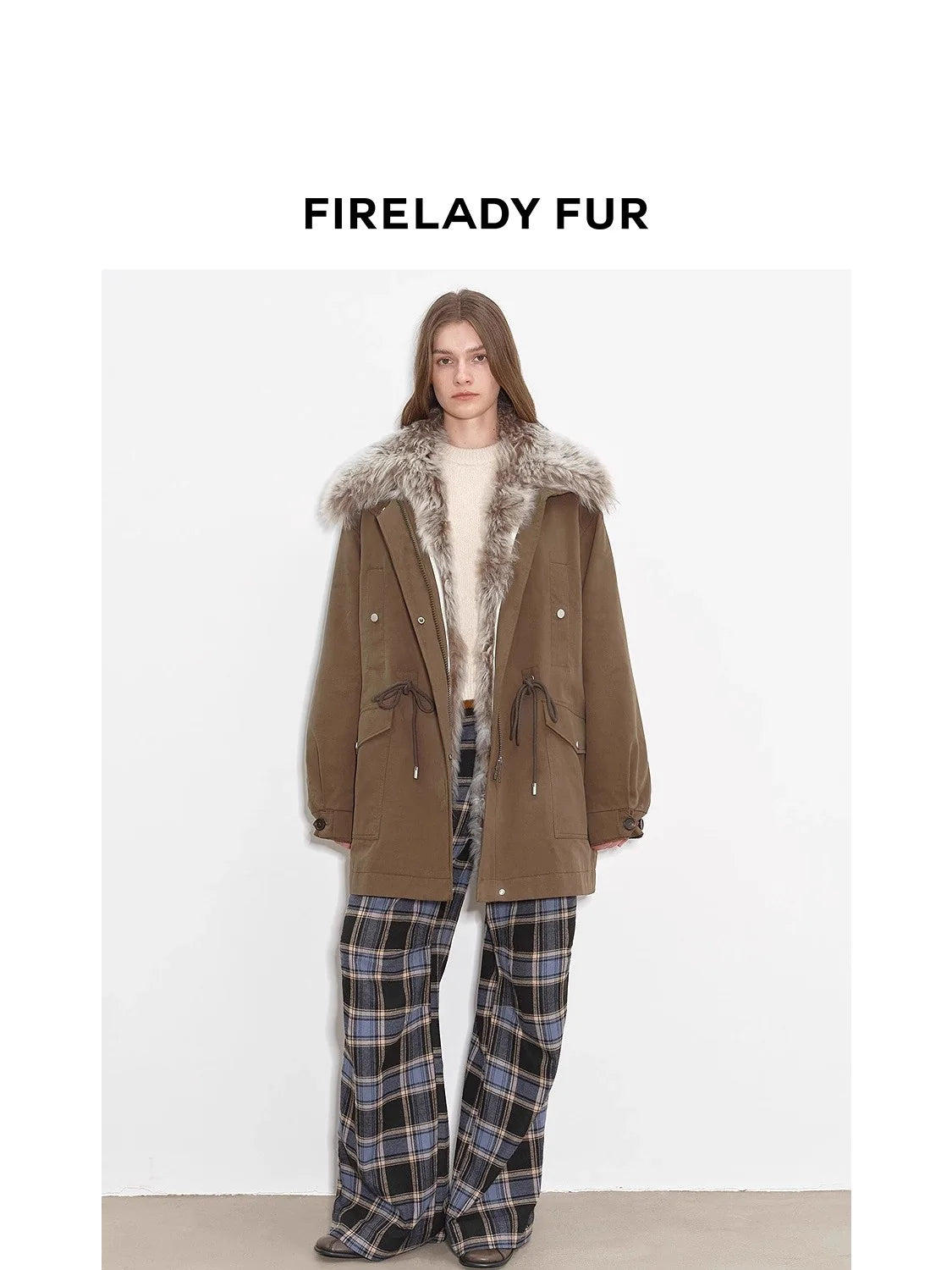
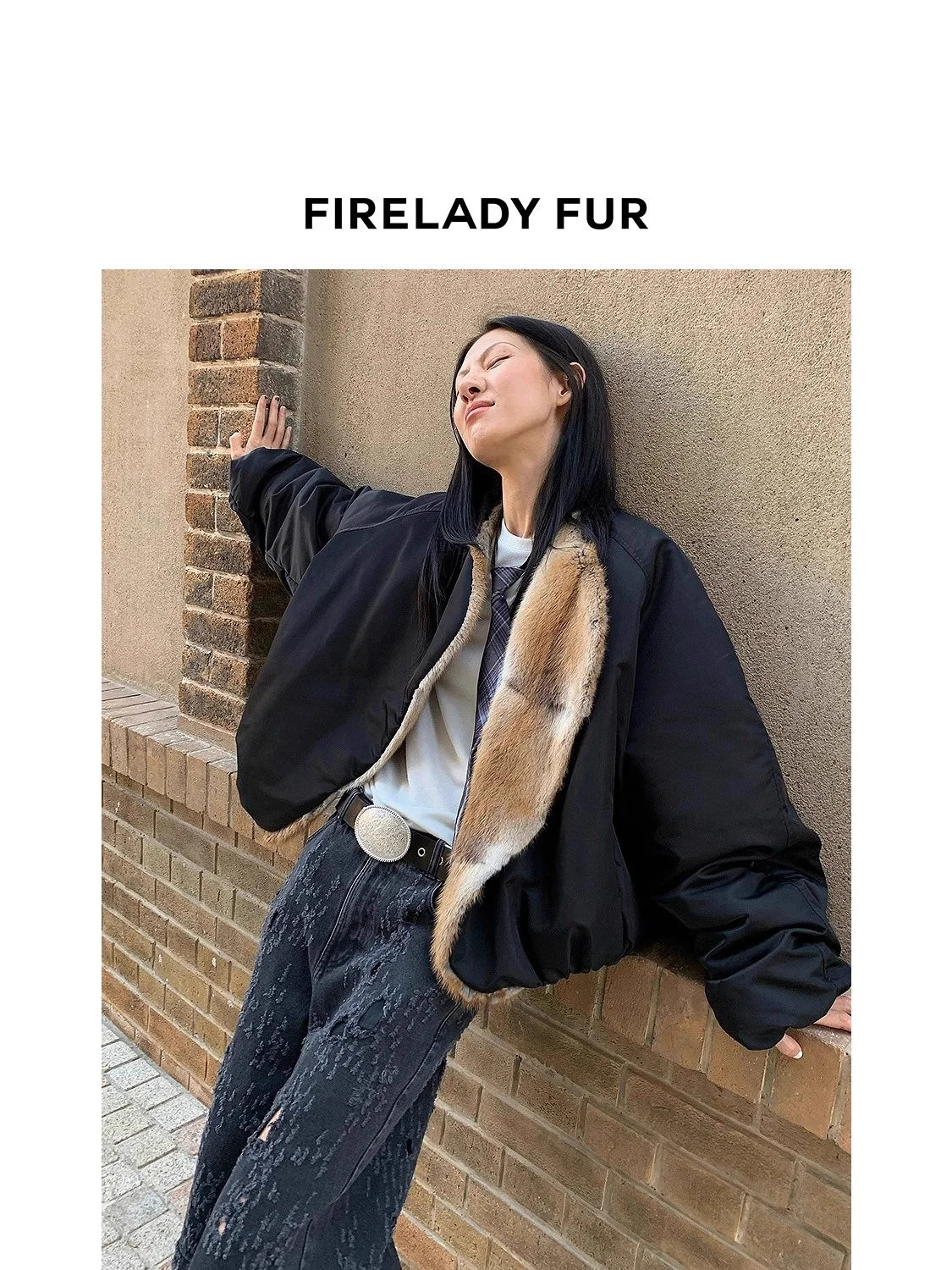
Longer coverage
Hip, mid thigh, and knee lengths feel different in wind, car seats, and cold sidewalks.
Born of Nature, Bred in Warmth.| 11 years of focus on fur
Use this page when the main question is warmth. A warm parka is not just a thick coat; it is length, hood depth, closure, lining, layering room, and a trim choice that works in the weather you actually face.
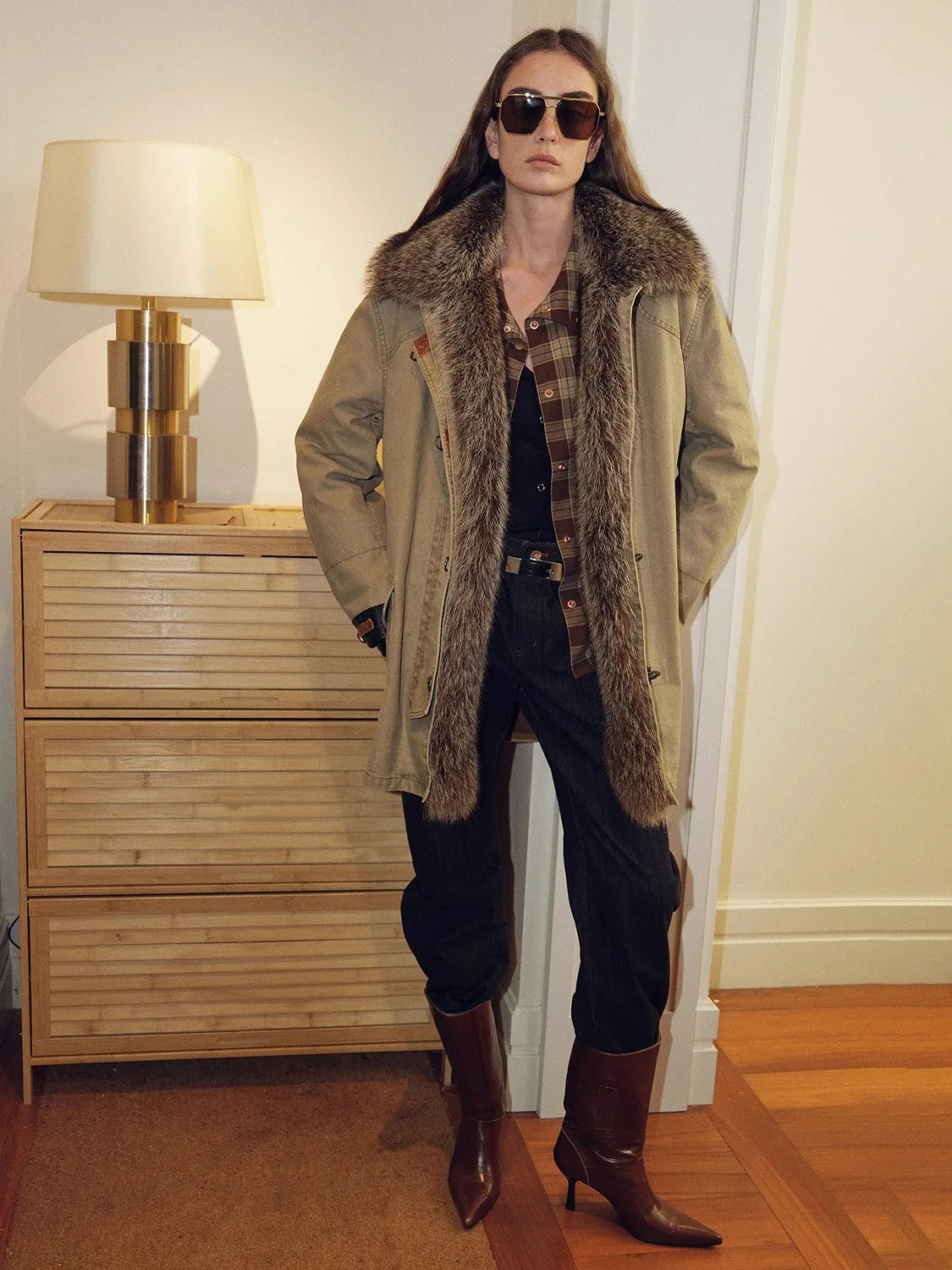
Hip length is easier for driving. Mid thigh and knee length protect better in wind and snow.
Choose more coverage when walking matters more than car comfort.
A deeper hood and fur trim help around the face, especially in wind and cold mornings.
If you dislike hood weight, choose detachable or lower volume trim.
Look for a shell, zipper, snaps, storm flap, cuffs, and pocket placement that reduce drafts.
A thick coat with weak closure can still feel cold.
Check whether warmth comes from lining, fill, material weight, or room for layers.
Do not judge warmth from puffiness alone.
The parka should close over a sweater without pulling across the chest or hips.
Too tight compresses layers and reduces warmth.
Hip, mid thigh, and knee lengths feel different in wind, car seats, and cold sidewalks.
A hood protects the neck and face area when a scarf or open collar is not enough.
Zippers, snaps, storm flaps, cuffs, and hem shape decide how much cold gets in.
A warm parka should close over winter layers without pulling or flattening them.
Fur trim can add face framing and perceived warmth when the hood is actually wearable.
Daily commute, long walks, windy blocks, wet sidewalks, travel, or car heavy winter days.
Shorter is easier in cars; longer is better when walking and waiting outside.
Check depth, trim volume, and whether you would actually wear it up.
Look for zipper, snaps, cuffs, storm flap, hem, and pockets that do not leak cold.
Understand whether warmth comes from lining, fill, shell weight, shearling, or layers.
The coat should close over a sweater without flattening everything underneath.
Once coverage and hood needs are clear, compare detachable fur trim parkas.

Check hood depth, closure, hem length, and room for layers before judging bulk.
Do not choose the warmest looking product photo first. Use the route that matches your coldest normal day.
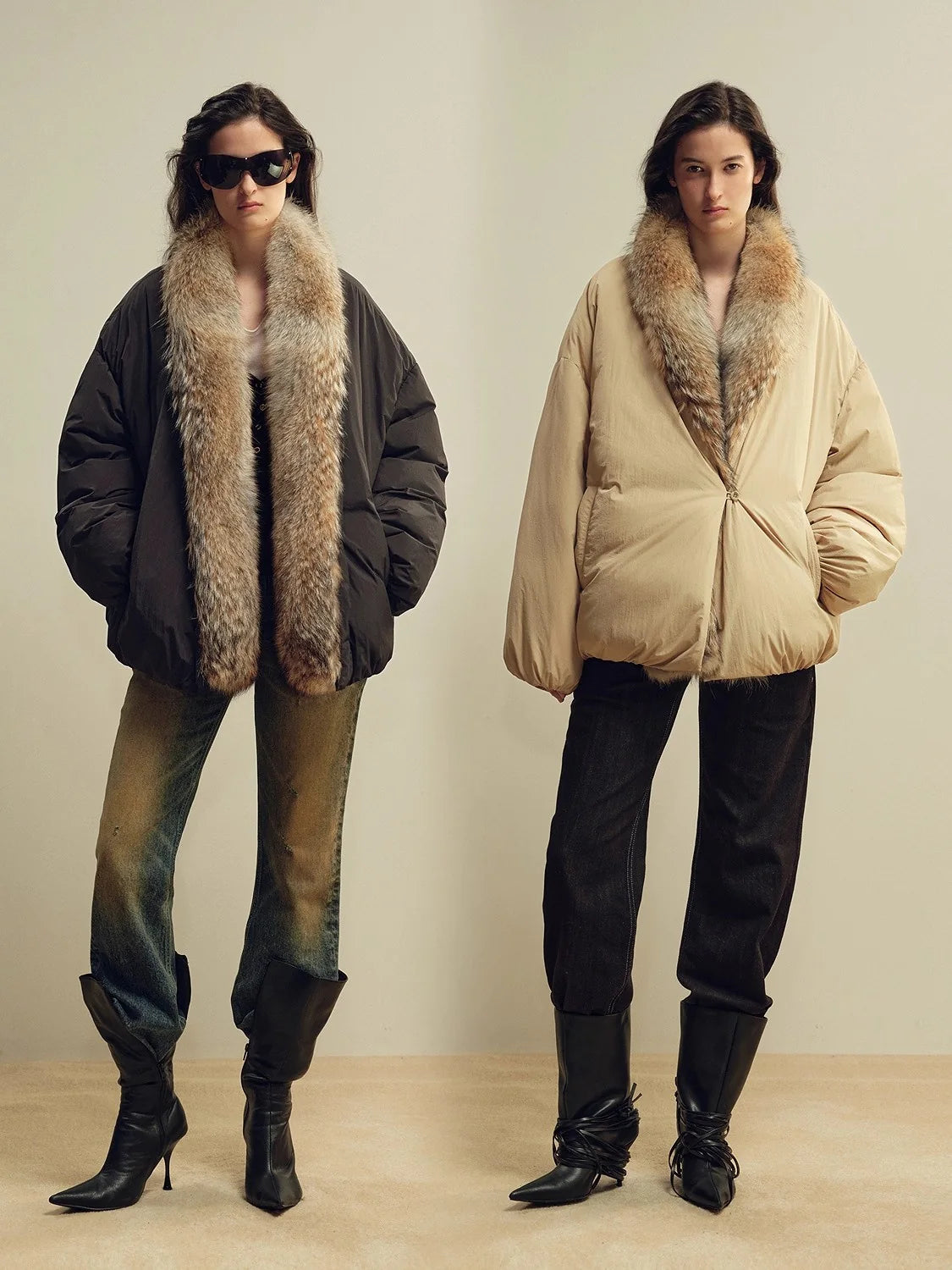
Use when walking warmth and leg coverage matter.
Use when wind around the face is a recurring issue.
Use when warmth source is unclear from photos.
The main shopping route after warmth needs are clear.
Best when you want warmth perception and easier cleaning or storage.
Best when the face and neck area need more protection from cold air.
Best when the coat needs to work with work outfits, scarves, or smaller frames.
Best when heavy rain protection matters more than fur trim styling.
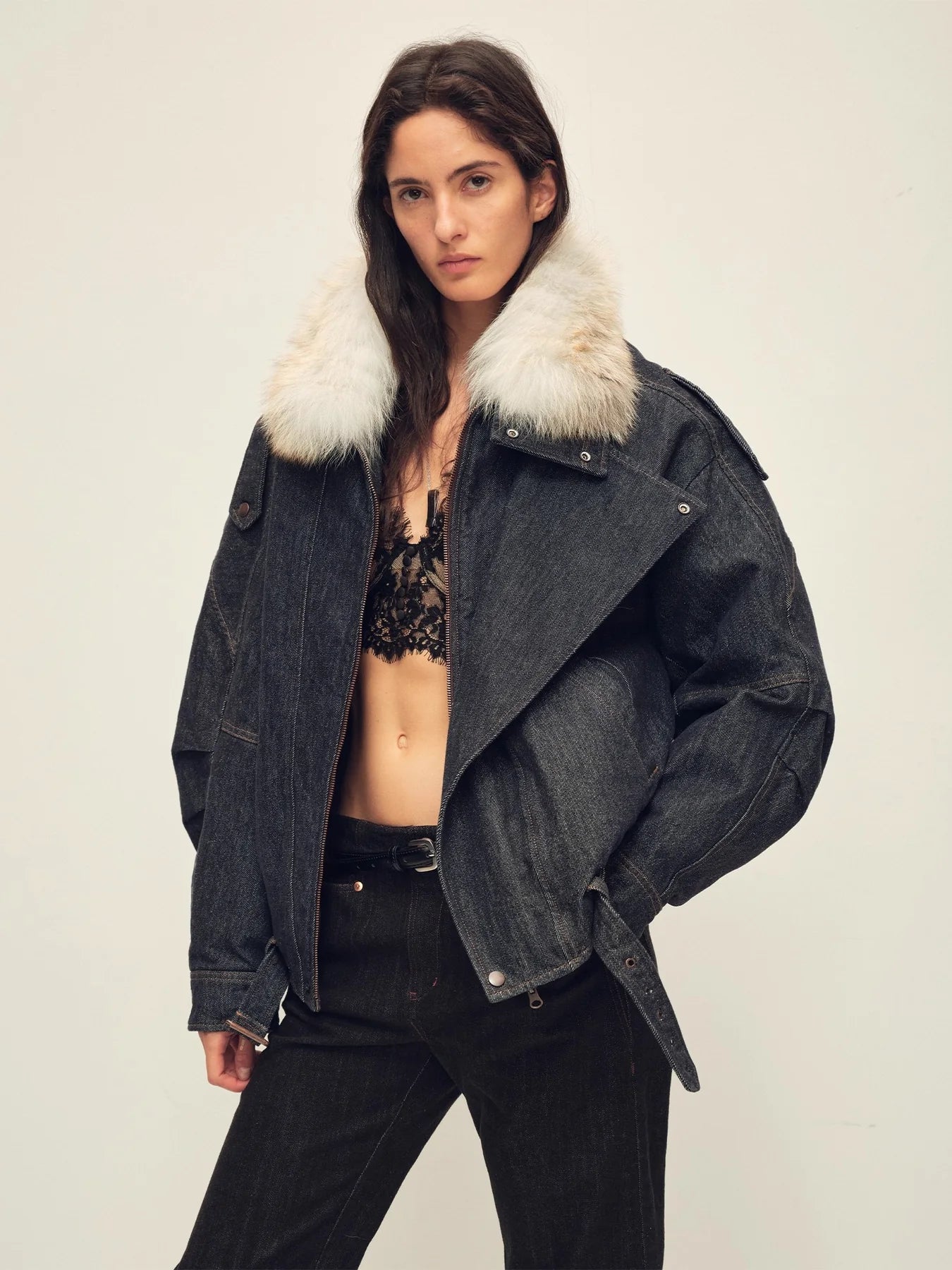
Warmth comes from the full build: coverage, hood shape, closure, lining or fill, shell weight, and enough room to layer. Fur trim can help around the face, but it cannot fix a coat that is too short, too tight, or weak at the closure.
Choose this for daily warmth, hood coverage, visible fur styling, and a lower entry price than full fur.
Choose this for casual insulation and easy wear. Skip it when the outfit needs more polish.
Choose this when the fur itself should lead the outfit and the budget is less limiting.
Choose this when waterproof performance matters more than fur trim winter styling.
Best when you want a good looking winter coat with hood function, real warmth, and a lower entry price.
Best when fur texture, stronger presence, and a dressier winter statement matter more than the lower price.
Risk: matting, moisture, heat damage, or rough brushing.
Best route: detach when possible and keep cleaning instructions separate from the shell.
Risk: clumping, trapped moisture, cold spots, and compression.
Best route: dry thoroughly and avoid compressed storage.
Risk: water marks, stiffness, cracking, and cleaner damage.
Best route: avoid wet storage and ask for mixed material care.
Risk: distorted shell, damaged trim, fill collapse, and hardware stress.
Best route: avoid unless the garment label clearly permits it.
Use What Is a Parka? for the basic construction, then test insulation, shell protection, coverage, layering, and the cold points that make a coat fail.
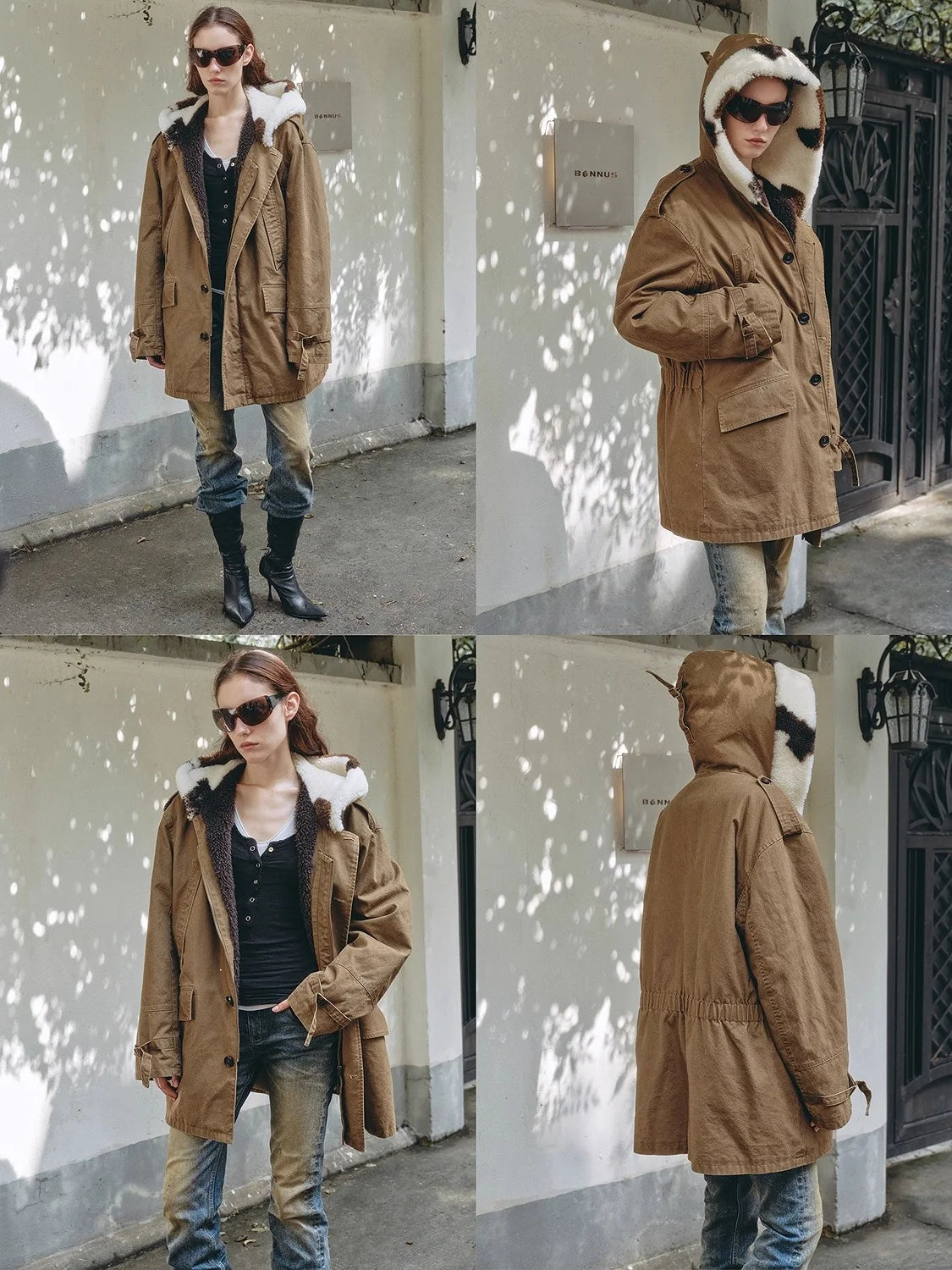
Warmth is easier to judge when you separate wind, wet sidewalks, hood coverage, length, fill, and layering. These articles turn those details into a shopping filter.
Understand where warmth comes from before comparing weather exposure or layering.
Judge shell protection and wet-weather limits separately from insulation.
Use coverage, face protection, closures, cuffs, and hems to find heat-loss points.
Adjust the warmth system for base layers, sweaters, movement, wet cold, and temperature swings.
Diagnose cold spots, poor fit, lost loft, draft points, and misleading warmth claims.
Once the cold use, length, hood, closure, fill, and layering needs are clear, the detachable fur trim parka collection is the right place to compare products.
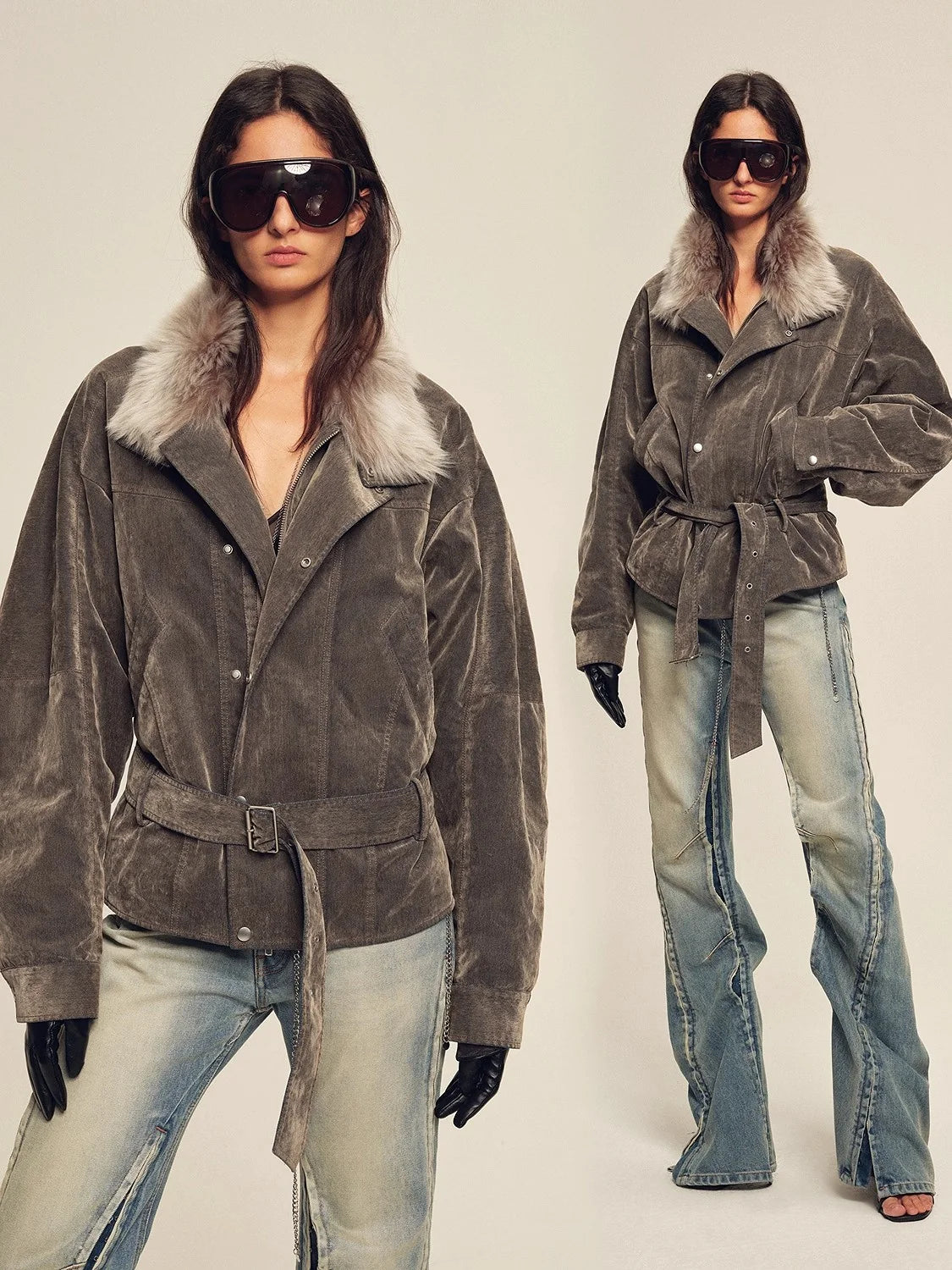

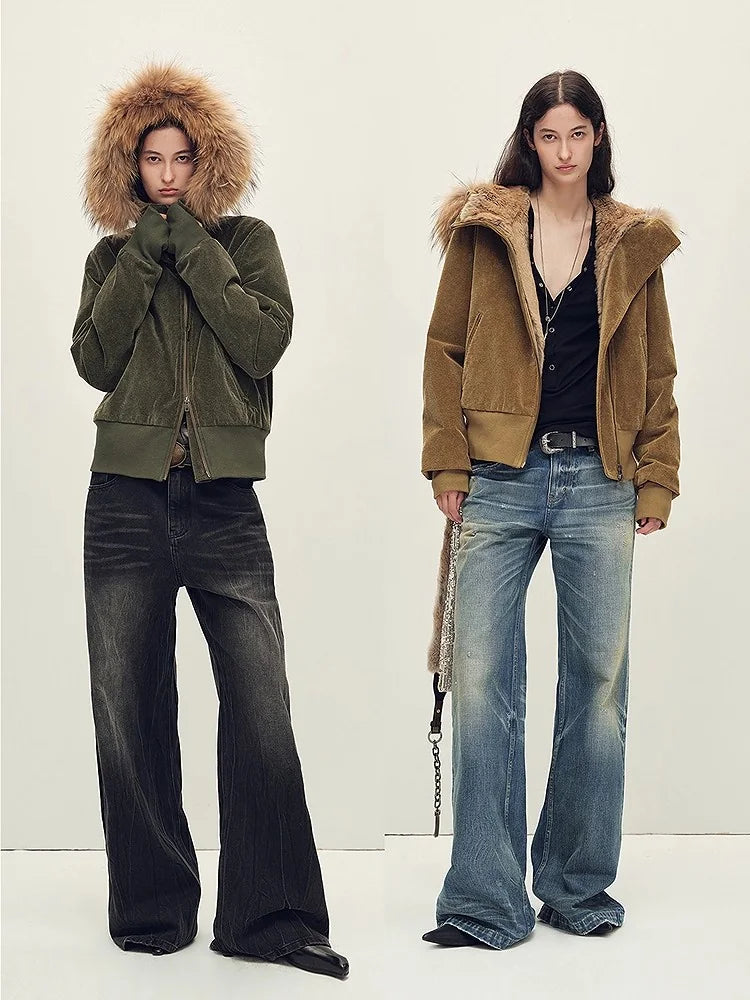
These answers keep broad warmth searches tied to real product details.
Length, hood depth, closure, lining or fill, shell weight, and layering room all matter. Fur trim helps most when the hood is wearable and the coat already closes well.
Sometimes, but not automatically. A puffer may have more insulation, while a fur trim parka can win on hood coverage, length, wind control, and a more polished look.
Mid thigh or longer usually protects better when walking in wind or snow. Shorter lengths are easier in cars and for lighter city use.
Light snow and brief moisture may be fine if the shell allows it, but a fur trim parka should not be treated like a technical waterproof shell.
Shop when you know your length, hood, closure, warmth, and care requirements. Then compare real product photos and details in the detachable fur trim parka collection.
If the matrix points to hooded coverage, useful length, and daily winter movement, compare detachable fur trim parkas next. If the answer is full fur presence or technical rainwear, use the sibling guides first.