


Online photos can help, but only when they show the right evidence. Compare backing, edges, side volume, movement and scale before trusting a close-up surface shot.
Read photos in a fixed order
Start with the whole coat, then move inward: front, side, back, sleeve, hem, collar, lining edge, parted pile and label. This order keeps the most attractive close-up from controlling the decision before the construction evidence has appeared.
If a listing lacks half of those views, the answer is not to guess. Ask for missing photos or lower confidence. A real-versus-faux decision made from one hero image is weak.
Photo comparison is useful only when the image shows evidence rather than mood. A close crop of glossy pile can mislead; a wider sequence that includes base, edge, lining, movement, and scale is harder to fake.
When shopping online, save the seller photos and compare them in the same order each time. The discipline matters because the most flattering image often hides the weakest evidence.
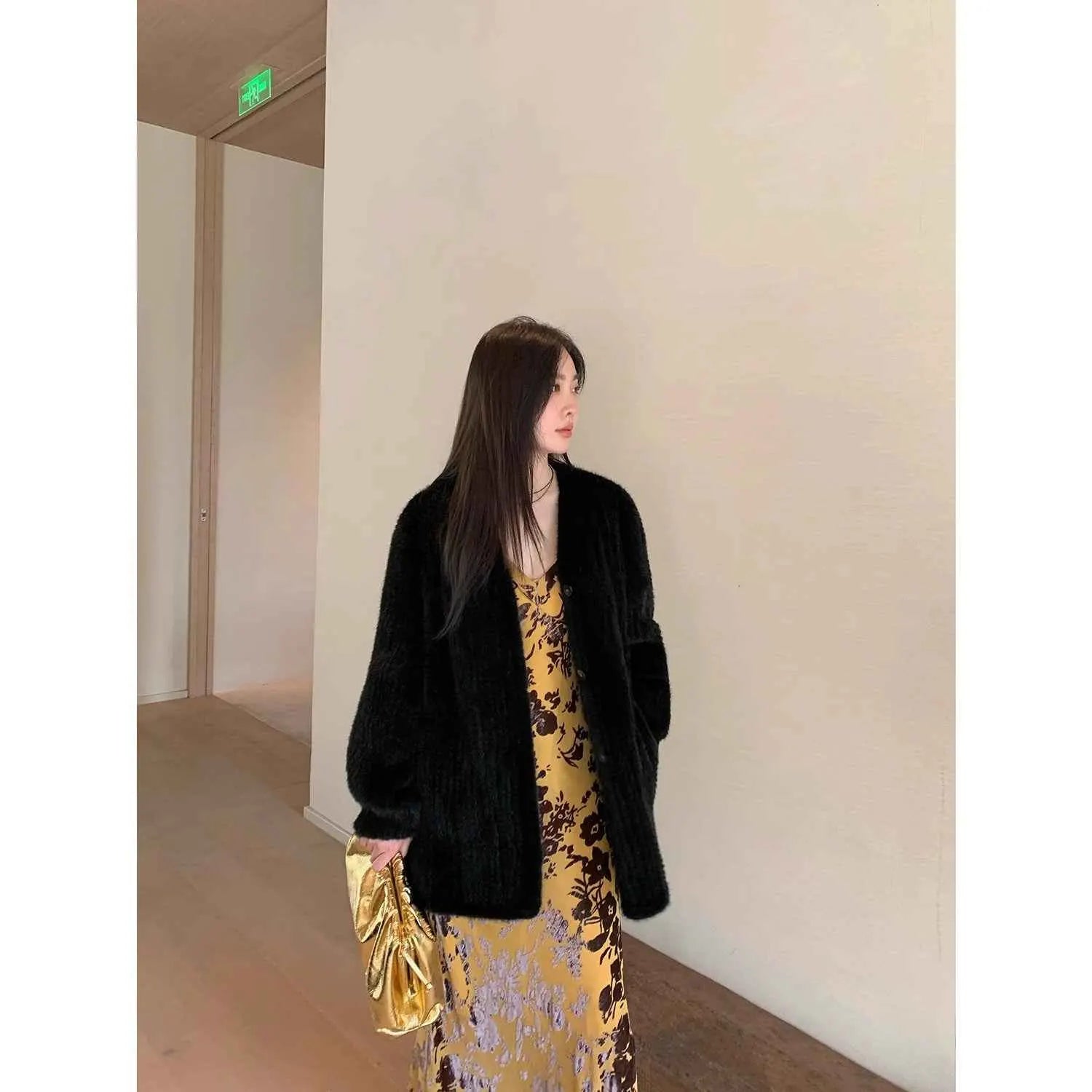
Use side views to judge volume and movement
Side views show whether the coat keeps shape or becomes bulky, flat, stiff or overly uniform. They also reveal whether the pile hangs with depth or sits like a surface layer. Real fur and faux fur can both fail this test when cut, lining or pile quality is weak.
Use the appearance guide, Does Faux Fur Look Like Real Fur?, when the question moves from photos into visual realism.
Overall impression
Useful for silhouette, but too flattering to be the only evidence.
Volume and depth
Shows whether surface, body and hem work in real space.
Backing and lining
Separates material confidence from exterior styling.
Zoom for backing, edge finish and pile direction
A close view should help you see the base, not only the shine. Ask whether the pile can be parted, whether the backing looks like leather or textile, whether the edge shows sparse fiber and whether the lining is clean and stable.
Do not use destructive tests on a garment you do not own. Online shopping should rely on label, seller transparency, photos and return policy rather than risky verification tricks.

Edges tell the story
Hem, sleeve and lining edges reveal construction quality that a polished surface shot can hide.
Lighting can make both materials look better or worse
Studio light can make faux fur look smoother and real fur look flatter. Harsh flash can create shine that looks synthetic even when the material is not. Low light can hide matting, backing show-through and color variation.
Request normal room light when possible. If the coat only looks good in one lighting condition, the photo set is not enough for a confident purchase.
| Image clue | Possible issue | Ask for |
|---|---|---|
| Only close-ups | No scale, drape or lining evidence. | Full-body and side photos. |
| No hem or sleeve edge | Backing and construction hidden. | Edge and lining photos. |
| Heavy filter | Color, shine and matting distorted. | Unfiltered room-light image. |
| No movement | Recovery and drape unknown. | Short video or swing photo. |
Turn weak photo evidence into a buying decision
If the seller cannot provide photos that show backing, edge and movement, do not treat the coat as verified. That does not automatically mean the coat is bad; it means the price, return policy and expectations should reflect uncertainty.
For expensive decisions, pair photo checks with material differences, care risk and long-term value.
Ask for the photos that change the decision
When shopping Firelady collections, use photos to compare role first: Artisan Fur for surface and depth, parkas for practical outerwear structure, and shearling when warmth and textile behavior matter together.
Ask for the photo that would change the decision
More photos are not automatically better. The useful photo is the one that answers the missing question. If the surface looks convincing, ask for an edge. If the coat looks plush, ask for movement. If the price is high, ask for lining and construction. If the seller claims excellent condition, ask for cuffs, collar, hem and shoulder close-ups.
Online listings often repeat the most flattering angle. That is not proof of a problem, but it leaves the buyer with less evidence. Treat missing views as an uncertainty cost. The price, return policy and confidence level should all reflect how much of the garment remains unseen.
Cuff or hem
Shows thickness, pile direction and how the material ends.
Texture depth
Reveals shine, shadow, flatness and surface recovery better than front light.
Construction clue
Helps separate garment quality from surface photography.
Video or worn shot
Shows whether the coat hangs naturally over real clothing.
Photo confidence should change the next step
If the photos answer the major questions, the buyer can move into material, warmth and care comparison. If they do not, the next step is not a guess; it is a request for better evidence or a lower-risk option. A real fur coat with poor evidence and a faux fur coat with strong evidence should not be judged as if the information quality were equal.
Use this page with the material differences guide and the visual realism guide. The photo check is not the whole decision, but it decides whether the rest of the decision has enough evidence.
FireladyFur photo advice
FireladyFur treats product images as evidence, not decoration. The useful photo set shows the whole coat, the side shape, the inside, the edge and the way the surface behaves in normal light.
A useful photo set answers boring questions
The best photos for comparing real and faux fur are not always the prettiest photos. They show the coat hanging, turning, opening and sitting in normal light. They show the inside edge, lining, collar, sleeve, hem and how the surface behaves away from the hero angle.
A single close crop can make both materials look better than they are. A full sequence makes it harder to hide weak backing, thin pile, uneven scale or poor drape. That is why photo discipline belongs inside the material comparison rather than after it.
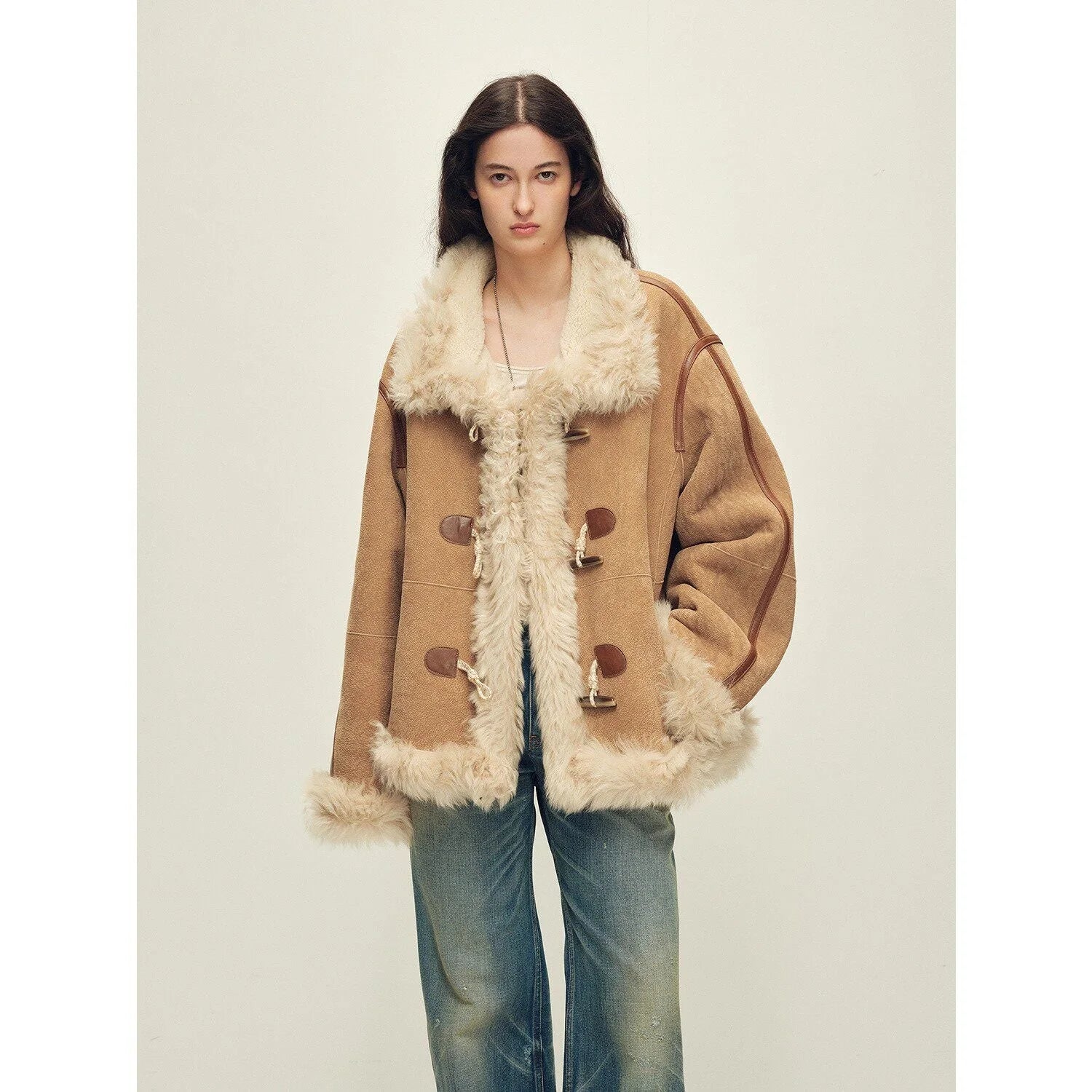
The order to review seller images
Look at the full front view first so you understand scale. Then check the side view for volume and length. Next look at the collar, cuffs and hem, because those areas show wear and construction pressure. After that, look for lining-edge or parted-pile evidence. Only then return to the most attractive close-up.
If those photos are missing, pair this page with material differences and ask for evidence before comparing price.
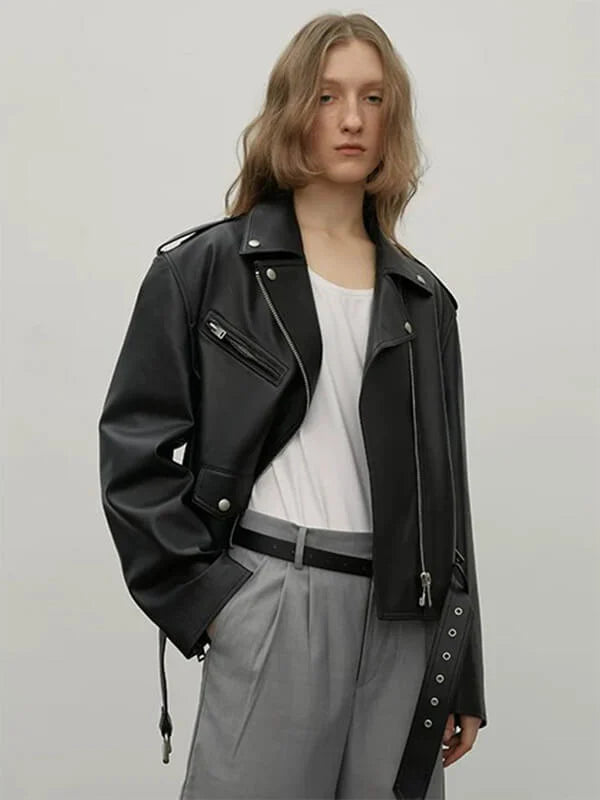
The second check changes the answer
When the first impression is attractive, slow the decision down and inspect the part of the coat that will carry stress in actual use.
What to do when photos look too perfect
Overly polished photos are not automatically a problem, but they should trigger a request for normal light, movement and inside photos. Ask for one image with the coat on a hanger, one side image, one lining image and one close view at the edge. A serious seller should understand why those images matter.
What can be verified?
Use construction, lining, photos, care label and fit evidence before trusting a broad material claim.
Where will it be worn?
Daily cold, travel, occasional events and trend styling do not need the same material answer.
Can the owner support it?
Storage, cleaning, drying and repair access can change the better purchase.
Editorial field notes before the final decision
The photo page should teach a repeatable inspection habit. Readers need a way to slow down when the listing is persuasive. A fixed photo order prevents the prettiest image from controlling the decision.
The most useful request to a seller is simple: whole front, side, back, lining edge, sleeve edge, hanger shot and normal room light. If the coat is expensive, that request is reasonable. If the seller refuses, the missing evidence becomes part of the risk.
This page should not pretend photos prove everything. They reduce uncertainty. Labels, seller transparency, return policy and physical inspection still matter. But a better photo set can prevent many weak purchases before money moves.
| Question | What to check | What changes the answer |
|---|---|---|
| Is the material claim enough? | Look for construction evidence, not only label language. | Missing evidence should slow the purchase. |
| Does the use case support it? | Compare climate, movement, storage and repeat wear. | A good material can still be wrong for the job. |
| What is the next page? | Return to the parent guide | Use the cluster when one article exposes a new uncertainty. |
Evidence is visible
The page gives enough construction, care or use evidence to continue comparing.
Evidence is missing
Request photos, measurements, care history or product details before trusting the claim.
Role does not fit
Move to another material family or delay the purchase instead of forcing the answer.
If the reader is still comparing the whole category, the next step is the Real Fur vs Faux Fur Ultimate Guide. If the issue has moved into ownership, use care and long-term value before treating the decision as finished.
Reader-specific edge cases worth checking
The edge case is the seller who provides many photos, but all of them answer the same question. Ten flattering front shots are still weak evidence. The buyer needs different evidence: inside, side, edge, back, hanger, movement and normal light.
If the seller cannot provide those images, the buyer should not turn uncertainty into confidence. Either reduce the price expectation, use a returnable purchase path, or choose a listing with better evidence.
What would make this purchase fail?
Use that answer to pick the next support article instead of reading every page the same way.
Can the evidence be seen?
Prefer visible construction, photos, fit and care facts over material adjectives.
Where should the reader go next?
Use the parent guide to return to the full cluster when the decision branches again.
Final editorial check before publishing
The safest photo habit is to compare every listing in the same sequence. When the buyer changes the order for a prettier coat, bias has entered the process. Keep the order boring: full view, side, back, lining, edge, close surface, then movement.
If the coat still looks persuasive after that sequence, the photo evidence is stronger. If it falls apart once the less glamorous angles appear, the listing has done its job as marketing but not as buying evidence.
For higher-priced coats, ask for daylight or normal indoor light in addition to studio images. Ask for one image with the hand lightly moving the pile, one hanger shot, and one close view where the pile meets the edge. These are ordinary requests, not unreasonable demands. They protect the buyer from deciding on mood alone.
If a listing has only polished images, do not fill the missing evidence with optimism. Either ask for the missing views, compare a better-documented coat, or treat the uncertainty as a price and return-policy issue.
The point is not to become suspicious of every seller. The point is to make the comparison reproducible. When every coat is reviewed through the same visual sequence, personal excitement has less room to rewrite the evidence.
This also makes screenshots, saved listings, and later side-by-side comparisons more useful because the buyer is judging the same evidence in the same order.
That discipline is what turns browsing into inspection.
It keeps judgment portable.
FAQ
What photos should I ask for?
Ask for front, side, back, sleeve, hem, lining edge, label, parted pile and normal room-light images.
Can a photo prove a coat is real fur?
A photo can increase confidence, but label, seller transparency, return policy and multiple construction images matter.
What photo is most misleading?
A single glossy close-up is often least useful because it hides scale, movement, backing and lining.


