


Buying Focus
When you are comparing coats before purchase, start with the detail that would change your final choice.
Born of Nature, Bred in Warmth.| 11 years of focus on fur
Buying a fur coat is a decision about more than appearance. The right coat should match your climate, wardrobe, fit preference, warmth needs, material expectations, and long-term use. This guide brings the most important pre-purchase questions into one place so you can compare cost, quality, construction, silhouette, and collection options before choosing.
When you are comparing coats before purchase, start with the detail that would change your final choice.
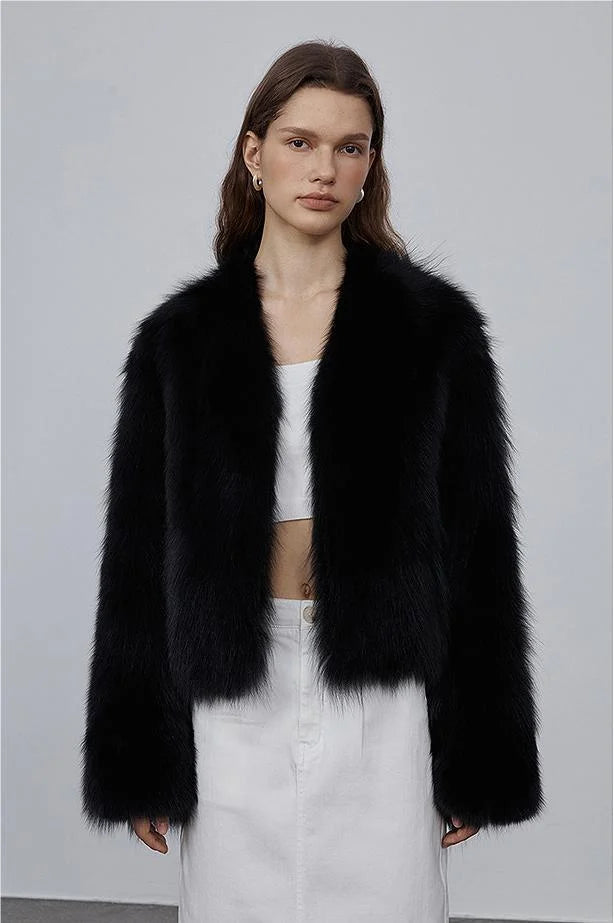
A good fur coat should not be chosen by surface appearance alone. Before buying, you need to understand how material, length, lining, closures, weight, warmth, condition, storage history, and silhouette affect both the look and the long-term value of the coat.
Start here when you are close enough to shop but still want a sharper decision. The guide walks through cost, value, fit, material, warmth, construction, and inspection details so the next click feels deliberate instead of random.
If you are still setting a budget, begin with price and value. If you already know you want a fur coat, move into fit, material, and construction checks. If you are torn between a coat, jacket, shearling, or parka, compare categories before shopping.
The practical outcome is simple: know what kind of coat fits your climate, wardrobe, and budget, then open the article or collection that answers the next real question.
This page is the buying decision section inside the Fur Coat Guide. It focuses on price, fit, material, warmth, construction, and the final checks that matter before a shopper compares products.
If you are still exploring the full topic, start with the parent guide first. It connects buying with care, styling, comparison, value, resale, and collection paths so the fur coat decision stays organized.
Stay here when you are close to purchase and need practical buying help: what a fur coat should cost, how to judge quality, which silhouette fits your wardrobe, and when to move from research into the fur coat collection.
After the buying criteria are clear, continue into a comparison guide, care guide, article, or collection depending on the question that still affects the purchase.
Before you open a product page, narrow the decision to four questions: what price range makes sense, which silhouette you will actually wear, what material and warmth level fit your climate, and which construction details prove the coat is worth buying.
Start with what creates the price: fur type, length, panel construction, lining, hardware, trim, finish, and condition. The right budget is not always the lowest number; it is the coat whose material and workmanship match how often you will wear it.
Compare Fur Coat Costs →Picture the coat over the outfits you already wear. A long fur coat gives more coverage and presence, a short jacket moves more easily, a parka shape feels practical, and a tailored silhouette needs cleaner layers underneath.
Find Your Coat Shape →Mink, fox, sable, shearling, and faux fur do not feel the same in weight, texture, warmth, structure, or care. Choose by climate and wear case first, then decide which visual finish best fits your wardrobe.
Compare Materials & Warmth →Before checkout, check the lining, closures, seam tension, fur direction, surface condition, shedding, odor, weight, storage marks, and overall structure. Small details often reveal whether a coat has been cared for properly.
Open The Buying Checklist →If one question is holding up the purchase, jump straight to the path that answers it. Price questions, material comparisons, fit decisions, and collection browsing all need different next steps.
This page is the buying section inside the full Fur Coat Guide. Use it for purchase decisions, then move sideways into comparison or care when those questions affect the final choice.
If price, value, material, or category choice still feels unclear, answer that question before opening a collection. It keeps the shopping step more focused.
When you know the direction, move into the closest collection instead of a generic shop page. The right product family makes comparison faster and more useful.
Start with the coat type, then move into the buying question that affects fit, material, warmth, or care.
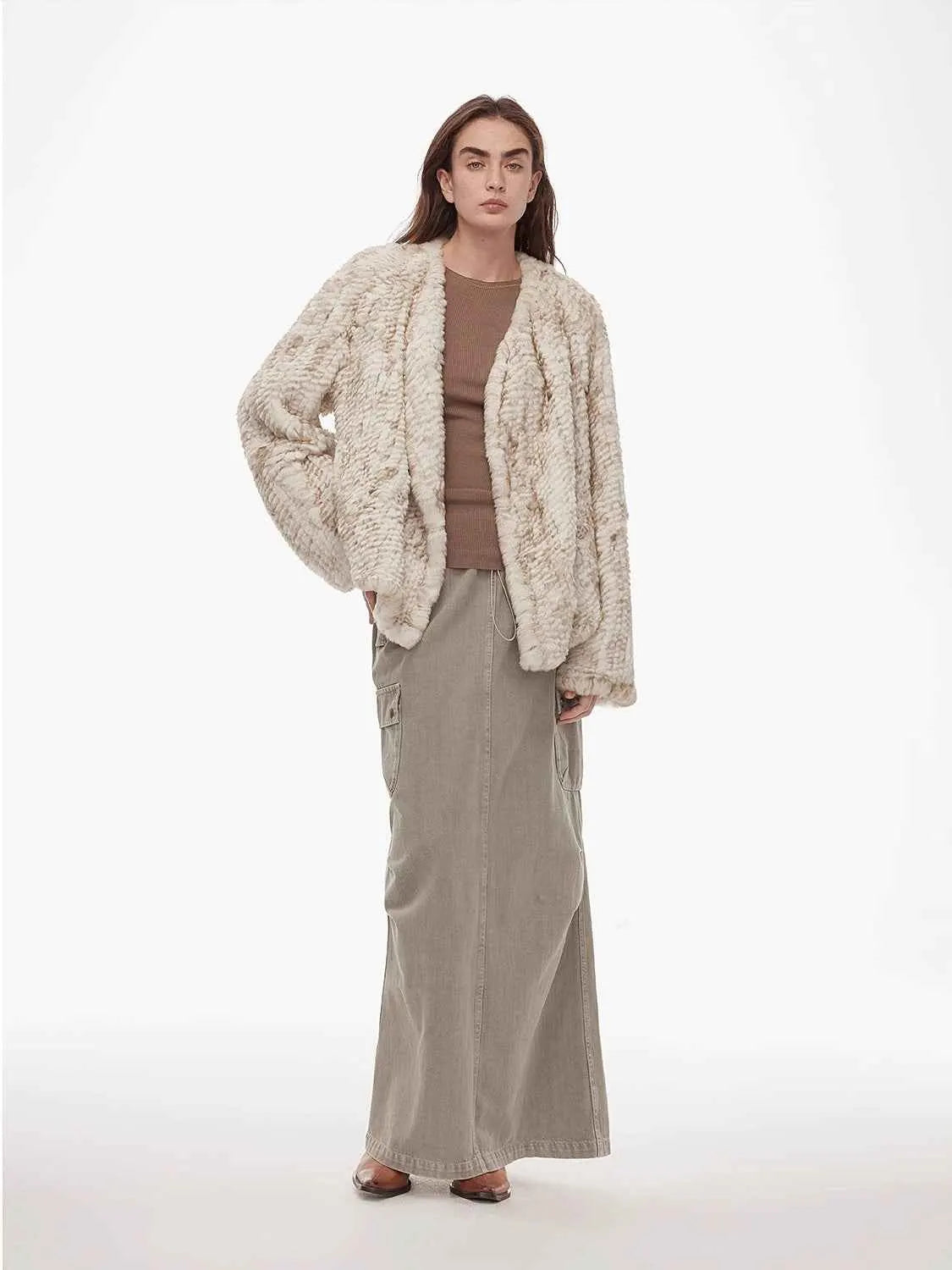 Full CoatMaterial And Warmth
Use this route for fur quality, lining, weight, and long-wear value.
 Short FurFit And Shape
Use this route when silhouette and wardrobe use matter most.
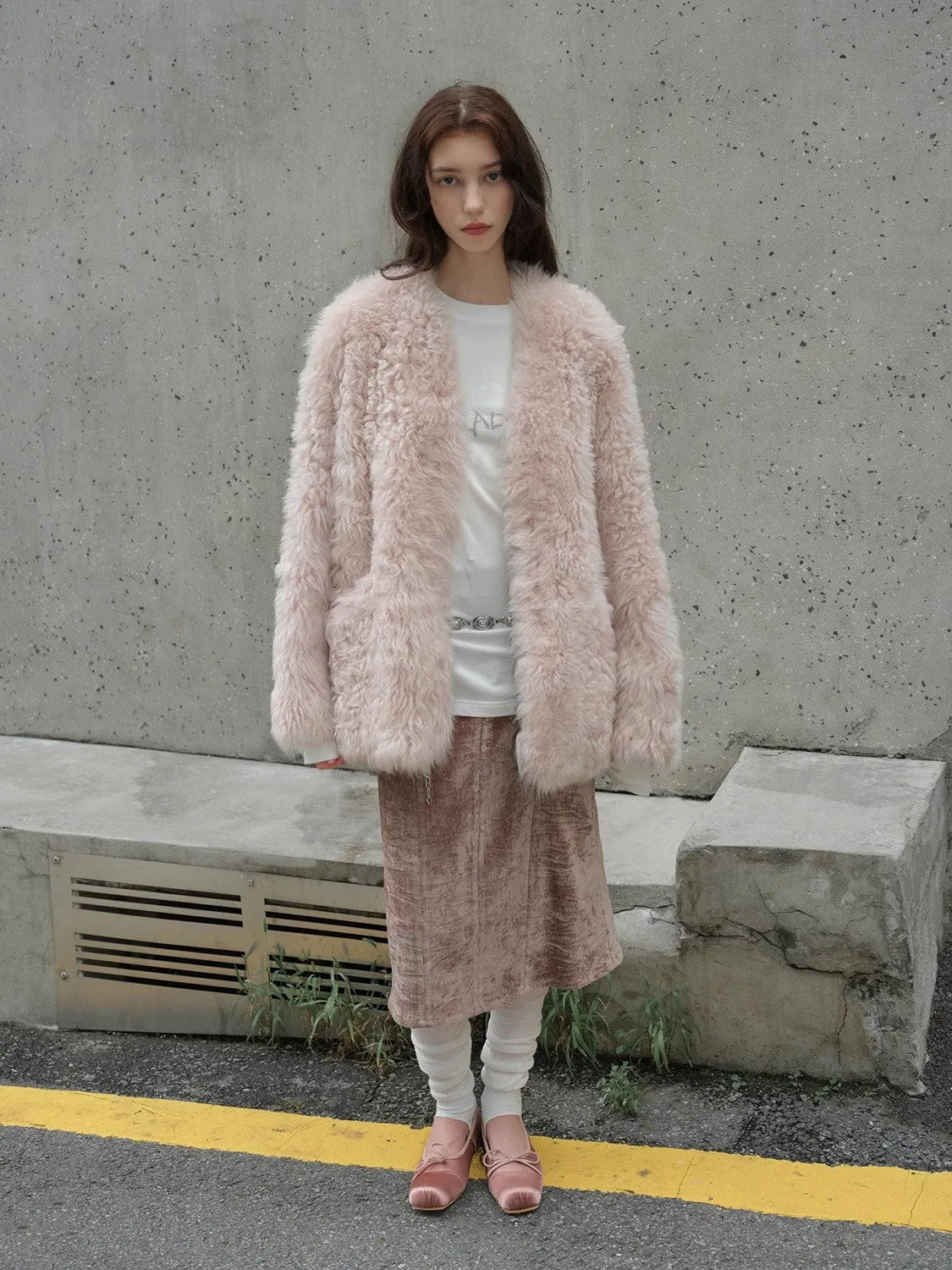 SheepskinTexture And Care
Use this route for warmth, softness, cleaning, and storage needs.
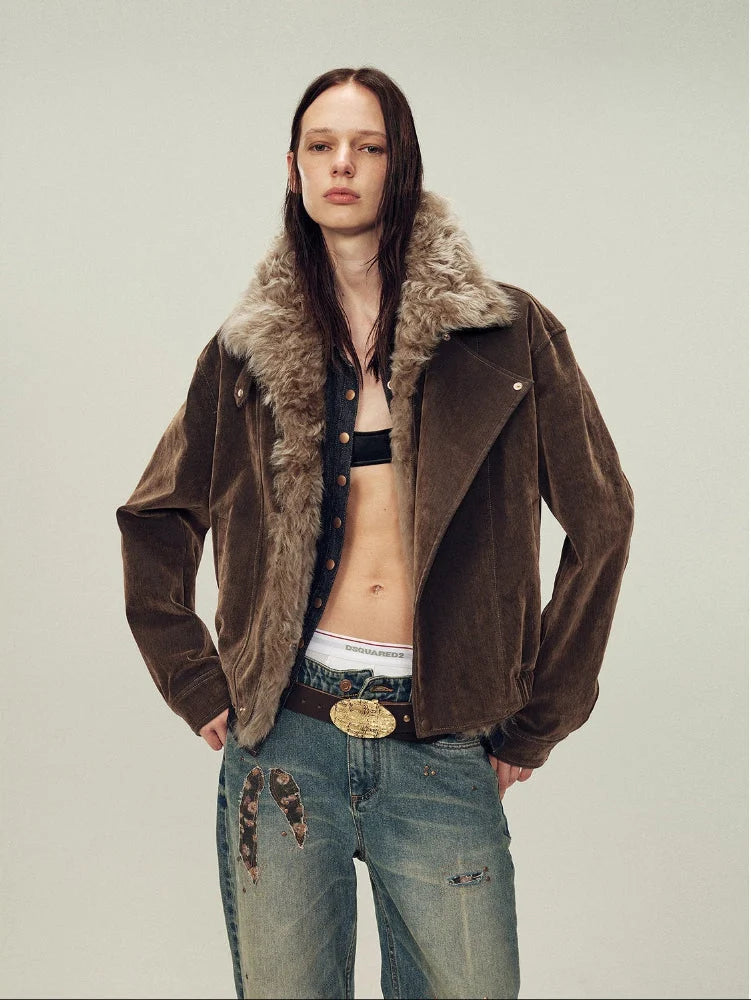 ParkaCoverage And Utility
Use this route for winter protection and practical daily wear.
Use the buying articles first, then move into care, styling, comparison, or value questions when they affect the purchase. Each group below gives shoppers a deeper path without forcing them back into a generic article archive. For the full archive, browse the Fur Coat Guide article category.
Start here when the shopper is still deciding whether the coat is worth the price, which shape makes sense, and what details should be checked before opening a collection.
Browse All Fur Coat Buying Articles →Use this path when ownership requirements change the buying decision. Storage space, moisture risk, cleaning expectations, and older-coat condition can all affect whether a coat is practical.
Open Fur Coat Care Guide →Use this path when the shopper already likes the idea of a fur coat but needs to understand length, color, shoes, occasion use, and how the coat will work in real outfits.
Open Fur Coat Styling Guide →Use this path when the final decision depends on material, warmth, shape, movement, category, or whether a fur coat is the right outerwear family at all.
Open Fur Coat Comparison Guide →Use this path when the coat is older, inherited, vintage, or being evaluated as a long-term purchase. Value questions often change how much a shopper should spend now.
Open Fur Coat Value / Resale Guide →Buy the coat that fits your real winter use, not only the one that looks strongest in a photo. A fur coat should work across climate, outfit habits, comfort, care expectations, and the level of presence you want from your outerwear.
Decide whether the coat is for daily winter wear, travel, evening dressing, occasional styling, or long-term wardrobe investment. That choice affects length, weight, material, and silhouette.
If you are unsure between a fur coat, fur jacket, shearling coat, or parka, read the comparison guides first. They often answer the last questions before purchase.
After you understand the buying criteria, the next step should be a relevant collection, not a generic shop page. The product path should match the buying question.
Many shoppers compare fur coats with jackets, faux fur, shearling, parkas, or specific fur types before choosing a collection. Use these paths when material, warmth, silhouette, care expectations, or long-term value affects the purchase.
Useful when you are deciding between full coverage, shorter styling, warmth, movement, and how often you will wear the piece.
Open Comparison →Useful when material, warmth, texture, care expectations, ethics, price, and long-term value are part of the buying decision.
Open Comparison →Useful when you want to compare warmth, structure, softness, texture, and how each material behaves in cold-weather outfits.
Open Comparison →Useful when the buying question is about texture, volume, finish, warmth, and the visual difference between two common fur directions.
Open Comparison →Once the buying criteria are clear, compare products inside the collection that matches your silhouette, warmth level, and material preference.
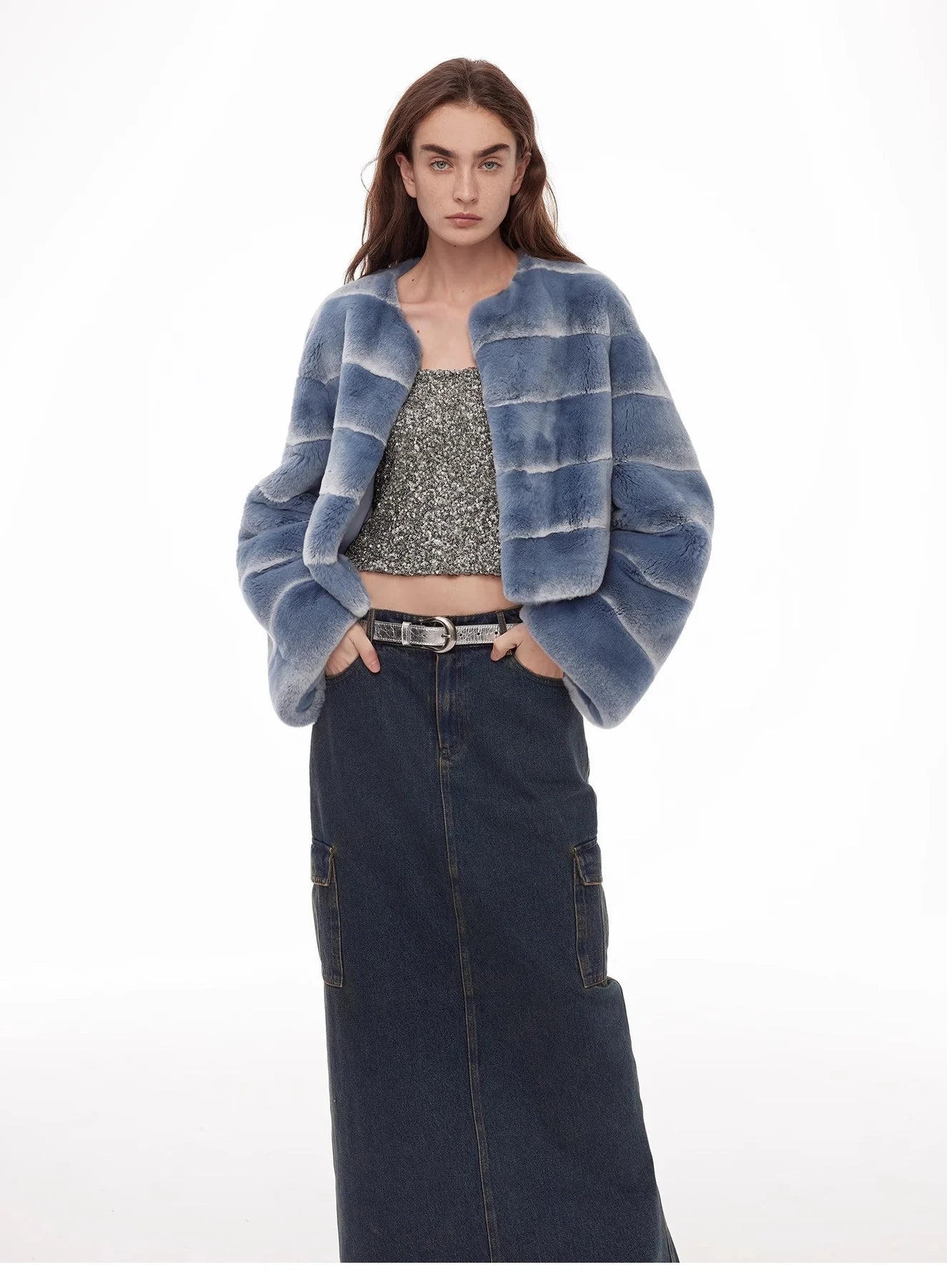
The primary collection path for shoppers who want fuller coverage, strong winter presence, and a coat-first silhouette.
Open Collection →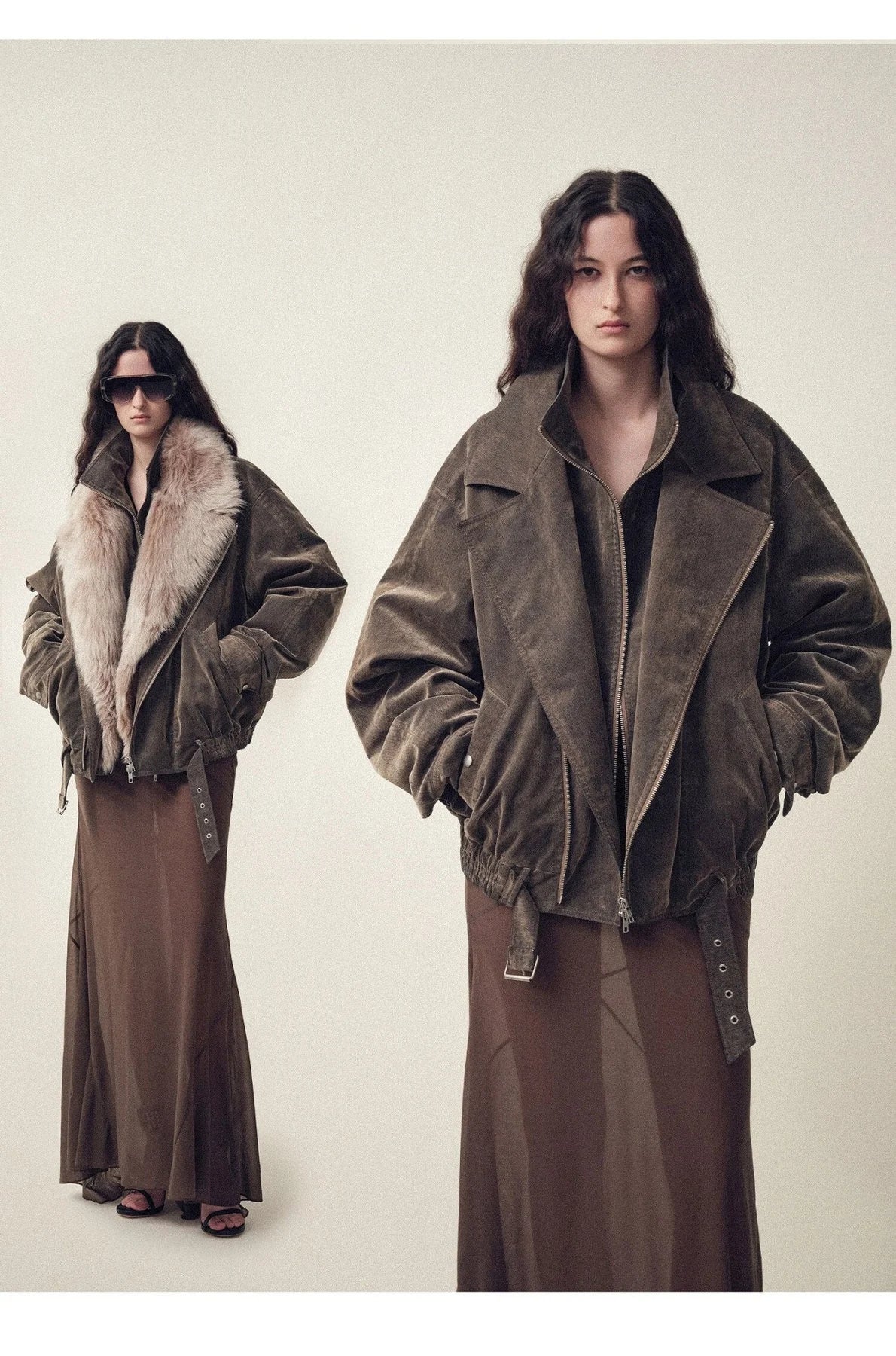
A useful path for shoppers who want parka warmth, fur detail, everyday coverage, and a more practical winter silhouette.
Open Collection →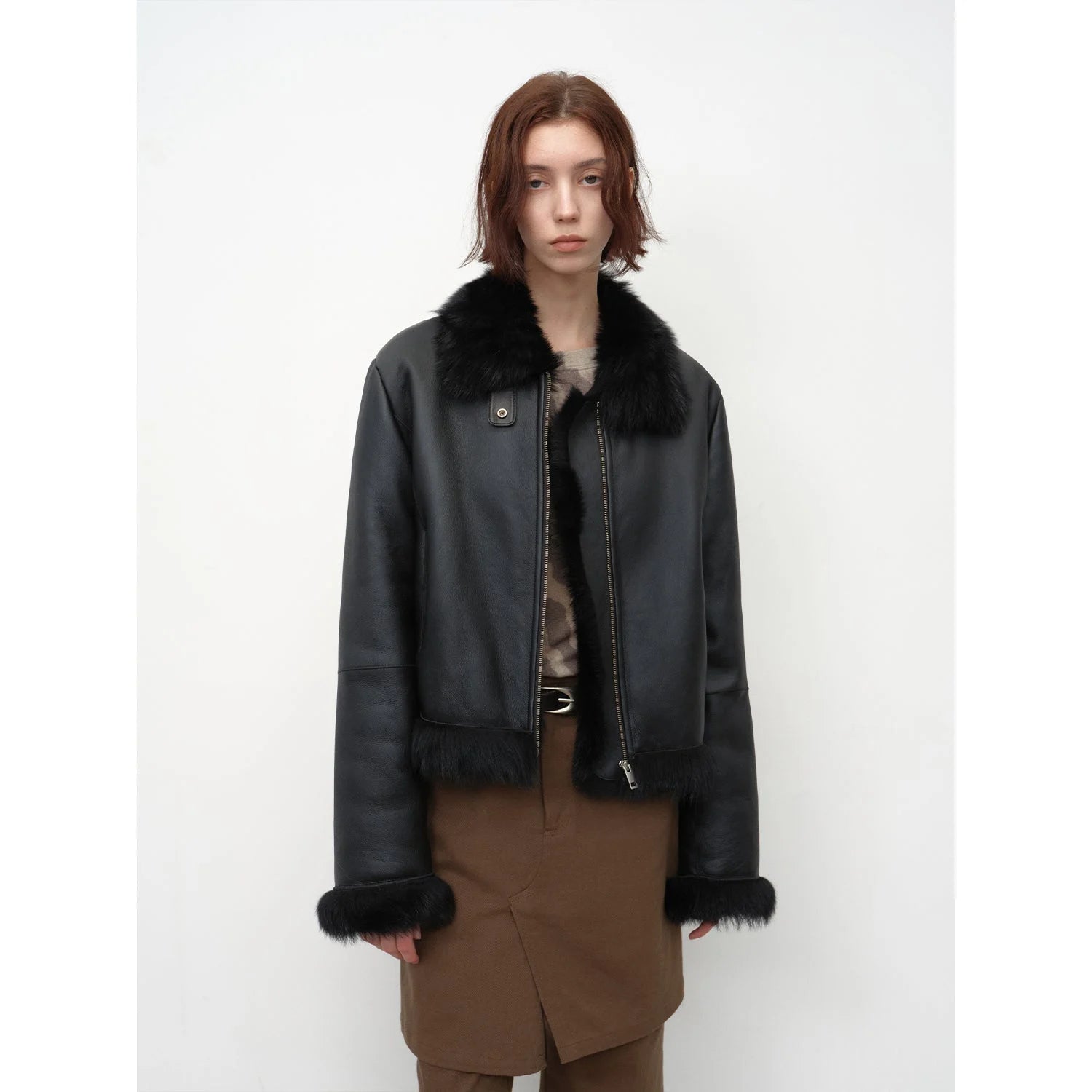
A useful alternative for shoppers comparing fur with structured, warm, texture-rich winter outerwear.
Open Collection →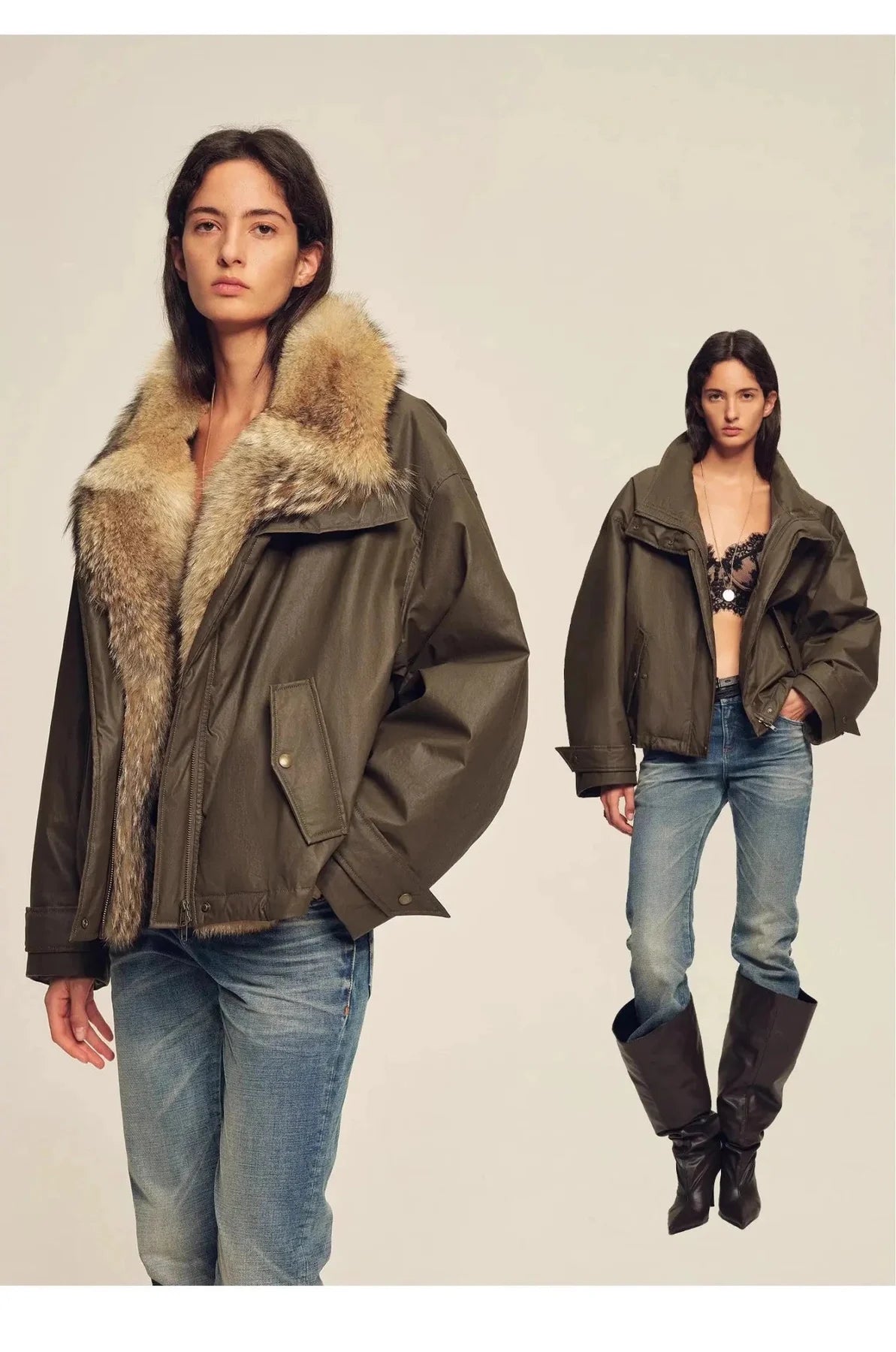
A broader route when the decision is still between fur, shearling, parka warmth, and other cold-weather outerwear shapes.
Open Collection →These answers cover the questions that usually come up right before a shopper compares products, checks materials, or moves into a collection.
Once the buying criteria are clear, continue through the broader Fur Coat Guide system or move into the collection that matches your decision. Comparison, care, and collection paths should all support the same purchase choice instead of sending you into a generic shop flow.
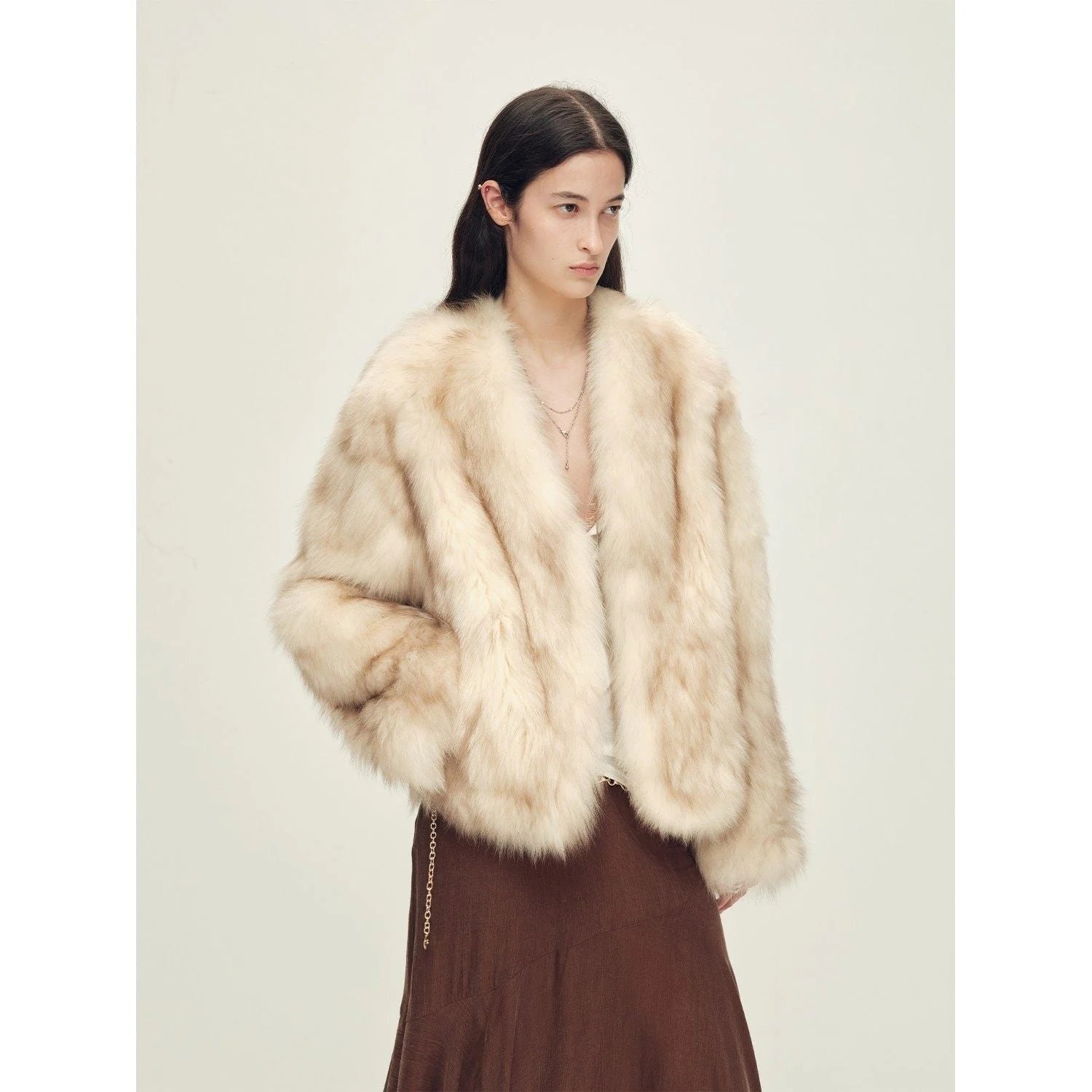
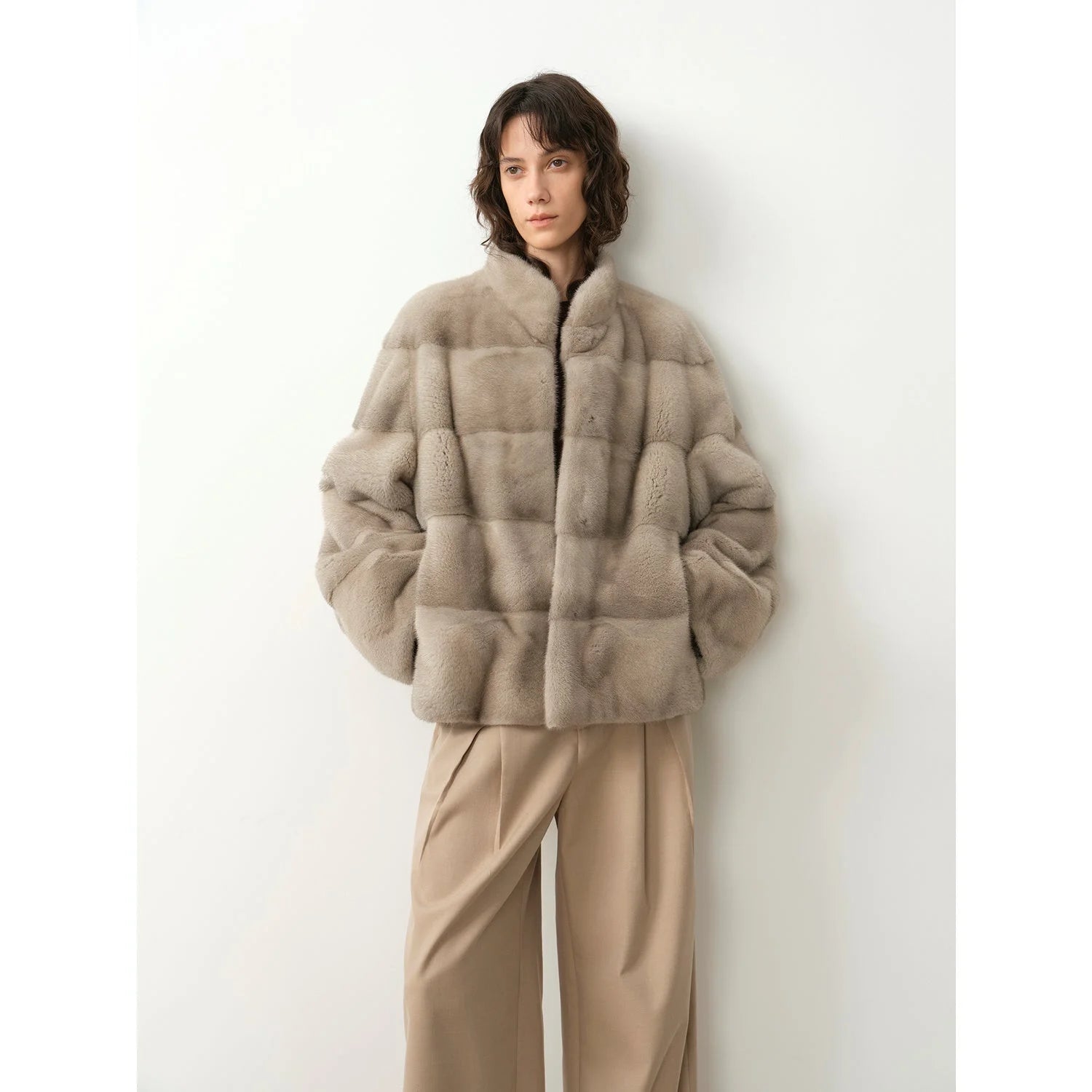
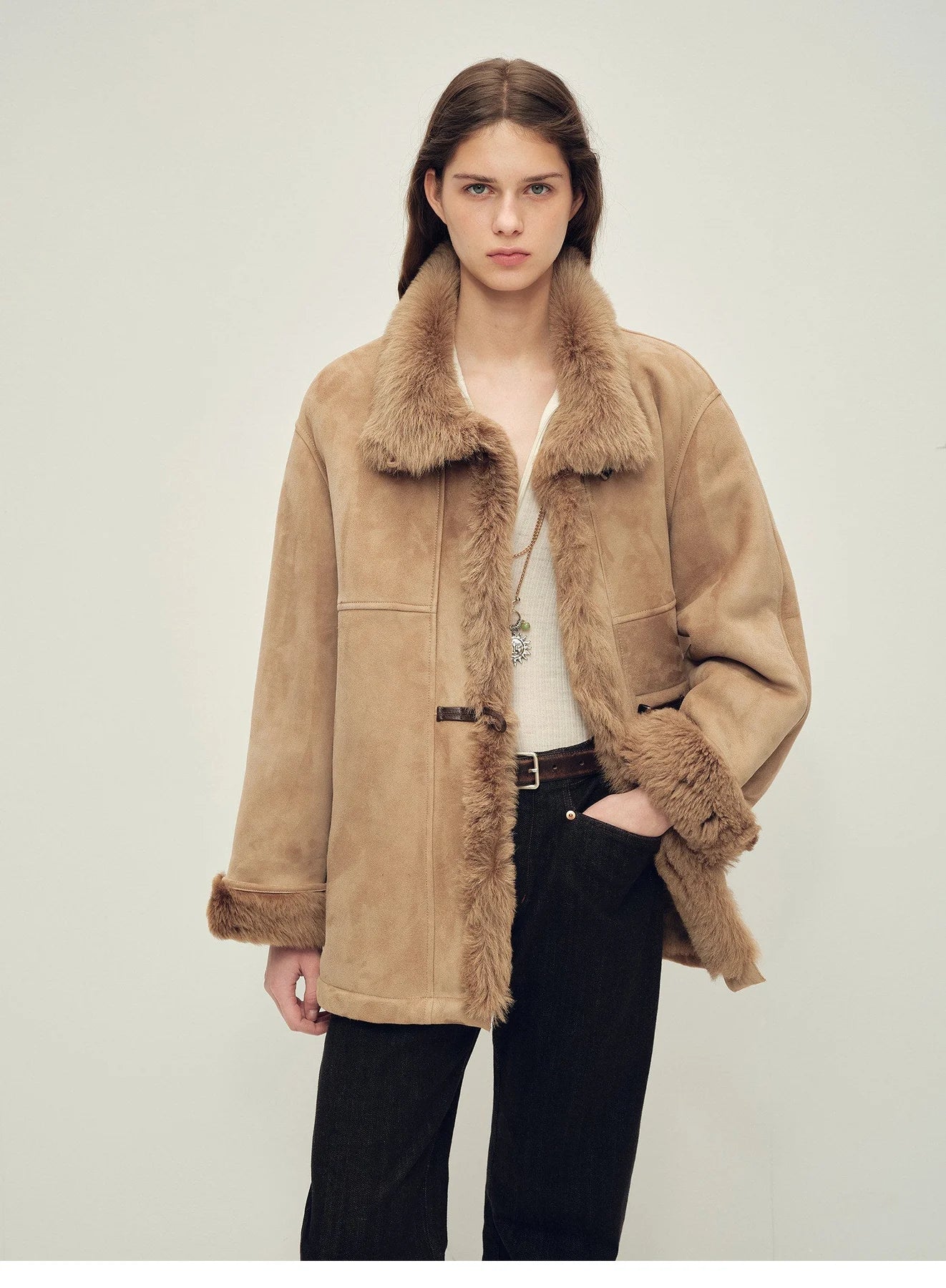
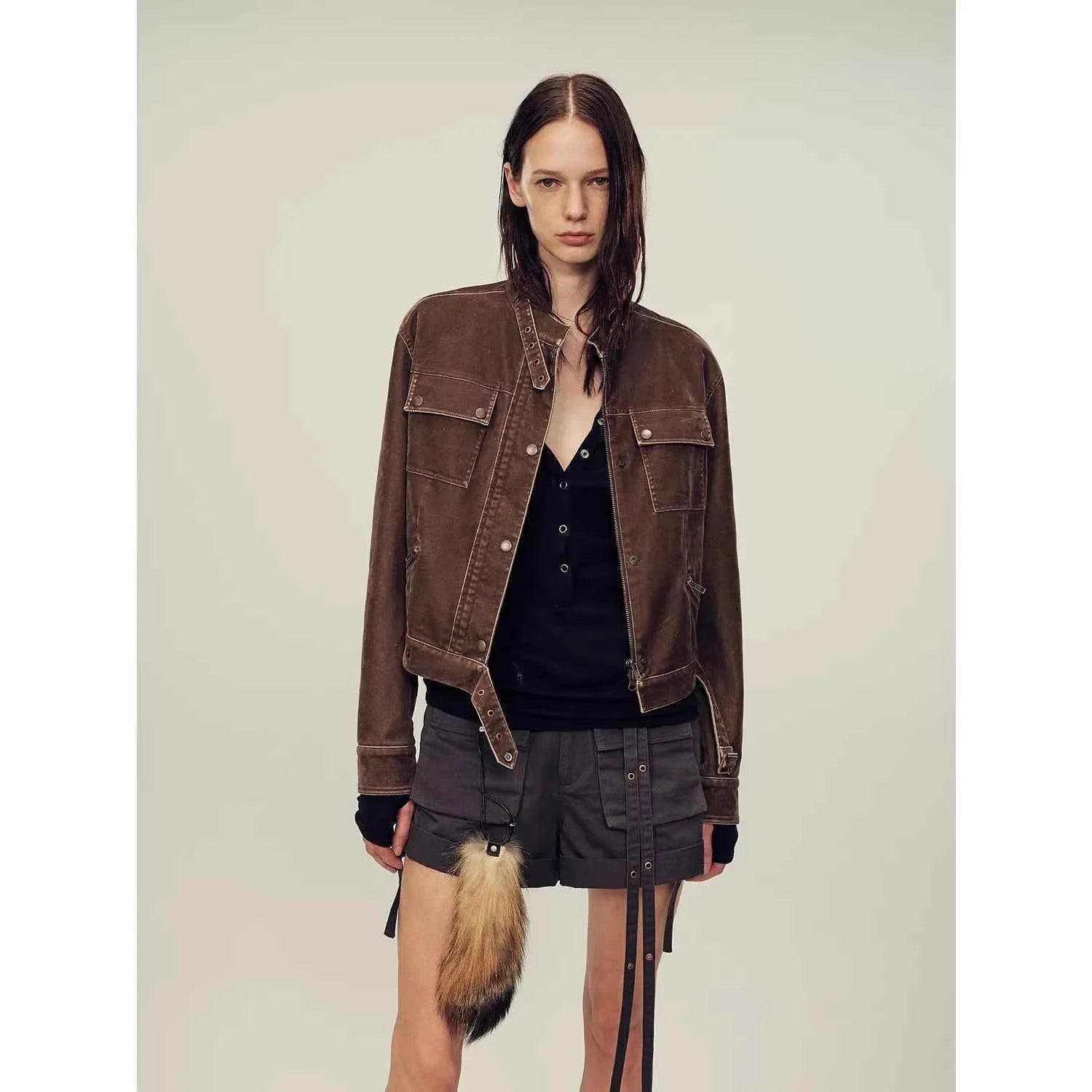
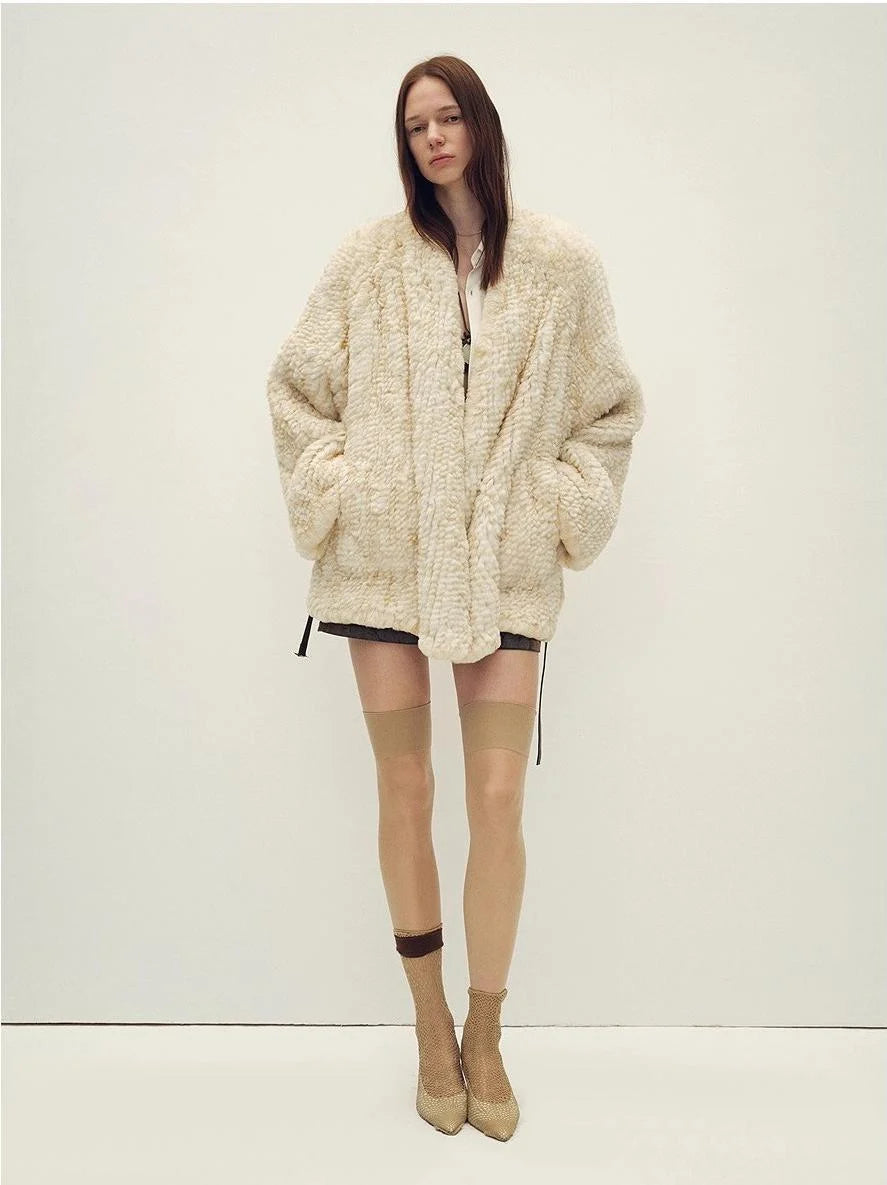 Full Fur
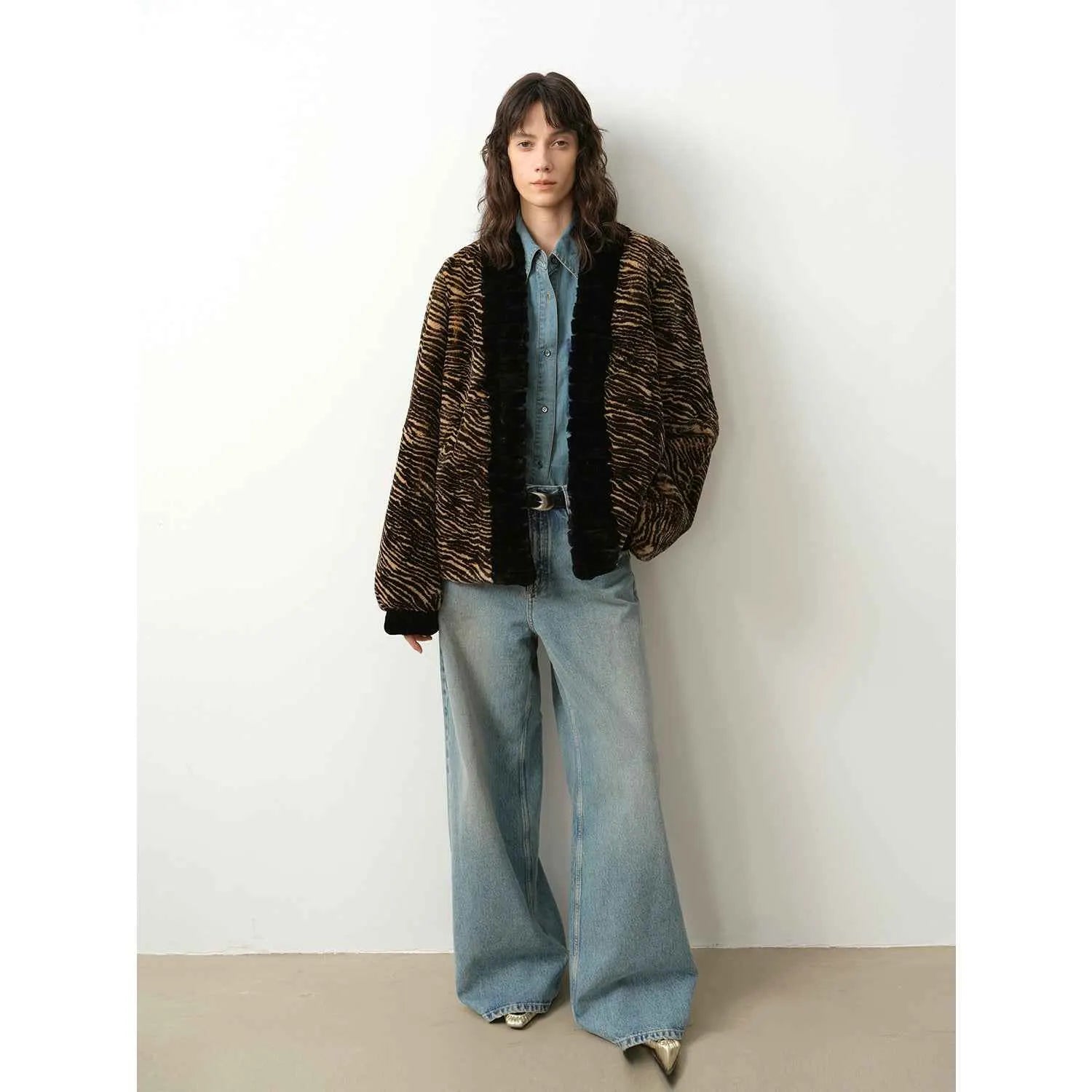 Mink Texture
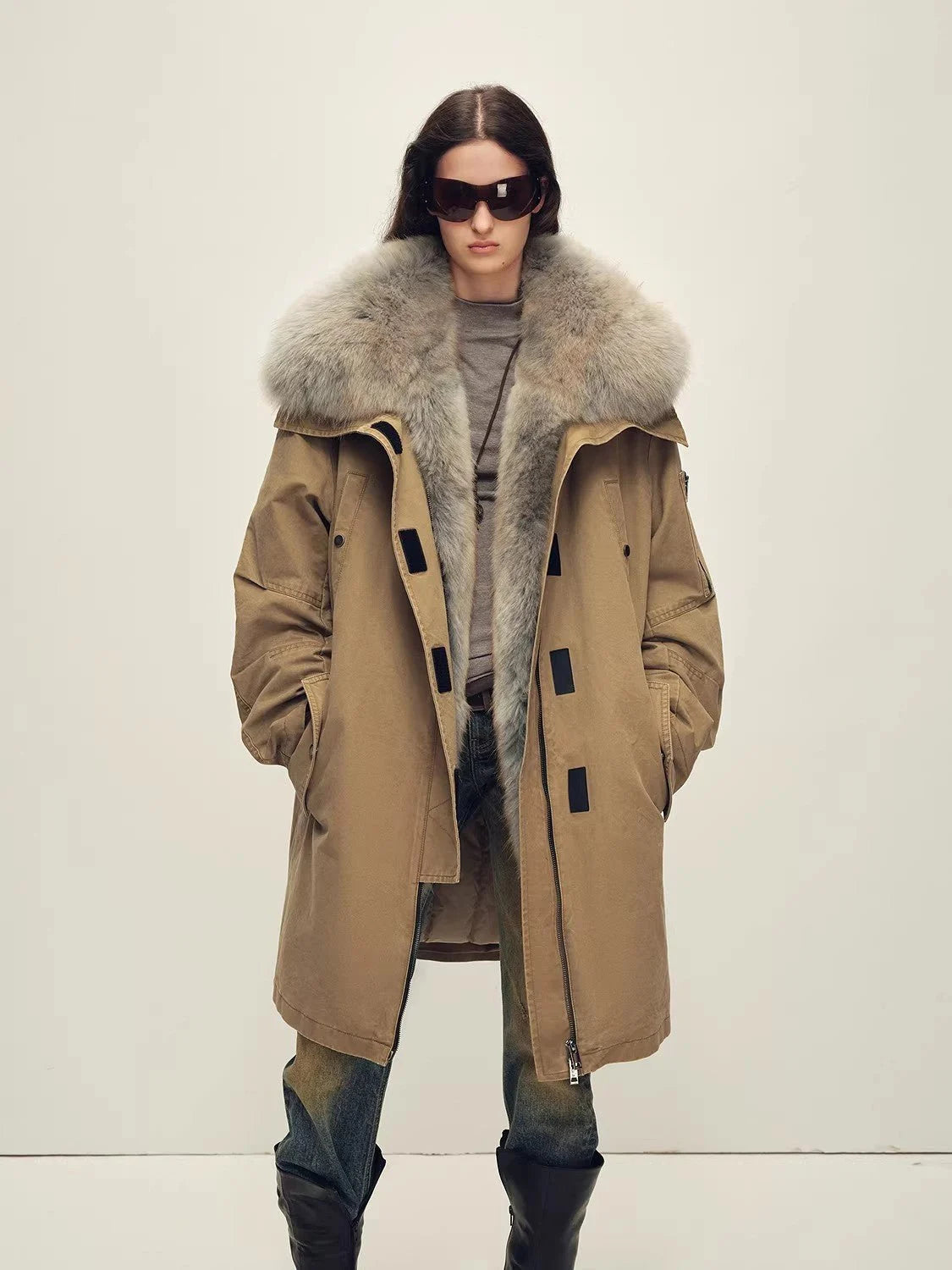 Parka Utility
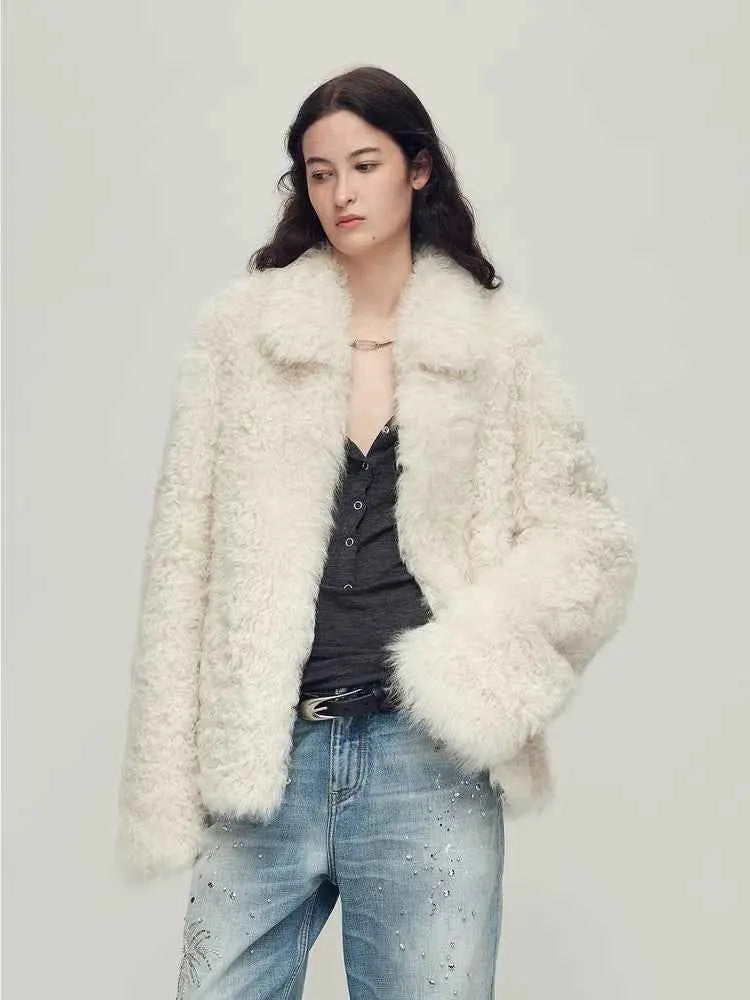 Sheepskin

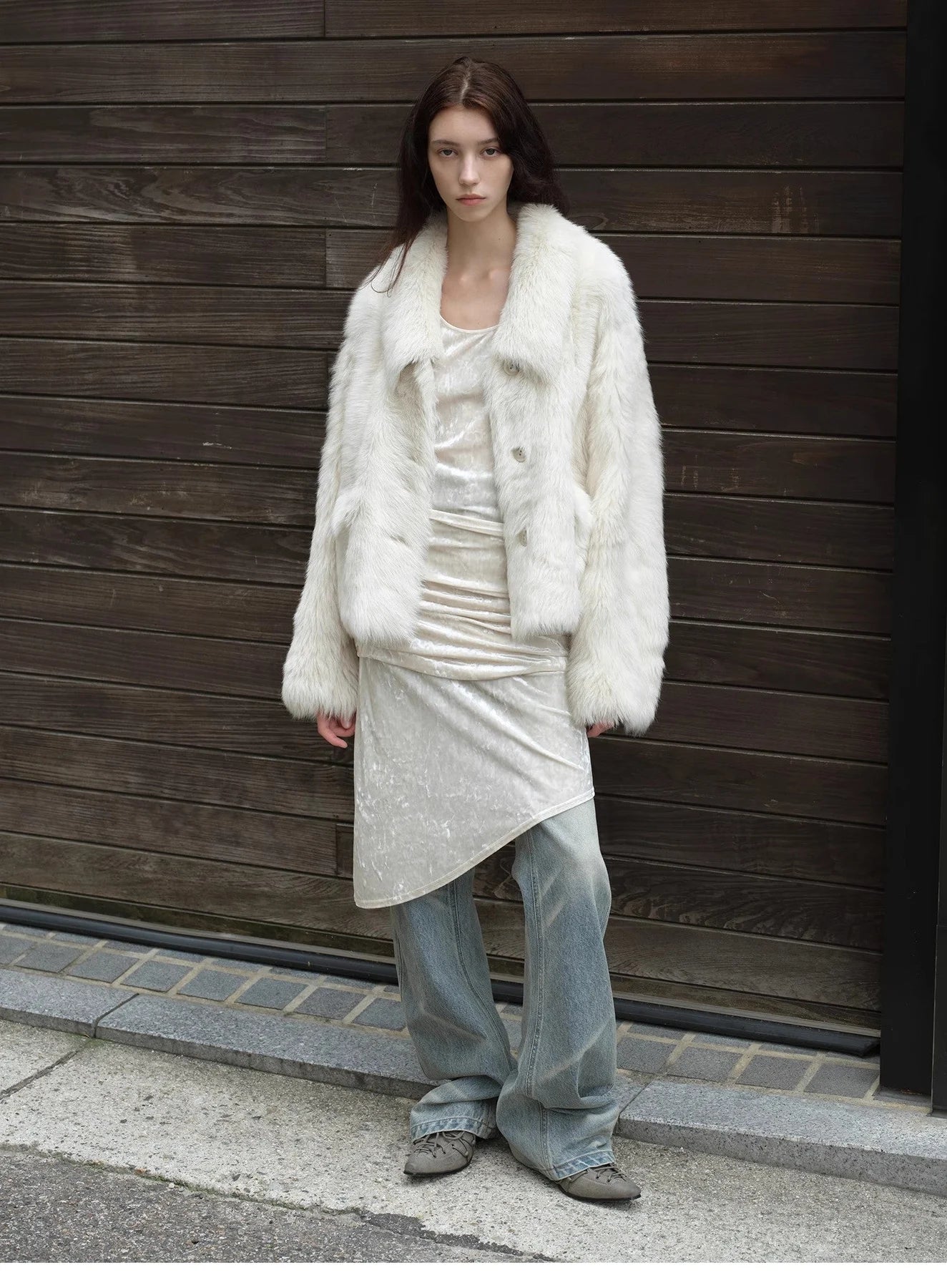

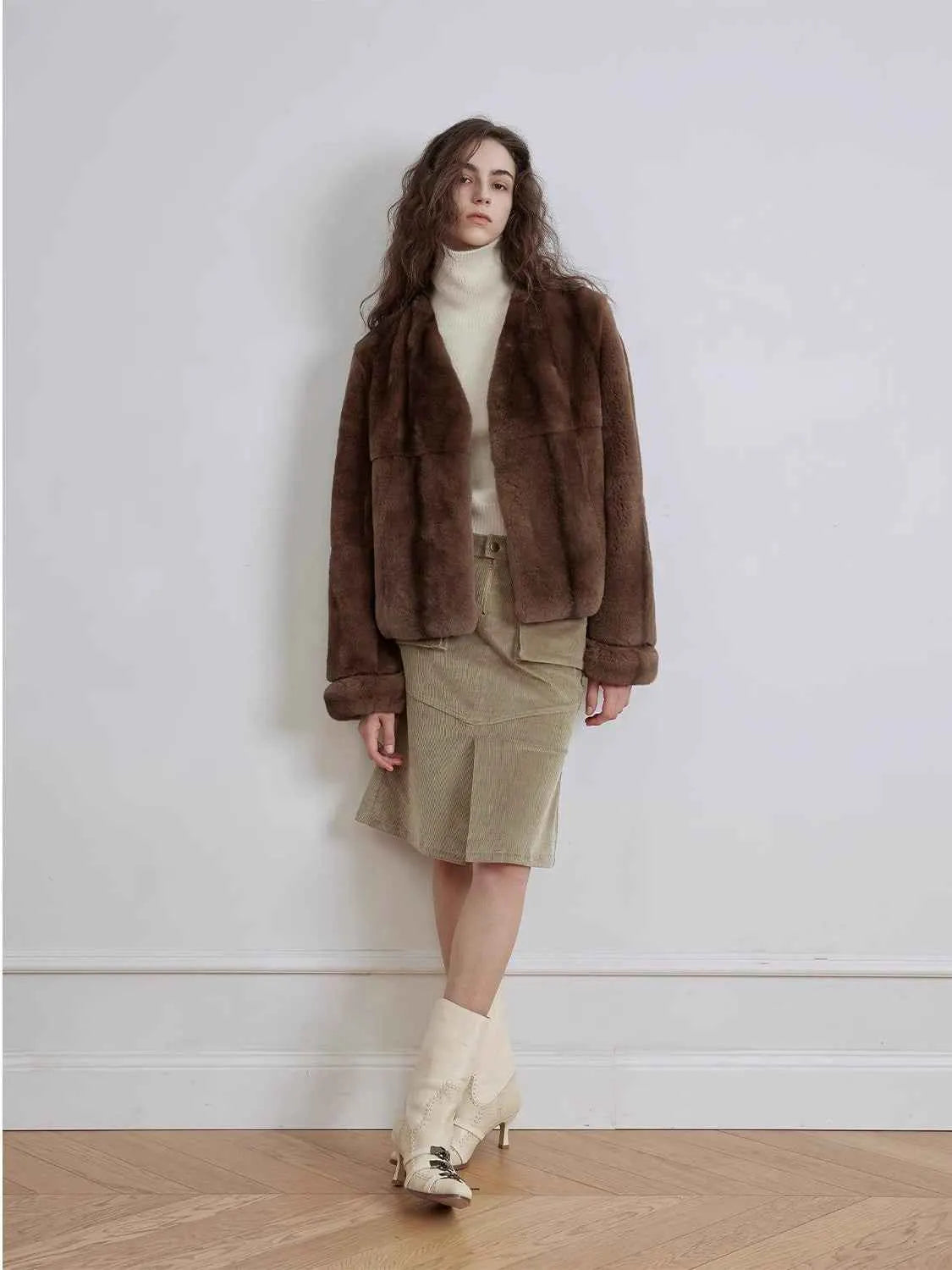 Full Fur
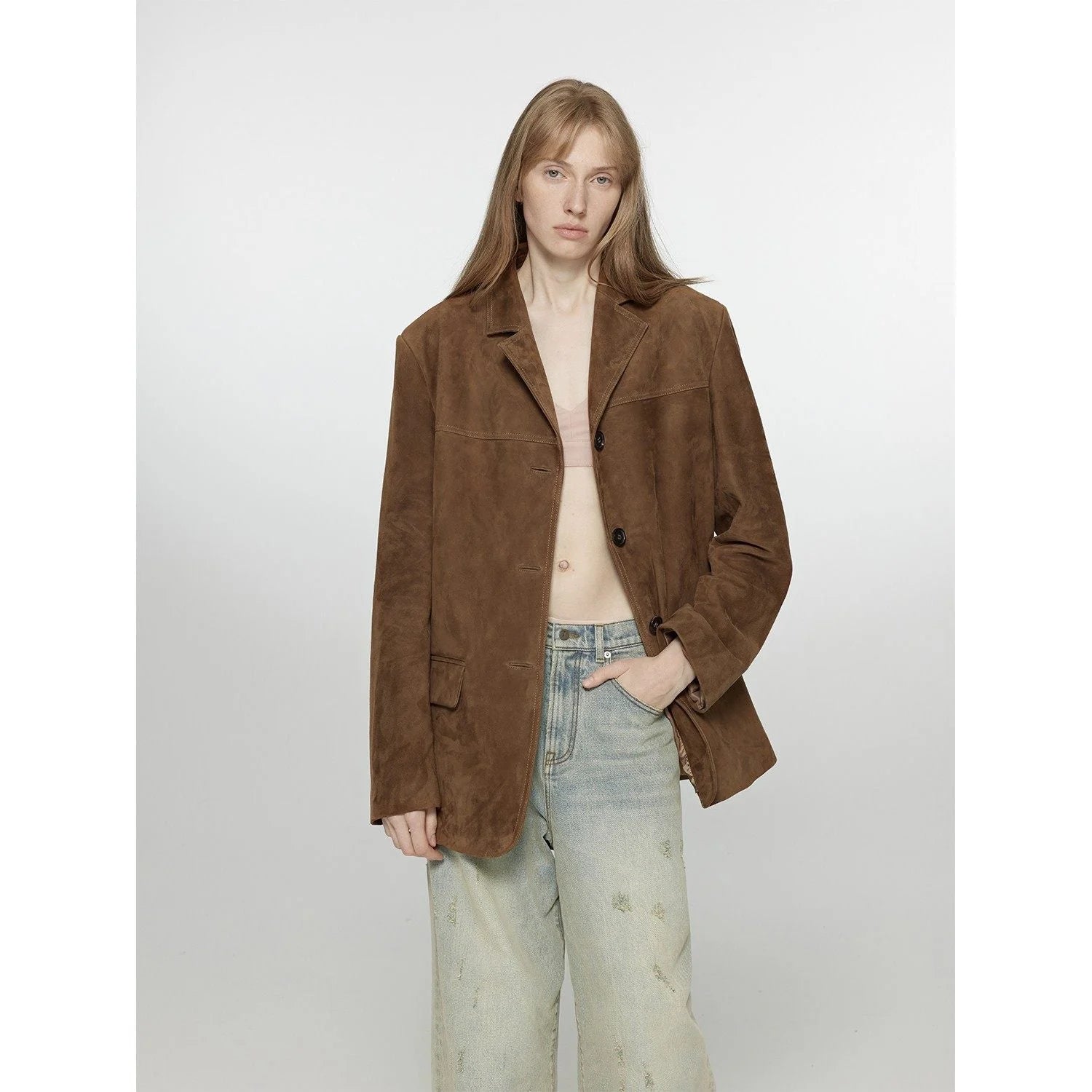 Sheepskin
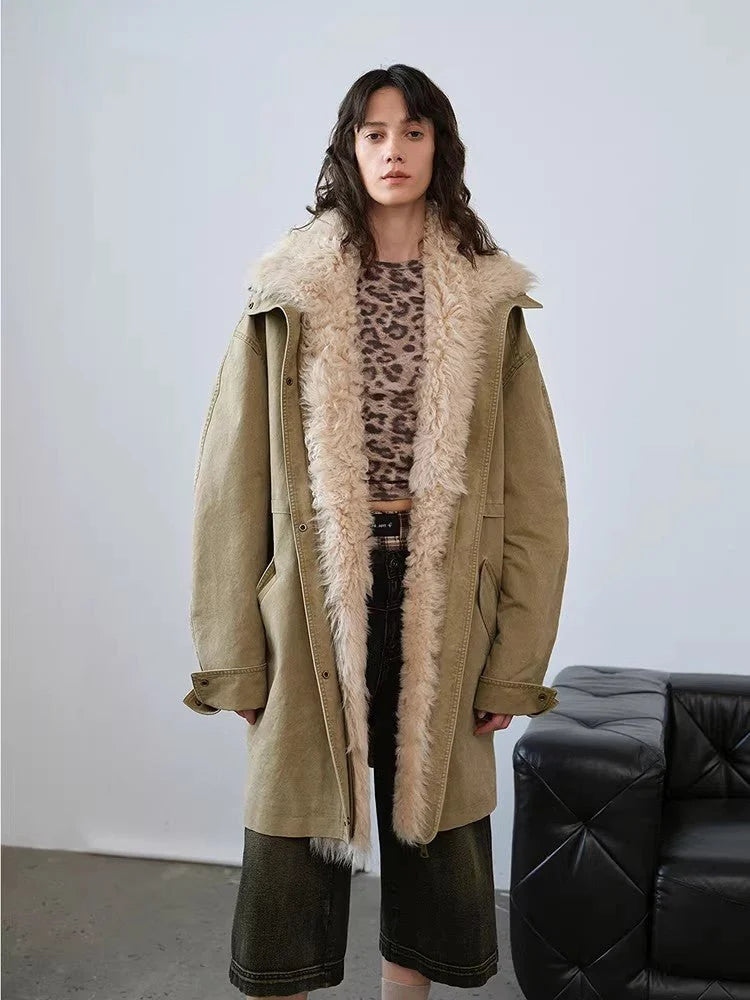 Parka
Parka Leather