


Care Focus
Most expensive mistakes start with heat, moisture, compression, or aggressive DIY cleaning.
Born of Nature, Bred in Warmth.| 11 years of focus on fur
Real fur care is a risk-management job: protect texture, keep the leather side from drying or swelling, avoid heat and trapped moisture, and know when a coat needs a specialist instead of a home fix. This guide organizes storage, weather exposure, cleaning risk, odor, shedding, matting, crushed fur, repair, and long-term value in one care path.
Most expensive mistakes start with heat, moisture, compression, or aggressive DIY cleaning.

A real fur coat is not maintained like a wool coat, puffer, or washable jacket. The visible hair, the leather base, the lining, the seams, and the way the coat hangs all respond differently to moisture, heat, pressure, storage, and cleaning products.
Use this page when the question is how to protect a coat you own, how to judge a coat's condition, or how care expectations should affect what you buy, keep, repair, or resell.
Start with the coat's current state: clean and seasonal, lightly exposed to weather, carrying odor, shedding, matted, crushed, torn, or old enough that repair value matters. The right next step changes with that state.
This is not a laundry tutorial. It is a care decision path that helps you avoid high-risk home fixes and decide when simple handling, staged article guidance, or professional fur care is the better move.
This page is the care branch inside the Fur Coat Guide. The parent guide covers buying, styling, comparison, value, resale, and collection paths; this page stays focused on ownership risk and lifespan maintenance.
If you are still choosing a coat, use the Fur Coat Buying Guide first. If you already own one, inherited one, or are evaluating condition, stay here and work through care risk before changing the coat.
Stay here for storage, seasonal storage, humidity, rain, snow, cleaning risk, odor, shedding, matting, crushed fur, handling, travel, repair, professional care, and material-specific care expectations.
Move away from this page when the real task is outfit styling, choosing between coat families, or comparing warmth before purchase. Care can inform those decisions, but it should not replace them.
Before touching the coat, decide what kind of risk you are looking at. A clean seasonal-storage coat needs airflow and support. A wet, smelly, shedding, or crushed coat needs a slower diagnosis and may need professional care.
Use broad shoulders, breathable coverage, cool storage, and enough room around the coat. Avoid plastic, direct sun, attic heat, damp basements, compression, and crowded closets that flatten the pile or stress seams.
Plan Storage Articles →Light surface moisture can often air-dry naturally away from heat. Soaked fur, damp leather, stiffness, odor, or matting is a different problem and should not be treated with a hair dryer, radiator, or steam.
Check Professional Care →Odor, loose hair, flattened pile, sticky residue, and matting are condition signals. The mistake is trying to erase them with water, soap, perfume, vacuuming, or forceful brushing before you know what caused them.
Read Cleaning Triage →Check whether the coat still hangs cleanly, whether the lining pulls, whether seams feel strained, and whether the leather side has become brittle. Repair value depends on material quality, condition, and replacement cost.
Judge Repair Value →Care pages become weak when every question points to the same generic article. This map now connects the parent guide, core care articles, specialist care routes, repair decisions, and material-specific paths so readers can move by condition instead of falling back to one generic care post.
Use the parent guide when the care question changes a buying, comparison, styling, or resale decision.
Use these core care articles when the reader needs a full care method before moving into storage, moisture, cleaning, or maintenance details.
When care effort matters, compare material families before shopping. The point is not to push product early; it is to avoid choosing a coat you cannot maintain.
Start with the condition you can see or smell, then move into storage, cleaning, material, or repair guidance.
 Stored CoatStorage
Use this route for breathable storage, hanger support, airflow, and off-season protection.
 Odor Or ResidueOdor
Use this route when smell, oil, smoke, cosmetics, or residue changes the care decision.
 Material ShiftMaterial
Use this route when leather, wool, seams, and moisture behavior matter as much as fur.
 Fur TrimWeather
Use this route when rain, snow, trim compression, and drying habits affect the fur.
Use the care articles first, then move into material, repair, comparison, or buying questions when care affects the long-term value of the coat. Each path below sends readers into the next useful care decision: core care, storage, cleaning, repair, material behavior, or value questions when condition affects what the coat is worth.
Start here when the coat is already in your closet and the decision is storage, moisture, cleaning risk, condition, or whether a specialist should inspect it before you try a home fix.
Read Ultimate Care Guide →Use this path when the main risk is closet climate, breathable coverage, hanger support, compression, travel packing, damp rooms, or long off-season storage.
Read Storage Guide →Use this path when the coat smells stale, feels oily, sheds more than expected, has flattened pile, shows matting, or has been exposed to water, cosmetics, smoke, or household cleaning attempts.
Read Cleaning Boundaries →Use this path when the question is whether a coat is worth professional cleaning, seam repair, relining, reconditioning, resale evaluation, or retirement rather than another home-care attempt.
Use Pro Care Framework →Use this path when the care answer depends on material behavior. Dense mink, longer fox hair, shearling, and removable fur trim do not store, dry, crush, or age in exactly the same way.
Compare Fur Material Care →Professional care is not automatically worth it for every coat, but it is often cheaper than replacing a high-quality piece after a bad home fix. Judge the decision by material, condition, age, sentimental value, resale logic, and replacement cost.
Soaked fur, persistent odor, brittle leather, seam stress, lining damage, matting, crushed pile, and vintage condition are not good DIY experiments. These are inspection problems first.
Water, heat, steam, fragrance, household stain removers, and aggressive brushing can affect both the hair and the leather base. Safe home care is mostly airing, support, and restraint.
If a coat requires storage you cannot provide or repair you would not pay for, that should affect the buying decision. Care burden is part of long-term value, not an afterthought.
The right care decision starts with material behavior. Dense mink, longer fox hair, shearling, and fur-trim parkas do not store, dry, crush, or age in exactly the same way.
Mink can look smooth and resilient, but pressure marks, heat, and poor storage still matter. Focus on shoulder support, breathable storage, and avoiding compression.
View Mink & Fur Coats →Fox and fuller long-hair textures can show matting or flattening more visibly. Give the coat room, avoid rubbing, and do not force the pile back with harsh brushing.
Read Material Care →Shearling care must respect the exterior, the wool side, seam structure, and moisture behavior. Treat it as a material system, not just a fur surface.
Open Shearling Coats →Parka shells may be practical, but real fur trim can still be affected by wet weather, compression, cosmetics, oils, and poor drying habits.
Open Fur Trim Parkas →Care should not stop someone from buying a beautiful coat, but it should make the purchase more honest. Choose the product family whose storage, weather tolerance, and maintenance expectations fit your life.
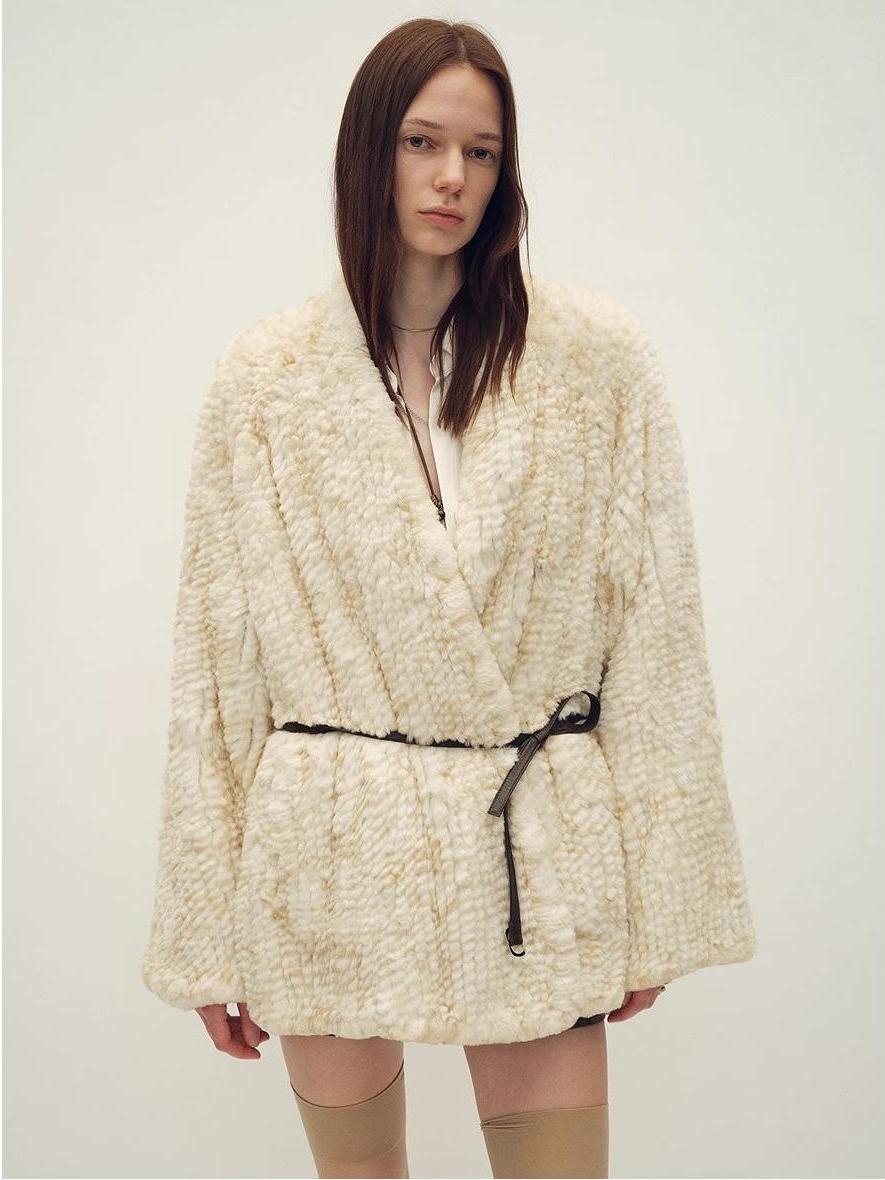
Best when you want a coat-first statement and are prepared to protect storage, handling, texture, and professional-care needs.
Open Collection →
Best when the main outerwear job is winter utility, but the fur trim still needs careful drying, storage, and handling.
Open Collection →
Best when warmth, structure, and texture matter, and you want to compare care needs against full fur and parka designs.
Open Collection →
Best when you are still deciding how much care responsibility you want across fur, shearling, leather, parka, and winter outerwear.
Open Collection →These answers cover the decisions that usually determine whether a coat needs simple handling, staged article support, or professional fur care.
If the coat is clean and stable, focus on storage and long-term maintenance. If it is wet, smelly, shedding, matted, crushed, torn, or old enough that value matters, slow down and judge whether professional care is worth it before trying a home fix.


 Storage
 Cleaning
 Damage
 Weather


 Full Fur
 Shearling
 Parka
Parka Outerwear