


Color can make a fur coat easier to sell or harder to trust. Neutral shades widen the outfit path; pale, dyed or dramatic colors need stronger photos and more honest condition language.
Use this article after the coat's material and condition are understood. If the whole resale check is still uncertain, start with vintage fur coat value without guesswork.
| Color situation | What buyers need to see | Risk to control |
|---|---|---|
| Black or dark brown | Texture, shine, shape and lining. | Flat photos can hide wear or make the coat look heavy. |
| White or cream | True tone in steady light. | Yellowing, makeup marks and uneven storage color. |
| Dyed or bright fur | Accurate color and a clear styling buyer. | Attention without a broad buyer group. |
Color has to look wearable and honestly photographed
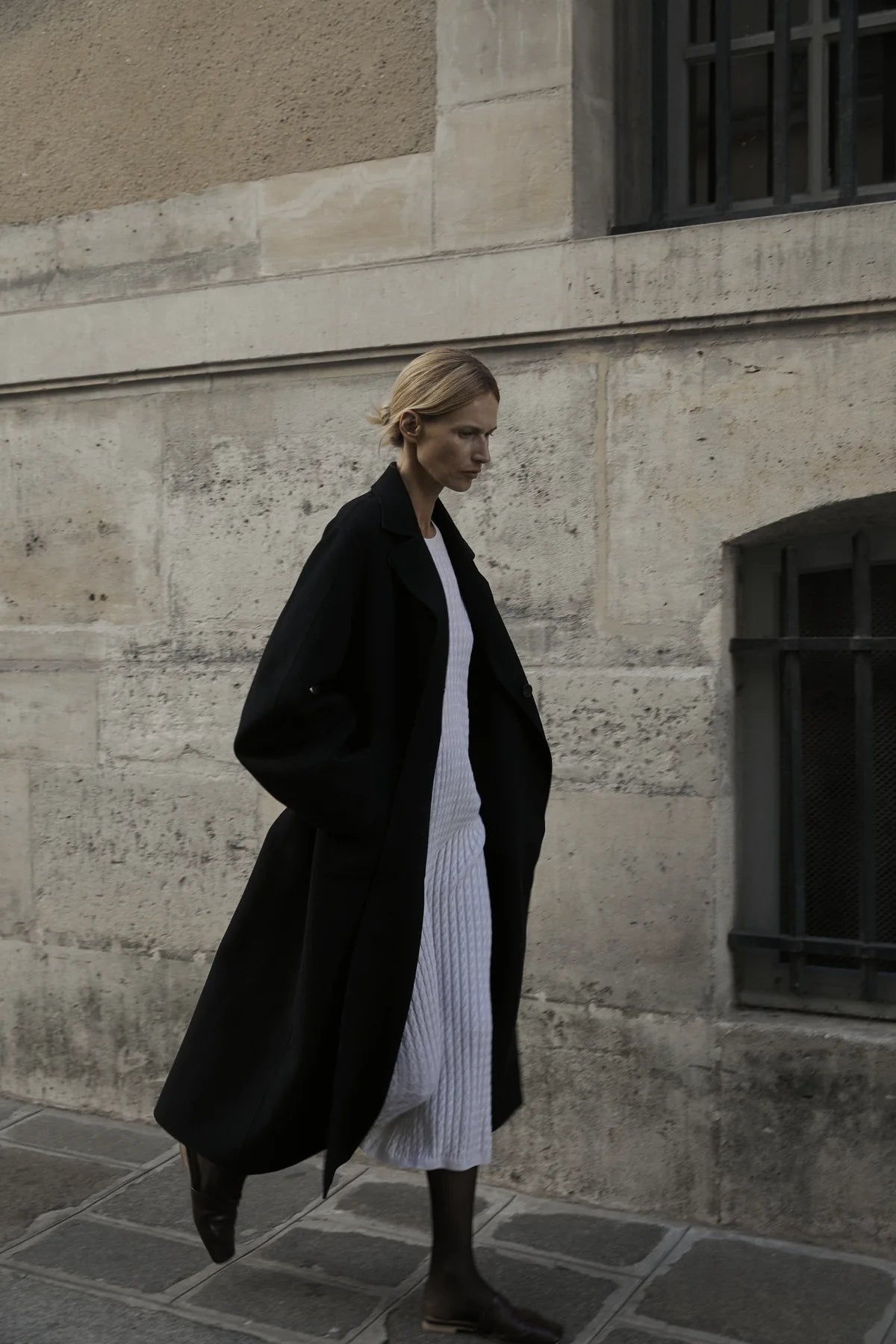
Black and brown often look easier because the reader can imagine the coat with boots, denim, trousers, dresses and workwear. Pale colors, dyed fur and high-contrast pieces can be more memorable, but they make buyers inspect condition harder. Makeup marks, yellowing, uneven dye, sun fade and camera warmth all become part of the resale check.
Color should therefore be described as current evidence, not only mood. A listing should show the coat in consistent light and name visible variation honestly.
| Color lane | Demand advantage | Resale caution |
|---|---|---|
| Black | Easy styling, familiar search behavior, wider outfit path | Flat lighting can hide texture, crushing or dusty nap. |
| Brown or natural mink tones | Classic buyer recognition and material familiarity | Photos must separate rich tone from age-related dullness. |
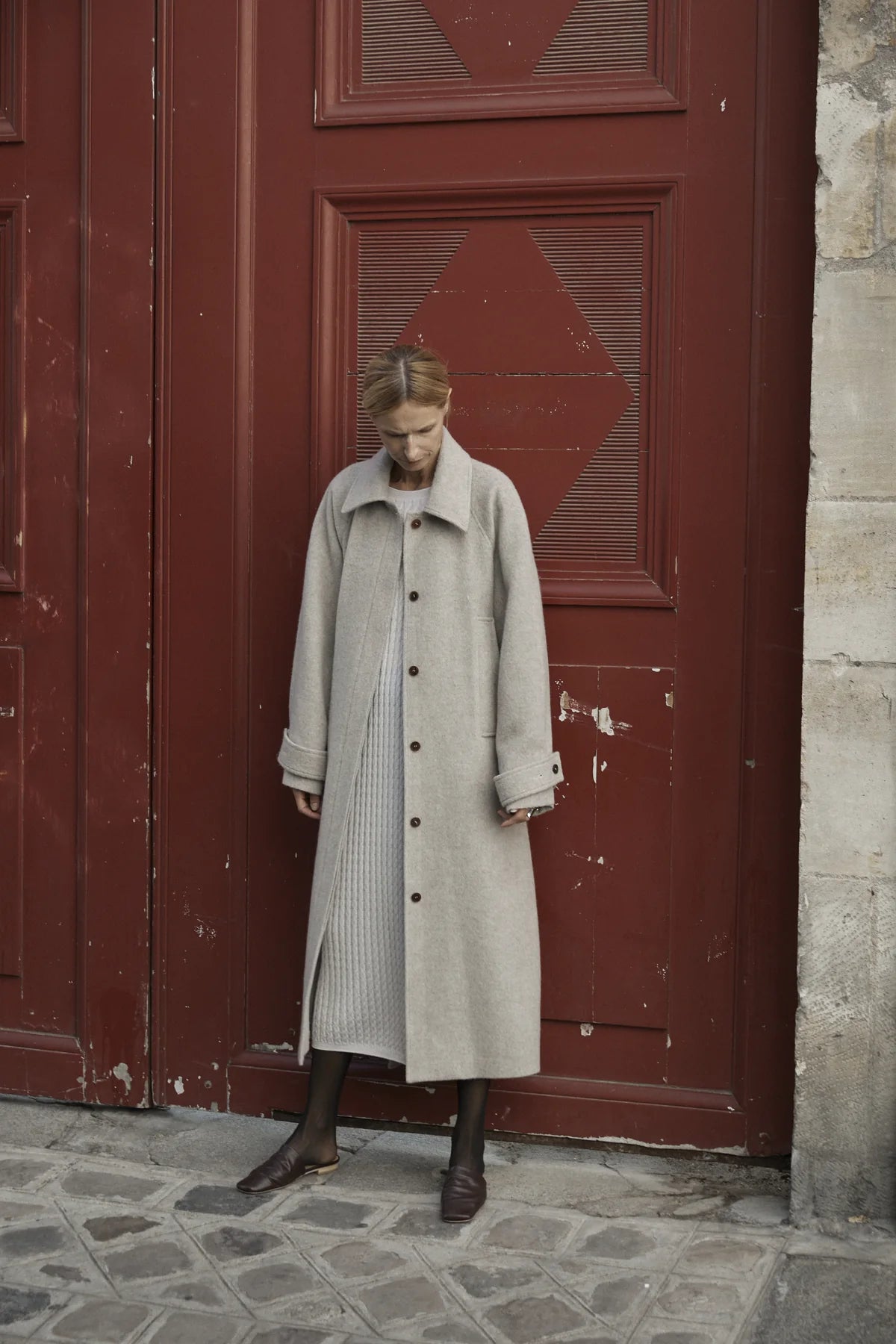
| White, cream or pale fur | Formal, bridal, winter statement, strong visual pull | Yellowing, makeup marks and uneven storage color lower trust fast. |
| Dyed or fashion color | Statement buyer, editorial styling, memorable listing | Smaller audience; color accuracy and surface condition matter more. |
| Mixed or high contrast | Dramatic vintage identity | Can feel costume-like if shape, size and use case are not clear. |
Neutral color does not excuse weak photos
A black coat still needs close surface photos, lining, cuffs and true side views. A brown coat still needs honest lighting. A neutral color widens demand only when the coat looks clean and readable. Without proof, a neutral coat can look like every other anonymous listing.
Pair color judgment with material photos that support resale trust. A color claim needs texture, not only a full-body shot.
Statement color needs a smaller but clearer audience
A red, blue, silver, white or strongly dyed coat may not need broad demand to sell. It needs the right reader to understand the use. Is it an evening coat, editorial styling piece, holiday coat, costume piece, bridal wrap or collector item? Say that early.
Do not hide limits. If the color is less versatile, let the price and language reflect a narrower audience. If the coat photographs beautifully but has lining wear or odor, go back to condition checking before resale before making color do too much work.
Camera color can create return risk
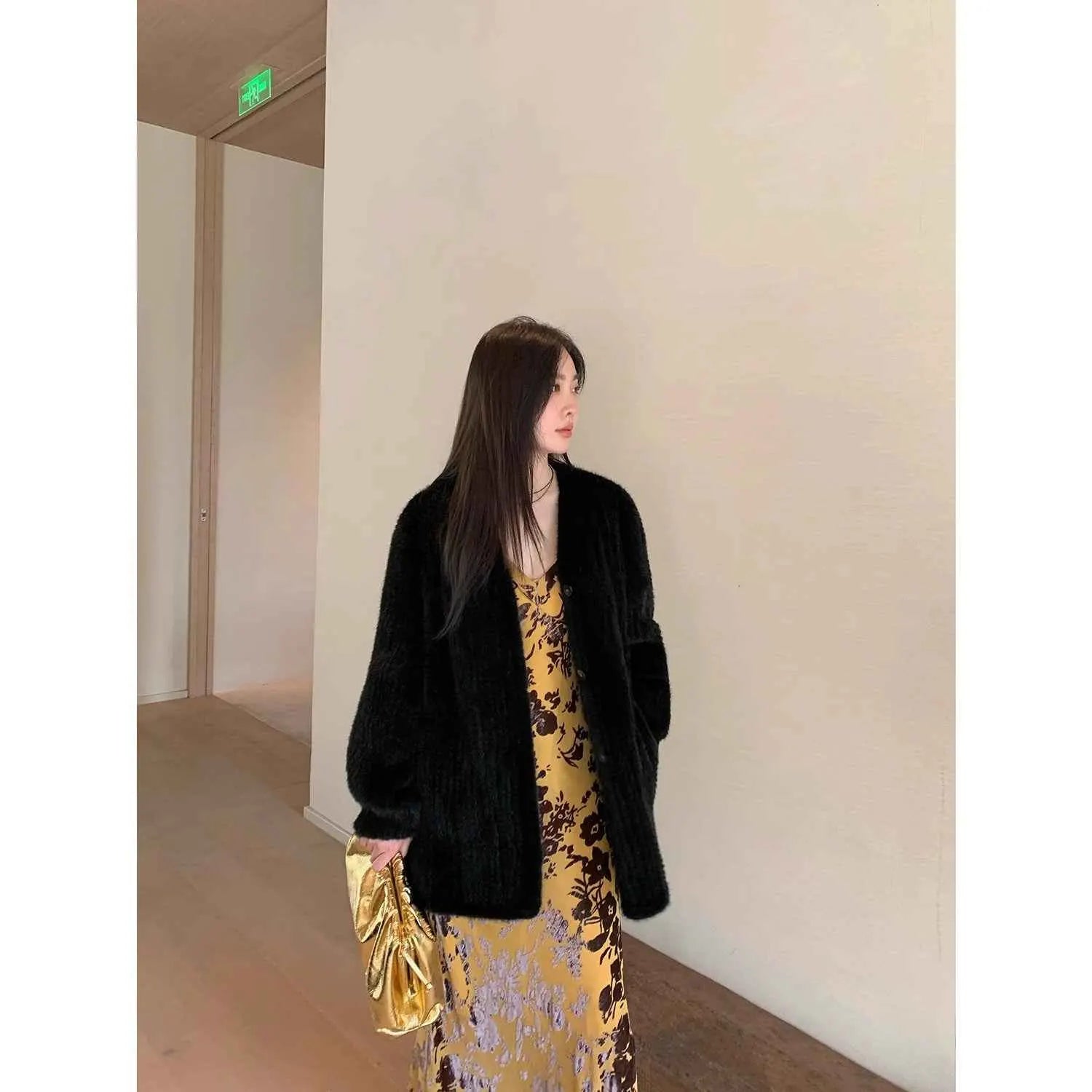
Many color disputes begin before the coat ships. Warm indoor light makes cream fur look richer. Cool light can make brown fur appear gray. Flash can flatten black fur and hide the pile. Overexposed photos can erase yellowing. Underexposed photos can hide stains.
Use one full-shape image, one side-light texture image and one flaw image when color is important. If the color changes across photos, explain why: different rooms, natural light, closeup exposure, or visible age variation. Honest color language reduces the chance that the buyer feels misled.
The color sentence should match the photo set
A good listing does not need perfect studio lighting. It needs enough consistency that the reader can tell whether the coat is black, brown, cream, dyed, faded or uneven.
Color is strongest after size and silhouette make sense
A beautiful color cannot save a coat that the reader cannot measure into. It also cannot make a difficult shape easier to imagine. Use color after shape and size are understandable, especially with vintage pieces where measurements and shoulder line control the buyer group.
When color seems strong but interest is weak, read when size limits the buyer group and which silhouettes resell better before assuming the color is the problem.
- Show color in at least one full-shape photo and one close texture photo.
- Do not call pale fur fresh if yellowing, makeup marks or storage tone are visible.
- Use dyed, fashion-color or statement language only when the color is the actual selling point.
- Keep neutral-color listings from becoming anonymous by showing texture and fit proof.
- Mention visible color variation before the buyer has to ask.
Write the color as if the buyer cannot return it easily
Color disappointment is one of the fastest ways to create mistrust. A buyer who expected ivory and receives yellowed cream, or expected deep black and receives a faded brown-black, will not care that the seller thought the photos looked pretty. The description has to protect the transaction before it sells the mood.
Use color words carefully: black, dark brown, warm brown, natural mink tone, ivory, cream, off-white, silver, dyed red, blue, champagne, golden or mixed. When the shade is hard to name, say that and show more than one light source. That is better than forcing a glamorous color word onto a coat the camera cannot support.
If color flaws are visible, include them near the first condition paragraph rather than hiding them at the bottom. Pale fur with makeup marks, yellowing or uneven tone can still find a buyer, but only if the person is not surprised later.
Let color work with use, not against it
A black jacket may be valuable because it repeats easily. A brown stroller coat may feel classic because it works with normal winter clothing. A white or cream coat may fit bridal, formal or event use. A dyed coat may be best for statement styling. These are different buyer paths, and the description can name the one that fits.
When color and use disagree, the price argument weakens. A pale coat with heavy wear cannot rely on bridal language. A bright dyed coat with unclear size cannot rely on everyday language. A dark coat with no texture photos cannot rely on versatility alone.
The strongest color listings sound precise rather than poetic. The buyer should know what color they are likely to receive, what variation exists and why the color suits the coat's likely use.
Color affects trust before it affects style
A beautiful shade can still create hesitation when the buyer cannot tell whether the camera is flattering it. Black fur can lose texture in photos. Brown can shift warm or flat. Cream can look clean in one room and yellow in another. Dyed fur can photograph brighter than it appears in person. The buyer is not only choosing a color; they are deciding whether the color claim can be trusted.
For pale or dyed coats, add one steady full-body photo and one close photo that shows tone variation. If the coat has yellowing, fading, makeup transfer, sun exposure or uneven storage color, name it plainly. The buyer may still want the coat, but they should not discover the color story after delivery.
Match color language to the buyer's closet
Neutral colors often support repeat wear because the buyer can imagine denim, black trousers, boots and ordinary winter bags. Statement colors can still sell well, but they usually need a more specific buyer: event dressing, editorial styling, collector interest, costume, bridal, evening or a person who already wants a rare shade.
Do not make every unusual color sound premium. A color can be rare because fewer people want to wear it. The safer listing names both sides: the shade is memorable, and the audience is narrower. That kind of wording keeps the seller from overpricing attention as if it were broad demand.
- Use one photo in neutral light and one close texture photo for color confidence.
- Name yellowing, fading, makeup marks or uneven tone before style language.
- Do not describe cream or white fur as fresh unless the photos support it.
- For dyed fur, write to a statement or styling buyer instead of a broad winter buyer.
- If color is the main value point, pair it with size, shape and condition proof.
Color can change the safest selling channel
A dark neutral with good measurements may work well in a broader online listing. A pale coat with tone variation may need more cautious wording or a buyer who can inspect details closely. A bright dyed coat may belong in a styling or vintage-fashion channel rather than a general winter-coat claim.
When color is hard to describe, the seller should reduce surprise before increasing price. More color proof, better light and a narrower buyer path are usually safer than a stronger adjective.
Before color becomes the selling point
Neutral color widens interest only when the coat is readable. Black and brown still need close texture, lining and shape photos.
Pale fur needs extra honesty. Yellowing, makeup marks, uneven storage color or overexposed photos should be disclosed before style language.
Dyed fur sells to a narrower audience. Use statement or fashion-color language only when the photos prove the color accurately.
Color should follow fit and condition. A beautiful shade cannot carry a listing with missing measurements, odor or weak photos.
FireladyFur's color-value standard
FireladyFur treats color as both a styling signal and a trust signal. A coat should not be pushed as rare or statement-making until the photo set shows color honestly.
For broader styling context, use the Fur Coat Styling Guide; for resale, keep color inside the value path.
For the wider FireladyFur reading path, use the Firelady Fur Guide for fur-wide context, the Fur Coat Guide for coat ownership context, and the Fur Coat Value / Resale Guide for resale decisions.
Let color attract the intended buyer without hiding risk
Lead with color when it helps the buyer recognize the coat's use. If color flaws or photo uncertainty are present, solve those before making the shade the main value signal.
What fur coat color usually resells best?
Neutral black, brown and natural tones often have wider everyday demand, but condition, photos, size and silhouette matter more than color alone.
Can white or cream fur coats resell well?
Yes, when the color is clean, photographed honestly and matched to the intended buyer. Yellowing, makeup marks or uneven tone should be disclosed.
Does dyed fur lower resale value?
Dyed fur can narrow the buyer group, but it can still sell when the color is intentional, accurate in photos and priced for a statement buyer.
How should I photograph fur color for resale?
Use consistent light, one full-shape image, a close texture photo and visible flaw photos when color variation, fading or discoloration exists.


