


An oversized fur coat can look deliberate when the outfit underneath gives it a steady base: a fitted knit, straight denim, compact bag and shoes with enough weight. Without that base, volume can look borrowed.
Separate oversized from too large
Volume in an oversized fur coat looks intentional when the clothes around it stay calm. If collar, sleeve, body, shoe and bag all add width, the coat stops looking styled and starts looking difficult.
Pick one anchor and let it stay quiet: a closer knit, a straighter trouser, a smaller bag or a cleaner boot. The coat can stay generous when the surrounding pieces give it structure.
If bulk is the recurring issue in an oversized fur coat, How to Balance Wide Fur With Slim Layers can help isolate whether the problem is neckline, sleeve, base layer or shoe-and-hem balance.
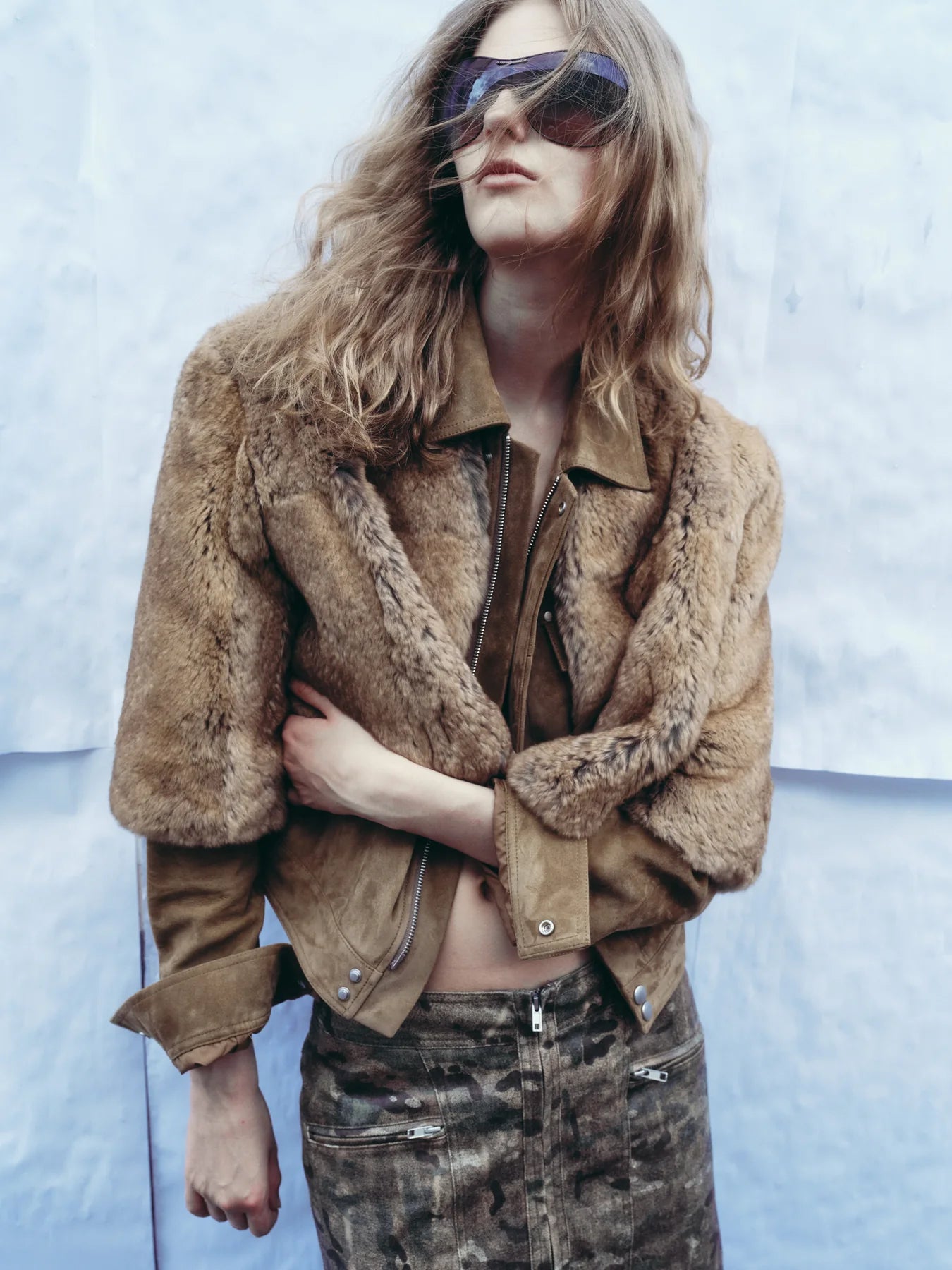
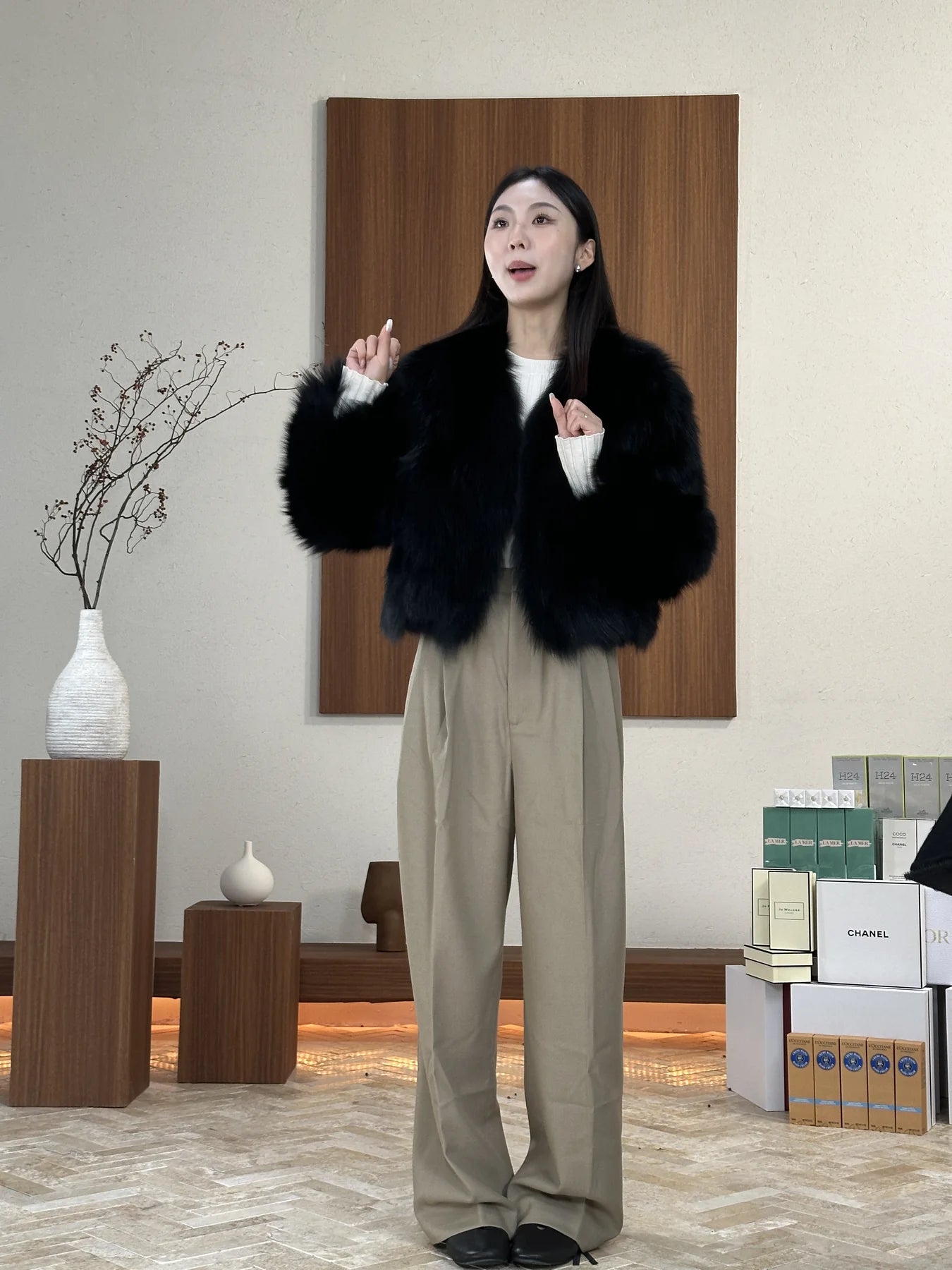
Keep the first layer calm under the coat
When the coat opens, the layer underneath should already look like an outfit. Use a close base layer, straight denim, narrow knitwear, a compact bag or a shoe with enough weight instead of a bulky hoodie, tired tee or neckline that disappears under the fur.
Choose a layer that lies flat at the shoulder and neck. A clean knit, simple dress, straight trouser or one-color layer keeps an oversized fur coat from feeling bulky without making the outfit tight.
If the layer underneath still looks like an afterthought after the coat comes off, solve that first. Use How to Make a Fur Coat Look Less Bulky when the problem is really the coat shape, not the fur itself.
Keep one clean anchor.
The coat can be roomy, but the shoulder still needs to look placed.
Move the arm.
Reach for a phone and hold a bag before approving the sleeve depth.
Ground the volume.
Straight denim, trousers or a steadier boot can keep the scale intentional.
Check the sleeve before the body
Sleeves reveal proportion faster than the body of the coat, especially with an oversized fur coat. If the sleeve swallows the hand, blocks the bag handle or catches at the table, the outfit will feel bigger than it needs to be.
Move the arm before deciding on street looks, relaxed dinners, wide-trouser outfits, knit bases and statement winter photos. Reach for a phone, hold a bag, sit with the forearm on a table and check whether the sleeve still looks intentional. This matters more than a perfectly still product image.
If sleeve volume is the charm, keep the rest quieter. If sleeve volume is the problem, the fix is usually a cleaner first layer or a different coat shape, not more styling around a close base layer, straight denim, narrow knitwear, a compact bag or a shoe with enough weight.
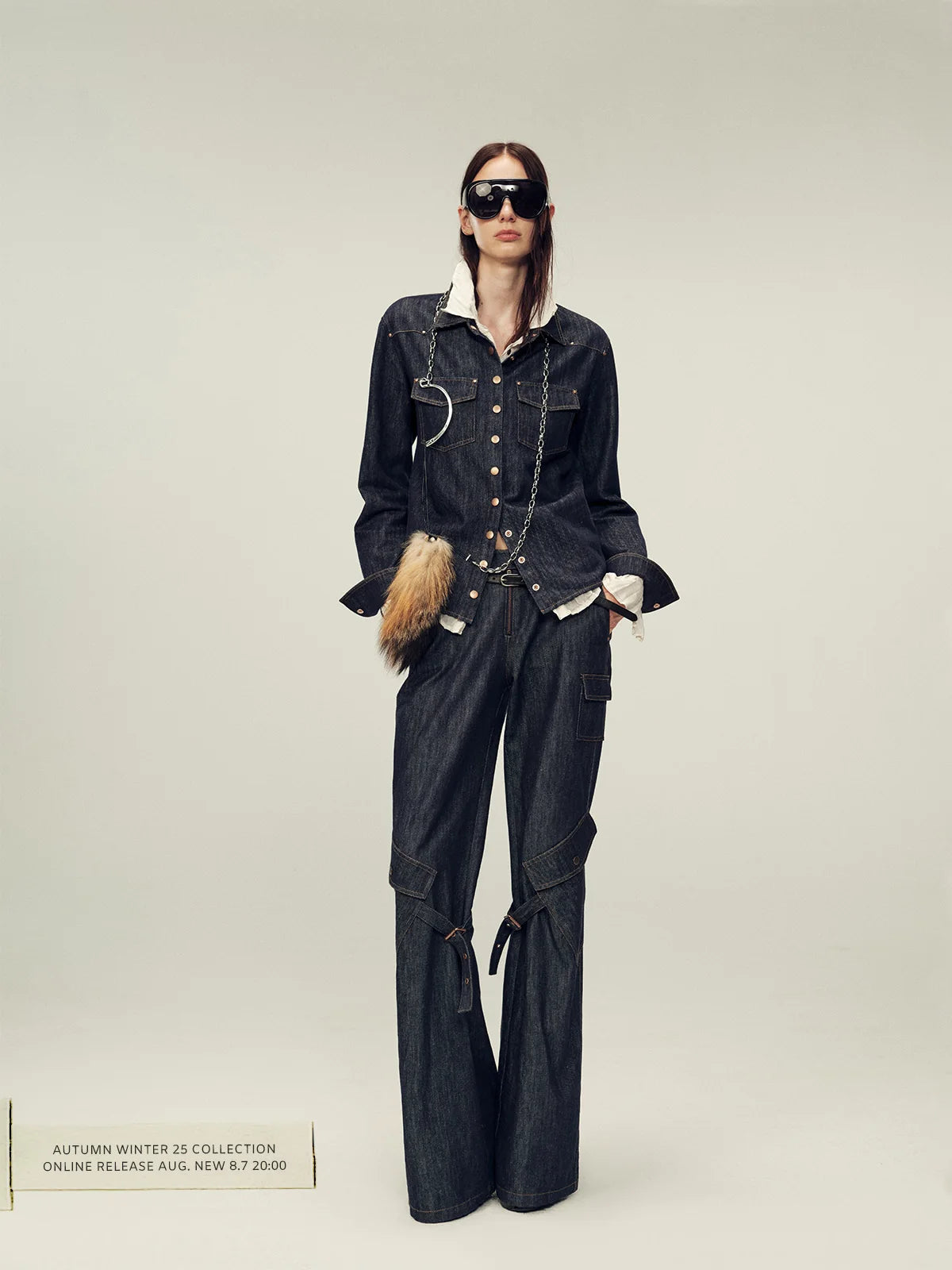
Use shoes with enough strength
Footwear is not an afterthought with an oversized fur coat. A heavy coat can make a delicate shoe look stranded, while a bulky boot can make the bottom half stop too many times. The cleanest pairing leaves a little visual breathing room between coat hem, trouser break and boot shaft.
Walk through a doorway and reach for the bag before trusting the mirror. Oversized fur can look relaxed in a still photo and feel clumsy when the sleeve catches, the shoulder slips or the shoe cannot balance the coat.
If this problem keeps repeating with an oversized fur coat, use Fur Coat Hemline and Boot Pairings for shaft height, hem distance and trouser break.
| If this happens | Change this first | Why |
|---|---|---|
| Neckline feels crowded | Simplify scarf, hair or base layer | Volume near the face reads fastest |
| Hem feels awkward | Change shoe or trouser break | The lower line finishes the coat |
| Coat looks too wide | Use a cleaner first layer | The base outfit needs to stay visible |
| Bag distorts the shoulder | Switch to a lighter bag | Strap pressure changes the silhouette |
Make the bag smaller than the coat
A bag can ruin an oversized fur coat quietly. A shoulder strap flattens pile, a crossbody cuts the front opening, and a heavy tote drags one side lower. Check the coat with weight inside the bag, not an empty prop.
A small bag keeps oversized fur from looking pulled out of shape. If the day requires a laptop, water bottle and umbrella, choose a coat with enough structure for that weight instead of asking plush sleeves and a soft shoulder to behave like workwear.
The broader bag conversation sits in What Bag Works With a Fur Coat; here, the bag is a proportion check for an oversized fur coat before it is an accessory choice.
Keep the neckline simple
Collar volume changes how an oversized fur coat frames the face before it changes the rest of the outfit. A generous collar can look glamorous in a photo and still crowd lipstick, hair, earrings or a scarf in real life. Leave space at the neck before adding more texture.
The easiest check with an oversized fur coat is simple: open the coat, close it, then turn to the side. If the collar pushes the chin forward or hides the first layer completely, simplify the base. A clean knit or smooth neckline usually does more than another accessory.
When comparing fox fur and mink, look at the collar near the face before judging the whole coat. Fox brings more visible softness; mink usually keeps the surface closer, which can matter when an oversized fur coat already has enough volume.
Fix the base before blaming the coat.
For oversized fur, the decisive checks are shoulder placement, sleeve reach and whether the lower half gives the coat somewhere firm to land.

Use color to reduce visual size
Color controls where the eye stops in an oversized fur coat. A dark column under a long coat can make the line cleaner; a light boot under a bulky hem can make the lower half feel brighter and wider. Use contrast where it helps the shape, not where the coat is already loud.
Choose one color to repeat from a close base layer, straight denim, narrow knitwear, a compact bag or a shoe with enough weight. It can be the shoe, belt, bag or first layer. Repetition gives the outfit rhythm without making every piece match.
If color becomes the main styling problem for an oversized fur coat, use the color and texture articles under the Fur Coat Styling Guide. Proportion comes first here, because even a perfect color plan fails if the outline is crowded.
Test sitting before trusting the mirror
An outfit built around an oversized fur coat can change the moment the wearer sits down. Fur has depth, and that depth shifts at the lap, sleeve and front opening. A car seat, restaurant chair or stair rail is often the first honest test.
Try the coat with the gestures that oversized sleeves usually interrupt: holding a phone, carrying a bag, sitting at a table and opening a door. If the sleeve needs constant arranging, the outfit will feel bigger than it looks.
Oversized fur earns its place when the layer underneath keeps the outfit from becoming all coat. If the route is wetter, tighter or more luggage-heavy, a fur-trim parka may be the smarter styling answer.
Choose fox, mink or parka by volume tolerance
Choose the material by how much volume the outfit can carry. Fox gives visible softness and makes the outline larger. Mink usually keeps the surface closer and more controlled. A fur-trim parka keeps the collar plush while the body stays more practical.
The route decides how much texture the outfit can carry. A dry dinner can handle more drama; a commute, luggage day or heavy bag usually needs a cleaner body and fewer delicate areas. Buy the dramatic surface only when you know where that drama will sit.
If the whole outfit already feels wide, compare mink before adding more pile. If the base looks plain, fox fur may give the coat the presence it needs.
 FurUse when the coat is meant to carry the outfit.
 MinkUse when proportion needs polish and less visible pile.
 Fur TrimUse when weather and carrying matter.
Skip oversized when the route is narrow
Let the volume come from the coat, then make one surrounding piece organize it. With oversized fur, that may be a visible wrist, a straight jean, a compact bag or a boot with enough weight. The outfit should read as roomy by choice, not as if every layer slipped larger.
FireladyFur editing note
FireladyFur would judge this proportion before the most dramatic product photo. The first pass is practical: can the piece work around a close base layer, straight denim, narrow knitwear, a compact bag or a shoe with enough weight, and does it avoid hidden hands, a sliding shoulder, a collapsed neckline or loose layers everywhere at once? That keeps the advice close to real dressing rather than showroom styling. For brand background, read About FireladyFur; for the broader route, use the Firelady Fur Guide and Fur Coat Styling Guide.
Next step
Before choosing a product, test the outfit against the parts that will actually carry it: a close base layer, straight denim, narrow knitwear, a compact bag or a shoe with enough weight. If the main problem is still hidden hands, a sliding shoulder, a collapsed neckline or loose layers everywhere at once, stay with proportion rather than buying more drama. Then compare mink for a cleaner surface, fox fur for visible softness, or fur-trim parkas when the route needs pockets, weather protection and easier carrying. For the full length and volume order, return to fur coat proportions before making a final silhouette choice.
FAQ
What is the first thing to check with an oversized fur coat?
Check whether one clean line remains visible under the volume. Then confirm the shoulder, neckline, hem and shoe before adding accessories.
Can this silhouette work casually?
Yes, when the base layer and shoes match the route. For street looks, relaxed dinners, wide-trouser outfits, knit bases and statement winter photos, keep the supporting pieces clean and practical.
What makes this outfit look too bulky?
Common causes are a sliding shoulder, hidden hands, a large shoulder bag and loose layers everywhere at once. Remove one source of volume and check the outfit again.
Which FireladyFur collection should I compare?
For an oversized fur coat, compare mink when the line should feel smoother, fox fur when visible softness helps, and fur-trim parkas when weather or carrying matters.
What should I check before buying online?
Look for full-body photos that show an oversized fur coat with shoes, plus a side view that reveals sleeve scale, collar height and where the hem actually stops.


