


A vintage size label can make a seller feel organized and still leave the buyer guessing. Fur needs measurements, closure proof and movement context before size can support value.
Use this page when a coat gets interest but buyers hesitate over fit. For shape-level demand, pair it with fur coat silhouettes that resell better.
- Publish shoulder width, closed bust, sleeve length and coat length before relying on the old size tag.
- Show the coat closed if closure is part of the fit claim.
- Name petite, cropped, bracelet-sleeve, oversized or narrow-shoulder limits plainly.
- Use a narrower buyer channel when the fit is narrow instead of hiding the limit.
Vintage size labels are clues, not fit claims
A vintage fur coat can lose buyers before anyone judges material or age if the fit information is thin. Old size labels do not translate cleanly into modern sizing, and fur adds its own limits: shoulder structure, sleeve length, armhole depth, closure overlap, lining pull and the weight of the garment.
Measurements decide whether the buyer group is broad, narrow or local-only. A strong coat with no measurements is not fully listed.
| Fit point | Why it matters | What to publish |
|---|---|---|
| Shoulder width | Controls whether the coat sits cleanly or looks forced. | Shoulder seam to shoulder seam, plus note if shoulder is structured. |
| Bust or closed width | Tells the buyer whether the coat closes with clothing underneath. | Flat measurement with closure fastened where possible. |
| Sleeve length | Vintage sleeves may be bracelet length or altered. | Shoulder to cuff and underarm to cuff. |
| Length | Controls height fit, driving and hem wear. | Back neck or shoulder to hem, plus full-length photo. |
| Sweep or hip width | Important for swing, stroller and full-length coats. | Lower width or sweep when shape is generous. |
A small size can still sell, but the audience changes
Small vintage sizes are not automatic failures. They can work for a petite buyer, a stylist, a collector or someone who likes a cropped, precise fit. The problem is pretending the buyer group is the same as a modern medium outerwear market.
Use clear measurements, body-type-free language and honest styling notes. If the coat will not close on many buyers, do not hide that. A narrow audience can still be a good audience when the listing respects it.
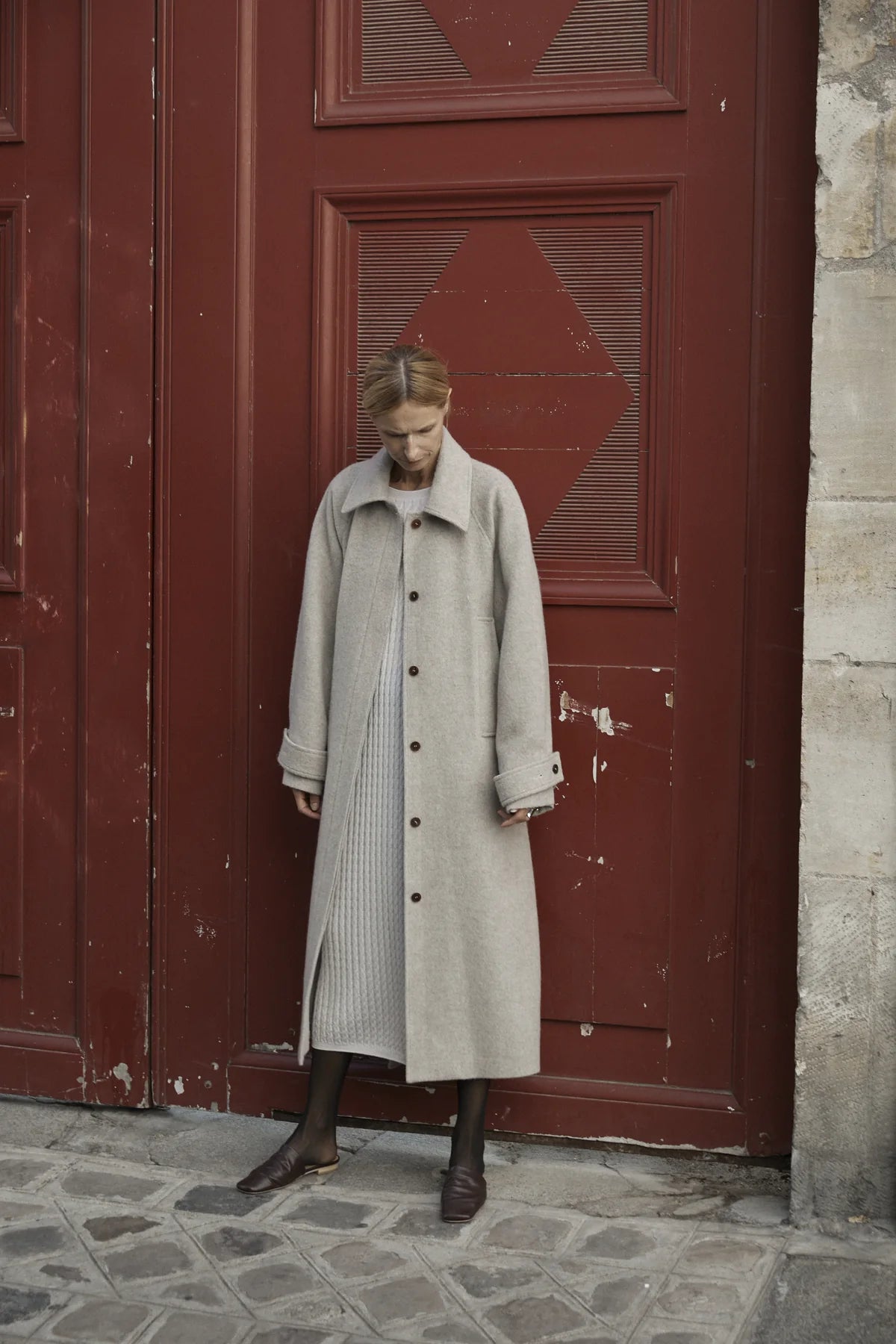
Oversized is not always easier
An oversized fur coat can look current when the shoulder, sleeve and hem behave well. It can also look tired if the coat collapses, the sleeves swallow the hands or the lining pulls. The listing needs side photos and movement context, not just an oversized label.
Silhouette and size belong together. If the shape is doing most of the value work, read which fur coat silhouettes resell better. If the shape is specifically long or jacket-length, long coat versus jacket resale demand gives the tighter comparison.
Alteration potential should be handled carefully
Do not claim that a vintage fur coat can be altered unless a qualified furrier has actually assessed it. Fur, lining, panels, seams and old backing do not behave like ordinary cloth. The better wording is cautious: measurements are provided; professional alteration should be evaluated by a furrier if needed.
If the coat already shows hard backing, seam weakness or lining strain, alteration talk should move out of the sales pitch and into repair risk. Use hard leather in older fur or construction details that raise confidence before suggesting a fit fix.
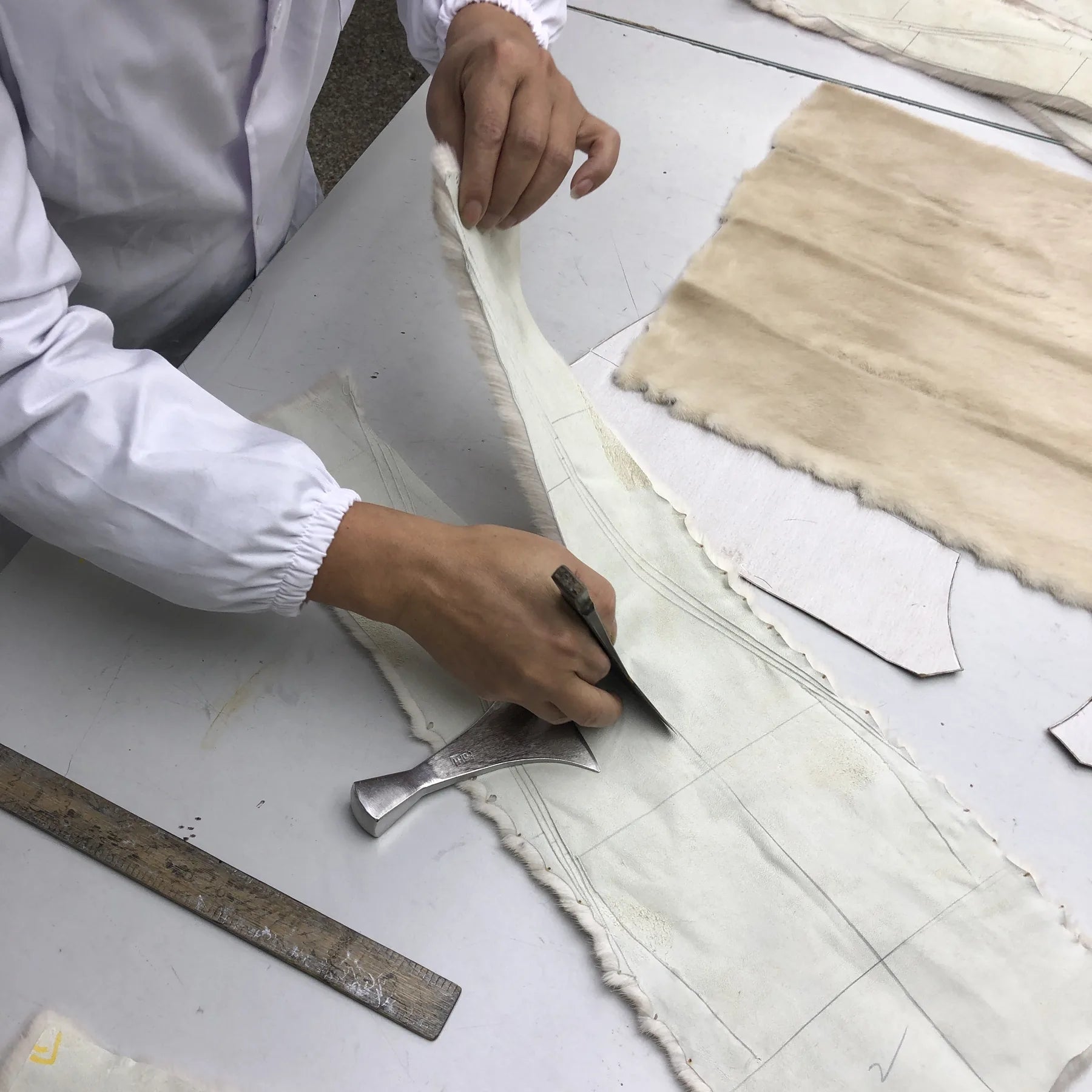
Fit stress often appears inside first
A tight or poorly hanging coat may show stress in the lining, closure line, underarm or hem before the outside looks alarming.
Size-limited coats need more specific titles
If a coat fits a small group, the title should help that group find it. Petite, cropped, bracelet sleeve, full-length, swing, oversized, narrow shoulder or roomy body can all be useful when supported by measurements. Those words are not decoration. They filter the audience.
For the full market read, step back to vintage fur coat value without guesswork. Size is one of the strongest buyer-interest signs because it decides whether interest can become an offer.
- Do not rely on a vintage size label without modern measurements.
- Photograph the coat closed if closure is part of the fit claim.
- Name bracelet sleeves, cropped lengths or oversized shape plainly.
- Avoid alteration claims without professional assessment.
- If fit is narrow, choose a narrower buyer channel instead of hiding the limit.
Measurements should answer the try-on that cannot happen
Most online buyers cannot slip the coat on before deciding. The measurements have to stand in for that moment. Shoulder width tells them whether the frame will sit cleanly. Sleeve length tells them whether gloves or layering are needed. Bust or closed width tells them whether the coat actually closes. Length tells them whether the shape fits their height and routine.
Because fur has bulk, a flat measurement can still need context. Say whether the coat is structured, roomy, slim, cropped, full sweep or best for light layering. Do not make the buyer discover that only after the package arrives.
A strong fit section can make a size-limited coat more sellable because it removes mystery. The buyer may be fewer, but the right person can act with more confidence.
Size limits change channel and patience
A coat with narrow shoulders, very short sleeves, extra-long length or a tiny closure path may not belong in a broad marketplace claim. It may need vintage buyers, local try-on, stylist channels or a more patient listing. That is not failure. It is audience fit.
The seller should also avoid overcorrecting. Do not bury a strong small coat under apologetic language. Show the measurements, explain the shape and let the intended buyer decide. A narrow coat with precise proof is stronger than a broad listing that hides fit.
If the coat receives repeated fit questions, the listing is not finished. Add the missing measurement, not another adjective.
Fit uncertainty is a resale cost
A buyer who cannot try on the coat has to price uncertainty into the decision. If sleeve, shoulder, closure and length are missing, the coat may receive lower offers even when material and condition are strong. The missing measurements become a transaction risk, not a small formatting issue.
Vintage fur also fits differently from a soft modern jacket. Shoulder structure, lining pull, armhole depth and fur bulk all affect whether the coat can close over clothing. Use flat measurements, but add shape context: structured shoulder, roomy body, slim closure, bracelet sleeve, full sweep, cropped length or best for light layering.
Do not sell alteration as the solution
If the size is narrow, the seller may be tempted to say the coat can be altered. That should stay cautious unless a furrier has examined it. Fur panels, old backing, lining and seam strength can make alterations expensive or unrealistic. A professional opinion is stronger than seller optimism.
A size-limited coat can still sell well when the listing respects the limit. Petite, narrow-shoulder, cropped, bracelet sleeve, oversized and roomy body can all be useful search language when the measurements prove them. The goal is not to make the coat fit everyone; it is to let the correct buyer recognize it quickly.
| Missing fit proof | Buyer concern | Better fix |
|---|---|---|
| No shoulder width | Will the frame sit correctly? | Add shoulder seam-to-seam and note structure. |
| No closed bust | Will it close over clothing? | Measure flat while fastened where possible. |
| No sleeve length | Are sleeves altered or bracelet length? | Give shoulder-to-cuff and underarm-to-cuff. |
| No length photo | Will height, driving or hem wear be a problem? | Show full front, side and back length. |
Return policy pressure rises when fit proof is weak
Even when a platform allows returns, a vintage fur seller should not rely on returns as the fit solution. Shipping a heavy or delicate coat back and forth can create new wear, packing risk and disagreement about condition. Better measurements reduce that pressure before the sale happens.
Give the buyer enough information to self-select out. If the coat is narrow through the shoulder, short in the sleeve, tight at closure or best for light layers, that should appear before the buyer imagines a modern size label. A listing that loses the wrong buyer early is often stronger than a listing that creates a return later.
Use fit language that describes the garment, not the buyer's body
Instead of writing for a body type, write the coat's facts: narrow shoulder, roomy body, cropped length, bracelet sleeve, generous sweep, slim closure, structured frame, best over a fine knit. This keeps the tone professional and gives different buyers a way to judge fit without feeling categorized.
Before size becomes a hidden discount
Vintage label size is not enough. Modern measurements are needed because shoulder, sleeve, closure and lining behavior control fit.
A narrow buyer group can still be valuable. Small, cropped or structured coats can sell when the title and measurements reach the right person.
Oversized needs proof too. Large or roomy coats should show shape and side view so the buyer sees intention rather than collapse.
Alteration claims should stay cautious. Fur should not be claimd as easy to alter unless a qualified furrier has assessed the garment.
FireladyFur's size-value standard
FireladyFur treats measurements as buyer protection. A vintage fur coat should not ask the buyer to translate an old label while also judging material, condition and return risk.
For broader buying context, use the Fur Coat Guide. In resale, accurate measurements are part of value, not admin detail.
For the wider FireladyFur reading path, use the Firelady Fur Guide for fur-wide context, the Fur Coat Guide for coat ownership context, and the Fur Coat Value / Resale Guide for resale decisions.
Measure before you decide the buyer group is too small
If the coat is strong but size-limited, narrow the title and channel. If measurements are missing, the listing is not ready for price judgment.
Can a small vintage fur coat still resell?
Yes, when measurements are clear and the listing reaches a petite, stylist, collector or vintage buyer. The buyer group is narrower, not necessarily absent.
What measurements should a fur coat listing include?
Include shoulder width, bust or closed width, sleeve length, full length and lower width or sweep when relevant.
Should I claim that a vintage fur coat can be altered?
No. Fur alteration should be assessed by a qualified furrier. Use cautious wording unless professional evaluation is available.
Does oversized fit help resale?
It can when the shape looks intentional and the coat hangs well. It hurts when the shoulders collapse, sleeves overwhelm or photos hide scale.


