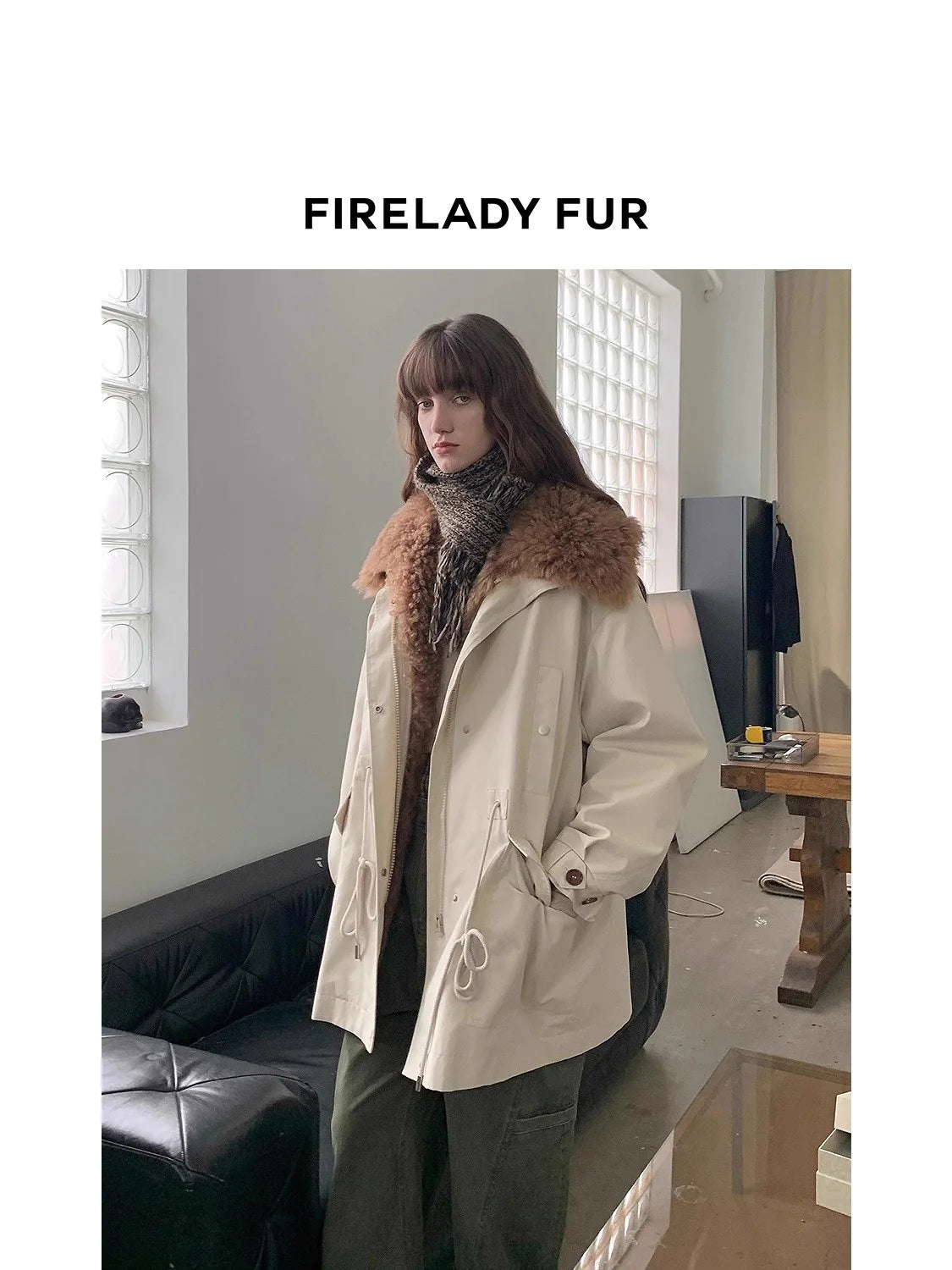
Short shape
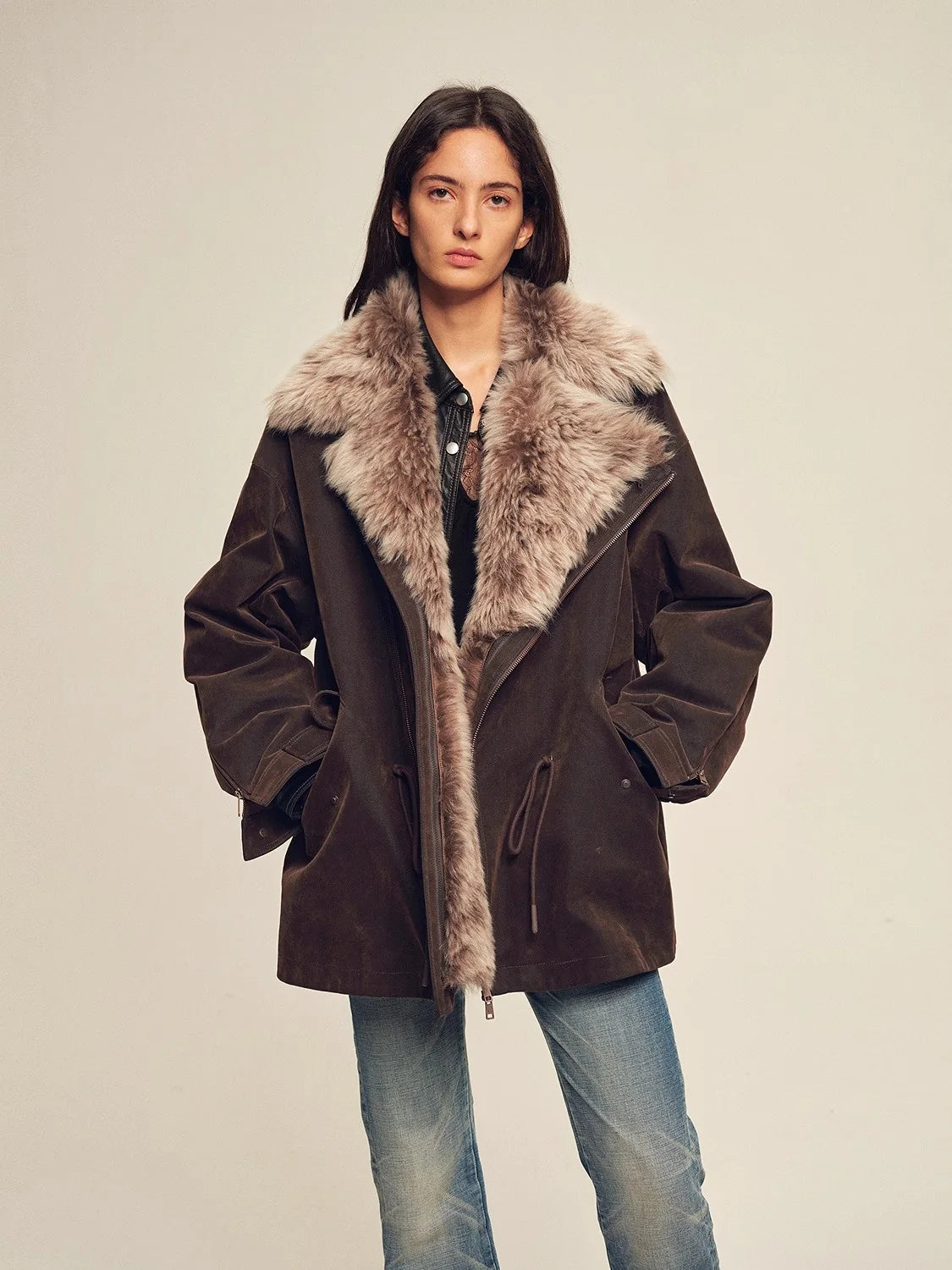
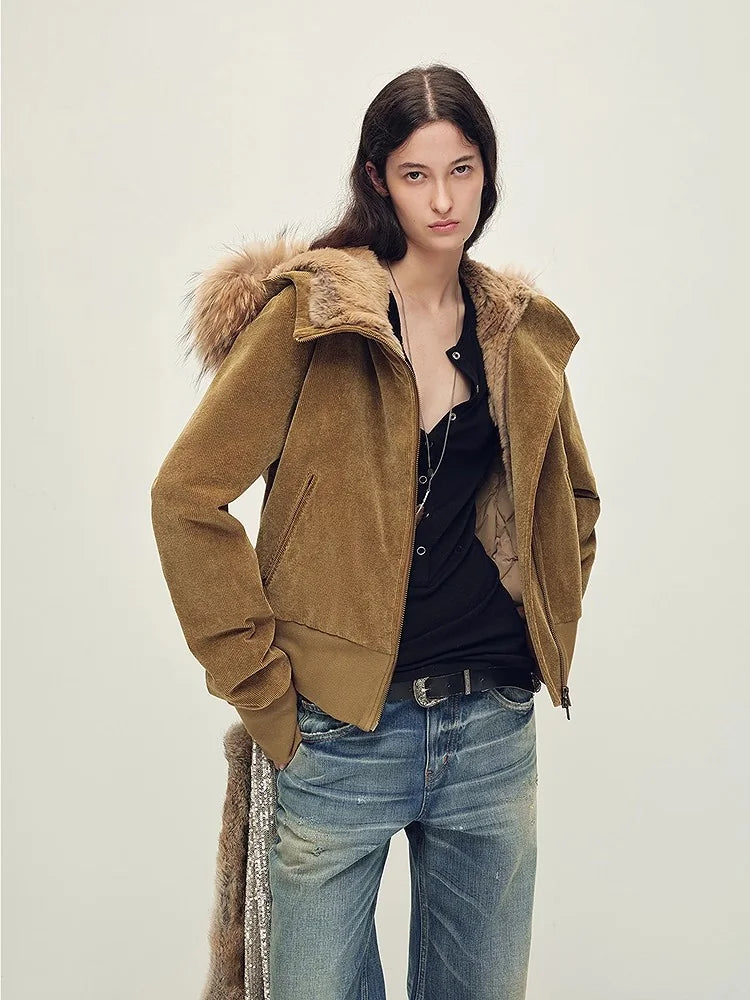
Short Fur Trim Parkas
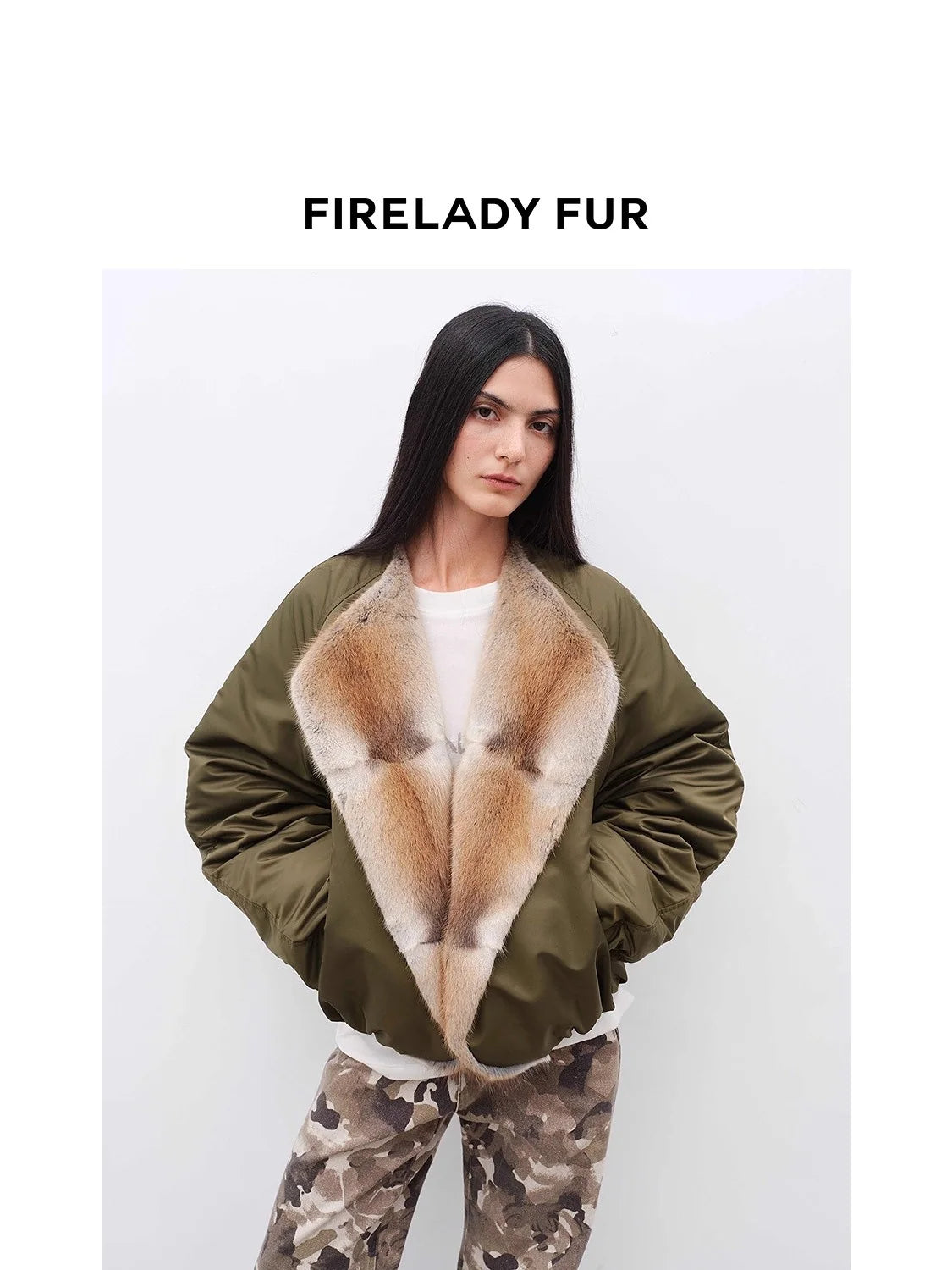
Best for denim, driving, and easier leg proportion.
Born of Nature, Bred in Warmth.| 11 years of focus on fur
Use this page when the parka already makes sense, but the outfit still needs shape. The goal is not outdoor gear; it is warmth with proportion, trim control, the right boots, and a cleaner winter silhouette.
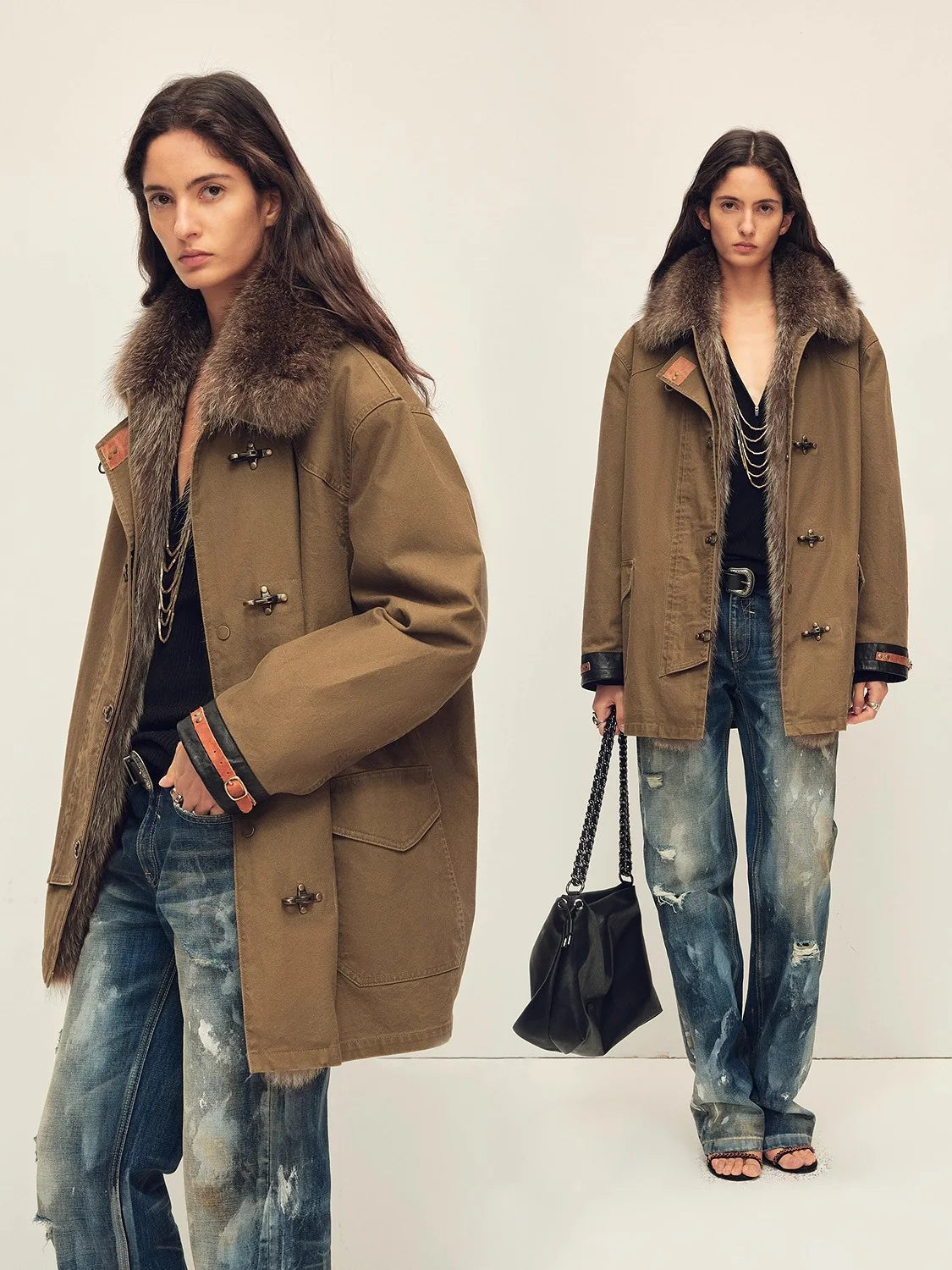
The right family depends on how the coat will sit with the clothes underneath.
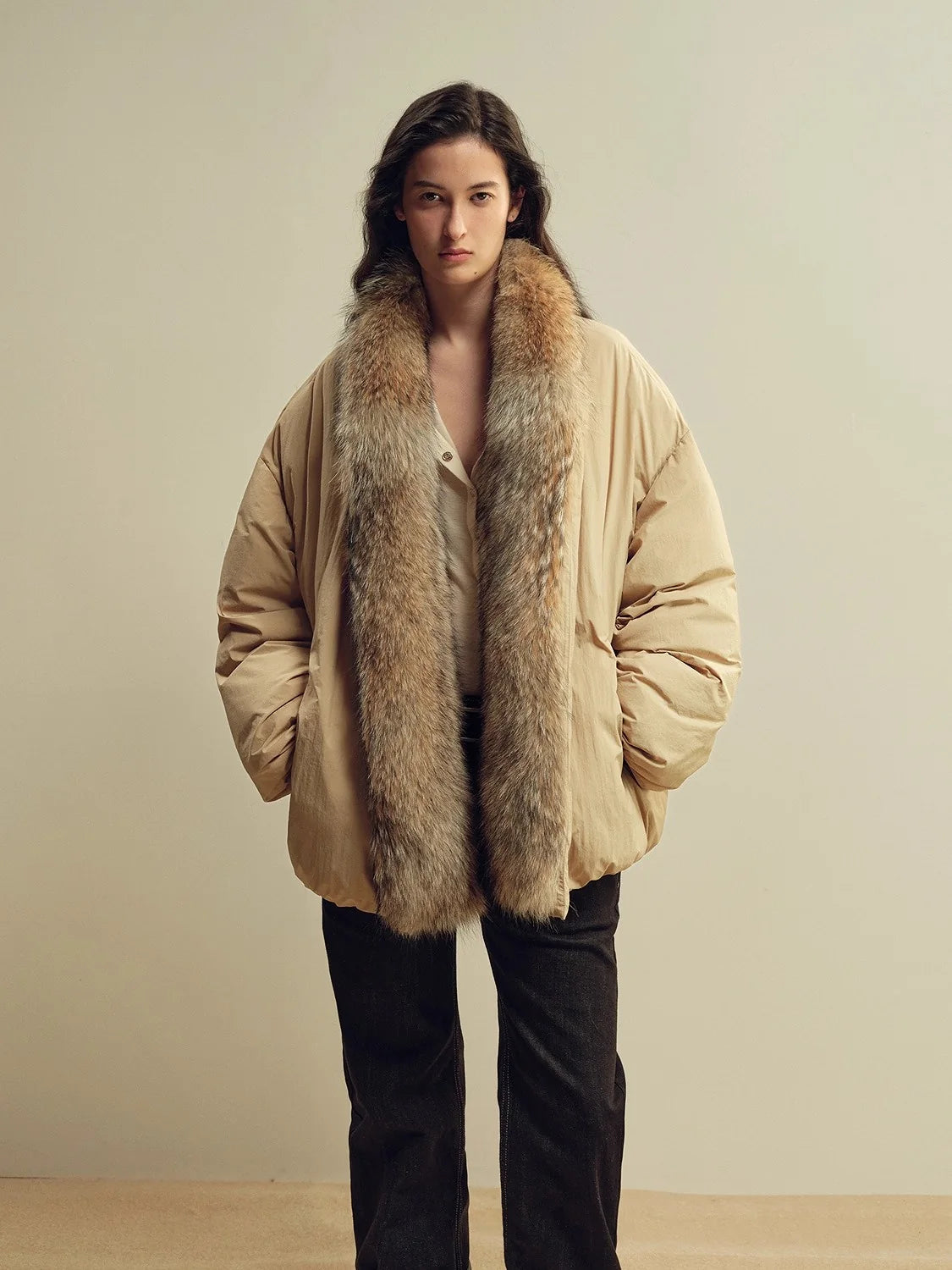
Best for denim, driving, and easier leg proportion.
Best with boots, slim layers, and stronger winter coverage.
Best when face framing and winter styling are the key detail.
The main shopping route for style plus practical winter use.
A parka has volume by design. Styling decides whether that volume looks relaxed or sloppy.
Fur trim can make the face and neckline feel finished when the rest stays simple.
Tall, short, slim, and heavy boots change the balance of the coat.
Denim, knits, trousers, and dresses can work if the proportions are clean.
A styled parka should still close, move, and function in winter weather.
Commuting, dinner, travel, work, errands, or snow day casual all need different styling restraint.
Match short, hip, mid thigh, or long length to the pants, dress, or boot line.
A fuller trim needs a quieter neckline, simpler hair shape, or cleaner base layer.
Use denim, trousers, knitwear, dresses, or tonal layers to keep the body line clean.
Boot height and shaft width should support the hem instead of fighting it.
Let fur, leather, denim, or shearling be the texture lead; do not make everything loud.
If the shoulder, hood, hem, and boots all look heavy, simplify one area before buying.
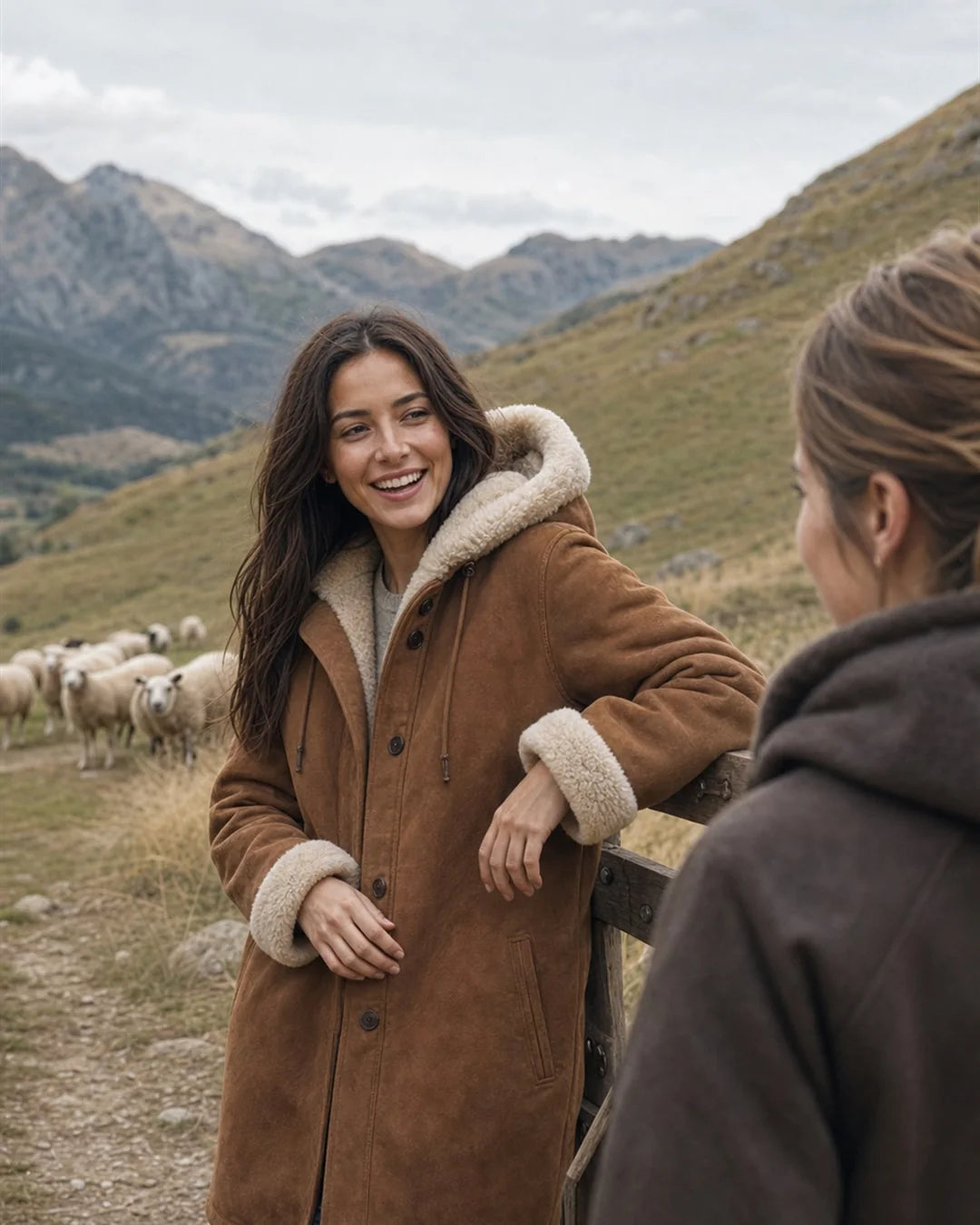
Balance hood volume, coat length, layers, and footwear before adding more detail.
Best when you want the fur look some days and a cleaner coat on others.
Best with simple outfits where the hood can carry the visual interest.
Best when a large hood overwhelms the face or shoulders.
Use when the outfit should be dressier and the fur itself should lead.
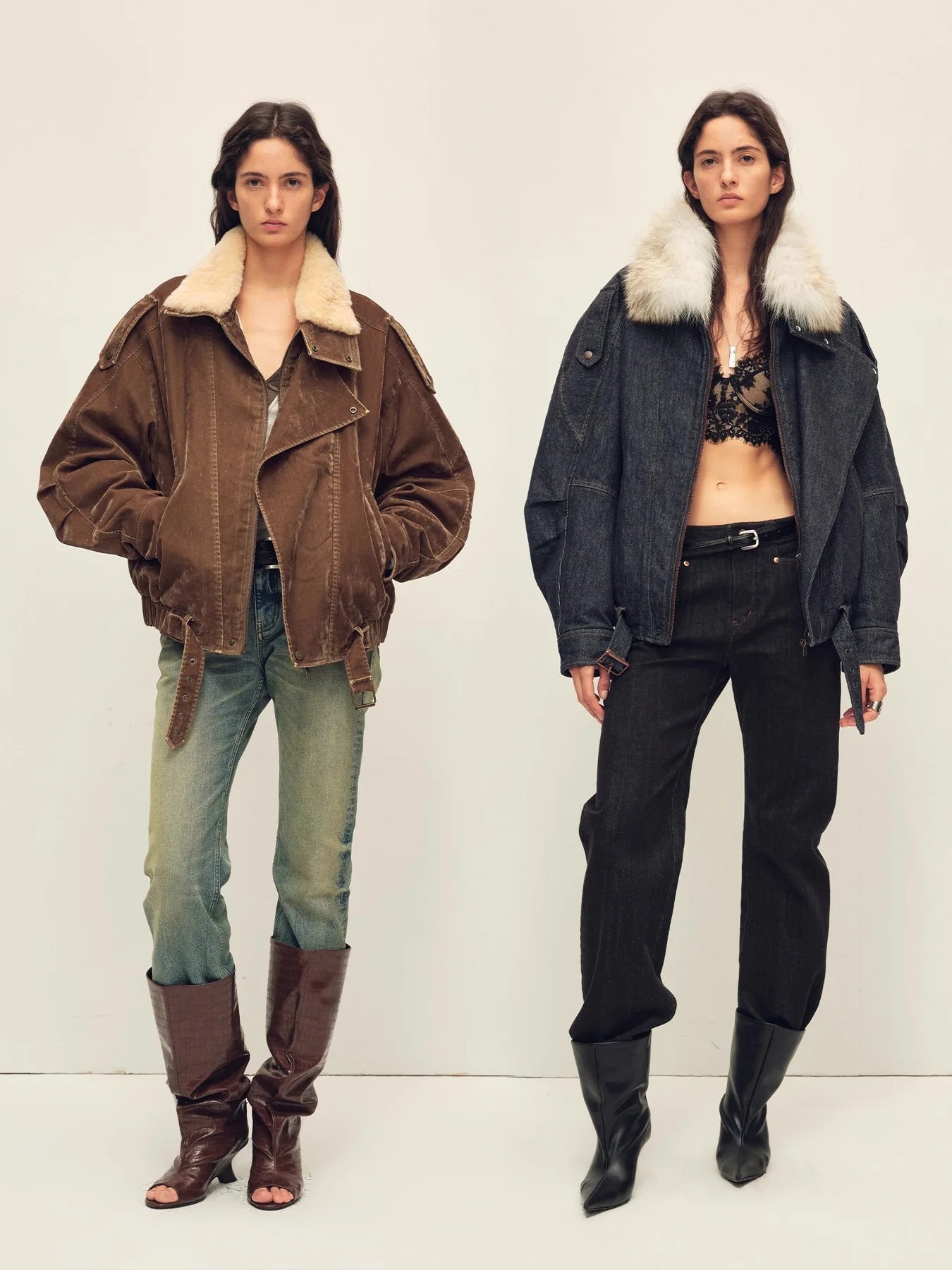
The coat looks polished when the visible volume has a reason: the hood frames the face, the length matches the outfit, the boots support the hem, and the base layer stays clean.
Choose this for daily warmth, hood coverage, visible fur styling, and a lower entry price than full fur.
Choose this for casual insulation and easy wear. Skip it when the outfit needs more polish.
Choose this when the fur itself should lead the outfit and the budget is less limiting.
Choose this when waterproof performance matters more than fur trim winter styling.
Best when you want a good looking winter coat with hood function, real warmth, and a lower entry price.
Best when fur texture, stronger presence, and a dressier winter statement matter more than the lower price.
Shorter parkas show more leg line and feel easier with wide denim.
Longer parkas need cleaner layers or stronger boots to avoid dragging the silhouette.
Large fur trim frames the face and adds drama.
Keep scarves, collars, and hair shape calmer when the hood is full.
Straight denim, simple knits, trousers, and dresses work when the coat is the outer texture.
Avoid stacking too many bulky layers under a bulky parka.
Ankle, knee, and tall boots change the line under the coat.
Use heavier boots with longer or fuller parkas.
Olive, cream, brown, charcoal, denim, and black can all work.
Let one tone connect coat, base layer, or footwear.
Read What Is a Parka? for the core silhouette, then choose a styling path by length, detachable hood and trim, outfit setting, or accessory balance.
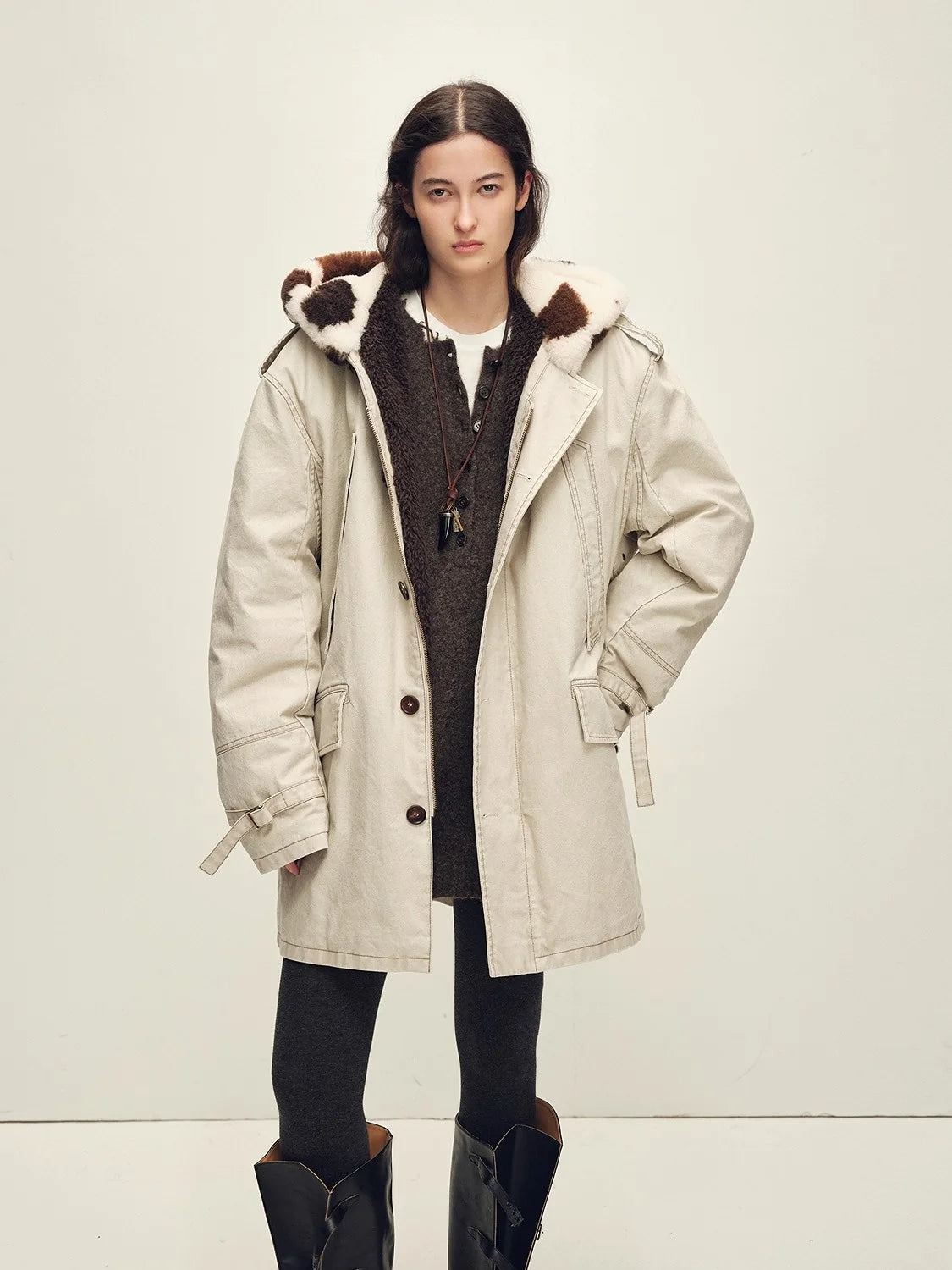
Most styling problems are not about whether the coat is fashionable. They come from hem length, boot height, trim volume, shoulder shape, and whether the outfit underneath can carry the coat.
Control bulk and balance short, mid-length, long, fitted, belted, and oversized silhouettes.
Use removable hood and trim configurations to change face framing, texture, and formality.
Build repeatable parka outfits for denim, knitwear, sneakers, travel, and weekend routines.
Make a parka work with office layers, dresses, tailoring, and evening clothes.
Finish the outfit with footwear, bags, scarves, hats, and a controlled color palette.
After length, hood volume, base outfit, boots, and trim level are clear, the detachable fur trim parka collection becomes easier to compare.
Risk: matting, moisture, heat damage, or rough brushing.
Best route: detach when possible and keep cleaning instructions separate from the shell.
Risk: clumping, trapped moisture, cold spots, and compression.
Best route: dry thoroughly and avoid compressed storage.
Risk: water marks, stiffness, cracking, and cleaner damage.
Best route: avoid wet storage and ask for mixed material care.
Risk: distorted shell, damaged trim, fill collapse, and hardware stress.
Best route: avoid unless the garment label clearly permits it.
These answers keep outfit advice tied to real parka details.
Keep the base outfit clean, choose boots that support the hem, and let the hood or trim be the main texture. If the coat is bulky, simplify the scarf, bag, or lower half.
Yes, especially with fur trim, a cleaner silhouette, darker denim or trousers, and stronger boots. For formal winter drama, a full fur coat may still be better.
Tall, knee, or substantial ankle boots usually balance a longer parka better than very light footwear.
You can if the parka has enough shoulder and chest room and the outfit does not require strict formalwear. For dressier events, compare a fur coat.
Shop when you know the length, trim volume, and outfit use. Then compare product photos by silhouette and not only by the prettiest image.
If a fur trim parka gives you the right winter silhouette, move into the collection and compare length, hood volume, color, and trim. If the look needs stronger fur presence, use the fur coat guide next.