


A long fur coat can look like the more valuable piece, while a jacket can look like the easier sale. The stronger resale path depends on how the next owner will actually use it.
Use this comparison after material and condition are known. For all silhouettes, start with which fur coat silhouettes resell better.
Sells presence
Needs hem, back length, lining and storage proof.
Sells repeat wear
Needs waist stop, sleeve and closed-front proof.
Sells balance
Needs side photos so it does not read as dated by accident.
More fur does not always mean more buyers
A full-length coat can feel more valuable because it has more presence, coverage and drama. A jacket can feel more sellable because the reader can imagine using it. Resale demand sits between those two ideas. The question is not which uses more material; it is which shape creates a believable buyer path.
Long coats and jackets should be compared after material and condition are clear. If the coat has odor, shedding or hard backing, length is not the first problem.
| Choice | Where demand usually comes from | Main resale friction |
|---|---|---|
| Long fur coat | Formal warmth, dramatic winter entrance, collector or evening buyer | Storage, driving, hem wear, buyer height and heavy styling. |
| Mid-length coat | Classic outerwear balance, more warmth than a jacket | Can look dated if shoulder and hem photos are weak. |
| Short jacket | Daily wear, dinner, driving, modern outfits, easier closet use | Less coverage; hem stop and sleeve length must look intentional. |
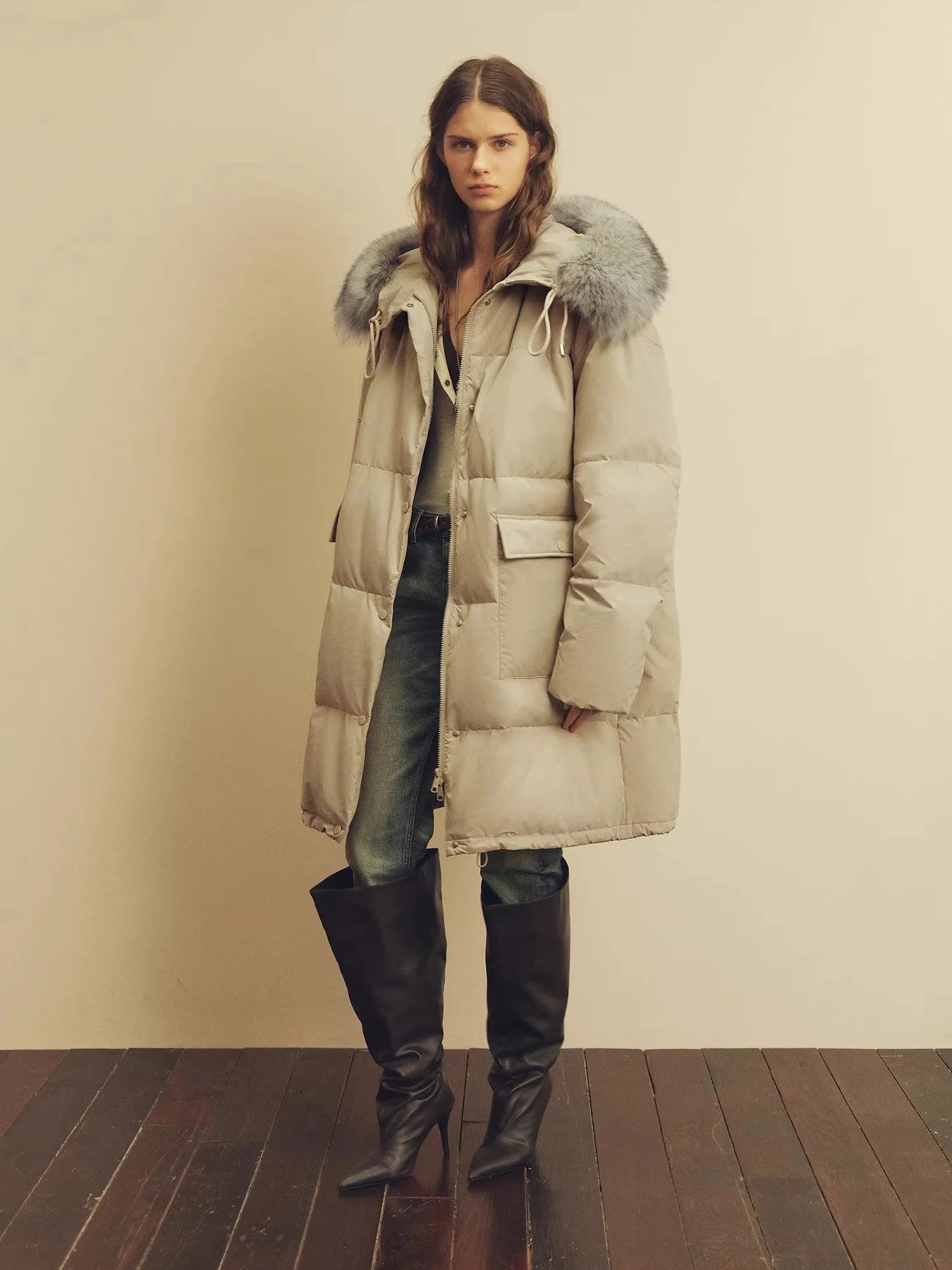
| Fur-trim parka | Utility buyer who wants warmth and face-framing detail | Value depends on shell, hardware and trim, not fur amount alone. |
Long coats need a storage and movement answer
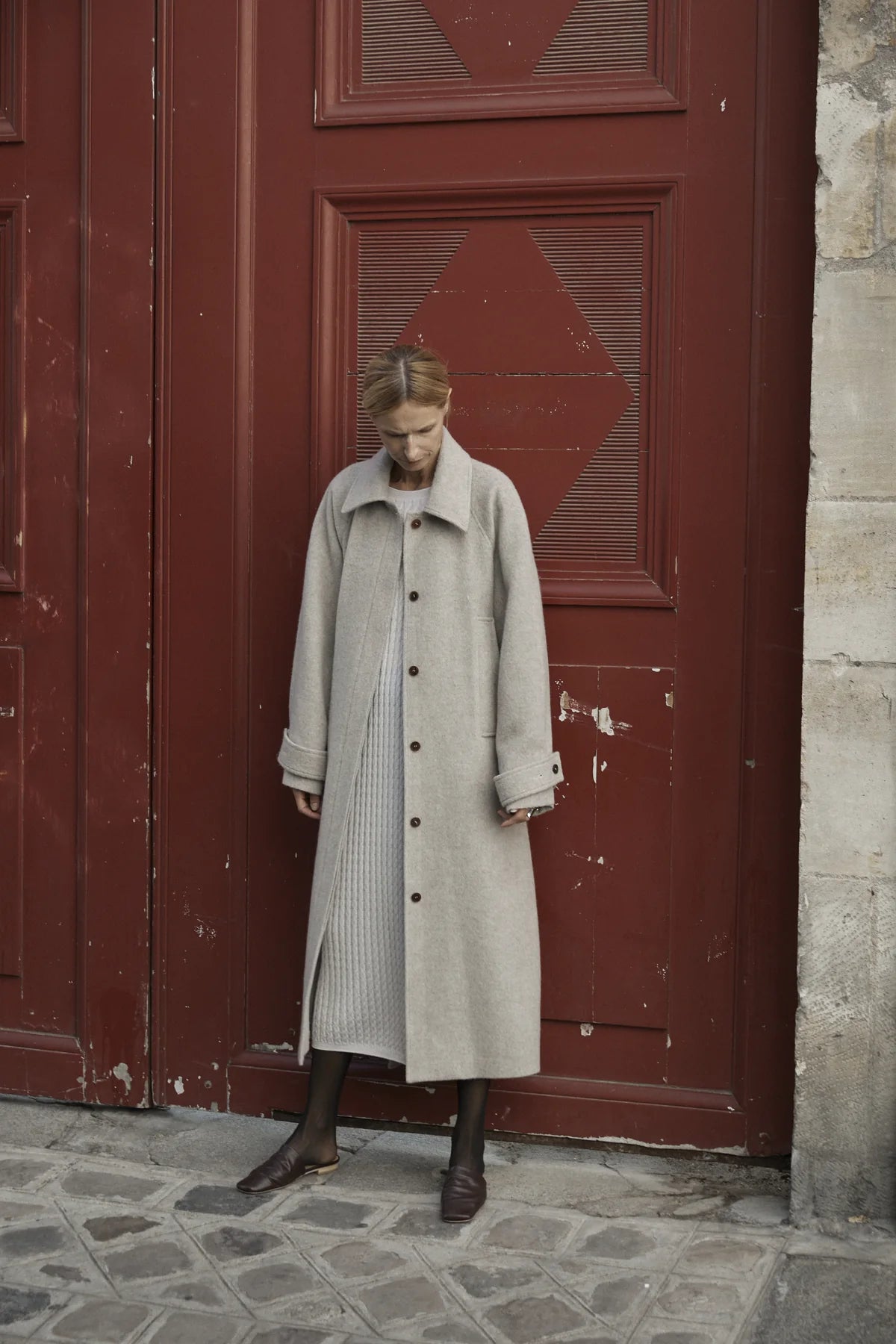
A long fur coat asks for more from the next owner. It needs closet space, careful hem handling, a reason to wear it and often a taller buyer. If the photos show the hem, lining, side profile and full back length, the length can support value. If the photos hide the lower half, buyers will worry about wear and scale.
Use full-length coverage when the question is buying value, and use the silhouette resale article when the shape may belong to a narrower vintage audience.
Jackets can look less formal but sell with less explanation
A jacket-length fur piece usually has a lower formality burden. It works with pants, boots, dresses and cars more easily than a floor-skimming coat. That makes it appealing to buyers who want vintage fur without changing their whole winter routine.
The seller still has to show the stopping point. A jacket that ends at the wrong place, has short sleeves or bulks around the waist can look unfinished. Use side photos, closed-front photos and lower-half outfit context when possible.
Length changes which photos matter most
A jacket needs sleeve, shoulder and waist-stop proof. A full-length coat needs hem, lining, back length and storage proof. A mid-length coat needs walking shape and closure line. If the listing uses the same photo set for every length, it is probably missing the decisive evidence.
Pair length photos with the resale listing photo checklist. The photo order should answer the shape's biggest doubt early.
A length claim should be visible from the first scroll
The reader should not have to infer whether the coat is jacket length, stroller length, full length or hard to wear.
Let the shape decide the price language
A strong long coat can use formal, full-coverage or evening language. A strong jacket can use wearable, city, dinner or repeated-wear language. The two should not borrow each other's claims. A full-length coat that is hard to drive in should not be sold as easy daily wear. A jacket should not be described as full winter coverage unless it truly performs that role.
For the wider value order, use the vintage value article. Length is one signal inside the buyer-pool read, not a price by itself.
- For full length, show hem, lining, back length and side scale.
- For jackets, show waist stop, sleeve length and closed front.
- Avoid using material amount as the only reason for a higher asking price.
- Name formal, daily, statement or practical use according to the shape.
- If the coat is hard to store or wear, choose a narrower buyer channel.
Ask what the length makes easier
A jacket can make daily use easier. A long coat can make warmth and formality easier. A mid-length coat can balance both. The value problem starts when the listing sells one length with the claim of another: a full-length coat described as effortless daily wear, or a short jacket described as full winter coverage.
Good length language respects what the garment does well. It also names the friction: storage, driving, hem wear, scale, warmth, styling or buyer height. The buyer can handle tradeoffs when they are visible.
The strongest comparison does not declare one winner for every coat. It tells the seller which claim their garment can safely make.
Length also changes shipping and local trust
Long coats can raise concerns about packing, creasing, hem protection and whether the buyer can judge scale online. A local try-on or extra measurement set may matter more. Jackets are usually easier to evaluate through photos, but sleeve and waist-stop proof become more important.
When a long coat is expensive, the seller should make the evidence feel complete enough that the buyer does not have to imagine half the garment. When a jacket is priced confidently, the seller should show why the shorter length is useful rather than simply smaller.
Length is not just a style description. It affects the transaction itself.
Long coats need a buyer with space and occasion
A long fur coat can feel valuable because it has presence, but the buyer also has to store it, move in it, sit in it and protect the hem. That narrows demand. The description can show why the length is worth that burden: formal warmth, dramatic winter coverage, collector interest, event use or a clean full-length silhouette.
If the full length is mostly inconvenience, do not sell it as an automatic premium. Show the hem, back length, lining edge, side view and any wear near the lower body. Long coats lose trust quickly when the lower half is hidden.
Jackets need proof that shorter still feels finished
A jacket can be easier to sell because it looks compatible with cars, restaurants, denim and ordinary winter closets. But short length creates its own questions: does the hem stop cleanly, do the sleeves look intentional, does the body close, and does the lower half of the outfit support the fur?
For resale, the jacket's strength is not that it uses less fur. It is that more buyers may imagine wearing it. The description can show that repeat-wear value with waist-stop photos, sleeve proof and a clear use case.
| Length issue | Buyer worry | Proof that helps |
|---|---|---|
| Full length | Storage, driving, hem wear, buyer height. | Back length, side view, lining edge and hem closeup. |
| Mid length | May look dated if shape is unclear. | Walking shape, shoulder line and closure photo. |
| Short jacket | May look abrupt or less warm. | Waist stop, sleeve length, closed front and outfit context. |
| Trim/parka length | Value may depend more on shell than fur. | Hardware, hood, pockets, shell condition and trim attachment. |
Length changes packing and post-sale expectations
A full-length coat usually asks for more careful packing than a jacket. The hem, lining edge, shoulder and sleeve can crease or pull if the coat is folded carelessly. Buyers of longer coats may also expect a cleaner storage history because they know the garment needs more closet space and handling care.
That does not mean long coats are weaker. It means the seller has to show a more complete chain of proof. A long coat with full photos, clean hem, strong lining, clear measurements and careful shipping language can feel more serious. A long coat with hidden lower-half photos can feel risky.
Jackets still need a warmth boundary
A short fur jacket may be easier to imagine in daily life, but it should not borrow the warmth claim of a long coat. If the jacket is best for car-to-door wear, dinner, city errands or mild winter days, say that. Clear use language protects the buyer from expecting full coverage.
That boundary can make the shorter piece easier to trust.
Before length becomes the price argument
More coverage needs more proof. Long coats should show hem, lining, back length, side scale and storage implications.
Jackets often create less buyer friction. They can be easier for driving and repeated wear when waist, sleeve and closure details are clear.
The two shapes need different photos. A full-length coat cannot be proven with a jacket-style photo set, and a jacket cannot hide its stopping point.
Material amount is not the whole value. Demand, use, condition and buyer group decide whether length supports or limits resale.
FireladyFur's length-value standard
FireladyFur reads length through real wearing conditions: coverage, movement, driving, storage and outfit use. A long coat and a jacket can both be valuable when their claims match their evidence.
Use the Fur Coat Guide for broader coat ownership and the resale value path for listing decisions.
For the wider FireladyFur reading path, use the Firelady Fur Guide for fur-wide context, the Fur Coat Guide for coat ownership context, and the Fur Coat Value / Resale Guide for resale decisions.
Let length choose the buyer claim
Sell full length through coverage and formality when the proof is strong. Sell jackets through ease and repeat wear when the shape is clean. Do not make one shape borrow the other's claim.
Do long fur coats resell for more than jackets?
Not automatically. Long coats may have more presence, but jackets can attract more buyers because they are easier to wear, drive in and store.
What photos does a full-length fur coat listing need?
Show full front, back, side, hem, lining, closure and scale so the buyer can judge length, wear and height fit.
Why do fur jackets often sell faster?
Jackets can fit modern routines more easily: cars, dinners, trousers, boots and smaller closets. They still need condition and fit proof.
Should I price by material amount?
No. Material amount matters only with condition, shape, demand, photos and buyer group. More fur does not always mean more offers.


