


Keeping a fur coat can be the most practical answer when the coat still has a real job. Sale price is only one kind of value; repeated wear, family meaning, fit, warmth, and not buying a replacement all matter.
Think about keeping after the sell, keep, restyle, donate, or replace decision shows that selling may return less than the coat is still worth to you.
Keep it when the coat still leaves the closet
A coat that gets worn has a value a resale listing cannot always measure. If it still works for dry winter errands, local events, dinner, or a weekly cold-weather routine, the after-fee sale price may be lower than the use you still get from it.
Check the honest version of your winter. Not the outfit you could build for one photo, but the clothes, boots, car seat, storage space, and weather you repeat.
You use it at least a few times each winter
Keeping is stronger when use is real, not imagined.
It works with your current body and clothes
A coat that needs a fantasy outfit usually belongs in another next move.
You can care for it without stress
Keeping weakens when storage cost or closet damage is constant.
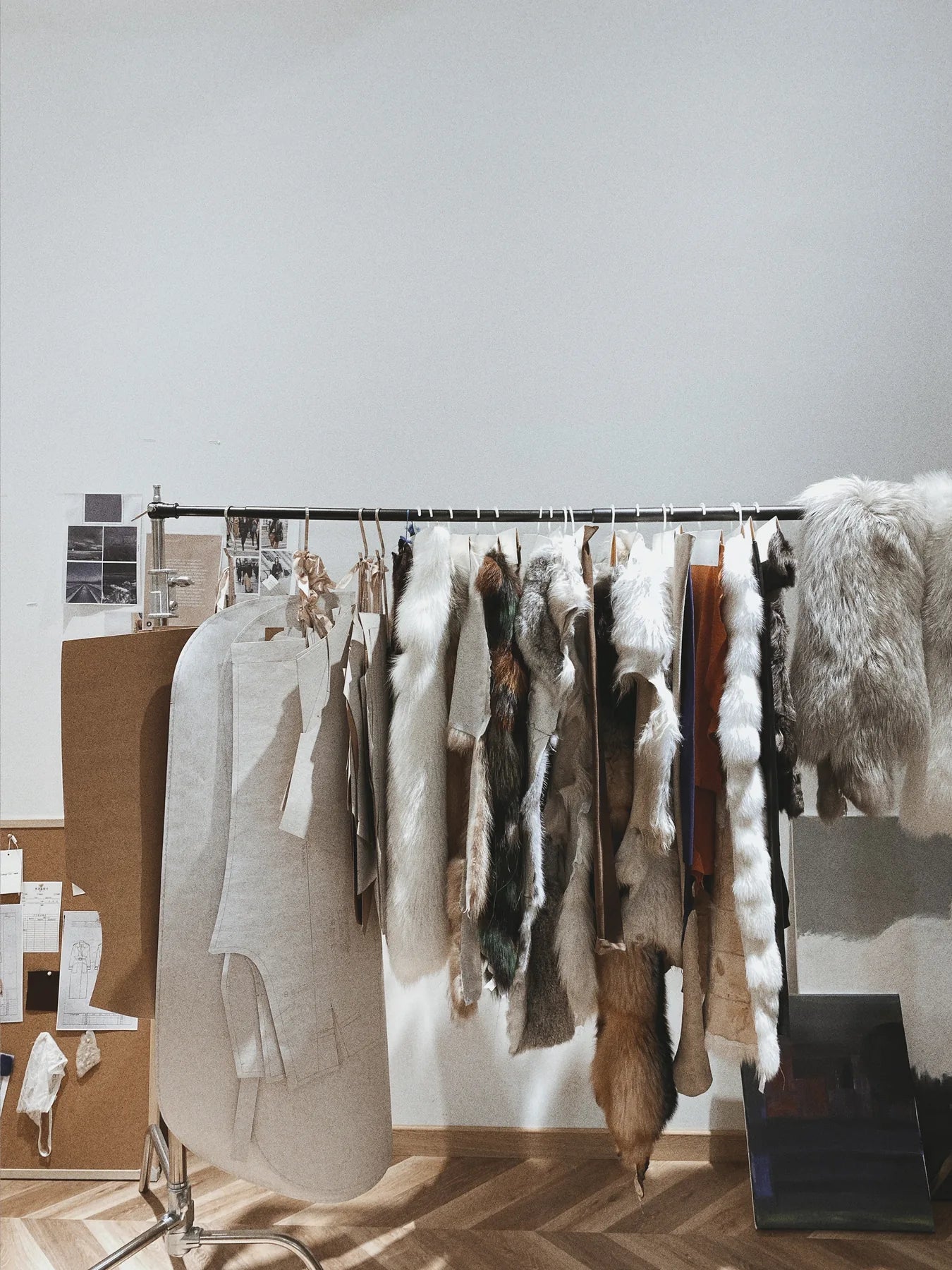
Storage has to be part of the keep decision
A coat that needs careful space, airflow, and professional care should earn that space through wear, family value, or a realistic future plan.
Keep it when replacement would cost more than the sale brings
Sometimes the coat would sell for less than the cost of buying something that solves the same winter need. A wearable shearling, mink jacket, or fur-trim parka can be more useful in hand than a small payout.
If the coat still solves a winter job, compare it with replacement options only after reading when replacement is cleaner than repair. Avoid selling a useful coat just because selling sounds more productive.
Keep it when family meaning is the whole value
Family meaning is real, but it is usually private value. The best decision may be careful storage, photos, and a note about its history if the coat belonged to someone important and the family wants to keep that memory.
The mistake is turning that private meaning into a public price. Write the listing from condition, measurements, photos, and likely buyers, not from the memory alone if the coat later goes up for sale.
Keeping should not hide an unfinished decision
A coat that nobody wears, nobody stores correctly, and nobody wants to discuss is not preserving value. It is postponing the exit.
If the coat has sat through several winters with no use, use the older-coat checklist and decide whether sale, donation, restyle, or replacement is cleaner.
| Keep signal | What to check | When to change path |
|---|---|---|
| You still wear it | How many times last winter? | No wear for several seasons. |
| It fits well | Shoulder, sleeve, closure, and sitting comfort. | Needs alteration you will not pay for. |
| Storage is manageable | Hanger, space, odor, humidity, and moth protection. | Closet pressure is damaging the coat. |
| Family meaning matters | Who wants it and where will it be stored? | No one wants to store or inherit it. |
Keep only with a care plan
Keeping does not remove care risk. Use the Fur Coat Care Guide if the coat will stay with you. A kept coat still needs the right hanger, airflow, seasonal checks, odor control, and a plan for moisture.
If keeping means folding it in a plastic bag, storing it in a damp basement, or hanging it under heavy coats, the coat may lose more value while you avoid selling it.
FireladyFur's keep decision
FireladyFur treats keeping as a valid value path when the coat still solves warmth, wardrobe, memory, or replacement cost. It is not the weaker answer. It becomes weak only when the coat is kept with no use and poor care.
If keeping turns into future shopping, compare types through the Fur Coat Guide before replacing a coat that still works.
Keep for use, memory, or avoided replacement
Use value beats resale when the coat still gets worn.
Memory value belongs in storage, photos, and family notes, not inflated resale copy.
Storage value matters. A kept coat still needs care.
FireladyFur keeps resale advice tied to visible coat evidence and practical owner choices. For brand context, see About FireladyFur; for evidence limits and corrections, see FireladyFur Editorial Standards.
Track real wear for one winter if the decision is close
Give it one honest winter if the coat is safe to wear and the decision is not urgent. Put it where you can reach it, wear it with normal outfits, and mark each actual use.
The keep choice is likely memory or avoidance rather than practical value if it still does not leave the closet.
Storage cost can turn keeping into slow loss
Keeping is stronger when storage is calm. It weakens when the coat is crushed under other garments, sealed in plastic, kept near dampness, or creating yearly stress.
Use the care guide before deciding that keeping is free.
Keep one coat, release the rest
Inherited groups often become overwhelming because every coat is treated as equally meaningful. Choose the one with the strongest family or use value, then sell, donate, or restyle the others separately.
This protects memory without forcing every piece to remain in storage.
Declining storage can make keeping worse
If odor, humidity damage, shedding, or hard backing is growing, keeping may reduce value further. Check storage damage and hard backing before waiting another year.
A clean exit now can protect more than a hopeful future sale.
| Reason to keep | What makes it strong | What weakens it |
|---|---|---|
| Wear | Used each winter. | Only imagined outfits. |
| Memory | Family agrees and storage is assigned. | Nobody wants responsibility. |
| Replacement cost | Would need to buy similar warmth. | Current coat still never worn. |
| Material | Strong, clean, cared for. | Declining while stored. |
A kept coat should have a place and a rule
Decide where it hangs, how often it is checked, and when the family will revisit the decision. Without that, keeping becomes passive storage.
A simple annual check can prevent odor, crushed shape, or damage from being discovered too late.
Make a keep file for records and memory
Keep photos, any receipts, family notes, material information, and storage reminders together if the coat stays.
That makes a future sale, donation, or inheritance decision easier because the next person is not starting from mystery.
Keeping does not mean never deciding again
A keep decision can have an expiration date. Review the coat after next winter or after a move, climate change, storage issue, or family change.
That keeps the choice active instead of turning into forgotten storage.
Selling after a keep decision
Sell when the coat remains unworn, the condition is still strong, and likely buyers exist now.
Waiting too long can let storage, odor, or style demand worsen before the owner finally acts.
Donation after a keep decision
Donate when the family agrees the coat has no use, the likely sale is small, and a receiving option is confirmed.
The donation choice is stronger when it is arranged early, not chosen at the end of years of neglect.
Keep for a reason you can explain later
A good keep decision should be understandable next year: I wore it six times, it belonged to my grandmother and we store it properly, or replacing it would cost more than keeping it. Those reasons are clear.
A weak keep decision sounds like I could maybe sell it someday. If that is the only reason, take photos and choose a better exit while the coat is still easy to evaluate.
Keep with a visible storage routine
A kept coat should hang where it can breathe, hold its shape, and be checked. The owner should know when it was last aired, whether odor changed, and whether the lining or shoulder has shifted.
If no one wants that responsibility, keeping is no longer the easy answer.
Private value can be higher than resale value
A coat with family meaning may be worth more to the family than to a buyer. That is acceptable as long as the family is honest about why it is staying.
Avoid letting a low market range make the coat feel meaningless. The market and the family can value different things.
Try one real wear before selling
Choose one real occasion in the next two weeks if the coat is safe to wear. Wear it with the clothes and shoes you normally use. Avoid waiting for a perfect event.
If that wear feels easy, keeping gains strength. The coat may be ready for another exit if you avoid it again.
Keep with boundaries if family meaning is the reason
A family coat can stay because it matters. Give that meaning a boundary: who owns it, where it hangs, how it is cared for, and when the decision will be reviewed.
Boundaries keep memory from becoming an unmanaged storage burden.
A keep decision can protect future choice
Keeping can preserve options when storage is safe, the coat is strong, and the family is not ready to decide. Selling too early can create regret.
But future choice only stays valuable if the coat is protected while waiting.
Poor storage can make keeping unfair
Keeping is no longer protective if the coat is folded, crushed, damp, sealed in plastic, or ignored in a closet where odor is growing.
Choose a clean exit before poor storage makes the next decision harder.
If you keep it, stop half-listing it mentally
A coat that is kept should be cared for as kept, not left in a halfway state where it is never worn, never listed, and never stored properly.
Choose keep, then give it the hanger, space, and review date that decision requires.
If you keep it for a future person
Write that person's name or role down: daughter, niece, future buyer, costume shop, family archive. A vague future person is not enough to justify poor storage.
If no future person is real, use a sale, donation, restyle, or replacement choice instead.
Remove sale pressure after keeping is chosen
Once the coat is kept, stop measuring its worth against every online listing. Treat it as an owned garment or family object with care needs.
That shift matters because a kept coat should be stored, checked, and possibly worn. It should not sit as a half-sale in the back of the closet.
Keep the coat only if it has a real job
Store it properly and stop forcing a sale if the coat still fits your winter. Choose the next exit while the condition is still easy to show if it does not.
Is it better to keep or sell an old fur coat?
Keep it when wear, memory, storage, or avoided replacement value is higher than the likely after-fee sale price.
How do I know if keeping a fur coat is practical?
Check whether you wore it recently, can store it correctly, and would need to buy something else if you sold it.
Should sentimental value affect resale price?
No. Sentimental value can justify keeping the coat, but resale pricing should come from current condition and buyer demand.
Can poor storage make keeping a bad choice?
Yes. If the coat will be stored in a way that creates odor, crushed shape, humidity damage, or shedding, another exit may protect more value.


