


Faux fur is not only the budget alternative. It can be the more disciplined choice when the coat has a short fashion job, uncertain weather or a lower-commitment role.
Faux fur is strongest when the job is lower commitment
Faux fur can be a sensible choice when the coat is for a trend, an occasional outfit, a travel capsule, uncertain weather or a situation where expensive specialist ownership would feel excessive. It can reduce the pressure around a garment that is supposed to be fun.
The mistake is treating faux fur as automatically practical. A poor faux coat can still be hot, scratchy, flat, difficult to clean, weak at seams or short-lived. The category is lower commitment, not automatically lower risk.
A lower-commitment coat is not automatically a careless purchase. It can be the disciplined choice when the garment is for trend, travel, weather uncertainty, or a setting where delicate ownership would make the piece stressful.
The weak version of this decision is buying faux fur only because it is cheaper. The strong version is matching the material to a clear wearing job, then still checking lining, closures, warmth, and surface recovery.
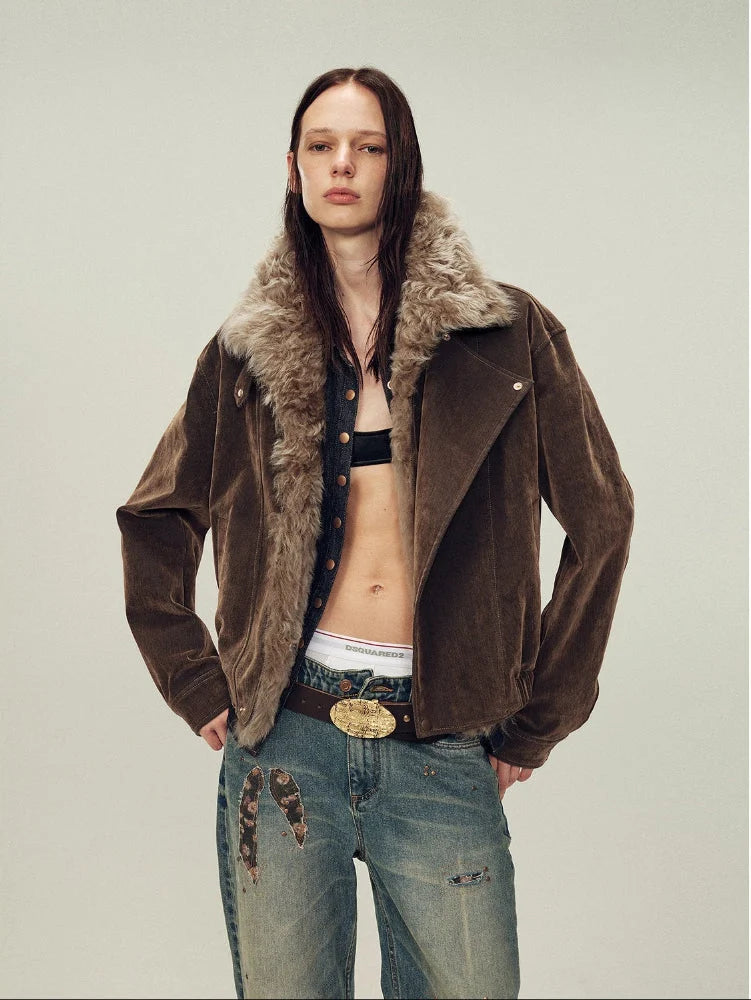
Choose faux when the style window is short
If the coat is tied to a current silhouette, a dramatic color, a party season or a look you may not want next winter, faux fur can keep the purchase proportionate. It lets the wardrobe test the idea before assigning permanent storage and care space to it.
If the style need becomes a repeat winter role, move back to the ultimate comparison and test warmth, care and lifespan again.
Short style cycle
A bold surface or color may not need a long-term material commitment.
Compression risk
Trips, hotel closets and luggage make delicate ownership harder.
Uncertain use
Mixed rain, slush or crowded commuting can make lower commitment more rational.
Budget matters, but it should not be the whole reason
A lower price can be useful when the garment has a narrow role. But price alone should not erase fit, lining, warmth, closures and surface recovery. A cheap coat that looks tired after several wears can become a worse buy than a smaller, better-made alternative.
Use the lifespan and replacement-cost page when the cheaper option only looks cheaper because replacement is not being counted.
| Use case | Why faux may fit | What still needs checking |
|---|---|---|
| One-season statement | Lower commitment protects the budget. | Surface recovery, lining and closure. |
| Travel | Less emotional risk if compressed or exposed. | Weight, packability and hotel storage. |
| Mild winter | Maximum insulation may not be needed. | Wind, collar and indoor comfort. |
| Ethical boundary | Material preference decides the category first. | Construction quality inside the preferred category. |
Faux can be better for high-friction use
Seat belts, shoulder bags, crowded wardrobes, public transit and wet sidewalks are hard on outerwear. If you know the coat will be treated roughly, faux fur can make emotional and financial sense. That does not mean it can be abused; it still needs clean storage, heat avoidance and careful drying.
Care questions still apply. Read real vs faux care before assuming faux fur is carefree.
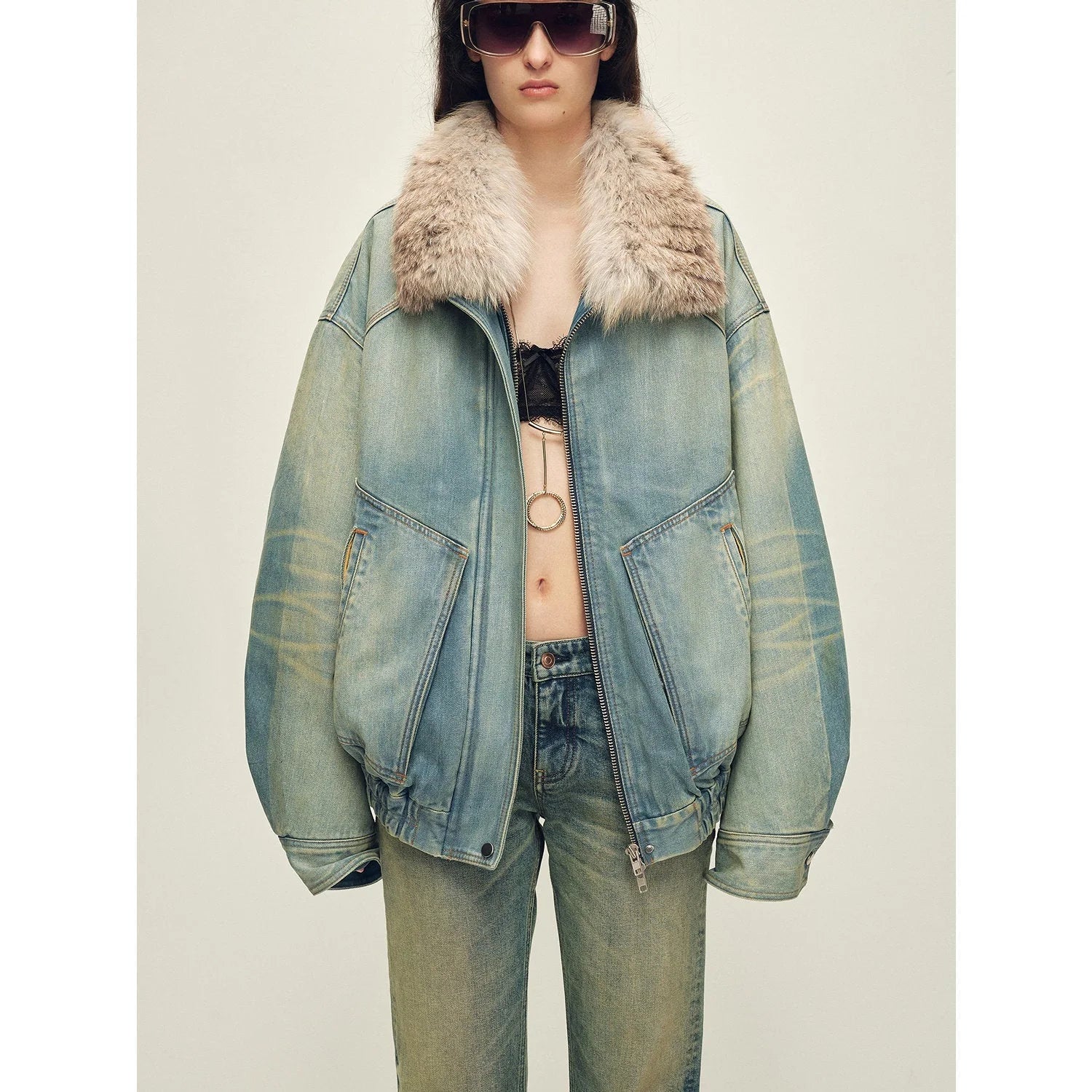
Practicality is a use case
Faux fur can be the smarter choice when the real conditions are travel, compression, wet streets or low-repeat fashion use.
When faux fur is still the wrong answer
Faux fur is weak when the coat is expected to become a primary winter layer in serious cold, when the pile is thin, when the lining is poor or when the surface already looks flat before purchase. It is also weak when the owner wants long-term repairability or vintage-style material depth.
If the desired role is real cold-weather wear, repeat use and a long ownership window, compare real fur and other winter materials instead of forcing faux into a job it cannot do well.
Choose faux only after the use case is named
If the role is travel, trend or mixed weather, compare fur-trim parkas and shearling coats. If the role becomes long-term warmth and material depth, compare Artisan Fur before making the final call.
Faux fur is strongest when lower commitment is the point
Faux fur makes sense when the buyer wants a look, color, volume or trend shape without accepting the care, price, storage or ethical weight of real fur. That does not make it a lesser choice. It makes it a different choice. The mistake is choosing faux fur for low commitment and then expecting it to behave like a long-term heirloom coat.
For trend colors, occasional outfits, costume-adjacent styling, travel uncertainty, or a buyer still learning their outerwear preferences, faux fur can be a cleaner experiment. If the buyer expects serious winter coverage, multi-season structure or resale logic, the question becomes narrower and should be checked against warmth, aging and replacement cost.
Low regret
Faux fur can carry color and shape without asking for long-term ownership.
Material boundary
Some buyers simply do not want real fur; the product then has to win on fit and durability.
Lower anxiety
Trips with packing, weather and hotel storage may favor a less delicate choice.
Do not use faux fur to avoid all care decisions
Faux fur still has care limits. Heat can distort pile, machine washing may be unsafe depending on the label, and pressure can flatten areas that matter visually. A low-maintenance purchase still needs a storage and cleaning plan. If the buyer wants a coat they can ignore completely, faux fur may disappoint as well.
The stronger use case is honest: choose faux fur when visual effect, ethical preference, budget control or lower commitment is the real need. Use the long-term value guide if replacement cost may erase the initial saving.
FireladyFur advice for faux-fur decisions
FireladyFur treats faux fur as a role-based choice. It works best when the reason is specific: lower commitment, travel, trend, budget boundary or personal material preference. It fails when it is used to avoid checking fit, warmth, lining and care.
Faux fur is strongest when the job is honest
Faux fur makes sense when the buyer wants lower commitment, trend flexibility, travel practicality, budget control or a material choice aligned with personal values. Those are valid reasons. The weak reason is buying faux fur because it avoids every other decision. Fit, warmth, lining, closure and surface recovery still matter.
A good faux-fur purchase starts with the same discipline as a real-fur purchase: name the wearing job, check the construction, test the scale and decide how the coat will be cared for. The difference is that the ownership risk may be lower, not that the inspection disappears.
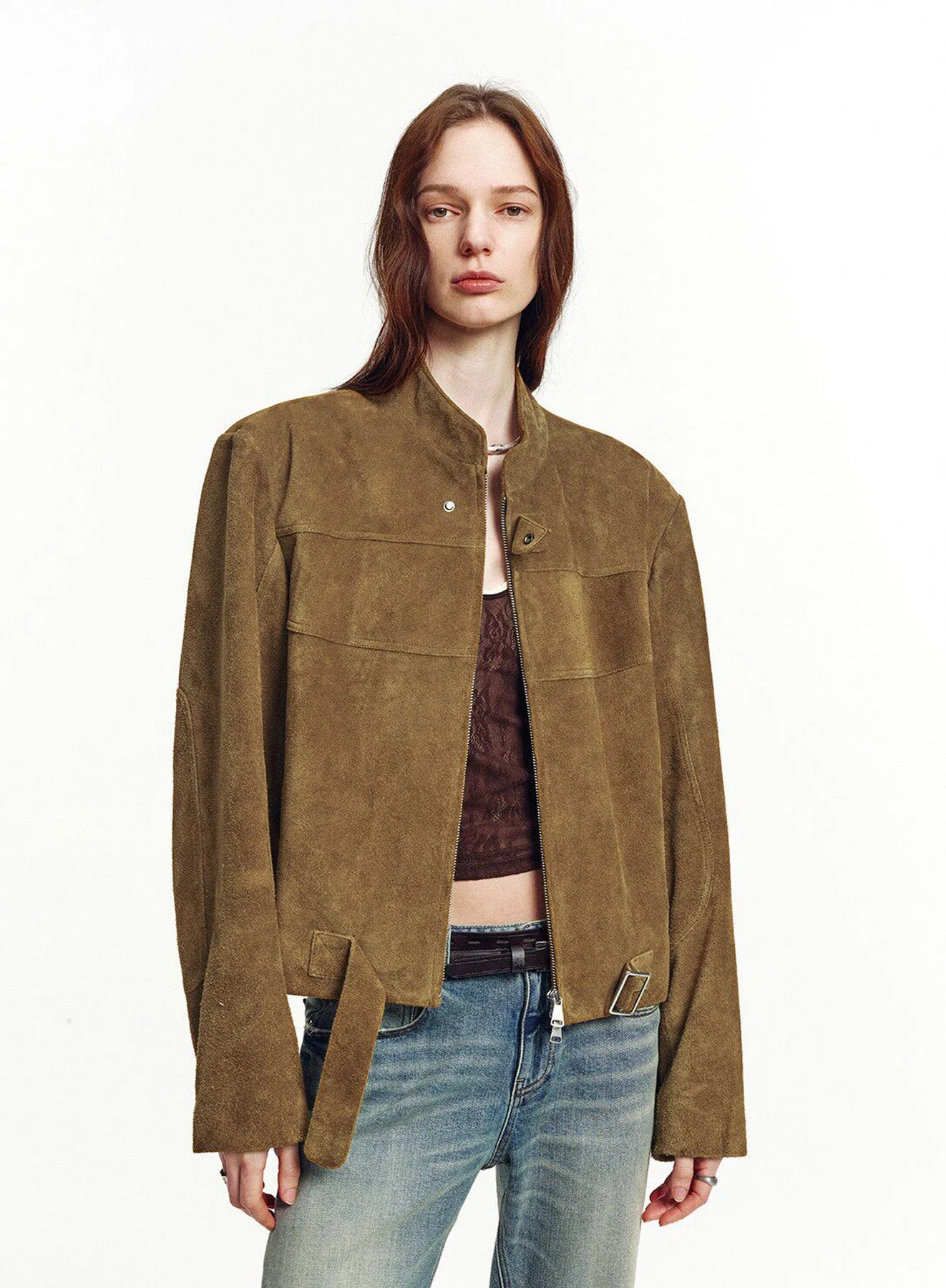
Where faux fur often fits modern wardrobes
Faux fur can work well for occasional evening wear, photos, mild winter outings, travel where delicate care would be stressful, or a fashion shape that the buyer may not want for many years. It also helps when the buyer wants the look without committing to specialist maintenance or higher entry cost.
The best faux pieces still need structure. A lining that twists, a closure that gaps, or a surface that mats before purchase will not become better because the material is lower commitment.
If the decision is mainly about price and repeat use, read long-term value before assuming faux is automatically cheaper over time.
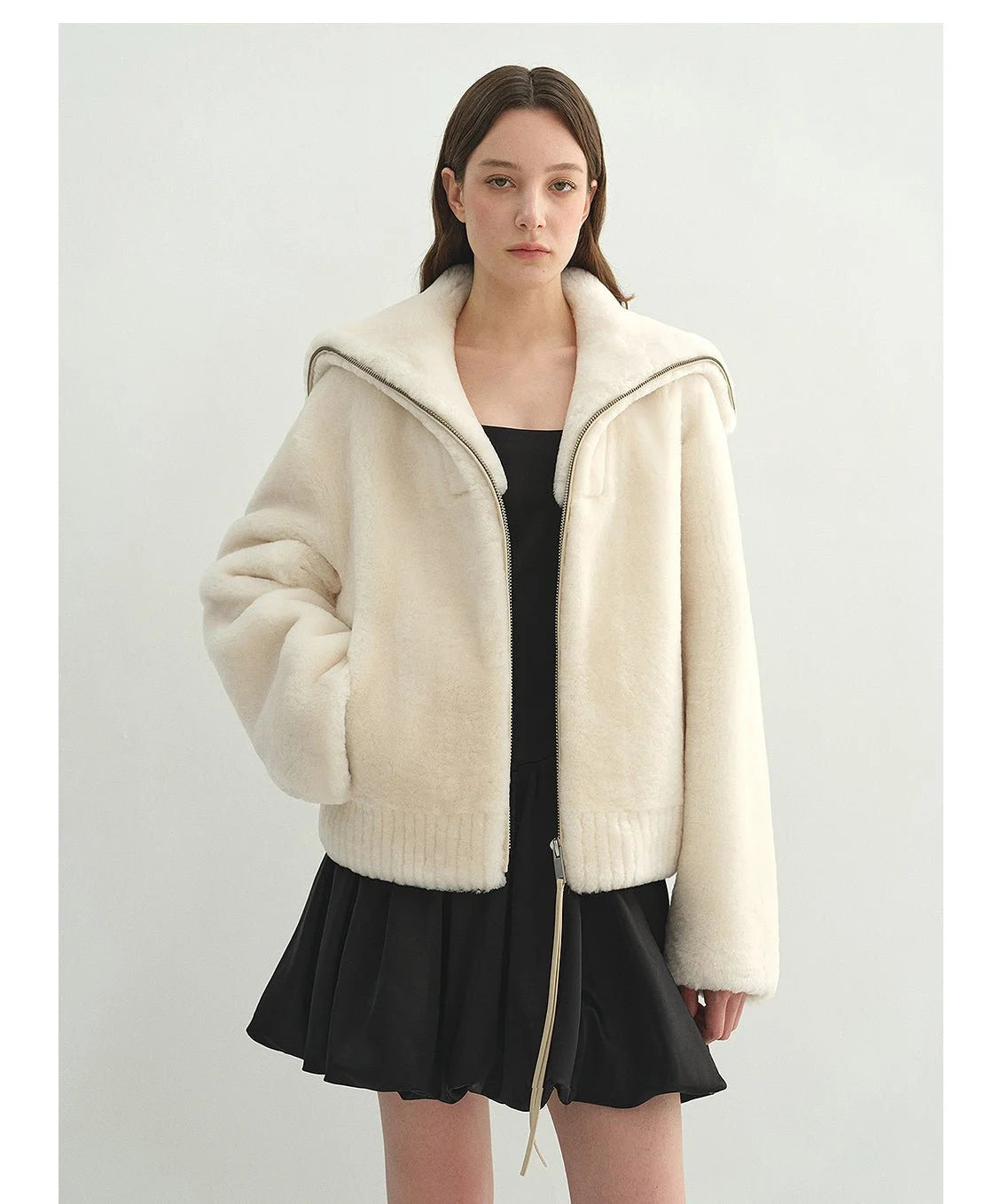
The second check changes the answer
When the first impression is attractive, slow the decision down and inspect the part of the coat that will carry stress in actual use.
When faux is the wrong compromise
Faux fur is less persuasive when the coat needs serious cold-weather performance, when the surface already looks flat, when heat exposure is likely, or when the buyer expects it to behave like real fur at a much lower price. In those cases, the better answer may be real fur, shearling, a parka, or delaying the purchase.
What can be verified?
Use construction, lining, photos, care label and fit evidence before trusting a broad material claim.
Where will it be worn?
Daily cold, travel, occasional events and trend styling do not need the same material answer.
Can the owner support it?
Storage, cleaning, drying and repair access can change the better purchase.
Editorial field notes before the final decision
Faux fur deserves a stronger argument than being the cheaper option. It can be the better choice when the use case is temporary, trend-led, travel-heavy, high-friction, budget-limited or shaped by personal material boundaries.
The article should also say where faux fur does not solve the problem. It does not automatically deliver serious warmth, long repair life, luxury drape or easy care. A low-commitment material still needs a well-built garment.
The reader should leave with permission to choose faux fur without pretending it is real fur. The right decision is not imitation; it is role fit.
| Question | What to check | What changes the answer |
|---|---|---|
| Is the material claim enough? | Look for construction evidence, not only label language. | Missing evidence should slow the purchase. |
| Does the use case support it? | Compare climate, movement, storage and repeat wear. | A good material can still be wrong for the job. |
| What is the next page? | Return to the parent guide | Use the cluster when one article exposes a new uncertainty. |
Evidence is visible
The page gives enough construction, care or use evidence to continue comparing.
Evidence is missing
Request photos, measurements, care history or product details before trusting the claim.
Role does not fit
Move to another material family or delay the purchase instead of forcing the answer.
If the reader is still comparing the whole category, the next step is the Real Fur vs Faux Fur Ultimate Guide. If the issue has moved into ownership, use care and long-term value before treating the decision as finished.
Reader-specific edge cases worth checking
The edge case is the buyer who chooses faux fur for ethical or budget reasons but still expects the exact performance of real fur. That creates disappointment. Faux fur should be chosen for what it does well: lower commitment, accessible styling, travel, trend rotation and personal boundary alignment.
The buyer should still check the serious details. A faux fur coat with weak lining, poor closure or a surface that crushes easily can fail even when the material choice is correct.
What would make this purchase fail?
Use that answer to pick the next support article instead of reading every page the same way.
Can the evidence be seen?
Prefer visible construction, photos, fit and care facts over material adjectives.
Where should the reader go next?
Use the parent guide to return to the full cluster when the decision branches again.
Final editorial check before publishing
The best faux-fur decision still has quality standards. The lining should sit cleanly, the closure should hold, the pile should recover after light handling, and the coat should not depend on one dramatic photo to look convincing.
If those checks pass, faux fur can be a smart modern outerwear choice. If they fail, the lower commitment does not rescue the purchase.
For shoppers who rotate styles often, that honesty matters. Faux fur can be a deliberate short-cycle choice, but it should still feel well made during the cycle it is meant to serve.
The right faux purchase feels intentional, not apologetic.
FAQ
When is faux fur the better choice?
Faux fur can be better for trend wear, travel, mild winter, budget limits, personal material preference or high-friction use.
Is faux fur only for cheap coats?
No. Faux fur can be a deliberate choice, but construction, lining, closure and recovery still matter.
When should I avoid faux fur?
Avoid it when you need serious cold-weather performance, long-term repairability or a surface that already looks flat before purchase.


