


Real fur is worth the higher cost only when the coat has a real job: cold weather, repeat wear, material depth, specialist care and a wardrobe role that will last.
Real fur is worth more only when repeat use is real
Higher cost needs more than admiration. A real-fur coat earns the premium when it solves a repeated winter need, holds a silhouette the owner will wear often and can be stored and serviced correctly. This is a wardrobe-value judgment, not a promise of resale return or investment performance. If the coat is mostly imaginary, the price becomes difficult to defend.
Start with the calendar: how many cold days, events, commutes or travel moments will actually call for this coat? Then compare fit, warmth, care and storage against that real use.
Higher cost needs a reason that repeats. A coat worn twice for spectacle can be beautiful and still poor value; a quieter coat worn every cold week may carry the stronger purchase logic.
Before paying more, inspect the parts that must survive: shoulder support, lining, closures, pocket stress, sleeve edge, collar, and storage plan. Luxury surface alone does not protect the coat from weak ownership conditions.
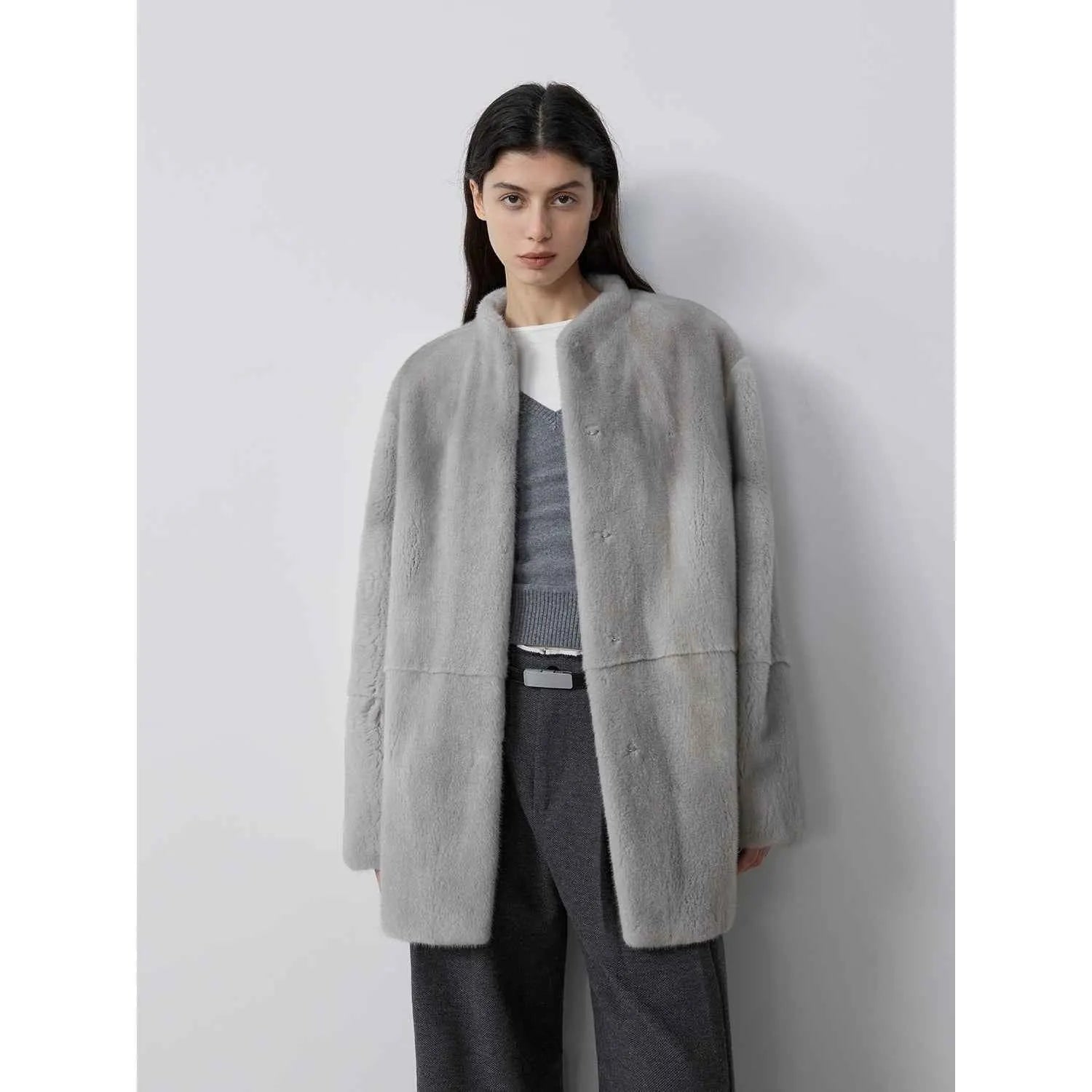
Cold weather and material depth can justify the premium
In colder conditions, dense real fur can offer a depth and warmth profile that some owners value enough to support the higher price. This is strongest when the coat has length, lining, closure and a silhouette that still works over winter clothing.
If warmth is the reason, verify it through the warmth comparison rather than assuming real fur always wins.
Cold enough
The coat should answer real weather, not only a style fantasy.
Repeated shape
A shape that fits existing clothes earns more value than a dramatic one-off piece.
Ownership capacity
Storage and specialist service must be realistic before the higher price makes sense.
Repair potential changes the value math
A well-kept real-fur coat may have repair or refurbishment options that a lower-quality faux coat does not. Lining, seams, closures and some structural issues can sometimes be addressed by specialists. That potential matters only if the base material remains healthy.
When the coat is older or secondhand, use the resale value guide and the aging comparison before assuming repairability is part of the value.
| Value factor | Why it can support real fur | Where it fails |
|---|---|---|
| Repeat wear | Cost spreads across many cold-weather uses. | The coat is too formal, heavy or hard to style. |
| Repair | Specialist work may extend life. | Backing is dry, odor is persistent or panels are weak. |
| Material depth | Texture and movement remain desirable. | Surface beauty hides poor fit or storage burden. |
| Resale | Condition and style can retain some value. | Market, sizing, odor and care history limit demand. |
Do not pay premium money for weak construction
A real-fur label does not protect the purchase from poor construction. Check shoulders, lining, closure, pockets, hem, sleeves and collar. If the garment twists, strains, smells, sheds heavily or feels stiff at the base, the material label is not enough.
A premium purchase should feel calmer after inspection, not more uncertain. If each new photo or try-on raises a new question, the price should come down or the garment should be skipped.
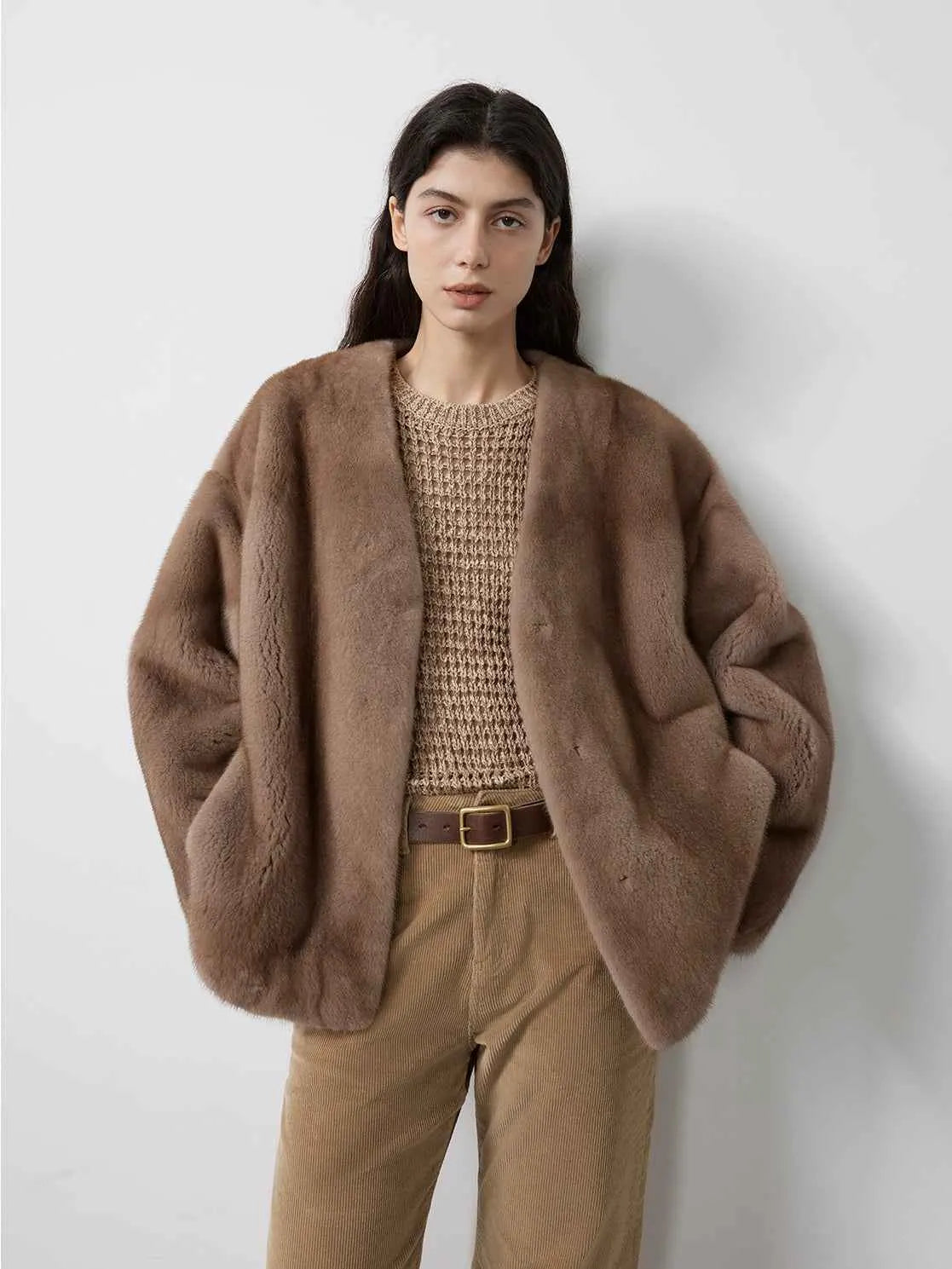
The premium lives in the whole coat
Material, construction, fit, care and repeat wear have to support the higher cost together.
When not to spend more
Do not spend more when the coat will be worn only once or twice, when storage is crowded, when wet weather is unavoidable, when specialist cleaning is not available, or when the style is too far from the existing wardrobe.
In those cases, compare when faux makes more sense or look at outerwear families that better fit daily conditions.
Spend more only when the whole ownership plan works
If the premium is supported by climate and repeat wear, compare Artisan Fur. If the premium is driven only by surface drama, compare fur-trim parkas and shearling coats before committing.
Higher price needs a wardrobe role, not just a better material story
A real fur coat can be worth more when it becomes part of a working winter wardrobe. That usually means the owner has enough cold weather, enough repeat occasions, enough closet space and enough comfort with care. Without those conditions, the higher cost becomes a story the buyer tells at checkout rather than value the coat proves over time.
The strongest real-fur purchase is often not the loudest one. A wearable length, controlled volume, practical color and clean closure can outperform a more dramatic coat because it leaves the closet more often. Value comes from repeated use and condition retention, not only from the initial impression.
Cold enough
The climate should reward the material often enough to matter.
Works with clothes
The coat should fit existing layers rather than requiring a new life around it.
Service access
Storage and specialist help should be realistic before paying more.
Evidence first
Older pieces need backing, lining, odor and structure checks before romance.
The premium weakens when the buyer is paying for anxiety
If the owner is afraid to wear the coat, cannot store it correctly, or worries about every commute, the premium may not translate into use. A costly coat that stays protected in a closet can be emotionally satisfying, but it is not the same as a practical wardrobe purchase.
That is why the price discussion should stay connected to care risk, aging and long-term value. Paying more can make sense, but only when the surrounding ownership conditions support the garment.
FireladyFur value advice
FireladyFur reads higher cost through repeat use, construction, storage and care. Real fur can be worth more, but only when the coat earns a stable place in the wardrobe.
Higher cost needs repeated evidence
Real fur can justify a higher price when it solves a real problem: cold weather, material depth, repair potential, long-term style and repeat wear. It does not justify itself simply by being real. A coat that will be worn twice, stored poorly, or chosen for a life the buyer does not actually live may be expensive even when the material is good.
The stronger purchase has multiple supports. The climate rewards the coat. The silhouette fits existing outfits. The storage plan is realistic. Cleaning and repair are accessible. The buyer is comfortable with the material choice. When only one of those supports is present, the price deserves more skepticism.
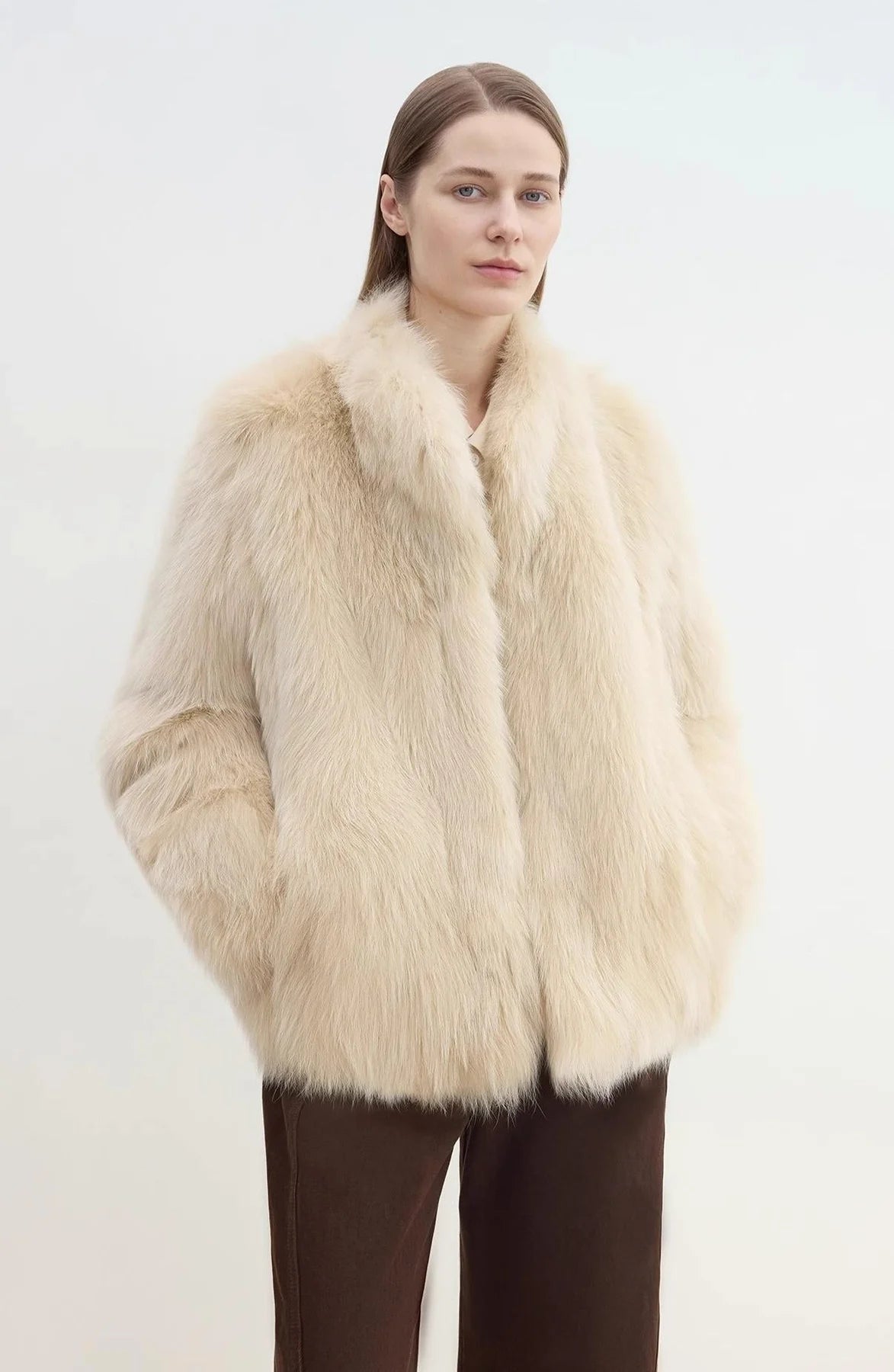
What to inspect before paying the premium
Inspect shoulders, lining, sleeve edges, hem, collar, closure, pocket stress and any odor. Ask how the coat has been stored if it is not new. A beautiful surface can hide weak backing, dry leather or lining problems. These details matter because repair cost can change the real price quickly.
For older pieces, connect this decision to aging and durability and the resale value guide. A higher-cost vintage coat needs condition evidence, not only romance.
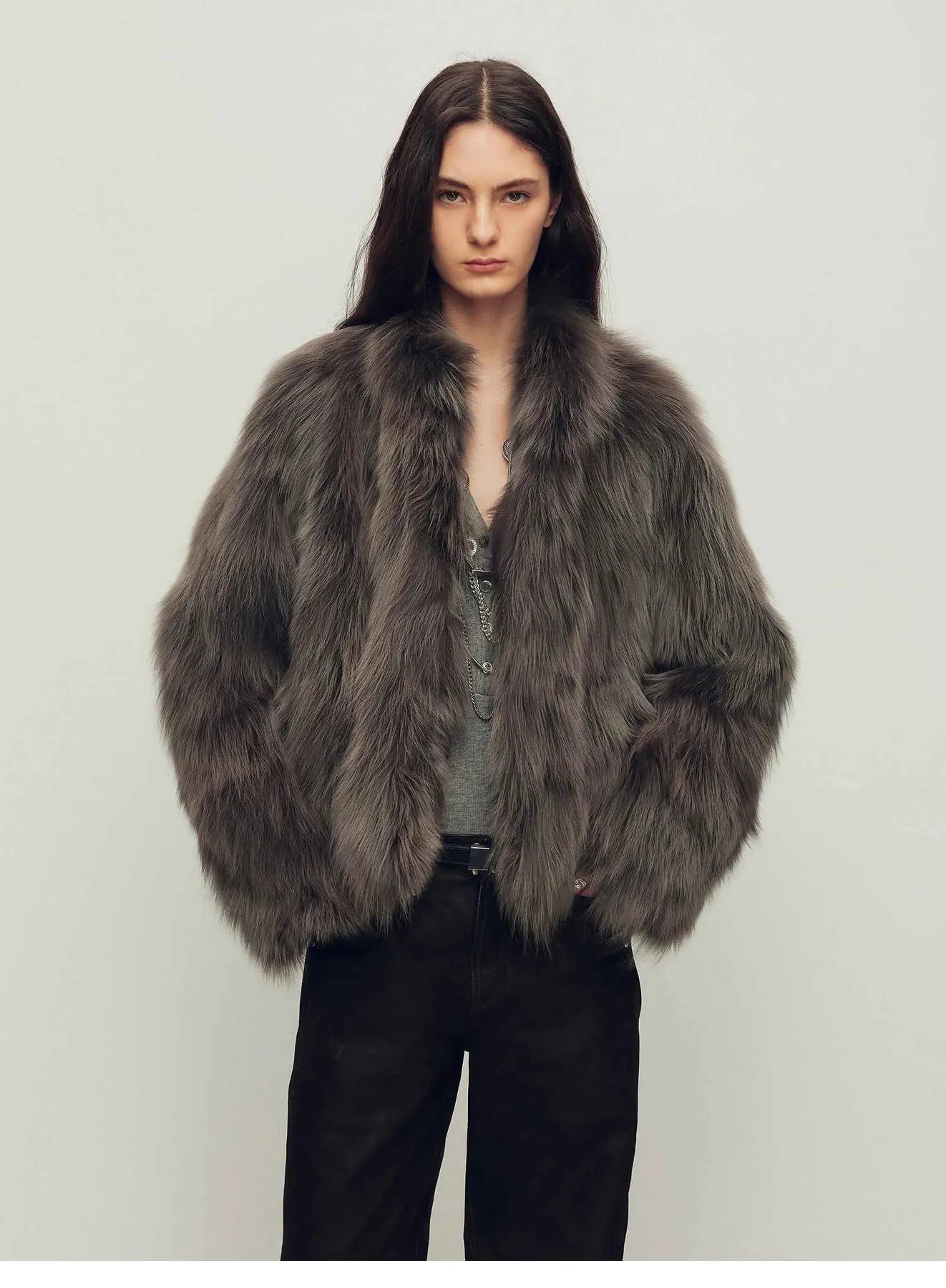
The second check changes the answer
When the first impression is attractive, slow the decision down and inspect the part of the coat that will carry stress in actual use.
When a quieter real-fur coat is the better value
Many buyers overpay for drama and underpay attention to repeat wear. A quieter cut in a wearable color can outperform a spectacular coat that needs the perfect occasion. If the buyer wants value rather than only impact, the question is not which coat creates the strongest first reaction. It is which coat will still make sense on the third winter.
What can be verified?
Use construction, lining, photos, care label and fit evidence before trusting a broad material claim.
Where will it be worn?
Daily cold, travel, occasional events and trend styling do not need the same material answer.
Can the owner support it?
Storage, cleaning, drying and repair access can change the better purchase.
Editorial field notes before the final decision
Real fur's higher cost is easiest to justify when the coat has a repeatable job. A full winter layer, a formal cold-weather wardrobe, a long-term material preference or a well-kept vintage piece can support the premium. A fantasy occasion usually cannot.
The article should force a sober inspection before romance takes over. A buyer should check backing, lining, odor, stiffness, shoulders, closure and storage plan before treating the price as proof of quality.
FireladyFur's commercial role here is not to push every reader toward the most expensive coat. It is to guide serious buyers toward the product family that matches their climate, wardrobe and care capacity.
| Question | What to check | What changes the answer |
|---|---|---|
| Is the material claim enough? | Look for construction evidence, not only label language. | Missing evidence should slow the purchase. |
| Does the use case support it? | Compare climate, movement, storage and repeat wear. | A good material can still be wrong for the job. |
| What is the next page? | Return to the parent guide | Use the cluster when one article exposes a new uncertainty. |
Evidence is visible
The page gives enough construction, care or use evidence to continue comparing.
Evidence is missing
Request photos, measurements, care history or product details before trusting the claim.
Role does not fit
Move to another material family or delay the purchase instead of forcing the answer.
If the reader is still comparing the whole category, the next step is the Real Fur vs Faux Fur Ultimate Guide. If the issue has moved into ownership, use care and long-term value before treating the decision as finished.
Reader-specific edge cases worth checking
The edge case is the buyer who can afford the coat but cannot support the ownership. Price capacity is not the same as care capacity. Storage, cleaning, repair access and repeat wear have to be present for the higher cost to make sense.
A real fur purchase is stronger when it replaces several weaker purchases or becomes a reliable cold-weather layer. It is weaker when it is added as a trophy piece with no role beyond the first impression.
What would make this purchase fail?
Use that answer to pick the next support article instead of reading every page the same way.
Can the evidence be seen?
Prefer visible construction, photos, fit and care facts over material adjectives.
Where should the reader go next?
Use the parent guide to return to the full cluster when the decision branches again.
Final editorial check before publishing
A higher-cost real fur coat should make the wardrobe simpler, not more anxious. If the buyer is afraid to wear it, cannot store it, or has no plan for cleaning, the premium becomes emotional rather than practical.
The purchase is strongest when the coat has a named role: cold-weather formalwear, frequent winter use, a long-term material preference, or a replacement for several weaker coats.
It is weaker when the buyer is paying mainly for status language. Real fur deserves a practical reason: climate, repeated outfits, construction, condition and a care plan that can survive more than one season.
If those reasons are absent, the article should push the reader back toward comparison, not toward checkout. A responsible premium purchase can withstand that pause because its value is visible without pressure.
That pause is especially important for first-time buyers who are still learning how a serious coat behaves.
FAQ
When is real fur worth paying more for?
When climate, repeat wear, fit, material depth, care access and storage all support a long ownership window.
Is real fur a good investment?
Treat it as a wardrobe purchase, not a financial investment. Value depends on use, condition, care and market demand.
What should I inspect before paying more?
Inspect backing, lining, shoulders, closures, cuffs, hem, odor, stiffness, storage history and whether the silhouette will be repeated.


