


Article Summary
Consider specialist cleaning for ordinary soil on a coat assessed as suitable for treatment. Before booking solely for resale, compare the total charge and delay with a realistic as-is sale. Cleaning does not guarantee odor removal, repair weak pelts or make a service receipt a condition certificate.
- Clean when the coat is otherwise strong and the issue is ordinary soil or stale closet freshness.
- Do not clean to avoid naming smoke, damp storage, hard backing or active shedding.
- Use a fur specialist, not ordinary garment dry cleaning.
- Keep the receipt, but let current photos carry the listing.
Decide whether the coat needs treatment or better photos
A coat with flexible backing, clean structure and light surface dullness may benefit from specialist care. A coat with stiff leather, deep smoke odor or shedding needs a different decision.
If cleaning is one piece of a larger file, use care records that make resale easier to organize the rest. Before booking service, decide whether cleaning will improve presentation or simply avoid naming a flaw.
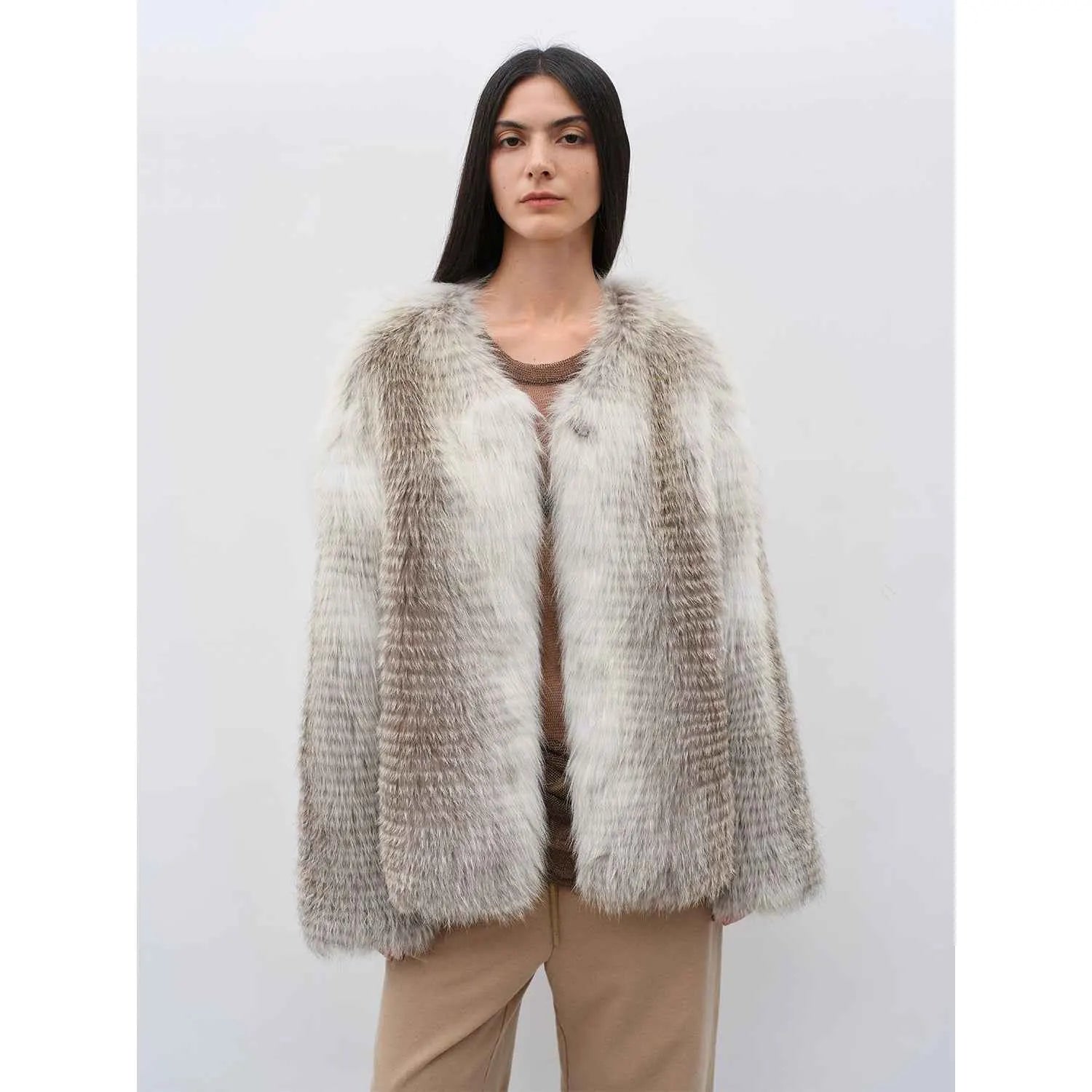
Some listings need cleaning. Others need better photos and clearer wording. If the coat already looks clean but the seller has not shown the lining, cuffs or collar, the first improvement is the photo set.
If the coat has light soil or stale closet smell and the material is strong, specialist cleaning may be the better improvement. The seller should then retake photos after service.
If the coat has serious odor or weak structure, neither cleaning nor photos should make the listing sound buyer-ready. That is a disclosure and price question first.
| Main weakness | Better first move |
|---|---|
| Poor photos, clean coat | Add lining, cuff, collar and closure photos. |
| Light soil, strong coat | Ask about professional fur cleaning. |
| Smoke or damp smell | Assess odor risk before mentioning service. |
| Hard backing or shedding | Stop and evaluate condition before cleaning. |
Ask what the service can actually address
What problem am I asking cleaning to solve? Light soil, stale closet freshness and ordinary handling are reasonable. Smoke, damp storage, brittle backing and active shedding are not simple presentation issues.
Will the coat still be worth listing if the service only improves presentation? If the answer is no, the seller may be trying to buy certainty that cleaning cannot provide.
Can I show the cleaned areas afterward? If the seller is not prepared to photograph collar, cuffs, lining and underarms, the cleaning record will not be used well.
| Question | Green light | Caution |
|---|---|---|
| Is the coat flexible? | Cleaning may help. | Stiff or noisy backing needs evaluation. |
| Is odor light? | Specialist advice may help. | Smoke or damp smell needs disclosure if it remains. |
| Are photos ready? | Cleaned areas can be shown. | Receipt alone will not settle buyer doubt. |
| Is timing sensible? | Service does not miss season. | Delay may exceed likely benefit. |
A short jacket with light soil or a faint closet smell may be suitable for specialist cleaning after assessment. Ask what improvement is likely and what may remain. The service bill still needs to pass the resale cost comparison.
A long coat with smoke odor in the lining is different. Cleaning may be discussed with a specialist, but the seller should prepare to disclose any remaining smell and avoid smoke-free language.
A shearling coat with surface marks needs a material-specific care view. Ordinary fur-cleaning language may not answer what a shearling buyer sees on the outer surface and wool interior.
A coat with active shedding should not be sent for cleaning as if cleaning will make hair release disappear. The seller should handle the shedding question first.
Compare the full charge and completion date
Ask for a written total, the included services, expected completion date and approval process if more damage is found. Include transport both ways and any separately charged storage, lining treatment or repair. A cleaning date alone does not tell you when the coat will be ready to photograph and list.
Hypothetical budget, not a service quote: an as-is sale at $300, less an assumed 20% selling fee and $30 shipping, leaves $210. A sale at $450 after $100 cleaning, with the same fee and shipping assumptions, leaves $230. The extra $150 sale price produces only $20 more after these costs. The cleaned option breaks even at $425; neither price is guaranteed. Replace assumed charges with actual terms and include other expenses before deciding.
Timing belongs beside seasonality for fur coat listings. Sometimes clean photos and disclosure now are better than waiting weeks for a service that will not change who is willing to buy the coat.
Recheck condition after collection
Follow the furrier’s collection and aftercare instructions before checking it again. In a ventilated space, note any odor apparent during ordinary handling; do not press your face into a musty lining. If there is visible suspected mould or renewed dampness, stop handling and ask the specialist how to proceed.
If cleaning revealed deeper damage, move to repair before selling or repairs that rarely pay back before writing a stronger listing.
The receipt should not sit alone. Pair it with current collar, cuffs, underarms, lining, hem and closure photos. Buyers want to know what the coat looks like after cleaning, not only that a service happened.
If the service record is already in hand, use how to document professional fur cleaning for receipt wording and privacy details.
| After cleaning, show | Why it matters | Wording to avoid |
|---|---|---|
| Collar and neckline | Show any skin-oil or makeup marks present. | Freshly cleaned, no close photo. |
| Underarm lining | Show lining wear and describe any odor separately. | Clean lining if stains remain. |
| Cuffs and sleeve edges | Show the handling wear a buyer will receive. | Excellent cuffs without proof. |
| Closures | Cleaning does not repair weak function. | Ready to wear if closures still fail. |
Smoke, damp storage and mothball odor can cling to fur and lining. Cleaning may help some cases, but a seller should not write odor-free before the coat has been evaluated and rested after service.
Use odor treatment before resale when smell is the main reason for cleaning. If odor remains, say so plainly in the listing.
A better odor sentence
Professionally cleaned in 2025; a faint storage scent remains and is reflected in condition notes. Keep the service date and remaining scent in the same note.
Write an accurate note when cleaning is not done
No cleaning record does not need an apology. It needs a current condition note. Say whether odor is noticeable, whether lining and cuffs are shown, and whether professional cleaning history is unknown.
A simple no-record sentence often reads better than vague care language: no recent professional cleaning record available; current condition and visible wear shown in photos.
No recent cleaning record
Use when the seller lacks paperwork but can show current condition.
Current odor note included
Add this when smell is the buyer's likely question.
Well cared for
Do not use this as a substitute for cleaning, storage or inspection facts.
A seller may decide not to clean because there is no specialist nearby, the coat is low-value, the season is moving quickly, or the issue is better handled by the next owner.
That choice should be visible. Write no recent professional cleaning record available; current condition and any odor notes shown. The note gives a buyer the information needed before purchase.
Keep material, garment type, size, color and a known label in the title. Put the cleaning date and remaining wear together in the condition note so that “cleaned” is not read as “unworn.”
If the seller cannot answer a question, say unknown. Unknown wear after prior cleaning is better than implying the coat stayed untouched.
Folding and shipping can make an existing odor more noticeable to the recipient. State what remains after collection and before dispatch; do not add fragrance to change that impression.
Write the listing for the moment the buyer opens the package. That means exact odor language, current lining photos and no fragrance added before packing.
Use cleaning to support the current condition note
The service date is not the headline. Current condition still comes first.
Specialist care has limits. Cleaning does not equal repair, odor removal or restoration.
Pair the receipt with current condition photos. Show the parts a buyer worries about.
No cleaning record can be acceptable. Current photographs and a specific note still describe the coat.
FireladyFur's cleaning-before-listing judgment
For a resale-only cleaning decision, I would ask what the specialist expects to improve and what the total charge will be. Keep an odor or structural concern visible in the description even after service. Better presentation and higher net proceeds are separate outcomes.
If you are also choosing another coat, compare the material descriptions and care instructions for artisan fur and shearling coats before assuming the same cleaning service suits both. About FireladyFur provides brand information, and our Editorial Standards set out the basis of our recommendations.
Compare cleaning cost with current condition
Use professional cleaning when it makes an already believable coat easier to inspect. If cleaning is being used to avoid odor, storage damage or weak structure, rewrite the listing before spending more money.
Should I clean a fur coat before selling it?
Consider specialist cleaning when the coat is assessed as suitable and ordinary soil is the problem. For resale alone, compare the total service cost and delay with an as-is sale. Cleaning does not replace disclosure of remaining odor, shedding or damage.
Can I dry clean a fur coat like regular clothing?
No. Fur requires specialist care. Ordinary garment dry cleaning can be inappropriate for natural fur and leather backing.
Should I show the cleaning receipt?
Show or summarize it when it helps the buyer, but remove private information and pair the record with current photos.
What if cleaning does not remove odor?
Disclose the remaining odor and use more cautious listing wording. Do not let the receipt imply the coat is odor-free if it is not.


