


A repair is worth paying for when it changes the first try-on. If the front closes, the lining stops catching, or a seam no longer pulls, the buyer has one less reason to hesitate.
Check the parts a buyer touches first
Before paying, handle the coat like a buyer at home. Close the hooks, test button loops, open the lining edge, feel the pocket seams, lift the sleeves, check the hem and confirm whether the belt is present. The repair estimate is useful only after those parts have been touched.
If the coat has not been inspected yet, use the pre-listing inspection checklist first. Repairing a loose hook on a coat with damp odor or hard backing usually does not solve the real sale problem.
Fix the flaw that interrupts the first try-on
A buyer can forgive light cuff rub or a dated lining more easily than a coat that will not close. Closures, small lining catches and open seams change the first minute of ownership.
The most useful repairs often overlap with repair costs that usually make sense. The work should let the buyer put the coat on, close it, move the arms and hang it without planning another errand.
| Flaw | Repair may help | List as-is may be better |
|---|---|---|
| Loose front hook | The rest of the front is stable and the fur body is flexible. | Several closures are weak or the leather feels noisy. |
| Small lining tear | The tear catches the hand but the lining is otherwise clean. | The lining is stained, brittle or pulling away widely. |
| Open seam | The seam is local and the coat moves softly. | Several seams show stress or hair releases nearby. |
| Missing belt loop | The coat needs the belt for shape. | The coat photographs and wears cleanly without the belt. |
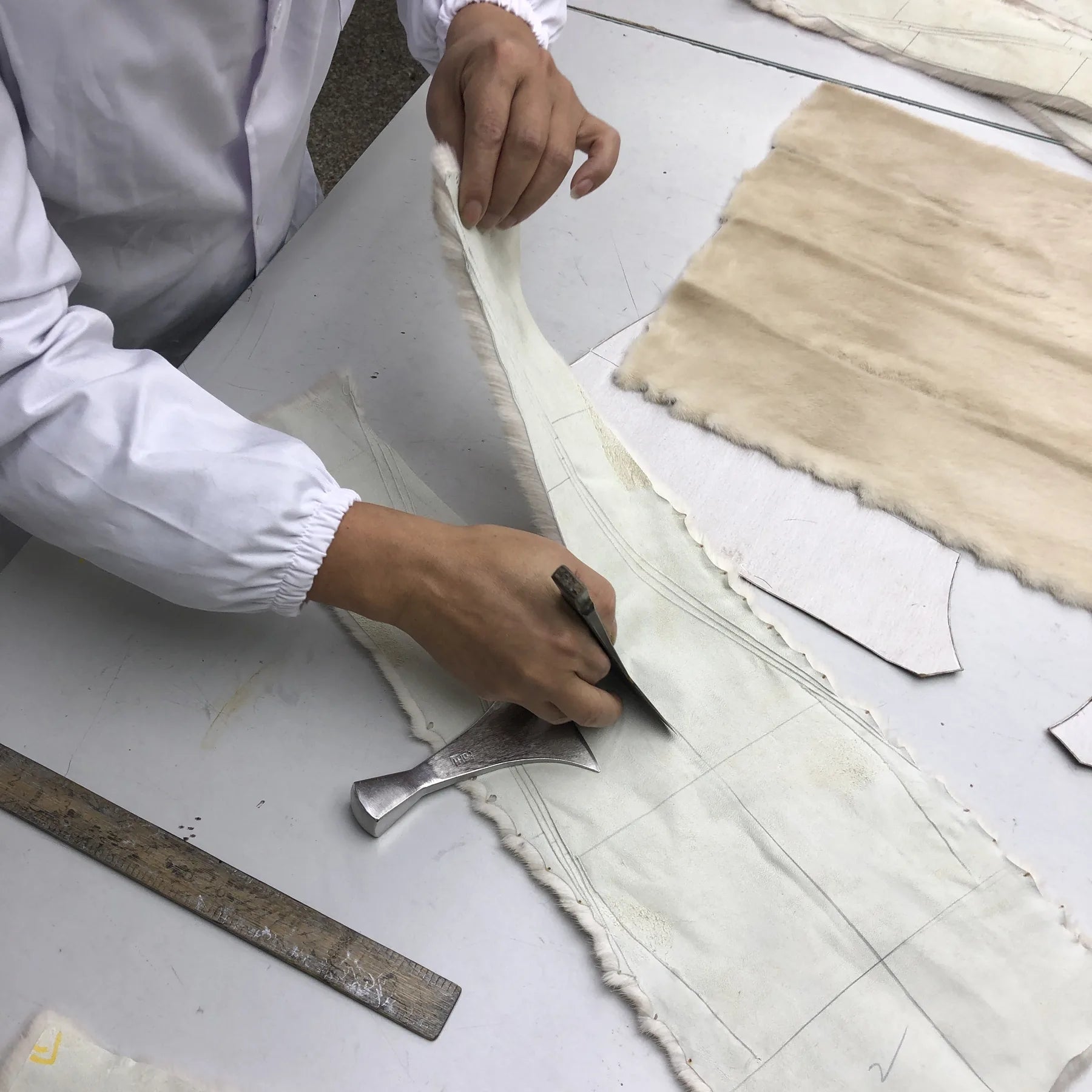
The best repair is easy to explain
A front closure repair, small lining tack or seam reinforcement can be photographed. That reads better than calling the whole coat restored.
Stop before repair when the backing or odor is the real issue
Hard backing, dry crackling, active shedding and damp odor change the job. A new hook does not make stiff leather flexible. A fresh lining tack does not remove smoke. A seller should check hard leather in older fur and shedding risk before paying for small cosmetic work.
Odor needs its own decision. If the coat smells of smoke, damp storage or mothballs, use odor treatment before selling before writing a repair plan.
Pause first. Describe the larger issue, then decide whether the coat should be sold as wearable, sold as a project, or taken to a local furrier before it is listed.
Name the exact fix on the repair receipt
After a small repair, do not let the listing sound as if the whole coat was restored. Most resale repairs fix one problem: a hook, a lining edge, a seam, a pocket or a belt loop.
Put the receipt next to the matching photo. If the front hook was reinforced, show the hook open and closed. If the lining was tacked, show the repaired edge. If the coat was also cleaned, use professional cleaning documentation for that service instead of folding every service into one oversized care sentence.
- Name the repaired part.
- Show the repaired area in a current photo.
- Say what remains worn, loose or unknown.
- Avoid restored, refurbished or like new unless the evidence can support those words.
As-is is not a failure when the flaw is priced and shown
Some coats sell more cleanly without repair. A seller may not know the buyer's size, style plan or repair tolerance. Spending on a restyle, full relining or deep odor work can force the coat into a price the market will not accept.
Use repairs that rarely pay back when the repair cost is starting to chase the seller's memory of the coat rather than the current likely buyers.
A good as-is listing still has a job. It shows the flaw, names the likely next step and keeps the buyer from discovering the problem after delivery.
Seller history changes what you can say
An estate seller may have little repair history and should avoid certainty. A wardrobe seller may know exactly when the hook loosened or lining pulled. A reseller may have current inspection notes but no personal history.
Each seller can write a clean listing by staying inside what they know. The repair decision becomes risky when a family memory pretends to be a furrier diagnosis, or when a reseller writes around a flaw to keep the listing attractive.
| Seller | Better repair move | Better wording move |
|---|---|---|
| Estate seller | Repair only obvious function blockers. | Earlier repair history unknown; current closure and lining shown. |
| Wardrobe seller | Fix a flaw that appeared during ownership. | Hook reinforced in current ownership; remaining wear photographed. |
| Reseller | Quote only if the coat is otherwise strong. | Inspected for listing; flaw shown and priced as-is when unrepaired. |
Write down what the repair will change
Before paying, write down exactly what the repair will change: the coat will close, the lining will stop catching, the seam will stop pulling or the flaw will be easier to show. If you cannot name that change, the repair may be more about reassurance than resale.
Check timing as well. Repair work that delays the listing until after peak demand may be less useful than a clear condition note and correct pricing. Listing season and timing helps when repair timing is part of the decision.
Pay only for repairs that change first use
Small function first. Closures, lining catches, pocket edges and local seams are the repairs buyers feel immediately.
Do not repair past a structural warning. Hard backing, active shedding and deep odor need diagnosis before cosmetic spending.
Show the fix. A repair note without a current photo creates another question.
Use as-is when the buyer should choose the next work. Some repairs depend on fit, taste and budget.
Repair wording examples for a listing
A short mink jacket with one loose hook is a good repair candidate when the lining is clean and the fur body is flexible. The listing can show the closure open and closed, then write: front hook reinforced before listing.
A long coat with a small inside lining tear may also be a good candidate if the tear catches the hand during try-on. After repair, show the lining edge and avoid calling the whole coat restored.
A fox coat with flattened cuffs and shedding is a poor candidate for a small cosmetic repair. The buyer's concern is not one hook. The concern is handling, storage and hair release.
A shearling coat with a loose pocket edge may be worth a simple repair if the outer surface and wool side are strong. The repair note should name the pocket, not speak broadly about refurbishment.
| Coat situation | Repair choice | Listing sentence |
|---|---|---|
| One weak hook, strong coat | Repair. | Front hook reinforced; closure shown in photos. |
| Small lining catch | Repair if local. | Small lining tear repaired; current lining shown. |
| Odor plus weak leather | Stop first. | Condition issue disclosed; no cosmetic repair used to hide it. |
| Pocket edge loose | Repair if it affects handling. | Pocket edge secured; shown close-up. |
What to ask a furrier before spending
Ask whether the repair is local or whether it points to a larger weakness. A local closure repair is different from closures pulling because the leather has dried.
Ask whether the repair will be visible, whether it changes measurements, and whether the surrounding area is strong enough to hold the work. These questions help the seller avoid paying for a repair that fails again during buyer handling.
Ask for wording the seller can use. The best repair note is not fancy. It tells the buyer what was fixed and what to inspect in the photos.
- Is the surrounding leather strong enough?
- Will the repair change measurements or hang?
- Can the repaired area be photographed clearly?
- Does the furrier see odor, shedding or dryness that should be handled first?
When no quote is the better choice
A seller does not need a quote for every flaw. If the coat is low-value, heavily worn, strongly odorous or likely to be sold as a project, a quote may add time without changing the buyer.
In that case, the seller should write an honest as-is note and compare the issue with repairs that rarely pay back. The repair budget belongs to the buyer who chooses the coat with eyes open.
Repair wording for common flaws
Loose closure: front hook is loose and shown in photo; seller can repair before purchase by request, or buyer may repair after purchase. That sentence keeps the decision open when the repair is simple but timing is uncertain.
Small lining tear: lining tear near inside hem shown; no fur loss visible from exterior. This helps the buyer separate an inside issue from an outside fur issue.
Open seam: small seam opening at sleeve lining shown close-up; coat priced with repair need in mind. The seller should not call it excellent condition afterward.
Missing belt: original belt not included; coat shown worn open and closed without belt. This matters because a missing belt changes styling even when warmth is unaffected.
| Flaw | Repair-first wording | As-is wording |
|---|---|---|
| Loose closure | Front hook reinforced; closure shown. | One front hook loose; shown close-up. |
| Lining tear | Small lining tear repaired near hem. | Inside hem lining tear shown; exterior unaffected. |
| Open seam | Local seam reinforced. | Small seam opening shown; repair left to buyer. |
| Missing belt | Replacement belt included if true. | Original belt not included; shape shown without it. |
Do not delay a clear as-is sale for a minor repair
If a coat is already going to be sold as a project, waiting on a repair quote may only delay the listing. The buyer for that coat expects work. The seller's job is to show the work accurately.
If a coat is strong and the flaw is small, repair can make the sale smoother. That is the difference. Repair supports a buyer-ready coat; it rarely turns a risky coat into a buyer-ready one by itself.
A seller can also offer a pre-repair choice in some channels: price reflects current condition; buyer may handle repair locally. That can be more honest than guessing the buyer's preferred furrier or alteration style.
Repairs that still leave return risk
A repaired coat can still disappoint if the work does not touch the buyer's first problem. A front hook repair helps only if the coat closes cleanly. A lining repair helps only if the surrounding lining is stable. A hem repair helps only if the coat still hangs straight.
Before paying, handle the coat the way the buyer will handle it. Close it. Sit for a moment. Lift the arms. Check whether the lining pulls. If the repaired area still feels weak, disclose the remaining issue instead of making the repair note sound stronger than the coat.
This is where return complaints are useful. Buyers rarely complain that a seller skipped an impressive repair. They complain when the flaw that mattered to wear was still there.
FireladyFur's repair-before-resale judgment
FireladyFur favors repairs that make a coat easier to wear immediately: a closing front, a stable lining edge, a seam that no longer pulls. Expensive work is not automatically better.
When the real issue is care risk rather than repair, the better next step is the Fur Coat Care Guide or a specific condition check before any shopping comparison.
Repair the blocker, or sell the flaw honestly
Spend only where the repair changes the buyer's first try-on or inspection. If the flaw changes how the coat should be sold, write the condition clearly and price the coat around that reality.
Is it worth repairing a fur coat before selling it?
It is worth it when the repair fixes a visible function problem such as a loose closure, small lining tear or local seam issue. Major restoration should be compared with likely resale demand first.
Should I repair odor damage before resale?
Odor is not an ordinary repair. Smoke, damp storage and mothball smell should be evaluated separately and disclosed if they remain after appropriate care.
Can I sell a fur coat as-is?
Yes. An as-is listing can be professional when the flaw is photographed, named and priced honestly.
What should a repair receipt say in the listing?
Name the repaired part and show it in current photos. Avoid broad restored language unless the repair record and current coat support it.


