


A fur name can attract a buyer, but it cannot carry the listing by itself. Mink, fox, shearling, and rabbit all have different resale ceilings; the coat only reaches that ceiling when the photos, lining, backing, closures, and wear story make the material believable.
Start here when the label or remembered material sounds promising, but the real question is whether the coat in front of you can support that promise. If it has not been inspected yet, run the pre-listing fur coat inspection checklist first so the material claim does not outrun the condition proof.
Material is a ceiling, not a price
A seller often remembers the original material before anything else: mink, fox, shearling, rabbit. A buyer does the opposite. They look for clean surface movement, steady lining, usable sizing, flexible backing, honest photos and a reason the coat can still be worn this winter.
That is why a premium material with hard leather, smoke odor or active shedding can fall below a modest material in stronger condition. A material label helps only after the coat has passed the trust test.
Material name
Mink, fox, shearling, rabbit and trim tell buyers what the coat could be worth if the rest supports it.
Condition proof
Odor, dryness, shedding, weak seams and worn lining decide how far the price has to move down.
Construction
Full skin, knitted, sheared, trim and panel work decide whether the material feels substantial or merely decorative.
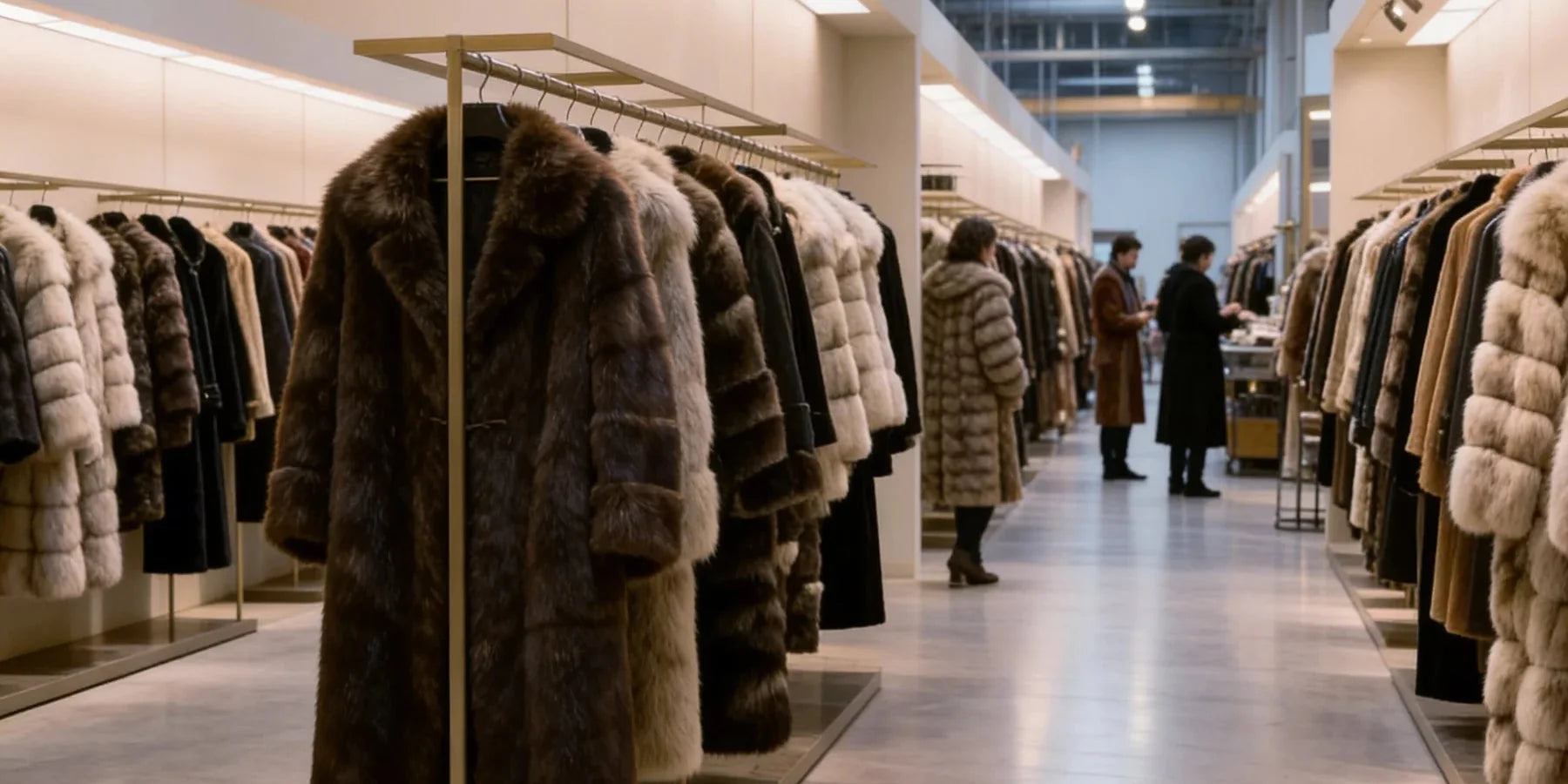
The four material lanes behave differently
Mink usually asks for a quiet proof path: even density, soft surface, flexible leather, a lining that does not fight the body, and a shape that buyers still know how to wear. A mink coat that photographs flat but feels strong may need better closeups; a mink coat with odor or brittle backing needs a lower promise.
Fox is less quiet. It sells on volume, collar shape, color movement and first impression, but that same volume exposes crushing, matting and over-bulk quickly. If the coat looks dramatic but the buyer cannot imagine storage, seating or sleeve movement, review fox fur volume and resale demand before describing it as desirable.
Shearling has a different buyer. The value often comes from wearability: weight, warmth, suede or leather surface, wool interior, seams and whether the coat can handle ordinary dry winter use. The deeper shearling resale path belongs in shearling resale value and wearability.
Rabbit needs the most restraint. It can be soft, charming and worth listing, but it rarely benefits from grand luxury language. Rabbit listings work better when they show clean condition, honest lower-value limits and a clear buyer use. Use rabbit fur and lower-value listing limits when the material is fragile, dyed, reversible or hard to price.
| Material | What can support value | What lowers trust fast | Better next article |
|---|---|---|---|
| Mink | Even density, flexible backing, clean lining, current silhouette | Dry leather, stale odor, weak shoulder line, hidden lining wear | Mink resale signals |
| Fox | Healthy volume, clean guard hairs, collar shape, intentional color | Crushing, heavy bulk, shedding, matted cuffs | Fox volume and demand |
| Shearling | Wearable weight, clean suede/leather, stable seams, strong wool interior | Stains, hard panels, flattened wool, moisture marks | Shearling wearability |
| Rabbit | Clean soft surface, honest pricing, intact lining, easy styling role | Fragile panels, shedding, bald areas, overpromising | Rabbit listing limits |
Condition decides whether buyers believe the material
A listing can say mink, fox, shearling or rabbit, but the buyer still wants the same first proof: no troubling odor, no active shedding, no stiff backing, no hidden cuff damage, no vague language around wear. If those problems are present, move into when material does not save a poor coat before you price the piece.
This is where the earlier condition articles matter. Odor and dryness belong in the odor and dryness resale article; loose hair belongs in the shedding resale article; stiff backing belongs in the hard leather article. A better-sounding fur name cannot hide those issues.

A good material label should make the buyer curious, not suspicious
When the material sounds strong but the condition photos are thin, the listing creates a gap. Buyers fill that gap with caution, lower offers or extra questions.
Construction changes the material story
Two coats can use the same material and feel completely different. Full skins, knitted construction, sheared surfaces and trim each create a different resale promise. A full mink coat asks for body and backing proof; a knitted piece asks for stretch, lining and shape proof; a sheared coat asks for even finish; trim asks for attachment, wear and garment context.
Use full skin, knitted, sheared and trim differences when the listing has to explain how the material is built, and use construction details that raise confidence when the small parts decide whether the coat feels trustworthy.
| Construction signal | Buyer reads it as | Photo proof that helps |
|---|---|---|
| Full skin or substantial panels | A coat body with material value, if flexible and clean | Inside hem, side seams, body drape, lining edge |
| Knitted or lighter construction | Wearable softness, but possibly lower structure | Stretch, hanger shape, shoulders, sleeve hang |
| Sheared surface | Modern finish if even; repair concern if patchy | Close texture, side light, cuff edge |
| Trim | Detail value attached to another garment | Collar/cuff attachment, detachable hardware, backing, wear points |
Photos have to support the material claim
A material claim without photos forces the buyer to trust the seller's vocabulary. Use the listing photos to show the surface close enough to read density, the lining wide enough to read cleanliness, and the edges close enough to see wear.
The article on material photos that support resale trust turns this into a practical shot list. Pair it with the broader resale photo article when the listing still lacks front, back, cuff, collar, lining and label images.
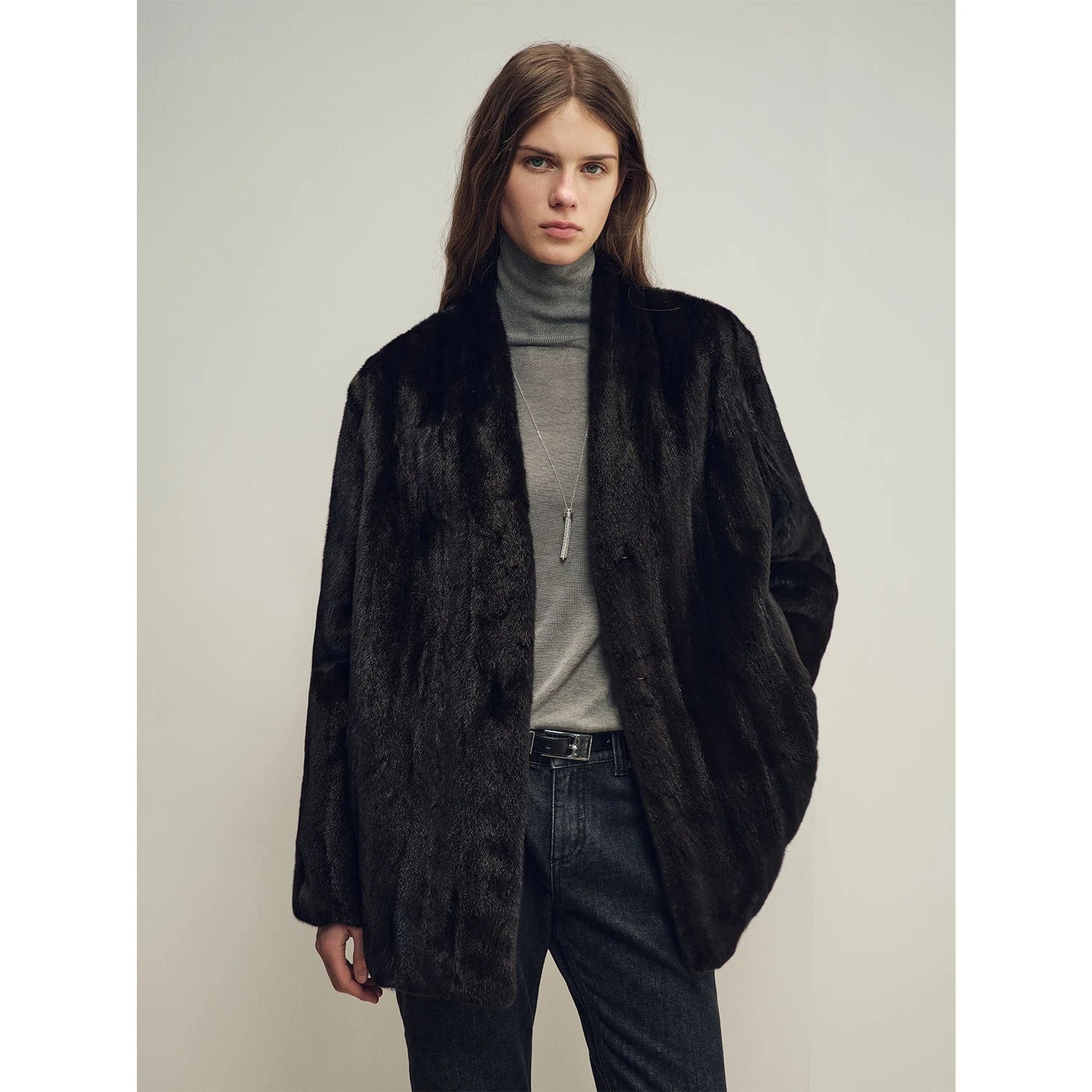
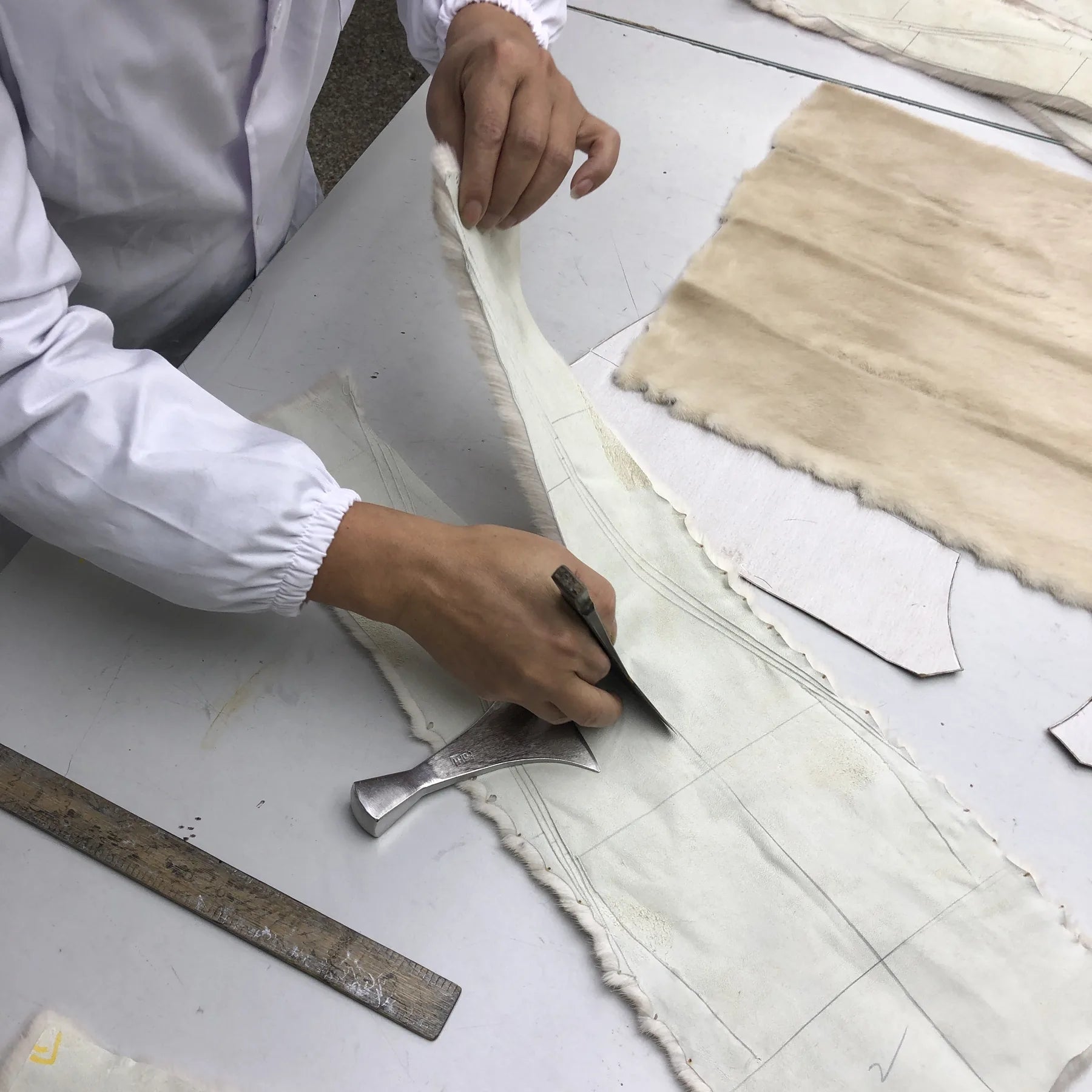
Trim value is not full coat value
A fur-trim parka, hood or collar can be useful, stylish and valuable to the wearer, but the resale logic differs from a full fur coat. The judgment covers the whole garment: shell fabric, insulation, zippers, pockets, detachable hardware, hood shape and the trim itself.
For trim, route to how fur trim value differs from coat value instead of borrowing full-coat language. If the current owner is comparing replacement options, when a fur-trim parka is more practical and the detachable fur-trim parka collection create a more natural next step.
 Compare artisan furUse current fur pieces as a reference after condition is clear.
 Compare shearling coatsCheck wearable winter value when shearling is the stronger route.
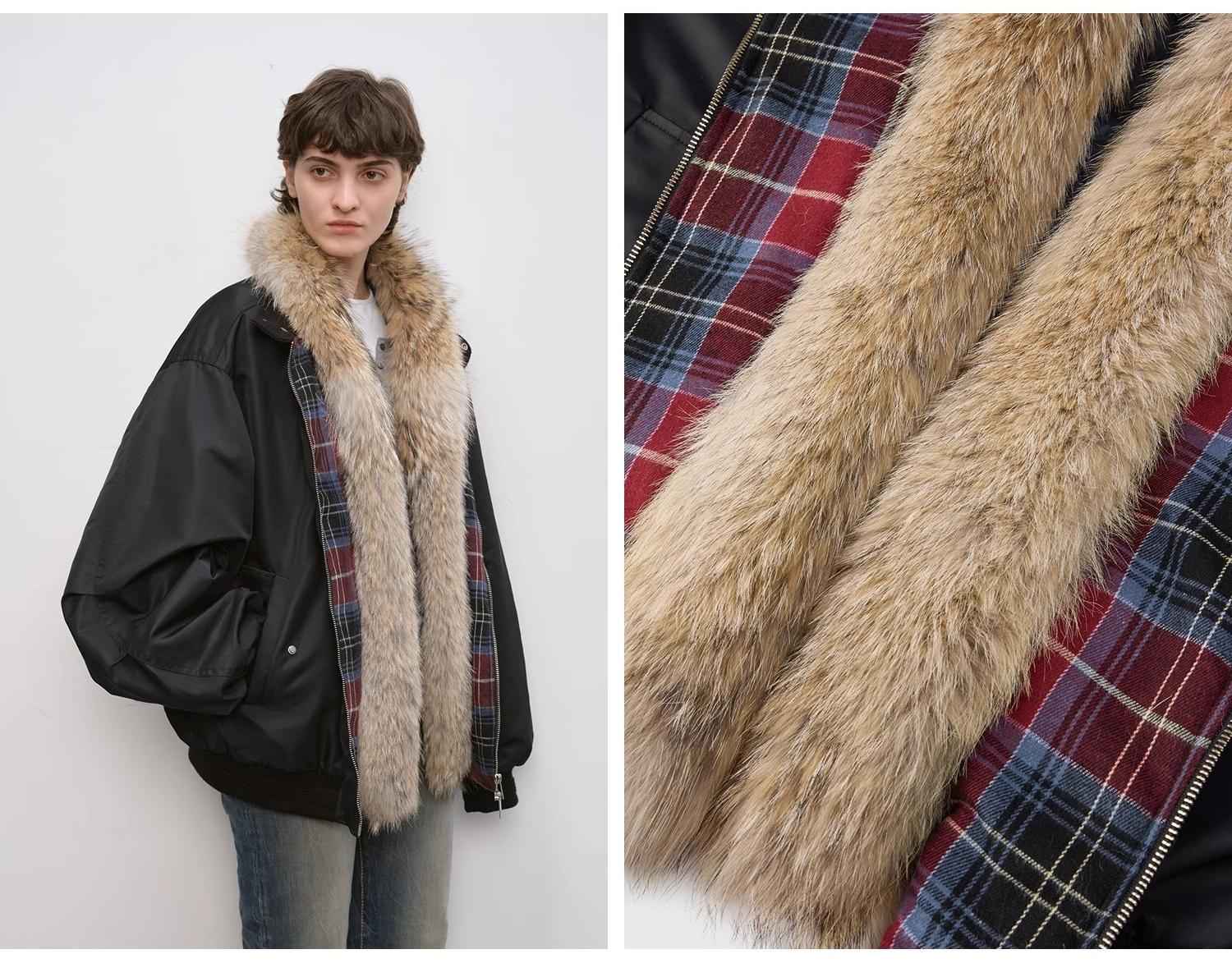 Compare fur-trim parkasUse trim as a practical garment decision, not a full coat claim.
A realistic asking range comes after the material read
Once condition, construction and photos support the material, the next question is market fit. Use how much you can sell a fur coat for when the issue is asking range, and vintage fur coat value when age, label or dated styling might change the buyer pool.
Choose the sale promise before choosing the adjective
Most weak fur listings go wrong in the same place: the seller writes the adjective before deciding what kind of sale the coat can honestly support. Luxurious, rare, premium, soft and warm may all sound pleasant, but they do not tell the buyer whether the coat is ready to wear, needs repair, belongs in a lower-price listing, or should be treated as a project.
The sale promise should come first. A wearable coat needs one kind of proof. A coat with a small lining issue needs another. A coat with dry backing or active shedding belongs in a smaller promise. Once the sale promise is clear, material language becomes easier and cleaner.
| Sale promise | Material can say | Material claim to avoid |
|---|---|---|
| Ready to wear | Known material, clean condition, working closures, no major odor detected, measurements provided | A vague luxury story with no lining or cuff photos |
| Wearable with disclosed wear | Material named, wear photographed, flaw placed near the right photo | Excellent condition if cuffs, collar or lining show clear wear |
| Repair or restoration | Material may support restoration interest if backing and seams allow it | Ready-to-wear language or a normal premium asking range |
| Decorative, costume or project | Texture, color and material can still matter to the right buyer | Investment, heirloom or rare wording without proof |
Mink has several value lanes, not one
A clean classic mink coat, a short mink jacket, a sheared mink piece, and an older mink with a dated cut do not share the same buyer. Treating all of them as one resale category makes the listing feel lazy. The material is the same broad family, but the buyer's reason for caring changes.
A classic full mink coat needs evidence of body, lining, flexible backing and storage discipline. A short mink jacket may sell on wearability, because the buyer can imagine denim, black trousers, a dinner dress or a car seat more easily. A sheared mink needs even finish and clean edges. An older long mink may need a stronger story around condition and occasion, because the buyer pool is narrower.
The seller's first decision is not whether the coat is mink, but which mink lane the coat belongs to. Once that lane is clear, the condition note and photo order become easier to write.
Full mink coat
Needs body, lining, flexible backing, storage history and enough current styling demand.
Short mink jacket
Needs proportion, sleeve movement, easy outfit use and clean cuffs.
Sheared mink
Needs even surface, edge photos and careful language around patchiness or rub.
Fox has to prove that volume is still controlled
Fox can look expensive in a thumbnail because it carries shape and movement before the buyer reads a word. That is useful, but it creates a stricter photo burden. The buyer has to believe the volume is healthy, not crushed; deliberate, not bulky; stored well enough that the collar and sleeves still have shape.
Show a full silhouette, side view, collar view, cuff closeup and guard-hair detail. If the coat is long or very full, one photo should show how the sleeve sits away from the body. That photo helps buyers imagine the coat in a restaurant chair, car seat or crowded room.
A fox coat with flattened cuffs cannot be rescued with dramatic language. It needs the wear named. A fox coat with clean volume can use the drama, but the drama still has to connect to actual use: evening coat, statement jacket, collar-focused outerwear, or a piece that works over simple layers.
Shearling should be judged like winter equipment with style
Shearling is not read by buyers exactly like mink or fox. The real question is whether the coat will work in ordinary winter: dry sidewalks, stairs, driving, errands, cold wind and indoor transitions. Its resale strength sits in the outer surface, the wool interior, seam stability, weight and whether the coat can be worn without constant worry.
A shearling listing needs both sides of the material. Show the outer suede or leather surface, the wool side, cuffs, collar, seam stress, pockets and closures. If the surface has moisture marks, salt, shine or hard panels, the value promise changes. A clean shearling can be easier to understand than a formal full fur coat; a damaged shearling can become harder to restore than the seller expects.
Practical wording works better here: warm, wearable, stable, clean interior, light surface wear, measurements shown. That reads better than trying to force shearling into a luxury-fur sentence that does not fit the way people buy it.
Rabbit should be protected from inflated language
Rabbit is often where sellers overreach. The coat may be soft and appealing, but the resale ceiling is usually lower and the construction may be more fragile. The right buyer can still be real: someone who wants softness, pattern, costume use, a reversible coat, a vintage look, or an affordable winter piece. That person is not helped by language that pretends rabbit is in the same value lane as a strong mink.
A rabbit listing should use short, factual proof. Surface shown. Lining shown. Wear shown. Measurements shown. Shedding checked. If the coat is reversible, both sides photographed. If the material is uncertain, say that the material is not fully verified and let the photos do more work.
The best rabbit listing is often calmer than the seller wants it to be. That calm is useful. It reduces disputes, aligns price with expectation, and makes the buyer feel that the seller is not trying to turn a lower-ceiling material into a story it cannot support.
Care history helps only when the present coat agrees
Professional storage, prior cleaning, careful ownership and a known no-smoke home can all support resale value. They do not replace current evidence. A coat can have a good history and still show dryness, lining strain, flattened cuffs or odor from later storage.
Separate care history from current condition. Say what is known, then say what the coat shows now. If professional storage is not known, leave that claim out. Unknown history is not a flaw by itself; pretending to know is the problem.
When care history is the strongest part of the value story, use mink storage care, fox fur care, or shearling care limits only after the listing has named current condition.
Measurements and silhouette can lift or limit the ceiling
A beautiful material can sit in a coat that very few buyers can wear. Vintage sizing, long sleeves, narrow shoulders, heavy sweep, dramatic length, oversized fox volume or a very short crop can all narrow the buyer pool. That does not mean the coat has no value. It means the material claim needs help from measurements and styling context.
Shoulder, bust or chest across, sleeve length, back length and sweep belong near the condition note. A buyer who understands fit is more likely to believe the rest of the listing. If the label size is vintage or unclear, use measurements over tag size.
Silhouette also affects replacement logic. A strong material in a dated silhouette may be better restyled than sold at an inflated price. A clean short jacket may sell faster than a more expensive long coat because the buyer sees more days to wear it.
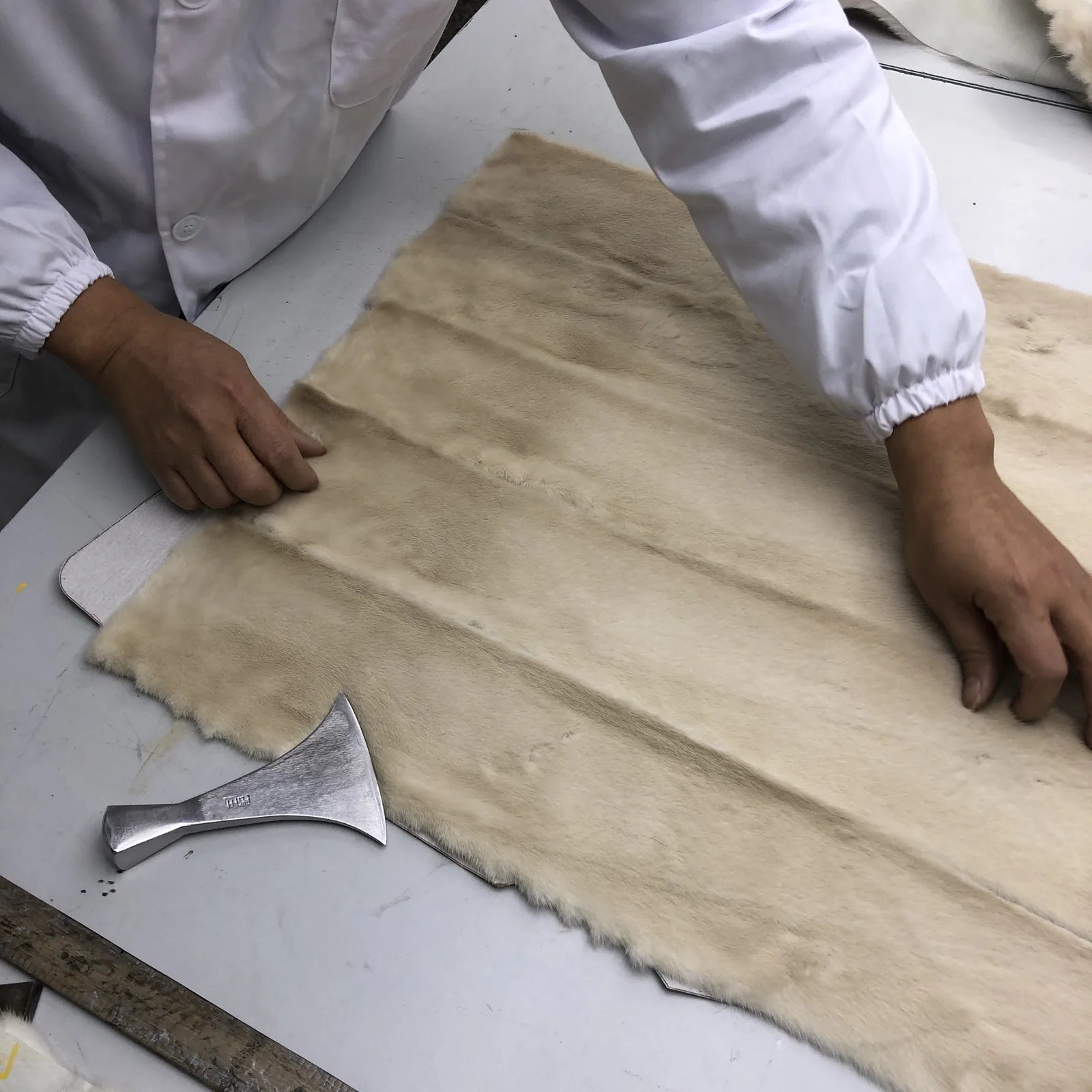
A valuable material still needs a wearable body
Measurements, sleeve movement, shoulder line and length can make the material feel usable instead of merely impressive.
The condition note should change by material
A useful condition note does not use the same sentence for every fur type. Mink needs surface and backing confidence. Fox needs volume and matting notes. Shearling needs both surface and wool-side condition. Rabbit needs shedding and fragile-area honesty. Trim needs attachment and garment context.
| Material | Condition note should lead with | Second sentence should answer |
|---|---|---|
| Mink | Surface, backing flexibility, lining and odor | Construction, storage history, measurements and any cuff or hem wear |
| Fox | Volume, guard hair condition, collar and cuff shape | Shedding, matting, storage and whether the silhouette is easy to wear |
| Shearling | Outer surface, wool interior, seams and weight | Moisture marks, stains, odor, closures and weather-use limits |
| Rabbit | Soft surface, lining, shedding and visible wear | Pricing category, fragility, reversible construction or unknown material limits |
| Trim | Attachment, trim condition and shell condition | Hood/collar position, hardware, detachable proof and full garment use |
Four example situations
An inherited mink coat with a clean lining and flexible body reads better when it begins with the coat, not the sentimental history: mink coat, clean lining shown, soft surface, working closures, no smoke odor detected, measurements provided. Known history can follow if it is relevant. Wearability comes before the question of who owned it.
A dramatic fox jacket with healthy volume needs more than a single standing photo. Show the side volume, collar, cuff, lining and close guard hair. Then write the listing around controlled drama: full volume shown, cuffs photographed, no active shedding noticed during handling, best for statement winter wear or evening use.
A shearling coat with light surface wear is better described honestly than called flawless. Say the outer surface has light wear, show the wool interior, show seams and closures, and make the wearability case. If the coat still looks easy to use on dry winter days, that is the value.
A rabbit coat with a soft patterned surface and a small worn area gains more from calm proof than inflated luxury language. Name the material if known, show the texture, show the worn area, use measurements, and price it as an approachable piece. That listing may earn more trust than a louder one.
When the material is uncertain, do not invent certainty
Some sellers inherit a coat with no label, a damaged label, a mixed-material construction, dyed fur, trim, or a reversible design that makes identification harder. Guessing the material can create more risk than modest wording. If the seller cannot verify the material, the listing can still be useful: unknown fur material, texture shown, label not present, condition and measurements provided.
The goal is not to sound less knowledgeable. The goal is to avoid a claim that the photos cannot support. A buyer who cares deeply about exact material may ask follow-up questions or seek a furrier opinion. A buyer who cares about wearability may still proceed if the condition and photos are clear.
Professional review belongs before strong claims on damaged coats
A seller should stop before strong resale claims when the coat has hard backing, active shedding, tears, moisture damage, strong odor, broad staining, weak seams, or unknown repair history. Those are not ordinary wording issues. They are condition boundaries.
A qualified furrier, professional cleaner or repair specialist may be needed to decide whether cleaning, glazing, lining work, seam repair or restoration is realistic. A listing cannot promise that those issues are simple unless someone qualified has evaluated them.
This is especially important for premium material. The better the material sounds, the more disappointment a buyer feels when the coat arrives with a condition problem that was softened in the description.
The next action depends on which signal is weak
This article does not have to end with every reader shopping. Some readers need another inspection. Some need another photo set. Some need a smaller promise. Some need a furrier. Some are ready to compare replacement options. The correct path depends on which signal is weak.
| Weak signal | Best next action | Why it matters |
|---|---|---|
| Photos are thin | Use material photos that support resale trust | The buyer cannot verify material, construction or wear yet |
| Condition is questionable | Return to the pre-listing inspection checklist | Basic condition proof comes before the material claim |
| Hard backing or odor appears | Read hard leather and odor/dryness before pricing | These issues change the buyer promise |
| Construction is unclear | Use the construction differences article | Full skin, knitted, sheared and trim require different proof |
| The coat seems sellable but dated | Compare vintage fur value and current coat paths | Age and buyer pool may limit the practical asking range |
Buyers read each material photo with a different suspicion
A buyer does not read every fur photo the same way. A mink closeup is checked for density, surface direction and whether the coat looks flat from storage. A fox closeup is checked for matting, guard-hair separation and whether the volume has collapsed. A shearling photo is checked for stains, wool flattening and seam stress. A rabbit photo is checked for shedding, bald areas and whether the softness is hiding fragility.
This is why a single generic photo set weakens the listing. The front photo may be similar, but the proof photos change by material. Photograph the question that this buyer will doubt first.
| Buyer doubt | Material where it appears often | Photo that reduces doubt |
|---|---|---|
| Is the surface dense or flat? | Mink, rabbit, sheared fur | Close texture in natural light plus full body photo |
| Is the volume healthy or crushed? | Fox, long-hair trim | Side view, collar view, cuff closeup, storage-sensitive areas |
| Is the coat practical to wear? | Shearling, trim, heavy fox | Side view, sleeve position, closure photos, garment weight context |
| Is the base or lining weak? | Vintage mink, rabbit, knitted fur | Inside hem, lining edge, underarm lining, sleeve interior |
| Is this full coat value or detail value? | Fur trim, collars, cuffs, hoods | Attachment point, shell condition, detachable hardware |
A buyer who can answer their first doubt from the photos spends less energy looking for a reason to distrust the listing. That is often more valuable than adding another glamorous image.
Original price and labels should be secondary evidence
Original price can be part of a story, but it is not the resale value. A receipt, brand label, auction note or family memory can help only when the current coat agrees with it. If the coat has stiff backing, odor, missing closures or weak lining, the original price may explain what the coat used to be, not what the buyer can wear now.
Labels can also be misused. A label photo may raise confidence when it matches the material and construction shown elsewhere. It may raise questions when the rest of the listing is thin. A buyer who sees a label but no lining photo, no cuff photo and no close surface photo may wonder why the evidence stops at the most flattering point.
Use label and original-price details after condition proof. That order feels more honest. It tells the buyer: the coat is solid now, and here is the history that may support it.
Repair math changes by material
Repair value is not the same across mink, fox, shearling, rabbit and trim. A small lining repair on a strong mink may support a normal resale path. The same repair on a low-ceiling rabbit coat may not add enough buyer value to justify the cost. A fox coat with crushed volume may need professional attention that costs more than the likely buyer gain. A shearling with moisture marks may be harder to reset than the seller expects.
This does not mean sellers should avoid repair. It means repair should remove a real buyer objection. A hook that keeps a good coat from closing is a practical repair. A full reconstruction done only because the original material sounds expensive may not return its cost.
| Material lane | Repair that may help | Repair that needs caution |
|---|---|---|
| Mink | Lining openings, loose hooks, small seam concerns after inspection | Brittle backing, broad odor work, major restyling without demand |
| Fox | Loose closures or lining that does not affect volume | Trying to restore crushed volume without clear buyer upside |
| Shearling | Small seam or closure repair by a specialist | Moisture marks, hard panels, widespread surface staining |
| Rabbit | Small lining or closure issue on a clean wearable piece | Spending heavily to lift a lower-ceiling material into a higher category |
| Trim | Attachment hardware, snaps, zipper track, hood alignment | Repairing trim while ignoring a weak shell or damaged garment body |
When repair becomes the center of the decision, leave material comparison and use the broader resale value guide or a qualified local specialist. A fur label is not a reason to spend on repairs the market may never recognize.
Storage and climate risk affect the material ceiling
A coat stored in a cramped closet, plastic bag, damp basement, hot attic or smoky room may lose value even if the fur type is desirable. Storage problems show up differently by material. Mink may feel dry or flat. Fox may lose volume. Shearling may show moisture marks or odor in the wool. Rabbit may shed or show fragile areas faster.
The seller does not need a perfect storage history to list the coat. The important move is avoiding a confident claim from unknown storage. If the coat was kept in professional cold storage, say so only if known. If it was kept in a home closet, show current condition. If storage is unknown, say current condition and skip assumptions.
- Call a coat professionally stored only when that history is known.
- Name closet odor instead of hiding it behind vintage wording.
- Treat plastic-bag storage as a risk signal, not a positive point.
- Leave recovery claims to a specialist when fur is flattened or crushed.
- Keep dry-weather claims narrow when shearling or leather panels show moisture marks.
Buyer objections should be answered before the message arrives
Material-value listings often receive the same questions. Does it smell? Does it shed? Is the lining clean? What are the measurements? Are the hooks working? Is it heavy? Is it real fur? Is it mink or rabbit? Can you show cuffs? Can you show the inside?
A strong listing answers the predictable questions before the buyer asks. That does not make the article sound defensive. It makes the seller look careful.
| Likely buyer question | Where to answer it | Better wording style |
|---|---|---|
| Does it smell? | Condition note, not only messages | No smoke odor detected by current seller; light closet scent remains |
| Does it shed? | Condition note and flaw photo if present | No active shedding noticed during gentle handling, or shedding shown and disclosed |
| What size is it really? | Measurement block and tape photos | Measurements shown; use measurements over vintage label size |
| Is the lining clean? | Inside photo and note | Full lining shown; small opening near pocket photographed |
| Is it full fur or trim? | Title, first paragraph and construction photos | Wool coat with detachable real fur collar, not full fur coat |
The title has to stay inside the proof
A resale title has to attract clicks without creating the wrong buyer. A title like vintage mink coat may be fair if the coat is mink and the photos support it. A title like luxury heirloom mink coat in excellent condition creates problems if the lining has openings, odor is unknown, or the coat has not been handled carefully.
Use the strongest true material term, then let condition carry the rest. If the coat is rabbit, say rabbit. If the trim is detachable, say detachable fur trim. If the material is uncertain, do not force certainty into the title. A buyer who arrives through an honest title is easier to keep than one attracted by a claim the listing cannot hold.
Offer strategy should be based on proof, not pride
A seller may feel that a coat deserves a higher number because of memory, original price or material. Buyers respond to proof. If proof is strong, the seller can hold firmer. If proof is thin, lowering the price may not fix the problem because the buyer still does not know what they are getting.
Before dropping the price, check what is missing. If photos are weak, add photos. If measurements are missing, add them. If odor is not addressed, answer it. If construction is unclear, show inside details. If the material is overclaimed, correct the wording. Price changes should come after trust gaps are fixed.
When offers are consistently low even after the proof is strong, the issue may be buyer pool or style demand rather than condition. A long formal coat, unusual color, oversized fox shape or lower-ceiling rabbit piece may simply need a narrower buyer or a more realistic category.
Replacement can be the cleaner value path
Sometimes the material discussion reveals that selling is not the best use of time. A coat with weak condition, low buyer demand, repair needs and uncertain material may create more work than value. In that case, the seller may keep it for sentimental use, donate it if condition allows, restyle it if the material is worth saving, or replace it with a coat that solves the current wardrobe problem more cleanly.
Replacement belongs at the end, after the resale decision is clear. If the reader is comparing current options after the resale read, current artisan fur, shearling coats and fur-trim parkas can help them understand what a clearer purchase path looks like.
Common material-value mistakes
The most common mistakes are not complicated. They are small acts of overconfidence that make buyers work harder than they should.
- Using mink, fox or shearling as a price claim before showing condition.
- Calling rabbit luxury without explaining the lower-value buyer path.
- Treating fur trim like full-coat value.
- Showing only front and back photos while hiding cuffs, collar, lining and hem.
- Using vintage as a way to avoid naming odor, dryness, shedding or repair needs.
- Letting original price, label or family story appear before current condition.
- Dropping price repeatedly instead of fixing missing proof.
- Writing one generic condition note for every material type.
The cleanest material-value article gives the reader permission to be stricter
A seller often wants a guide to confirm that the coat is worth more. A better guide helps the seller decide whether the coat can be described more confidently, or whether the honest path is smaller. That is not pessimistic. It is how buyer trust is protected.
Mink, fox, shearling and rabbit all have a place in resale. The difference is the amount and kind of proof each one needs. When the proof is present, material can lift the listing. When the proof is missing, material becomes a word that buyers discount.
The ceiling changes when the item is a coat, jacket, stole or trim
A buyer does not value every fur item through the same daily use. A full coat is judged for coverage, weight, storage and formal wear. A jacket is judged for outfits, driving, restaurants and how often it can be worn. A stole or cape is judged for occasion use and condition at edges. Trim is judged as part of another garment.
This matters because the same material may deserve different wording. A mink jacket can sound more wearable than a long mink coat if the length and sleeves suit daily outfits. A fox collar may be more useful on a parka than a damaged full fox coat. A rabbit-trimmed hood can be a pleasant detail without needing a high-value fur claim.
| Item type | Buyer is really asking | Material wording should do |
|---|---|---|
| Full coat | Is it wearable, clean, warm and worth storing? | Support material with body, lining, backing and measurements |
| Jacket | Can I wear it often with normal clothes? | Support material with proportion, sleeve movement and styling range |
| Stole/cape | Is it an occasion piece in good condition? | Support material with edge condition, lining, closure and styling use |
| Trim/collar/hood | Does the garment work and does the trim look clean? | Support material through attachment, shell condition and hardware |
Season and timing affect how much proof buyers need
A fur listing in early winter may receive buyers who are thinking about immediate wear. They ask about warmth, shipping time, odor, fit and whether the coat can be used right away. A listing after winter may attract bargain hunters, collectors, restorers or buyers planning ahead. Those buyers may be more patient but often more price-sensitive.
Material does not escape seasonality. Mink and fox may feel more desirable when winter events and travel are near. Shearling may hold practical interest longer because it reads as daily outerwear. Rabbit and lower-ceiling pieces may need clearer pricing and faster proof because buyers can easily move to another listing.
Artificial urgency weakens trust, but timing still matters. Ready-to-wear condition, measurements and fast visual proof matter more when a buyer wants the coat this season. Repair or project wording can be more acceptable when the buyer is not expecting immediate wear.
Shipping and returns are part of the material-value risk
Resale buyers worry about what will happen between the seller's closet and their door. Fur and shearling are not flat T-shirts. They can be crushed, exposed to odor, packed too tightly, or arrive with a flaw that the buyer believes was hidden. A stronger listing reduces that risk by documenting condition before shipment.
The material label does not remove shipping reality. Fox volume can be crushed if packed carelessly. Shearling can hold odor or moisture. Rabbit can shed if handled roughly. Trim hardware can bend or detach. The description should show the coat well enough that the buyer can compare arrival condition with listing condition.
- Photograph the coat before packing when value or condition risk is high.
- Avoid promising that crushed fur will simply bounce back after shipping.
- Avoid tight plastic packing if the listing describes storage as careful.
- Mention detachable trim or belts clearly so buyers know what should be included.
- If return risk is high because condition is fragile, change the listing promise before shipment.
Color can raise demand or narrow the buyer pool
Color is not only style. It affects how buyers read material condition. Black and dark brown can hide flatness in poor lighting, so close photos matter. White, cream and pale shearling can reveal stains, yellowing, cuff wear and storage marks quickly. Dyed rabbit or fox can be appealing, but the buyer has to see whether color looks intentional or patchy.
Color is a demand signal, not a shortcut for value. A dramatic color may attract clicks and still reduce the buyer pool. A neutral color may look less exciting but feel easier to wear. Connect color to condition: clean cream shearling, dark mink with close texture shown, dyed rabbit with pattern and wear photographed, fox with color movement shown in natural light.
| Color situation | Buyer concern | Proof that helps |
|---|---|---|
| Black or very dark fur | Flat photos may hide wear | Side light, close texture, cuff edge |
| White or cream fur | Stains, yellowing, storage marks | Cuffs, collar, hem, lining, natural light |
| Dyed fox or rabbit | Patchy color or fading | Full body, close surface, underarm and edge photos |
| Natural brown mink | Condition may be assumed better than shown | Density, backing, lining and measurement proof |
Buyer messages can tell you which proof is missing
If several buyers ask the same question, the listing is not finished. Repeated questions about odor mean the condition note is too vague. Repeated questions about size mean measurements are missing or hidden. Repeated questions about material mean the photos or label are not clear. Repeated low offers may mean the price is high, but it may also mean trust proof is weak.
When the same question repeats, update the listing instead of answering privately each time. Public proof improves the next buyer's confidence. Add the cuff photo, add the lining image, add the measurement block, clarify the material, or lower the promise if the coat cannot support it.
This is especially important for material-value articles because buyer questions reveal how the market is reading the coat. If the market keeps asking about condition, the material name is not doing enough work by itself.
A strong material listing has a quiet order
The strongest listing order is usually quieter than a seller expects: material and garment type, condition status, visible proof, measurements, known history, flaw disclosure, use case, then price or offer path. That order makes the buyer feel guided rather than sold to.
A weak order does the reverse: luxury mood, original price, emotional history, vague adjectives, then condition buried near the bottom. Buyers notice that. They may not say it directly, but they respond with low offers, more questions or silence.
| Order | Strong listing | Weak listing |
|---|---|---|
| 1 | Material and garment type | Luxury adjective |
| 2 | Current condition facts | Original price story |
| 3 | Photos and measurements | Unverified history |
| 4 | Wear, odor, lining and closures | Condition after several mood paragraphs |
| 5 | Use case and buyer path | Hard sell or vague invitation |
The buyer pool changes when the coat moves from wearable to project
The moment a coat becomes as-is, project, restoration or costume, the buyer pool changes. That does not mean the coat is worthless. It means the material claim has a different job. It should attract a buyer who understands risk, not reassure someone shopping for a clean winter coat.
A project buyer may care about material, color, panels, trim, lining fabric or vintage details. A wearable buyer cares more about immediate use, odor, fit and storage. Mixing those two buyers creates disappointment. If the coat belongs to a project buyer, say so plainly and let material support that narrower path.
When the line is unclear, compare against when material does not save a poor coat before publishing. That article exists for the point where a good material name is starting to create the wrong buyer.
Material claims still have to respect disclosure
A seller does not need to apologize for every small sign of age. Pre-owned fur and shearling can have normal wear. The issue is not whether every coat is perfect. The issue is whether the buyer can understand the coat before paying.
Disclose what affects wear, repair, odor, fit, included parts and expectations. A light cuff rub shown in photos is not a disaster. A hidden smoke odor is different. A replaced lining can be fine. Pretending the lining is original when it is not creates a problem. A missing belt may not affect warmth, but it affects silhouette and buyer expectation.
How to decide the final route
After the material, condition and construction read, the coat should fall into one route. List as wearable, list with disclosed wear, list as repair or project, restyle, donate, keep, or replace. Trying to keep every route open makes the listing vague.
| Final route | When it fits | What the article should do next |
|---|---|---|
| List as wearable | Material, condition, construction and photos support normal use | Use confident but factual wording |
| List with disclosed wear | Wear is manageable and photographed | Place flaw near proof and price accordingly |
| Repair before listing | Small repair removes a clear buyer objection | Get realistic repair input first |
| Project/as-is | Condition blocks normal wear | Change buyer category and avoid ready-to-wear language |
| Restyle | Material is strong but silhouette demand is weak | Compare repair/restyle cost and buyer pool |
| Replace or donate | Value is lower than effort, repair or risk | Move to current coat choices or a practical exit |
What a buyer should feel after reading
The reader should feel handled proof, not pressure. The seller looked at the right places and did not hide the inconvenient parts. That feeling is what lets the fur name work. Without it, mink, fox, shearling and rabbit become search words rather than trust signals.
A good material-value article therefore does two jobs at once. It helps the seller avoid overclaiming, and it helps the buyer understand why one coat deserves confidence while another needs a narrower path. That is the difference between content written for a search engine and content that actually helps a person make a decision.
Publish only when the material claim and buyer proof match
Before publishing, read the listing once as a buyer who does not know the coat. If the first material claim says mink, fox, shearling or rabbit, the next visible proof should support that claim. If the proof comes much later, the listing feels padded. If the proof never appears, the listing feels risky.
A seller can use a simple final read. Does the title name the garment accurately? Does the first paragraph describe current condition? Are photos arranged in an inspection order? Are measurements easy to find? Are odor, shedding, lining, closures and known flaws handled before styling language? Is the material certain, or should the wording be more modest?
This final read is not only for buyer trust. It also makes the page easier for search engines to understand. The article is no longer a pile of luxury words. It has a clear entity, visible supporting attributes, condition boundaries and a next decision path.
- The title names the garment type accurately: coat, jacket, parka, trim, stole or collar.
- The material claim is supported by close photos, construction details or a label photo when available.
- The first condition paragraph covers odor, shedding, lining, closures and major wear instead of only mood.
- Measurements are present and vintage label size is not treated as enough.
- Any hard backing, active shedding, moisture damage, strong odor or tears are not softened.
- The final call to action matches the coat: list, repair, restyle, compare, donate, keep or replace.
A material-value path should leave the reader with one decision, not ten tabs
The point of this material article is not to make the reader click every related page. The point is to reduce uncertainty. If the coat is strong, the reader should know what proof to publish. If the coat is weak, they should know which promise to lower. If the issue is construction, photos, mink, fox, shearling, rabbit or trim, the reader should move to that one narrower article.
That is how internal links should work in this section. A link appears when the current decision becomes too specific for the paragraph. The link is not a decoration. It is the next step a seller or buyer would naturally need.
When the article ends, the reader should be able to say: this coat can be listed with confidence, this coat needs more proof, this coat needs repair review, or this coat needs a smaller promise than the material name suggests. That is the practical result the whole material path is built to deliver.
Why this article does not use a hard material price table
A hard price table can look helpful, but it can mislead a seller faster than almost anything in resale. The same material can land in different buyer categories depending on condition, construction, storage, size, season, photos and local demand. A clean short mink jacket, a brittle long mink coat, a dramatic fox coat with healthy volume and a crushed fox coat are not solved by one material row.
That does not mean price is ignored. It means price should be the last layer after the evidence. Material helps set the ceiling. Condition sets buyer confidence. Construction explains what the buyer is actually getting. Photos reduce doubt. Measurements define the buyer pool. Only then does an asking range begin to make sense.
If a seller wants a number too early, the better question is what a cautious buyer would still doubt. If the answer is odor, shedding, backing, lining, measurements or photos, the price is not the first problem. The listing proof is.
This is also why the article avoids promising that one material will always outperform another. Mink often has a clearer resale ceiling than rabbit, but a damaged mink coat can perform worse than a clean lower-ceiling piece. Fox can attract attention, but uncontrolled volume narrows the buyer pool. Shearling can be very sellable when wearable, but stains and hard panels change the math. A price table would flatten those realities.
The practical route is slower and more reliable: identify the material, verify the condition, prove the construction, photograph the buyer's doubts, choose the sale promise, then compare asking range. That sequence protects the seller from overpricing and protects the buyer from a listing that sounds better than the coat.
The final material read should sound like a handled garment
The best final version of the listing reads less like a theory about fur and more like a handled garment: someone looked inside it, checked the parts that fail first, and wrote down what a buyer would need before making an offer.
That is the difference between a material claim and a resale argument. A material claim says mink, fox, shearling or rabbit. A resale argument says what that material still does well, what condition limits it, what construction supports it, what photos prove it, and which buyer should keep reading.
When the final draft has that shape, the material name becomes useful again. It is no longer a decoration at the front of the listing. It becomes one part of a complete buyer decision.
If any one of those pieces is missing, pause before publishing. Missing proof does not always mean the coat is bad; it means the listing is asking the buyer to trust something they cannot see. For resale, that is usually where good material loses its leverage.
The stronger version is patient. Add the missing cuff photo. Measure the sleeve. Show the lining. Name the odor boundary. Explain the trim attachment. State when the material is not fully verified. A few extra facts can do more for resale confidence than another sentence calling the coat beautiful.
That patience is also what separates a useful resale article from a decorative material overview. It gives the reader enough evidence to choose a responsible next step instead of chasing a higher-sounding description.
A buyer can feel that difference quickly, even before they make an offer, before the listing is even saved online.
A buyer reads material through the first doubt
The first doubt is different for every material. With mink, a buyer wonders whether the surface is still dense and the backing is still flexible. With fox, the doubt is usually volume: healthy and intentional, or crushed and difficult to store. With shearling, the buyer looks for stains, weight and whether the coat can handle a normal dry winter day. With rabbit, the buyer checks whether softness is being used to cover fragility.
A strong listing answers that first doubt early. It does not have to turn defensive. It can simply show the exact place a cautious buyer would inspect first: cuff edge, collar, lining, hem, closure, underarm, trim attachment, wool side, or close surface. When the first doubt is answered, the material name starts working again.
The strongest material sentence is usually plain
Plain wording often sells better than ornate wording in resale because the buyer is already suspicious of overstatement. A good sentence might say: mink coat, clean lining shown, soft surface, working closures, no smoke odor detected by current seller, measurements provided. That may look less glamorous than a luxury paragraph, but it gives the buyer something to trust.
The same logic works for lower-ceiling pieces. Rabbit fur coat, soft surface shown, light wear at cuffs photographed, lining shown, priced as an approachable vintage piece. That sentence does not pretend the coat is more than it is. It gives the right buyer enough information to continue.
| Material claim | Plain proof that helps | Wording that usually feels inflated |
|---|---|---|
| Mink | Soft surface, flexible feel, clean lining, working closures | Rare investment mink without current condition proof |
| Fox | Healthy volume, guard hair closeup, side view, collar shape | Dramatic fox with no matting or storage evidence shown |
| Shearling | Outer surface, wool side, seams, stains and weight described | Luxury fur coat language that ignores daily winter use |
| Rabbit | Texture, lining, shedding check, wear and price category | Heirloom luxury wording for a fragile lower-ceiling piece |
Use current condition before remembered value
Many resale decisions are slowed down by memory. The coat may have been expensive, stored carefully for years, bought for a special event, or inherited from someone who valued it. None of that has to be erased. It belongs after the current coat has been described.
Current condition is what protects the transaction. If the lining is clean, show it. If the hem is weak, say it. If odor is absent, say who checked it and how cautiously. If odor is present, stop using premium language until the buyer category changes. Remembered value can support a story, but it cannot replace today's inspection.
A sale can still be successful after the promise gets smaller
Lowering the promise is not the same as calling the coat worthless. A coat that is no longer a premium ready-to-wear item may still work as an affordable vintage piece, a restoration candidate, a costume piece, a trim source, a sentimental restyle, or a local furrier review. The point is to invite the right buyer.
The listing becomes stronger when it stops fighting the evidence. If the material is good but the condition is poor, name the condition. If the material is modest but the coat is clean, name the modest material and let the photos work. If construction is unclear, describe what can be seen instead of guessing. Buyers respond to that restraint because it lowers surprise.
The inspection table is only useful after the coat is handled
A table can organize the decision, but the seller still has to handle the coat. Open the coat, check the lower lining, lift the sleeve, look at the underarm, touch the cuff edge, smell the collar area, check the closure line and photograph the material close enough that a buyer can see surface behavior.
For a strong coat, the handling confirms confidence. For a weak coat, it prevents the seller from writing a promise the item cannot support. Either outcome is useful. The goal is not to make every mink, fox, shearling or rabbit coat sound more valuable. The goal is to make the sale safer.
When two signals disagree, trust the weaker signal first
A coat can have a strong label and weak lining. It can have clean surface and smoke odor. It can have beautiful fox volume and a crushed collar. It can have a wearable shearling shape and moisture marks. In resale, the weaker signal usually controls the promise because that is where the buyer's disappointment will start.
The good signal does not disappear. It becomes secondary until the weaker one is explained. Strong material with a disclosed flaw may still sell. Strong material with a hidden flaw creates a return conversation.
A buyer's first message is a quality signal
If the first message asks for lining photos, the listing did not prove enough. If it asks whether the coat smells, the condition note is incomplete. If it asks whether the trim detaches, the hardware photos are missing. If it asks whether the coat is wearable or just for restoration, the promise is unclear.
Use those questions as edits. Add the photo. Add the measurement. Add the odor wording. Move the flaw note higher. The next buyer should find that answer in the listing.
The final wording should sound like a handled garment
The strongest material-value listing sounds like someone opened the coat and looked where problems start. It does not sound like a seller trying to decorate a weak description with nicer material words.
That is the difference between a material claim and a resale argument. A material claim says mink, fox, shearling or rabbit. A resale argument says what that material still does well, what limits it, what photos prove it, and which buyer should keep reading.
Read the finished listing like a stranger
The last check is simple: read the listing as someone who has never seen the coat, never heard the family story, and does not know why the seller believes the material matters. If the coat sounds valuable but the evidence appears late, the order is wrong.
A stranger needs the garment type, material claim, current condition, visible proof, measurements, known limitations and buyer path. When those pieces appear in a sensible order, material value feels earned instead of announced.
The value ceiling is strongest when the claim stays narrow
A narrow claim is not a weak claim. Clean mink jacket with lining shown is stronger than luxury mink in beautiful condition when the second version hides the actual proof. Fox coat with healthy volume shown is stronger than dramatic fox when cuffs and collar are missing.
A resale page earns trust by knowing when to stop. The material can be named, the condition can be shown, the buyer can be guided, and the price can remain cautious until the proof is complete.
Final material-value read
Before publishing, the material read should feel complete without sounding inflated. The buyer can see what the coat is, where it is strong, where it is limited, and which question comes next. If the next question is still basic condition, the article should send the reader back to inspection. If the next question is photos, it should send the reader to photo proof. If the next question is replacement, the product path can appear without feeling forced.
That order is the difference between a buyer guide and a price wish. Material sets a ceiling, but the ceiling becomes meaningful only after condition, construction, measurements, photos and buyer use are visible.
Before the material claim goes public
Let the weakest visible signal set the promise. A mink, fox, shearling or rabbit name can lead the listing, but odor, hard backing, active shedding, weak lining or missing photos decide how far that promise can safely go.
Strong material can take stronger wording after the coat behaves like a wearable coat. Clean movement, steady closures, clear lining photos, usable measurements and ordinary handling give the seller room to sound confident.
Price cannot carry missing proof. A lower asking price may help a buyer accept age or wear, but it does not answer whether the coat smells, sheds, closes, stores safely or arrives in the condition shown.
The final read should feel handled. The article has done its job when the seller can name the material, show the condition, explain the construction and choose one next route without leaning on luxury adjectives.
FireladyFur's material-value standard
FireladyFur treats material names as product promises that still need visible support. A mink label, fox volume, shearling build or rabbit softness should be backed by condition language, usable photos and a path the buyer can understand.
For broader fur ownership context, move through the Firelady Fur Guide and the Fur Coat Guide. For this resale section, the strongest article is the one that tells the seller when to lower the promise before lowering only the price.
Choose the material path that matches the coat in front of you
If the coat has strong material and strong condition, build the listing around both. If material is strong but condition is weak, lower the promise first. If the piece is trim, rabbit or fragile construction, keep the claim narrow and useful.
Which fur material usually has the best resale ceiling?
Mink often has the clearest resale ceiling when the coat is wearable, clean, flexible, well constructed and photographed honestly. Fox, shearling and rabbit can all sell, but each needs a different proof path.
Can a rabbit fur coat still be worth listing?
Yes, when the coat is clean, wearable, photographed clearly and priced within the right buyer expectation. Rabbit usually needs honest lower-value positioning instead of luxury wording.
Does shearling resale work like fur resale?
Not exactly. Shearling buyers judge the suede or leather side, the wool side, weight, stains, seams and weather wear. It behaves more like practical outerwear than a full fur coat.
What should I check before using a material name in a listing?
Check surface, backing flexibility, construction, lining, odor, shedding, cuffs, closures and photos. The fur name should be supported by visible condition proof.


