


Real fur and faux fur are not opposites of clean and dirty. They are two material systems with different environmental pressures: animal sourcing, dressing, longevity, repair, synthetic polymers, microfiber release, cleaning, storage, and disposal.
The stronger article does not start with the slogan that real fur is simply more environmentally friendly. The stronger article asks a narrower question: under what use, care, sourcing, and disposal conditions can real fur compare favorably with faux fur, and where does that claim become too broad?
That framing matters because environmental marketing claims are regulated and easily overstated. A shopper deserves a comparison that separates plastic pollution, lifespan, biodegradation language, tanning and dressing, animal welfare programs, and actual ownership behavior.
Start with the comparison boundary
A material comparison has to name the boundary. A faux fur coat may avoid animal-origin material, yet most faux fur is built from synthetic fibers that are derived from petrochemical polymers. A real fur coat uses an animal pelt, then relies on dressing, dyeing, construction, storage, and professional care to remain wearable for years.
The fair question is therefore not whether one label is morally or environmentally perfect. It is whether a specific garment is made, used, repaired, cleaned, and kept long enough to reduce replacement. For warmth and performance comparisons, the broader real fur vs faux fur and real fur warmth pages help separate comfort from environmental language.
A coat worn for many seasons changes the impact picture more than a coat bought for one winter and discarded.
Synthetic pile raises fossil-feedstock and microfiber questions; animal pelt raises sourcing, processing, and welfare questions.
Cleaning, storage, moisture control, repair, and owner behavior can make either material perform better or worse over time.
Where faux fur carries a measurable environmental problem
The strongest environmental critique of faux fur is its synthetic fiber base. The European Environment Agency notes that microfibers from textiles are released through manufacturing, wearing, washing, and disposal, and that washing synthetic textiles is a major pathway into water systems. The EEA briefing also reports that textile microfibers can move into water, air, soil, and sludge after wastewater treatment. See the EEA source on microplastics from textiles for the broader evidence map.
Scientific literature supports the washing concern. De Falco and coauthors evaluated microplastic release from washing synthetic fabrics in Environmental Pollution. That does not mean every faux fur coat sheds at the same rate as every tested fabric, but it does make blanket claims about synthetic outerwear feel incomplete.

Where real fur has environmental costs too
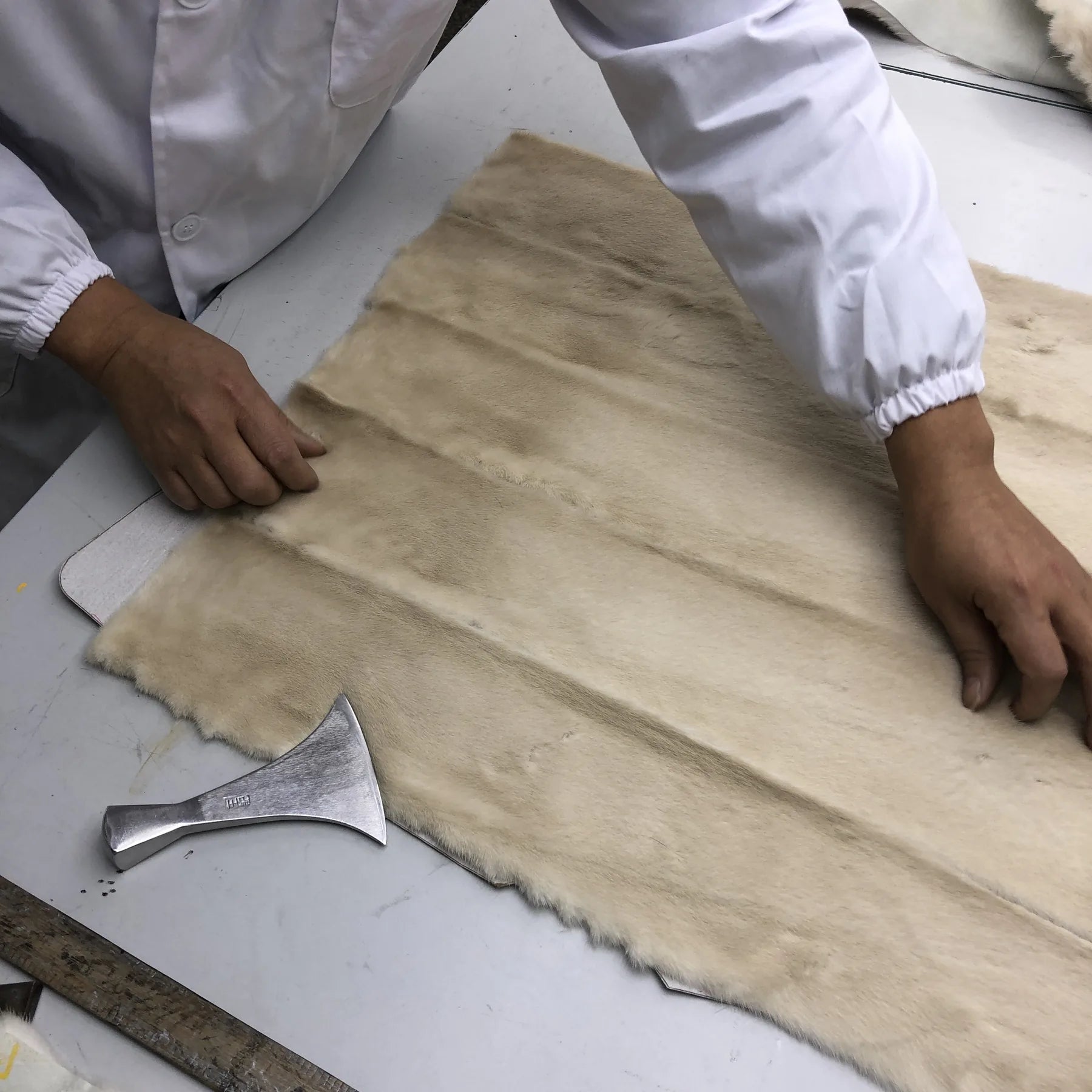
Real fur is a natural fiber system, yet natural origin does not erase impact. The pelt has to be sourced. The skin has to be dressed so it remains flexible rather than stiff or unstable. Dyeing, finishing, lining, transport, cold storage, professional cleaning, and eventual disposal all matter.
This is where certification and quality become practical rather than decorative. A real fur garment that is traceable, well made, repairable, and worn for many winters is a different environmental case from a low-quality piece that cracks, sheds, smells, or cannot be serviced. FireladyFur routes shoppers from broad material language into specific inspection through the Fur Coat Buying Guide and the fur coat selection article.
| Comparison point | Real fur | Faux fur | Buyer reading |
|---|---|---|---|
| Material base | Animal pelt with hair and leather structure. | Usually synthetic pile on a textile base. | Do not compare only the visible surface. |
| Longevity lever | Repair, restyling, relining, and careful storage can extend use. | Durability varies; pile matting and backing wear can limit attractive life. | Years of wear are central to the impact question. |
| Pollution concern | Processing, dyeing, storage, and care have impacts. | Synthetic fibers can shed microfibers and persist in the environment. | Each material has a different burden. |
| Claim risk | Natural does not automatically mean low impact. | Animal-free does not automatically mean low impact. | Look for specific, supportable claims. |
Why broad eco-friendly wording is risky
The FTC Green Guides at 16 CFR Part 260 caution against broad, unqualified environmental benefit claims. In plain English, words such as eco-friendly or environmentally friendly need a clear basis. If a seller points to one benefit, the claim should not imply that every tradeoff has disappeared.
For this page, that means the headline can be answered, but the body should soften the old certainty. A responsible answer is: real fur can compare favorably with faux fur when it is traceable, durable, repairable, worn for many years, and cared for correctly; faux fur can lower animal-use concerns, yet it often carries synthetic fiber and microfiber issues. Neither material should be sold with a one-line halo.
How to lower impact as a real fur owner
The ownership side is where consumers have real leverage. Buy fewer, better pieces. Choose a silhouette you can wear across seasons rather than a narrow novelty shape. Keep the shoulder supported on a broad hanger. Do not store fur in plastic. Keep it away from strong sunlight, damp rooms, heat vents, and perfume overspray. Repair small tears or lining stress early.
If the garment is shearling or wool-on sheepskin, compare care needs with the fur vs shearling article before treating it like a smooth leather coat. If the garment is mink, fox, or long-hair fur, start with the Fur Coat Guide and then narrow by material family.
A practical shopping checklist
Ask what is traceable
Request clear information about fur type, origin program when available, construction, lining, and care expectations.
Inspect the leather side
The hair can look attractive while the backing is dry, stiff, or weak. Flexibility and seam stability matter.
Plan the storage
A real fur coat has to live away from sunlight, damp, compression, and heat. If you cannot store it well, buy more cautiously.
Count wears, not compliments
A coat worn weekly through cold seasons usually makes more sense than a piece kept for a single event.
Editorial synthesis: the careful answer
Real fur is not automatically greener. Its environmental case depends on traceability, processing, construction quality, maintenance, repair, and years of use.
Faux fur is not impact-free. Synthetic pile raises petrochemical, microfiber, laundering, and end-of-life questions that a simple animal-free label does not solve.
Longevity is the hinge. The same coat has a different footprint when it is worn for ten winters, repaired, and stored well instead of replaced after one season.
Claims need boundaries. Specific claims about durability, repairability, fiber content, certification, or microfiber risk are stronger than broad green language.
FireladyFur's environmental wording standard
FireladyFur should treat environmental comparison as a material judgment, not a slogan. The useful brand position is careful: real fur can be a long-use, repairable natural material when sourcing and care are strong, while faux fur can still carry synthetic pollution risks.
For readers who want to understand the brand's broader editorial approach, link the claim discipline back to About FireladyFur and Editorial Standards. The page should earn trust by admitting tradeoffs before making the shopping recommendation.
Turn the environmental question into a material decision
Use the comparison and buying pages to check warmth, fiber behavior, storage burden, and whether the coat is realistic for repeated wear.
FAQ
Is real fur always more environmentally friendly than faux fur?
No. Real fur can compare favorably when it is traceable, durable, repairable, and worn for many years, but it still has sourcing, processing, storage, and care impacts.
Why can faux fur be environmentally problematic?
Most faux fur uses synthetic fibers. Research and environmental agencies connect synthetic textiles with microfiber release during washing, wearing, manufacturing, and disposal.
Is biodegradability enough to prove real fur is better?
No. Biodegradation language needs context, disposal conditions, and tradeoff analysis. A responsible comparison also includes sourcing, processing, lifespan, and care.
What makes real fur a lower-impact purchase?
Choose quality construction, traceable sourcing where available, a classic silhouette, professional repair options, and storage habits that keep the coat wearable for many seasons.
Should animal welfare and environmental impact be treated as the same issue?
They overlap in certification and sourcing discussions, but they are not identical. Environmental comparison should still address materials, pollution, durability, and end of life.


