


Mink, fox, rabbit, rex rabbit, shearling, sheepskin, and long-hair Toscana-style materials do not wear or age the same way. Good care starts by reading the material's structure before choosing storage, cleaning, brushing, or repair.
The old article had useful ambition but treated material care too evenly. A mink coat, a fox collar, a rabbit jacket, and a wool-on sheepskin coat fail in different places. The care advice should reflect those differences.
Use this as a practical material map: what each fur family feels like, where it is strong, where it is vulnerable, and what to do before moisture, heat, sunlight, pressure, or storage causes damage.
Start with material behavior, not one universal rule
The Canadian Conservation Institute's guidance for leather, skin, and fur is a strong reminder that these are organic materials affected by light, temperature, relative humidity, pollutants, handling, and storage support. It also notes that high relative humidity encourages mold and that large humidity changes can cause shrinkage, swelling, distortion, splitting, or tearing.
For everyday owners, the lesson is practical: keep fur and sheepskin away from damp storage, direct heat, long sun exposure, tight plastic covers, heavy compression, and improvised wet cleaning. Then adjust the details by material.
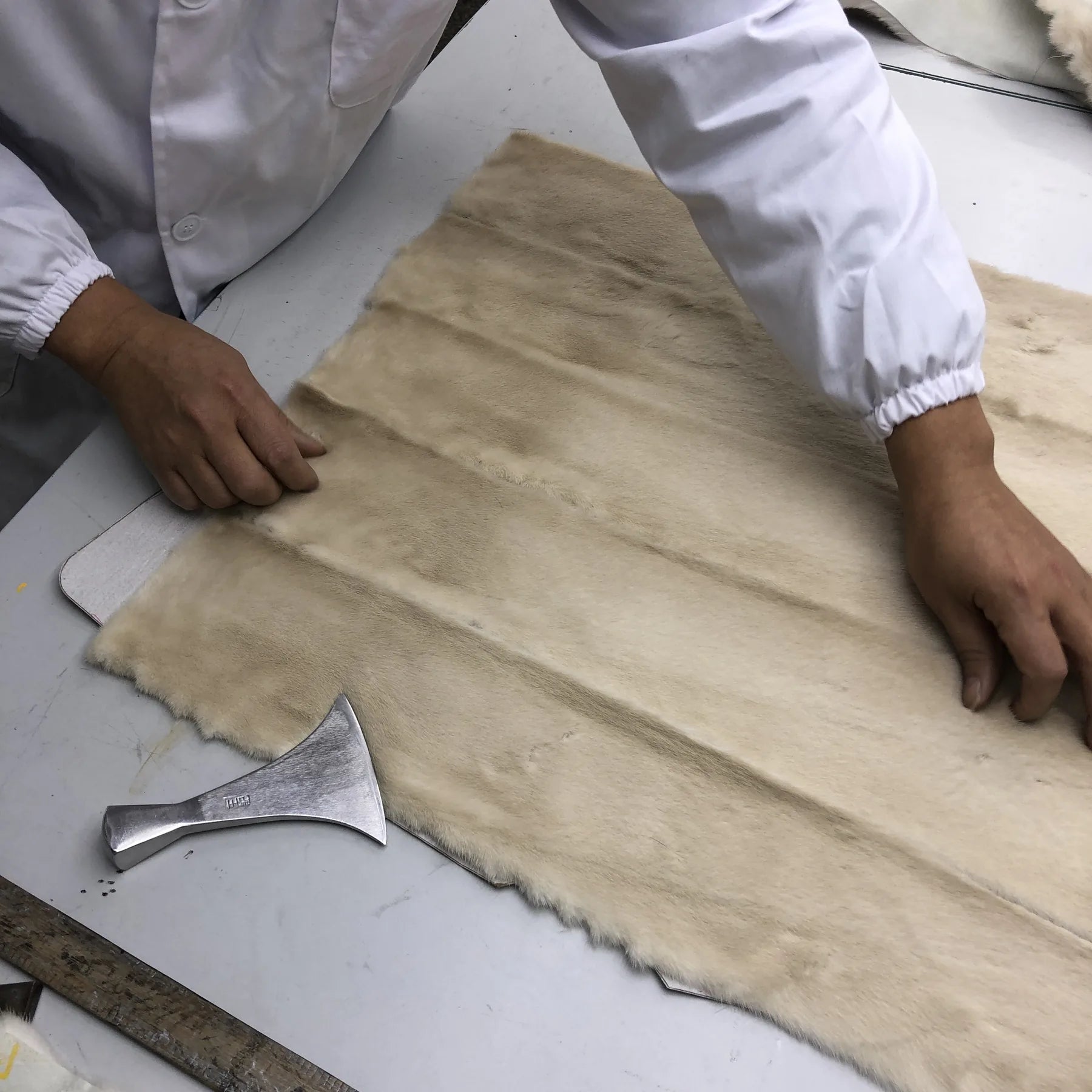
Mink: dense, refined, and sensitive to backing condition
Mink is usually valued for dense underfur, smooth guard hair, and a refined surface that can look polished without huge volume. A good mink coat should feel supple rather than board-like. The hair should not look dry, powdery, flattened, or uneven in obvious panels.
Care focus: protect the leather side. A mink coat can look beautiful on the surface while the backing becomes dry or stressed. Use a broad hanger, allow airflow, avoid direct heat, and repair lining or seam stress early. For buying checks, the mink collection and fur coat selection article give readers a next step after material education.
Fox: volume, guard hair, and collar pressure
Fox fur brings volume and movement. It is often used when the coat or trim needs a more dramatic outline. The same volume creates care issues: collars and cuffs can crush, bag straps can flatten the shoulder area, and long guard hair can look messy if the garment is compressed in storage.
Care focus: space and friction control. Hang fox with breathing room, avoid tight garment bags, and be careful with shoulder bags, seat belts, and crowded coat checks. If the reader wants a high-volume silhouette, the fox fur collection is the natural shopping route after they understand the maintenance burden.

Rabbit and rex rabbit: soft, light, and more friction-sensitive
Rabbit and rex rabbit are often chosen for softness, lightness, and approachable texture. They can be comfortable, but they are usually less forgiving around repeated friction than denser, stronger fur families. Seat belts, handbag straps, cuffs, and chair backs can show wear faster.
Care focus: reduce abrasion. Choose the garment for light to moderate wear, keep it away from hard daily rubbing points, and do not treat softness as proof of durability. If a rabbit or rex rabbit coat is meant for frequent commuting, inspect high-contact zones more often than you would on a dressier occasional piece.
Sheepskin and shearling: wool warmth with leather structure
Sheepskin and shearling are two-sided materials: wool side and leather side. That makes them warm and practical, but it also means care mistakes can affect both pile and backing. The fur vs shearling comparison explains why shearling should not be treated like a smooth leather jacket or like a pile-only faux lining.
Care focus: moisture and drying. Do not soak wool-on sheepskin. If it catches light moisture, shake gently, hang with airflow, keep it away from a heater, and let it dry naturally. Avoid plastic storage because trapped moisture and low airflow can create odor or mold risk.

Toscana, Icelandic, and other long-hair sheepskins
Long-hair sheepskin looks luxurious because the pile is visible. That visibility makes crushing and matting easier to notice. Toscana-style sheepskin often needs a smoother, silkier surface to stay elegant, while Icelandic-style long wool can accept more natural irregularity but still needs protection from compression.
If the reader is comparing long-hair families, the sheepskin collection and shearling coat collection should be connected to pile-length and care expectations, not only style.
| Material | Best characteristic | Care priority | Watch zone |
|---|---|---|---|
| Mink | Dense, refined, smooth surface. | Protect backing flexibility and lining stress. | Shoulder, seams, hem, storage dryness. |
| Fox | Volume, long guard hair, strong outline. | Avoid crushing and repeated strap friction. | Collar, cuffs, shoulder, seat belt line. |
| Rabbit / rex rabbit | Soft, light, comfortable texture. | Reduce abrasion and high-frequency rubbing. | Cuffs, elbows, bag side, chair-back contact. |
| Sheepskin / shearling | Wool warmth plus leather structure. | Control moisture, airflow, and backing condition. | Wool pile, suede/nappa side, seams, closure. |
| Long-hair Toscana / Icelandic | Visible long pile and texture. | Prevent matting, crushing, and damp storage. | Collar, cuffs, hem, seat, packed storage. |
Storage rules that apply across fur materials
Good storage is the quiet part of fur care. Use a shaped hanger that supports the shoulder. Give the garment room. Keep it out of sunlight. Avoid damp basements, hot attics, plastic covers, and compression under other coats. If a garment needs seasonal help, start with the Fur Coat Care Guide and the Ultimate Fur Coat Care Guide.
A normal closet can work for short periods when it is cool, dry, dark, and ventilated. Longer storage, expensive coats, old skins, or pieces already showing dryness, odor, tearing, or shedding need professional advice. The owner should not experiment with steam, washing machines, hair dryers, oils, alcohol sprays, or household stain removers.
What to do after rain, sun, pressure, or odor
After light moisture
Shake gently, hang with airflow, and let the garment dry away from heat. If the leather side feels wet or stiff, stop and use professional service.
After strong sun exposure
Move it to shade and check color, dryness, and leather feel. Sun can fade color and dry skin structure over time.
After bag or seat-belt pressure
Let the pile relax in open air. If crushing remains, avoid brushing aggressively and ask a fur professional before forcing the fibers.
After odor or visible mold
Do not spray perfume or seal it in plastic. Isolate the garment, improve airflow, and use professional cleaning or conservation advice.
Use the main Fur Coat Guide for the full material route, then narrow to care, comparison, or buying based on what the garment needs.
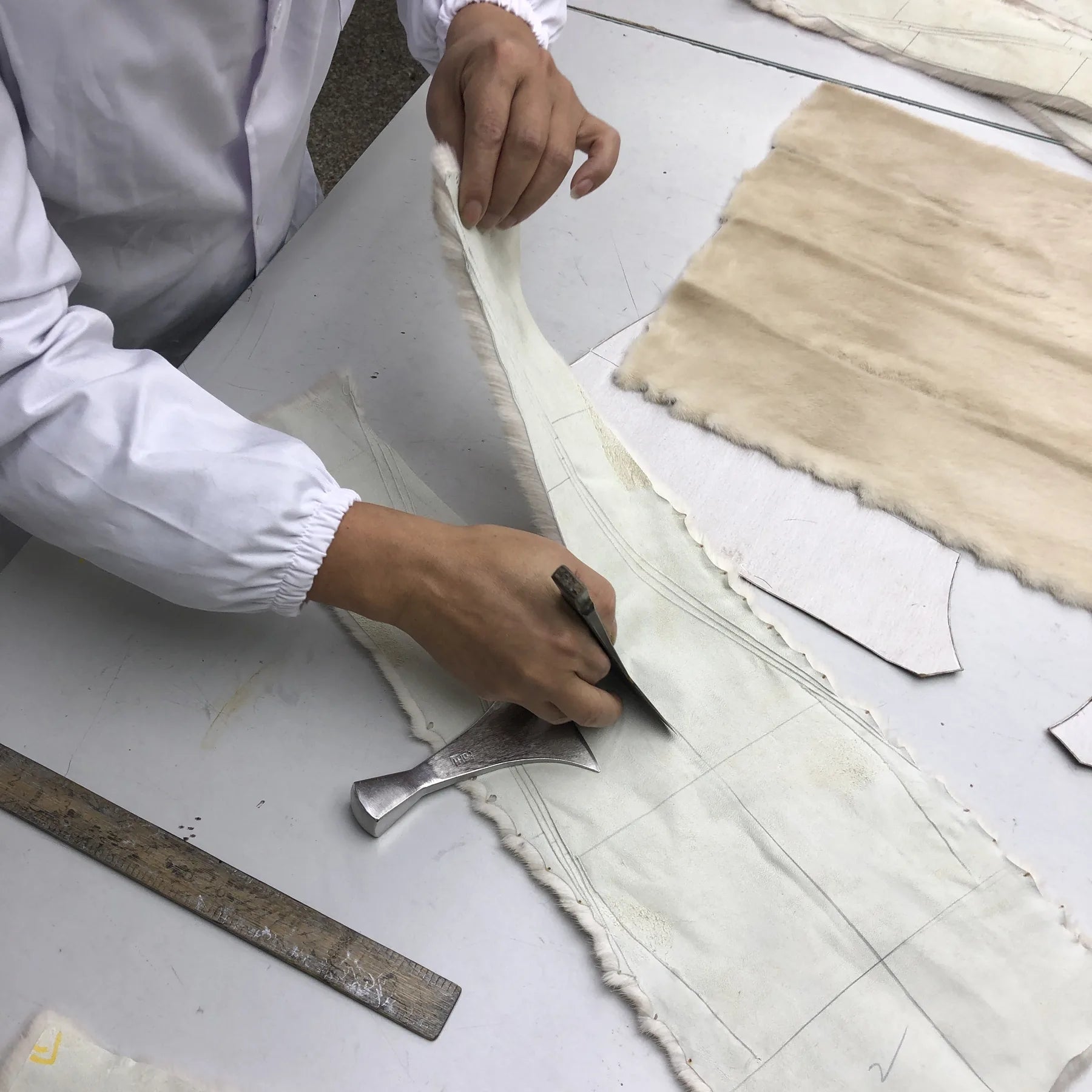
Editorial synthesis: care by material
Mink care is backing care. The surface can look refined while the leather side, seams, and lining carry the long-term risk.
Fox care is volume care. Give it room, reduce strap friction, and protect collar and shoulder pile from crushing.
Rabbit care is abrasion care. Softness is not the same as high daily-wear resistance, so monitor contact points early.
Shearling care is two-sided care. The wool side and leather side must both be protected from moisture, heat, and poor storage.
Long-hair sheepskin care is pile care. Toscana and Icelandic-style surfaces need airflow, gentle handling, and protection from matting.
FireladyFur's care judgment
FireladyFur should treat material care as part of buying advice, not an afterthought. A shopper choosing mink, fox, sheepskin, or long-hair Toscana needs to know how the material behaves after sitting, storage, shoulder-bag friction, humidity, and cleaning.
That is why FireladyFur's care content links back to About FireladyFur and Editorial Standards: the brand recommendation should protect both the garment and the owner's realistic routine.
Choose a material you can maintain
Before buying by texture alone, compare the material's friction points, storage needs, and care burden against your actual winter routine.
FAQ
Which fur material is easiest to care for?
No fur is care-free. A dense, well-made mink or a sturdy shearling can be practical when stored well, but the easiest choice depends on how often you wear it, where it rubs, and whether you can avoid damp and heat.
Does fox fur need different care from mink?
Yes. Fox fur has more volume and longer guard hair, so crushing, collar pressure, shoulder-bag friction, and tight storage are bigger concerns.
Is rabbit fur durable for everyday wear?
Rabbit and rex rabbit can be soft and comfortable, but they are usually more sensitive to repeated friction. Inspect cuffs, elbows, bag contact, and seat areas early.
How should sheepskin or shearling be stored?
Store it on a supportive hanger in a cool, dark, ventilated area. Avoid plastic covers, damp rooms, heat, compression, and soaking the wool-on hide.
Can I clean fur at home?
Routine airing and light surface care are different from cleaning. Do not wash, steam, heat-dry, oil, or spray fur at home. Use professional help for stains, odor, moisture damage, mold, or leather-side stiffness.
What is the first sign a fur garment needs professional care?
Persistent odor, visible mold, tearing, stiff leather backing, shedding, crushed pile that does not relax, stains, or lining/seam stress are reasons to stop experimenting and ask a professional.


