


A tonal fur outfit succeeds when the surfaces do not collapse into one block. Knit, leather, denim, suede, wool and fur can stay in one color family while still giving the eye something to read.
Monochrome is a texture decision before it is a color decision
A tonal fur outfit can look controlled and expensive, but it can also turn into one flat column. The difference is surface. Fur, ribbed knit, smooth leather, denim, suede, wool and a quiet bag may stay in the same color family while giving the eye separate layers to read.
If the coat shade is still open, start with which fur coat color will you wear most. Once the color family is settled, the better test is whether the outfit can stay tonal without looking flat.
The outfit should not look like the same fabric repeated from neck to shoe. A black fur jacket over black ribbed knit and black denim has more life than black fur over a flat black dress and flat black pumps. Cream fur over oatmeal knit, ivory trouser and suede boot can feel soft; cream fur over three nearly identical smooth surfaces can look unfinished.
| Color family | Best scene | What gives it depth |
|---|---|---|
| Black | City polish, dinner, office arrival. | Leather, ribbed knit, denim, velvet, visible jewelry. |
| Cream | Winter white, soft daylight, quiet dinner. | Ivory, oatmeal, suede, chocolate or a black shoe. |
| Brown | Warm casual outfits, denim, leather, weekend. | Espresso, caramel, cream, gold, blue denim. |
| Grey | Modern quiet styling. | Charcoal, silver, black, blue denim, sharper wool. |
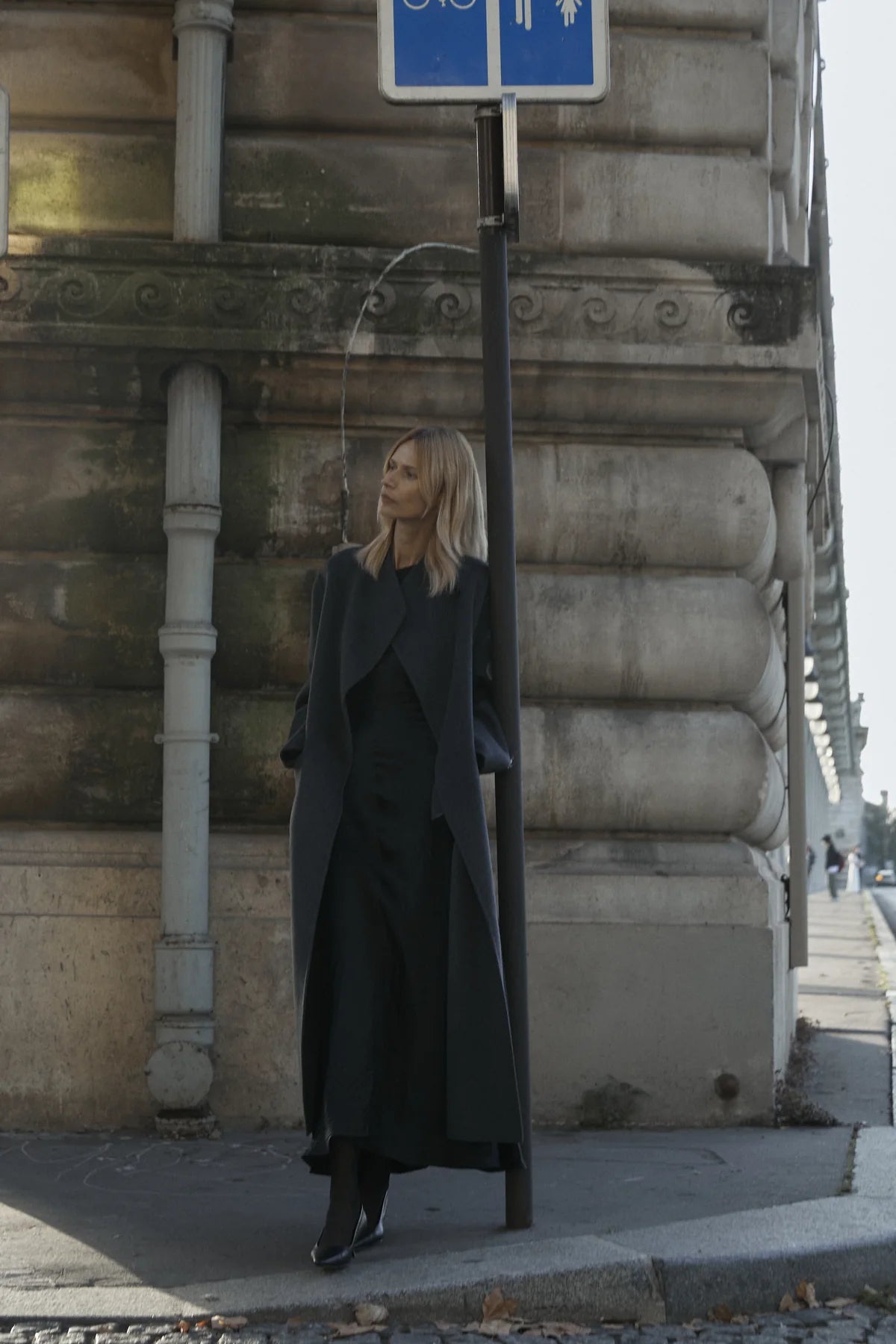
All black needs one visible break
Black-on-black works best when the base layer still has a line. A semi-open neckline, a belt, a boot shaft, a trouser break or a ribbed knit gives the fur something to sit against. Without that break, even a good coat can read as one dark mass.
For black outfits specifically, use black fur coat outfits. That page goes deeper on neckline, denim and edge control.
The break does not have to be bright. A difference in surface is enough: matte denim against glossy leather, ribbed knit against smooth mink, a trouser crease under a fuller coat. If the first instinct is to add a colored bag, try improving the black layers first.
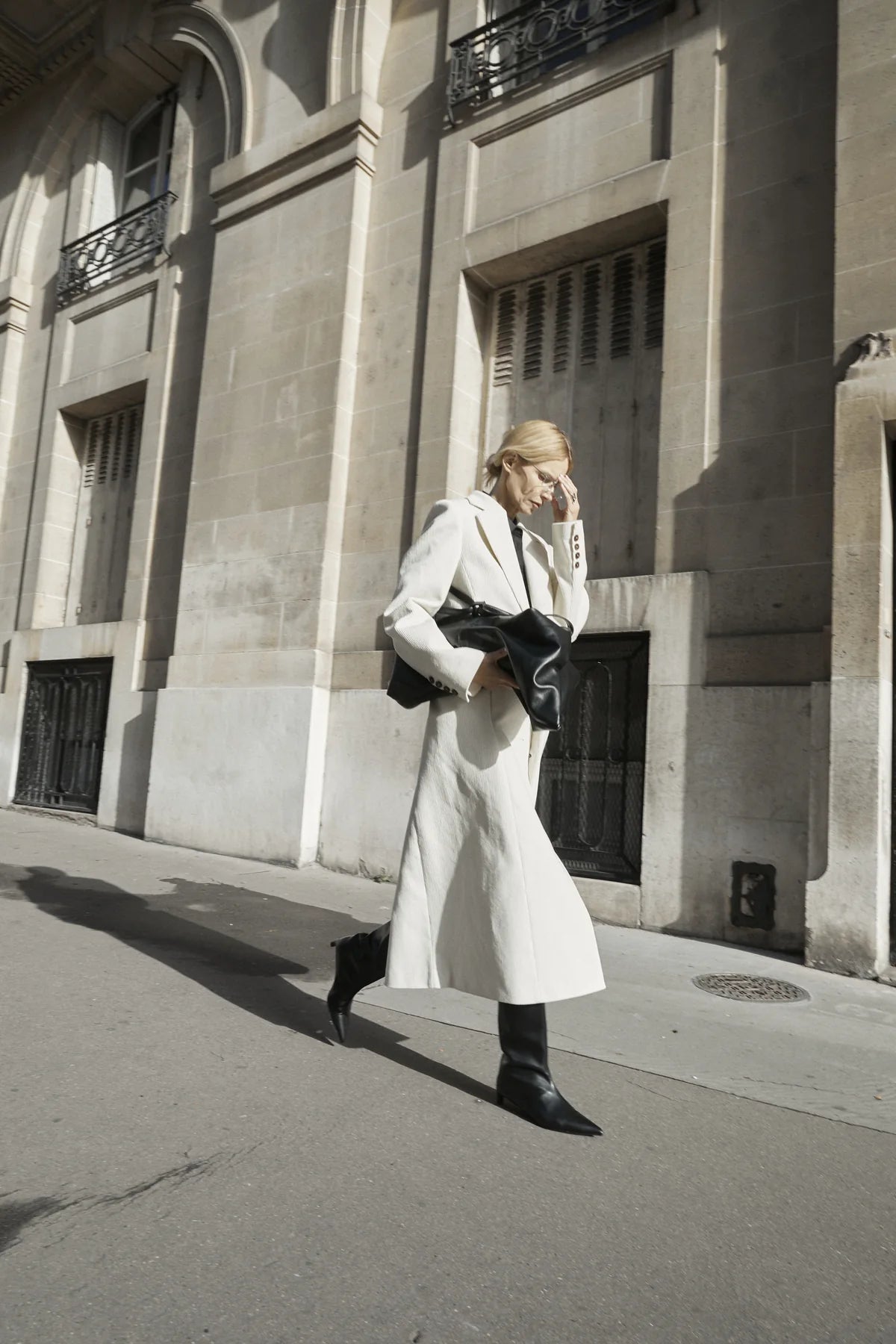
Cream monochrome is beautiful only when the undertones agree
Cream, ivory, oatmeal and winter white can make fur look soft instead of formal. They also show small mismatches quickly. One yellow cream beside one grey ivory can make the outfit feel unplanned, even if every piece is technically pale.
Start with texture changes: smooth knit, denser fur, suede boot, wool trouser. Add a chocolate boot or small black bag only if the pale outfit feels like it is floating away from the body.
If the coat is the cleanest cream in the outfit, let the knit or trouser go slightly warmer rather than fighting it. If the coat is ivory, avoid a yellow cream bag that makes the fur look grey. A small chocolate shoe can settle the palette when the pale tones are close but not identical.
Do the cream pieces still belong together indoors?
Daylight may forgive pale tones. Restaurant lighting often makes the wrong cream turn yellow or grey.
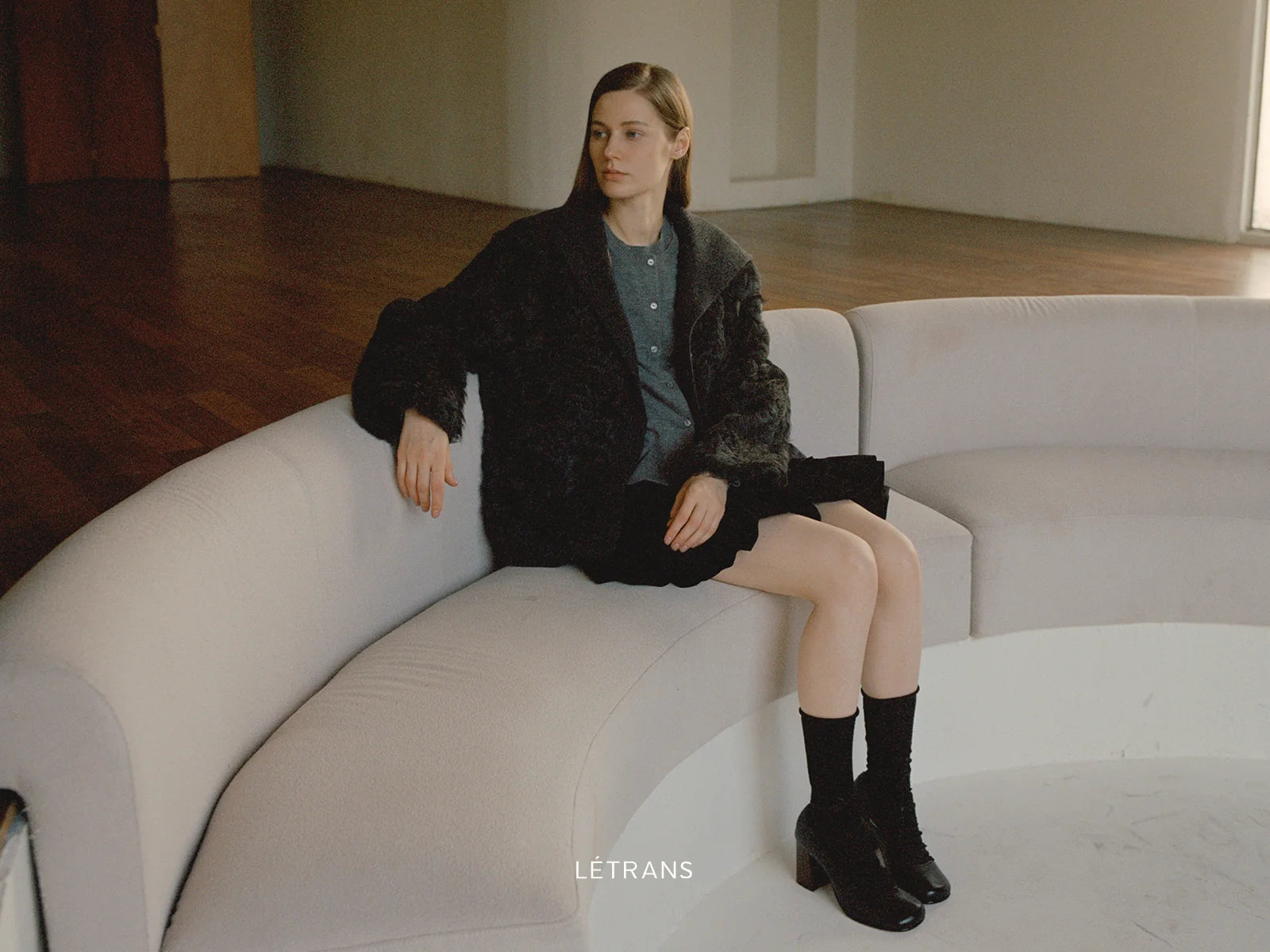
Brown monochrome should move through several depths
A brown tonal outfit looks best when it travels from dark to light: espresso coat, caramel knit, chocolate boot, suede bag, cream tee or gold jewelry. One middle brown from collar to shoe rarely has enough shape.
For warm-toned outfits, continue with brown fur coat outfit ideas. Brown has more undertone traps than black, so exact matching is usually less useful than depth.
Think of brown monochrome as a range, not a match. If the coat is chocolate, let the knit go lighter and the boot go darker. If the coat is caramel, use espresso or black somewhere low on the body. A small cream edge near the face can keep the warmth from becoming heavy.
Accessories should finish the tone, not rescue it
A bag, belt or jewelry can make monochrome look complete, but it cannot rescue a base with no shape. Build the outfit first, then choose an accessory in the same temperature: warm metal with brown, silver or black with grey and black, soft gold with cream.
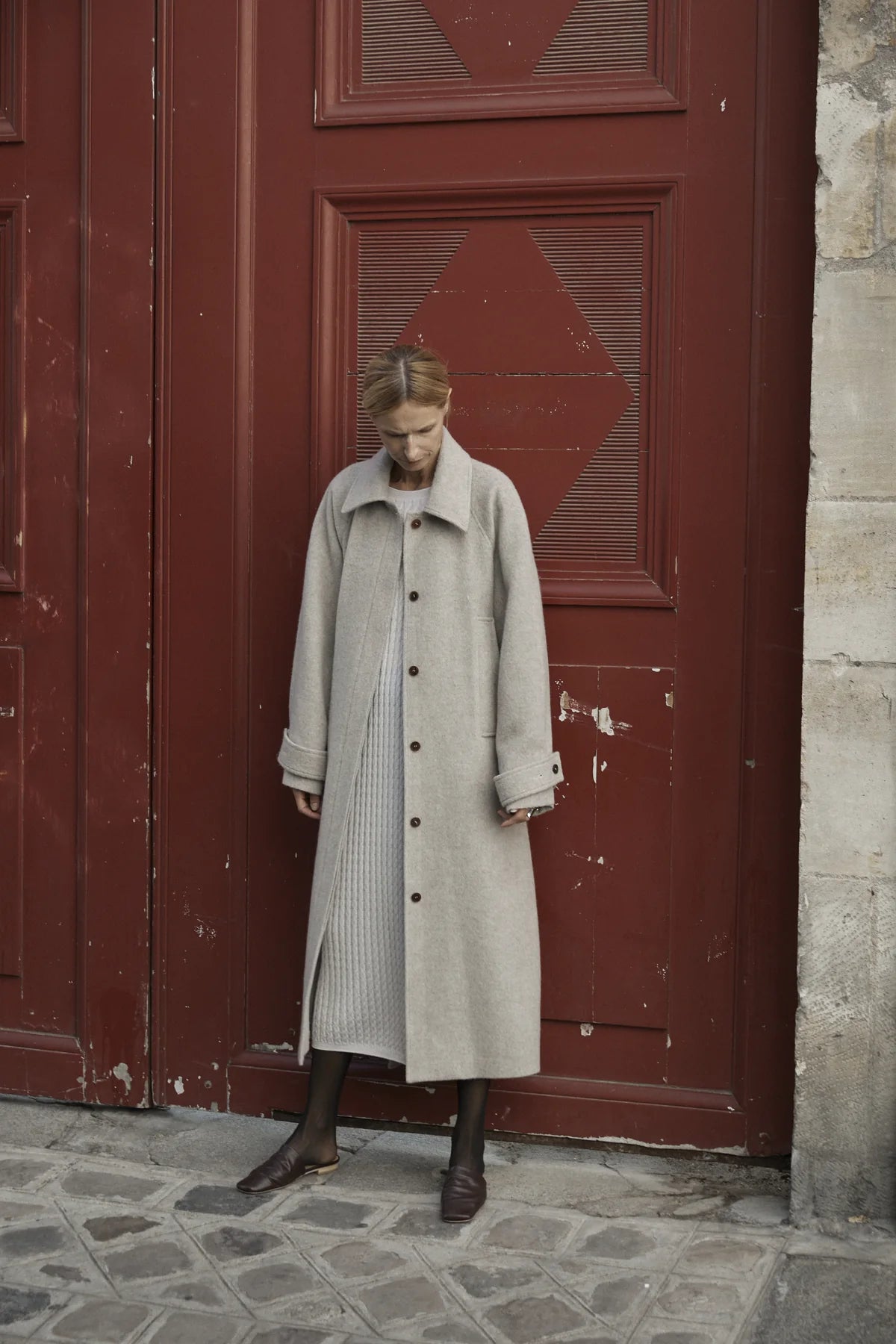
Monochrome should be checked in daylight and side view.
FireladyFur would not judge monochrome by matching labels alone. The question is whether fur, knit, leather, denim and bag still separate in daylight and from the side. If the surfaces disappear into one block, the color match is too perfect to be useful. Brand context: About Firelady Fur.
 MinkUse when cream and white outfits need a smoother, quieter surface.
 Fox FurUse when the light coat is meant to be the visible winter statement.
 OuterwearUse when weather and daily practicality make pure pale fur too delicate.
If tonal styling is solving the outfit but not the coat choice, return to Fur Coat Styling Guide. If surface, material value or ownership starts to matter more, use the Fur Coat Guide; for brand context, use Firelady Fur Guide.
Let monochrome depend on surface, not sameness
Tonal outfits need texture, undertone and structure to carry the look after the coat opens.
Use texture as the second color
In a monochrome outfit, texture does the work that color normally does. Fur, knit, leather, denim, suede, wool and satin can all belong to the same color family while looking distinct. A black fur coat over a black ribbed knit and leather boot reads differently from black fur over a flat black dress and flat black shoe. The first has depth; the second can disappear.
Tonal outfits need honest undertones
Cream and brown monochrome outfits depend on undertone. Hold the pieces together in daylight. If one cream looks yellow and another looks grey, do not force them to match. It is better to add a deliberate contrast than to pretend almost-matching neutrals are the same.
Use jewelry sparingly
Monochrome can handle jewelry, but it should not become the only thing giving the outfit life. Let fabric and shape do most of the work, then use jewelry as a finish. Gold often warms brown and cream. Silver can sharpen black and grey. Both work when they support the color family rather than rescue it.
Check tonal outfits in real light
Cream, brown and black monochrome each flatten in a different way, so product photos alone are not enough.
Use one intentional break if the look feels flat
A monochrome outfit can use one small break: a metal buckle, a dark sole, a white shirt edge, a brown bag, or a blue denim undertone. The break should support the color family rather than interrupt it. If the outfit looks lifeless, add depth first. If it still feels flat, add a single break and stop.
What to check in product photos
Product photos rarely show monochrome styling mistakes because the background is controlled. Check the coat against actual pants, shoes and bags, not only a studio wall. If the coat and base are close in color, check whether the seam, collar and hem are still visible from a few steps away.
Make tonal dressing readable from more than one distance
A monochrome outfit should look simple from across the room and interesting up close; texture, structure and undertone do that work.
Let texture create the second note
The closet needs more than one surface inside the same color family. Fur, ribbed knit, denim, suede, leather, wool or satin can all stay tonal while giving the eye something different to read. A ribbed knit, leather boot, denim wash or suede bag can carry the variation that color would normally provide.
Monochrome works best where detail can be seen
The strongest scenes are city dinners, office arrivals, gallery days and clean routes where subtle texture can be noticed. Subtle outfits need rooms and routes where fabric, cut and surface are visible. In messy weather or low light, add one stronger anchor so the look does not disappear.
Check whether the same-color pieces still have edges
The photo and mirror test is simple: check whether seams, collar and hem still read when the coat and base are nearly the same color. If the coat melts into the base, add depth before adding a new color. A belt, boot shaft, shirt edge or bag shape can give the outfit a readable line while staying monochrome.
The monochrome mistake is too much sameness
The common mistake is flattening every piece into one identical shade until the outfit loses shape. Exact shade matching is less important than separation. Let the color family stay together while the surfaces do different jobs.
Buy the coat for texture depth, not only color family
Choose a coat whose texture gives the monochrome outfit enough depth without depending on loud accessories. If the same-color outfit keeps looking flat, compare How to Style Textured Fur So the Outfit Still Looks Clean.
Use small breaks without losing the tonal story
A buckle, shirt edge, boot sole or fabric change can give monochrome air without turning it into a contrast outfit.
Do not force exact shade matching
A monochrome outfit does not require every piece to match perfectly. In fact, near matches can look accidental when undertones are slightly off. Use a color family instead: ivory with cream, espresso with chocolate, charcoal with black, oatmeal with camel. Let texture do part of the work.
One small break can make monochrome easier
A silver buckle, brown sole, white shirt edge, gold earring or darker bag can help a monochrome outfit breathe without breaking the color story. The break should be small and deliberate. If it becomes the main feature, the outfit is no longer really monochrome.
Light monochrome needs more texture than dark monochrome
Cream and oatmeal outfits can look beautiful, but they need strong texture differences: fur, ribbed knit, suede, wool, leather or denim. Black monochrome can rely more on silhouette and shine. Light monochrome needs the surfaces to separate clearly.
Check monochrome from across the room
Close up, the textures may look distinct. From a few steps away, they can merge. Take one full-body photo before deciding the outfit works. If the coat disappears into the base, add a sharper shoe, stronger bag shape or one visible layer edge.
When one color family starts to flatten the wearer
The goal is control, not disappearance. If the wearer vanishes into the palette, add structure before adding a new color.
Monochrome should not erase the wearer
If the outfit becomes so smooth and single-toned that the person disappears, add texture near the face or a clearer shoe line. The goal is control, not invisibility.
Use daylight for cream and brown monochrome
Cream and brown families shift heavily in daylight. Test them outside or near a window before deciding the outfit works. Warm indoor light can make almost-matching neutrals look closer than they really are.
All-black monochrome needs movement
Black fur with black clothing can look powerful, but it needs a visible break: ribbed knit, belt, trouser line, leather shine or a different boot surface. Without that break, the look can feel like a coat-shaped shadow.
Monochrome is a good answer for busy texture
When the fur surface is shaggy, curly or patchwork, a monochrome base can calm it. The color family stays simple while texture carries the interest. This is often easier than adding a second accent color.
The outfit should still be readable after the coat opens
Monochrome often looks strongest at the entrance, when the coat controls the whole column. The more revealing test comes later: the coat opens, the bag moves, the shoe line shows, and the base layer has to carry the same tonal story without the fur doing all the work.
Build the outfit from the inside out once. If the inner layer, lower half and shoe already look intentional together, the fur can sit on top and make the look richer. If the base feels blank, the coat will feel like a cover-up rather than a finish.
This is especially important for restaurant, office and travel outfits. The coat may not stay on, and the tonal idea should still be visible in the knit, trouser, shoe or bag after it is removed.
Tonal dressing is easiest when one piece has structure
A monochrome outfit can use softness everywhere, but it usually looks better when one piece has a clear shape. That piece might be a straight trouser, a leather boot, a ribbed turtleneck, a structured bag or a coat with a defined shoulder.
Without that structure, the color story may be calm but the outfit has no spine. With it, the tonal palette feels deliberate. The viewer notices the surface changes rather than wondering where the outfit begins and ends.
This matters most with cream, taupe and soft brown. Dark monochrome has more shadow to help it; light monochrome asks the garment shapes to do more visible work.
A phone photo from across the room is useful here. Close up, every fabric may look different. From distance, the outfit may merge. If that happens, add one sharper line before adding another color.
The most reliable tonal outfits look simple from far away and interesting up close. That balance is what keeps monochrome from feeling flat or overworked.
If the look cannot pass both distances, adjust texture before changing color.
Find three different surfaces before adding color.
If the outfit is one color but every surface reads the same, add ribbed knit, leather, denim, suede or a clearer shoe line before using an accent.
FAQ
What is a monochrome fur outfit?
It uses one color family across coat, clothing, shoes and accessories, with variation in texture, depth or undertone.
Can I wear all black with fur?
Yes. Use texture changes and visible shape so the outfit does not become a flat block.
How do I make cream monochrome work?
Keep undertones close, use different textures, and add a small darker anchor if the outfit feels too pale.
Build tone before accessories
Choose the color family, vary texture, then let one shoe or bag finish the line.


