

1
Observable evidence first
Photos, measurements, lining condition, cuffs, closures, fur texture, and visible wear should matter more than vague luxury language.
Born of Nature, Bred in Warmth.| 11 years of focus on fur
This page explains how we write FireladyFur guide content. Our guides are meant to help shoppers compare material, warmth, fit, care, styling, and resale risk in plain language. They are not meant to replace product photos, measurements, a furrier, a cleaner, or an in-person inspection.



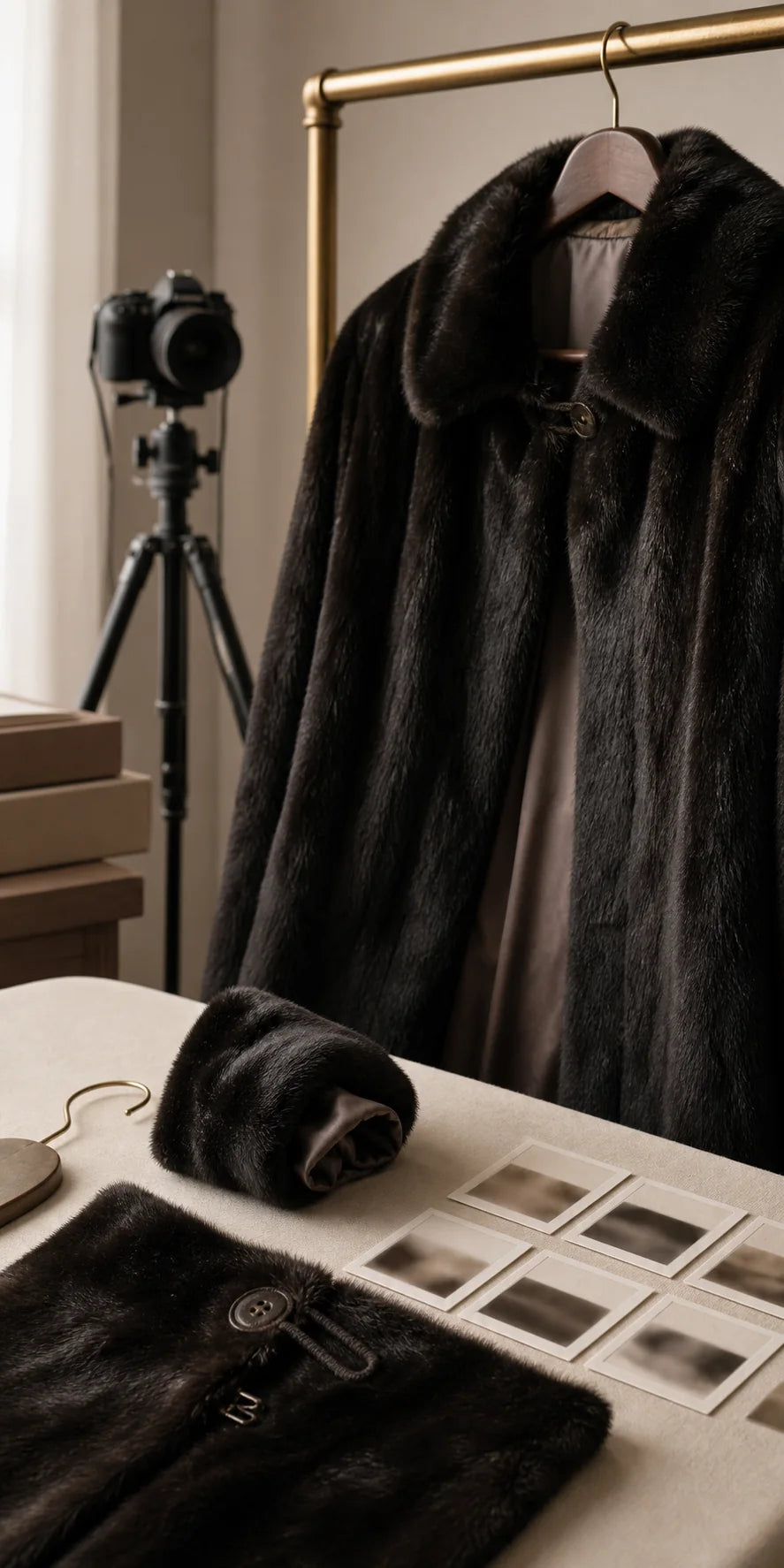
FireladyFur guides are written to help readers think through material, warmth, weight, fit, movement, care, and resale risk. A beautiful description is not enough if the reader still does not know what to check, what trade-off matters, or when a professional opinion is safer.
Readers should leave a guide knowing which details affect warmth, comfort, care burden, and long-term confidence.
A recommendation should consider material family, length, sleeve movement, storage needs, sitting comfort, and daily wear, not only how the coat looks in a photo.
When hidden damage, odor, hard leather, active shedding, repair cost, authentication, or exact resale value matters, the guide should tell readers where a page cannot be certain.
Recommendations should not come from one simple question like "does it look good?" A useful fur coat guide has to weigh comfort, warmth, movement, care, storage, and buyer risk together.
How warm does the coat need to be?
Material, lining, length, wind exposure, weight, and the climate or occasion the reader is buying for.
Will it move well on the body?
Fit, shoulder room, sleeve movement, closure placement, hem length, driving comfort, and sitting comfort.
Can the owner care for it realistically?
Storage space, moisture exposure, cleaning needs, travel use, daily wear, and how much care tolerance the buyer has.
What risk should the buyer check before acting?
Product photos, measurements, lining, cuffs, closures, odor notes, shedding, hard leather, tears, moisture damage, and return terms.
What is the next useful step?
Read the matching guide, compare a material, check condition details, choose a care route, contact FireladyFur, or shop with a clearer filter.
FireladyFur guide content covers the questions shoppers usually ask before they buy, wear, care for, compare, or resell a fur coat. The range includes both product-family topics and practical ownership questions.
Which coat, material, length, warmth level, and budget range makes sense?
Buying criteria, fit checks, warmth trade-offs, product photos, and risk signals.
How should a coat be stored, cleaned, protected, repaired, or checked?
Storage, humidity, odor, shedding, moisture risk, cleaning limits, and when to call a furrier.
How can the coat work with real outfits, occasions, shoes, bags, and layers?
Proportion, silhouette, color, texture, dress code, daily wear, and movement.
What makes a vintage or secondhand coat easier or harder to trust?
Condition wording, photos, measurements, lining, cuffs, odor, shedding, repair risk, and buyer confidence.
How do mink, fox, shearling, faux fur, fur trim, and nearby material choices differ?
Warmth, texture, weight, care needs, appearance, use case, and comparison trade-offs.
Vintage and resale advice has to be careful because the most important details are often condition details. FireladyFur guides should help readers describe what can be observed and avoid language that promises more than the evidence supports.

Photos, measurements, lining condition, cuffs, closures, fur texture, and visible wear should matter more than vague luxury language.
A useful resale description should say what a buyer can check: odor, shedding, hard leather, tears, lining wear, bald patches, storage marks, and repair history.
Guides can explain what usually affects buyer trust, but they should not promise a final sale price, rarity, demand, or exact market value.
If odor, hard leather, active shedding, tears, or moisture damage appears, a furrier, cleaner, or repair specialist is a better next step than confident resale wording.
A FireladyFur guide can explain visible signals, common risks, and sensible next steps. It should not behave like a medical, legal, appraisal, authentication, repair, or remote diagnosis service.
Medical, legal, or professional appraisal questions
The guide can describe general buying, care, styling, comparison, or resale considerations and suggest what a reader may want to verify.
We do not make medical, legal, insurance, tax, authentication, or professional appraisal promises.
Secondhand and vintage fur value
The guide can explain condition signals that usually affect buyer trust, such as lining, cuffs, closures, odor, shedding, hard backing, and measurements.
We do not guarantee resale value, final sale price, rarity, buyer demand, or hidden condition from a page view.
Odor, hard leather, shedding, tears, or moisture damage
The guide can explain why these signals should lower confidence and why they may need professional review.
When those signals appear, the safer next step is a furrier, professional cleaner, or repair specialist rather than a confident article answer.
Fit, warmth, and use scenarios
The guide can compare warmth, weight, length, sleeve movement, storage demands, driving comfort, and care tolerance.
We do not promise that one coat will fit every climate, body, wardrobe, daily schedule, or care habit.
FireladyFur recommendations are shaped by product knowledge, material experience, and customer-use scenarios. When a guide links to a collection or product path, the goal is to help readers continue the same decision, not to replace fit, care, or condition judgment.
A product path should appear after the guide has named the real decision: warmth, fit, material, styling use, care tolerance, resale risk, or product-family comparison.

FireladyFur does not need to promise a fixed monthly update schedule to be useful. What matters is correcting outdated links, images, advice statements, and product paths when they are found.
Product links
Collections, product availability, product-family paths, or internal guide links may change over time.
Links should be updated when a better current path exists or removed when they no longer help the reader.
Guide advice
Care guidance, buyer questions, collection focus, or comparison needs may shift.
Guides may be revised when reader questions, product context, care advice, or category coverage changes.
Errors and outdated statements
A link may break, an image may be outdated, or a recommendation may need clearer limits.
Outdated links, images, product details, and unsupported statements should be corrected when found.
These pages give readers the clearest next paths after reading the editorial standards.
These answers summarize how FireladyFur guide advice is written, where product advice fits, and where a guide should stop.
Fur coat advice can affect buying, care, styling, and resale decisions. These standards keep FireladyFur guides focused on practical checks such as material, warmth, fit, care burden, photos, measurements, and condition signals.
FireladyFur guides cover fur coat buying, care, styling, comparison, resale and value, and material topics including mink, fox, shearling, faux fur, fur trim, and related product-family decisions.
Recommendations consider warmth, weight, fit, shoulder and sleeve movement, daily wear, driving and sitting comfort, storage, care tolerance, buyer risk, product photos, and condition signals.
FireladyFur is a store as well as a guide publisher. Product recommendations are shaped by product knowledge, material experience, and customer-use scenarios, and product links should help readers continue the same decision rather than replace fit, care, or condition judgment.
A guide can explain observable condition signals, but it cannot guarantee resale value, remotely diagnose every vintage coat, confirm repair cost, authenticate a coat, or replace a furrier, professional cleaner, repair specialist, or in-person inspection.
Readers can contact FireladyFur if a guide has an outdated link, incorrect product path, unclear recommendation, broken image, or information that should be corrected. Helpful feedback keeps the guide system useful.
