

Value Lens
Condition, material, and demand set the exit.
Born of Nature, Bred in Warmth.| 11 years of focus on fur
Decide whether a fur coat is worth selling, repairing, restyling, keeping, donating, or replacing by reading condition, material, repair cost, and demand together.
Condition, material, and demand set the exit.

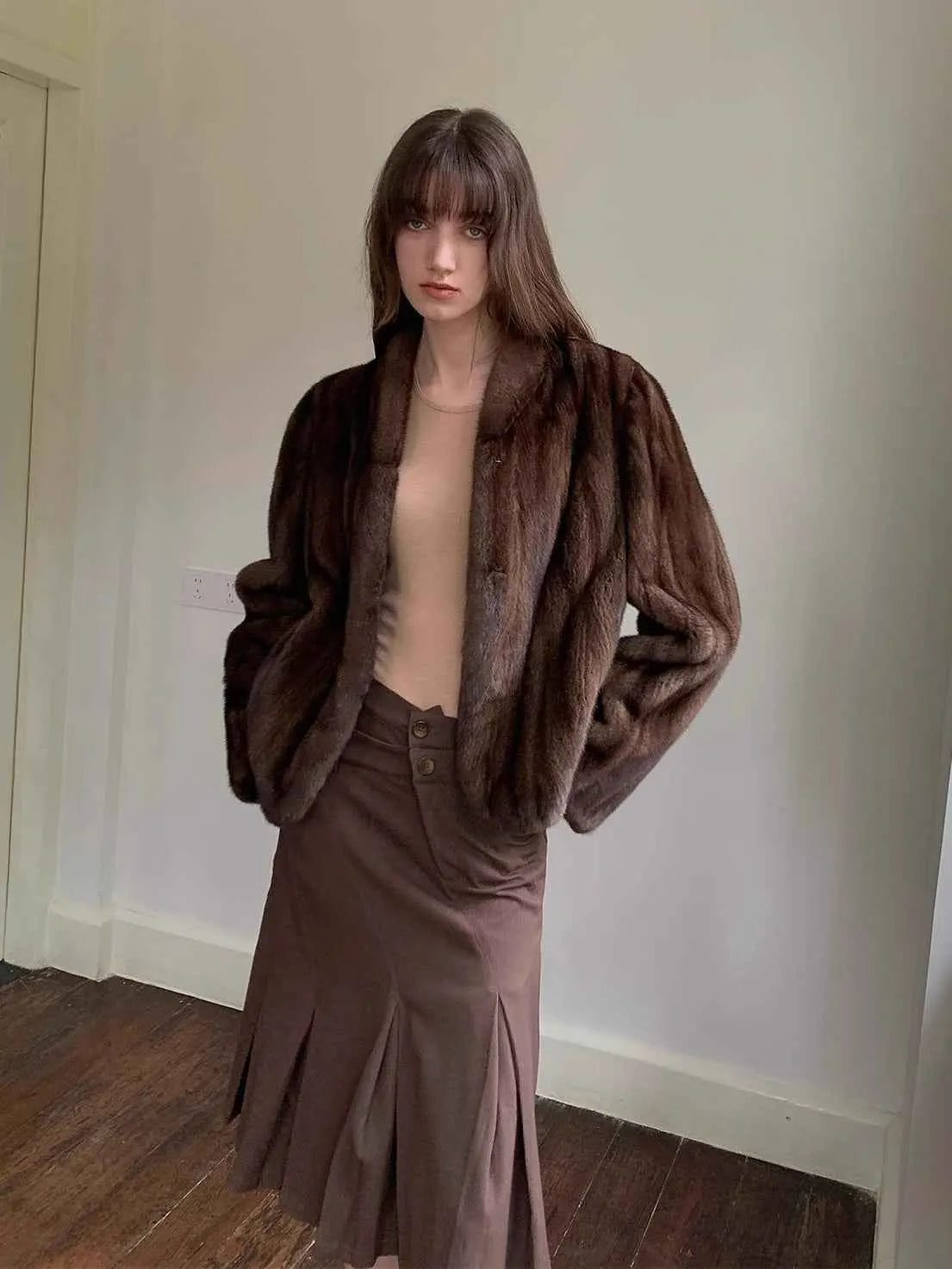
A fur coat's value is not just its original price. Resale confidence comes from clean texture, flexible leather, stable seams, clear care history, wearable sizing, and a silhouette that buyers still want.
Use this page when a coat is older, inherited, rarely worn, being repaired, or being compared against replacement. The goal is to choose the outcome that protects the most practical value.
Start with condition, then material, then age and rarity, then care records, then demand. If the repair cost is higher than the value it protects, resale may not be the best outcome.
A strong resale path is specific: list it as-is, make a small repair, restyle the coat, keep it, donate it, or replace it with a piece that fits current use better.
This page is the value and resale section inside the Fur Coat Guide. It focuses on condition, material, age, rarity, care history, repair cost, and the decision between resale, restyling, donation, keeping, or replacement.
If you still need the broader topic map for coat types, care, styling, warmth, or material comparisons, start with the parent guide first.
Stay here when the main question is whether an existing coat is still valuable enough to list, repair, restyle, keep, donate, or replace.
Move sideways into buying, care, styling, or comparison only when that guide answers the next practical decision.
Before you list, repair, or replace the coat, narrow the judgment to four questions: is the condition trustworthy, is the material recognizable, does the silhouette have demand, and does the repair math work?
Odor, dryness, shedding, stains, lining damage, missing closures, bald patches, and crushed pile can lower value faster than material can raise it.
Check Inspection Paths →Mink, fox, shearling, rabbit, and trim have different ceilings. Read material together with density, construction, skin flexibility, finish, and care history.
Review Material Value →Vintage character helps only when the coat is still wearable, recognizable, and easy for a buyer to style. Rarity without demand rarely protects price.
Compare Decision Paths →Small repairs can remove buyer objections. Major reconstruction, odor work, or broad restyling should be weighed against likely resale gain.
Check Repair Math →Most resale risk comes from buyer uncertainty. If the coat cannot prove condition, care, wearability, or repair economics, price confidence drops quickly.
Odor, dryness, shedding, stains, lining tears, missing closures, bald patches, and crushed pile create immediate buyer objections.
Hard-to-style length, dated shoulders, narrow sizing, or low-demand colors can reduce value even when material is strong.
Major lining, leather, odor, or reconstruction work can cost more than the value it protects.
Brand, craft, care history, and silhouette only support resale when condition is clear.
 Brand & CraftCondition Must Support The Claim
A recognizable label or premium material should be backed by close-up photos and clear disclosure.
 DemandWearability Beats Rarity
Current sizing, shape, and styling flexibility can move a coat faster than unusual details.
 Care HistoryRecords Reduce Doubt
Storage, cleaning, and repair records can make cautious buyers more confident.
 OutcomeDo Not Force Every Coat Into Resale
If it is wearable for you but hard to list, keeping or restyling may protect more value.
These article paths are structured around the questions that decide whether a coat can be listed, repaired, restyled, kept, donated, or replaced. Unconfirmed article URLs are left without href until the internal link pass.
Use this path when the value question depends on condition & inspection rather than a generic buying checklist.
Read Condition & Inspection Articles →Use this path when the value question depends on material value rather than a generic buying checklist.
Read Material Value Articles →Use this path when the value question depends on age, rarity & style demand rather than a generic buying checklist.
Read Age, Rarity & Style Demand Articles →Use this path when the value question depends on care history & repair rather than a generic buying checklist.
Read Care History & Repair Articles →Use this path when the value question depends on resale decision paths rather than a generic buying checklist.
Read Resale Decision Paths Articles →Repair makes sense when it removes a clear buyer objection: a torn lining, missing closure, light seam issue, loose hook, or cleaning concern. It makes less sense when the coat needs broad reconstruction, deep odor removal, major leather work, or a restyle that changes the piece completely.
Small fixes can increase trust and make the listing easier to photograph.
Avoid spending more than a buyer would reasonably add to the offer.
Restyling may work when material quality is strong but silhouette demand is weak.
The same coat can look different under a buying, care, styling, comparison, or resale lens. Use the nearest sibling guide when the value question points outside this page.
Use when the resale outcome is really a new purchase decision.
Open Buying Guide →Use when storage, cleaning, odor, glazing, or repair history is the main issue.
Open Care Guide →Use when length, shape, color, and styling demand decide the buyer pool.
Open Styling Guide →Use when fur, shearling, trim, warmth, or construction must be compared side by side.
Open Comparison Guide →Use current collection pages after you understand the coat's condition and resale path. This keeps shopping, replacement, and comparison decisions grounded in the actual value signals.

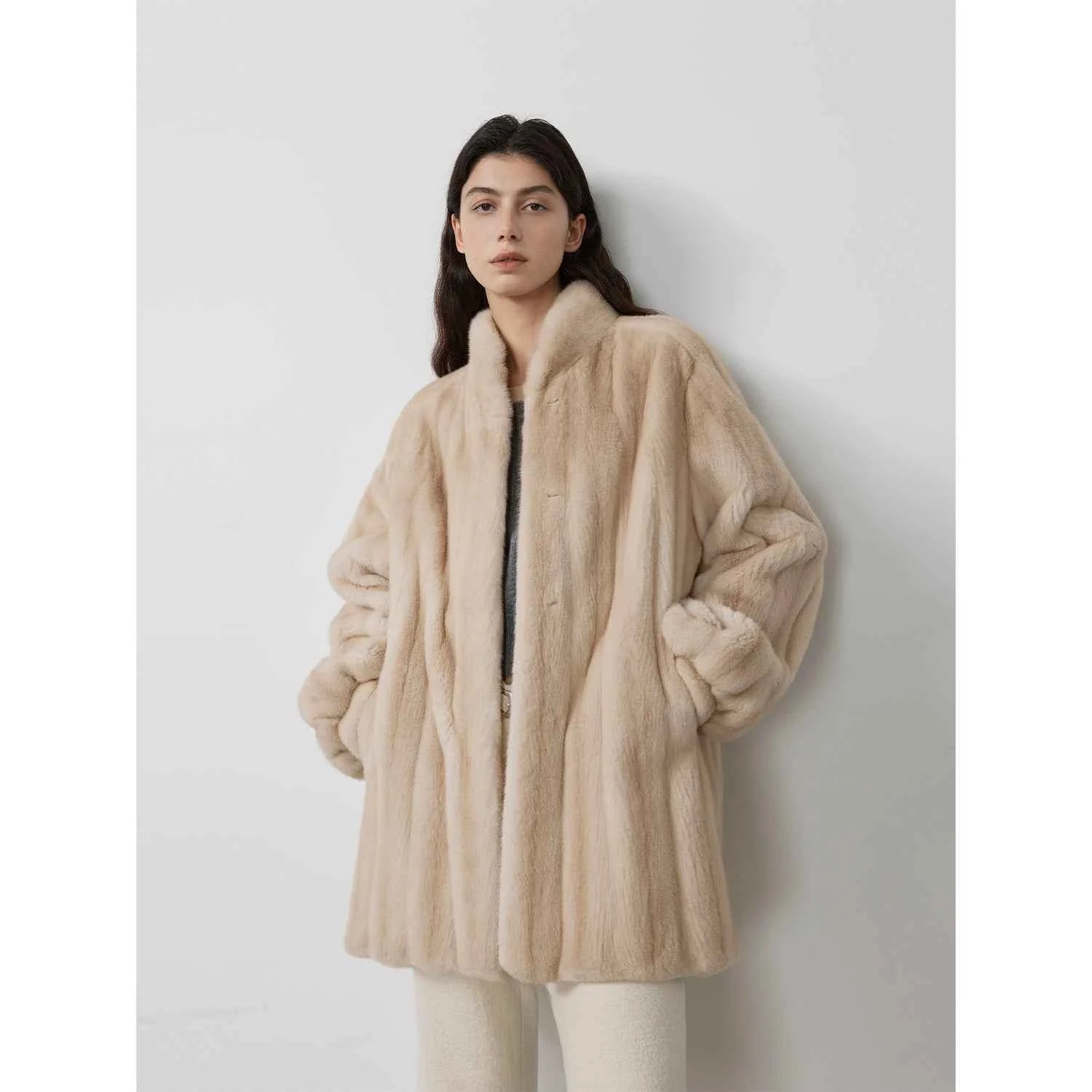
Compare current fur silhouettes after you understand resale condition and material signals.
Open Collection →
Compare trim value, practical warmth, and replacement paths when full resale is weak.
Open Collection →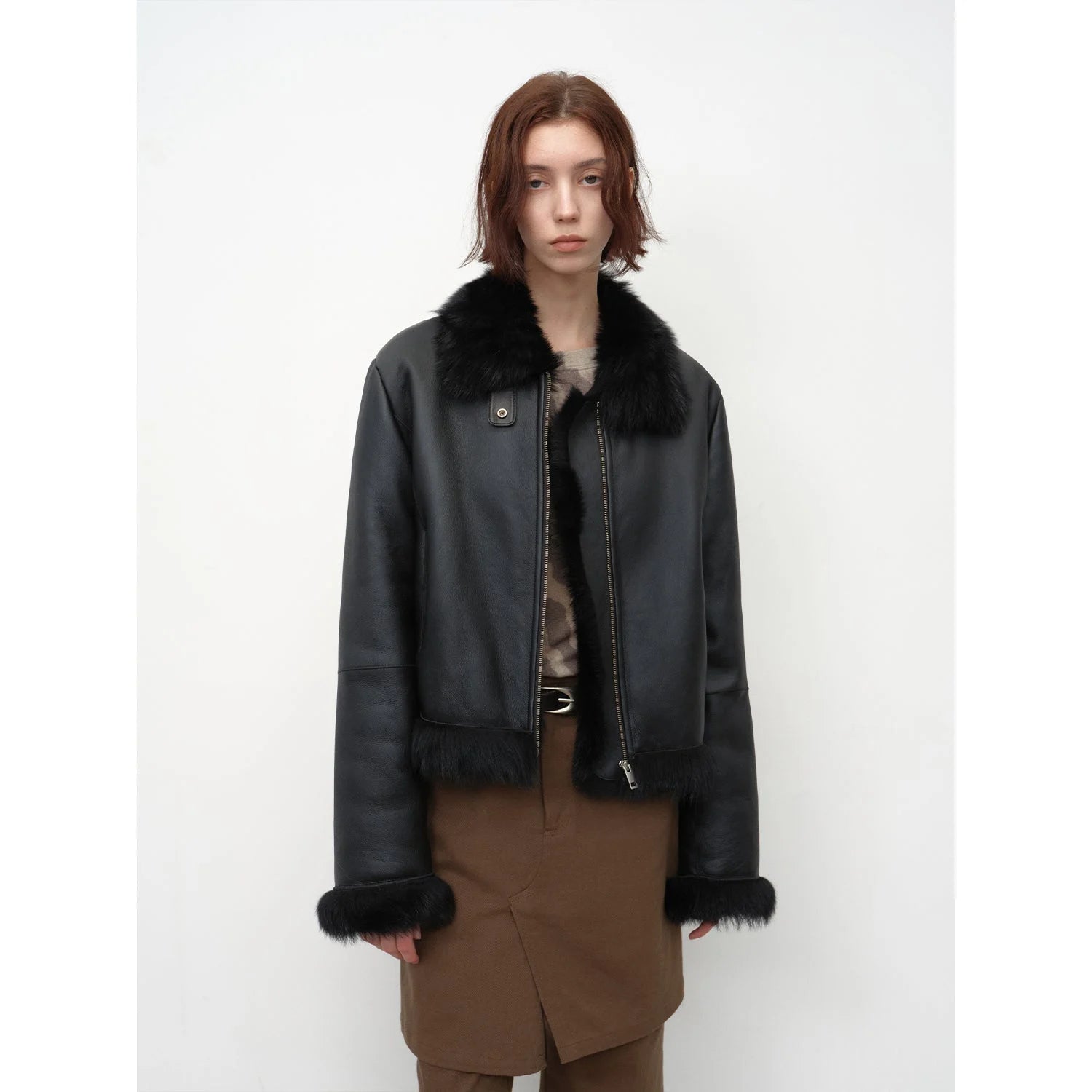
Use when repair or replacement points toward structured warm outerwear.
Open Collection →
A cleaner route when repair costs exceed the practical value of the fur coat.
Open Collection →These answers cover the questions that usually come up before listing, repairing, restyling, donating, or replacing a fur coat.
Start with condition, material, care history, and repair math. Then compare sibling guides or current collections only after the coat's best path is clear.



 Texture
 Structure
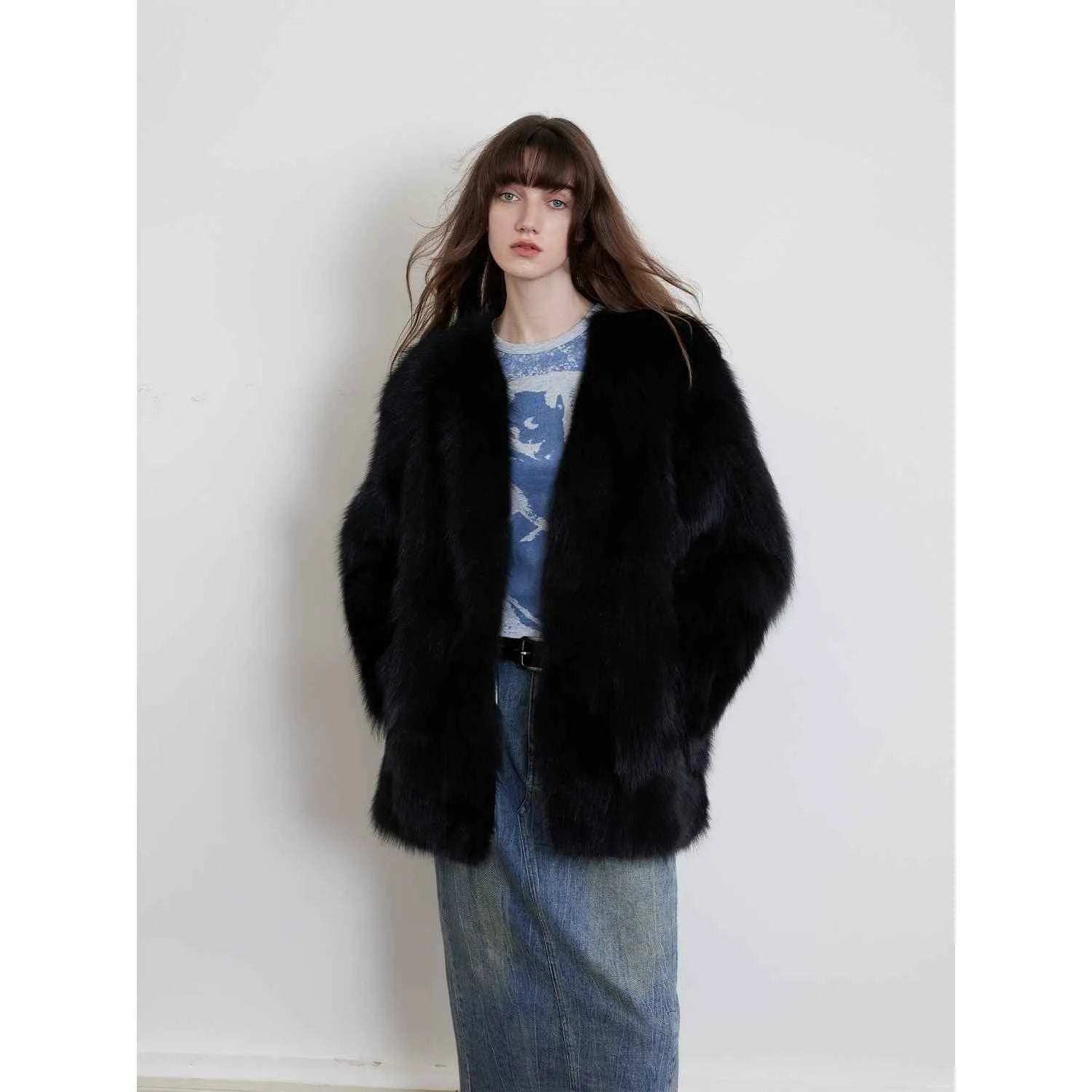 Surface
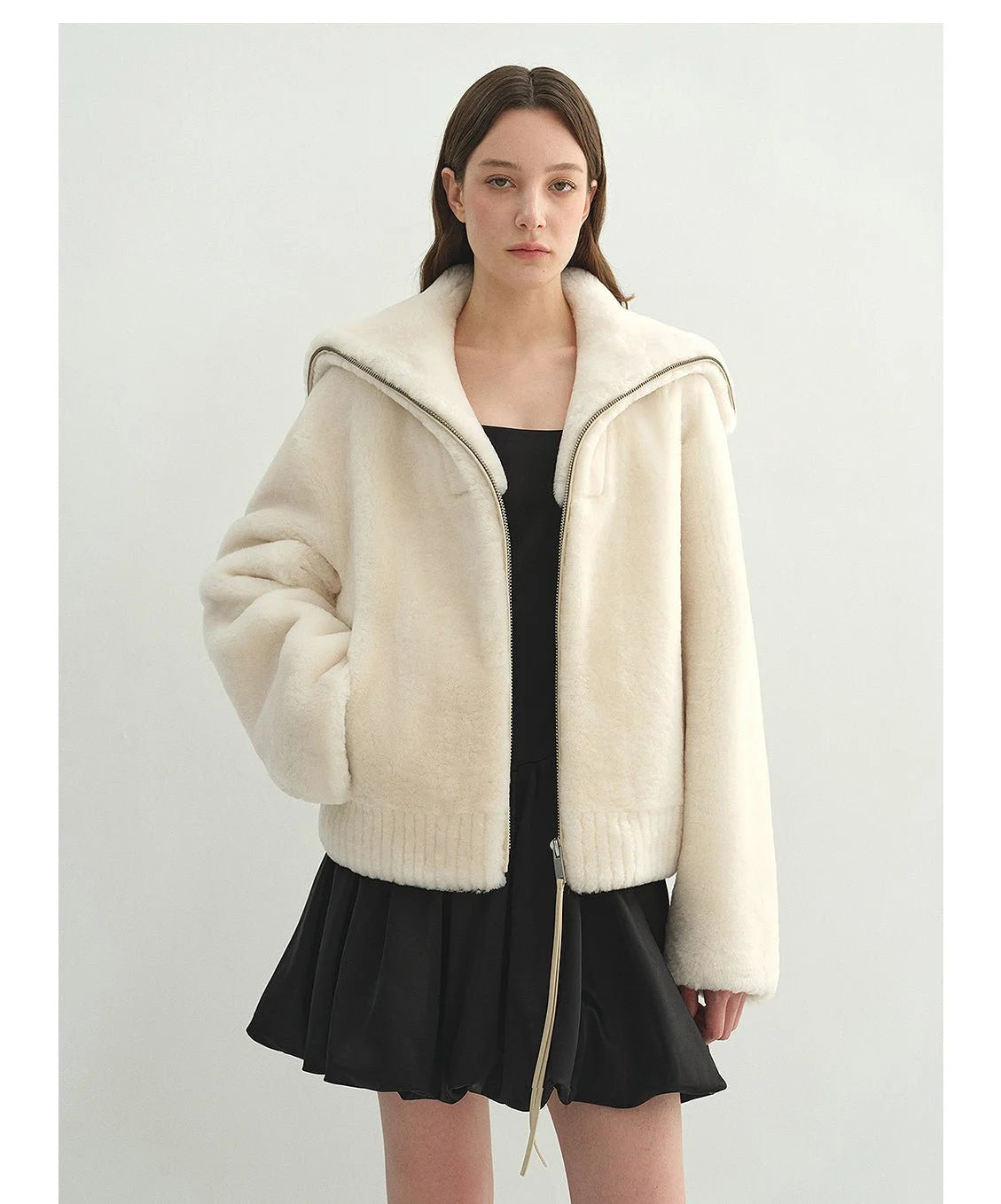 Demand


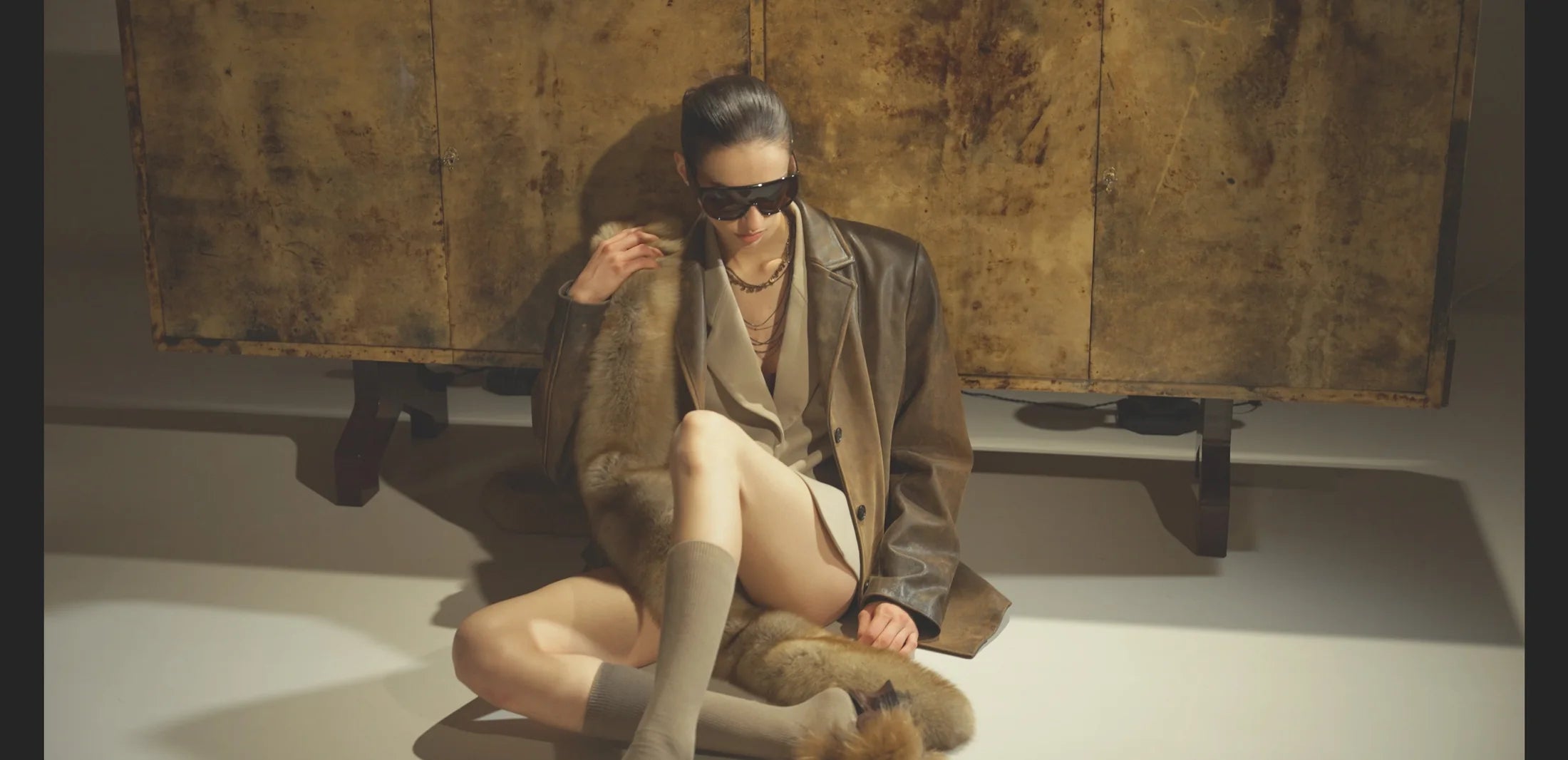
 Condition
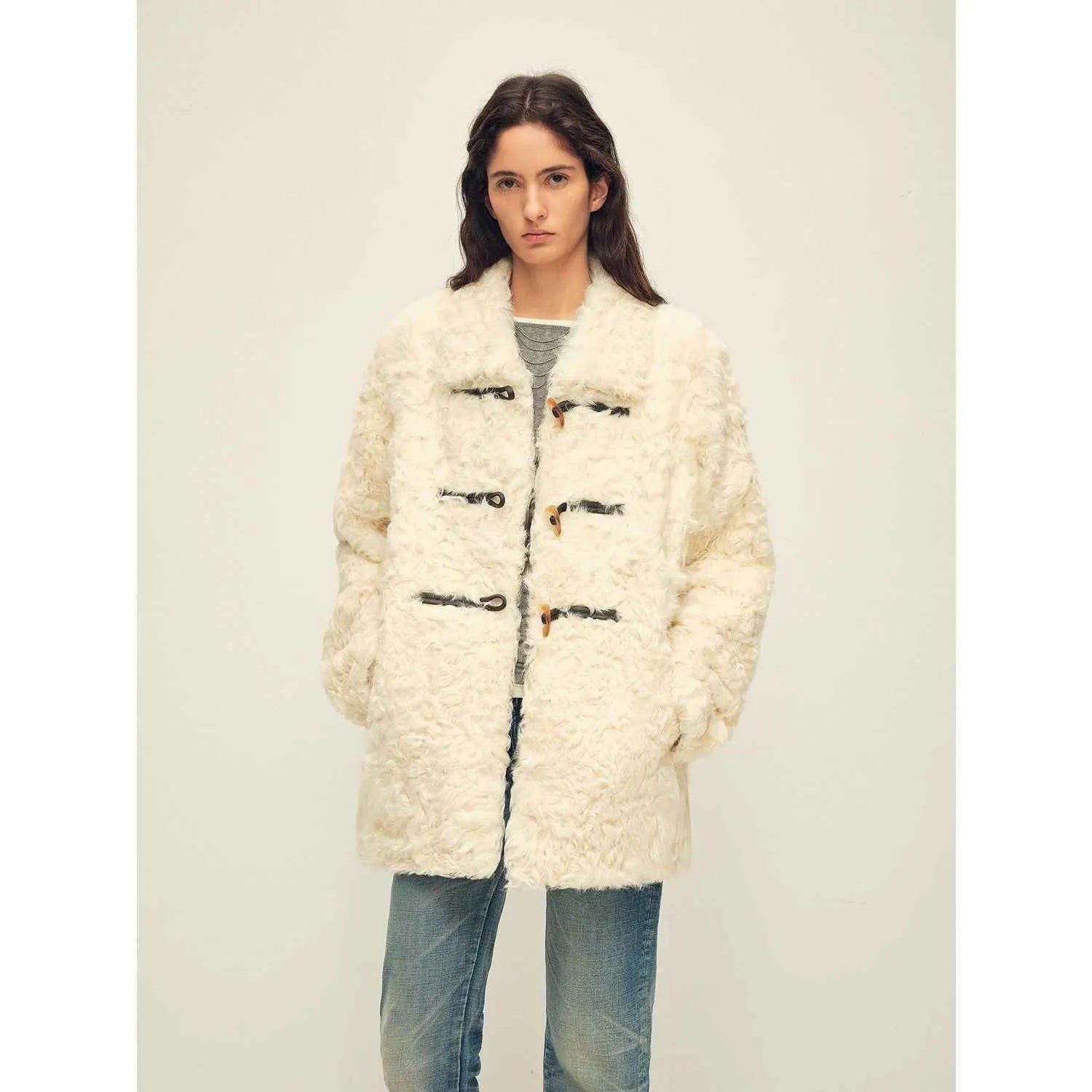 Material
 Care History
 Repair Cost