


Evening fur should frame the entrance, not fight the dress. The best look is decided before you arrive: dress line, coat length, shine level, shoe, and what happens at coat check.
If the event look is only one part of the decision, the Fur Coat Guide connects styling with material, warmth, buying, care, and value questions. The Fur Coat Guides & Articles index is useful when you want the individual guide articles rather than a single styling path.
A fur coat can be beautiful for evening events, but it can also overwhelm the outfit if every piece tries to be the statement. The coat already brings texture and ceremony. The dress or base layer should bring line. The jewelry should bring focus. The shoe should finish the mood without turning the look theatrical.
This piece is narrower than How to Style a Fur Coat. It owns the event question: dinners, galas, weddings, holiday parties, red-carpet-adjacent moments, and formal winter occasions where the coat is visible before and after the room, not necessarily during the whole event.
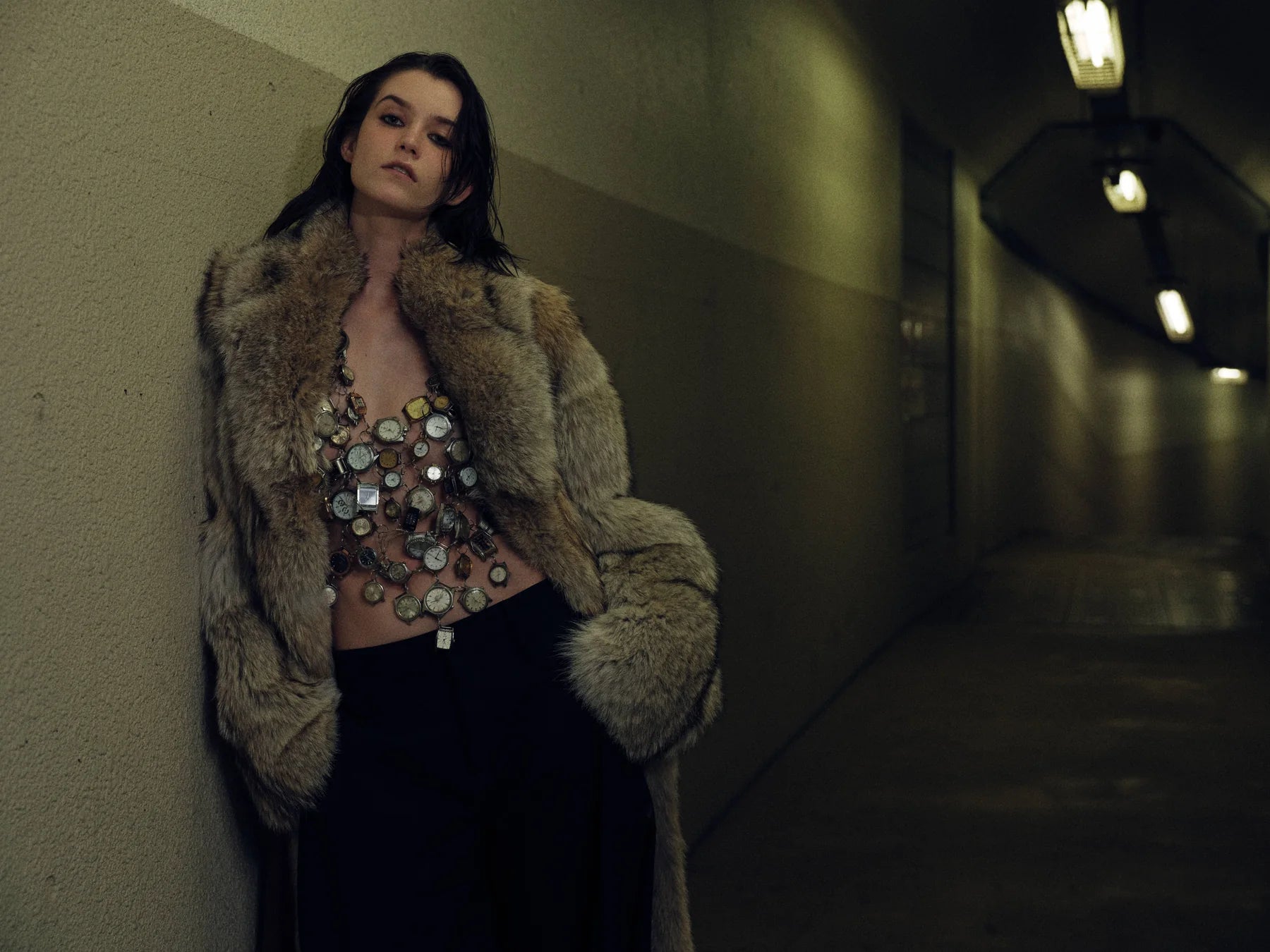
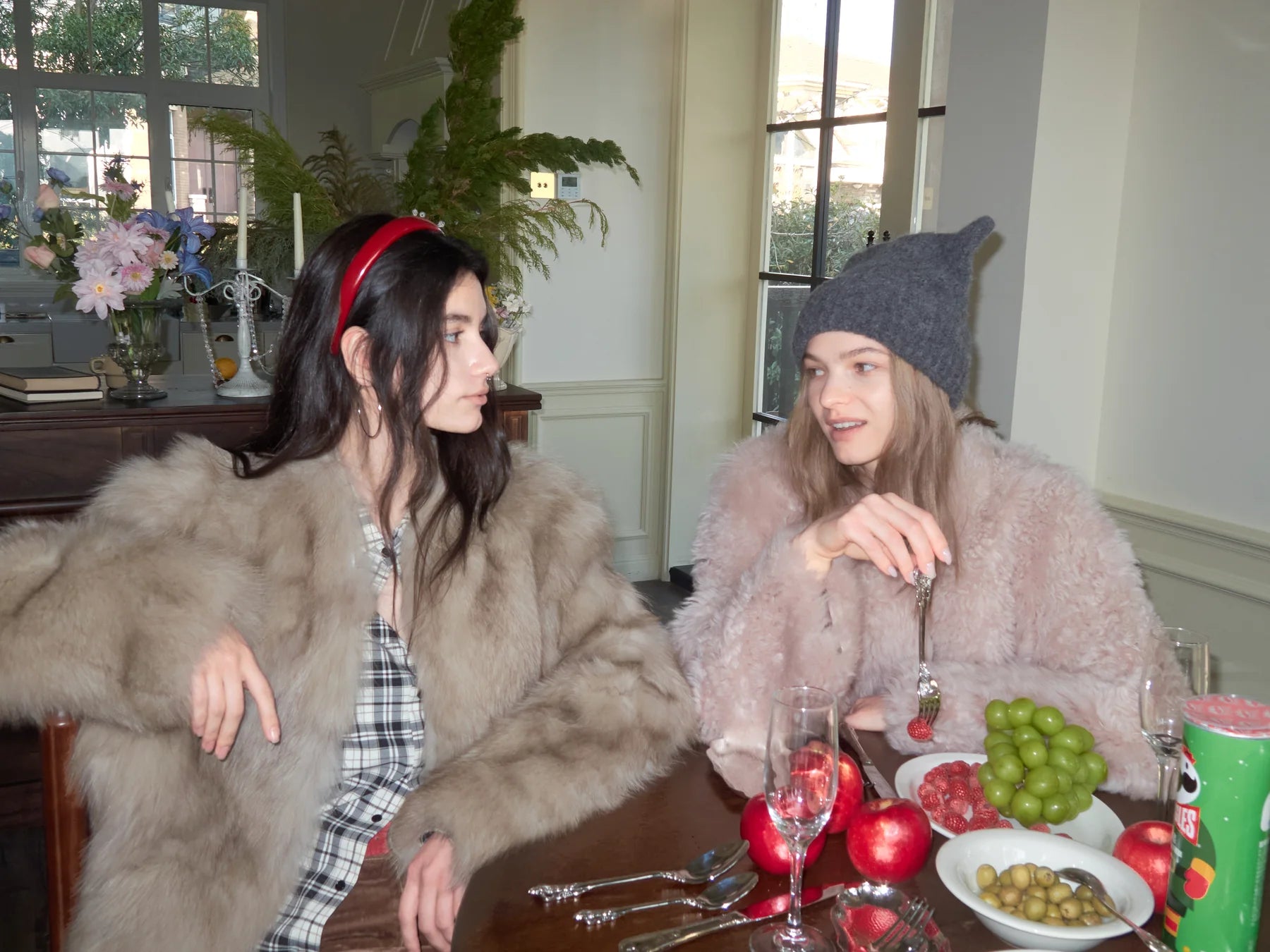
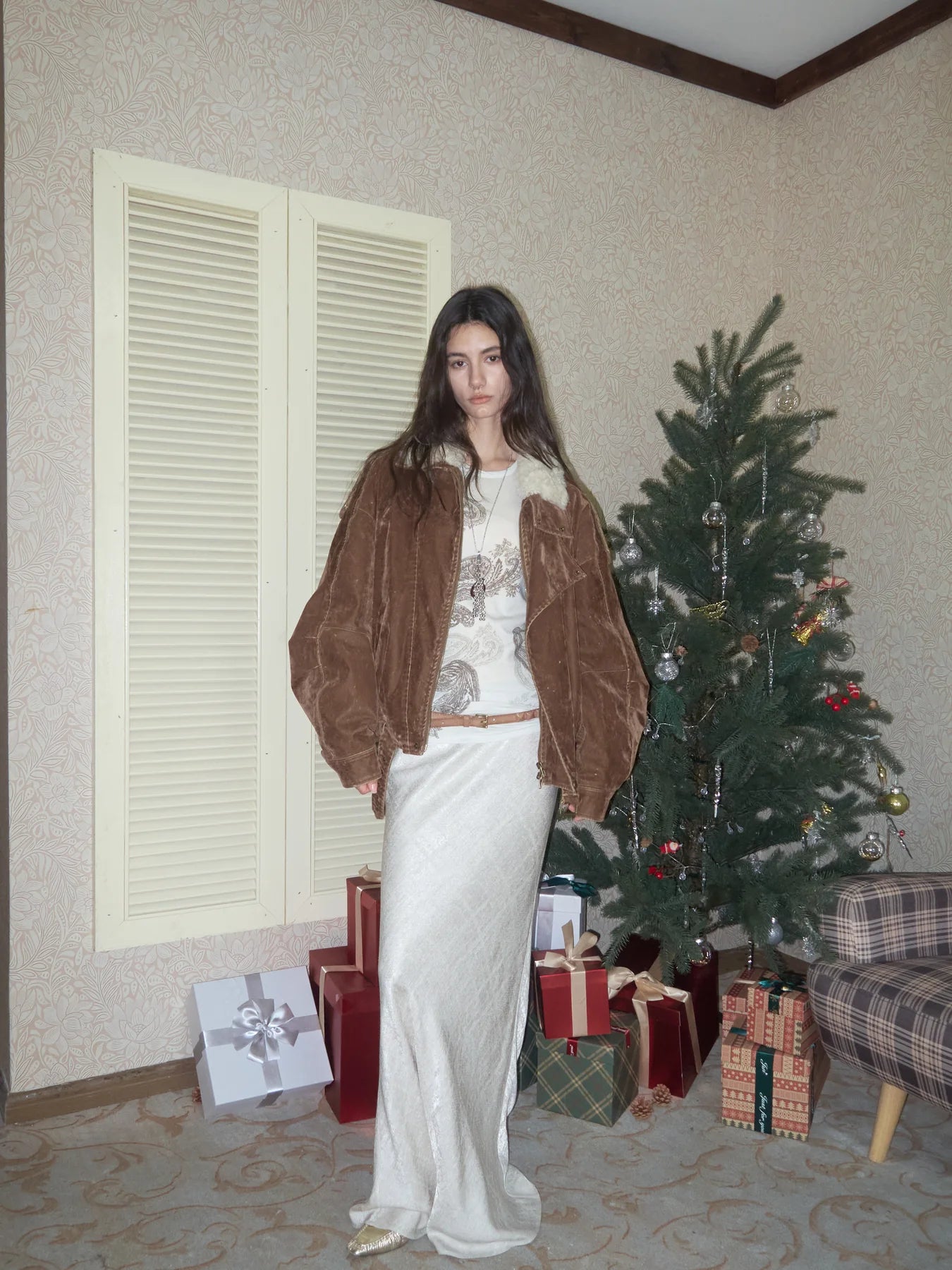
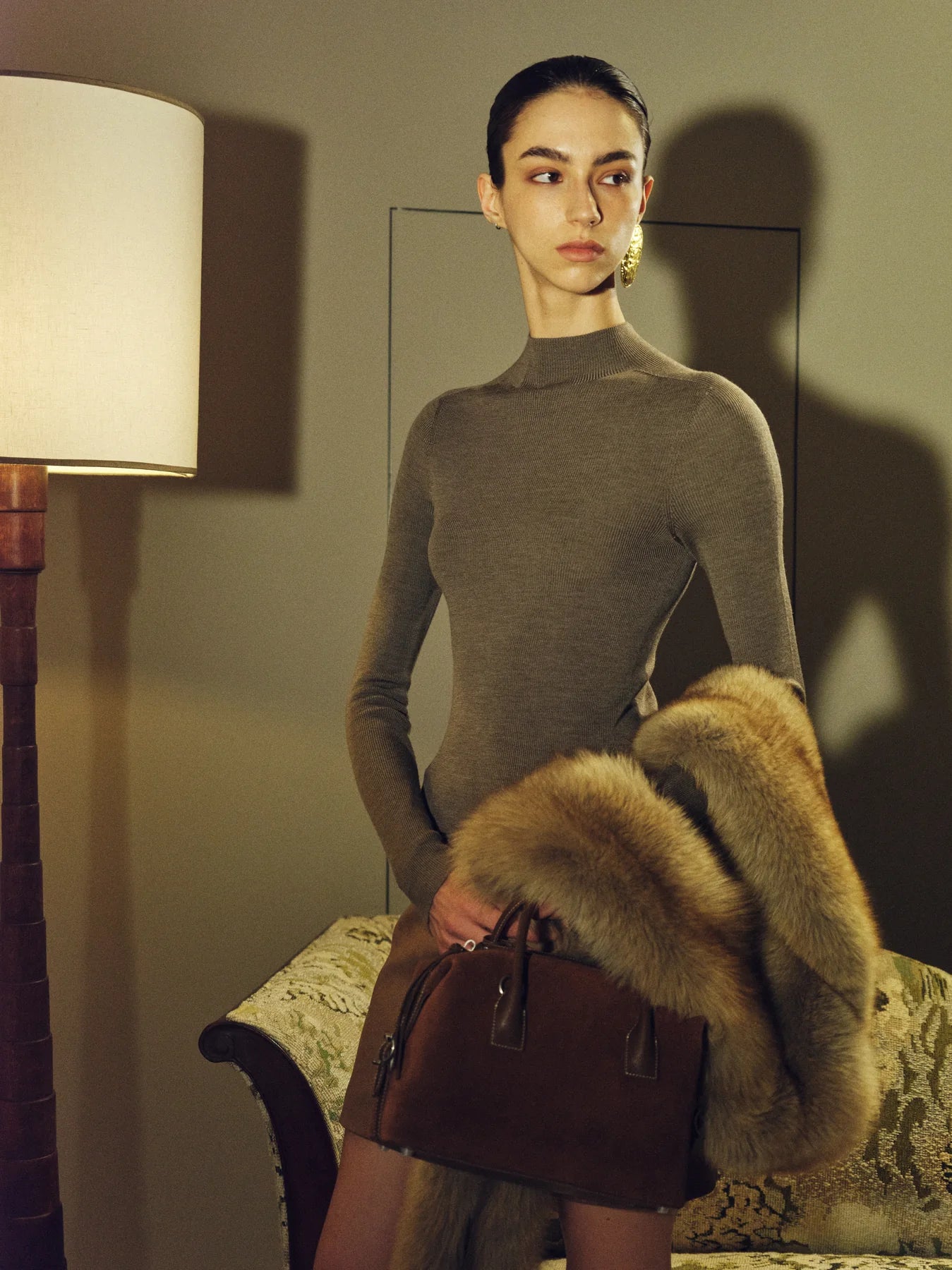
Start with the event, not the coat
The same fur coat can feel perfect at a winter dinner and too much at a daytime ceremony. Before choosing accessories, define the event level. Is it a private dinner, a cocktail party, a wedding reception, a formal gala, or a holiday evening with walking between venues? The answer controls how much shine and structure the outfit can carry.
| Event | Best fur-coat direction | What to keep quiet |
|---|---|---|
| Dinner | Short mink, clean dark fur, or soft neutral coat | Jewelry and bag should stay simple |
| Cocktail party | Cropped or mid-length coat over a defined dress | Avoid thick daytime layers under the coat |
| Wedding reception | Elegant neutral or dark coat, never stealing the bride's visual role | Keep color and shine respectful |
| Gala | Longer or richer coat can work if the gown line is clean | Do not stack loud fur, loud dress, and loud jewelry |
Choose the dress line before jewelry
Most evening mistakes happen because the dress and coat both add volume. A fur coat over a ruffled, tiered, heavily embellished, or wide-skirted dress can feel crowded. A column dress, slip dress, simple cocktail dress, tailored trouser, or clean skirt gives the coat a better frame.
If the coat is short, the dress can have more length. If the coat is long, the dress should be simpler. If the coat is very fluffy, choose a smoother base. The goal is not minimalism for its own sake; it is hierarchy.
Pick the visual lead before adding shine
For evening, decide whether the coat, dress, jewelry, or shoe owns the room. If two of them are already strong, the rest should get quieter. This is what keeps fur from looking theatrical.
- Rich fur plus simple dress is usually stronger than rich fur plus loud dress.
- One metallic point is enough near the face or shoe.
- Short fur works better for dinners; longer fur can suit galas and outdoor arrivals.
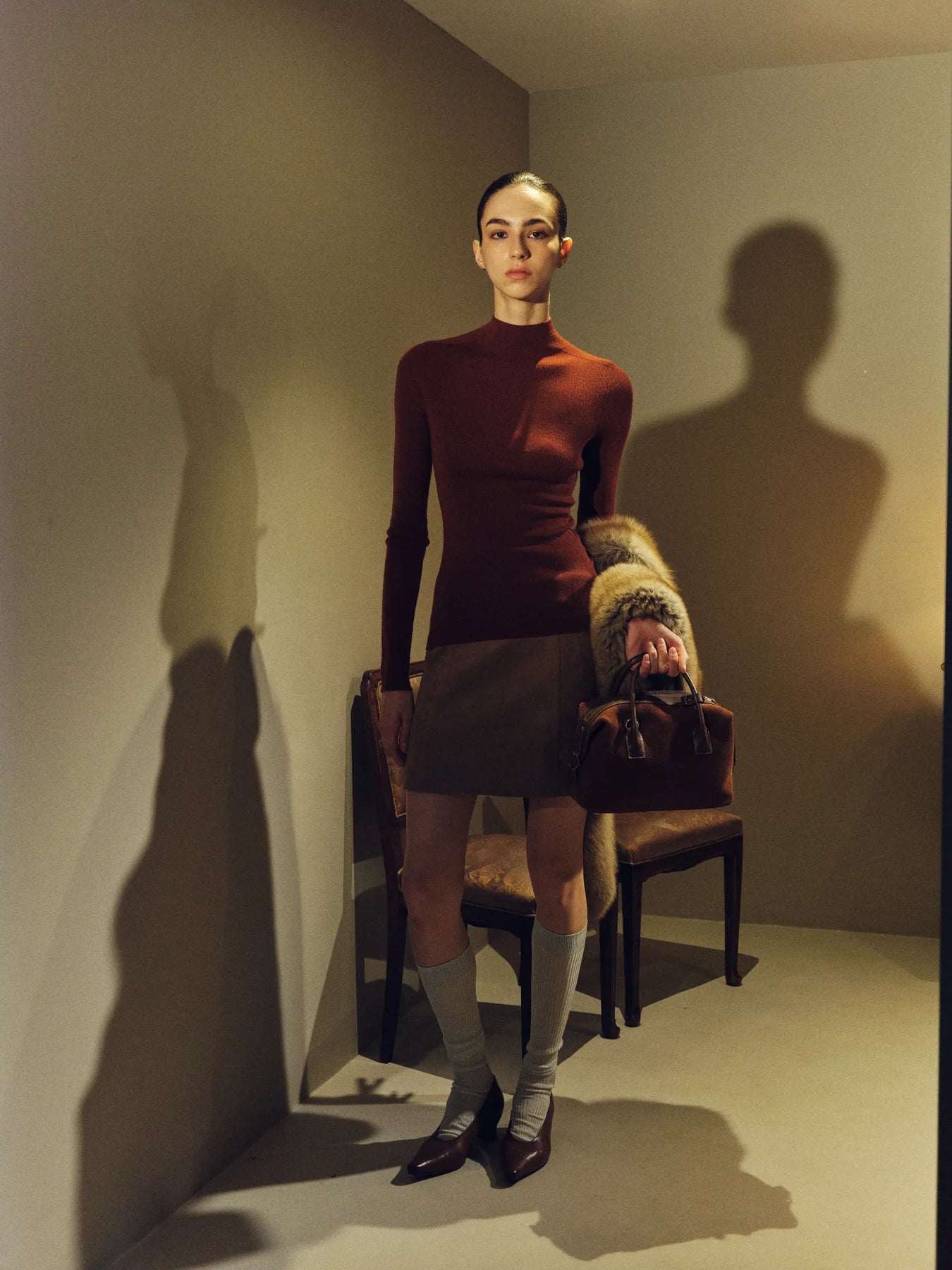
Think through arrival, coat check, and departure
Evening fur is not only about the photograph. It is about the whole route: car, entrance, stairs, restaurant host stand, coat check, seated dinner, and leaving later in colder air. A coat that looks perfect for a five-second entrance may be irritating if it cannot sit, close, or be handled safely.
Keep hair, neckline, and jewelry clean enough that the coat does not fight the face.
If the coat is valuable, know whether you are comfortable handing it off or keeping it nearby.
The coat may come off, but the base outfit must still stand alone.
Late-night cold often makes a proper coat more useful than a decorative wrap.
Control shine and metallics
Evening does not require everything to sparkle. Fur already catches light because of texture. Satin, sequins, patent shoes, crystal earrings, metallic bags, and glossy makeup all add shine. Use one or two, not all of them. A satin dress with a simple fur coat can look elegant. A sequined dress with a large shiny bag and heavy jewelry can make the coat look like costume dressing.
Separate winter wedding, gala, and dinner logic
Evening is not one dress code. A winter wedding usually needs respect for the ceremony, the couple, and the venue. A gala can hold more drama because the room expects formal presence. A dinner often needs the most restraint because the coat may be seen close up, at a table, and beside quieter clothing.
For a winter wedding, avoid making the fur coat the loudest object in every photo unless the dress code clearly supports it. For a gala, a longer coat or richer surface can work because the event scale is larger. For dinner, a smoother fur, smaller bag, and softer palette usually feel more natural. This separation keeps the outfit from treating every evening as red-carpet styling.
Let the coat add warmth without overpowering the dress or the event.
The room can hold more presence, but the outfit still needs hierarchy.
Best when the coat feels luxurious up close, not just dramatic at arrival.
Choose coat length by dress length
A cropped fur over a long gown can work because it leaves the gown line visible. A long fur over a narrow dress can work because both pieces move vertically. The awkward zone is a coat that stops at the widest part of the dress or creates a bulky middle. Check the outfit from the side before the event.
For more on length, read long fur coat outfit ideas. Evening styling is more sensitive to proportion because the materials are often smoother, shinier, and more formal than daytime layers.
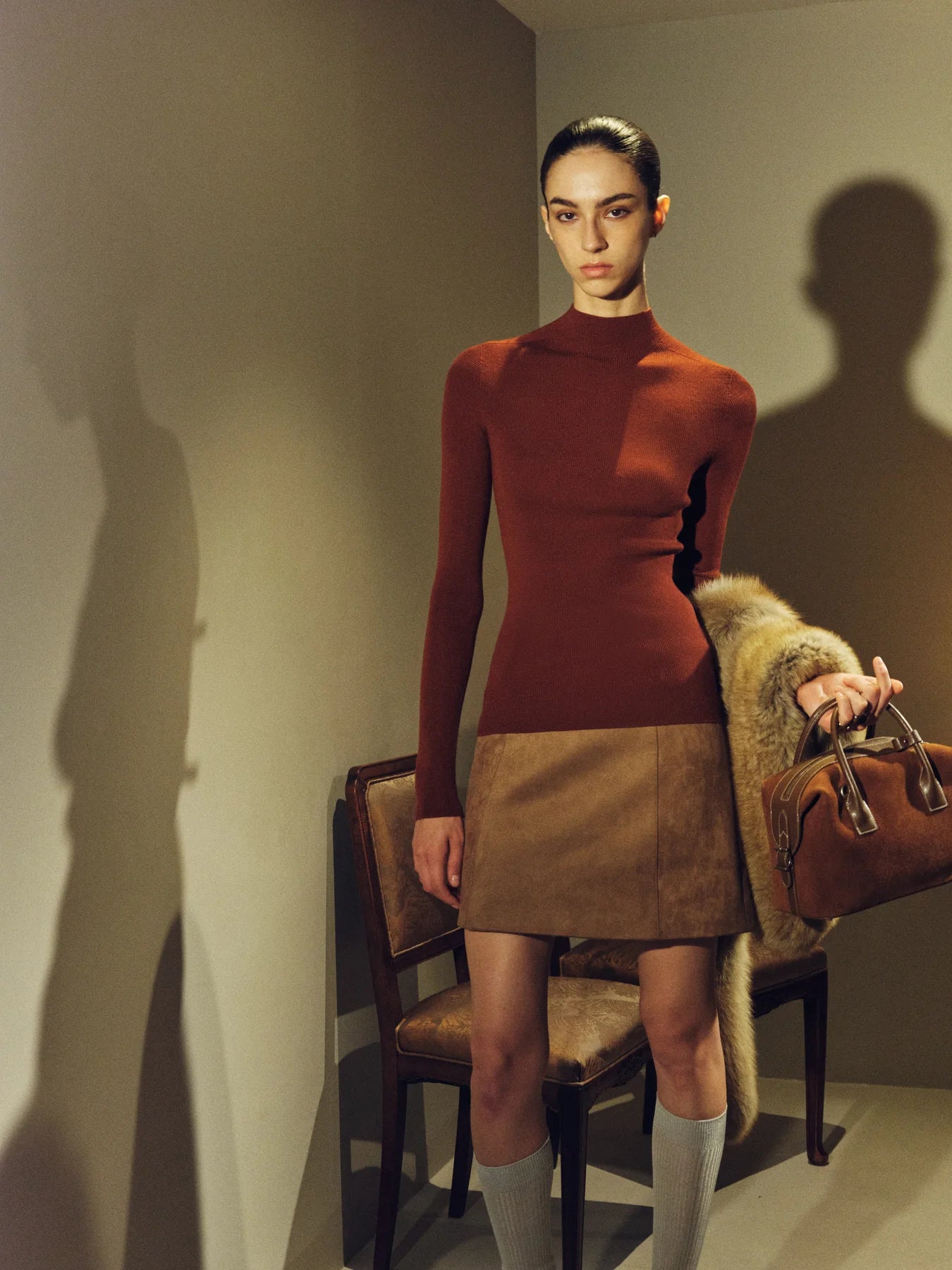 Ombre fur needs one quiet base color.
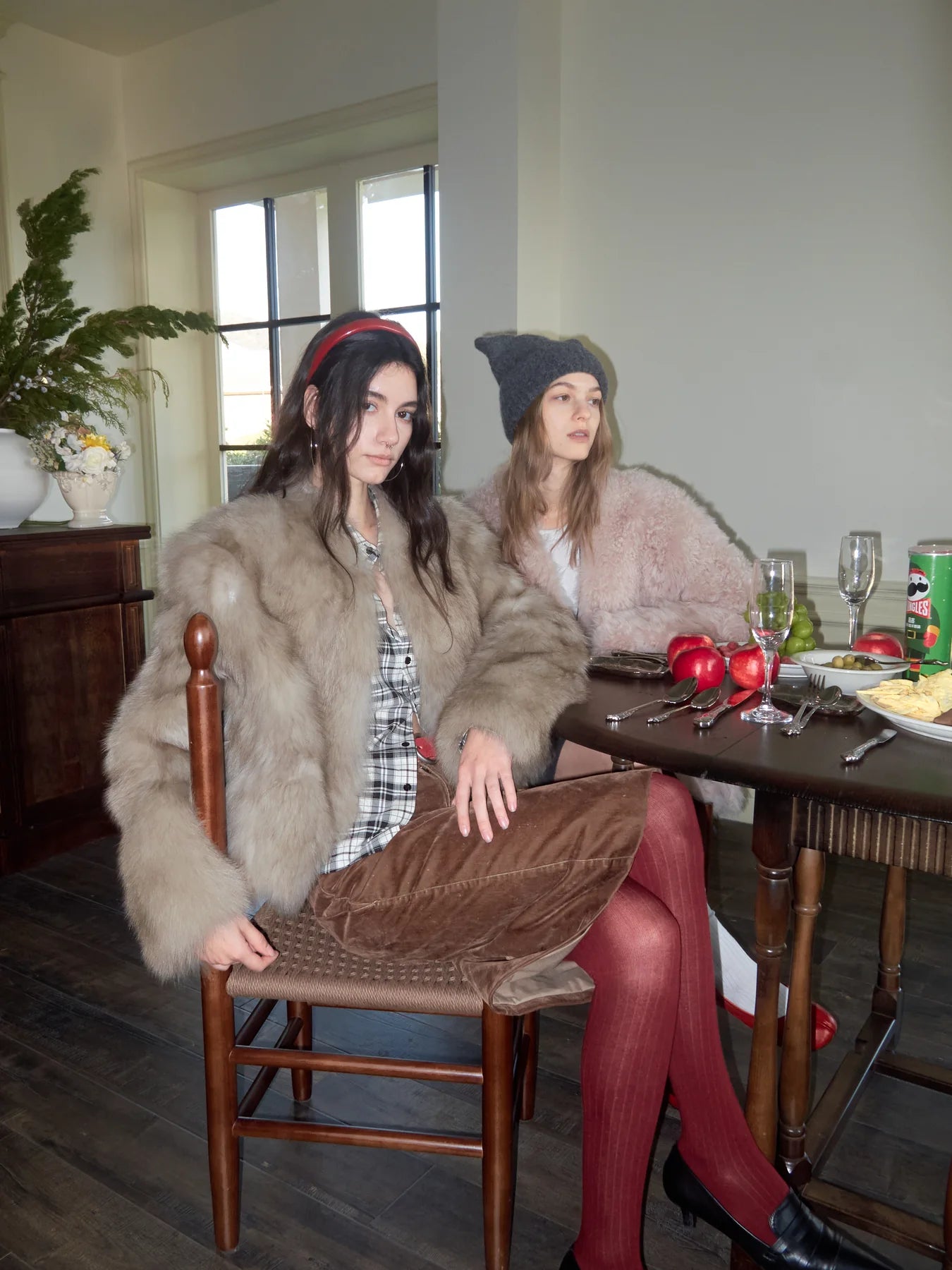 Short pale fur works best when the dress line stays simple.
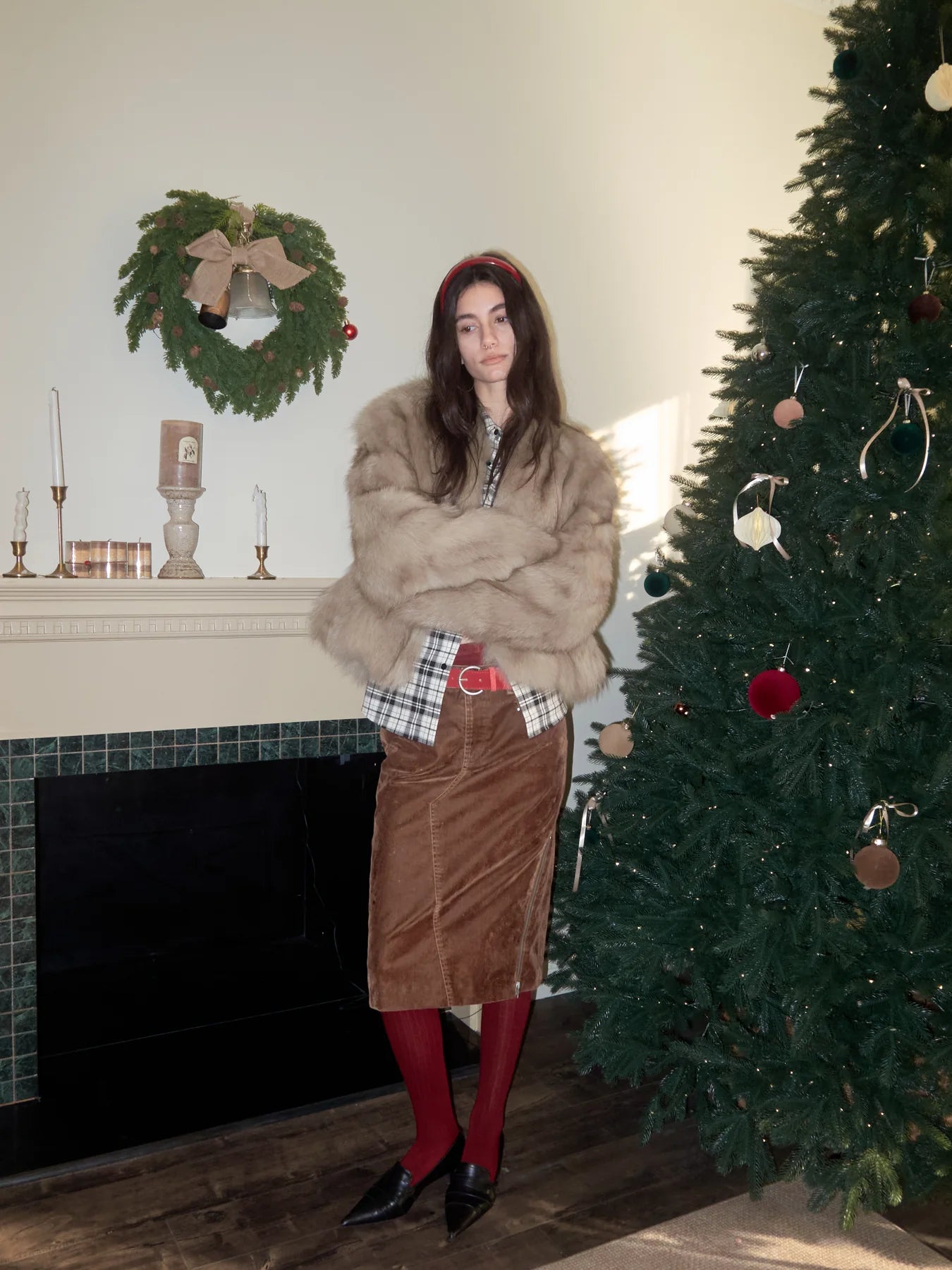 Formal entrance, quieter base.
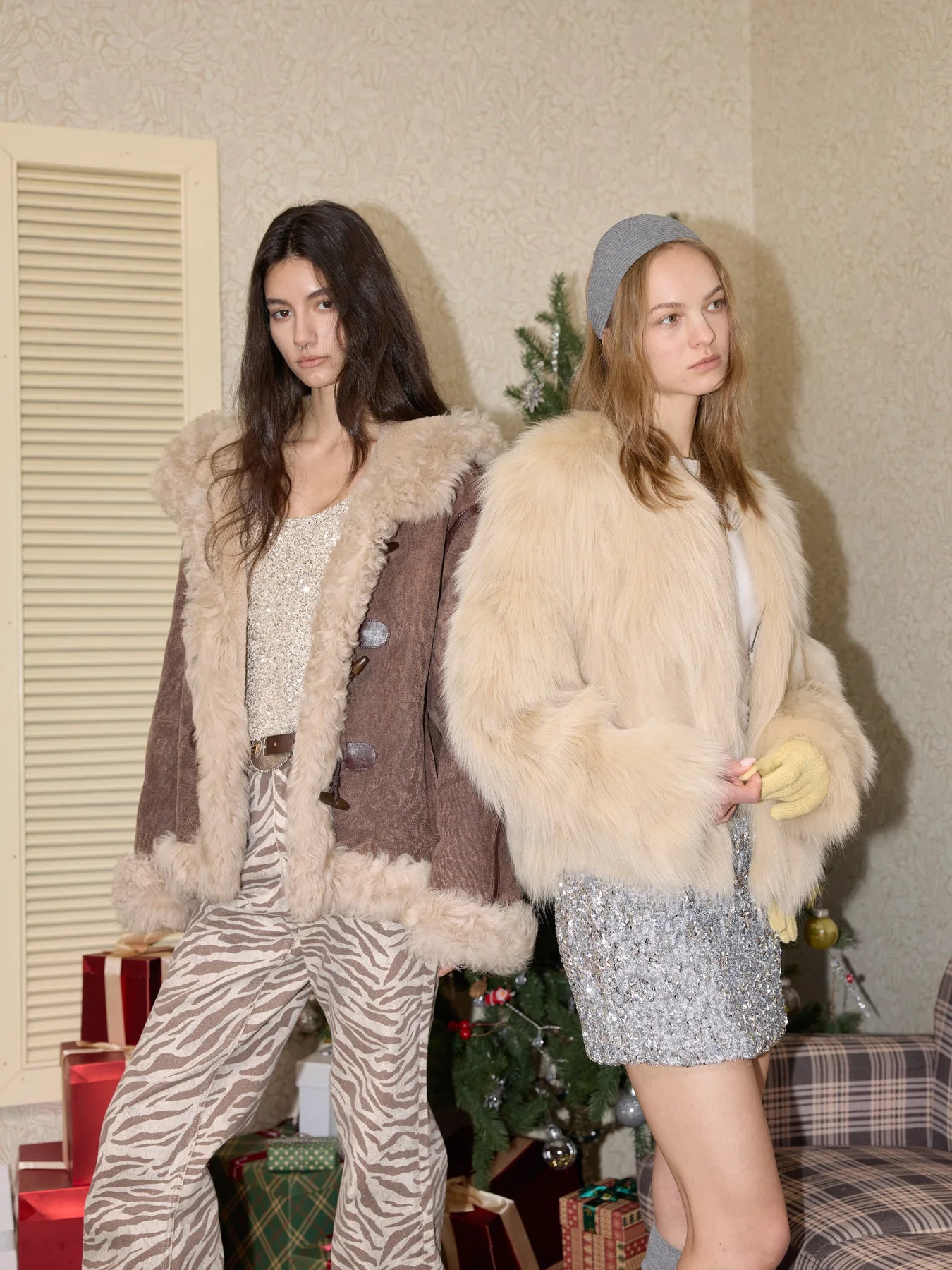 Strong texture needs fewer competing details.
When fur is too much for the event
Some events need warmth, not ceremony. Some rooms run warm. Some social settings are casual despite the evening time. A fur coat is wrong when it makes you manage the outfit all night instead of wearing it. In those cases, a more compact jacket, shearling, wool coat, or fur-trimmed parka may be more practical.
If the event is formal but the walk is wet, also consider care. Fur can handle cold better than slush. If weather is uncertain, read Fur vs Shearling: Which Is Better for Winter? or compare practical outerwear before relying on glamour alone.
Check the outfit with the coat open and closed
Evening fur often changes completely when the coat is opened. Closed, it may look like a formal winter coat. Open, it becomes a frame for the dress, neckline, jewelry, and waist. Before the event, check both versions. If the outfit only works closed, the dress underneath may be too weak. If it only works open, the coat may not be the right length or closure style for the event.
This is especially important when wearing a gown. The coat should not crush the skirt, hide every important line, or create an awkward gap at the hem. A shorter jacket can be stronger over a long dress than a long coat if the long coat interrupts the gown's movement.
Choose color by room lighting
Evening lighting changes fur more than daytime styling does. Black can look sharp in a bright lobby but heavy in a dim restaurant. Champagne, grey, ivory, and mink brown can look softer under warm indoor light. If the room is dark, avoid stacking a black coat, black dress, black shoe, and heavy gold all at once unless the outfit is intentionally dramatic.
A useful evening test is to photograph the outfit in low light before the event. If the coat and dress collapse into one dark mass, add a cleaner neckline, lighter earring, satin contrast, or a smaller bag rather than adding more decoration everywhere. The answer is usually one point of lift, not another statement item.
The lighting gives the coat enough definition, so styling can stay quieter.
Use neckline, earring, satin texture, or small metallic detail instead of piling on shine.
Evening fur should feel deliberate
FireladyFur looks at event styling through route, garment behavior, and occasion level. The coat needs to work at arrival, during handling, and after the event, not only in a product image.
Let the coat frame the evening
Choose a clean base, one refined shine point, and a coat length that works with the dress instead of interrupting it.
FAQ
Can you wear a fur coat to a formal evening event?
Yes, when the coat supports the dress code rather than competing with it. Keep the dress line clean, use controlled shine, and treat the coat as the arrival and departure layer.
What dress works best under a fur coat for evening?
Column dresses, slip dresses, simple cocktail dresses, and tailored evening separates usually work best because they do not fight the coat volume.
Should evening fur be black?
Black is reliable, but ivory, grey, champagne, mink brown, and soft tonal shades can work beautifully if the event and dress palette support them.
Can a fur coat work with a long gown?
Yes. The coat should either be clearly cropped/controlled or long enough to feel intentional. Awkward mid-length bulk over a gown can look messy.
How do you keep fur evening outfits modern?
Reduce extra shine, avoid oversized accessories, choose a cleaner shoe, and keep the dress or trouser line simple.


