


Article Summary
Odor changes a resale listing before the buyer studies the lining. A faint closet smell, smoke, damp storage and mothballs each need different wording because they create different return risks.
A fur coat with an odor needs two decisions before it needs a treatment: where the smell comes from, and whether the coat is otherwise worth selling. A faint scent from a storage cover is different from smoke held in the lining or a musty smell after damp storage. Airing can help you inspect a coat; it does not prove that the odor has been removed. When the scent remains in the garment, ask a qualified fur-care specialist what is possible before promising a buyer a fresh coat.
Inspect before using anything on the fur
Move the coat away from its cover and let it hang with room around it in a cool, dry, ventilated space. Check again after the coat and cover have been apart. Do not use perfume, deodorizing spray, steam, a hair dryer, or a household washing method to make a listing photo or smell seem better. The American Fur Council advises specialist cleaning and warns that sprays and heat can damage fur and its leather backing.
Find Out Whether the Smell Belongs to the Cover, Lining, or Fur
Start with the storage bag or box. Smell it separately from the coat, then check the collar, underarms, pockets, inner lining, hem, and dense folds. Note where the odor is strongest. A perfume trace at the collar tells a different story from a damp smell inside the lining. A coat that has been in the same closet for years can seem neutral to its owner; a second person can help identify a scent you have stopped noticing.
Check the coat again after airing. If the cover smells strong but the open coat does not, the next step is to document that observation, not to claim a treatment success. If smoke, mothball, perfume, or mustiness remains in the coat, note the type and location. If there is visible spotting, dampness, shedding, or a stiff or noisy backing, pause the normal resale plan. Odor plus structural change deserves professional assessment because a cleaning service cannot make weak pelts sound again.
Light storage scent, sound coat
When the scent lessens away from the cover and the lining, fur, and backing seem sound, a fur specialist can advise whether professional cleaning is worthwhile. Keep any later listing claim limited to what you can still observe.
Damp odor or fragile backing
Do not treat a musty smell as a cosmetic issue when the coat is damp, spotted, shedding, or stiff. Ask a qualified specialist whether the garment is safe to clean, wear, or sell as wearable before paying for a resale treatment.
The fur-odor care guide covers owner-side handling in more detail. For a seller, the standard is stricter: a buyer must be able to understand the condition before purchase, including a scent that might be stronger after shipping.
Decide Whether Professional Cleaning Could Change the Sale
The American Fur Council recommends a qualified fur specialist for cleaning rather than a conventional clothes dry cleaner. It also warns against perfume, hairspray, mothballs, plastic storage, and direct heat. Those cautions matter here because a quick home remedy can leave a second odor or weaken material just before the coat is listed.
Ask what can change and what may remain
Ask the specialist to inspect both the fur and backing, identify what they can treat, and explain the likely result and cost. The right question is not simply, “Can you clean it?” Ask whether the remaining odor is likely to be acceptable for normal wear, whether treatment may affect color or texture, and whether the service can give you a written description of the work. No service receipt proves a coat is odor-free forever; it records what was done at one point in time.
- Bring the scent history. Say where the odor is strongest and how long the coat was stored. Mention known smoke, mothball, water, or scented-product exposure before work begins; it may change the proposed care method.
- Agree on the recheck. Inspect the coat after service and again after it rests at home, before returning it to a cover. A pleasant scent in the treatment room is not the final listing observation.
Compare the quote with the coat's likely post-treatment sale, not its old purchase price. A sound, desirable coat with a light removable storage scent may justify professional care. Deep smoke odor, mothball exposure, or damp-related concerns can remain difficult or uneconomic even when the fur looks attractive. The related odor and dryness value guide helps separate scent from material deterioration.
Describe What a Buyer Will Notice, Not What You Hope They Will Notice
Write the odor note before choosing the final price. A discount does not tell a buyer whether a coat smells of smoke, perfume, mothballs, or closed storage. Put the note in the main condition description, close to the photos and measurements. Do not leave it for a small FAQ at the bottom of the listing.
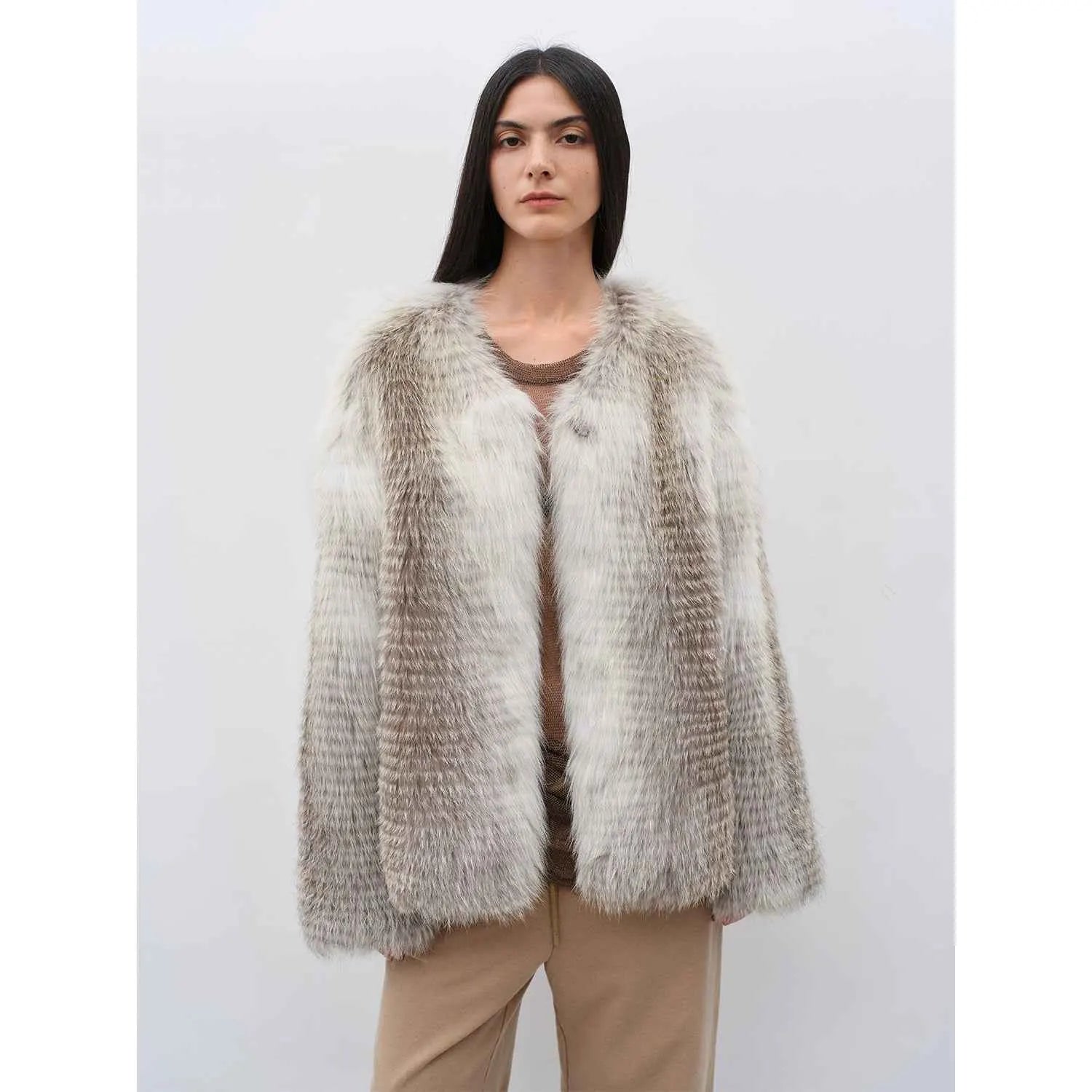
| What you actually observed | Useful listing language | What to avoid |
|---|---|---|
| Faint scent after the coat was aired | “Faint storage scent remains at the lining after airing; please consider before purchase.” | “Fresh” or “odor-free” without a basis. |
| Smoke detectable at the collar or lining | “Smoke odor is present at the collar and lining; coat has not been described as smoke-free.” | Calling smoke “vintage scent.” |
| Professionally cleaned, scent still present | “Professionally cleaned [month/year]; a light scent remains in the lining.” | Using the receipt as proof that no odor remains. |
| Source uncertain or damp smell suspected | “Musty scent noticed after storage; source not confirmed. Sold only with this condition disclosed.” | Promising an easy home fix. |
Use a date only when you have the record. Avoid statements such as “smoke-free home” if you do not know the full storage history. If another person checked the coat, you can say so, but that is still an observation, not a guarantee. The listing should make it possible for a sensitive buyer to opt out before shipping, rather than discover the issue on opening the package.
Recheck the Coat After Packing Is Planned
A scent can become more noticeable in a closed parcel. Before shipping, keep the coat away from scented tissue, perfume, stale boxes, and damp packing. Give it room rather than compressing it into plastic for extended storage. Follow the shipping service's garment-protection requirements, but avoid presenting a new fragrance as evidence of cleaning.
When local inspection gives a clearer answer
If the odor is difficult to describe or a buyer is concerned about sensitivity, local inspection may be a better selling route. The buyer can assess the scent, weight, and condition before committing. That does not make the scent harmless or restore a weak coat; it gives both sides clearer information. When a shipped sale remains the plan, restate the observed odor in the condition note and answer direct buyer questions plainly.
What to record after treatment
Review the coat once more after any professional work and before photographing it. Smell the same locations as before. Check the lining, closures, and backing, and retain the service record. If the smell remains, describe what remains. If the coat is still damp or structurally weak, step back from a normal ready-to-wear listing and ask for further assessment. A receipt should never override the current garment.
Keep the condition note stable between buyer messages and the final listing. Saying “no odor” in a direct message after describing a faint storage scent in the listing creates a preventable contradiction. When a buyer asks whether a scent will disappear, answer only from what happened during airing or specialist treatment. Nobody can verify how every buyer will perceive the coat or what it will smell like after weeks in another closet.
When odor treatment earns its cost
A sound coat comes first. Cleaning is more defensible when the lining, backing, and fur are worth presenting afterward.
The odor source changes the decision. A light storage scent that eases away from its cover is not the same as smoke, mothballs, or dampness held in the garment.
Professional advice narrows uncertainty. Ask what can be treated, what may remain, and what the process costs before assuming a resale gain.
The final listing describes the current coat. A service receipt records work; the buyer still needs to know what the coat smells like now.
FireladyFur treats scent as part of condition, alongside fit and material integrity. A strong coat may justify specialist care; a fragile one may call for an honest as-is decision or another use. Our brand story and editorial standards explain the store's focus and why a guide cannot diagnose hidden condition from a page. If this inspection persuades you to replace a coat that no longer works for you, compare the care demands of current FireladyFur fur pieces before buying; a replacement should fit your routine as well as your style.
Make the listing decision after the second odor check
Record the locations checked, the scent still present, any specialist assessment, and the date of service. Then decide whether to list with disclosure, arrange local inspection, or stop. For a coat with smoke exposure, the smoke-odor care guide addresses that distinct source; for the wider sale decision, return to the Fur Coat Resale Value Guide.
Questions About Fur Coat Odor Before Resale
Is odor treatment worth trying before selling a fur coat?
It can be worthwhile when the coat is structurally sound, the odor seems limited, and a qualified specialist expects a useful result at a cost the likely sale can support. Inspect the backing and lining first. Do not spend on odor work to make a fragile coat appear ready to wear.
Can I spray a fur coat to remove odor?
Avoid perfume, deodorizing sprays, steam, and heat. The American Fur Council warns that sprays and heat can damage fur and its leather backing. Air the coat for inspection and ask a qualified fur specialist about cleaning.
Should I disclose a faint scent if the coat was cleaned?
Yes. State the cleaning date if documented, then describe any scent that remains. A service record does not replace an accurate description of the garment the buyer will receive.
Will professional cleaning always remove smoke odor?
No outcome should be promised without a specialist's assessment and a post-treatment check. Smoke can linger in different parts of the coat. Describe any remaining odor rather than treating the cleaning receipt as a guarantee.
When should I stop treating and reconsider the sale?
Pause when the coat is damp, has a musty smell with visible changes, sheds, or has stiff or weak backing. A specialist can assess whether it is suitable for cleaning and normal wear. If it is not, do not advertise it as ready to wear.


