


Article Summary
There is no proven resale winner among short jackets, strollers, full-length coats and capes. The useful first test is whether the cut, condition and measurements match a buyer's intended use; recent comparable sales in the same channel are needed before claiming one shape sells faster or for more.
Judge material and condition first. Then use the vintage fur value guide to place shape beside size, provenance and recent sales.
| Shape | Best buyer clue | First doubt to answer |
|---|---|---|
| Short jacket | Daily wear, dinner, driving. | Does the hem stop in a clean place? |
| Full-length coat | Formal warmth and drama. | Can the buyer store, move and sit in it? |
| Swing, cape or statement shape | Styling, collector or event use. | Does the shape look intentional on a body? |
Shape is easier to price than nostalgia
The shape tells the buyer how the coat enters a life: a short jacket over jeans, a stroller coat over a dress, a full-length mink for evening, a swing coat for dramatic movement, a hooded trim piece for winter errands. Material and age matter, but shape decides whether the buyer can imagine wearing it next week.
This is where vintage fur value becomes practical. A coat may be beautiful on a hanger and still lose buyers when it looks hard to sit in, store, style or size.
What a short jacket makes easier to show
A cropped jacket gives a buyer a concrete outfit to picture: trousers and boots for a short trip, or a dress for dinner. That does not tell us how often it sells. It also leaves the lower half visible, which makes sizing and styling feel more familiar. That does not mean every short piece is valuable. Cuff wear, short sleeves, weak lining and dated bulk still matter.
A present-day short jacket can help you visualize a hem and sleeve, but it cannot prove how a used short coat will sell. The short-jacket buying guide addresses wear; the resale check still needs comparable sold garments.
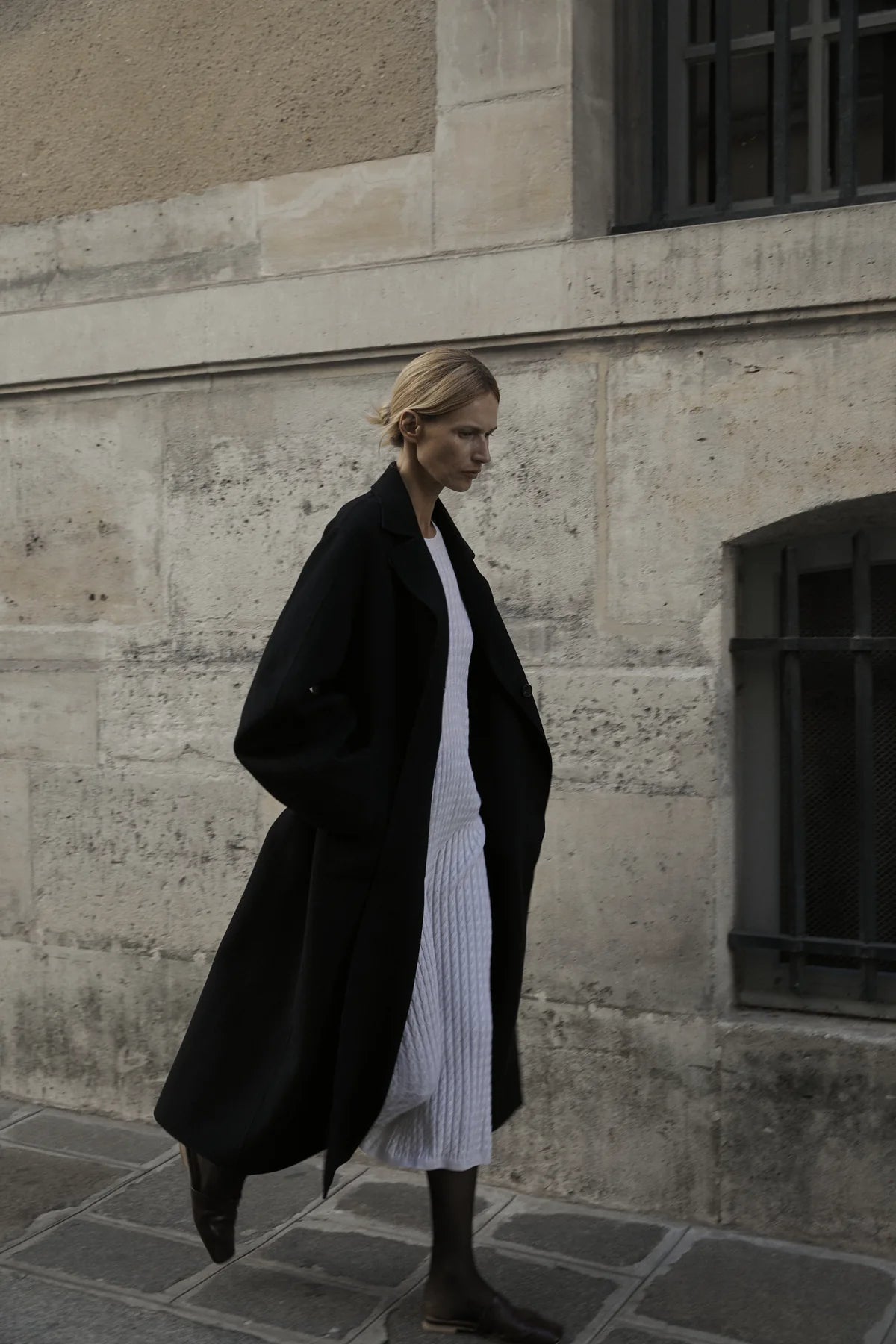

Full length needs more proof, not more adjectives
A full-length fur coat can look valuable because it uses more material and creates more presence. It also creates more questions. Will the hem drag? Can the buyer sit? Is the lining stressed? Does the coat need professional storage? Is the buyer tall enough for the length?
If those questions are answered, full length can still be a strong resale path. If they are not, the listing may attract admiration but fewer offers. Use full-length coverage and long coat versus jacket resale demand for the narrower length decision.
Modern wearability does not mean the coat must look new
A vintage silhouette can keep its character and still be wearable. The difference is whether the shape has a believable outfit path. A structured shoulder can work if it is intentional. A swing coat can work if the sleeves and closures make sense. A full collar can work if volume is clean and not crushed.
Clear front and side photos help a buyer judge proportion; they do not guarantee a stronger offer.

Volume has to look controlled
A full or dramatic silhouette can support value when the photos show shape, texture and movement instead of only bulk.
A stronger title names the use
"Vintage mink jacket" reaches a different reader than "full-length mink evening coat" or "swing fox coat for statement styling." The title should not try to make every coat sound equally luxurious. It should help the intended buyer self-select.
When the use is not clear, go back to the no-guesswork value check and decide whether the coat is everyday, formal, styling, collector, repair or local try-on material.
- Show the coat on a hanger and from the side if the silhouette is the observable detail.
- Measure length from shoulder, sleeve from shoulder, bust/closed width and sweep when relevant.
- Use formal or evening language only when the coat's condition and length support that use.
- Avoid calling a difficult shape timeless without explaining who can wear it.
- Let short jacket, stroller, full-length, swing, cape or trim language guide the buyer channel.
Photograph the shape a buyer will receive
If the silhouette is the reason the coat may sell, the photo set has to show it directly. A jacket needs the waist stop. A swing coat needs side volume. A full-length coat needs back length and hem. A cape needs arm access. A trim piece needs the shell and attachment points. The listing loses force when the most important shape detail appears only in words.
Shape photos answer fit questions before an offer. A buyer can forgive a niche silhouette when it is obvious. They become cautious when the photos hide scale, sleeve length or lower hem behavior.
That is why silhouette belongs in the value conversation. The same fur type can land in different audiences depending on shape, and the price language should follow the category rather than the material alone.
Compare sold shapes before calling one easier to sell
A short jacket can be simpler to describe for car-to-door wear; that is a usability hypothesis, not a measured resale ranking. Search completed sales in the same marketplace and date window for comparable fur type, length, size, condition and location. Count how many sold, then compare the sold-price range and shipping terms. An active $900 listing only shows an owner's ask. It says nothing about what a buyer paid.
eBay's Product Research can filter by condition, color, buyer and seller location and recent sales. It also distinguishes accepted-offer prices from the public strike-through asking price. For a long coat, search long coats; for a shrug or cape, search those words separately. If there are too few matched transactions, say the local proof is thin and test a realistic listing rather than making a universal claim.
| Shape to investigate | What to match in sold results | What a listing must prove |
|---|---|---|
| Waist or hip jacket | Fur type, shoulder and bust measurements, sleeve, cropped hem | The hem, closure and movement from front and side |
| Stroller or knee-length | Back length, sweep, warmth, comparable condition | The actual hem on a wearer or measured mannequin |
| Full-length | Floor clearance, lining, storage history, shipping region | Hem wear, weight, back length and seated shape |
| Swing, cape or shrug | Arm opening, closures, drape and buyer channel | How the garment stays on and where the volume sits |
Two sold listings show why shape alone cannot set value
A brown long mink coat sold on eBay in July 2026 was described as size M and pre-owned excellent; its page displays a $420 ask with “Best Offer accepted,” so the actual accepted amount is not public there. A Goldstein Chapman's mink-and-leather shrug sold that same month with a one-size label and a different shipping and return arrangement. Both are real sold items. Their material mix, size information, condition claims and sale terms differ too much to prove that long or short silhouettes win. The useful lesson is to compare a coat to its own shape class and disclose everything a distant buyer cannot feel or try on.
Let the shape choose the sales route
Online photographs can show the outline, but they cannot let a buyer test a cape's arm opening or a full-length hem against the floor. A local try-on or specialist vintage shop may be more useful when movement and fit are the main questions. If the coat has straightforward measurements and a familiar closure, an online listing may be easier to explain. Compare fees, insurance, returns and the time you can wait before choosing a channel; none of these routes guarantees a higher sale price.
Take a knee-length stroller coat with a generous sweep. A front photograph may make it look like a straight coat, yet the extra fabric can change how it sits in a car or closes over a dress. Record shoulder-to-hem length, closed bust, sleeve length and hem sweep. A side photograph beside the measurements gives the buyer a way to judge scale. If the lining pulls when the coat is closed, show that fault rather than describing the cut as roomy.
A cape presents the opposite problem: the bust measurement may tell little about hand access. Show where the arms leave the garment, whether a handbag strap can sit beneath or over it, and how the closures hold the front. A seller cannot infer demand from these observations, but they can avoid attracting a buyer who expected ordinary coat sleeves.
If length itself is the sticking point, use the long-coat versus jacket comparison. For an exaggerated shoulder or sleeve, the dated-details guide helps describe what a buyer will actually wear. The broader vintage value check handles condition, size, provenance and price together.
What the silhouette can and cannot tell you
It identifies a possible wearer. A cropped jacket, stroller, full-length coat and cape solve different dressing problems; none has a guaranteed resale premium.
It sets the photo burden. Show the hem, side volume, closure and arm access that a flat front image cannot explain.
It narrows the comparable set. Match recent sold items by shape, material, size, condition and marketplace before choosing an asking range.
It may change the selling route. A highly shaped coat may benefit from a try-on or specialist explanation when online measurements leave important movement questions open.
FireladyFur on the coat's outline
We describe a fur coat by its actual shoulder, hem and movement before suggesting how it might be worn. A current collection image can show a silhouette; it cannot value someone else's vintage coat. For styling proportions, see fur coat proportions. For pricing and exit choices, return to the resale value guide. About FireladyFur explains our retail role; our Editorial Standards explain how we assess claims.
Describe the coat's real outline, then test its market
Measure it closed, show the hem and movement, and collect comparable sold listings in the same channel. If the proof is sparse, start with an honest listing or ask a specialist rather than calling one silhouette the best seller.
Which fur coat silhouette resells best?
No universal winner is established. Compare recent sold items with the same fur type, length, size, condition and marketplace before ranking shapes for your coat.
Can a full-length fur coat still sell?
Yes. Show its complete length, hem wear, lining, closure, measurements and how it moves; then compare it with other full-length sold coats rather than short jackets.
How should I list a swing coat or cape?
Show side and back drape, arm openings and closures. State the actual measurements and intended use without assuming a niche shape earns a premium.
Is a fur-trim parka comparable to a full-fur coat?
Usually not for resale research. Its shell, trim attachment, hardware and utility create a different comparison set.


