


Mink can carry a strong resale ceiling, but only when the coat still feels like a coat someone can wear. The first checks are not original price or family memory. They are surface, backing, lining, odor, fit and construction.
Once the material value article points toward mink, the seller still has to prove this specific coat is supple, clean, measurable and believable.
The mink test starts in the hand
A mink coat earns resale confidence when the body feels supple, the surface reads dense, the lining looks steady and the closures still make the coat wearable. The label can support that evidence after the coat passes the ordinary handling check.
If the first touch feels papery, noisy or stale, keep the mink name modest until backing, odor and storage risk are handled.
A mink label helps after the coat passes the hand test
Mink should feel supple, not papery. The surface should look dense and even enough to photograph close. If the coat fails there, a label or original purchase story cannot do much work. When backing feels stiff or noisy, move into hard leather in older fur before calling the coat buyer-ready.
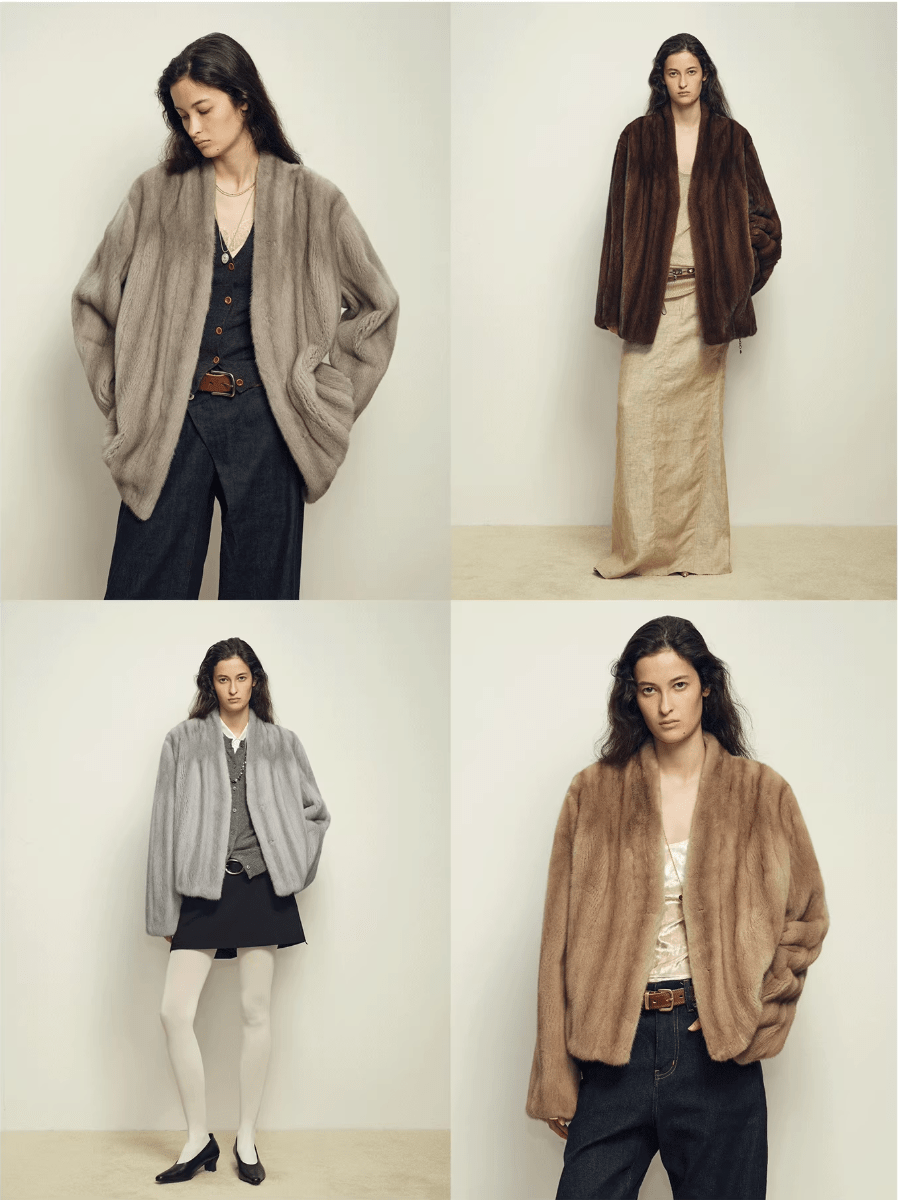
Check density and finish in ordinary light
Mink often photographs better when the lighting is simple. Use one clean full photo and one close photo where the buyer can see nap, density and direction. For a photo sequence, use material photos that support resale trust.
| Mink signal | Strong listing language | Warning language |
|---|---|---|
| Surface | Even soft surface; close texture shown | Flattened or thinning areas shown |
| Backing | Flexible when handled gently | Stiff, dry-feeling or not fully tested |
| Lining | Clean lining shown; no major pulling visible | Lining opening, stains or replacement noted |
| Odor | No smoke odor detected by seller | Smoke/perfume/closet odor present |
| Storage | Care history known or storage photos available | Care history unknown |
Storage history can support value, but it does not replace current proof
Professional storage, careful hanging or a known low-smoke home can help, but the buyer still needs current photos. For storage-specific care, link the owner to how to store a mink fur coat after the resale condition has been shown.

Care history is useful when it matches the coat in front of you
If the coat was stored well, the current surface, lining and movement should support that story. If they do not, write the current condition first.
Construction decides whether the mink feels substantial
Full-skin, let-out, knitted, sheared or trimmed mink each needs different proof. The fur label cannot answer a construction question by itself. Use the construction comparison article when the coat's build affects price.
Mink should still answer the buyer's daily question
If the buyer wants to wear the coat, they care about sleeves, shoulders, closures, pockets, sitting, storage and whether the coat works with today's clothes. For styling demand, fox fur vs mink fur and the Fur Coat Styling Guide can help once condition is clear.
Not every mink buyer wants the same coat
A buyer looking at a short mink jacket may be thinking about dinners, black trousers, denim, a car seat and a coat that does not feel ceremonial. A buyer looking at a long mink coat may be thinking about formal evenings, storage space and whether the coat feels current enough to wear. Both buyers care about mink, but they are not buying the same promise.
Make the mink lane clear: short and wearable, long and formal, sheared and modern, classic and substantial, older and restoration-minded. When the lane is clear, condition proof has a place to land.
The hand test is really a confidence test
A mink coat should move softly enough that the buyer believes it can be worn. The seller does not need to bend or stress the garment aggressively. Gentle handling at hem, sleeve and body can reveal whether the coat feels supple or papery. If the coat makes noise, feels brittle, or resists movement, the listing promise has to change.
Surface density matters too. Flattened areas, weak cuffs, bald rub points or a lining that fights the body can lower trust even when the label is strong. A close photo should support what the hand test suggests.
A label helps after the coat has already behaved well
Label and origin details can support a mink listing, but they make weak proof by themselves. Buyers have seen enough resale listings to know that labels survive after condition changes. A label photo works best after the full coat, lining, surface and closures have already made a credible case.
If the label is damaged, missing or unclear, the listing can still be useful. Name what can be seen and photographed. If the material is not fully verified, avoid turning the title into a guarantee that the evidence cannot support.
| Mink situation | What to show first | What to say carefully |
|---|---|---|
| Short wearable jacket | Proportion, sleeves, cuffs, lining, surface | Easy to style only if measurements and condition support it |
| Long classic coat | Body, hem, lining, storage, closures | Formal or vintage use without pretending demand is universal |
| Sheared mink | Even surface, cuffs, side light | Modern finish only if patchiness is not visible |
| Older inherited mink | Current condition before family story | Known history after the coat itself is clear |
Mink photos should answer storage and wear at the same time
A mink stored well usually shows it in small ways: cleaner lining, calmer surface, better shoulder line, less flattened cuff wear and fewer odor concerns. A listing can mention known storage history, but the photos have to agree. If the coat looks tired, history cannot carry the price.
Show the coat as a garment, not only as fur. Front, back, side, sleeve length, closure line and lining all help the buyer imagine wearing it. A mink that cannot be imagined on the body is harder to sell, even when the material is desirable.
The final mink note should sound handled, not inherited
A good mink condition paragraph sounds like someone checked the coat today. It names surface, lining, closures, odor, measurements and any wear. Family memory, original price or storage history can follow, but evidence belongs before sentiment.
Mink pricing confidence starts with the weakest area
A mink coat often looks strongest through the body and weakest at the places people touch: cuffs, collar, pockets, closure line, lower lining and hem. Start the condition read there. If those areas are clean, the seller has a stronger case. If they are worn, the listing can still work, but the price confidence changes.
Cuff wear may change the offer without ever being named. The buyer simply offers lower, asks more questions or moves on. Showing those areas early reduces that silent discount.
The coat's length changes the buyer pool
A long mink coat may feel more traditional, warmer and more formal. It may also feel harder to wear, store or style. A short mink jacket may carry less material, but it can attract a buyer who wants more repeat use. More length does not always mean easier resale.
Show length clearly and provide back length. If the coat is long, show hem condition and how the body hangs. If it is short, show waist placement, sleeves and closure line.
Use storage history as support, not the headline
Known professional storage can help a mink listing, but it should follow current condition. A buyer wants to see what the coat is now. If storage was good and the coat still looks good, the story reinforces itself. If the coat shows stiffness or odor, the history no longer carries the promise.
Unknown storage should be left unknown. A careful current photo set is more useful than a guessed storage claim.
Mink can link to shopping only after the resale read is clear
When a mink coat proves clean and wearable, current fur collections can help the reader compare style and replacement value. When the coat is weak, the next step is condition repair, inspection or smaller listing language.
The product path should follow the evidence, not the material name alone.
Mink value is often lost through over-familiar language
Sellers sometimes assume everyone knows what mink means, so the listing becomes short: mink coat, good condition, vintage, beautiful. That is not enough for a cautious buyer. The more familiar the material name is, the more buyers expect real proof behind it.
A better mink listing slows down for the boring parts: lining, cuffs, closures, odor, measurements, hem, storage, surface closeup. Those are the details that let the mink name carry weight.
A current mink comparison can be useful without becoming a sales pitch
After the resale read is clear, comparing current mink or artisan fur pieces can help a reader understand silhouette, condition standard and wearability. That comparison comes after inspection of the old coat, not in place of it.
Use current products as reference points only when the reader is already deciding whether to sell, keep, restore or replace. That keeps the advice grounded in the coat being evaluated.
Final mink read
Before publishing a mink listing, remove the word mink from the first paragraph and see whether the coat still sounds worth considering. If the answer is yes, the listing has real proof: condition, lining, surface, closures, measurements and use. If the answer is no, the material name is doing too much work.
Then put mink back into the sentence. Now it becomes useful. The material supports the evidence instead of replacing it.
The last mink sentence has to be present condition
The final mink sentence should return to current evidence, not memory. A family story, original price or old storage habit may matter, but the last useful sentence tells the buyer what the coat can support now.
A clean closing might mention surface, lining, flexibility, measurements, closures and any limitation. That gives the mink name a place to stand.
Before the mink story becomes the listing
Mink earns confidence through the coat in front of the seller. Family memory, old price and labels can support the story, but surface, lining, flexibility, closures and measurements do the current work.
A short mink jacket and a long mink coat promise different lives. One may belong with dinners, denim and a car seat; the other may belong with formal evenings, storage space and more careful handling.
The hand test is really a trust test. A supple body, quiet movement and clean lining make the mink name believable. Noise, stiffness or odor narrows the buyer category.
The final mink sentence should sound present-tense. It should tell the buyer what the coat supports now, not only what the coat may have meant years ago.
FireladyFur's mink resale standard
FireladyFur does not treat mink as an automatic value claim. The mink name earns stronger language only when density, movement, lining and care signals are visible.
When a mink piece is strong enough to compare against current purchases, route readers to the artisan fur collection after the resale judgment, not before it.
List mink after the condition proof is stronger than the memory
If the mink is clean, flexible and photographed well, build the listing around that proof. If it is dry, scented or unstable, change the promise before naming a premium price.
What mink coat resale signal should I check first?
Check flexibility and surface condition before label or original price. A mink coat needs clean density, soft movement, stable lining and no troubling odor or shedding.
Does a label make a mink coat valuable?
A label can help when condition, construction and photos already support the coat. It rarely saves a mink coat with brittle backing, odor or weak seams.
What mink photos should I include before listing?
Show full front, back, side, close texture, lining, label, cuffs, closures, hem and any wear. A short video of movement can help if the platform allows it.


