


Article Summary
Follow the invitation or workplace policy first. A fur coat is an arrival layer; the gown, cocktail outfit, workwear or casual base must meet the dress code after the coat comes off. Then check the journey, seating and where the coat will go indoors.
Read the Invitation Before Choosing the Coat
A fur coat is an arrival layer. It can support a dress code, but it does not make jeans black-tie or turn a casual dress into cocktail attire. Decide what you will wear after the coat comes off, then choose the outer layer for the entrance, journey and return home. If an invitation names a dress code, follow the host's instructions and the venue's own rules; a winter photograph alone does not tell you what the event requires.
Emily Post's attire guide describes black tie as formal evening dressing and distinguishes it from cocktail and business attire. It lists a formal gown, a dressy cocktail dress or a dressiest little black dress among women's black-tie options, with event context still important. A cocktail invitation usually leaves more room for a cocktail dress or dressy separates. At work, the employer's policy and the people you meet matter more than any general fur styling rule.
| Invitation or scene | Outfit that stays on indoors | Role of the coat | Handling check |
|---|---|---|---|
| Black tie or formal evening | Formal gown, dressy cocktail dress or other host-appropriate formal outfit | A clean arrival layer that does not obscure the neckline or make the dress difficult to manage | Find out whether there is coat check and whether the coat can be removed without disturbing the outfit. |
| Cocktail or dinner party | Cocktail dress, tailored jumpsuit or dressy separates appropriate to the host | Polish at the door; the base outfit does the work at the table | Sit, carry the bag and see where the coat will go indoors. |
| Office or business event | Clothes that meet the workplace's stated policy | Usually commute outerwear, not the office dress code itself | Can you store it safely and work without wearing it? |
| Casual weekend or city errand | Denim, knitwear or practical trousers suited to the route | A textured outer layer that can relax an ordinary outfit | Weather, shoes, bag contact and repeated sitting matter most. |
These are starting points. A museum, religious venue, workplace, wedding host or theatre may have a policy that changes the answer. Check that policy before assuming an expensive coat is appropriate or that a coat check exists. The fur coat styling guide covers shoes, proportions and everyday looks once the occasion is clear.
Black Tie: Keep the Arrival Layer Under Control
For black tie, settle the gown or other host-appropriate formal outfit first. The fur should sit over it without pulling the dress neckline out of place or tangling with sleeves. With a long gown, a short jacket leaves more of the dress visible. A longer coat can cover it on the journey. Neither length is mandatory. Choose by the dress's shoulder, hem and the temperature outside, then check the full outfit standing and seated.
A large collar may be useful for warmth but can crowd elaborate hair, earrings or a high dress neckline. Try the complete look with the coat open and closed. If the collar hides the outfit's most important detail or makes it difficult to turn your head, use a lower neckline, smaller collar or different coat. The event dress code should remain legible after the coat is removed; the fur is not a substitute for appropriate shoes or evening clothes.
Plan the exit. A formal outfit can be uncomfortable if the only outer layer requires constant adjustment, and a long hem can catch when stepping into a car or climbing stairs. If the venue offers coat check, check the procedure rather than assuming you can leave the coat on a chair. If there is no secure place, a smaller jacket or a different formal overcoat may be the practical answer.
Cocktail and Dinner: Let the Base Outfit Finish the Evening
At a cocktail event, a fur jacket can work over a dress, tailored jumpsuit or polished trouser outfit. The useful test is what remains after the arrival. A black dress with clean heels may welcome a fuller pale or dark fur surface. A printed dress, large earrings and textured bag may need a quieter coat. The choice is about the balance of the complete outfit, not a rule that mink is always formal and fox is always too expressive.
At dinner, the coat usually comes off quickly. Choose a bag you can place without rubbing the pile, and test the chair before wearing a very long coat. A cropped jacket may be easier to remove at a table. Check sleeve room over the dress or blazer. Narrow seating or no coat storage can make a dramatic coat cumbersome. Consider a smoother, less bulky outer layer for that particular evening.
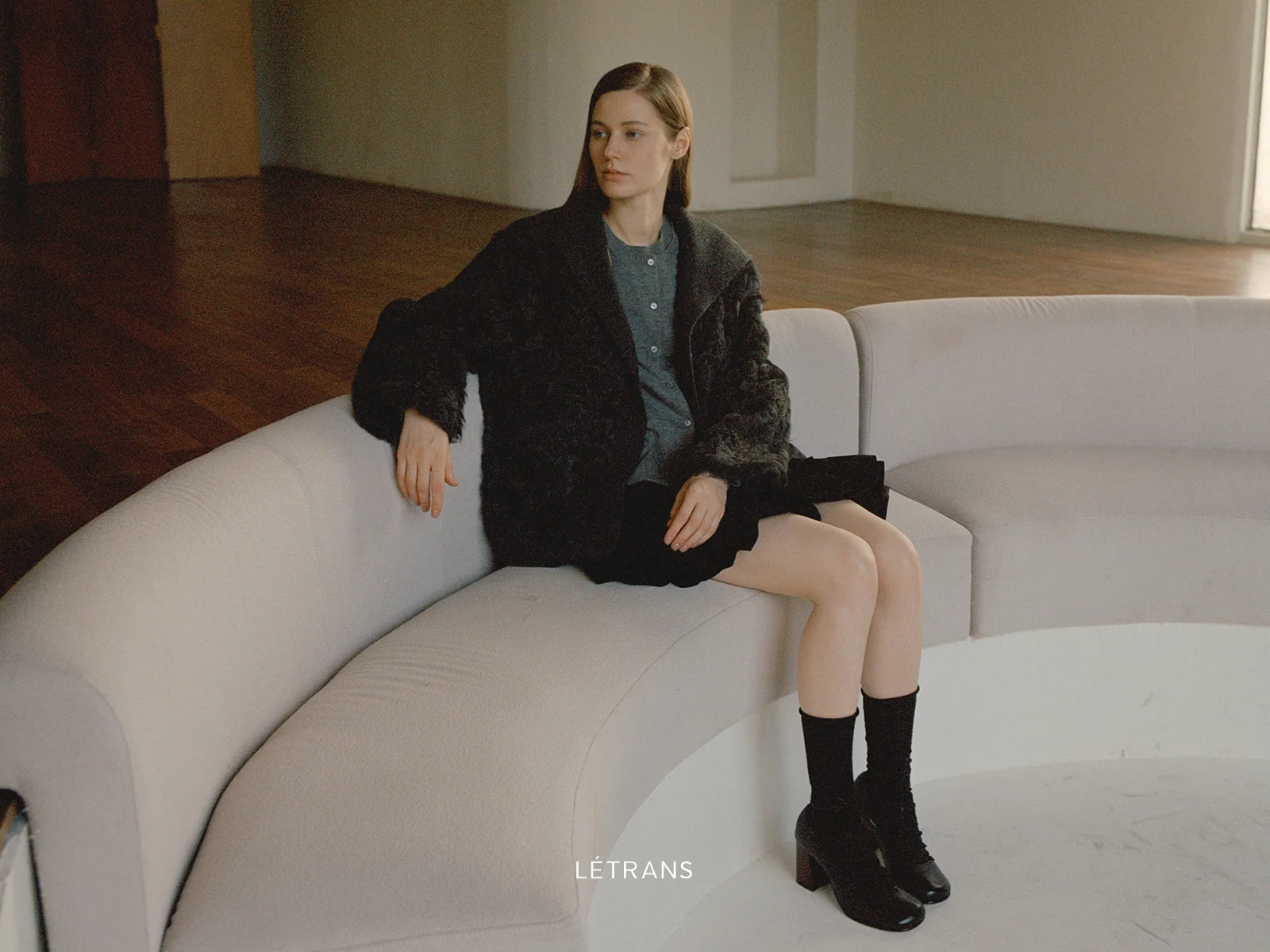
For a winter wedding, the invitation comes first. A guest's coat should support the requested level of dress, handle the outdoor wait and come off without disturbing the ceremony outfit. Check any guidance from the couple or venue about color, ceremony space or coat check. A simple dress with a large fur collar may feel more prominent than intended; a quiet coat over a stronger dress may be a better balance. No fixed rule says the coat must be long because the dress is long.
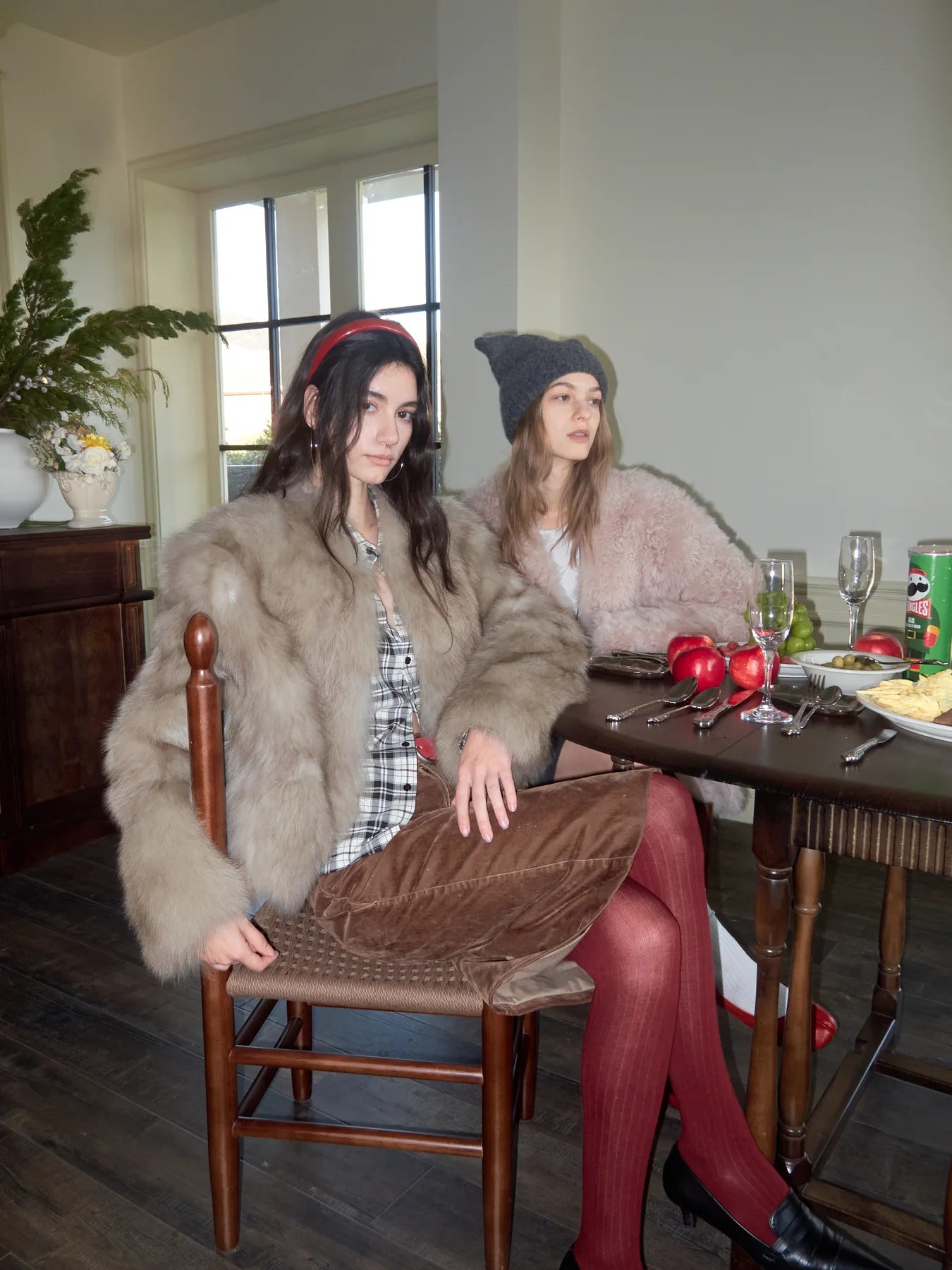
Work: Treat Fur as the Commute Layer Unless the Office Says Otherwise
Some workplaces may welcome a fur coat, while others may not. Read the stated dress code and consider the people and setting before making it the center of a business appearance. For a conservative meeting, the safest construction is a complete professional outfit under the coat: tailored trousers or skirt, suitable top and shoes that work once the coat is stored. The fur can add warmth and texture on the way in without becoming the meeting outfit.
A compact jacket may be easier to hang and less likely to crowd a shared space; a long coat may offer more coverage outdoors. Neither is automatically appropriate. Think about where the garment will go, whether a heavy bag rubs against it on the commute, and whether the office temperature means you will remove it immediately. A highly visible or dyed color can be enjoyable, but if it makes your professional base feel mismatched, choose a quieter route for that day.
For an office party after work, dress for the party's stated level rather than simply leaving the commute coat on. The same fur can serve both journeys if the outfit beneath it changes appropriately. If it cannot, that is an outfit issue, not a failure of fur as a material.
Casual Days: Use Familiar Clothes and a Real Route
Fur can be casual with straight jeans, a clean knit and flat or low-heeled boots. A cropped mink jacket can look relaxed with denim. A fuller fox jacket can also work outside parties. Let the cut and color sit against ordinary clothes. When the coat is the most expressive piece, simplify the base. A compact dark coat can take a striped knit or a more relaxed trouser.
Weekend plans bring different handling: grocery bags, a café chair, a car seat, a sudden shower and repeated opening of the coat. Do not dress only for the first standing photograph. Close the coat, sit, carry the bag and walk in the intended shoes. A coat that needs constant protection during routine errands belongs on a different route. For wet or rough travel, choose outerwear with a suitable shell. A fur-trim parka may be a more practical category when you need pockets or a hood, but the exact shell and closure determine weather capability.
A casual outfit should still be deliberate. Denim with a clean lower hem and shoe line makes fur feel integrated; jeans that bunch under a long coat and wide boots can make the lower half visually crowded. Adjust the jean or footwear before rejecting the coat. For more detailed denim, knit and shoe combinations, see what to wear with a fur coat.

Vintage Clock Velvet Mink Fur Coat
The model wears this short, round-neck jacket over a white turtleneck and jeans, a useful example for a casual cold-weather outing. For a dress-code event, test the exact jacket against the required base outfit rather than using this jeans outfit as a black-tie example. Check the selected color and measurements before buying.
View the garment and color optionsTravel and Outdoor Events Put Practicality First
On a flight, train or long drive, the coat may spend more time folded, carried or pressed against a seat than worn. Check whether that handling suits the garment. Natural fur and delicate finishes generally need care around moisture, heat and compression, but the specific label and product instructions govern the piece you own. The shorter jacket is usually easier to carry. A long coat can still serve a brief outdoor arrival when there is safe storage inside.
For an outdoor reception or winter market, dress for the forecast and the actual time outside. A full fur surface does not guarantee rain protection. A parka with fur trim may offer a hood and pockets, but only the shell construction and product details establish what it can handle. Shoes should support the ground conditions even when the coat is formal. There is no point choosing the perfect dinner fur if the journey requires unsafe or uncomfortable footwear.
After the event, allow a coat that picked up light moisture or odors to recover according to its care directions rather than forcing a quick fix with direct heat or fragrance. If it is wet or stained, seek appropriate specialist advice for the material. Those care needs are part of the occasion decision before you leave home.
Finish With the Indoor Outfit and the Coat's Exit
Before leaving, put the full outfit on and take the coat off once. Does the dress code still make sense? Can you move through the entrance, chair and coat check without struggling? Is the bag suitable for the fur surface, and are the shoes right for the route? Those checks usually expose a real problem faster than another accessory or a more elaborate mirror pose.
When the base and handling work, the coat can be expressive. An elegant event may welcome a visible fur collar; a casual coffee run may welcome a cropped jacket over denim. When the host's policy or the weather makes fur inconvenient, choose a different coat. The outfit serves the occasion, not the other way around.
Let the invitation and the indoor outfit lead.
Formal starts beneath the coat. Meet the requested black-tie or cocktail level with the dress or separates that remain on inside.
Work follows policy. The employer's rules and the meeting setting decide whether fur is only a commute layer.
Casual follows the route. Denim and flat boots can relax a fur jacket, but bag contact, seats and weather still matter.
Every event has an exit. Know where the coat will go and whether it can be removed without disturbing the outfit.
Buy for the occasion you repeat, not one dramatic entrance.
FireladyFur would start with the invitation, the complete indoor outfit and the journey. A garment's material and shape can enhance that plan, but neither makes a universal dress-code promise. Compare our individual coat photographs and measurements with your dress, shoes and handling needs; the brand story and Editorial Standards explain why we look beyond the first image.
Frequently Asked Questions
Can I wear a fur coat to a black-tie event?
Yes, as outerwear over an outfit that meets the host's black-tie instructions. Check the dress neckline, coat length and coat-check arrangement; the fur itself does not make the indoor outfit formal.
What fur coat works with cocktail attire?
A short jacket or longer coat can work over a cocktail dress, jumpsuit or dressy separates. Choose by the outfit's neckline, hem and volume, then test how easily the coat comes off indoors.
Can I wear fur to work?
Follow your employer's dress code. In many settings the coat is best treated as commute outerwear over a complete professional outfit, with a safe place to store it during the day.
Can a fur coat be worn casually?
Yes. A short or full coat can work with jeans, knitwear and practical footwear when the cut, weather and bag contact suit the route. Material alone does not determine formality.
Do I need a long fur coat with a gown?
No. A short jacket can leave a gown's shape visible, while a longer coat can offer more travel coverage. Check the two hemlines, neckline and seating rather than matching lengths by rule.
Choose the coat after the dress code is settled
If the event is formal, build the indoor outfit first. If the real question is a recurring city or weekend look, compare the broader styling routes before shopping.


