


The warmer choice is not decided by the word real or faux. It is decided by the weather, the coat's closure, the lining, the length, the way it fits over layers and how often it will be worn outside rather than admired indoors.
Begin with the winter you actually have
A coat that feels excellent on a dry freezing evening can be wrong for a wet commute, a heated car, or a city day with repeated indoor stops. The warmth question should begin with the setting: dry cold, wind, damp sidewalks, snow, long waits outside, or short door-to-door use.
Real fur often has an advantage when the coat has dense underfur, meaningful coverage and a front that closes well. Faux fur can still be warm enough when the winter is moderate, the pile is dense, the lining is stable and the outing is short. The comparison becomes weaker when it starts with material prestige and ignores how cold enters the garment.
If the day is dry, still and genuinely cold, insulation depth matters. If the day is windy, the front closure and collar may matter more. If the day is wet, care limits become part of the warmth decision because a damp coat that cannot be dried correctly is not a practical winter tool.
density and lengthWind
closure and collarWet snow
care boundaryIndoor stops
comfort and weight
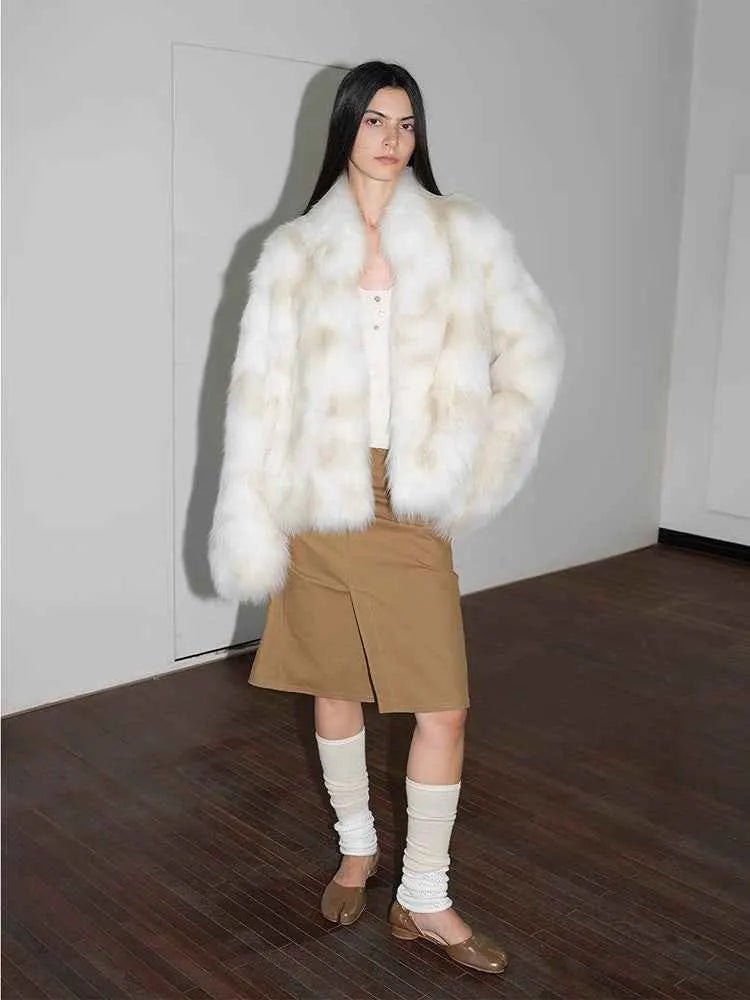
Real fur wins only when construction supports the material
Real fur can trap warmth efficiently, especially when the coat has depth, a secure lining and enough length to protect the outfit underneath. A mink or fox coat with meaningful coverage can feel warmer than a thin synthetic fashion jacket because it creates more trapped air and more surface protection.
That advantage is not automatic. A real fur jacket that hangs open, has a loose collar, exposes the lower body or cannot fit over winter layers may lose much of its practical warmth. Before treating real fur as the stronger answer, check the front overlap, sleeve opening, collar height, lining weight and whether the coat still moves when worn over the clothes you actually use.
If the higher price is part of the decision, compare the warmth claim with when real fur is worth the higher cost. A more expensive coat should solve a repeated winter problem, not only win a material debate.
| Real-fur strength | What to confirm | Where it can fail |
|---|---|---|
| Dense trapped air | The pile and underfur feel full without bald or flattened zones. | Thin vintage wear, dry backing or crushed storage can reduce the advantage. |
| Coverage | The coat protects the torso, hips, sleeves and neckline needed for the outfit. | A short or open shape can leave the coldest zones exposed. |
| Weight with warmth | The coat feels protective without becoming too heavy for repeat use. | If it is avoided because it is bulky, the theoretical warmth has little value. |
| Repair potential | Seams, lining and closures are strong enough to support winter wear. | Old repairs, odor or weak lining can turn warmth into a maintenance problem. |
Faux fur works best when the use case is honest
Faux fur is often strongest as a visual and moderate-weather layer. It can make sense for trend pieces, short outings, occasional evening wear, travel, crowded events or situations where the owner does not want the care burden of real fur. A dense faux coat with good lining can be perfectly useful in mild winter, especially when the buyer is not standing outside for long stretches.
The problem begins when faux fur is asked to perform like a serious cold-weather garment while also being treated like a low-care textile. Some faux coats flatten quickly under bags, trap damp odor, lose shape after incorrect washing or feel warm in a store but drafty in wind. If the garment is mainly for style and short exposure, that tradeoff can be acceptable. If it is meant to be a winter workhorse, the buyer should inspect closure, lining and wind behavior before price.
Short exposure
Door-to-car, evening entry, brief outdoor walks and mild city days.
Trend role
When the garment is mainly visual and does not need long-term resale value.
Strong wind
Open fronts, loose collars and thin lining can make dense pile feel less warm.
Wet handling
Wrong drying, heat or washing can damage the surface and shape.
Wind is the fastest way to expose a weak coat
Wind makes the comparison less romantic. It enters through the front, collar, sleeve opening and hem. A coat that looks thick can still feel cold if the air moves through the garment. A coat that looks less dramatic can feel better if the closure, collar and length are more disciplined.
Use a simple try-on test: close the coat fully, raise and lower the arms, sit down, turn the shoulders and check whether the front opens. If the coat pulls apart, the warmer material may not matter. This is also where the broader Real Fur vs Faux Fur Ultimate Guide helps, because backing, fiber behavior and garment weight change how the coat holds its shape in motion.
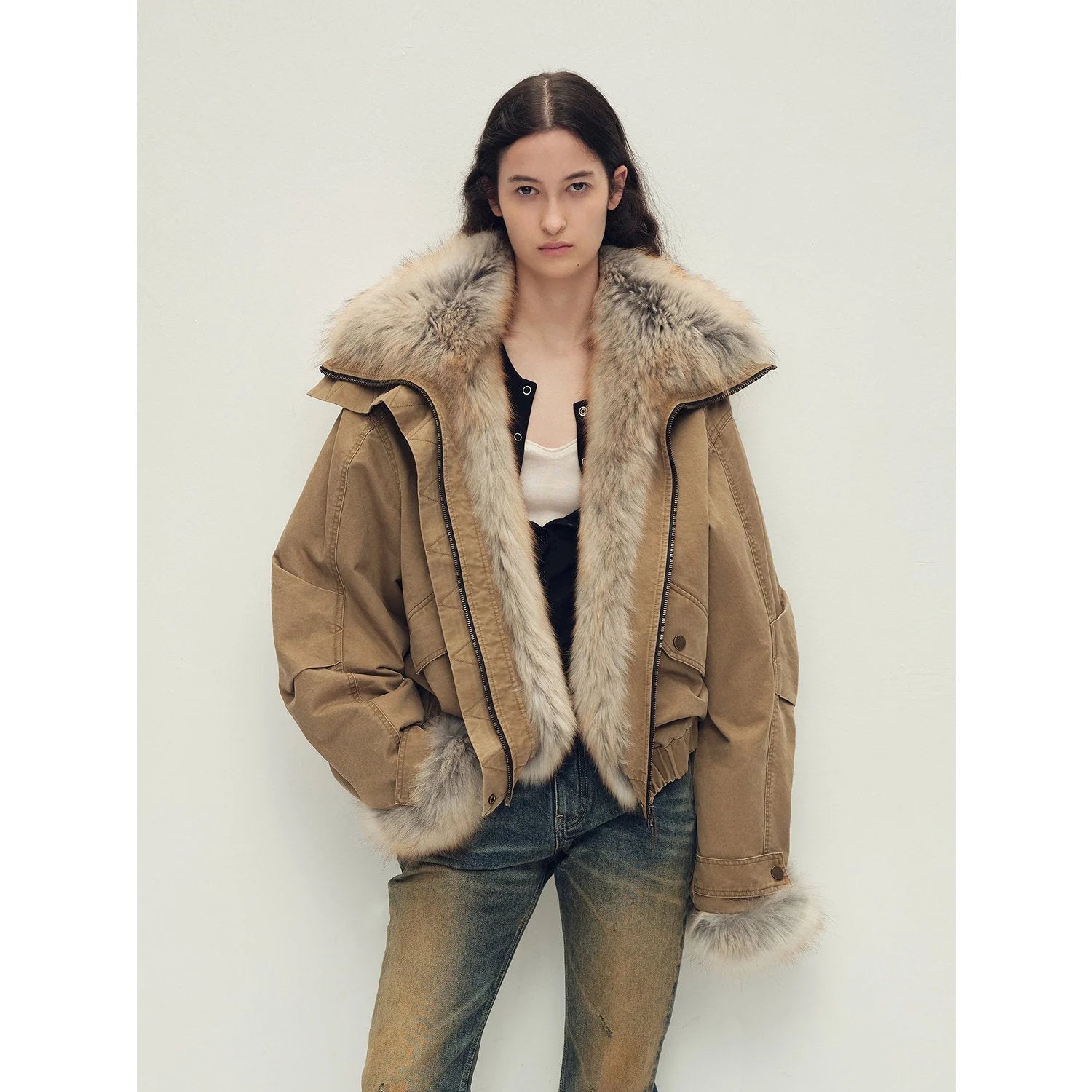
Closure can beat pile depth
A dense surface looks persuasive, but winter use is decided at the edges: neckline, sleeve opening, front overlap and hem. Those points decide whether warm air stays with the body.
Wet weather turns warmth into a care question
A light snowflake on the surface is not the same as soaking, wet lining, slush at the hem or a damp storage cover. Real fur should not be treated as a raincoat. Faux fur is also not immune to damage; heat drying, harsh washing and friction can create permanent surface change. If the coat will face wet streets often, the care limits may decide the purchase before warmth does.
Read the real fur vs faux fur care guide when moisture, cleaning access or storage space is part of the decision. A warm coat that cannot be cared for after bad weather is not a stable winter investment.
Warmth should be matched to wardrobe behavior
The same coat can be right for a person who walks to dinner and wrong for a person who drives, carries bags, sits in heated rooms or commutes through wet streets. Warmth also changes with the clothes under the coat. A full outfit with thick knitwear needs a different sleeve and shoulder test from a dress worn to an event.
This is why the parent Real Fur vs Faux Fur Ultimate Guide treats warmth as one part of a larger purchase. The buyer should be able to name the role: serious winter protection, occasional evening warmth, fashion impact, travel layer or daily outerwear.
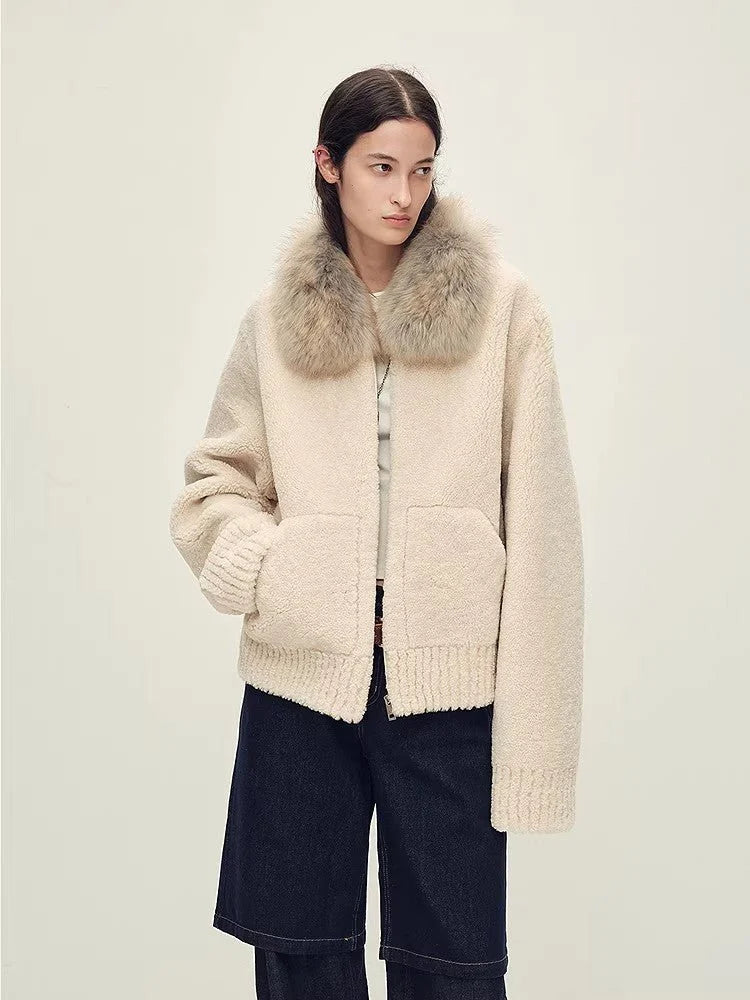
FireladyFur warmth judgment
Do not buy the warmest-looking coat; buy the coat that solves your actual cold problem
FireladyFur evaluates warmth through material, construction and behavior. For dry cold, a dense real fur coat with coverage can justify the extra ownership work. For mild city use, a well-built faux fur or fur-trimmed outerwear piece may be enough. For wet, crowded or travel-heavy routines, care tolerance and repeat wear should carry more weight than a material label.
Use the comparison to decide the category first. Then browse the product path that matches the role, rather than using product photos to create the role after the fact.
Use this article when the decision is winter performance
If your question is only whether real fur is warmer than faux fur, the short answer is: often, under the right conditions, but not always in a way that makes it the better purchase. The useful answer is more specific. Real fur tends to win when cold is serious, dry, repeated and supported by proper care. Faux fur can win when the use is moderate, short, visual, budget-sensitive or lower commitment.
For appearance questions, move to texture and photo checks. For the ownership math, use lifespan and replacement cost. For cases where faux is the smarter choice, use when faux fur makes more sense.
FAQ
Is real fur always warmer than faux fur?
No. Real fur often has stronger insulation potential, but closure, length, lining, wind exposure and fit can change the result.
Can faux fur be warm enough for winter?
Yes, especially for mild winter, short trips or fashion use. It is weaker when the buyer expects long outdoor exposure, wind protection and serious cold-weather performance.
What should I check before buying for warmth?
Check front closure, collar, sleeve openings, lining, length, weight, fit over layers and how the coat behaves when sitting or walking.
Does wet weather change the real vs faux fur answer?
Yes. Wet exposure brings care risk into the decision. Neither real fur nor faux fur should be judged only by warmth if the coat will face damp weather often.


