


A buyer may click for mink, fox, shearling or rabbit, but small construction details decide whether the listing feels safe. Lining, closures, cuffs, collar, pockets, underarms and hem tell the buyer whether the coat can be worn without immediate repair.
Even after the construction comparison article explains the build, the listing still needs proof at the places a buyer touches first.
Working parts change the first try-on
Hooks, loops, snaps, buttons and zippers tell the buyer whether the coat can be worn immediately.
The lining can carry the trust story
Underarms, lower edge, relining, stains and label area often explain the coat better than another front view.
Cuffs and hems reveal ordinary life
Hand wear, bag rub, loose lining and uneven hems can change fit, not only appearance.
The small parts decide the first try-on
A coat can photograph beautifully from the front and still disappoint the moment it is tried on. A weak hook, pulling lining, stiff underarm, loose pocket, dragging hem or collapsing collar changes the first impression faster than a flattering material name can repair it. If you have not checked those areas yet, return to the pre-listing inspection checklist before writing a confident material description.
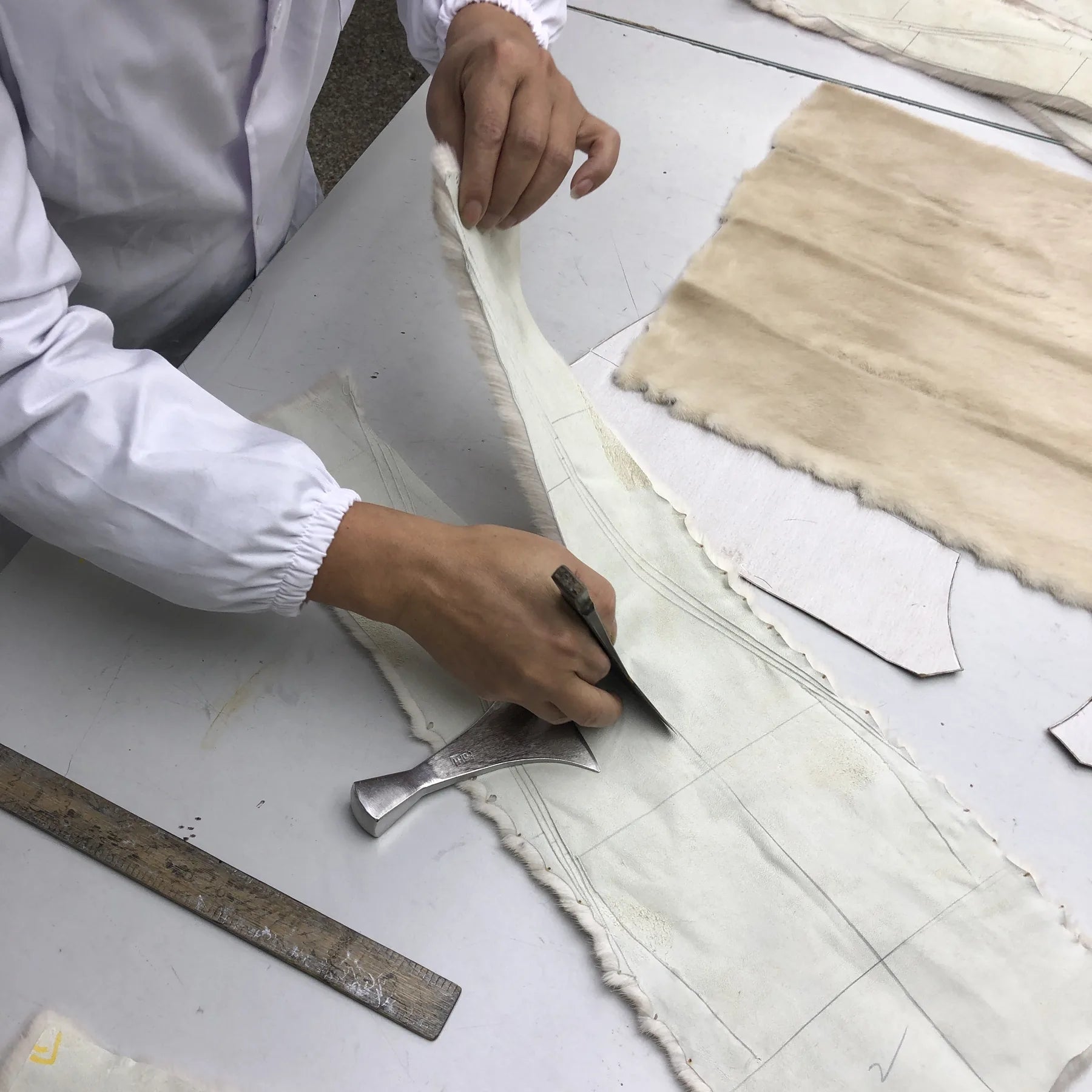
Closures should be shown working
Hooks, buttons, loops, zippers and snaps need photos open and closed when possible. A shiny hook can still be loose. A zipper can look clean and catch the lining. For closure-heavy issues, use lining, cuffs and closures to inspect before selling as the deeper path.
What the buyer checks after the front photo
Relining changes the story but can support value. A replaced lining is not automatically negative. It may show that the coat was maintained. Photograph the lining and say if it appears replaced or if prior relining is known.
Underarm lining deserves a separate photo. The outside underarm may look fine while the lining shows wear, odor staining or stress. Photograph both underarm lining areas if the coat has any age.
Button loops and hooks age quietly. Loops can stretch, thread can weaken, and hooks can loosen without looking dramatic in a front photo. Test each one gently. If the coat closes but one point is weak, say it closes but one hook or loop may need reinforcement.
A belt changes both condition and silhouette. If the coat originally had a belt and it is missing, the condition note should say so. A missing belt may not affect warmth, but it affects shape, styling and buyer expectation.
The lining hem can reveal dragging or storage pull. A loose lining hem may look minor, but it can affect how the coat hangs. Photograph the lower inside edge when there is any issue.
| Detail | Confidence signal | Disclosure trigger |
|---|---|---|
| Lining | Clean, attached, not pulling | Opening, stains, relining, odor |
| Closures | Work smoothly and align | Loose hooks, missing loops, zipper catch |
| Cuffs | Even edge and normal wear | Rub, thinning, stains, loose lining |
| Collar | Sits correctly and frames shape | Crushed edge, matting, weak attachment |
| Hem | Hangs level outside and inside | Dragging lining, detached edge, storage pull |
| Pockets | Usable and clean | Tears, heavy wear, loose seams |
Construction proof supports material value
When construction is strong, it helps the material claim feel earned. When construction is weak, it can move the coat into repair review or as-is wording. That is why mink, fox, shearling and rabbit value signals should always be read together with build details.
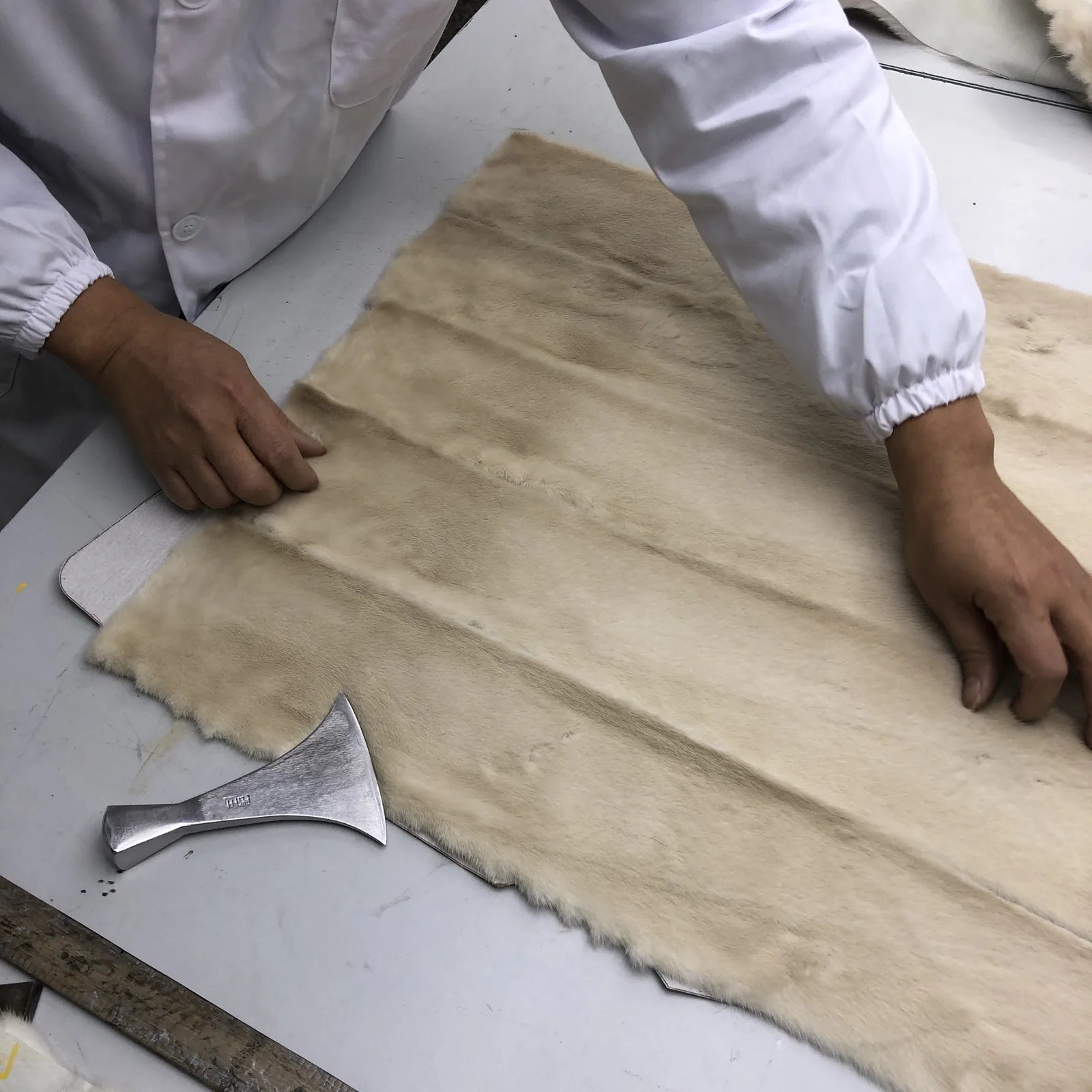
A buyer notices build when the coat moves
Hanger photos help, but the true questions are sleeve movement, sitting, closure tension, lining pull and whether the coat hangs naturally.
Write the build detail near the photo
If a cuff has light rub, mention it near the cuff photo. If a hook is loose, show it. If the lining is replaced, photograph it and describe it without apology. Condition notes buyers read works best when the note and photo order match.
The front photo is only the invitation
The front photo earns the first click, but construction proof earns the buyer's confidence. A coat that looks clean from the front can still have a lining that pulls, a hook that misses its loop, a pocket seam that opens, or a hem that no longer hangs evenly. Those problems are small until the buyer is trying the coat on.
A strong listing moves from beauty to use. It shows the part a buyer sees, then the part a buyer touches. That order feels less glamorous, but it prevents the first try-on from becoming the first disappointment.
Closures deserve a small sequence
One closure photo is often not enough. Show hooks, loops, buttons, snaps or zippers open and closed when possible. If the coat has a belt, show the belt separately and on the coat. If one hook works but feels loose, say it may need reinforcement instead of calling all closures excellent.
This helps buyers understand whether the coat can be worn immediately. A coat that does not close cleanly may still be worth listing, but it belongs in a different promise.
Relining can be a strength when it is explained
A replaced lining is not automatically negative. It may show maintenance, repair or restoration. It becomes suspicious only when the listing hides it or when surrounding areas suggest the lining was replaced to cover deeper damage. Photograph the full lining, label area if present, underarms and lower edge.
If prior relining is known, say it. If the lining appears newer but the history is unknown, say it appears replaced rather than pretending certainty. That kind of caution feels more trustworthy than silence.
| Build detail | What to show | How it affects confidence |
|---|---|---|
| Closures | Open and closed hooks, loops, zipper or snaps | Tells buyer whether coat can be worn immediately |
| Lining | Full inside, underarms, hem edge, label area | Shows care, relining, odor or stress history |
| Cuffs | Top, underside and fur edge | Shows hand wear and lining strain |
| Hem | Outside and inside lower edge | Shows dragging, storage pull or lining separation |
| Pockets | Pocket openings and inside if possible | Shows use wear and hidden seam stress |
Construction proof should match the material claim
A valuable material deserves a garment that still works. If the material is mink, fox, shearling or rabbit, the construction photos should prove that the coat can close, hang and move. If the material is only trim, the construction proof should shift to shell, hood, zipper and attachment.
This is where small details stop being small. A good cuff photo can support a mink claim. A hood attachment photo can support a trim claim. A wool-side seam photo can support shearling wearability. A reversible rabbit photo can prevent confusion.
Repair language should stay modest
Loose hooks, small lining openings or minor cuff wear may be manageable, but easy-repair language needs a qualified basis. Say what is present. If repair is likely, use careful language: may need reinforcement, could benefit from furrier review, or selling as shown.
Buyers can accept disclosed repair work. They react badly when repair appears after delivery. Construction details are the easiest place to prevent that reaction because the evidence is visible.
A buyer tests construction in motion
Construction is not only what the coat looks like on a hanger. It is what happens when the buyer raises an arm, closes a hook, sits down, reaches into a pocket, turns the collar, or hangs the coat after wearing it. Photos cannot show all of that, but the listing can show the parts most likely to fail.
This is why small parts matter. A coat with good fur and weak closures creates immediate work. A coat with clean lining and strong hooks feels more ready even if the material is less prestigious.
Underarms and cuffs deserve more respect
Underarms collect stress, odor and lining wear. Cuffs collect hand wear, bag rub and surface flattening. Both areas are easy to skip because they are not glamorous. Buyers notice them quickly when the coat arrives.
Photograph them anyway. A clean underarm lining and honest cuff photo can do more for trust than another full-length image.
Small repairs should be named as small only when they are small
A loose hook may be small. A torn lining around multiple stress points is not small. A missing belt loop may be minor for warmth and major for silhouette. Name the effect, not only the part.
If the repair affects whether the coat can be worn immediately, say that. If it affects only appearance, say that too. Buyers can handle nuance when the evidence is clear.
The construction paragraph can be short and still complete
A good final construction note might say: lining shown, closures working, light cuff wear photographed, hem hangs evenly, belt included, no major seam openings noticed. If one of those is not true, replace it with the visible fact.
That is more useful than saying good condition across the board.
A construction issue can change fit more than appearance
A loose lining, weak hook or missing belt loop may not ruin a front photo, but it can change how the coat feels on the body. Fit is not only measurement. It is also whether the coat closes, hangs, moves and stays in place.
That is why construction details belong in a resale listing even when they seem small. They tell the buyer whether the coat is ready for an actual first wear.
The inside photo can be the trust photo
Sellers often think the most important image is the front view. For buyer confidence, the inside photo may matter more. It shows lining cleanliness, label area, lower edge, relining, underarm stress and how carefully the coat has been kept.
A clean inside photo does not make a coat perfect, but it lowers doubt. A hidden inside makes buyers wonder what else is hidden.
Build details should support the final promise
If all closures work, lining is clean, cuffs are shown and hem hangs evenly, the final promise can sound more confident. If one of those is weak, the final promise has to leave room for repair or as-is expectation.
That final alignment is what makes the article useful: the small parts decide the language, not the other way around.
Final construction-confidence read
Before publishing, read the construction paragraph as if the buyer is trying the coat on in a hallway. Can they close it? Can they move their arms? Does the lining pull? Are cuffs clean enough? Is the hem level? Is the belt present if expected? Those questions are more useful than a broad good-condition sentence.
If the small parts are clean, show them. If one is weak, name it. Confidence comes from alignment between the photo, the wording and the promise.
The small parts that decide confidence
Closures are function, not decoration. Hooks, loops, buttons, snaps and zippers should be shown working because the buyer needs to know whether the coat can be worn immediately.
Lining tells the story behind the front photo. Underarms, lower edge, label area, relining, stains and pulling often explain how carefully the coat has been kept.
Cuffs and hems reveal ordinary wear. Bag rub, hand wear, dragging lining and loose edges may look small, but they change the first try-on.
The final construction promise should match the small parts. If they are clean, show them. If one is weak, name it before the buyer finds it later.
FireladyFur's construction-confidence standard
FireladyFur uses build details to keep resale advice practical. A material can sound strong, but the buyer still needs a coat that closes, hangs, moves and stores correctly.
For broader ownership decisions, use the Firelady Fur Guide and Fur Coat Value / Resale Guide. For a specific listing, let the small parts decide how confident the promise can be.
Let construction decide how confident the listing can sound
If the small parts are clean, show them and write with confidence. If they are weak, disclose them and change the buyer expectation before the offer conversation begins.
Which construction details raise buyer confidence most?
Stable seams, clean lining, working closures, strong collar and cuffs, a clean hem, usable pockets and a coat that hangs naturally all raise confidence.
Should small closure or lining problems be disclosed?
Yes. Small problems are often manageable, but hidden closure or lining issues reduce trust quickly when discovered after delivery.
Do construction details matter if the material is valuable?
Yes. Valuable material still needs a wearable garment structure. Weak construction can lower offers or move the coat into repair or project language.


