


Article Summary
A coat can look expensive on a hanger and still lose trust at the first try-on. Cuffs, hooks, pockets and lining are where the buyer learns whether the seller really looked.
Check these details before final photos, especially when the outside looks strong but the inside may tell a different story.
Support the Coat and Inspect Accessible Lining
With the coat supported, look at the lining areas that are accessible without pulling: underarms, pocket bags, side seams, hem attachment, monogram area and front edge. Do not open a seam or force a stiff panel back for a photograph. A clean label photo alone cannot show a lining opening or a hem that is pulling.
When a closure is loose, ask the repairer whether the attachment needs stitching alone or whether the surrounding skin also needs attention. A photo can show a missing hook, but it cannot establish that the backing will hold new stitches. CCI handling guidance is particularly relevant when the garment is stiff or fragile: support it rather than repeatedly lifting it for more views.
Photograph each accessible underarm lining area separately. Record visible wear, staining or loose stitches without identifying an odor or cause from the photograph.
The label area can show lining stress. Sellers often photograph the label tightly and miss the fabric around it. Pull back enough to show whether the label area is stained, pulled, replaced, monogrammed or surrounded by loose stitching. The label is useful, but the surrounding lining tells condition.
Compare the Outer Cuff with Its Lining
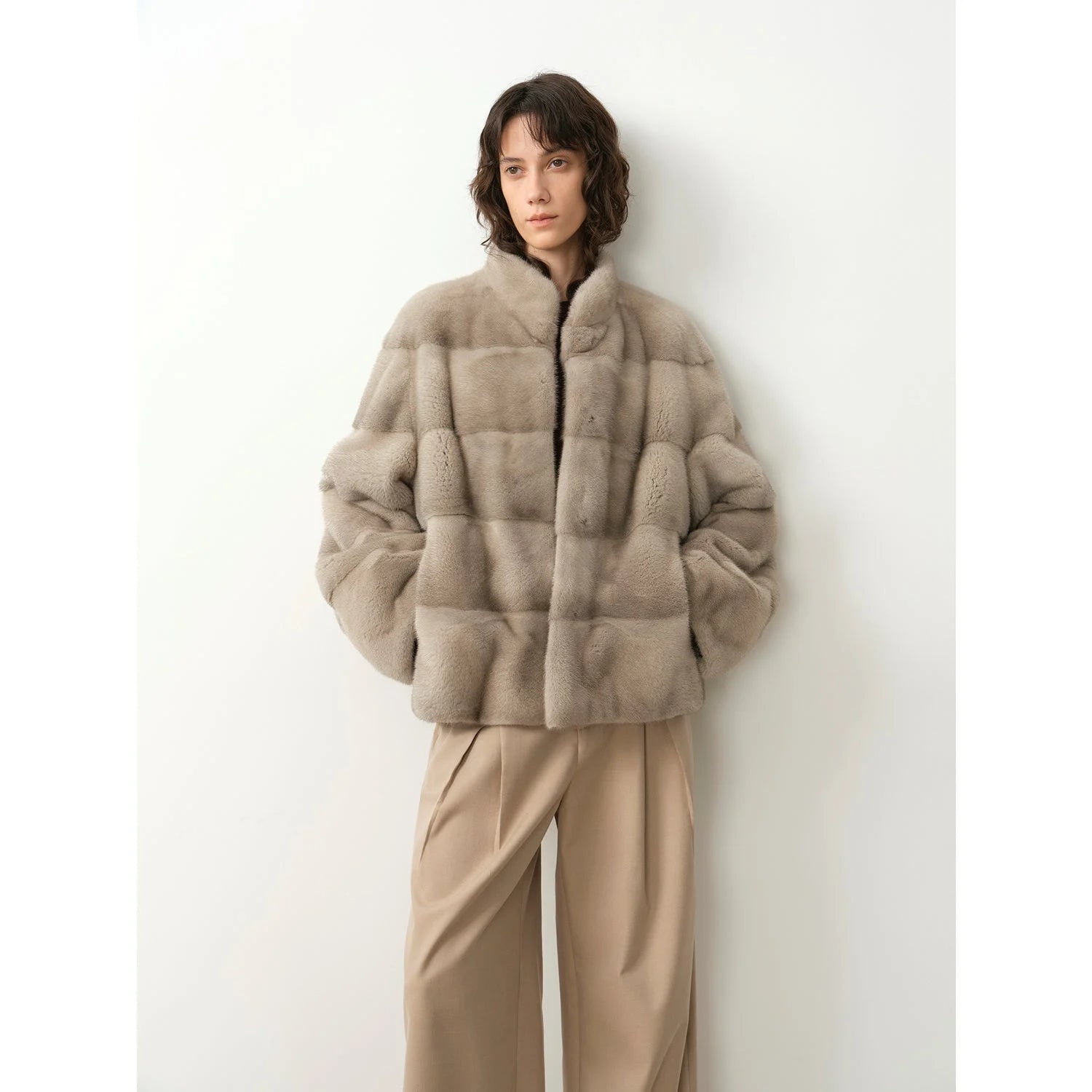
A cuff edge sits in view every time the arm bends. Light rub can read as normal use. Bald spots, darkened edges, fraying lining or a sleeve end that feels weak can make the whole coat feel less carefully represented.
If the cuff wear is the main issue, compare it with wear signs that lower buyer trust before choosing condition grade language.
Show the cuff lining only as far as it opens naturally. Do not roll or pull a stiff sleeve to expose the edge. The outer fur and inner lining can have different wear, so photograph both where accessible and name any area left uninspected.
| Part | Accessible observation | Record in the listing |
|---|---|---|
| Lining | Visible stains, tears, pulling, label area and attachments. | Full accessible interior plus defect close-ups; odor separately. |
| Cuffs | Rub, thinning, splits or lining fray. | Both sides in the same light; inner edge only where it opens naturally. |
| Pockets | Visible opening wear, pocket-bag hole or loose stitching. | Usable, decorative, sewn shut, damaged or not fully inspected. |
| Closures | Missing parts, loose loops, catching or misalignment. | What was gently checked on a stable coat and what remains untested. |
| Hem | Detached lining, uneven edge or lining pulling the outer body. | Full lower edge and exact affected area. |
| Collar/label area | Visible matting, wear, monogram or repair. | Observation rather than an inferred care or material history. |
Check Fasteners Without Pulling the Front Together
Check Closures Only on a Stable Coat
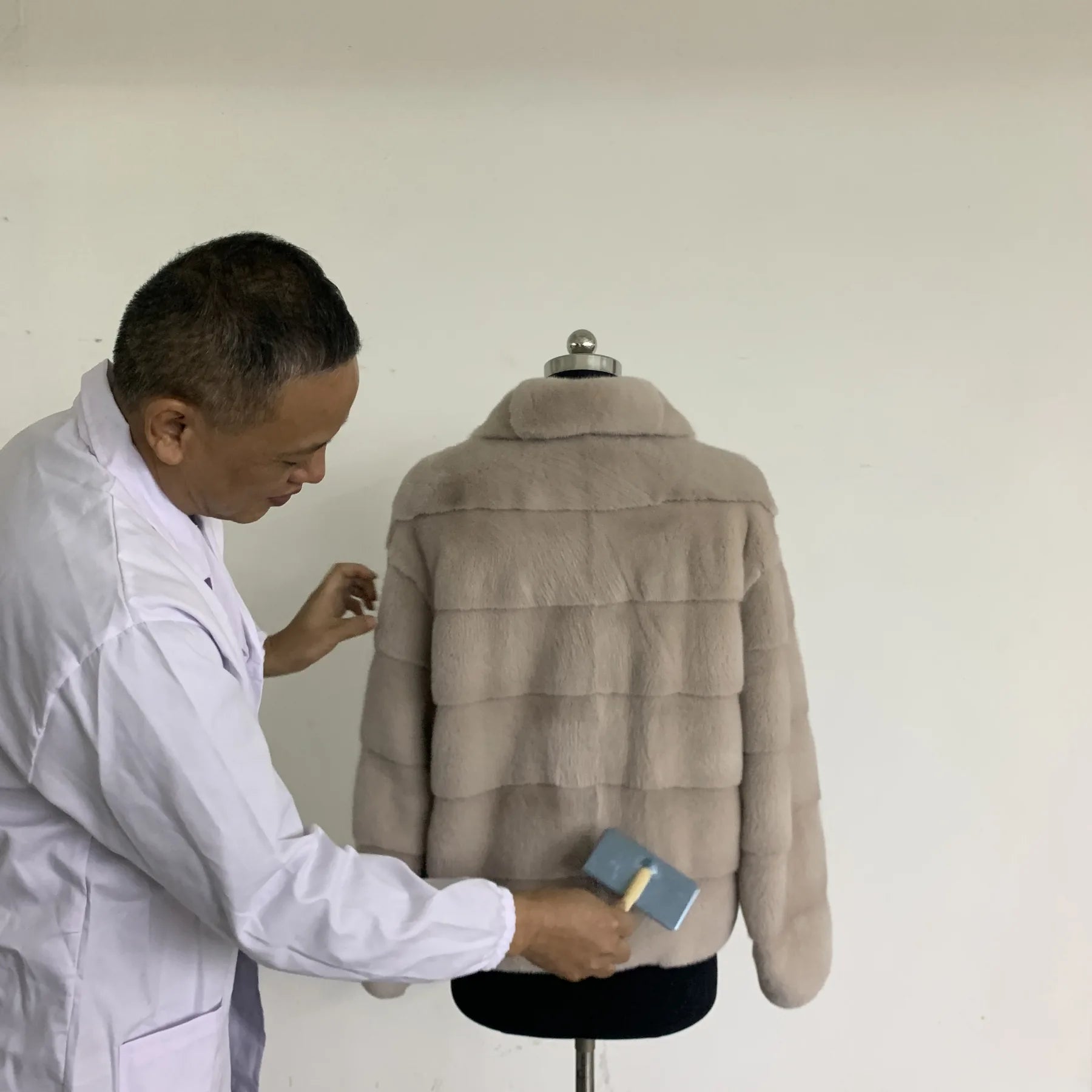
First check for visible splits, stiffness or continuing hair release. If any is present, skip the try-on and closure test and arrange assessment. For a stable coat, check the fasteners only where the fronts meet naturally; do not pull the garment together or force it onto a mannequin. Record whether each fastener was checked or left untested.
Practical coats still need closure, pocket and cuff proof.
Record each fastener checked on a stable coat and any loose or missing point. For example: “Front closes; upper loop is loose.” The observation does not establish that new stitches will hold; leave reinforcement advice to a furrier.
A shiny hook can have loose stitches; a present zipper can catch the lining. Show accessible hardware in context and record any gentle operation already completed on a stable coat. Do not tug its attachment to demonstrate strength.
On a stable coat whose fronts meet naturally, show the full closed front and a close-up of the hardware. If a gap remains, describe it. Do not pull the fronts together or infer from the gap alone whether size, alteration or attachment is responsible.
Look into Pockets Without Turning Them Out
Look into the pocket opening without turning a fragile bag inside out or pulling on its seams. Note visible holes, loose stitching, stains or repairs. If the interior is inaccessible without strain, describe it as not fully inspected rather than declaring the pocket sound.
If pockets are shallow, delicate, sewn shut, decorative or damaged, say so. A practical buyer will care more about pocket truth than a dramatic description.
Show Hem Attachment, Labels and Belts
The front edges meet hands, closures, bags and seat belts. The hem meets chairs, car seats and storage pressure. Check both in daylight. Look for thinning, loose stitching, pulled lining, uneven edge or areas where the pile no longer covers the backing.
Show the full lower edge where lining hangs below the fur body, pulls it upward or has detached. Describe the affected location and how it currently hangs without attributing the change to dragging or storage unless that history is known.
A label can help, but alterations can change the original size or shape. If there is a monogram, replaced lining, old repair tag or removed label mark, photograph it. These details can be charming in vintage fur, but they should not be hidden.
Show a known replacement lining and state the source of that history. If it only looks newer, say that relining is unconfirmed. A replaced lining does not establish the condition of hidden skin or prove why the work was done.
A belt changes both condition and silhouette. If the coat originally had a belt and it is missing, the condition note should say so. A missing belt may not affect warmth, but it affects shape, styling and buyer expectation. If a belt is present, photograph it separately and show any wear at the holes, loops or tie points.
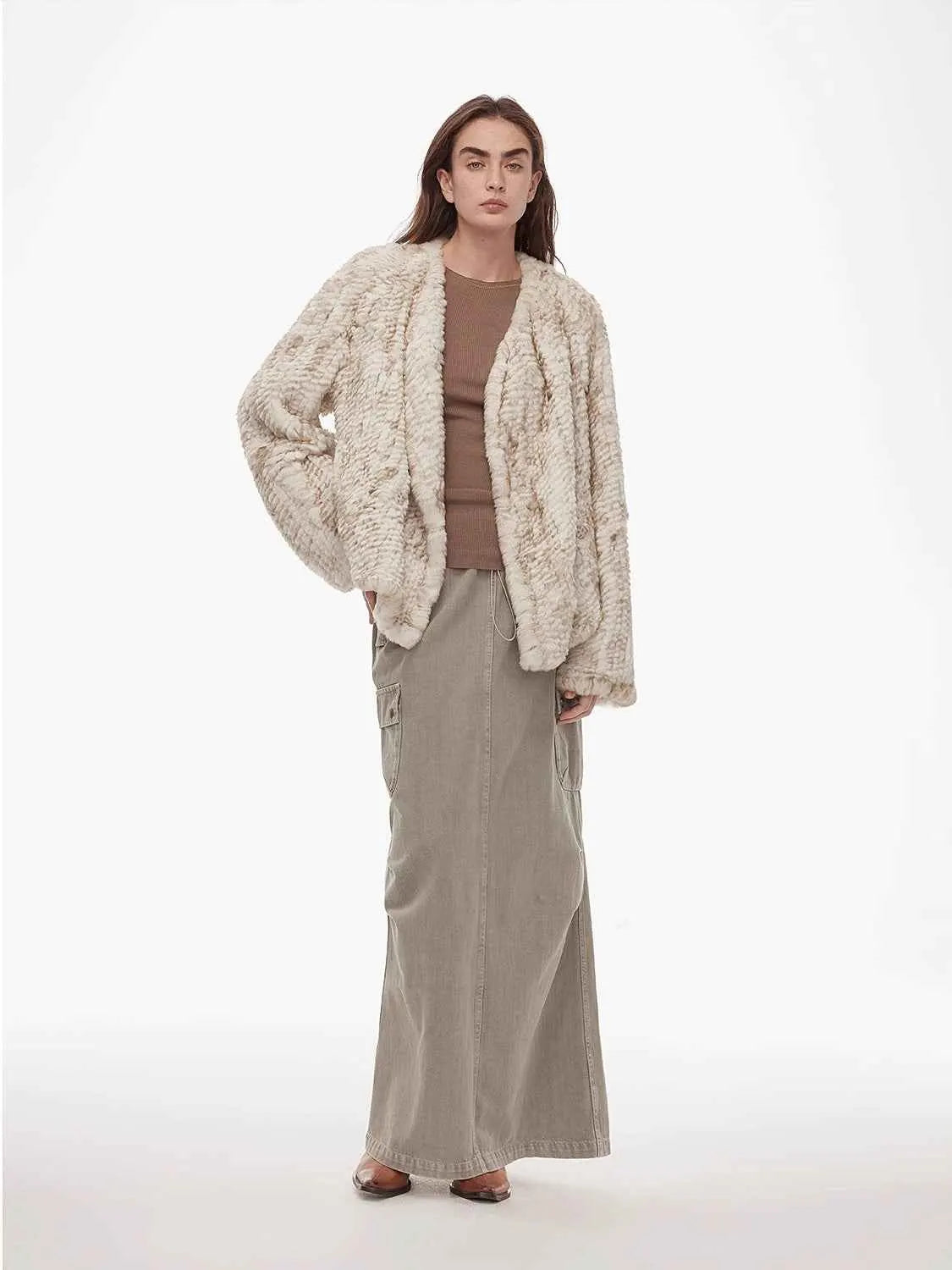
A buyer may forgive a worn cuff. They are less forgiving when a closure, lining tear, or pocket problem arrives unmentioned.
Small construction details decide whether the first try-on feels honest.
Inspect the Shell and Trim Attachments on a Parka
For fur-trim parkas, do not inspect only the fur. Check zipper tape, snaps, detachable trim buttons, hood attachment, pockets, drawcords and shell stains. A buyer choosing a parka is buying utility as much as trim.
For broader ownership context, use the Fur Coat Guide and Firelady Fur Guide. On a fur-trim parka, compare the shell, hardware and trim as separate parts rather than assuming that the category carries less condition risk.
Decide Which Fault Changes Use or Needs Assessment
A decorative lining mark can be disclosed. A broken front closure changes how the coat works. A small opening in the lining can be acceptable. A torn pocket bag that catches the hand every time may be worth repairing before sale.
Consider how the flaw would affect use without arranging a try-on: would the buyer encounter it immediately? If yes, fix it, price it into the sale, or put it clearly in the first half of the listing. When several details change the whole condition story, go back to the pre-listing fur coat inspection checklist instead of treating cuffs or closures as isolated flaws.
Name a loose hook or lining opening even when the proposed repair seems small. Whether the work is feasible depends on its attachment and surrounding material; compare any qualified repair quote in the fur coat resale value guide before deciding.
If repair assessment leads you to compare replacement coats, use the Fur Coat Comparison Guide for the wider differences in construction and use. The present coat’s lining fault still needs its own description and assessment.
Small details become problems when they arrive as surprises
Small details are easiest to forgive when they are easy to see. The listing that says light cuff rub shown, closure works, lining opening shown near pocket feels more trustworthy than the listing that says great condition and waits for the buyer to discover the same facts.
Finish the Component Note
Record accessible parts only. A hidden pocket interior or skin behind lining remains uninspected.
Distinguish presence from function. All hooks being present does not establish that their attachments are sound.
Show alterations and accessories. Relining, a monogram or a missing belt belongs with the current condition record.
Prioritize a fault that changes use. A pocket hole or missing fastening needs clear wording and, where appropriate, qualified repair assessment.
Inspect the hand-touch zones before calling the coat ready
A fur coat is not ready to list until the lining, cuffs, pockets, closures and hem have been looked at like buyer-contact points.
Judge the coat by the parts a buyer touches
FireladyFur would give lining, cuffs, pockets and closures more respect than most quick resale listings do. These details decide whether the first try-on feels careful or disappointing, even when the outside still photographs beautifully.
A seller does not need to make every small repair before listing. The recommendation is to separate decoration from function: show what works, name what needs reinforcement, and never let the buyer discover a closure, pocket or lining issue first.
Does lining damage lower fur coat resale value?
A lining opening, stain or pulling attachment needs a specific description and accessible photograph. Its effect on use and any repair cost depend on the actual coat, including the surrounding skin; the photograph does not establish a fixed value reduction.
Should I repair a broken fur coat closure before selling?
Ask whether the attachment and surrounding skin are suitable for repair, then obtain the proposed scope and cost. If selling before repair, show the fault and state what was checked or left untested. Do not force the fastening to demonstrate function.
Do buyers care about cuffs on a used fur coat?
Yes. Cuffs show everyday wear quickly, so both cuffs should be photographed and described if rub, thinning or fray is visible.


