


The repair most likely to help resale is usually small, visible and practical. It lets the buyer wear the coat without turning the first purchase into an immediate errand.
Fix the part the buyer touches first
A buyer notices a coat that will not close before reading a care note. They notice a lining tear that catches the hand before studying a receipt. Start with the interruption the buyer will feel first.
If the seller is still deciding whether to repair at all, start with whether to repair before selling. Once the coat is worth listing, this list is about the repairs that usually remove a real buyer objection.
| Repair | Usually makes sense when | Why it helps resale |
|---|---|---|
| Hook, loop or button repair | The coat is otherwise stable and the front can close cleanly. | The buyer can try it on without planning immediate work. |
| Small lining tack or tear repair | The lining is clean enough and the tear is local. | The inside feels cared for without pretending the coat is new. |
| Local seam reinforcement | The seam stress is isolated and backing is flexible. | The buyer sees a wearable coat, not a developing failure. |
| Pocket edge or hem tack | The flaw affects handling or hang. | The coat photographs and moves more cleanly. |
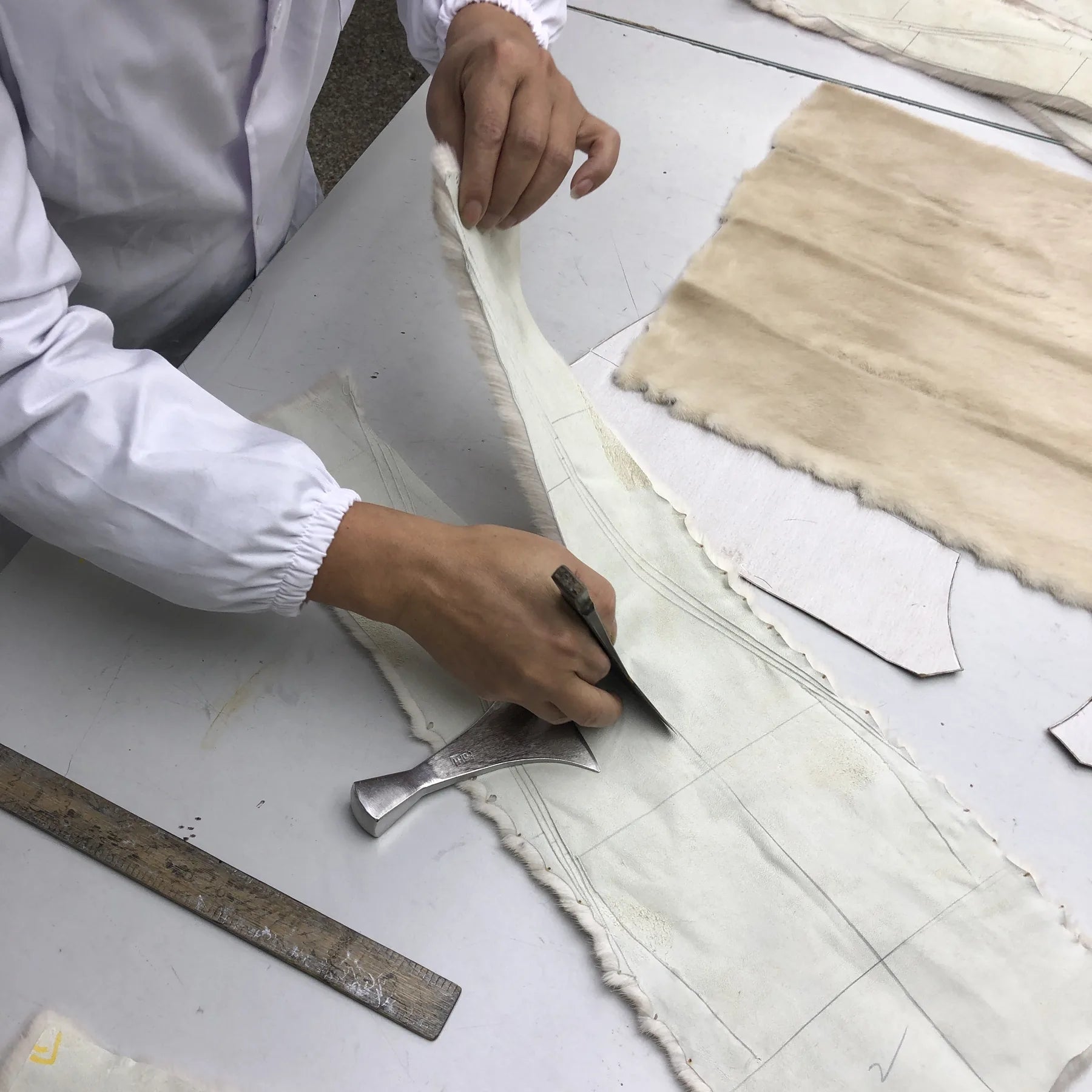
Show small repairs clearly
A good repair does not need much explanation because the buyer can see the repaired point working.
Compare the repair quote with the flaw buyers will notice
Judge the quote by what the buyer will notice. A repair matters when it changes whether the coat can be worn, closed, photographed, measured or described without awkward explanation.
A $40 closure fix may help more than a costly relining if the lining is acceptable but the coat will not close. If the quote keeps growing around odor, backing, fit or old damage, compare it with repairs that rarely pay back.
The fix changes wearability
Closures, local lining catches and small seam repairs often belong here.
The flaw is minor and visible
Light rub or a small cosmetic mark may not need repair.
The flaw suggests structure
Hard backing, active shedding and damp odor need a different decision.
Relining needs caution because buyers read it two ways
A new lining can be positive when it shows professional upkeep and the fur body is strong. It can also raise questions: why was the lining replaced, what was hidden, and did measurements change?
Use lining, cuffs and closures inspection before paying for broad lining work. If relining already happened, photograph the current lining and avoid original-lining language.
Show small repairs with clear photos
A repaired hook should be photographed open and closed. A lining tack should be shown flat. A seam repair should be close enough that the buyer can see the area is not pulling.
Repair photos also belong in the larger photo set described in resale listing photos buyers need. A receipt without a photo is weaker than a photo with a plain repair note.
Repair cost is not the same as value added
A seller can spend money and still not create the same amount of price increase. The repair may reduce friction rather than raise value. That is still useful if it prevents buyer hesitation.
Material and construction decide how much room repair has to help. A mink or shearling coat with good condition may justify small functional work. A lower-value or fragile coat may not. Check material value signals when the repair budget feels out of proportion.
- Spend when the repair changes first use.
- Disclose when the flaw is minor and easy to see.
- Stop when the issue points to odor, backing or shedding.
- Do not price the coat by adding the repair bill to the hoped-for sale price.
Ask for the repair note before writing the listing note
A seller should keep the repair note simple: what was fixed, by whom if relevant, and what the buyer can see now. The listing does not need every invoice detail.
Crop private information from receipts. Keep the service type and repaired area. If the record is verbal, write it as seller knowledge rather than documentation.
Before spending money
Hang the coat, close it, put a hand through each sleeve, check the lining and smell the coat. Then decide whether the repair changes that experience.
If the repair would not change the first try-on, it may belong in the condition note. If the repair exposes a bigger issue, return to care records and repair history before listing.
The repair worth paying for is usually modest
It fixes use, not memory. Closures, small lining catches and local seams are stronger than sentimental restoration.
It can be photographed. Buyers believe repairs they can see.
It does not hide a bigger flaw. Structural warnings should stop the repair plan.
It makes the listing shorter. A clean fix needs fewer defensive sentences.
The best repair receipt is usually one line in the listing
If a repair needs a long defense, it may not be the right repair for resale. Front hook reinforced; shown closed in photo is enough. Small lining tear repaired near inside hem; current lining shown is enough.
A seller can keep the receipt for questions without turning the public listing into an invoice archive. The buyer wants the repaired part to work, not a stack of paperwork.
Keep repair spending within the coat's likely resale value
A strong mink coat, a clean shearling, or a desirable fur-trim parka may justify small function work because the coat has buyer demand after repair. A fragile lower-value coat may not.
Use material value signals before paying for work that assumes the coat has a high ceiling. The material, current condition and likely buyers decide how much repair can help.
| Coat ceiling | Repair logic | Seller caution |
|---|---|---|
| Strong material and condition | Small function repairs can support a better listing. | Still do not overstate restoration. |
| Moderate material, good wearability | Fix first-use problems only. | Avoid full restoration spending. |
| Low material value or fragile condition | Disclose and price carefully. | Repair may cost more than buyer benefit. |
What to do when a quote comes back high
Do not accept or reject the quote emotionally. Ask whether the work changes who can comfortably buy the coat. If the same buyer would still worry about age, smell, size or shape, the quote is probably too high for resale.
High quotes can still be useful. They tell the seller which flaw matters and help write a more accurate as-is note.
Keep private repair receipts in your files
Not every receipt needs to be public. If the receipt includes personal information, vague service language or work that does not affect the buyer's first use, summarize the result instead.
The public note can say front closure reinforced or lining hem secured. The seller can keep the full receipt for serious buyer questions.
This keeps the listing from looking like a stack of repair paperwork. A buyer wants to know whether the coat works now.
A small repair can reduce negotiation
A sensible repair may not raise the asking price by the repair amount. It can still reduce haggling because the buyer has one less immediate objection.
For example, a clean closure repair may stop the buyer from asking for a discount to visit a furrier. A small lining repair may stop the buyer from treating the whole coat as neglected.
That is a useful return even when the final sale price does not move dramatically.
Small repairs that remove obvious hesitation
A front closure that fails in photos makes the buyer imagine immediate repair. A small lining tear that catches the hand makes the buyer imagine the coat arriving worse than shown. These are the flaws where modest repair can calm the listing.
Pocket edges and hem tacks are similar. They may not raise price dramatically, but they can keep the coat from feeling neglected.
The seller should still show the repair. Hidden repair notes do less work than one clear close-up.
| Small repair | Buyer hesitation removed | Photo to add |
|---|---|---|
| Front closure | Will it close? | Front open and closed. |
| Lining tack | Will the tear catch? | Inside lining close-up. |
| Pocket edge | Will it pull during wear? | Pocket edge and surrounding fur. |
| Hem tack | Will the coat hang correctly? | Inside hem and full length. |
Match repair spending to the selling channel
A premium consignment-style listing may reward small finishing repairs because the buyer expects a cleaner first try-on. A local as-is listing may not.
Online buyers need more proof because they cannot touch the coat. That can make small visible repairs more useful online than in a local inspection sale.
The seller should decide channel before spending. Repairing for the wrong channel can turn a reasonable listing into an overworked one.
Put the repair-cost note beside the repaired photo
Do not put all repair information in a final paragraph. A hook repair belongs near the front-closure photo. A lining repair belongs near the lining photo. A hem tack belongs near the inside hem photo.
This placement makes the repair feel practical. The buyer sees the part, reads the note and moves on. A detached repair paragraph makes the buyer hunt for proof.
If the seller has several small repairs, group them by area rather than by invoice order. Front closures, lining, hem and pocket repairs are easier to scan than a chronological service story.
A small repair can be worth doing even without a higher price
Some repairs pay back by making the sale cleaner rather than by raising the number. A working hook, secured lining edge or stable pocket may reduce messages and negotiation.
That is still a valid resale reason. The seller is not only buying price; they are buying a smoother buyer experience and fewer surprises after delivery.
Spend repair money where complaints are likely
A small repair is worth more when it removes a common complaint. Loose hooks, pocket tears, open lining seams and weak belt loops all create immediate doubt because the buyer touches them right away.
Cosmetic repairs need more caution. A nicer lining or small surface improvement may not change the buyer's first objection if the coat still smells, sheds or fits poorly. Spend where the buyer would otherwise ask for a return, not where the seller wants the coat to feel more impressive.
Do not let repair spending hide weak material condition
A seller can spend money on small repairs and still have a coat with stiff backing, odor or shedding. Those larger condition issues set the ceiling.
Do the functional repair only when the rest of the coat can support a normal listing. Otherwise, price and disclose the material condition first.
FireladyFur's repair-cost judgment
FireladyFur separates small function repairs from broad restoration. The first can help a buyer say yes; the second may belong only after a furrier confirms the coat is strong enough.
Collection comparison is useful only after repair risk is clear. A current artisan fur or shearling piece can show presentation standards, not justify overrepairing an older coat.
Spend where the buyer feels the fix
A repair cost usually makes sense when it changes closure, lining comfort, seam stability or hang. If the fix only makes the listing sound better, disclose instead.
Which fur coat repairs are usually worth paying for?
Small functional repairs such as closures, local lining tacks, pocket edges and isolated seam reinforcement are usually the most sensible when the coat is otherwise strong.
Is relining worth doing before resale?
Relining can help when the fur body is strong and the lining is the main barrier, but it can be expensive and should be documented clearly.
Should I add repair cost to the listing price?
Not directly. Repair can reduce buyer hesitation, but it does not always add the same dollar amount to resale value.
How should I document repair work?
Name the repaired part, keep any useful receipt, remove private information and show current photos of the repaired area.


