


Article Summary
A few loose hairs alone do not establish damage or wearability. Record where and when they were seen. If release continues, or thinning, stiffness or tears are present, stop extra handling and seek assessment before offering the coat as ready to wear.
For resale, the important distinction is between hairs already lying in a storage cover and hair that continues coming away from the coat. Record the observation you have. A few hairs do not establish either damage or wearability; continuing release calls for an assessment before the coat is offered as ready to wear.
Separate an observation from a shedding test
Look at the coat where it already rests. Note loose hairs on the cover, lining or surface underneath it, and any visible thinning, bald area or detached fragment. Keep those observations separate. Shedding describes hair release; thinning describes a loss of density. Both may be present, but one does not prove the cause of the other.
If a necessary move has already revealed hair release, record the movement and location. “Hair came away from the right cuff while lifting the sleeve” tells a buyer more than “some shedding.” There is no need to rub that cuff, shake the coat or arrange a try-on to produce another sample. The first observation remains usable even when the inspection stops.
| Observation already made | What it establishes | Next action |
|---|---|---|
| A few hairs lying on the storage cover | Loose hairs were present; their origin and timing may be unknown. | Record the storage context and inspect the rest only as its condition permits. |
| Hair released from one cuff during a necessary move | A particular location and handling event are known. | Describe that event; retain an existing photo rather than recreate it. |
| Release continues or occurs at several panels | Ongoing release was observed; its cause remains unconfirmed. | Stop extra handling and seek assessment before promising wearability. |
| Thinning, stiffness, tears or seam openings are also visible | There are additional condition concerns, not a diagnosis from a hair count. | Record each defect separately and ask a furrier about handling and use. |
| Odor or damp-storage history accompanies loose hairs | The history and odor are relevant, but do not identify the cause. | Disclose them and avoid describing the coat as ready to wear without assessment. |
A coat known to be sound still needs ordinary supported handling, following its care instructions. A suspect coat needs a different approach. The Canadian Conservation Institute's guidance on fragile fur recommends avoiding manipulation of fur with hair slippage. Its discussion concerns heritage collections, including deer-family furs; it does not diagnose a mink or fox coat from loose hairs. The relevant precaution is to stop provoking further loss.
Write one condition note the buyer can understand
Put the observation, its location and its limitations in one place. Include the date of your inspection or observation, what the coat was doing, and any additional damage you could see. Describe previously observed hair on clothing separately from hair lying in a storage cover. Do not arrange another wear test to make the description more complete.
Example: loose hairs after storage
Illustrative wording: “On September 29, a few loose hairs were visible on the storage cover, mainly below the hem. No bald area was visible in the existing front and back photographs. The coat has not been worn by the current seller, and no specialist condition assessment has been completed.”
This describes what was seen and what was not checked. It does not call the coat harmlessly shedding, certify the backing or promise that cleaning will remove the issue. Use only the parts that match your own observations.
Example: release at a repaired cuff
Illustrative wording: “Hair came away beside the old repair on the right cuff when the sleeve was lifted for a photograph. A thin area is visible beside the repair. Photography stopped; the cause and suitability for wear have not been assessed.”
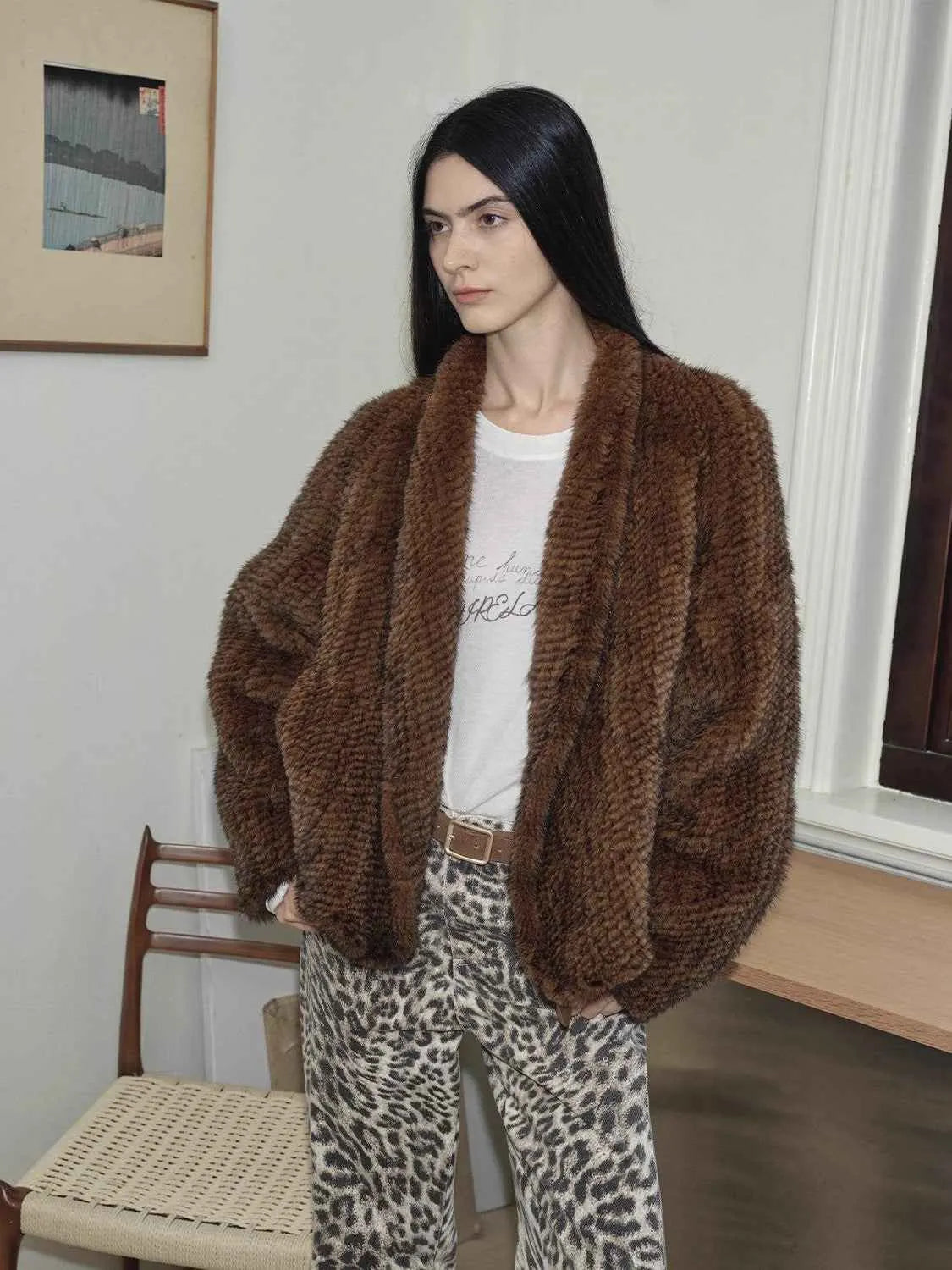
The repair, thin area and release are three observations. None should disappear inside the phrase “vintage wear.” This photograph is general fur-outerwear context, not a record of the example coat.
Terms such as light, moderate and heavy can mean different things to different buyers. Add the event that led you to choose the word. “Several hairs already on the cover” is more interpretable than “light shedding”; “release continued while moving the supported coat” is more useful than an unsupported diagnosis of dry rot.
Where hair was released also matters for a buyer's routine. A cuff may have transferred hair to clothing during earlier wear; the back may have left hair on a chair. Record those events if they happened. Do not infer that the cuff has abrasion or the back has a particular storage problem solely from its location.
The as-is wording examples cover the rest of a condition description. Keep the shedding passage concise enough to find, alongside photographs and any assessment, rather than scattering the same warning through the title, captions and every paragraph.
Decide whether to list, seek assessment or pause
Condition categories describe the whole coat. A small amount of loose hair cannot certify wearable condition when the backing is stiff, an underarm is torn or an odor remains. Conversely, a few hairs already in a cover do not by themselves establish structural failure. Use the pre-listing fur coat inspection checklist for the wider inspection.
| Current situation | What the seller can say | What remains unresolved |
|---|---|---|
| Isolated loose hairs; no continuing release noticed | Describe the hairs and other condition observations. | Cause, backing condition and suitability for wear are not settled by that observation alone. |
| Continuing release or additional fragility | Describe the event and state that inspection stopped. | Safe handling, transport, use and possible work need a qualified assessment. |
| A furrier has assessed the affected area | Report the date, area examined and actual findings or quote. | A limited assessment does not certify unexamined panels or guarantee future shedding. |
| Sale considered for repair, parts or a project | Name known defects and unassessed areas; identify any professional advice. | A project description does not establish that repair, reuse or shipping is feasible. |
Ask the furrier four practical questions: what is causing the observed release, what parts were examined, whether the coat can be handled or worn, and whether any proposed work addresses that cause. If work is possible, ask what remains unchanged afterward. A cleaning receipt and a repair assessment are different documents.
Existing stiffness belongs with hard leather in older fur; odor or known damp storage belongs with odor and dryness. Those concerns should sit beside the shedding note so the buyer sees the combined condition. They should not be presented as confirmed causes without assessment.
A professional may distinguish a localized repair from more extensive deterioration. Until that advice exists, lowering the price or adding “as-is” does not answer whether the coat is safe to manipulate. For the financial choice between assessment, work and selling in its current condition, compare the actual quote with the fur coat resale value guide; there is no universal shedding discount.
Photograph visible loss without creating more
A useful photograph identifies both the part of the garment and the detail. An existing full-coat image can show where the cuff or back panel sits; an existing close-up can show the thin area. Keep the two views together. A close-up alone may make the location unclear, while a distant image can conceal density loss.
For a stable coat, take ordinary photographs with the garment supported. If the coat is fragile or keeps releasing hair, use photographs already available and ask about the next handling step. Do not pull a seam apart, scrape the pile aside or repeatedly lift a cuff to reveal the backing. A photograph of the coat at rest is preferable to a demonstration that causes more damage.
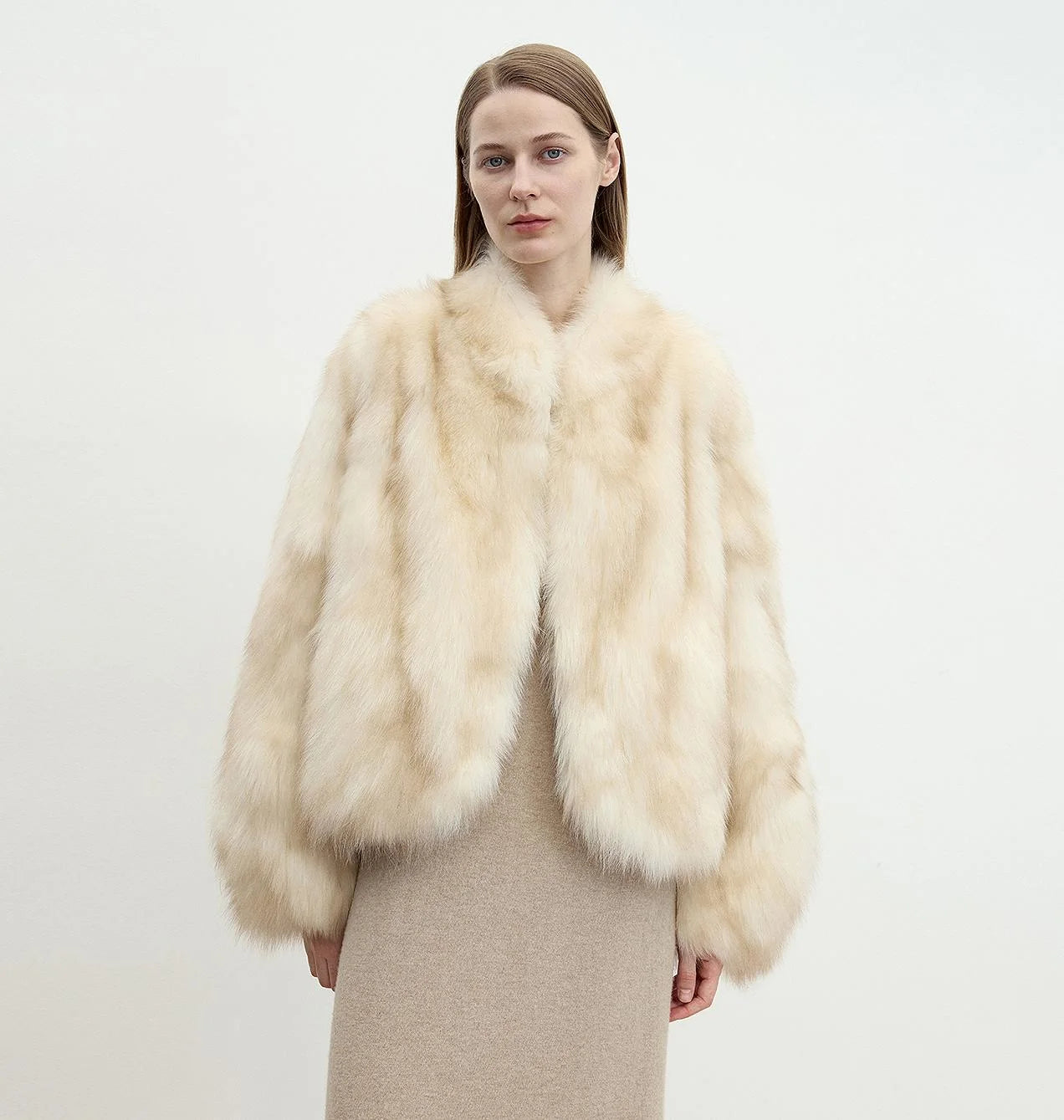
Photographs cannot convey odor or a sound noticed during an earlier move. Put those observations in the description. If the inside of a panel has not been examined, say so rather than using a smooth exterior photograph to imply sound skin underneath. Keeping an unassessed area explicit is more useful than attaching a reassuring adjective to it.
Keep the original image files and dated note together. Should a buyer ask for more detail, send the relevant existing image and explain why another handling demonstration has not been made. An honest limit is preferable to manufacturing a new test to answer a message.
Cleaning and fur type cannot settle the diagnosis
Brushing, sticky rolling, vacuuming or shaking can remove visible hairs without establishing why they were loose. Aggressive cleanup may also make the condition harder to document. Ordinary presentation care for a known sound garment should follow its instructions; ongoing release or visible fragility is a reason to pause and seek advice.
A specialist may recommend cleaning for a particular surface problem. That does not justify promising that cleaning will stop shedding. Ask what the proposed service treats and whether the affected skin or repair has been assessed. Avoid applying a conditioner or another treatment solely because the coat is old.
Long individual hairs can make a small amount of release conspicuous, while shorter hairs may be easier to miss. That visual difference supplies no safe hair-count threshold for fox, mink or another fur. Record the location and event rather than judging condition from how dramatic the hair looks in a photograph.
The Fur Coat Guide explains broader garment differences. The Firelady Fur Guide helps when the decision expands to other fur outerwear. Neither replaces an assessment of the actual coat that is releasing hair.
Update the buyer before packing
Hairs already in tissue or lining may become conspicuous when a box is opened. Include the observed release in the listing and in any specific condition discussion. Careful packing cannot correct an inaccurate description or prove that ongoing release has stopped.

A new observation changes the description
If release becomes apparent during necessary photography or packing, stop the session. Keep the photographs already taken and describe the new event. Ask a fur specialist how the garment can be moved before continuing.
The image is general presentation context. It does not demonstrate transport safety or predict the condition of a shipped resale coat.
For example, a seller who had noted only hairs on a storage cover should not ship under that earlier description after a cuff begins releasing hair during packing. Tell the buyer: “During preparation, hair released from the cuff; packing stopped and the coat needs assessment. The earlier storage-only note no longer describes the latest observation.” This is an illustrative message, not a reason to perform another test.
Before dispatch of a coat assessed as suitable to move, ensure the description, photographs and any agreed condition terms reflect the latest observations. Keep the assessment within its stated scope. A shipping method or packaging choice should follow the garment's condition and professional advice, rather than a general claim that all vintage fur can travel safely.
A buyer who asks whether it will shed during every future wear needs a clear limit: the seller can report current observations and an assessment, but cannot guarantee every future movement. “No active release noticed during the seller's necessary handling” is an observation; “does not shed” is a much broader promise.
What the shedding description needs to establish
Name the observation. Distinguish hairs already present from release seen during a necessary move.
Keep additional defects visible. Thinning, repairs, odor and stiffness belong beside the release note; none identifies its cause alone.
Pause ongoing release. A project label or lower price does not establish safe handling, transport or repairability.
Report the latest condition. New release during preparation requires stopping and updating the description before any dispatch.
FireladyFur: describe the loose hair without provoking more
FireladyFur favors a dated, specific observation over reassurance such as “normal vintage shedding.” State where hair was already present, any release observed during necessary handling, and what has not been assessed. A few loose hairs and continuing release should not receive the same description.
Use the actual observation in the condition description
Keep the location, handling context and any assessment together. For causes or other wear signs, use the related guides; do not recreate release to answer another question.
Is it normal for a fur coat to shed a little?
A few loose hairs may be noticed after storage or handling, but that alone does not diagnose the cause or establish wearability. Report what was seen. Continuing release or additional thinning, stiffness or tears calls for stopping extra handling and seeking assessment.
Should I mention shedding in a resale listing?
Yes. State the location, what happened and when it was observed. Distinguish loose hairs already on a cover from hair released during a necessary move, and identify unassessed areas without repeating a handling test.
Does shedding mean a fur coat is not wearable?
Loose hairs alone do not settle that question. Ongoing release, brittle skin, bald areas, tears or seam openings require assessment before a ready-to-wear claim. A project description does not guarantee restoration or safe transport.
Can I brush the coat to check whether shedding stops?
Do not brush, rub or shake a suspect coat to produce another result. Ordinary care for a known sound garment should follow its instructions. If release continues or fragility is evident, keep the existing observations and ask a furrier how to proceed.
What if shedding becomes noticeable while packing?
Stop packing, record the new observation and update the buyer. Ask a specialist about handling and transport before continuing. A description based only on earlier loose hairs no longer covers new ongoing release.


