


Wear is not the problem by itself. Mystery wear is. A rubbed cuff, softened collar, or tired pocket edge can be acceptable when the listing shows it clearly and names it calmly.
This belongs after the first inspection, once the coat clearly has age and the real decision is whether that age still feels wearable, needs repair, or should change the listing promise.
Cuff wear is the first small detail buyers believe
Cuffs are honest. They touch tables, bags, steering wheels, doors and sleeves underneath. Light rub at both cuffs can feel normal on a used coat. Heavy darkening, bald edge, split skin, sticky texture, or lining fray at the sleeve opening makes a buyer wonder what else was not shown.
Photograph both cuffs straight on, not tucked under the sleeve. If one cuff is worse, say so. Symmetry makes wear easier to understand; one-sided damage needs a reason or a clear photo.
Collar and underarm wear changes the buyer's comfort level
The collar is where makeup, hair product, perfume, scarf pressure and storage odor collect. A buyer may accept light vintage patina, but a yellowed, greasy, scented or crushed collar changes the feel of the coat immediately.
Underarms deserve the same honesty. Fur does not need to be handled like a washable shirt, but buyers still worry about odor and staining near the body. A listing that never shows this area leaves too much to imagination.
| Wear sign | Why buyers hesitate | Best response |
|---|---|---|
| Matted collar | Suggests body contact, product residue or storage pressure. | Show close-up and describe texture plainly. |
| Bald cuff edge | Looks like future repair, not just age. | Photograph both cuffs and avoid 'excellent' condition. |
| Pocket-edge shine | Signals repeated wear and hand friction. | Disclose if visible; show both pocket openings. |
| Uneven color panels | Could be fading, repair, dye change or storage exposure. | Use daylight photos and say if the color is uneven. |
| Broken closure | Affects first try-on and silhouette. | Show hardware and say whether it closes securely. |
| Torn lining | Raises questions about storage, use and hidden damage. | Separate lining issue from fur-body condition. |
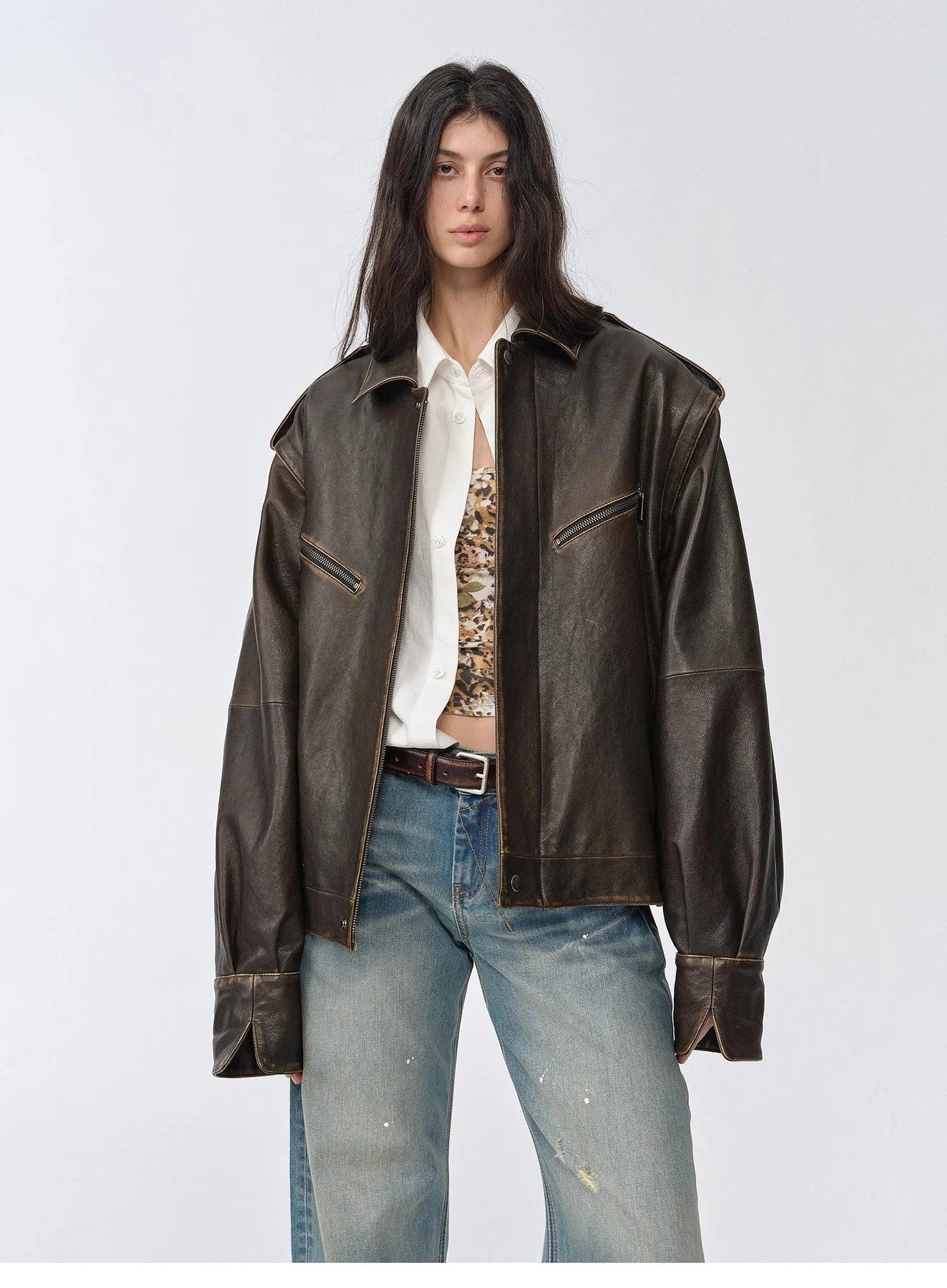
A flaw is easier to accept when it is easy to locate
Do not write 'minor wear throughout' when the actual issue is the left cuff, pocket edge or collar. A precise location feels more honest than a vague softener.
Wear becomes easier to accept when the buyer can locate it quickly.
Matting, thinning and bald spots are not the same
Matted fur is compressed or tangled. Thinning means the hair density is reduced. A bald spot shows missing hair or exposed backing. Those three conditions belong in different listing language. Matting might be a visible wear issue. Thinning lowers confidence. Bald areas usually need close-up photos and a value adjustment.
If hair release is happening while you inspect, switch to the shedding resale article. A bald-looking area and active shedding together should not be treated as a styling imperfection.
Wear near seams gets a stricter reading
A rub mark in the middle of a sleeve is one thing. Wear at a seam, armhole, shoulder, side, closure line or hem can signal stress on the structure. Buyers know those places are harder to ignore and sometimes harder to repair.
Use the hard leather article if the area also feels stiff, noisy or brittle. Wear plus dryness is a stronger warning than wear alone.
The trust test
Imagine the buyer opening the box and finding the worst area first. Would your listing make that moment feel expected? If yes, the wear is probably disclosed well. If no, rewrite the description and add a photo.
Condition notes that buyers actually read are covered in the condition-notes article. The note should not scare people away; it should keep the first try-on from feeling like a surprise.

Shoulder and bag-strap wear needs its own look
Many coats show their history at the shoulder, especially when the owner carried the same bag for years. A shoulder strap can flatten long pile, darken a pale coat, or create a diagonal pressure mark. This may be purely cosmetic, but buyers notice it because it sits high on the body.
Photograph both shoulders in the same light. If one side is flatter, say that. Avoid posing the sleeve or collar to cover the mark. A buyer who discovers a hidden shoulder stripe will question the rest of the listing.
Underarm wear is a comfort question
Underarm condition does not always photograph beautifully, which is exactly why buyers worry about it. Look for odor, thinning, seam stress, lining stains, matting and darkened pile. The area may be fine, but skipping it makes the listing feel incomplete.
If the underarm is clean, say the underarm lining is shown and no major underarm wear is visible. If there is wear, show the area and keep the note factual.
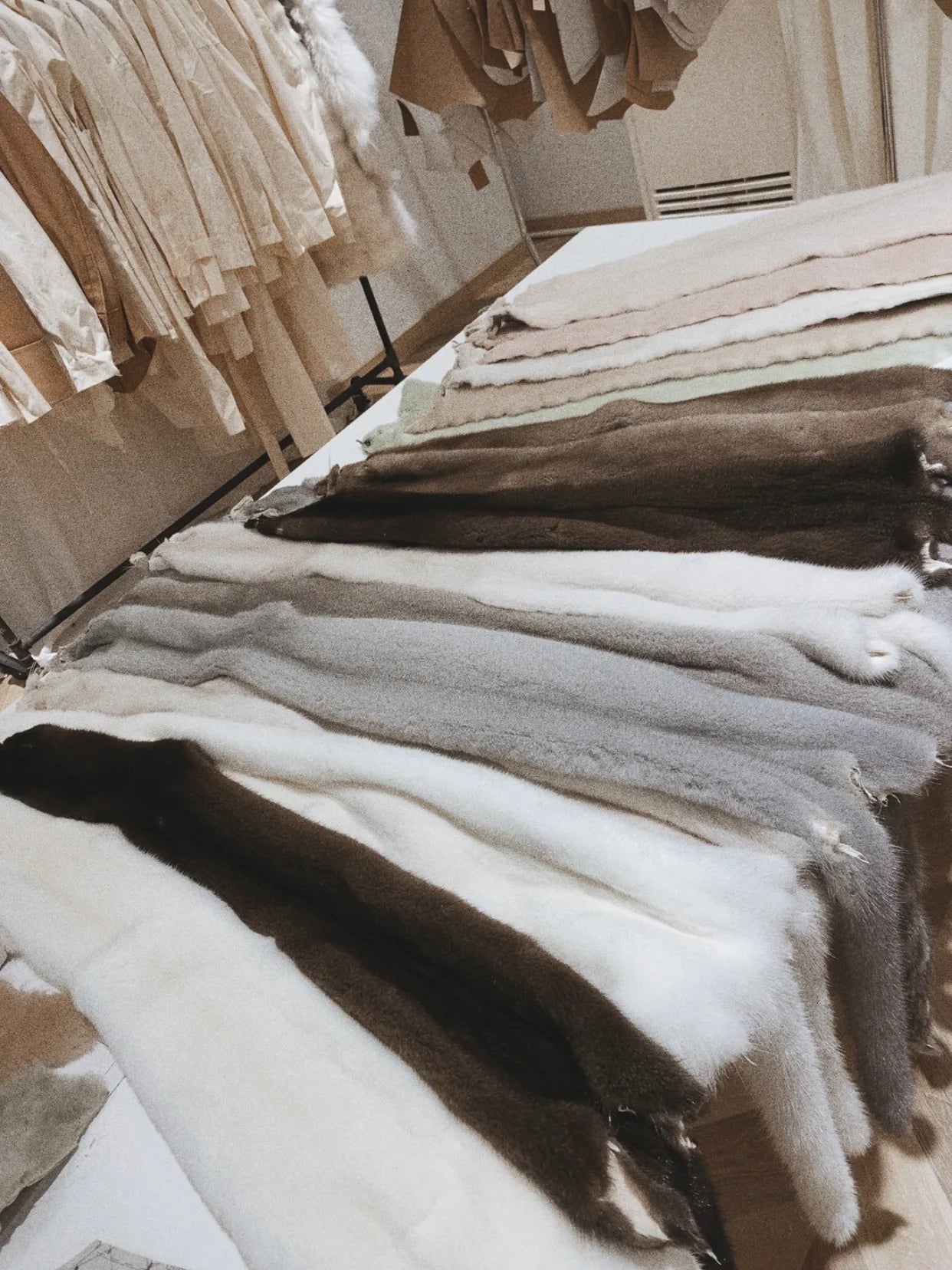
The most credible wear note names the exact zone first, then explains whether the coat still wears cleanly.
The last edit should remove flattering language that hides a visible issue.
Color unevenness can be condition, repair or photography
Fur changes color under warm light, daylight and shadow. Before calling color uneven, photograph the coat in neutral daylight and compare panels. If one sleeve, shoulder or front panel is visibly different, the buyer needs to know whether that is lighting, fading, repair, dye variation or unknown.
Do not over-explain what you cannot prove. Better wording: color appears slightly warmer on left sleeve in daylight photos; cause unknown.
Wear that can be styled around is still wear
A scarf can hide a collar mark, a pose can hide a cuff, and a belt can disguise a weak closure. Those choices may help the lead photo, but the condition gallery needs the unstyled truth beside the attractive image.
Buyers do not object to styling. They object when styling replaces disclosure.
Where ordinary wear turns into a trust problem
Wear can be acceptable when it matches age and use. A vintage coat with light edge wear is not automatically a bad listing. In fact, a coat with no visible signs of age but no care history can raise its own questions. Buyers can accept normal use when the surface remains attractive, structure feels stable and the seller explains the wear precisely.
The problem begins when the wear is hidden, mismatched, sticky, bald, smelly, or located at a stress point. Those details make buyers wonder whether the coat is moving from cosmetic age into structural risk.
Repairable wear should be described as repairable only when you know. A loose hook may be easy. A split seam in brittle fur may not be. A lining opening may be simple. A lining opening beside weak backing may be more serious. Unless a furrier has confirmed repairability, avoid promising that a fix is easy.
Better wording: closure hook is loose and may need repair. Not professionally assessed by current seller.
The worst wear area should not be the last photo. Put the worst visible wear in the gallery, not as the final hidden image after ten flattering shots. Buyers read photo order as honesty. When the flaw appears only at the end, it feels like a trap.
A strong listing can show the coat first, then show the flaw early enough that the buyer understands the tradeoff.
Buyers forgive wear faster when it is symmetrical. Even wear on both cuffs or both pocket openings feels like normal use. One very worn cuff, one crushed shoulder or one stained underarm raises more questions because it suggests a specific event or habit. That does not make it unsellable, but it needs clearer photos.
Symmetry is not a guarantee of quality. It simply makes wear easier for a buyer to understand.
Do not let lighting hide wear color. Warm indoor light can make edge darkening look like natural shadow. Daylight can reveal it. Photograph wear zones in neutral light and avoid heavy contrast. A buyer who receives the coat in daylight will notice what warm photos hid.
If the coat changes dramatically between lights, include both instead of choosing the flattering one only.
A seller can still lead with beauty. The first photo can show the coat at its best. The body copy can mention softness, color, silhouette and presence. The listing also needs to show where wear lives. A beautiful coat with honest wear proof is more credible than a beautiful coat pretending to be untouched.
That balance is what keeps buyer trust intact.
How wear affects buyer photos after delivery. Buyers often take their own photos when something surprises them. If the cuff rub, collar stain or lining tear looks more obvious in their lighting than yours, the sale becomes harder to defend. This is why neutral daylight matters.
Photograph wear as if the buyer will photograph it again. Your version should not look like the flattering version of the same flaw.
Surface shine can be beautiful or worn. Some fur has natural luster. Worn shine is different: it appears flat, greasy, darkened or pressure-polished in contact zones. A seller should not call every shine luxurious. If the concern is material behavior rather than wear, step back to the Fur Coat Guide; if the decision has moved beyond coats into the broader Firelady fur category, use the Firelady Fur Guide.
Use location to decide the wording.
Wear should change title adjectives. If visible wear is present, avoid pristine, mint or like new. Attractive, wearable, vintage, dramatic, soft or full may still fit when the evidence supports them. Strong titles can still be honest.
A title that creates the wrong expectation makes the condition note work harder than it should.
Wear wording should not shame the coat. Pre-owned fur can have wear and still be desirable. The language should not sound embarrassed. It should sound exact. Light cuff rub, visible pocket-edge wear, collar flattening and small lining opening are better than unfortunate damage or only minor signs.
Respectful precision helps the right buyer stay interested.
When wear lowers trust more than value. Some flaws do not dramatically lower the price, but they lower trust if hidden. A small cuff rub may be acceptable, but if the photos avoid cuffs, the buyer becomes suspicious. When wear is only one part of the sale-readiness question, return to the pre-listing fur coat inspection checklist; when it affects price or selling route, place it inside the fur coat resale value guide.
Show the wear and let the price conversation stay rational.
Wear notes should explain whether the flaw affects use. A buyer reads wear differently when it changes function. Light pocket-edge wear may be cosmetic. A torn pocket bag changes use. A rubbed cuff may be cosmetic. A split sleeve edge may need repair. A flattened shoulder may be visible but wearable. A seam split may affect structure.
Add one short use sentence when needed: does not affect closure, pocket remains usable, lining opening may need repair, or sold as-is. That sentence turns a flaw from a surprise into a decision.
The buyer's first mirror moment matters. Wear that hides on a hanger can appear when the coat is worn. Cuffs come forward, collar touches the face, pocket openings sit under the hands, and the front closure becomes the center line. Think through the first mirror moment before deciding which wear needs early disclosure.
If the buyer will see it immediately while wearing the coat, it belongs in photos and the first condition note.
Show the wear before it becomes the buyer's discovery
A photographed flaw is part of the negotiation. A hidden flaw is a trust break.
Show wear before it looks like avoidance
FireladyFur would not treat normal cuff rub or collar wear as automatic deal breakers. The bigger trust problem is hiding the areas a buyer will check first. Wear that is visible, named and photographed can feel fair; wear that appears only after delivery feels like a different coat.
The practical rule is simple: if a flaw affects the first try-on, it belongs high in the listing. If it only affects a close inspection, it still needs a photo, but it does not have to dominate the whole garment story.
Is cuff wear normal on a used fur coat?
Light cuff rub can be normal, especially on a coat that was actually worn. Heavy thinning, bald edges, staining or splitting should be photographed and disclosed.
Can a fur coat with wear still sell?
Yes, if the wear is visible, accurately described and priced accordingly. Hidden wear is more damaging than disclosed wear.
What wear signs hurt resale value most?
Active shedding, odor, hard backing, bald spots, broken closures, torn lining near structural seams and heavy collar or underarm wear usually create the most hesitation.


