


Article Summary
Compare complete fur-trimmed garments with similar complete garments, and detached trim with comparable accessories. A full-fur coat price cannot value a collar by itself. Check the shell, fur and attachment separately before interpreting either offer.
A fur collar, a complete fur-trim parka and a full fur coat are three different purchases. Establish which item is being offered before comparing prices. Then inspect the fur and the rest of the garment separately: an attractive collar cannot tell you whether a zipper works, a lining is sound or a replacement will fit another hood.
Complete trimmed coat
The sale includes the shell, lining, closures and trim. Their present condition matters together.
Detached collar or ruff
The sale includes only the trim. Attachment measurements and compatibility need their own description.
Fur across the garment
The body construction, fur condition, lining and fit belong in a full-coat comparison.
Identify what the price actually includes
A trimmed garment has a separate base: a parka shell, a wool coat, a jacket or another piece of outerwear. A full fur coat carries fur across the garment, though construction can still vary. Keep that distinction in the title, full-length photograph and description. A close-up of plush fur tells the buyer little about the size of the piece being sold.
| Item offered | What belongs in the description | Useful comparison |
|---|---|---|
| Complete fur-trim parka | Exact garment, size, shell and lining condition, closures, hood, pockets and trim. | Complete parkas of similar model or construction, size and condition. |
| Wool coat with fur collar or cuffs | Coat fabric and condition, lining, closures, fit and each trimmed area. | Similar complete trimmed coats, including equivalent defects. |
| Detached hood ruff or collar | Trim only, underside, measurements, fastening system, known origin and defects. | Similar detached accessories with relevant attachment and condition details. |
| Full fur coat | Material identification, body construction, lining, closures, measurements and fur/skin condition. | Comparable complete fur coats, rather than a collar or raw-pelt offer. |
Manufacturer descriptions illustrate why those components should stay separate. Woolrich's Arctic Anorak with detachable fur identifies a Ramar Cloth shell, duck-down filling, hood insert, pockets and closures. Those details describe that model; they do not establish the performance or resale price of another parka, or the present condition of a used example.
Name the shell, fill and trim material from a reliable label or model record. If the trim identity is uncertain, say what is known and show it clearly. The material value overview explains why an impressive fur name cannot settle condition or market value by itself.

Inspect the shell and fur as separate components
For the base garment, describe stains, tears, worn seams, lining defects and pocket damage. On a stable garment, check whether the main closure operates naturally, whether a pocket closes, and whether the hood attaches as intended. Never force a catching zipper or stretch a weak loop for a photograph. Identify the fault and any inspection limit.
The fur needs its own condition description. A hood or collar meets hair, makeup, perfume and skin oils; cuffs meet hands, bags and sleeve edges. These are places to look for observed wear, not a way to diagnose an unseen stain or odor. Report matting, uneven color, thinning, shedding or a weak attachment where present.
| Area | View that helps a buyer | Detail to state in words |
|---|---|---|
| Hood or collar | Front and side view, plus the underside if safely accessible. | Whether shape is retained, and any matting, color variation, odor or loose seam. |
| Cuffs | Outside, underside and adjoining sleeve edge. | Localized rub, thinning, missing fur or sleeve damage. |
| Base garment | Whole front/back, lining, main closure and pockets. | Any defect in the fabric or hardware, independent of the fur. |
| Attachment | Ends and open/closed fastenings on a sound item. | Missing, loose, damaged or misaligned components. |
An odor cannot be proved absent by a photograph. Neither can fill condition, waterproofness or a temperature rating. If an original model description includes a performance specification, identify it as the manufacturer's description of that model and keep the used garment's observed condition alongside it.
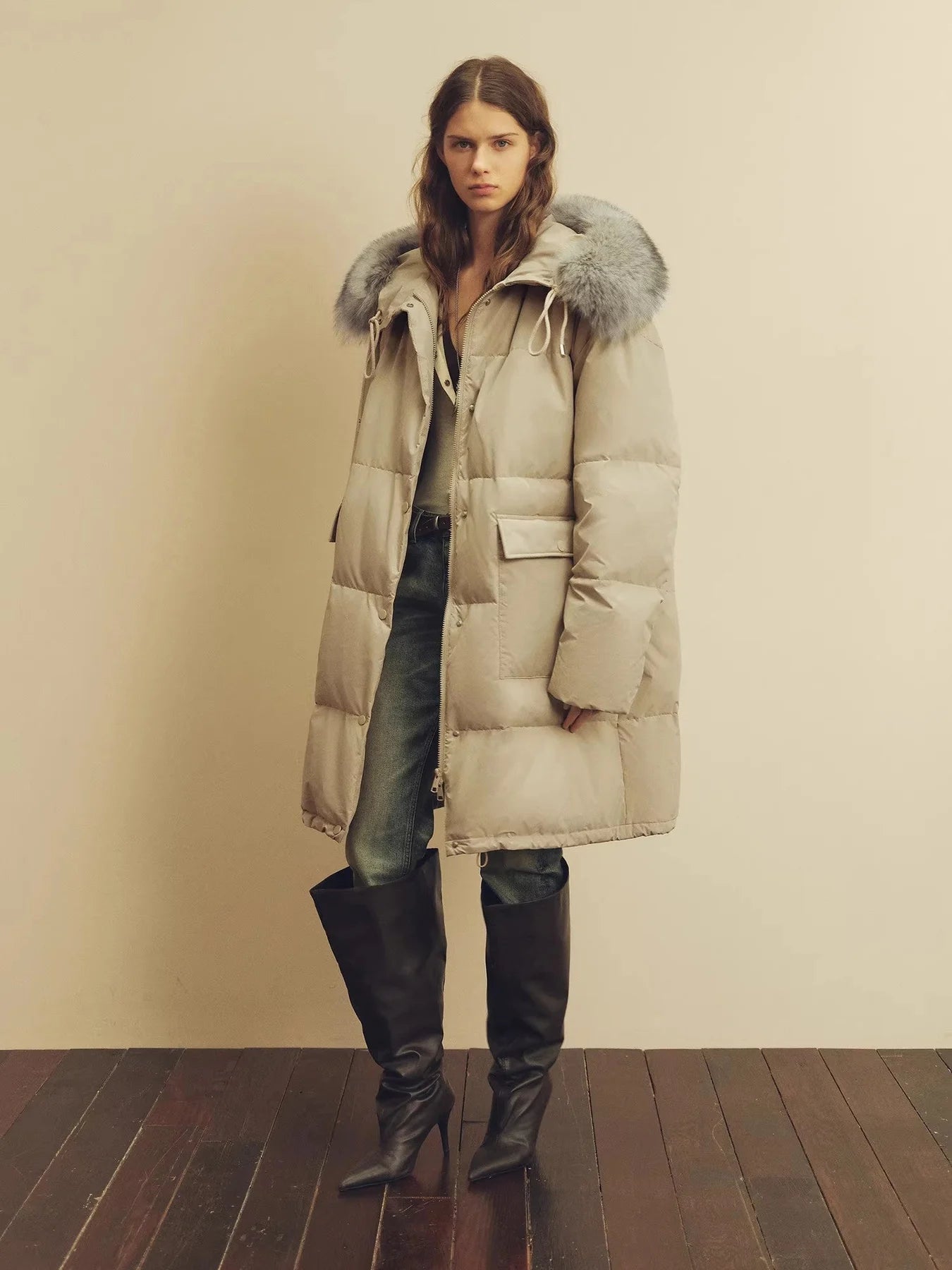
Compare condition before fur prestige
A sound trimmed parka may suit a person looking for everyday winter outerwear better than a full fur coat with brittle skin, odor or ongoing shedding. That is a comparison of two particular garments and their use, not a rule that trim sells faster or brings a higher price.
For closure and lining details beyond the trim, use the lining, cuffs and closures inspection.
Document a detachable trim before calling it compatible
A detached trim needs a description even when it originally came from a well-known coat. Show both ends, the underside and the attachment edge. Measure that edge without stretching it, state the fastening type, and record count and spacing for buttons or snaps. For a zip-on piece, show the zipper ends and any readable identification. Name the original brand and model only when known.
Matching the overall length does not establish a fit. The curve, fastening positions and zipper arrangement also matter. A buyer comparing another hood needs those details, or a manufacturer or specialist's confirmation for the exact pieces. “Fits all parkas” is inappropriate when only a tape measurement is available.
Example: a trim-only description
Hypothetical example: “Detached fur hood trim only; coat is not included. Attachment edge measures 24 inches relaxed. Five button loops are present; their positions are shown with a tape in the underside photograph. Fur type and original coat model are unconfirmed. One end loop is stretched. Compatibility with another hood has not been checked.”
The description gives a buyer enough information to ask the right follow-up. It does not certify that a 24-inch hood is compatible. Replace the example with the actual dimensions, fastenings and defects of the item being sold.
If the original coat is still available and sound, photographs of the trim attached and detached can show how it sits. A trim photographed on its original hood supports that pairing only. It does not prove another model or size uses the same fasteners. If removal is difficult or the attachment is fragile, leave it in place and explain what has not been examined.
A missing snap can be a discrete repair question. A weak fabric edge around several fastenings may involve the base garment as well. Ask for an assessment of both sides of the connection, including whether the proposed replacement will align, rather than buying a similar-looking ruff and assuming it will work.
For material and attachment photographs, prioritize the edge and fastening detail over another glamorous front view. The buyer needs to see the parts that must join together.
Compare like-for-like sold items
Price a complete garment from comparable complete garments. Price a loose collar or ruff from comparable accessories. An expensive whole-parka listing does not tell you what its hood trim alone is worth, and the asking price of a replacement collar does not establish the value of a used full coat.
Record what the comparable sale included, its date, size, material or construction, condition and selling format. Note defects rather than averaging clean examples together with damaged ones. A different hood fitting is a meaningful difference for a trim-only buyer, even when the fur looks similar.
eBay Product Research can show actual sale prices, including accepted Best Offers. It provides a way to check transactions, not an appraisal of your item. A search result must still match what is being sold; an active asking price, saved listing or seller's description of rarity is not a completed transaction.
| Proposed comparison | Why it can mislead | Better next step |
|---|---|---|
| Loose ruff versus a sold complete parka | The parka includes a shell, fill, lining, hood and closures. | Search accessory-only sales with compatible attachment details. |
| Worn collar versus a new replacement trim | Retail price and condition differ, and model fit may differ too. | Identify the exact replacement and compare used trim separately. |
| Trimmed wool coat versus a full fur coat | The items have different construction and components. | Keep separate comparisons for each complete garment category. |
Suppose a coat is sound except for its missing trim. The practical buying question is the total cost and feasibility of returning that coat to the configuration you want. The seller of a loose ruff is answering a different question: whether this exact accessory fits the buyer's garment. Neither decision can be answered by adding a general full-fur price to a photograph of the collar.
If comparable transactions are scarce, state the uncertainty. A quote for compatible repair or replacement can inform your own spending decision, but it is not evidence of a market sale. Avoid assigning a fixed percentage of a coat's price to the trim: the value of the rest of the garment and the need for that particular accessory remain item-specific.
Choose between keeping, repairing and replacing
Separate any estimate into shell work and trim work. If the fur is sound but the shell is damaged, ask what fabric, lining or hardware work is needed. If the shell is sound but the trim is damaged, ask whether repair or a compatible replacement is feasible. Include labor, fitting and any work on the attachment edge in the quote.
A useful estimate says what will be retained, what will be replaced and what will remain imperfect. For example, replacing one fastening is different from renewing a weakened attachment strip. This is a way to discuss a job, not a promise that either repair will be possible on an unexamined item.
Then compare the total with how you intend to use the garment. A functioning hood, convenient pockets and an appropriate fit may matter more to a commuter than a fuller fur body. For that purchase, when a fur-trim parka is more practical explains the wearing decision. Keep it separate from an unsupported resale-price prediction.
At the other extreme, a buyer specifically wanting a full fur coat should compare full coats and their construction. A coat with fur cuffs or a collar will not offer the same item, however attractive its trim. The Fur Coat Comparison Guide covers that broader purchase choice.
When replacement is the active decision, the collection cards below show examples of trimmed parkas, other outerwear and full fur. They are new-garment shopping options, not sold comparables or an assessment of your existing coat. Check each product's own description, fit and care information before choosing.
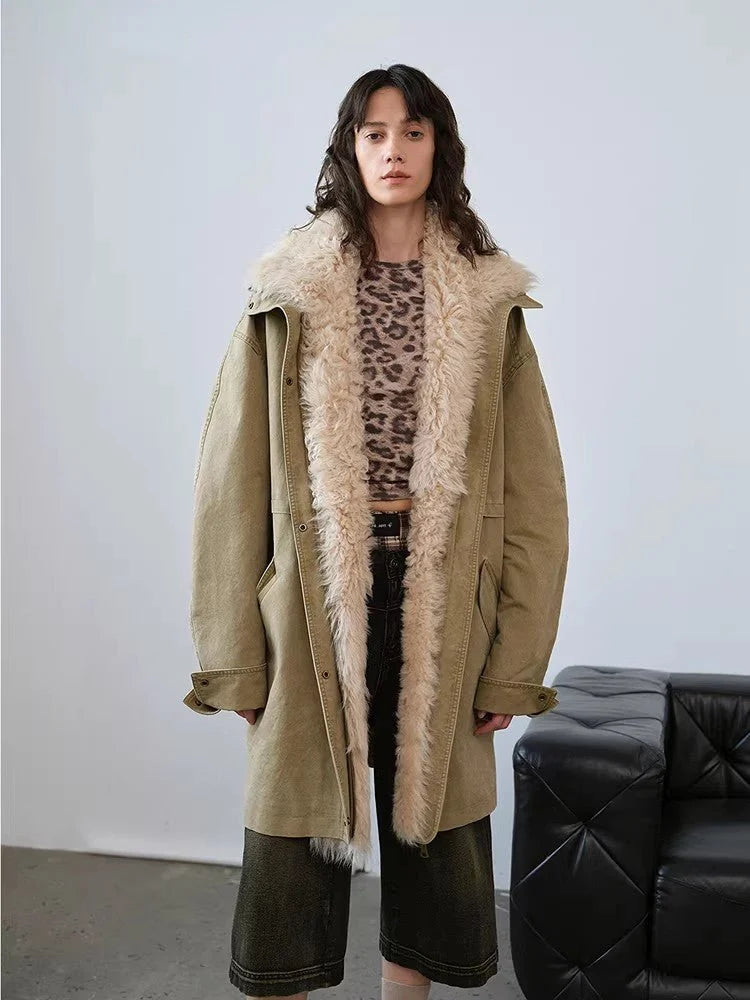 Shop fur-trim parkasCompare practical trim pieces after reading resale limits.Explore outerwearUse when replacement makes more sense than repair.
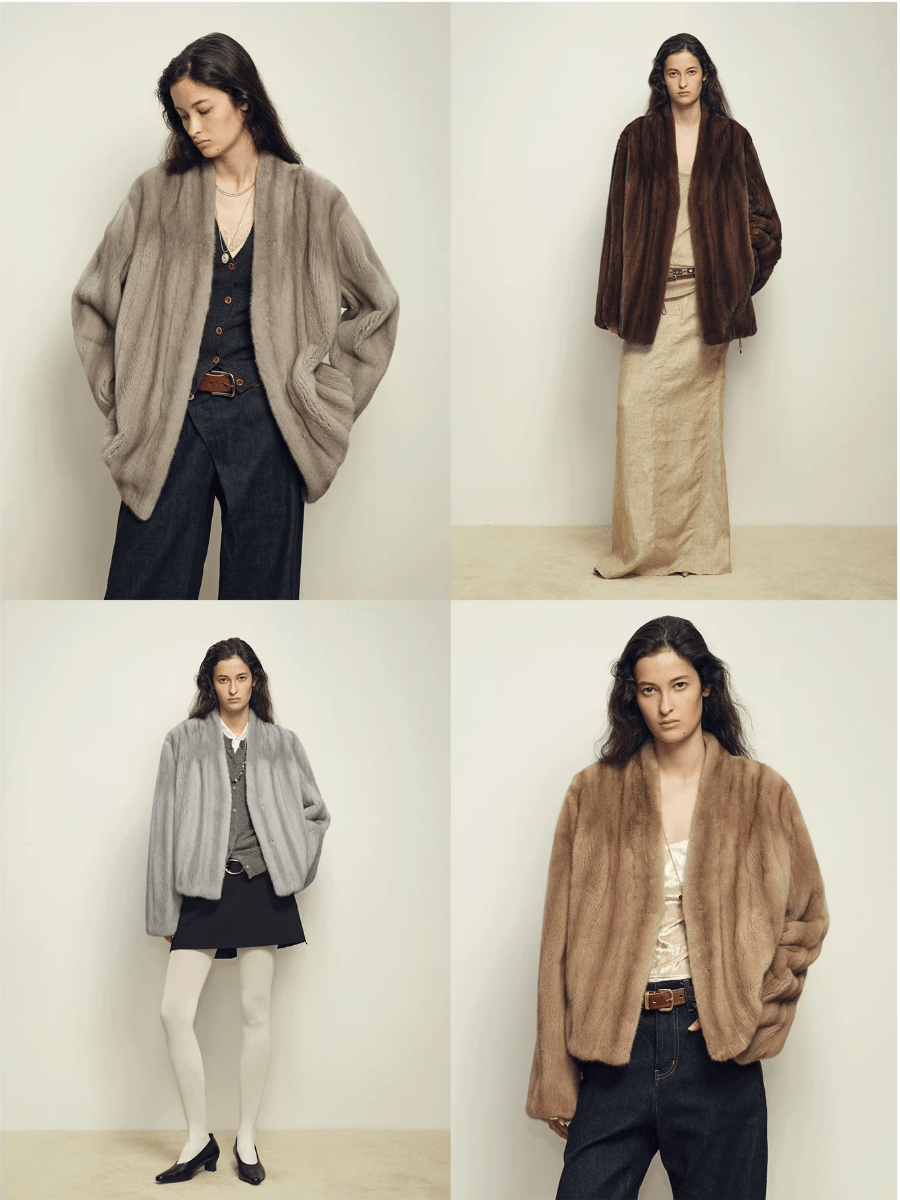 Compare full furReturn to full fur only when the body, not trim, carries the value.
Keep the trim comparison specific
State what is included. A complete parka, a detached ruff and a full fur coat require different comparisons.
Describe two kinds of condition. Fabric, lining and closures need their own inspection alongside the fur.
Verify the attachment. Length alone cannot establish compatibility; show the edge, ends and fastenings.
Keep quotes separate from transactions. Repair and replacement estimates help a spending decision, but do not establish resale price.
FireladyFur's trim-value standard
FireladyFur describes a trimmed garment by both its base and its fur. That keeps a hood ruff from being mistaken for a full coat and keeps shell damage visible beside a beautiful collar. For resale, compare the same item scope and disclose the actual attachment; for a new purchase, check the product description and fit of the complete garment.
Compare the complete garment or the exact accessory
Identify what the offer includes, then use its construction and attachment photographs. For replacement shopping, compare the garment you will wear rather than only the fur close-up.
Is fur trim worth less than a full fur coat?
They are different items to value. Compare a complete trimmed garment with similar complete garments, and a detached trim with similar accessories. Material, condition, attachment and relevant completed sales are needed; there is no universal fraction of full-coat value.
What photos prove fur trim value?
Show the whole garment if included, the fur and its wear areas, the underside, both ends and attachment details. For a detached trim, include a labeled relaxed-edge measurement and fastener positions. Photos show features and visible condition; they do not establish price, odor absence or universal compatibility.
Can a fur-trim parka be a better resale item than a damaged fur coat?
A sound parka may suit a particular buyer better than a damaged full coat. That is a condition and use comparison, not proof that it will sell faster or for more. Compare complete garments in their present condition and use relevant completed sales.
Will a detachable trim fit another hood of the same length?
Not necessarily. Edge shape, fastening positions, zipper arrangement and the exact garment model can also matter. Show the measurements and hardware, and obtain exact compatibility confirmation when available; do not force a fit.


