


Most fur coat listings go wrong before the first offer. The coat leaves a closet with a family story, an old appraisal, or a beautiful front photo; the buyer receives cuffs, lining, odor, movement and weight.
Keep this checklist open before price talk begins. It separates a coat that can be listed with confidence from one that needs repair, as-is wording, a specialist opinion, or a different route inside the fur coat resale value guide.
A confident listing begins before the camera comes out
Most weak resale listings fail quietly. The coat is photographed from the front, described as beautiful, given a size, and published before anyone has checked the parts that decide trust. Fur attracts questions because it can look rich in one photograph and still carry dry leather, tired cuffs, old odor, missing closures, a torn pocket bag, or shedding that appears only when the garment is handled.
Treat the inspection as a buyer-trust exercise, not as a hunt for flaws. A coat does not need to be perfect to be sellable. It needs to be understandable. A careful buyer can accept a small lining opening, light cuff rub, a vintage label, or a missing belt when those details are shown clearly. The same buyer will back away from a listing that hides the collar edge, skips the lining, avoids the closure area, or uses soft language for a problem that will arrive in the box.
This page sits after the larger money question. If you still need to know whether the coat has a market at all, use how much you can sell a fur coat for first. If the market is plausible, come back here and decide whether the coat deserves a confident listing, a repair note, an as-is listing, or no listing yet.
Before you inspect, create a fair room for the coat
Use daylight near a window or a bright room without yellow bulbs. Hang the coat on a broad hanger, close it, open it, then let it sit for a few minutes before you judge the shape. A coat pulled out of a crowded closet often looks worse for the first minute because the pile is pressed and the hem is collapsed.
Perfume, steam, aggressive brushing and heat make the coat harder to judge. They may improve one quick photo, but they also create a worse conversation if the scent or texture changes again after shipping. Inspect the coat as it is likely to arrive, not as it looks after one hour of staging.

First sort: cosmetic wear, repairable wear, and stop signs
A small amount of cosmetic wear is common in pre-owned fur. Cuffs may show light rub. A lining may have a loose stitch. The pocket edge may look used. A button loop can loosen. These details belong in the listing, but they do not automatically make the coat unsellable.
Repairable wear is different. A loose closure, open lining seam, worn pocket edge, or split hem can often be handled by a furrier, but the repair affects buyer trust and sometimes price. If the cost and outcome are uncertain, compare the issue with when fur coat repair is worth it before deciding whether to fix it first or sell as-is.
Stop signs are the conditions that make a normal resale promise hard to defend: a sour or damp odor that does not fade after airing, leather backing that feels hard or crackly, active shedding from several areas, bald patches, repeated rips along seams, water-stained lining with odor, or a coat that makes a dry tearing sound when gently moved. Those conditions may still have craft, costume, restyling, or project value, but they do not support the same type of listing as a wearable coat.
| Condition signal | What to do before listing | How to talk about it |
|---|---|---|
| Light cuff rub | Photograph both cuffs in daylight. | Call it light cuff wear if the hair is still present and the edge is not splitting. |
| Loose hook, eye, loop, button, or zipper | Show it closed and open; note whether it works. | Say if it closes securely, needs reinforcement, or is missing hardware. |
| Lining opening | Photograph the full lining and the opening close-up. | Separate lining wear from fur-body damage. Buyers read that distinction. |
| Closet odor | Air the coat in a cool, dry room away from sun and heat. | Disclose storage odor if it remains. Do not promise removal. |
| Hard or noisy backing | Do not bend or stress the coat. Seek a furrier if value is high. | Avoid wearable-condition language until the backing is assessed. |
| Shedding from several zones | Test gently over dark fabric and photograph the result if needed. | Say where it sheds and whether it seems light, moderate, or active. |

The inspection order matters
Move from low-risk evidence to higher-risk handling: overall shape, surface, edges, lining, closures, smell, then gentle movement. Do not begin by tugging seams or squeezing old pelts. A vintage coat can be damaged by the inspection itself when the backing is already weak.
A coat should be judged beside ordinary storage, material and handling realities.
Check the front, back, sides, hem and collar before you look for tiny flaws
Stand six to eight feet away and look at the coat as a buyer will see it first: full front, full back, side profile, closed front, open front. Does the coat still hang evenly? Does one shoulder collapse? Does the hem wave because the lining is pulling? Does the collar sit cleanly, or does one side curl in a way that suggests old storage pressure?
This first distance check keeps you from overvaluing a coat with a pretty close-up. A buyer may forgive a small lining issue when the whole garment reads balanced. They may not forgive a coat that photographs well at the sleeve but hangs crooked across the body.
Use a full-length mirror or a flat wall. Try the coat on if the size allows, then photograph it on the hanger as well. The hanger photo reveals structure; the worn photo reveals proportion. A buyer of pre-owned fur usually wants both.
Surface condition: look for pile memory, shine, matting and bald areas
Run your eyes along the direction of the fur before touching it. Good surface condition usually has movement, depth and a consistent direction. Worn areas look flat, dark, shiny, crushed, or sparse. On fox and long-hair fur, thinning can hide under volume. On sheared or smooth mink, uneven shine can reveal pressure and abrasion.
The high-friction zones deserve separate attention: cuffs, pocket openings, front edge, collar, shoulder where a bag strap sat, back hem, seat area on shorter coats, and underarms. A coat can be excellent through the body and tired exactly where the buyer will look after the box opens.
For a narrower read on trust signals, use fur coat wear signs that lower buyer trust. The short version is this: wear that matches normal use can be accepted. Wear that looks hidden, damp, sticky, bald, or unexplained creates doubt.
Smell the coat before you choose the price
Odor changes the sale faster than most sellers expect. A light closet smell may be acceptable when disclosed and photographed with good condition evidence. Smoke, heavy perfume, mildew, damp basement odor, pet odor, or a sour old-storage smell puts the buyer in a different conversation. They are no longer asking only whether the coat is pretty; they are asking whether the odor can be removed and whether it signals deeper storage damage.
Smell the collar, underarms, lining, pockets and hem. Let the coat sit in a neutral room for a few minutes, then leave the room and return. If the odor is still obvious, it belongs in the listing. If you cannot identify the source, say that rather than naming it softly as vintage scent.
If odor is the main issue, move to fur coat odor or dryness and resale value or the care article on how to handle odor in a fur coat. Do not use spray or heat to make a resale problem disappear for the camera.
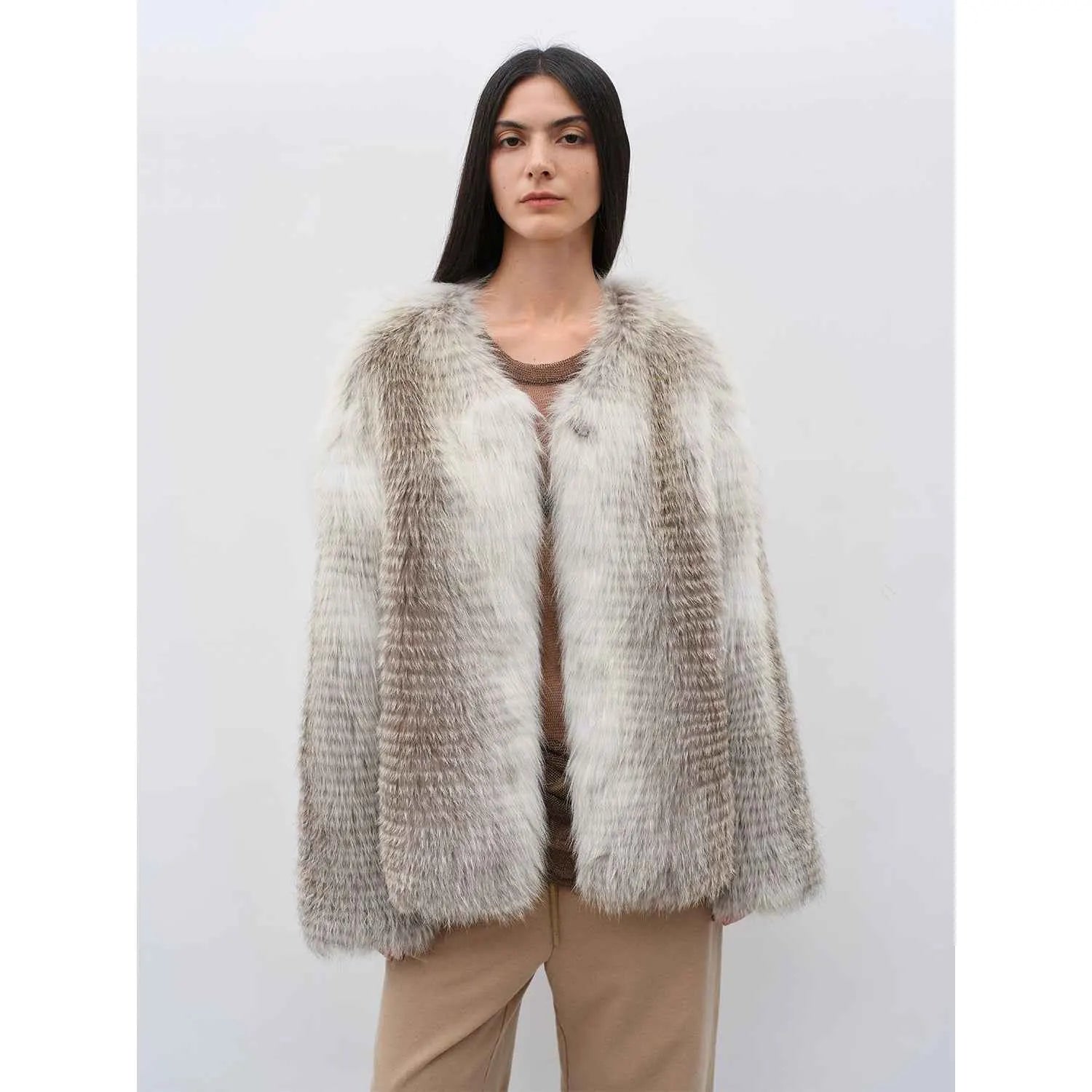
Dryness is a condition signal, not a styling flaw
Fur hair can still look attractive while the leather backing underneath has aged poorly. Stiffness, crackling, tearing at seams and sudden shedding deserve more caution than a dull surface photo.
Dryness and storage history can change a beautiful coat into a cautious listing.
Hard leather and dry backing deserve a gentler inspection
The backing of natural fur is leather. When it dries, it can become stiff, brittle and weak. Sellers sometimes discover this only after they try to repair a seam or shake the coat for photos. By then, the damage is no longer theoretical.
Do not scrunch the coat to test it. That can create cracks in a weak pelt. Instead, handle the garment lightly at natural movement points: shoulder, sleeve bend, side seam, hem. Listen for dry paper-like noise. Feel whether the body moves as a garment or resists like a shell. Look for repeated tiny splits along seams, previous patching, and areas where hair releases near an opening.
When the coat feels hard or sounds dry, read the focused article on hard leather in older fur before calling it ready to wear. A confident listing should not treat dry backing as a cosmetic note.
Lining is not just the inside
The lining is where buyer trust often gets made or lost. A seller who shows only the outside may still have a good coat, but the buyer cannot know that. Open the coat. Photograph the full lining, label, underarm lining, pocket bags, hem, monogram area, and any openings. If the lining is loose, stained, torn, replaced, or pulling at the hem, describe it plainly.
A torn lining does not always mean the fur itself is damaged. That distinction matters. A buyer may accept a lining repair when the fur body is strong. They will be less comfortable when the lining is torn near a seam and the surrounding fur also feels dry.
For the detail pass, use lining, cuffs and closures to inspect before selling a fur coat. It gives those small zones their own space instead of burying them inside a general checklist.

Closures should be tested like a buyer will use them
Close every hook, eye, loop, button, snap, tie, zipper or belt. Then open them. If a closure works only when the coat is flat on a bed, it may not work on a body. If a loop is stretched, a hook is loose, a button is missing, or the zipper catches the lining, that needs to be visible in the listing.
Closures affect both value and return risk because they sit at the center of the first try-on. A coat can look clean on a hanger and feel disappointing when the front will not secure. A missing belt is not fatal, but it changes silhouette and should not be hidden by cropped photos.
For fur-trim parkas and hooded pieces, include detachable trim, hood snaps, zipper tape, drawcords and pocket closures. A buyer choosing a practical winter piece will inspect those details more closely than a buyer choosing a formal evening coat.
Shedding is not one single problem
Some loose hairs are normal when a garment has been moved, stored or shipped. Active shedding is different. Put the coat over a clean dark cloth and handle the sleeves, collar and hem gently. If a few loose hairs appear, note it as light loose hairs if needed. If many hairs release from several areas, if hair comes out with small backing flakes, or if rubbing one zone creates a visible pile, do not treat that as normal.
Shedding near a seam, tear or brittle area carries more concern than a few loose guard hairs on a plush coat. The buyer will read shedding as a clue about age, storage and future wear. If you can show the condition clearly, do so. If you cannot explain it, avoid confident language.
The dedicated fur coat shedding resale problem page separates loose hairs, storage crush, dry backing and active deterioration so the listing note does not sound evasive.
Photos should answer the questions before the buyer asks
A strong fur resale listing usually needs more than the glamour photo. Show full front, full back, side view, open front, closure close-up, cuff close-up, collar close-up, hem, lining, label, pocket, underarm area, measurements, flaw close-ups, and one daylight surface photo. If the platform allows video, a slow open-and-close or sleeve movement clip can reduce uncertainty.
Do not use a ruler only for length. Fur buyers need shoulder width, bust or chest across, sleeve length, back length, sweep or hem width, and sometimes weight. Measurements are not a substitute for condition photos, but they prevent a different kind of return.
The full photo list lives in what photos a fur coat resale listing needs. Use it before writing the description so the copy can point to visible evidence instead of asking the buyer to trust adjectives.
| Photo | Why it matters | Common mistake |
|---|---|---|
| Full front, closed | Shows silhouette, length, closure and overall surface. | Cropping off the hem or sleeve ends. |
| Full back | Reveals shoulder shape, seat wear, hem and color consistency. | Skipping because it looks ordinary. |
| Open front | Shows lining, label area and how the coat hangs unfastened. | Only showing one tight lining crop. |
| Cuffs and pocket openings | These are daily-contact zones. | Calling wear minor without showing it. |
| Collar and underarm | Odor, matting and pressure show here first. | Using a scarf, hanger or pose to hide the area. |
| Flaws in daylight | Prevents a buyer from feeling surprised. | Hiding flaws in dim or warm light. |
Condition language should be exact enough to survive delivery
Words like excellent, good, wearable, vintage, and minor mean very little unless they are backed by evidence. Before using any condition word, ask what the buyer will see first when the coat comes out of the box. If the first thing is a fresh lining, clean closure and soft surface, your language can be more confident. If the first thing is storage odor, a torn pocket or dry-sounding sleeve, the listing needs a more careful grade.
A useful condition note names the area, the severity, and the buying consequence. For example: light rub at both cuffs, shown in photos, does not affect closure or wear. Or: lining has a three-inch opening near right pocket, fur body not visibly torn at that area. That kind of sentence gives a buyer a reason to keep reading.
For copy examples, use how to describe fur coat condition honestly and condition notes fur coat buyers actually read. They are written for the listing itself, not for another abstract value discussion.
Decide the listing path after the inspection, not before
There are four practical outcomes. The coat is ready to list as wearable. The coat is listable with clear disclosed flaws. The coat should be repaired or assessed before listing. Or the coat should be sold only as a project, restyle, craft, costume or display piece. A fifth option also exists: keep it, donate it, or retire it instead of forcing a sale that will disappoint both sides.
Ready-to-list coats have a coherent story: visible surface, stable lining, working closure, manageable or absent odor, no alarming shedding, and enough photos to prove the claim. Disclosed-flaw coats can still sell, but price, return terms and buyer expectation must match the flaw. Repair-first coats need a cost decision. Project coats need language that avoids wearable promises.
When the coat sits between options, use what to do with old fur coats and how care history affects resale value to decide whether records, storage, cleaning or repair evidence can support the listing.
A seller's note that sounds credible
Pre-owned mink coat with soft surface and working closures. Full lining shown; small opening near right pocket and light cuff rub shown in photos. No smoke odor detected; light closet smell after storage. Shoulder, bust, sleeve and length measurements included. Please review cuff, lining and closure photos before purchase.
That note is not glamorous. It is useful. It tells the buyer where to look, what matters, and where the seller has been honest.
FireladyFur's buyer-side standard
FireladyFur approaches resale-condition content from the buyer's side: can the next person understand what they are receiving before money changes hands? The broader Firelady Fur Guide is useful when the question moves beyond one coat and into material, category and ownership choices. Inside this checklist, the narrower standard is trust: a listing that hides condition may create a quick click, but it does not create confidence. A listing that shows the coat's strengths and limits can still sell, and it usually creates a better conversation.
If the inspection makes a pre-owned coat feel too uncertain, compare new and curated outerwear paths instead of forcing the resale decision. A shopper who wants polished fur with cleaner product evidence can compare mink, fox fur, shearling and sheepskin, or fur-trim parkas. The point is not to avoid vintage. It is to match risk tolerance to the evidence available.
Why the checklist has to happen before pricing
Price feels like the practical starting point because every seller wants to know what the coat is worth. With fur, that order creates trouble. The same mink coat can sit in very different value bands depending on whether the lining is stable, the closure works, the surface is even, the backing still moves, and the odor story is clean. If you price first, you may end up defending a number that the condition cannot support.
Condition also decides which buyers are realistic. A wearable coat with clean evidence can go toward a style buyer, a local buyer, a consignment conversation, or a private marketplace listing. A coat with hard leather or strong odor belongs in a more cautious lane: repair assessment, restoration, craft use, costume use, or a lower-expectation as-is sale. Those buyers do not read the same listing language.
Use where to sell a fur coat after the inspection, not before. A furrier, vintage shop, local buyer and online marketplace will all ask different questions, but every serious path begins with condition proof.
Work from outside evidence to inside evidence
The inspection should feel almost boring. Begin with the whole coat, then move inward. Full shape comes first because it shows whether the garment still hangs like clothing. Surface comes next because it tells the story of daily wear. Edges and contact points follow. Lining and closure come after that. Odor, movement, dryness and shedding come last because they require slower handling and more caution.
This order protects the coat and protects your judgment. If you begin by worrying about tiny lining threads, you may miss an uneven hem or a collapsed shoulder. If you begin by tugging an old seam, you may damage a coat that should have been handled more gently.
Keep notes while you work. Not polished listing copy yet, just short factual notes: left cuff rub, closure hook secure, lining opening near right pocket, light closet smell, no smoke odor detected, sleeve moves quietly. Those notes become the listing later.
| Inspection phase | Seller question | Listing output |
|---|---|---|
| Full shape | Does the coat still hang evenly? | Front, back and side photos plus length measurement. |
| Surface | Is the pile even, alive and clean enough to show? | Texture close-ups and condition grade. |
| Edges | Where has daily wear touched the garment? | Cuff, pocket, collar and hem photos. |
| Interior | Does the lining support or weaken trust? | Full lining, label, pocket and flaw photos. |
| Function | Can the buyer close and wear it? | Hardware photos and closure note. |
| Risk signals | Do odor, dryness or shedding change the promise? | Disclosure, repair path or as-is wording. |
Material type changes what you inspect first
A smooth mink coat needs close attention to shine, panel direction, sleeve bend and the front closure line. Uneven shine or stiffness can show quickly on a clean surface. A fox coat needs a look at collar volume, sleeve depth, underlayer density, and whether long pile is hiding thinning at cuffs or pockets. A sheared or textured piece needs edge finish, pile consistency and a closer read on whether flat spots look intentional or worn.
Shearling and sheepskin bring a different condition language. The leather or suede side, seam edges, worn elbows, pocket pressure and dry-weather history matter more than a glossy fur surface. Fur-trim parkas add shell condition, zipper, hood, detachable trim, snaps, pockets and drawcords. A seller who uses the same checklist for every material will miss the reason that buyer is considering that type.
If the seller is still comparing material appeal rather than listing condition, send that decision back to the main fur coat guide. This article assumes the coat is already in hand and the question is sale readiness.

A strong coat can still need a cautious listing
A coat may pass the visual inspection and still need conservative language because care history is unknown, storage was imperfect, or one risk signal is unresolved. Confidence comes from what can be shown, not from optimism.
The inspection should lead to a route, not just a nicer description.
Build a three-column inspection note
Before writing the public listing, make a private three-column note: strengths, disclosed issues, unknowns. Strengths might include soft surface, working closures, clean lining, no smoke odor detected, full measurements and professional storage record. Disclosed issues might include cuff rub, loose lining seam, missing belt, light closet smell or one repaired area. Unknowns might include age, exact fur type, last cleaning date or storage history.
The unknowns column matters because sellers often turn unknowns into assumptions. If you do not know the storage history, do not write carefully stored. If you do not know whether a coat was professionally cleaned, do not imply it was. If you do not know fur type, avoid guessing unless the label or a professional supports it.
That private note also keeps the public description balanced. You can lead with the strengths, disclose the issues, and avoid pretending unknowns are facts.
Example private note before listing
Strengths: full mink coat, even dark surface, working hooks, full lining shown, label visible, no smoke odor detected by current seller, shoulder/bust/sleeve/length measured.
Disclosed issues: light cuff rub, small lining opening near right pocket, faint closet-storage odor after airing.
Unknowns: exact age, last professional cleaning date, full storage history before current owner.
Read the listing like a refund claim before publishing
Before you publish, imagine the buyer writing the return complaint. They might say the coat smelled stronger than described, the closure did not work, the lining tear was larger than expected, the fur shed in the box, the color looked uneven, or the cuffs were more worn than the photos suggested. Now check whether your photos and notes already answer those complaints.
Read the draft like the person opening the box. Light cuff rub should be visible. Working closures should be shown. An odor note should say what was actually checked, not just what sounds reassuring. The exercise is not defensive; it is how a seller finds weak evidence before a stranger finds it first.
The smaller article on condition notes buyers actually read turns this QA check into a listing-ready paragraph.
When professional inspection is worth the delay
A professional furrier opinion is not necessary for every low-value or clearly as-is coat. It becomes useful when the coat appears valuable, when the seller wants to use stronger condition language, when the backing feels questionable, when odor might be treated, when repairs could preserve sale value, or when the buyer pool will expect a higher standard.
Do not spend heavily on a coat whose market will not repay the work unless the coat has sentimental value. A cleaned and repaired coat can still sell slowly if the style, size or buyer channel is weak. Condition is one part of resale value, not the whole engine.
If you are deciding whether to put money into the coat first, use the repair value article and the resale value article together.
How to handle inherited fur coats
Inherited coats create a particular kind of pressure. The story may be emotional, but the buyer still needs condition evidence. A family history can make a listing warmer, but it cannot replace measurements, lining photos, odor disclosure and repair notes.
If the coat has been stored for years, assume nothing. Check odor slowly. Inspect the lining and underarms. Handle the sleeves gently. Look for hard leather signs before shaking it out. If the coat was kept in a cedar closet, garment bag, basement, attic or storage unit, note what you know without turning it into a guarantee.
If the inspection leads to keep, repair, restyle or donate instead of sell, use what to do with old fur coats before forcing it into a resale listing.
What an as-is listing still owes the buyer
As-is does not mean information-free. An as-is fur listing should still include why the coat is being sold that way, what condition evidence is visible, what the seller has not tested, whether it is represented as wearable, and what type of buyer might use it.
Good as-is language protects both sides. It tells a restoration buyer, costume buyer or craft buyer what they are receiving. It also prevents a fashion buyer from assuming the coat is ready for winter. A low price is not a substitute for an accurate promise.
Use as-is when the coat has uncertain structure, active shedding, strong odor, hard backing, significant lining damage, missing essential closure, unknown material, or no return path. Use normal pre-owned language only when the coat can be judged as wearable from the evidence.
| Listing path | Condition standard | Buyer expectation |
|---|---|---|
| Wearable pre-owned | Stable surface, lining, closures and odor story. | Can be worn with ordinary care after delivery. |
| Wearable with flaws | Specific flaws shown and priced in. | Buyer accepts repairs or cosmetic wear already disclosed. |
| Repair-first | Problem may be worth fixing before sale. | Seller delays listing or discloses professional estimate. |
| As-is/project | Wearable promise is not supported. | Buyer uses it for restoration, costume, display, craft or parts. |
| Do not list yet | Risk is unclear or evidence is missing. | Seller gets assessment, better photos or a different plan. |
How to choose which flaws belong near the top of the listing
Put a flaw near the top when it affects wear, trust or price. Odor belongs near the top. Broken front closure belongs near the top. Active shedding belongs near the top. Dry backing belongs near the top. Lining opening can sit lower if it is small, photographed and not connected to structural damage. Light cuff rub can sit in the condition note if it is clearly shown.
A buyer will not mind reading a detailed listing when the order makes sense. What feels evasive is a listing that uses several paragraphs of style language before admitting that the coat has strong smoke odor or a non-working closure.
The photo article and description article work together at this point: photos prove the detail and description names it. Both are needed.
Real coats create messier listing decisions
The final publish check. Before you press publish, open the listing as if you are the buyer. Can you see the front, back, side, open front, lining, label, cuffs, closures, hem and flaws? Can you find measurements without messaging? Can you tell whether there is odor? Can you tell whether the coat is wearable, repairable, or as-is? Can you tell what is unknown?
If the answer is yes, the listing may not get every buyer, but it has earned the right to be considered. If the answer is no, add evidence before lowering the price. Many fur resale problems are evidence problems disguised as price problems.
Scenario: the inherited mink that looks good but smells stored. A common seller starts with an inherited mink that has been in a guest closet for years. The surface looks smooth, the label is interesting, and the coat photographs well on the hanger. The first temptation is to call it excellent vintage condition and price it from similar-looking sold listings.
The inspection should slow the seller down. Smell the collar and lining separately. Check underarms. Look at the pocket bags. Photograph the label, then keep going; the label cannot carry the condition promise by itself. A light closet smell with quiet, flexible backing may support an ordinary pre-owned listing with disclosure. Damp, sour, or smoky odor changes the category.
In this situation, the strongest copy is calm and specific: inherited pre-owned mink, full lining shown, working closures, light closet-storage odor remains, no smoke odor detected by current seller. That kind of note keeps the family story from sounding like a substitute for condition.
Scenario: the fox coat that photographs better than it wears. Fox fur can make a listing look rich fast. Volume, color movement and collar shape create a strong first image. The condition check has to find what the volume hides. Look under the collar, at sleeve ends, along the pocket openings and near the front closure. Long hair can cover thinning until the buyer spreads the pile or wears the coat.
If the body is plush but the cuffs are worn, the listing can still work. Show the coat's presence, then show both cuffs. If one shoulder is flattened from a bag strap, show that too. A buyer interested in fox often accepts a dramatic surface, but not a surprise pressure mark where the listing looked full.
When the seller is deciding whether the issue is style or condition, compare this with buyer-trust wear signs before rewriting the listing.
Scenario: the fur-trim parka with clean trim but tired hardware. A fur-trim parka is judged differently from a full fur coat. The buyer expects warmth, pockets, hood function and closure reliability. Clean trim cannot compensate for a zipper that catches, missing snaps, worn sleeve edges or a shell stain that was cropped out.
Inspect the removable trim attachment, hood snaps, zipper tape, pocket closures, drawcords and sleeve cuffs. Photograph the coat with trim attached and detached if that feature matters. A buyer may love the fur near the face, but the parka still has to work as winter outerwear.
If the shell is tired but the trim is strong, the listing should say so. If the shell is strong and the trim is worn, that belongs in the photos. Either way, do not let the word fur carry the whole value story.
Scenario: the old coat that should not be sold as ready to wear. Some coats are beautiful and not ready to wear. The surface may still catch the light, but the body feels stiff, the seam opens when handled, the lining smells old, and the sleeve sheds when moved. That coat may have sentimental value, display value, costume value or restyling value. It should not be described like a clean winter purchase.
A good seller does not have to throw it away or pretend it is worthless. The listing category simply changes. Use as-is language, project use, restoration or display wording, and clear photos of the risk zones. A buyer who wants a restoration piece can make an informed choice.
Restraint protects both the seller and the credibility of the listing. A low price with an overconfident promise still creates a bad sale.
Condition grades that actually mean something. If you use a condition grade, define it through evidence. Excellent should mean minimal visible wear, working closures, clean and stable lining, no concerning odor, no active shedding, flexible movement and strong photos. Very good can allow light wear when it is shown. Good can allow visible wear or lining issues when the coat remains wearable. Fair should signal repair, cosmetic compromise or limited confidence. As-is should remove the ready-to-wear promise.
Marketplace condition words need fur-specific evidence before they belong in the listing. A used cotton jacket and a vintage fur coat do not carry the same hidden risks. Fur condition depends on backing, storage, odor, shedding and repair feasibility as much as surface appearance.
When the grade and evidence disagree, the evidence wins. A buyer will believe the close-up of the cuff before the word excellent.
| Grade language | Evidence needed | Avoid using it when |
|---|---|---|
| Excellent pre-owned | Minimal wear, working closures, stable lining, clean odor story, no active shedding. | Odor, dryness, broken closure or visible heavy wear is present. |
| Very good pre-owned | Light disclosed wear with clear photos and strong structure. | Flaws are vague or not photographed. |
| Good vintage | Wear is visible but wearable promise remains credible. | Backing feels hard or shedding is active. |
| Fair / needs repair | Problem is specific and likely repairable or acceptable to buyer. | Seller cannot locate or describe the issue. |
| As-is / project | Wearable condition is uncertain or unsupported. | Seller still wants to imply ready-to-wear use. |
Buyer messages can reveal missing inspection work. If several buyers ask the same question, the listing is missing evidence. Questions about odor mean the condition note is too thin. Questions about cuffs mean the gallery skipped contact zones. Questions about closure mean the front hardware was not proven. Questions about measurements mean the size note is not enough.
Use buyer messages as a repair loop. Add the missing photo or note instead of answering one person privately and leaving the next buyer with the same doubt. A strong fur listing improves as it receives questions.
Private-sale, consignment and local-buyer paths need different evidence. A private online buyer wants photos and precise notes because they cannot touch the coat. A consignment shop wants to know whether the coat fits its buyer pool and whether condition will embarrass the store. A local furrier or buyer may inspect in person, but they still appreciate clear prep because it saves time.
A local buyer should not receive only a glamour image when odor or lining issues are part of the decision. That wastes the appointment. Do not send a consignment store a vague note if the coat has a repair question. The channel changes the format, but not the need for honesty.
Season and timing can magnify condition flaws. In peak cold-weather months, buyers may tolerate light cosmetic wear if the coat is wearable now. Near the end of winter, the same flaw may feel less urgent because the buyer is thinking about storage, repair and next season. A coat with repair needs often sells better when the buyer has time, not when they need a coat tomorrow.
This does not mean hiding flaws until the right month. It means matching the sale path to the buyer's likely use. Ready-to-wear coats can be listed closer to demand. Repair or project coats need buyers who have patience.
Packing cannot rescue a weak condition promise. Careful packing matters, especially for fur, but it cannot turn a weak listing into a strong one. If the coat sheds, packing may make the hair more visible. If the coat smells, a sealed box may intensify the first impression. If a closure is loose, shipping may not break it, but the first try-on will expose it.
Before shipping, photograph the coat as packed only if the platform or buyer relationship benefits from that proof. The main protection still happens earlier: condition photos, precise wording and a realistic promise.
How condition affects channel, price, and timing
The simplest final decision. After every detail, the decision comes back to one sentence: can a reasonable buyer receive this coat and feel that the listing prepared them for what arrived? If yes, the coat can be listed with confidence. If no, fix the evidence, change the category, lower the promise, get a furrier opinion, or do not list yet.
That standard is stricter than a quick marketplace post, but it is also more useful. It protects buyer trust, reduces avoidable returns and keeps the seller from using price to cover uncertainty.
The 20-minute pre-listing walk-through. Minute one to three: hang the coat, step back and photograph the full shape. Do not zoom in yet. You are checking whether the garment still looks balanced. Look at shoulder height, sleeve hang, front closure line, side profile and hem. If the whole coat looks twisted or collapsed, tiny condition details will not save the listing.
Minute four to eight: inspect surface and contact zones. Cuffs, collar, pocket openings, hem, shoulders and underarms get priority because they are the places buyers distrust most when unseen. Take photos as you go. Take photos as you go, before memory softens light rub into minor wear or moderate wear into nothing.
Minute nine to twelve: open the coat. Photograph lining, label, pocket bags, underarm lining and hem attachment. Test closures gently. Minute thirteen to sixteen: smell and movement. Step away, return, smell the neutral room, then handle the coat lightly. Minute seventeen to twenty: decide the listing path and write the private three-column note.
Risk combinations matter more than isolated flaws. A single flaw can often be handled. Light cuff rub can be photographed. A small lining opening can be disclosed. Unknown cleaning history can be stated honestly. The problem is the combination: light cuff rub plus strong odor plus no lining photos; broken closure plus vague measurements; shedding plus stiffness; damp odor plus storage history in a basement.
Buyers read combinations because combinations suggest what might happen next. A torn lining near a pocket may be simple. A torn lining near a brittle seam is not the same. A light closet smell may be acceptable. Closet smell plus hard backing and shedding changes the category.
When two or more risk signals appear together, lower the condition language before you lower the price. Condition promise first, price second.
| Risk combination | Why it matters | Safer action |
|---|---|---|
| Odor + no lining photos | Buyer cannot locate or judge source. | Add interior photos and disclose smell type. |
| Shedding + stiffness | May suggest backing weakness. | Use cautious wording or specialist assessment. |
| Broken closure + no worn view | Buyer cannot judge function or silhouette. | Show closure and say whether repair is needed. |
| Cuff wear + shoulder flattening | Shows repeated daily use. | Photograph both zones and adjust condition grade. |
| Unknown material + high price | Buyer is paying for an unsupported claim. | State material uncertainty or seek confirmation. |
Write photo captions while the inspection is fresh. Captions are optional on many platforms, but the habit is useful. Write a short label for each evidence photo while you inspect: left cuff, right cuff, full lining, closure closed, label, hem, small lining opening, collar close-up. Those labels keep the photo set honest and help you build the final description.
If the platform does not show captions, use the same order in the gallery and refer to the photos in the condition note. A buyer should never have to guess which photo shows the issue you mentioned.
How inspection results affect price language. Price firm because excellent sounds brittle when the inspection found several disclosed issues. A firm price can still be fair, but the reason should match the evidence: desirable material, strong surface, working closures, full photos, stable lining and clear measurements. If the coat has risk, price confidence needs a different tone.
For flawed coats, the listing can say price reflects disclosed cuff wear and lining opening. For project coats, price reflects as-is condition and restoration use. Those lines show that the seller has connected price to condition rather than hoping the buyer will ignore the tradeoff.
The exact value range still belongs in the resale value article. This checklist only decides whether your price language can be defended.
How different buyers read the same condition evidence. A style buyer wants to know whether the coat can be worn immediately. They care about odor, closure, size, surface and whether the flaws will show in outfits. A vintage buyer may accept more age but wants honesty and labels. A restyler wants usable panels and may accept a weak lining. A local buyer may want to inspect in person but will still use the photos to decide whether the trip is worth it.
This is why one inspection can produce different listing paths. The facts stay the same. The promise changes by buyer.
When to skip a marketplace listing and seek another path. Skip a normal marketplace listing when the coat needs more explanation than the platform can comfortably carry: uncertain hard backing, strong odor, active shedding, possible high-value fur needing appraisal, or family history that makes the seller unsure about price. In those cases, a furrier, appraiser, specialist resale buyer or local consultation may be less risky.
If you need a route decision after inspection, use who buys fur coats near me or where to sell a fur coat. The better channel is often the one that can handle the condition complexity.
A buyer-safe listing is not a boring listing. Condition clarity does not remove desirability. It gives desirability something to stand on. A listing can still mention the rich collar, polished surface, winter warmth, evening use or vintage character. It simply has to put those attractive details beside the evidence.
The strongest resale listings often feel human: the seller shows what is beautiful, admits what is aged, explains what is unknown, and leaves the buyer enough room to choose. That voice is more persuasive than a page of perfect adjectives.
Use the checklist again after drafting. After writing the listing, read the checklist a second time. Did the draft mention every material condition issue you found? Did the photos prove the same issues? Did the title overstate the condition? Did the meta or short platform subtitle use a word like pristine, mint or excellent that the body cannot support?
Titles sell the click, but condition earns the sale. A click-attracting title should highlight the coat's appeal without contradicting the inspection. If the coat is strong, say so confidently. If the coat is flawed, use the appeal and the condition category together.
Final publish checklist
Whole coat shown: front, back, side, open and closed. Contact zones shown: cuffs, collar, pockets, hem and closure. Interior shown: lining, label, pocket bags and any openings. Risk notes written: odor, dryness, shedding, unknown care history and repairs. Measurements shown. Listing path chosen: wearable, disclosed flaw, repair-first, as-is or do not list yet.
If one of those lines is missing, the listing is not ready. Add evidence before asking the buyer to believe the coat.
The online buyer cannot feel the coat, so your listing must translate touch. Touch is the hardest part of fur resale to communicate. A buyer wants to know whether the coat feels supple, dry, stiff, plush, thin, heavy, scratchy, smoky, perfumed, clean, worn or fragile. Photos can show some of that, but the listing has to translate the rest through careful observation.
Feels amazing is only useful when the rest of the condition evidence supports it. Write what a buyer can use: surface feels soft to the hand, body moves quietly when handled, collar pile is flatter than body, sleeves feel slightly stiff compared with body, or not assessed by furrier. These phrases are less glamorous, but they carry more trust.
If you are unsure how to describe touch, compare touch against use. Would the coat feel comfortable when closing the front, sitting, bending the sleeve and hanging it after wear? If yes, the listing can be more confident. If no, the listing needs caveats.
Final edits before the buyer sees the listing
A measurement block is part of condition, not only fit. Measurements tell the buyer that the seller handled the garment carefully. On vintage fur, tag size may be outdated, missing, altered or irrelevant. Shoulder width, bust or chest across, sleeve length, back length and sweep are the minimum useful set. For a very full coat, hem sweep can explain silhouette. For a short jacket, back length and sleeve length matter more.
Measurements also reveal condition indirectly. A lining that pulls can shorten the back visually. A closure that gaps can make bust measurement less useful. A missing belt can change shape. When measurements and photos work together, the buyer sees both fit and evidence.
If the coat is measured flat, say measured flat. If measurements are approximate, say approximate. A buyer will forgive a small measuring difference more easily than silence.
How to keep the title click-worthy without overstating condition. A title needs to earn the click, especially when search results are crowded. But for resale-condition content, a title should not make a promise the body cannot defend. Pristine vintage mink, rare luxury coat and excellent condition all attract attention, but they become liabilities when the inspection found odor, stiffness, shedding or visible wear.
A safer title can still be attractive: vintage mink fur coat with soft surface and full lining photos, or fox fur coat with dramatic collar, disclosed cuff wear. The appeal is visible, and the condition promise is clear. This same principle applies to editorial SEO titles. The reader should understand the decision tension before clicking.
When buyer trust is worth more than one higher offer. A vague listing can sometimes pull a higher first offer. It also attracts buyers who are imagining a better coat than the one in the box. A clear listing may narrow the pool, but the remaining buyers understand the tradeoff. For resale, that often matters more than the highest fragile offer.
This is especially true for fur because shipping, odor, returns and condition disputes are expensive in time and emotion. A seller who wants a clean transaction should prefer a buyer who read the condition note over a buyer who only loved the first photo.
Use FireladyFur's inspection logic even when the coat is not being bought from FireladyFur. FireladyFur's role in this article is not to appraise every secondhand coat. It is to give buyers and sellers a cleaner way to judge evidence. The same eye that helps a shopper choose a new mink, fox, shearling or fur-trim parka also helps a seller avoid weak resale promises.
If the inspection makes you want a lower-risk purchase path, browse current pieces with product photos, material descriptions and return terms. If the inspection makes your pre-owned coat look stronger, use that confidence to write a more useful listing.
The last edit before publishing should remove overclaims. After the article-style inspection work is done, the actual listing still needs one ruthless edit. Search your draft for words that ask the buyer to trust too much: perfect, pristine, mint, odor-free, barely worn, no issues, easy repair, like new, investment, rare, museum quality. Some of those words may be true for some coats, but they need evidence strong enough to carry them.
Replace weak overclaims with proof. Instead of no issues, write working closures, lining shown, no smoke odor detected, light cuff rub shown. Instead of easy repair, write loose hook not professionally assessed. Instead of odor-free, write no smoke odor detected by current seller. The edited listing may sound less flashy, but it becomes harder to dispute.
This is also where title and SEO title discipline matters. A title can create curiosity without exaggerating condition. The click should come from a clear decision promise, not from a condition claim the body quietly walks back.
Buyer objections to answer before they arrive. Objection one: I cannot tell if the coat smells. Answer with a clear odor note. Objection two: I cannot trust the size. Answer with measurements and tape photos. Objection three: I cannot see the lining. Add full interior photos. Objection four: I am worried about shedding. Say what was observed during handling. Objection five: I do not know whether the closure works. Show it open and closed.
Objection six: the coat looks different in each photo. Use consistent light and explain color movement if needed. Objection seven: the seller says vintage but not the condition. Put age, wear and unknown history into separate facts. Objection eight: the price feels high for the risk. Tie price to material, condition proof, care history or disclosed as-is status.
A listing that answers objections before they appear feels edited. It also reduces the number of messages that never turn into offers.
When the inspection supports a stronger shopping path instead of resale. Sometimes the inspection teaches a buyer that secondhand is not the right route. If odor sensitivity is high, if return risk is stressful, if the buyer needs a coat for immediate winter wear, or if the seller cannot prove condition, a current product path may be more sensible. That is not a failure of resale content. It is a better risk match.
A shopper who wants lower uncertainty can compare current mink, fox fur, shearling and sheepskin, or fur-trim parka options. The resale checklist still helps because it teaches what evidence to look for on any product page.
Why this article stays separate from the price guide. Price content answers what the market might pay. This inspection content answers whether the condition promise is strong enough to ask the market at all. Those are related, but not the same. A coat can have a desirable material and weak condition. Another coat can be ordinary but very honestly presented and easy to sell.
Keeping those questions separate prevents a common mistake: using price hope to cover condition uncertainty. A seller should not ask how much first when the real issue is whether the coat can be represented as wearable.
A final example: turning inspection notes into a publish-ready listing. Raw notes: dark mink, soft body, hooks working, lining clean except right pocket opening, both cuffs lightly rubbed, faint closet smell, no smoke odor detected, shoulder 17 inches, bust across 21 inches, sleeve 24 inches, back length 43 inches, exact age unknown, cleaning history unknown. Those notes are not pretty, but they are enough to write a strong listing.
Publish-ready condition block: pre-owned dark mink fur coat with soft surface and working front closures. Full lining and label shown; small lining opening near right pocket is photographed. Light rub at both cuffs, shown in close-ups. No smoke odor detected by current seller; faint closet-storage scent remains after airing. Exact age and cleaning history unknown. Measurements shown in photos and listed below.
Notice what changed. The public note did not hide the flaws, but it also did not make the coat sound worse than it is. The buyer knows where to look, what is unknown, and what the seller actually checked. That is the standard this whole checklist is built to create.
Let the inspection result choose the next path
If the coat is strong, write the listing around visible evidence. If the coat has repair risk, price and describe it that way. If the inspection leaves you uneasy, move to repair, appraisal, or a lower-risk shopping path instead of turning uncertainty into marketing language.
Before you list, make the buyer's first question unnecessary
A confident fur coat listing should answer condition, odor, lining, closure, shedding, measurements and flaw questions before the buyer has to ask. That does not make every coat valuable. It makes the sellable coats easier to trust.
What should I check before selling a fur coat?
Check overall shape, surface wear, cuffs, collar, hem, lining, closures, odor, dryness, shedding, labels, measurements and flaw photos before choosing a price or marketplace.
Can I sell a fur coat with lining damage?
Often yes, if the fur body appears stable and the lining damage is photographed and described clearly. If the lining damage sits near dry, torn or weak fur, get a furrier opinion before selling it as wearable.
Does odor make a fur coat unsellable?
Not always. Light storage odor may be disclosed, but smoke, mildew, damp, pet or sour odor can lower trust and value. Do not promise odor removal unless a specialist has confirmed it.
How many photos should a fur coat resale listing include?
Use enough photos to show full front, back, side, open front, lining, label, cuffs, collar, closures, hem, measurements and flaws. For most coats, that means more than a few glamour photos.


