


Shearling resale works when the coat still feels wearable. Buyers look at the suede or leather surface, the wool interior, seams, weight, stains and whether the coat can handle ordinary dry winter days.
When the material value overview leads to shearling, the value question becomes practical: surface, wool side, seams, weight and dry-weather use.
| Shearling proof | Buyer question | Listing consequence |
|---|---|---|
| Outer suede or leather | Has weather, salt, shine or moisture changed the surface? | Surface wear may be normal; hard or damp panels narrow the promise. |
| Wool interior | Does the inside still look warm, clean and comfortable? | The wool side is part of value, not a hidden lining detail. |
| Seams and closures | Can the coat handle ordinary winter movement? | Weak seams or hardware move the listing toward repair language. |
| Weight and length | Will the buyer wear it for errands, driving or dry cold days? | Practical use can matter more than luxury phrasing. |
Shearling sells through use, not only material identity
A good shearling listing should make the buyer picture the coat on a cold dry day: walking, driving, sitting, carrying a bag, and going indoors without feeling trapped in a heavy layer. For care boundaries, pair resale language with how shearling care differs from fur care.

Show both sides of the material
A shearling buyer needs the outer suede or leather side and the inner wool side. Photograph the inside the way you would photograph a lining in a fur coat. If the photo set is thin, use material photos that support resale trust and then the broader resale listing photo article.
| Shearling check | Value support | Warning sign |
|---|---|---|
| Outer surface | Even nap or leather finish | Water marks, shine, cracking, discoloration |
| Wool interior | Clean, plush, not flattened everywhere | Odor, matting, stains, thinning |
| Seams | Stable shoulders, sleeves and pockets | Stress, pulling, loose stitching |
| Weight | Warm but wearable | Too heavy for daily use |
| Closures | Functional zipper, buttons or toggles | Catching, missing or weak closure points |
Moisture history matters more here
Shearling often meets snow, slush and car seats in a way a dressier fur coat may not. Water marks, salt stains or hard panels should be shown and named. If the surface or wool has odor, use odor and dryness resale value before promising normal wear.
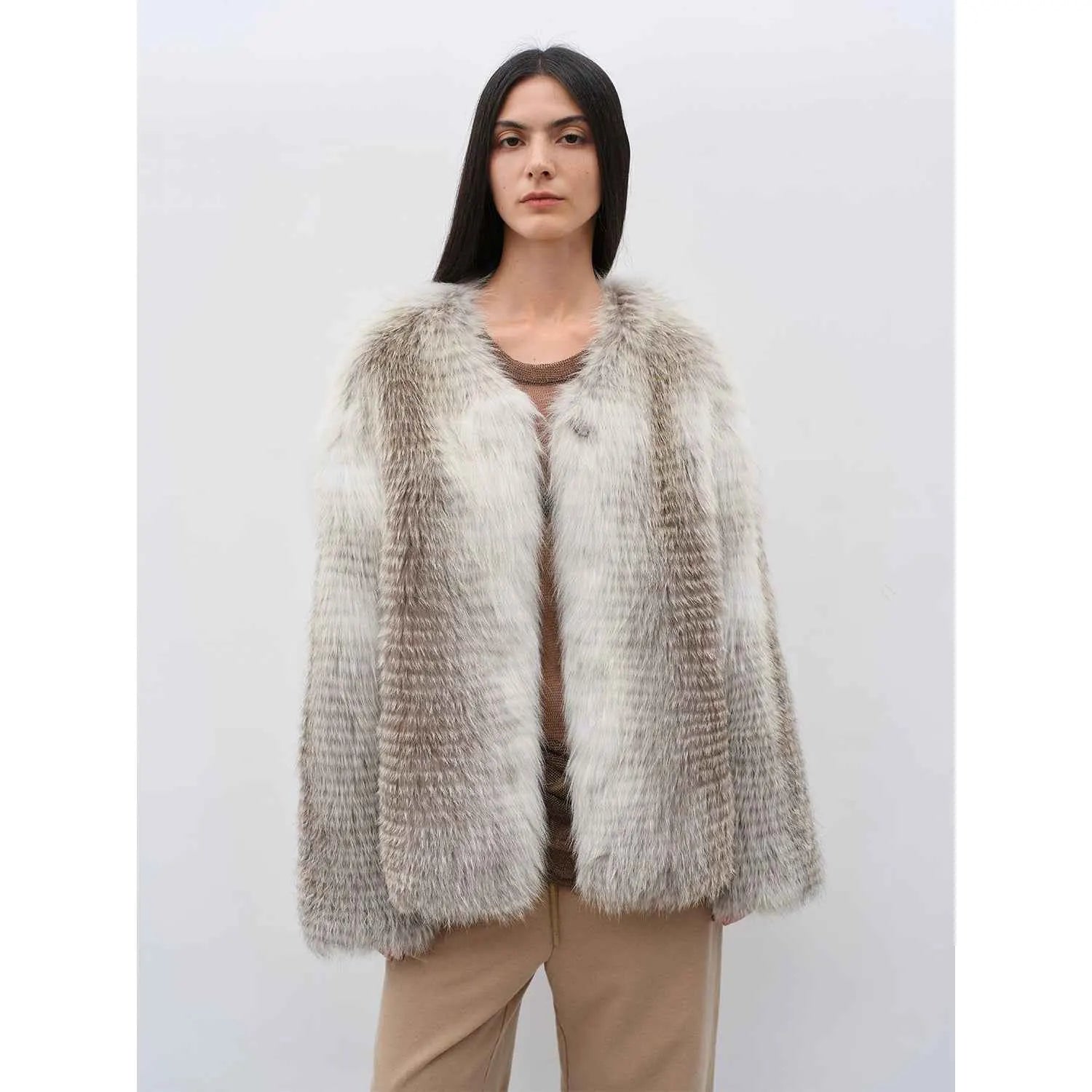
Wearability is the value claim
A shearling coat can be less ceremonial than full fur, but it has to prove it can still be worn without immediate cleaning or repair anxiety.
Compare shearling with fur only after the condition read
A buyer comparing warmth can use fur vs shearling warmth by construction, but resale works better after the coat's surface, wool and seams are checked. Shearling value rises when the garment looks practical, not when it is forced into a full-fur price story.
Shop shearling coatsUse current shearling pieces as a practical wearability comparison. Explore winter outerwearConsider replacement when repair or cleaning risk is high.
 Compare full furUse when the material decision moves back to full fur.
Shearling needs proof on both sides
A shearling buyer is rarely judging only one surface. The outside suede or leather can show stains, shine, salt, moisture marks, scratches and hard panels. The wool side can show flattening, odor, thinning, matting and warmth. A listing that shows only the prettier side leaves half the value question unanswered.
Photograph the outside, the wool interior, cuffs, collar, seams, pockets and hem. If the coat is reversible or the wool is visible at the collar and cuffs, the buyer will inspect those areas first.
Wearability is the strongest shearling argument
Shearling often sells because it looks like winter clothing someone can use. That means weight, warmth, sleeve movement, pocket placement, closure function and whether it can handle dry cold days matter more than luxury language. A buyer may choose shearling because it feels less precious than a full fur coat.
Help that buyer picture ordinary use: walking from a parking lot, sitting in a car, carrying a bag, stepping indoors, hanging the coat, and wearing it with boots or denim. If the coat is too heavy or stiff for that life, narrow the claim.
Moisture history changes the promise
Shearling is more sensitive to visible weather history than many sellers expect. Water marks, salt, stiff panels, stains and odor can change the resale path quickly. A coat may still have use, but moisture damage belongs in the listing before delivery.
If moisture marks are present, show them plainly and avoid promising that cleaning will remove them. A specialist may help, but uncertainty should stay visible instead of becoming reassurance.
| Shearling check | Strong sign | Caution sign |
|---|---|---|
| Outer surface | Even color, light honest wear | Salt, water marks, shine, stiff panels |
| Wool side | Clean interior, even wool, no strong odor | Flattening, stains, odor, thinning |
| Seams | Stable seams and clean stress points | Pulling, gaps, weak underarms |
| Weight and fit | Wearable enough for ordinary winter | Too heavy, stiff or restrictive |
Compare shearling to fur only after the coat is understood
A shearling coat has its own buyer and its own proof; forcing it into full-fur logic usually distorts the price. Once condition is clear, a reader can compare warmth, care and style with other fur options. Before that, the comparison is premature.
A clean shearling with useful pockets and strong seams may be more desirable for daily winter than a more formal full fur coat. A stained or stiff shearling may be harder to sell than a modest fur-trim piece. The condition and use case decide the path.
The listing voice should feel practical
Shearling wording works best when it sounds like outerwear: clean wool interior, light surface wear, working closures, warm feel, measurements shown, weight noted if substantial. Those details respect how buyers actually use shearling.
Shearling buyers read stains differently from fur buyers
On a full fur coat, the buyer may focus first on surface density, lining and odor. On shearling, stains and moisture marks on the outer surface often appear earlier in the decision. A mark on suede or leather can change the whole wearability promise because the buyer imagines sidewalks, car doors, rain, salt and storage.
Show stains plainly and avoid promising easy cleaning. Some surface wear is normal; moisture damage, stiffness or odor is a different issue.
Weight can be a selling point or a reason to pass
A substantial shearling can feel warm and durable. It can also feel too heavy for a buyer who wants errands, driving or travel. If the coat is noticeably heavy, mention weight in ordinary language rather than hiding it. Heavy but warm is a valid promise. Heavy and stiff is a different one.
Photos can help by showing length, thickness and how the coat hangs. Measurements help the buyer decide whether the weight is worth it.
Care boundaries should be visible before comparison shopping
A shearling buyer may compare it with a fur coat, parka or wool coat, but care tolerance matters first. If the coat has moisture marks, hard panels or odor, the comparison changes. If it is clean, stable and wearable, it can be positioned as practical outerwear.
Tell the buyer what kind of winter the coat belongs to. Dry cold days and careful storage are different from slush, wet car doors and crowded public transit.
Shearling product links belong after the use case is clear
If the reader wants a clean daily winter option, shearling collection paths make sense after the article explains wearability. If the coat being listed has moisture or structural concerns, care and condition paths come first.
That keeps commercial guidance tied to the actual decision rather than turning the article into a generic shopping push.
Shearling has to survive ordinary handling in the buyer's mind
A buyer imagines shearling being worn more casually than a full fur coat. They picture sleeves against a car door, a bag strap on the shoulder, boots, errands, stairs, and a coat hanging near other winter outerwear. The listing has to survive that mental test.
If the surface, seams and wool side still look ready for that use, shearling value feels believable. If the coat looks delicate, stained or stiff, the promise should become narrower.
The wool side is not a hidden interior detail
For shearling, the wool side is part of the product value. It affects warmth, comfort, odor perception and buyer confidence. A listing that hides the wool side feels incomplete, even if the exterior looks good.
Show the wool interior in enough light that the buyer can see flattening, stains, matting or clean texture. Then write the condition note to match that evidence.
Shearling replacement paths work best after care tolerance is clear
A reader who wants low-stress winter wear may decide a current shearling coat makes more sense than repairing an older piece. Another reader may decide the coat in hand is good enough to list. The article should let both paths exist.
That is why care tolerance, moisture history and weight come before product routing. They decide whether shearling is still a practical promise.
Final shearling read
Before publishing a shearling listing, read it as someone deciding whether this coat can handle ordinary dry winter use. The buyer needs surface condition, wool-side proof, seams, closures, weight, measurements and any moisture history. If one of those is missing, the coat may still be good, but the listing is not finished.
Shearling value works best when the description sounds practical. Warmth, use, condition and care tolerance should come before broad luxury language.
The last shearling sentence should name the winter it belongs to
Shearling reads best when the final sentence places it in a believable winter. Dry cold days, errands, denim, boots, car seats and careful storage create one promise. Slush, wet commutes, heavy stains or hard panels create another.
The coat may still be useful in either case, but the wording has to choose the right winter. That keeps shearling value practical instead of decorative.
Before shearling is called wearable
Shearling has two surfaces to prove. The outside suede or leather shows weather history; the wool side shows comfort, odor, warmth and wear. Hiding either side leaves the buyer guessing.
Moisture changes the promise faster here. Salt, water marks, hard panels and damp odor belong in the listing before the buyer imagines dry winter use.
Weight can help or hurt. A substantial coat may feel warm and durable, but a heavy stiff coat may lose the buyer who wants errands, driving and easy indoor transitions.
The final shearling sentence should name the winter. Dry cold days and careful storage are a different promise from slush, wet car doors and crowded public transport.
FireladyFur's shearling resale standard
FireladyFur separates shearling from full-fur resale because the buyer reads it as a wearable coat first. The Fur Coat Comparison Guide can compare warmth and material, but the resale page should begin with surface, wool and seams.
A shearling listing should be honest about moisture, stains, odor and weight. Those details shape buyer confidence more than polished adjectives.
Sell shearling through proof of ordinary wear
If the coat looks clean, stable and wearable, say so plainly. If stains, odor or hard panels are present, move the listing into a lower-risk category before setting price.
What makes shearling valuable for resale?
Wearability, clean suede or leather surface, strong wool interior, stable seams, manageable weight and honest photos usually matter more than luxury wording.
Does shearling need different photos from fur?
Yes. Show both the outer suede or leather side and the inner wool side, plus cuffs, collar, seams, stains, hem and areas touched by bags or seats.
Can shearling damage be repaired before selling?
Some seam or lining issues may be handled by a specialist, but moisture stains, hard panels, odor or broad surface damage can be difficult. Get professional advice before promising repair.


