


Replacement is the clean answer when repair would still leave the wrong coat. A repaired hook, lining, or hem cannot fix a coat that is too heavy, too delicate, too short, too formal, too odorous, or wrong for the owner's winter.
Think about replacement after the sell, keep, restyle, donate, or replace decision points away from keeping the current coat.
A repair should solve the problem you named
Before paying, name the problem the repair will solve. Repair may be smart when a loose closure, small lining tear, or local hem issue is the only thing keeping the coat from being worn. Replacement may protect more practical value when the real problem is size, weight, climate, or style.
For small function fixes, compare the coat with repair before selling. Think about replacement when the repair quote is only one more expense attached to a coat that no longer fits the owner's life.
| Current issue | Repair can help | Replacement is cleaner |
|---|---|---|
| Loose closure | The coat fits and the fur body is strong. | Closures fail because the backing is dry or several areas are weak. |
| Lining tear | The tear is local and the coat is otherwise wearable. | The lining is worn across several areas and the coat is still not wanted. |
| Wrong length | A small hem change would solve wear. | Length, shoulder, weight, and style all feel wrong. |
| Odor | A professional says treatment is reasonable. | Odor remains part of the coat's identity and use risk. |
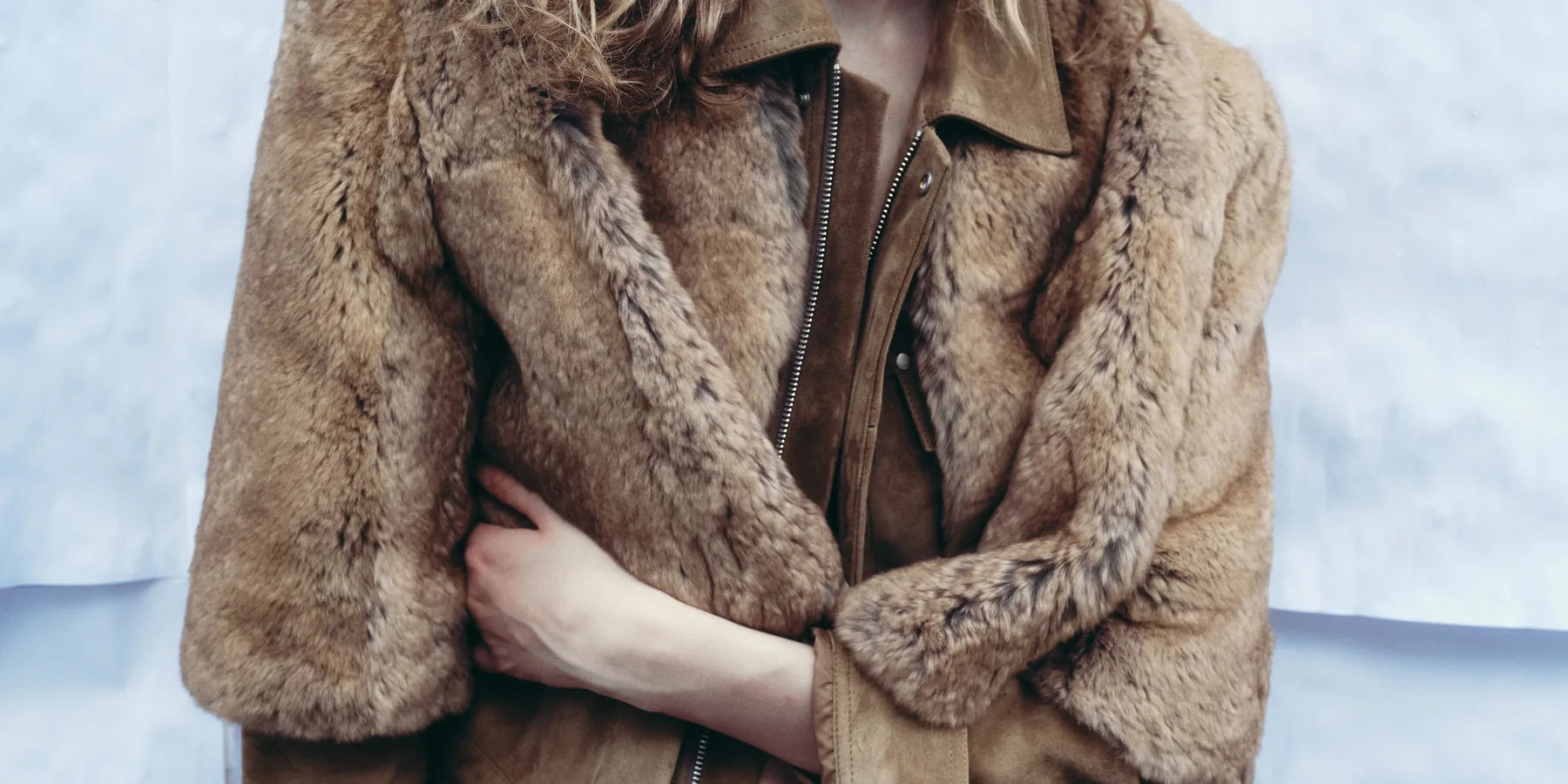
A replacement should solve the old coat's failure
Avoid replacing only because a product photo looks better. Replace when the new coat answers the problem the old coat keeps creating: fit, weight, care, weather, storage, or daily use.
Compare repair cost with the coat you would actually wear
A repair quote should be compared with the coat you would choose now, not with the coat's original price. Replacement deserves a serious look if the cost of repair approaches the cost of a coat that fits your current life better.
For material and type comparison, use the Fur Coat Guide. A new mink jacket, shearling coat, or fur-trim parka should solve a use case, not only replace the old material name.
 Mink coat replacementChoose this when the old coat proves you still want a smooth dressier fur but need a better shape.
 Shearling replacementChoose this when warmth, dry winter errands, and daily wear matter most.
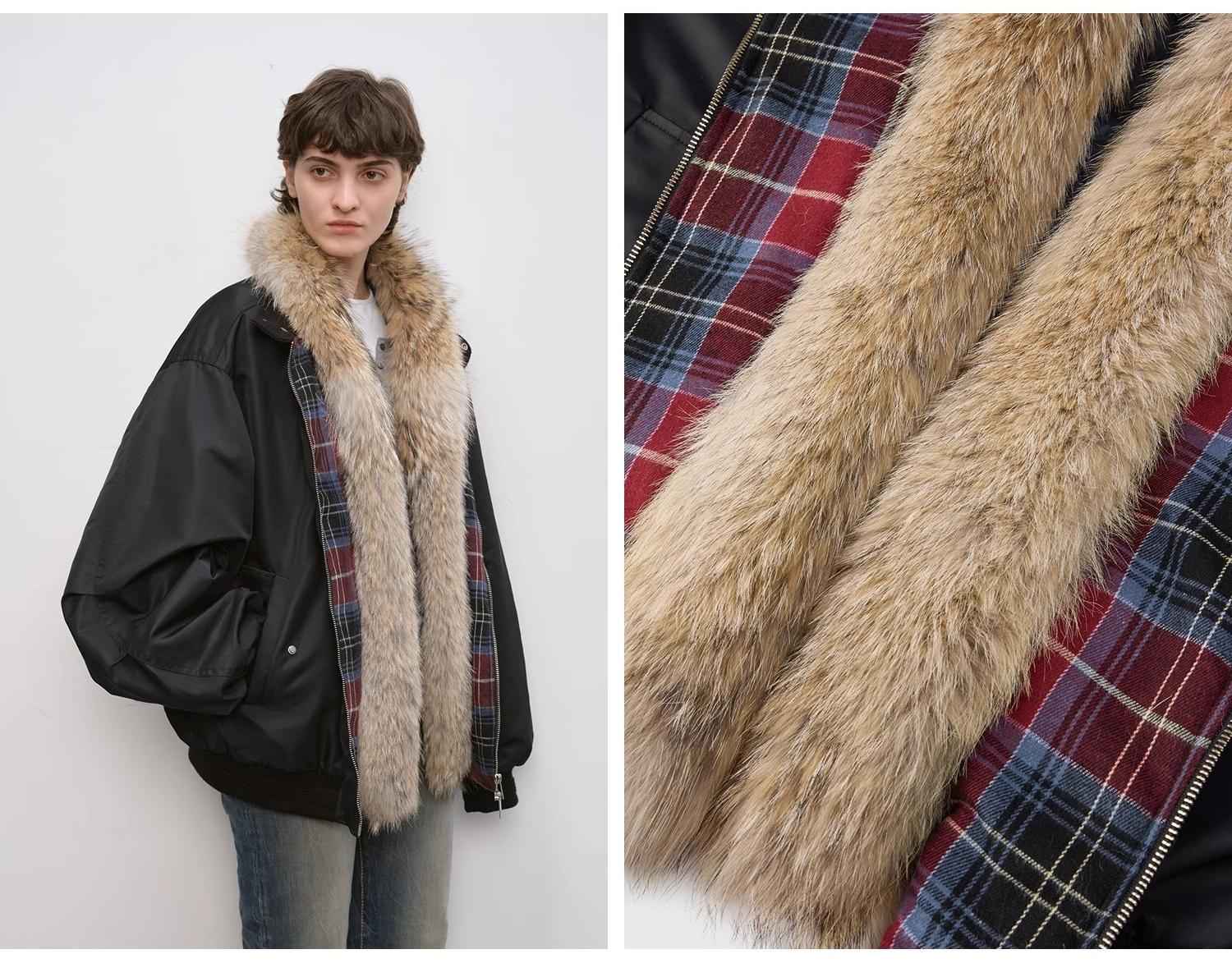 Fur-trim parka replacementChoose this when hood, pockets, weather, and lower-stress winter use matter more than full fur.
Care tolerance can change over time
A coat that was practical ten years ago may no longer be practical now. Storage space changes. Driving changes. Climate changes. The owner may no longer want professional storage, careful weather planning, or a coat that cannot handle ordinary errands.
If care is the reason the coat is leaving the closet, use the Fur Coat Care Guide to check whether the current coat is still manageable. Replacement can be less wasteful than pretending another repair will make it easy if the answer is no.
Small functional fixes should be repaired, not replaced
Replacement is not always the smarter answer. A strong coat with one loose hook, one lining catch, or one small seam may deserve the repair. Use repair costs that usually make sense before dismissing a coat that still works.
The clean line is future use. Repair if the repair returns the coat to a piece you will wear. Replace if the repair only makes the coat technically better while you still avoid it.
Sell or donate the old coat honestly
Replacing does not mean the old coat has no value. It may still be sellable, restylable, donatable, or meaningful. The problem may be the coat itself.
Use a realistic asking range if the coat is sellable. Use donation as a practical choice if the listing effort is larger than the likely payout.
The old coat may no longer match the job
Repair fixes a flaw. Replacement fixes a mismatch.
Compare future wear, not old cost. The original price does not tell you whether the coat belongs in your current winter.
Keep the old coat's exit honest. Sell, donate, or restyle it by condition, not by guilt.
FireladyFur keeps resale advice tied to visible coat evidence and practical owner choices. For brand context, see About FireladyFur; for evidence limits and corrections, see FireladyFur Editorial Standards.
FireladyFur's replacement advice
FireladyFur treats replacement as a buyer-use decision. The new coat should answer the old coat's failure: lighter weight, cleaner fit, easier storage, better weather handling, or a more wearable silhouette.
If replacement points to shopping, compare collections through the same practical questions in the Fur Coat Buying Guide: warmth, weight, fit, care, and daily use.
Write the replacement brief before shopping
The old coat tells you what the replacement must fix. Lighter structure solves a coat that was too heavy. A shorter jacket may answer a coat that felt too formal. Wet errands point toward a parka or shearling route.
Write those failures before browsing. Otherwise the new coat may repeat the same problem in a better photo.
Separate the repair budget from the new-coat budget
A repair budget is money spent to keep using the old coat. A shopping budget is money spent to solve the next winter. Mixing them makes the old coat's original value feel more important than future use.
Pause and compare replacement honestly if the repair budget grows until it looks like a new purchase.
A hard listing does not always mean replacement
A difficult listing does not automatically mean the coat should be replaced. Sometimes the listing simply needs photos, measurements, and a more realistic price.
Use listing mistake checks before deciding the coat is the problem.
Match the replacement to winter behavior
A full fur coat, short mink jacket, shearling coat, and fur-trim parka do not solve the same winter. One may be better for dinner, another for dry errands, another for wet sidewalks and parking lots.
Use the Fur Coat Styling Guide only after the functional choice is clear.
| Old coat failure | Replacement direction | Why |
|---|---|---|
| Too formal | Short fur jacket or trim parka | Easier to wear with normal outfits. |
| Too delicate | Shearling or parka | More practical for daily cold use. |
| Too heavy | Shorter coat or lighter trim | Less tiring for driving and errands. |
| Too hard to store | Lower-care winter outerwear | Less stress after purchase. |
The replaced coat still needs its own exit
Buying a replacement does not decide what happens to the old coat. It still needs a sale, donation, restyle, or storage plan.
Do that step honestly so the replacement does not simply add another coat to the same closet problem.
Replacement should not erase the old coat's remaining value
Some coats can be wrong for you and still useful to someone else. After choosing replacement, decide whether the old coat should be sold, donated, restyled, kept as memory, or discarded under local rules if condition is too poor.
This keeps replacement from becoming quiet accumulation. The old piece should leave with an honest plan.
Acceptable is not the same as wearable
A repair can make a weak choice acceptable without making it desirable. If the hook, lining, or hem is fixed but the coat would still sit unworn, replacement may be the more honest spend.
The owner should picture the first month after repair. The repair money is not buying real use if the coat still stays in the closet.
Replacement can reduce care risk
Some owners no longer want the care routine of a delicate vintage fur. A more practical coat may reduce stress around weather, storage, transportation, and cleaning.
That is a real value gain. It should be named plainly instead of framed as abandoning the old coat.
Avoided routines point toward replacement
The coat is changing your behavior if you avoid sitting down, carrying a bag, checking the weather, or wearing it because it feels fragile. Repair may fix one part, but it may not remove the stress.
Replacement becomes practical when the new coat lets you move through winter normally rather than managing the old coat all day.
A replacement can be less expensive than repeated small fixes
One repair may look manageable. Several small repairs, cleaning appointments, storage costs, and avoided wear can add up to more than a better-fitting coat.
Add the real costs before deciding that repair is the cheaper path.
Keep a comparison note before buying
Write why the old coat failed and what the replacement must solve. Keep that note beside product photos while shopping.
It is probably only a prettier distraction if the new coat does not solve the written failure.
If replacement feels too final
Replacement does not require throwing the old coat away. Sale, donation, keepsake, or restyle can still give the old piece a respectful exit.
Stop spending future-wear money on a coat that no longer answers your winter.
Repair the coat you will wear, replace the one you keep avoiding
A good repair should change your first use. Compare replacement options and choose a clean exit for the old coat if it cannot.
When should I replace a fur coat instead of repairing it?
Replace when repair would not solve the real problem: wrong size, weight, climate, storage, care tolerance, odor, or style.
Is replacement wasteful if the old fur coat still has value?
Not necessarily. The old coat can still be sold, donated, kept, or restyled honestly while you choose a coat that works better now.
Should I repair a loose closure before replacing the coat?
Only if the coat otherwise fits and will be worn. If the closure is one small issue on a coat you still avoid, replacement may be cleaner.
What should I buy if I replace an old fur coat?
Choose by the problem you need solved: smoother dressier shape, daily warmth, lighter weight, weather handling, storage, or lower-care winter use.


