


Restyling is worth considering when the coat's material is stronger than its current shape. A beautiful skin, soft backing, and clean lining can be trapped inside a length, shoulder, or sleeve that very few buyers will wear.
Consider restyling after the broader sell, keep, restyle, donate, or replace decision points toward changing the coat, not when the coat still has a straightforward sale.
Restyle only when the material is still worth saving
Before asking for a redesign quote, inspect the fur body. If the lining smells damp, the backing feels stiff, or hair releases from several areas, the issue is not the silhouette. Use hard leather in older fur or shedding risk before treating restyling as the answer.
A restyle works best when the coat still feels healthy in the hand. The surface has movement. The lining can be repaired or reused. The seams are not collapsing. The problem is that the coat is too long, too formal, too broad at the shoulder, or too far from how anyone in the family dresses now.
Strong material, weak shape
The fur feels supple and clean, but the length, shoulder, or styling blocks use.
Material is already failing
Odor, brittle backing, bald areas, or active shedding should stop the restyle quote.
Shape is good but market is small
The coat may deserve a market test before cutting it apart.
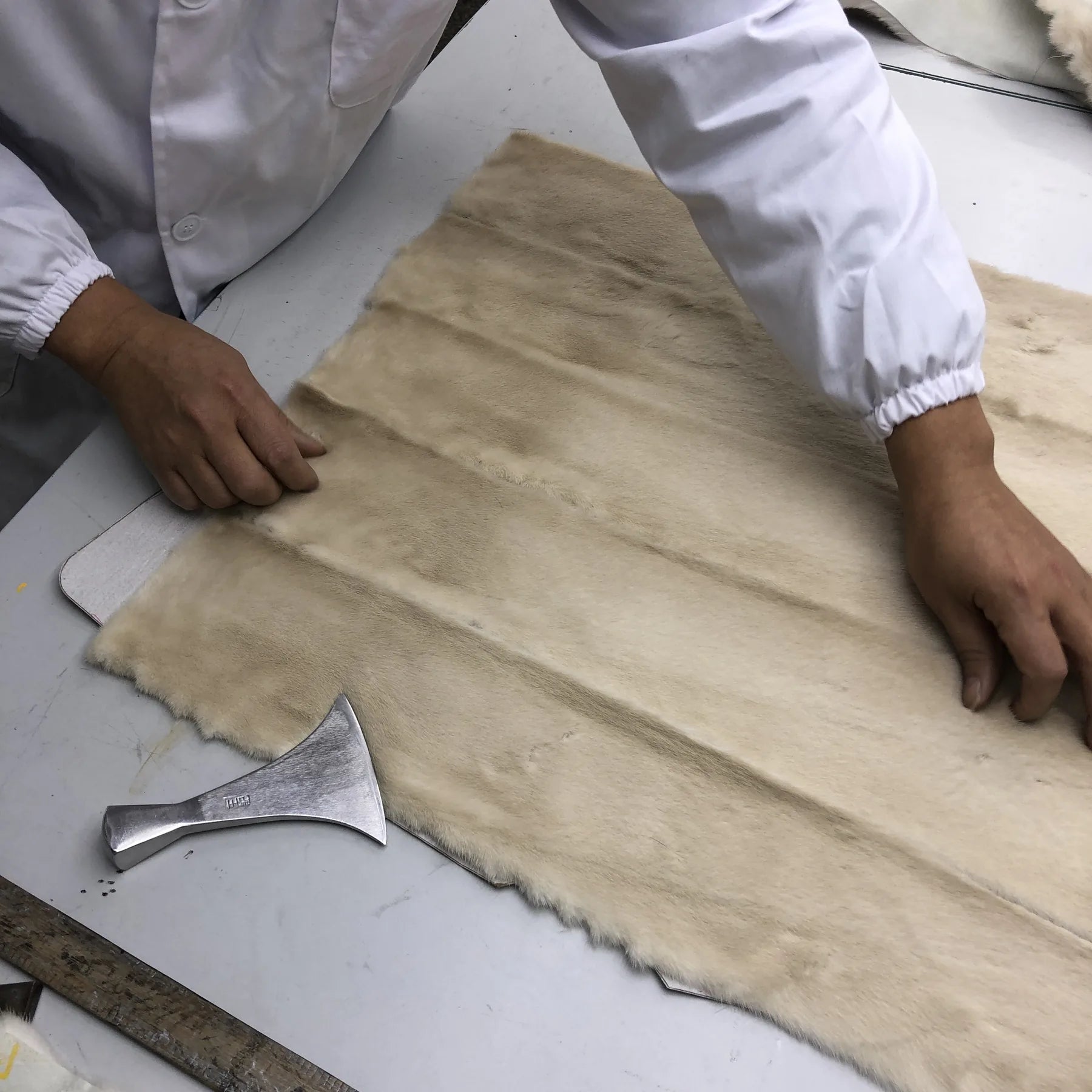
A dated shape is not always a bad shape
Some vintage silhouettes still resell well when the size, length, and photos are right. Check which fur coat silhouettes resell better before assuming a dated coat must be cut down.
A full-length coat with clean lines may have a buyer for evening wear, local winter events, or vintage styling. A short jacket with strong proportions may need better photos, not scissors. Restyling is more useful when the problem appears in every likely use: driving, storing, sitting, carrying a bag, or pairing with normal clothes.
| Current problem | Restyle may help | List first may be better |
|---|---|---|
| Too long for the owner | The material is soft and a shorter cut would be worn often. | Full-length coats are selling locally and measurements are strong. |
| Shoulders feel dated | The shoulder can be reshaped without destroying the coat. | The shoulder fits a real vintage buyer and photos show it well. |
| Sleeves are bulky | The furrier can reduce bulk while keeping clean edges. | Volume is part of the coat's style and the fur still looks intentional. |
| Family wants keepsake use | A throw, collar, scarf, or trim piece has a named owner. | No one has a real plan for the new piece. |
Ask what the new piece will do
A restyled coat should become something specific: a short jacket for dinner, a collar for a coat already in the closet, a throw for a family room, a keepsake pillow, or trim for a parka. The quote is not ready if the answer is only something better.
Write down the future use before the furrier appointment. Who will wear it? Where will it be stored? What size should it become? What budget still makes sense if the finished piece cannot be resold later?
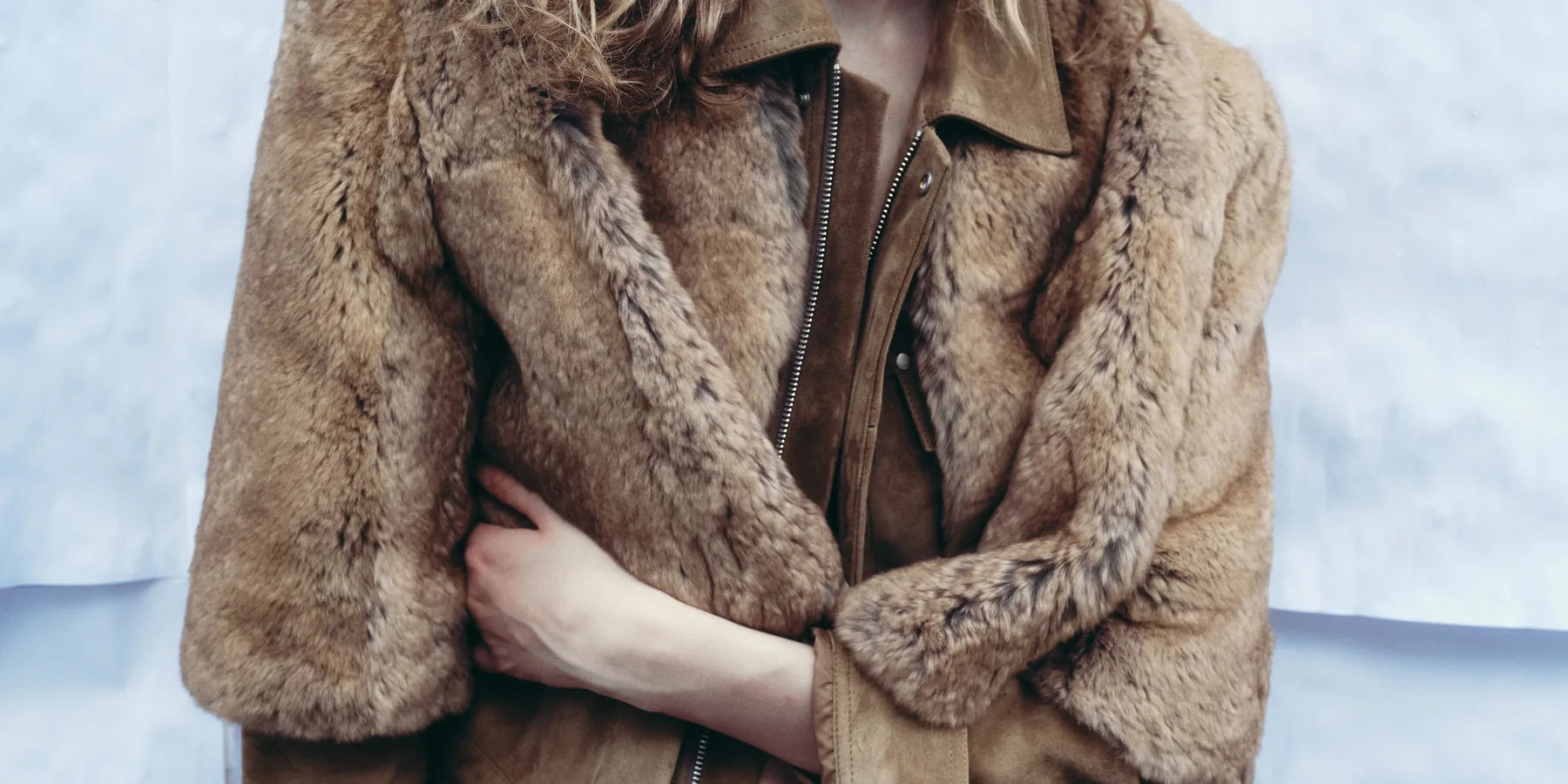
Restyling changes the job of the coat
The best restyles have a clear new owner or use. Without that, redesign can turn an unsold coat into a more expensive stored object.
Compare restyling with repair before paying
Repair and restyling often get mixed together. Repair fixes a problem: hook, lining tear, seam, pocket, or hem. Restyling changes the coat's role. If the problem is a loose closure, start with repair before selling. Restyling may be worth pricing if the problem is that no likely buyer wants the current shape.
When the seller is choosing between a repair quote and a redesign quote, compare restyling versus repair. A repair can make a coat easier to list; a restyle should make the coat easier to use.
Weak buyer demand can make restyling wasteful
A furrier can improve shape, but cannot create demand for every material, size, or color. A very small coat, fragile rabbit, heavy long fox, or strongly colored piece may still have a narrow group of likely buyers after redesign.
Check size limits and likely buyer signals before treating a restyle as a resale upgrade. Sometimes the more honest answer is donation, keeping, or a low-pressure local sale.
Before the furrier quote
Bring photos, measurements, and the future-use sentence. Ask whether the backing is strong enough, which seams must be opened, whether lining needs work, and whether the finished item will need special storage.
Pause if the quote is higher than the likely replacement cost for the item you actually want.
Test the market when the coat may still sell
If the coat photographs well and the condition is solid, run a market test before repairing or restyling. A short as-is test can show whether buyers are objecting to shape, price, photos, or condition.
If buyers like the material but keep asking whether it can be shortened or altered, restyling may have a case. If buyers ask about odor, shedding, or backing, the restyle idea is trying to solve the wrong problem.
Restyle when the new use is clearer than the old listing
Material first. Do not cut a coat that is already failing in backing, odor, or shedding.
Use second. A new jacket, throw, collar, or trim piece should have a real home before the quote.
Budget third. A restyle quote should be compared with sale price, replacement cost, and storage cost.
FireladyFur keeps resale advice tied to visible coat evidence and practical owner choices. For brand context, see About FireladyFur; for evidence limits and corrections, see FireladyFur Editorial Standards.
FireladyFur's restyle judgment
FireladyFur treats restyling as a use decision, not a prettier version of resale. If the coat still has likely buyers, start with photos, measurements, and the Fur Coat Value Resale Guide. Restyling becomes a practical path if the coat's material is strong but the shape blocks use.
When the future piece points toward shopping instead of alteration, compare current options in the Fur Coat Guide before spending on a redesign.
Read the quote like a new purchase
A restyle quote is not only a repair bill. It is the price of a new object made from old material. Compare it with the cost of buying the item you are trying to create.
Ask whether you would buy that short jacket at the same cost if the quote produces a short jacket. Ask whether that object has a place in the home or wardrobe if the quote produces a throw or collar.
Photograph the coat before it is cut
Take full photos, lining photos, label photos, measurements, and closeups before any redesign. Those photos protect the sale or donation choice if the project stops.
They also help the furrier see what the original coat offered: panel size, direction of fur, weak areas, lining condition, and whether the original label or belt matters.
Ask what will be lost
Restyling is not only about what the coat becomes. It is also about what disappears: original length, label placement, original lining, pocket position, sweep, and sometimes enough material to sell the coat as a coat.
Cutting it apart may remove the strongest resale feature if the original coat has real vintage demand. That loss may be acceptable if the original shape has almost no use.
Check whether the future owner is real
A family may like the idea of a keepsake throw until someone has to store and clean it. A shorter jacket may sound practical until the intended wearer realizes the sleeves, weight, or color still do not fit.
Ask the future owner to approve the size, use, and care before the quote. Restyling should not create another object that everyone feels too guilty to release.
| Question for the furrier | Why it matters | If the answer is weak |
|---|---|---|
| Is the backing strong enough to cut? | Dry backing can fail during work. | Do not restyle; choose another exit. |
| Will the lining need replacement? | Lining cost can change the whole budget. | Compare with sale or donation. |
| What material will be left? | Scraps may not be usable. | Do not assume a second project. |
| How should the finished piece be stored? | Care needs may stay high. | Replacement may be cleaner. |
A restyle should not erase the condition note
Odor, shedding, and weak leather do not disappear because the shape changes. Ask what the work can truly remove and what will remain.
A redesigned piece with old odor or brittle backing can create the same disappointment in a new form.
When restyling protects family value
A family coat may not need to become a public listing. If several people want to preserve part of it, restyling can turn one large coat into a smaller keepsake with a real home.
The project still needs limits. Decide who receives the piece, who pays, who stores it, and what happens if the material is not strong enough for the work.
When restyling damages resale value
Cutting a good vintage coat can remove the very thing a buyer wanted: original length, label placement, sweep, or period shape.
Sell it as a coat if the current coat has strong demand. Restyle only when the current shape is the problem, not when the owner simply wants a more exciting option.
Restyle notes to keep with the finished piece
Keep before photos, the furrier invoice, measurements, and any note about reused material. The finished item may need that history later.
Avoid making the finished piece sound new if it is made from vintage fur. Say what changed and what material was reused.
What to do if the furrier refuses the work
A refusal can be useful. Ask whether the problem is backing, seams, lining, odor, material size, or budget.
That answer may point to sale as-is, donation, keepsake storage, or replacement. It should not be ignored because the sketch looked good.
Use a restyle test before a permanent cut
Before the coat is cut, simulate the future piece. Pin the hem visually, fold the sleeve to the proposed length, photograph the collar separately, or place the coat next to the garment it may become trim for. This is not a substitute for a furrier, but it shows whether the new idea has real appeal.
The problem may not be length or shape if the mockup still feels awkward. It may be color, weight, care tolerance, or family hesitation. That is when sale, donation, or keeping should return to the table.
Restyling for resale is weaker than restyling for use
A restyled coat has to find a buyer who likes both vintage material and the new design. That can be harder than selling an original coat to a vintage buyer. Restyling for a named owner is usually cleaner than restyling for an imaginary future market.
For resale, run a market test first. For family use, ask the future wearer to approve weight, length, color, and care before the work begins.
Keep the restyle decision separate from guilt
Guilt can make a restyle sound kinder than donation or sale. The question is whether the finished item will be used. A fur throw nobody wants, a collar no coat can carry, or a short jacket that still does not fit is not a better ending.
A clean donation or honest sale can preserve more practical value than an expensive keepsake that adds another storage problem.
Restyle only when the next shape is real
Name the new piece, check the material, price the work, and test whether the current coat already has buyers. A good restyle solves use; it does not just make an old decision feel better.
When is it worth restyling a fur coat?
Restyling is worth considering when the fur body, backing, and lining are strong but the current silhouette keeps the coat from being worn or listed well.
Should I try selling before restyling?
Often yes. If the coat is clean, measurable, and photogenic, a short market test can show whether the shape is really the problem.
Can restyling increase resale value?
It can make a coat more usable, but it does not guarantee a higher resale price. The new piece still needs likely buyers or a clear owner.
When should I avoid restyling?
Avoid it when the coat has odor, brittle backing, active shedding, major lining damage, or a quote that costs more than the finished piece is likely to be worth.


