


Storage damage usually shows itself before the seller says a word. The hanger mark, shoulder shape, lining crease and smell tell the buyer whether the coat was protected or simply put away.

Check hanger marks before describing storage
A coat that lived on a thin hanger may show shoulder dents. A coat pressed in a plastic bag may smell stale or feel flattened. A coat kept near heat may feel dry at the backing. The seller should check those signs before writing carefully stored.
If the seller has several records, the larger care-records resale article can organize them. For storage damage, the current coat matters first. A storage invoice helps less when the shoulders look crushed or the lining smells damp.
Crushed shoulder or flattened fur
Show the area and use more cautious wording if the shape does not recover after hanging.
Damp lining or stale smell
Move to odor and humidity risk before calling the coat ready.
Dry, noisy backing
Treat stiffness as a condition problem, not ordinary closet wear.
Separate pressure damage from moisture damage
Pressure damage is usually visible: hanger dents, flattened sleeves, crushed cuffs, a hem pressed into one side. Moisture damage may be felt or smelled first: damp lining, musty storage odor, weak leather or a cold stale smell trapped near the underarms.
Pressure may sometimes improve with proper hanging and gentle handling. Moisture history is more serious because it can connect to odor, hard backing and shedding. Use humidity damage in fur and leather when the coat feels dry or smells damp after airing.
| Storage sign | What to photograph | How to write it |
|---|---|---|
| Shoulder dent | Front, back and hanger area. | Shoulder shows storage pressure; photographed. |
| Flattened sleeve or cuff | Side view and close cuff photo. | Fur is compressed at cuff; condition reflected in price. |
| Stale damp smell | Cannot be photographed; pair with lining and storage note. | Light or damp storage odor noted; cleaning does not erase that sentence. |
| Crackly backing | Condition note plus furrier advice if available. | Backing feels stiff/noisy; sold with caution. |
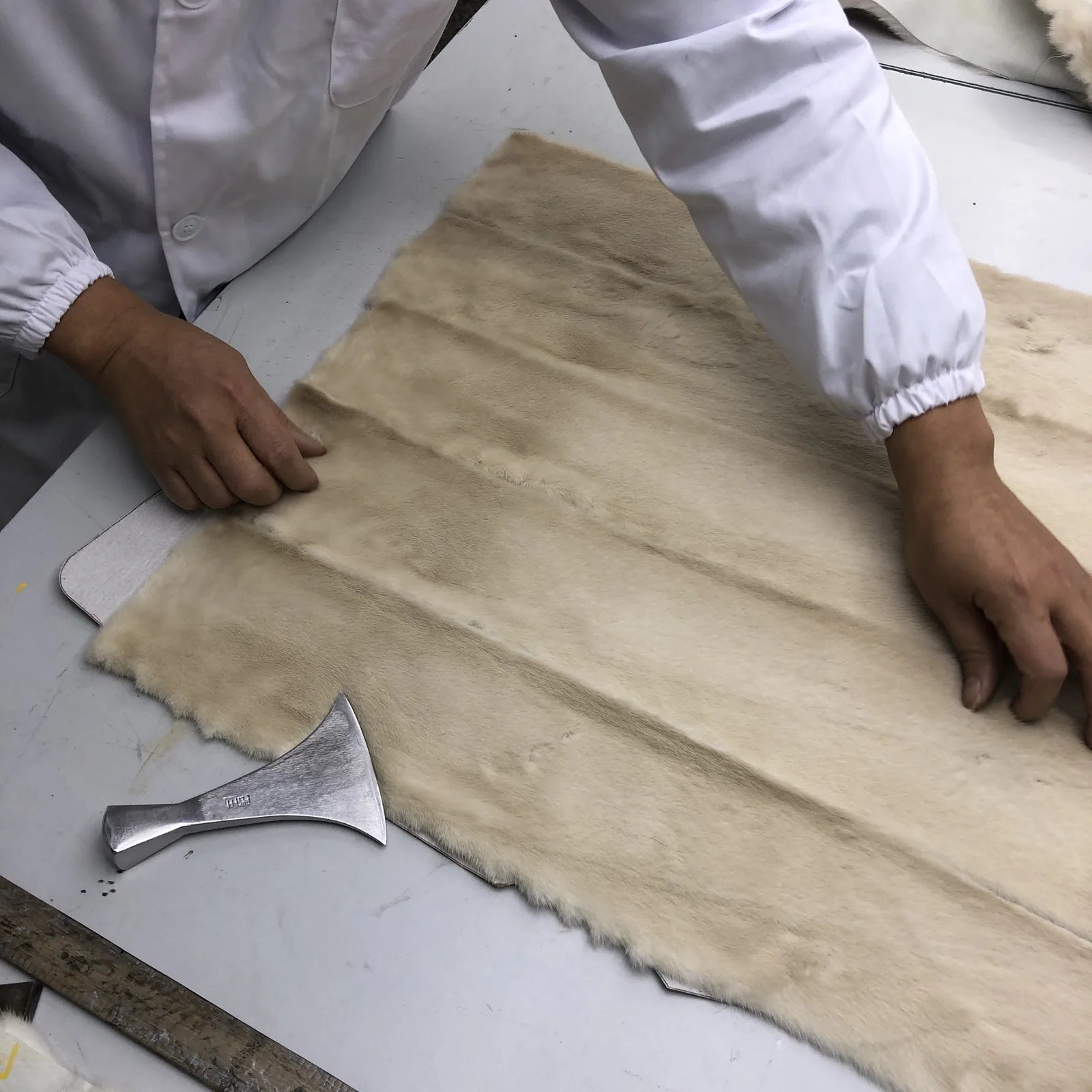
Use photos to show the storage problem
A storage note without shoulder, cuff, lining and hem photos asks the buyer to take the seller's word for the part most likely to fail after shipping.
Plastic storage changes the odor and shape check
Plastic garment bags trap heat and moisture. They can also flatten the fur and hold odors close to the lining. A seller does not need to dramatize this, but the listing should not pretend plastic storage is the same as breathable care.
For owner care after the sale, send the reader to how to store a fur coat. In the listing itself, stay with what the coat shows now: smell, surface, lining, shoulder shape and backing feel.
Storage damage can make an as-is sale safer
A lightly flattened coat with clean lining may still belong in a normal buyer listing. A coat with musty odor, hard backing or wide crushing may need a project buyer, local sale or lower-price channel.
If the coat is old and the seller is tempted to lean on age, read vintage fur coat value without guesswork first. Vintage interest helps only after the coat still has likely buyers who can wear it.
- Use normal listing language when storage marks are light and clearly shown.
- Use cautious pricing when odor or backing questions remain.
- Use as-is wording when storage damage changes wearability.
- Do not let an old storage receipt hide a current storage problem.
Shipping can create a second storage problem
A coat may leave the seller's closet in acceptable shape and arrive crushed if it is folded tightly, packed damp or left in plastic too long. The seller should think about storage all the way through shipping.
Before packing, photograph the coat hanging and folded only as needed. Use breathable protection where possible and avoid creating new pressure marks that contradict the listing photos.
Let visible storage damage set the price
Price after the coat has hung freely long enough to show what recovers and what remains. A temporary crease is different from a shoulder that stays collapsed.
Then compare the issue with nearby resale problems: odor and dryness that change value, hard leather, and shedding risk. Storage damage rarely sits alone.
Storage damage needs plain language
Name the area. Shoulder, cuff, sleeve, hem and lining are clearer than storage wear.
Separate smell from shape. A dent and a damp odor create different buyer worries.
Let recovery time matter. Price what remains after the coat hangs and airs, not the first closet impression.
Do not oversell a storage receipt. A record supports the coat only when current condition agrees.
How long to observe the coat before writing storage damage
Do not write the final storage note the minute the coat leaves the closet. Hang it on a broad hanger in open air and look again. Some temporary flattening may relax. A true shoulder dent, stale lining smell or hard backing will still be there.
Check the coat in daylight. Move the sleeve and look at the cuff from the side. Open the lining and smell the underarm and hem area. Storage problems often show at contact points rather than the glamorous front photo.
The seller should not force recovery. Heat, steam, sprays and tight brushing can create new damage or make a buyer question the care history even more.
Write storage damage by location
Storage wear is easier to understand when the seller names the exact place. Left shoulder shows hanger pressure is clearer than some storage wear. Cuffs are lightly flattened from storage is clearer than vintage condition.
Location-based language also helps price. A local shoulder dent may be acceptable to one buyer. Damp odor through the lining changes the whole sale.
| Location | Plain note | Buyer meaning |
|---|---|---|
| Shoulder | Light hanger pressure visible at shoulders. | Fit and hang may be affected. |
| Cuff | Cuff fur flattened from storage. | Handling wear and storage overlap. |
| Lining | Faint damp storage odor noted in lining. | Smell needs a buyer warning before purchase. |
| Hem | Inside hem shows storage crease. | Full-length photos should show scale. |
Lower the condition wording before lowering the price
A seller may be tempted to cut price immediately. Price helps, but the description has to change first. A low price with vague excellent-condition wording still creates buyer risk.
Make the wording more cautious before only lowering the number. Say what storage did. Then price the coat around the remaining shape, smell and wearability.
Storage damage examples buyers understand quickly
A shoulder dent is easy to understand when the photo shows the hanger area and the full shoulder line. The buyer can decide whether the mark affects fit.
Flattened cuffs need a different photo. Show the cuff from the side and from above. Fox and long-hair fur need this especially because volume is part of the appeal.
Damp odor cannot be photographed, so it needs a calm sentence near the condition note. Pair it with lining photos and any cleaning or storage record. Do not hide it under carefully kept.
A stiff backing note should be plain. If the coat makes a dry crackling sound when handled gently, treat it as more than ordinary storage wear. It may affect whether the coat should be listed as wearable.
Storage history by material
Mink often makes buyers ask about dryness. Storage notes should sit beside backing feel, lining and surface photos. A glossy front photo is not enough.
Fox needs volume proof. A storage note should match the collar, sleeves and cuffs. If the fur is crushed, say where.
Shearling needs moisture language. The outer surface and wool side can hold storage evidence differently. Show both.
Fur trim needs shell context. A good fur collar does not erase a musty parka shell, weak zipper or hood lining problem.
| Material or garment | Storage proof to show | Common weak wording |
|---|---|---|
| Mink | Backing, lining and surface movement. | Professionally stored without current photos. |
| Fox | Volume at collar, cuff and sleeve. | Fluffy overall while cuffs are crushed. |
| Shearling | Outer surface, wool side and seams. | Clean storage with no moisture note. |
| Fur trim parka | Trim plus shell, hood and zipper. | Fur stored well while shell is ignored. |
Photo order for a coat with storage questions
A storage-damage listing should not begin and end with a glamorous front photo. It needs a photo order that lets the buyer judge shape and compression.
Start with the whole coat hanging naturally. Add a back view, side view, shoulder close-up, cuff or sleeve close-up, inside lining, hem and any area with pressure. If smell is part of the issue, put the odor note near lining and storage history because the photo cannot show smell.
This order helps the seller avoid overexplaining. The buyer can see whether the issue is local or broad. A clear photo set makes the storage note shorter and easier to believe.
Keep storage damage out of the title when photos are weak
Most storage notes belong in condition, not in the title. The title should still identify the coat: material, length, color, style and size when known.
Put storage damage in the title only when it changes who should buy the coat. A coat with heavy odor, stiff backing or project-level damage should not carry a normal buyer-ready title.
For lighter issues, keep the title clean and let the condition section do its job. The goal is not to scare the right buyer away; it is to prevent surprise.
Match storage wording to the photos and odor check
Full proof: stored with a furrier during current ownership; shoulder, lining and full-length photos included. Partial proof: owner reports breathable storage; no professional storage receipt available. No proof: prior storage history unknown; current condition shown.
Those sentences are not interchangeable. The seller should choose the one that matches the evidence. A confident storage sentence with no current photos can make the buyer more suspicious than no storage note at all.
If the coat shows damage, write damage first and history second. Shoulder pressure visible; prior storage history unknown is clearer than carefully stored vintage coat with shoulder wear.
Storage complaints usually begin with smell or shape
A seller may describe storage as careful while the buyer notices the box smell first. Musty, damp, mothball or stale closet scent can overpower a storage receipt. The listing should put current odor language close to the storage note.
Shape is the second complaint. Crushed shoulders, flattened sleeves, creased lining and a hem that no longer falls cleanly make the buyer question how the coat was kept. Show those areas before asking the storage record to help.
If smell or shape is uncertain, use partial wording: prior storage history unknown; current shoulder and lining photos included. That sentence is safer than carefully stored when the evidence is thin.
FireladyFur's storage-risk judgment
FireladyFur treats storage as a condition story. Good storage should be visible in the coat's shoulders, surface, lining and smell; poor storage should be named before price does the work.
When storage damage is not severe, the buyer may still compare current artisan fur or outerwear shapes for context. When odor or stiffness appears, care guidance comes first.
Price the storage damage you can still see or smell
Give the coat time to hang, photograph the storage signs, then decide whether the issue is light wear, disclosure, as-is pricing or a furrier question.
Does storage damage lower fur coat value?
Yes, when it changes shape, smell, backing flexibility, lining condition or the buyer's first inspection. Light pressure marks matter less than damp odor or hard backing.
Can crushed fur from storage recover?
Some light compression may improve after proper hanging and gentle care, but persistent shoulder dents, flattened cuffs or matted areas should be photographed and described.
Should I mention plastic storage in a listing?
Mention it when it affected the coat or is part of known history. More importantly, show the current condition: odor, lining, shoulders, fur surface and backing feel.
Is professional storage enough for resale?
It helps only when the current coat still supports it. Photos and condition notes matter more than a storage receipt by itself.


