


Article Summary
Keeping can protect real wear or family meaning even when a sale price is low. It works when the coat is safe to handle, someone accepts responsibility for it and suitable storage is possible.
A resale offer is only one measure of an old fur coat's value. A coat still worn through winter may be more useful than the money a sale would bring. Family history can be another good reason to keep it, provided someone will store it with care. None of those reasons makes an unsafe coat wearable. Check condition first, then decide what keeping will require of the person who owns it.
Separate three kinds of value before comparing prices
Use value is the coat's continuing work: warmth, coverage, fit and a place in your actual winter. A jacket that comes out for ordinary errands and dinners has a different claim on closet space from one that only works in a styled photograph. Private value may be the coat's association with a relative or a period of family life. That value does not need to be proved to a stranger. Sale value is what a suitable buyer might pay for the garment in its present condition, less the work and costs of completing a sale. It may be lower than both of the other values.
There is no clean formula that converts a memory into a selling price. An inherited coat can be worth keeping because the owner wants the original object nearby, even if it will never be worn. The decision becomes weak only when nobody wants to care for it, the storage place harms it, or the family keeps saying "we'll deal with it later" without naming who is responsible. The wider five-route guide explains where this private choice sits alongside sale, restyle, donation and replacement.
A garment you still reach for
Check use against your real climate, clothing and route, rather than an occasion you may never have.
An object someone wants to preserve
Name that person and the story worth keeping. Public resale may not capture it.
A sale after its real costs
Compare likely proceeds after fees and work with the usefulness you would give up.
Make sure the coat is safe to wear or store
A family coat may arrive with an unknown storage history. Look for hair already loosening, visible splits, strong damp odor, crushed fur, insects or a backing that seems stiff or brittle. Leave suspect skin and stitched lining alone; a weak sleeve should not be tested by wearing it around the house. The Canadian Conservation Institute advises supporting fragile skin and containing fur with hair slippage rather than handling it normally. A furrier or conservator can advise what examination and storage are appropriate to the actual object. That professional assessment is different from a promise that the coat can be restored.
When there is no obvious structural warning, check normal access points in good light: lining, fastenings, cuffs, underarms and hem. Take a few current photographs before the coat goes back into storage. A receipt from years ago proves past service, not current condition. If it was recently cleaned, still check how it has been stored since. These observations protect both the coat and the future decision; they are not a reason to turn a keep choice into a speculative listing.
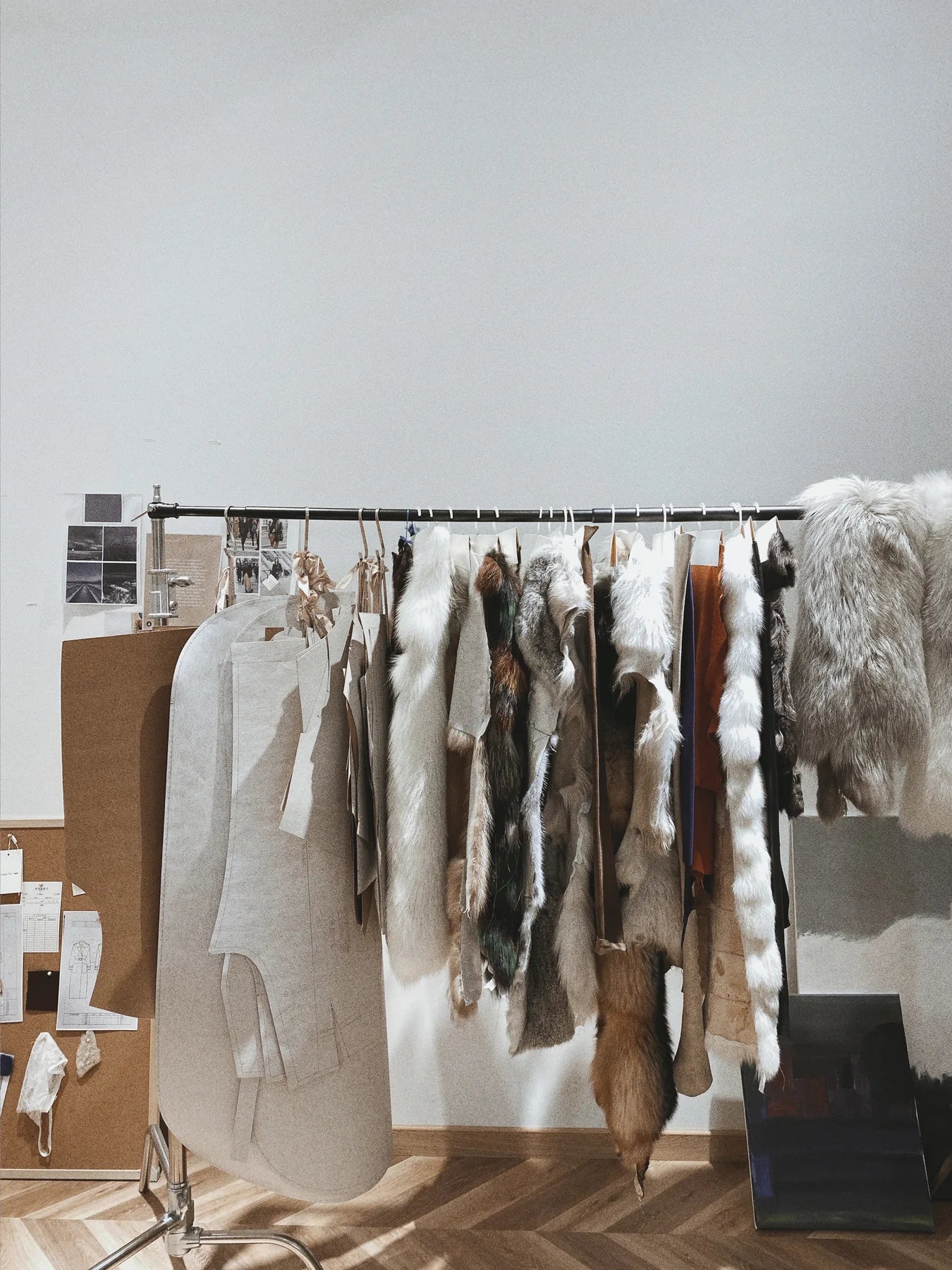
Try one ordinary winter before declaring the coat useful
If condition supports wear and there is no urgency to sell, give the coat a defined trial in the next relevant winter. Choose an actual destination, not a costume-like test designed to make the coat look successful. Wear the normal layers and shoes, sit in the car or on public transport, carry the bag you usually use and notice whether the coat still fits the route. A coat can feel beautiful standing up and awkward once the hem gathers under a seat belt or the sleeves catch on a bag strap. If it is unusually warm for your current climate, that is a real limitation even when its material remains good.
Record a simple result after the outing: where it worked, where it was cumbersome and whether you would choose it again. One successful wear can justify keeping for use; one uncomfortable wear does not require an immediate sale. A second try with the right weather or a minor fit check may be reasonable. Set the test around an actual season, then stop the trial. Repeated imagined outfits add little if you never choose the coat when getting dressed.
The trial is optional for a coat kept solely for memory. Family preservation is a different job. It deserves a good home and clear ownership, but it does not have to earn a wear count. Conversely, a coat with weak structure should not be put through a wear trial to prove that memory matters.
Compare a real sale with the use you would give up
An old receipt, insurance value or retail price for a new garment does not establish today's resale outcome. For a serious sale comparison, find asking ranges for comparable material, shape and condition. Then account for fees, packing, shipping and any cleaning or repair you would pay for. Allow for a long wait or a return. You are comparing what you could actually receive, not the most optimistic listing on a marketplace. The asking-range guide owns the pricing method.
Now ask what the sale would cost you in use. A coat that reliably covers a cold commute may be missed after a modest sale. But do not assume a new fur coat is the only substitute. Compare the garment that would actually serve the same route and weather. An old coat that is too heavy, long or delicate may be a poor keeper even when a comparable new fur costs more. Replacement is a use decision; resale is an exit decision, and their prices should be kept separate.
| Question | What to look at | What it changes |
|---|---|---|
| Will I wear this? | A real outing in the right season, fit and weather. | Whether use value is present rather than imagined. |
| Would I miss the original object? | A named family story and a willing custodian. | Whether private value outweighs the ease of sale. |
| What would a sale return? | Comparable condition, channel terms and actual costs. | The money available after the transaction. |
| Can I care for it? | Storage space, climate, access and an inspection routine. | Whether keeping protects the coat or quietly weakens it. |
Give a kept coat a custodian and a place
Keeping is an active arrangement. Name who owns the coat, where it will be stored, who can remove it and when it will be checked again. Allow the shape room on an appropriate hanger if the garment is strong enough to hang; ask a specialist about support or flat storage for a fragile heirloom. Avoid damp rooms, heat, heavy pressure and sealed plastic. The American Fur Council's storage guidance discusses the risks of heat, friction, cramped closets and unsuitable home storage. Use a qualified local furrier for conditions suited to this specific coat; don't treat a general guide as a guarantee of preservation.
Keep only the records that help the next person: photographs, known material, altered areas, service documents and the family story, separated from claims about condition. A short note saying "this was my grandmother's coat, checked this autumn, stored with room on the rail" is more useful than a large folder nobody will read. A group of inherited coats should be considered one garment at a time. The most meaningful piece can stay while sound, unwanted duplicates take another route.
When the coat is being kept for another person
“Maybe my daughter will want it” is a possibility, not a custodian. Ask the person whether they want the original coat, when they might use it and whether it fits or could be altered safely. Their answer can be “I want the family story, but not the garment.” That is still useful. Preserve photographs and a short account of its history if the object itself is not wanted. A fragile coat should stay supported while a specialist advises on the future fit question.
A willing future wearer does not remove the current owner's storage responsibility before handoff. A label, old receipt, alteration record and current condition photographs travel with the coat, but any statement about its present strength should come from an appropriate inspection. If more than one relative claims it, decide ownership before paying for storage or restyling. Cutting an inherited coat for one person can remove an option the others valued; make that decision with the people involved, not from the quote alone.
Notice when keeping stops protecting the garment
Storage can quietly turn a reasonable keep into a worse outcome. A crowded rail that crushes the fur, a damp basement, an overheated room, a sealed bag or no one willing to check the coat can leave fewer options next year. The answer may be better storage, a qualified furrier's advice or a different exit; it is not automatically a sale. A valuable family object may warrant the effort even when it will never be worn, while a duplicate coat that nobody wants may not.
Review the arrangement when the circumstances change, before damage becomes obvious. A move, loss of suitable storage or a change in who is responsible is enough. Strong odor, active hair release or brittle-looking skin calls for a pause in ordinary wear and handling. Seek condition advice before choosing its long-term place. Keeping a garment physically intact is different from preserving it well. The review point should be tied to a real change, not to a recurring urge to check online prices.
Use one review point when the choice is close
A keep decision does not have to last forever. A move, a change in climate, a new storage problem, an owner who no longer wants the care, or a coat that is not worn through a relevant winter can justify reopening it. Write the trigger now: "Keep through this winter, then reconsider if no one wears it" or "Keep as a family object while we have suitable space." That is enough. Checking every month for a better imagined resale price does not improve the condition of the coat.
A changed decision calls for current photographs before listing, gifting or alteration. A sound coat can move from keep to sale. A family coat might be given directly to a relative who genuinely wants it. Donation is appropriate only after the receiving organization confirms it can use the item in that condition. Restyling needs material that can support work and a clear future user. The older-coat exit checklist lets you switch routes without repeating every argument about the original purchase.
The case for keeping must belong to this coat
Real wear is a sufficient reason. A sound coat that solves a current winter job has value beyond the likely proceeds of a sale.
Family meaning is also sufficient. Preserve the original object deliberately; do not inflate a public asking price to express private attachment.
Storage is part of the bargain. The person who keeps the coat must be able to support and check it appropriately.
A review point protects choice. Revisit the decision when use, condition, ownership or storage changes, not whenever an online listing looks tempting.
FireladyFur treats keeping as a valid result of a resale decision, with the coat's present condition and owner's real use kept separate from a new-product price. See About FireladyFur and the Editorial Standards for brand and sourcing context.
Give the keep decision a real winter or a real custodian
Make room and name the care plan if the coat stays. If the route still feels uncertain, compare the five outcomes using the garment in front of you.
When is keeping an old fur coat better than selling it?
Keeping can be better when the coat still gets worn, has family meaning worth preserving, or would be expensive to replace relative to a credible after-cost sale, provided it can be cared for safely.
Does sentimental value increase a fur coat's resale price?
Not automatically. Family meaning is private value; a buyer still needs to judge the present garment by condition, material, dimensions and demand.
Should I wear a vintage coat to test whether to keep it?
Only if its condition supports ordinary wear. Visible brittle skin, splitting or hair slippage calls for supported handling and specialist advice before a try-on.
When should a kept coat be reconsidered?
Reconsider after a relevant winter without use, a change in owner or climate, loss of suitable storage, or a new condition problem. A memory-only coat can remain kept if a willing custodian protects it.


