


A good condition note sounds like it was written beside the coat, not after the seller searched for prettier adjectives. It tells the buyer what was checked, what was found, and what remains unknown.
This step comes after inspection and photos. Copy cannot rescue missing evidence, but it can turn good evidence into a listing that feels steady instead of evasive.
Replace condition adjectives with condition evidence
Excellent, good, fair, beautiful and vintage all need support. On a fur coat, excellent has to mean something visible: soft surface, clean lining, working closures, light cuff rub, no smoke odor detected by the current seller, and measurements included.
When the description names the evidence, the buyer does not have to decode seller optimism. The listing starts to sound like someone actually inspected the garment.
| Instead of | Write | Why it works |
|---|---|---|
| Good vintage condition | Pre-owned vintage coat with soft surface, working closures and light cuff rub shown in photos. | Names the condition and the wear zone. |
| Minor wear | Light rub at both cuffs and pocket openings; no bald patches seen in those areas. | Tells the buyer where to look. |
| Clean inside | Full lining shown; small opening near right pocket; no visible fur-body tear at that spot. | Separates lining damage from fur damage. |
| No bad smell | No smoke odor detected by current seller; light closet-storage odor remains. | Avoids overpromising freshness. |
| Needs TLC | Closure hook is loose and lining has a three-inch opening; sold as-is unless buyer repairs. | Turns vague softness into buyer-use information. |
Say what you checked, not only what you believe
No odor sounds simple, but it is often too broad. No smoke odor detected by current seller after airing in a neutral room tells the shopper what was checked and leaves room for the reality that noses differ.
Measurements work the same way. Vintage size 12 means little without shoulder, bust, sleeve and length measurements. A buyer trusts the seller who shows the tape more than the seller who repeats the label.
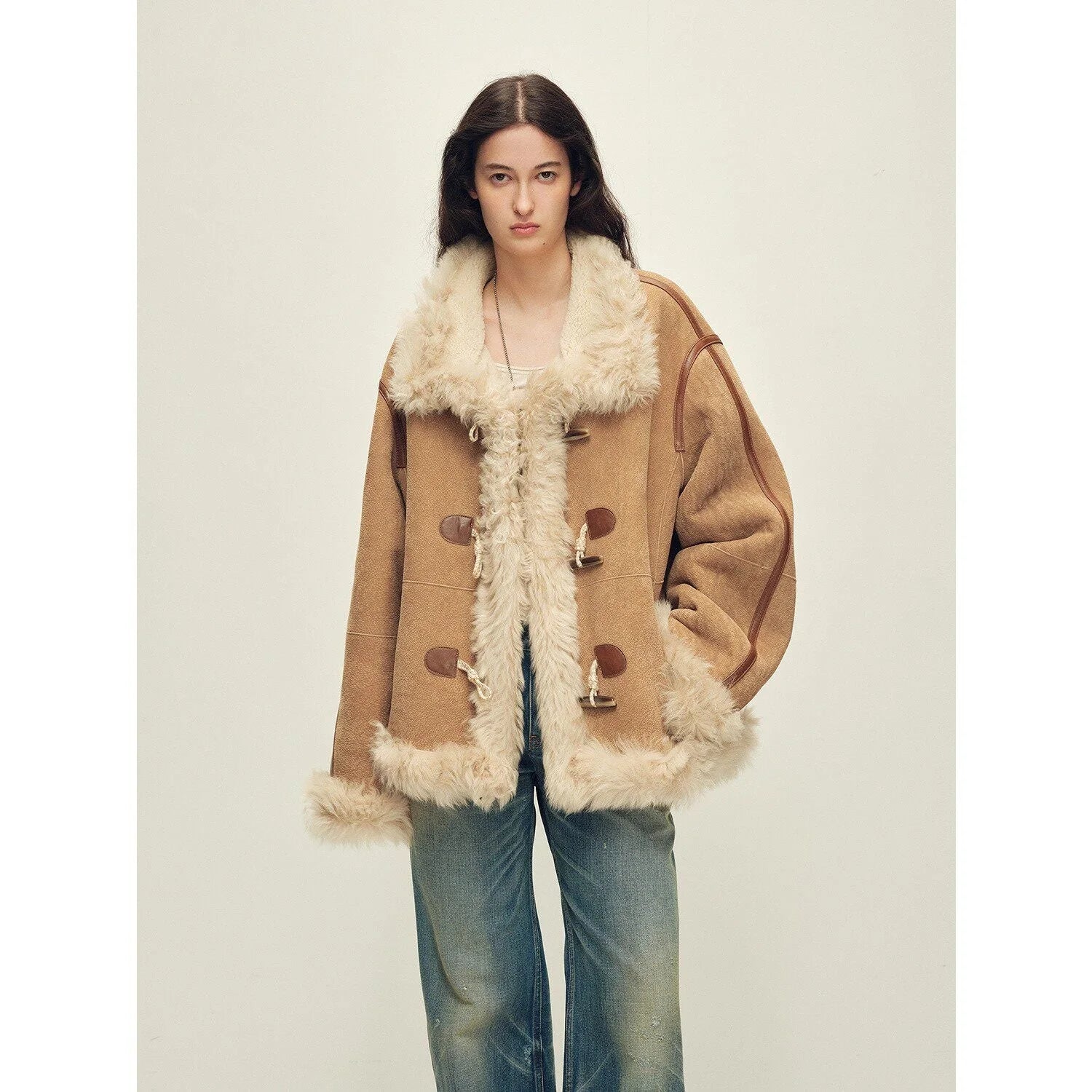
Condition copy should match the photo order
If your description mentions cuffs, the gallery should show cuffs. If it mentions lining, the lining should be visible. If it mentions odor, the collar and lining should not be hidden.
The best condition note reads like it was written beside the photo set.
Use as-is language only when the risk is real
As-is can be useful, but it should not become a shield for vague listing. A buyer still deserves to know why the coat is as-is: dryness, shedding, odor, missing closure, unknown storage, lining damage, project condition or no return policy.
If the coat is being sold as a project because of old age or brittle backing, connect the wording to hard leather signs rather than using soft language. A project buyer may still value the garment, but they need the right promise.
A balanced condition paragraph
Pre-owned mink coat with smooth surface and working front closures. Full lining and label shown. Light cuff rub on both sleeves and a small lining opening near the right pocket are photographed. No smoke odor detected by current seller; light closet-storage odor remains after airing. Measurements are shown in photos.
That paragraph still sells the coat. It also tells the buyer exactly where the limits are.
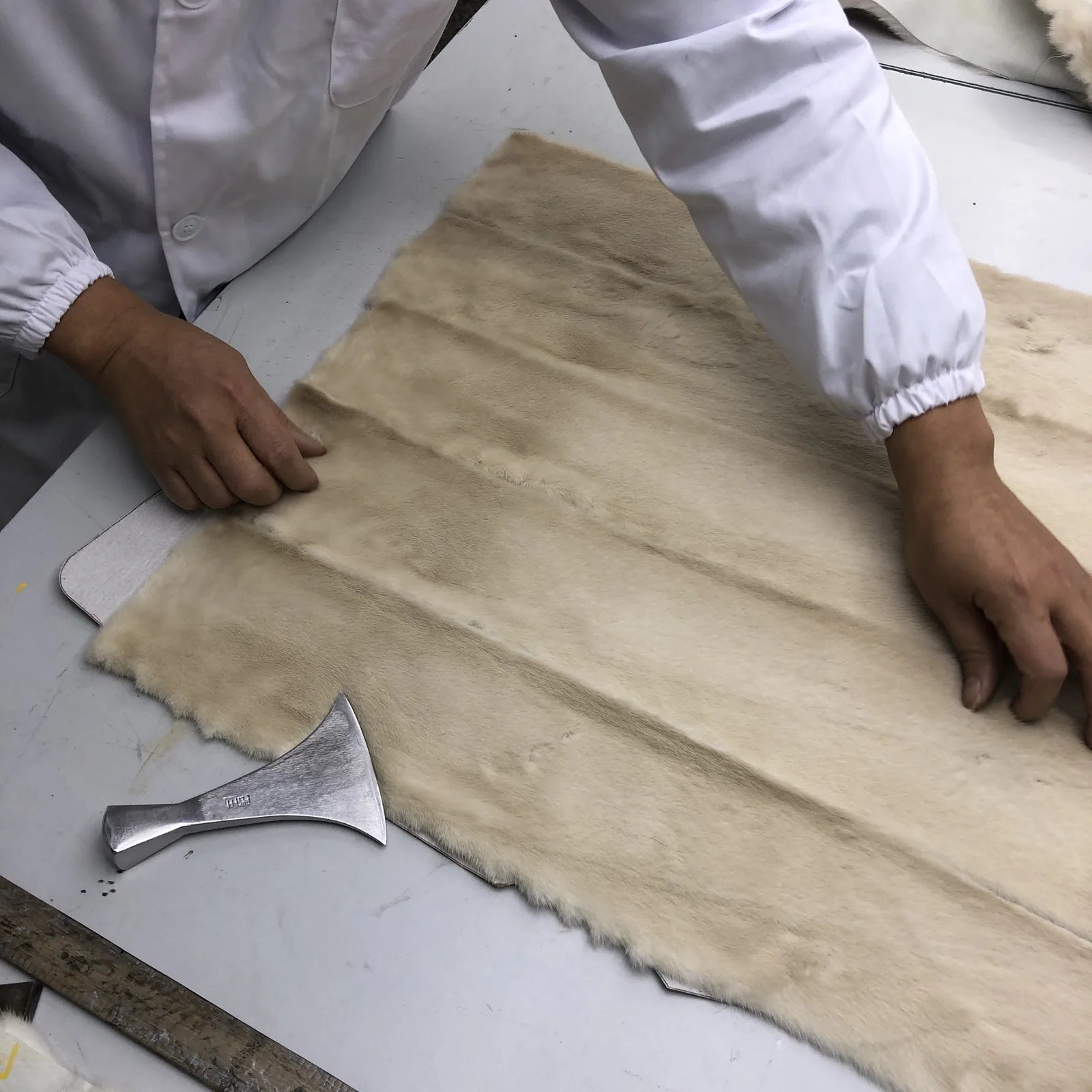
Keep the first sentence factual
The first sentence should identify the coat and condition role: pre-owned mink coat with working closures and full lining shown. Or: older fur coat sold as-is for restoration due to stiffness and shedding. That sentence tells the buyer what kind of listing they are reading.
Save lifestyle language for later. A buyer can imagine dinners and winter walks after they know the condition promise.
Use severity words carefully
Light, moderate and heavy should describe visible reality, not seller preference. Light cuff rub means the edge shows wear but remains intact. Moderate wear means the buyer will notice it without searching. Heavy wear means it affects appearance, function or price.
If you cannot decide severity, describe the exact fact instead: rub visible at both cuffs, left cuff more worn than right, shown in photos.
Leave unproven diagnoses out of the listing
Unless a furrier has assessed the coat, avoid diagnosing dry rot, exact age, exact repair history or cleaning outcome. Say what you observe: stiffness in body, crackling sound during gentle movement, lining repair visible near hem, odor present.
Observation-based language is more credible than confident guesses.

Condition copy should not sound more polished than the evidence. Strong wording is precise, not inflated.
Clear condition language reduces the negotiation pressure created by uncertainty.
End with what the buyer should review
A strong listing note can close with a simple direction: please review cuff, lining, closure and measurement photos before purchase. That line is not defensive. It points the buyer toward the evidence and sets a careful tone.
If the coat is as-is, the closing line should be stronger: sold as-is; not represented as ready-to-wear condition.
Tone should be calm, not apologetic
Honest condition copy does not need to sound scared. Avoid dramatic warnings when the flaw is small. Avoid salesy softness when the flaw is serious. The right tone is calm, factual and buyer-aware.
Light cuff rub shown in photos is better than sadly has some wear or barely noticeable flaw. The first phrase lets the buyer decide.
Make the wording match the evidence
Use separate sentences for separate issues. Do not pack odor, lining, cuffs and closures into one long sentence. Each issue deserves its own clean fact. Buyers scan condition notes quickly, and long mixed sentences hide information.
Surface soft with light cuff rub. Lining shown with small pocket opening. Front closures working. Light closet odor remains. This style reads faster and creates less doubt.
Avoid value promises inside condition copy. Do not write worth much more after repair or easy fix unless you have evidence. If wording starts to affect price, offer quality, or selling route, step back to the fur coat resale value guide instead of turning condition language into a sales pitch.
A buyer who believes the condition note is careful may make a better offer than a buyer who feels pushed.
A strong description makes the photos easier to trust. The description should not repeat every photo mechanically. It should guide the buyer through the important ones: full lining shown, cuff wear shown, closure photo included, measurements shown. If those facts are not complete yet, return to the pre-listing fur coat inspection checklist before polishing the copy.
A buyer who knows why a photo is included is less likely to see it as random filler.
Use unknowns as honesty signals. Unknown care history, unknown exact age, unknown prior owner storage and unconfirmed material are not ideal, but they are better than invented confidence. When unknowns become material or ownership questions, use the Fur Coat Guide; for wider Firelady fur context, use the Firelady Fur Guide.
Example: exact age and cleaning history unknown; current condition photos and measurements shown.
End the listing without hard pressure. A useful closing line invites review rather than pushing urgency: please review all condition photos and measurements before purchase. For as-is coats: sold as-is for restoration or project use; not represented as ready-to-wear.
That tone sounds like a careful seller, not a seller trying to outrun questions.
Good copy should make the seller sound present. The buyer should feel that a person looked at the coat recently, not that a generic resale phrase was pasted into the box. Phrases like current seller detects, shown in photos, measurements taken flat, and care history unknown make the note feel present.
That presence matters because many old fur listings feel abandoned by the seller before the buyer even reads them.
Use one appeal sentence after the condition facts. After the condition facts, add one appeal sentence: the coat has a full collar and polished evening shape, or the jacket has a plush texture and cropped silhouette. Keep it grounded in what the photos show.
This gives the listing life without letting romance replace inspection.
Condition copy should not fight the return policy. If returns are not accepted, condition language should be even more complete. No-return language cannot make a vague listing fair. It only makes the buyer read more carefully.
A no-return listing with weak condition details feels risky. A no-return listing with strong evidence can still feel reasonable.
Condition description should be edited after photos are final. Write the first draft from inspection notes, then edit it after the gallery is final. Remove claims that the photos do not prove. Add notes for flaws that the photos reveal more clearly than expected.
The description should be loyal to the final evidence, not to the first impression.
Use buyer-readable units. Instead of saying some lining issue, say small opening near right pocket. Instead of saying signs of age, say light rub at both cuffs and pocket edges. The buyer can picture and evaluate those details.
Specific language reduces imagination, and imagination is where resale anxiety grows.
Condition copy should use the same nouns as the photo labels. If the photo label says right pocket lining opening, the description should use the same phrase. If the table says left cuff rub, do not call it sleeve wear elsewhere. Consistent nouns make the listing easier to read and reduce misunderstandings.
This matters on mobile, where buyers jump between gallery and description.
How to describe repairs already done. If repairs are visible or known, describe them as repairs, not as flaws hidden in the lining. Prior lining replacement, reinforced closure, patched seam, replaced hook or altered sleeve length can all be acceptable when shown clearly.
Do not call a repair professional unless you know it was professional. Say visible prior repair when the source is unknown.
Write the condition note after the evidence is visible
A strong condition description does not hide flaws. It turns the inspection into a buyer-readable promise.
Make the words smaller than the evidence
FireladyFur would rather see a plain condition note that survives delivery than a polished description that collapses when the box is opened. On fur, careful wording means naming the area, the severity, the photo proof, and what remains unknown.
The best description still lets the coat be desirable. It simply refuses to make the buyer guess which parts are fact, which parts are style, and which parts are seller hope.
Should I use 'excellent condition' for a vintage fur coat?
Only use it when the photos and details support it. If there is cuff wear, odor, lining damage, shedding or dryness, use a more specific condition note.
How do I describe fur coat odor in a listing?
Name what you can detect: light storage odor, smoke odor, perfume, damp smell or no smoke odor detected. Avoid vague phrases that hide the issue.
What should an as-is fur coat listing say?
It should explain why the coat is as-is, show the relevant flaws and avoid wearable-condition promises when dryness, shedding or structural damage is present.


