


A vintage fur coat is not valuable because it is old. It becomes valuable when its age, condition, shape, size, color, label proof and timing still point toward someone willing to wear, collect, style or restore it.
Use this page after basic condition has been checked and before the asking price turns into guesswork. For the full value path, keep the Fur Coat Value / Resale Guide nearby; use it for the age, rarity and buyer-demand part of the decision.
Price starts after the coat passes a wear test
Do not begin with the decade. Begin with the coat in front of you: surface, smell, backing, lining, closures, size, shape and photos.
Then name the likely buyer. A short clean jacket, a formal full-length coat, a collector piece and a repair candidate need different wording.
Only then use age or rarity. Old and unusual details help when they make the coat easier to understand, not when they distract from fit or condition.
Do not let age do the pricing by itself
Vintage value starts to make sense only after the coat has a likely wearer. A fifty-year-old mink in a clean, short, easy shape may have a clearer path than a more unusual coat that needs perfect storage, a specific body size and a buyer who enjoys a dated shoulder line. Age gives the listing a story. Demand decides whether the story turns into offers.
That is the boundary for this article. The broader question of whether an old coat is worth selling belongs in the vintage fur value article. This page focuses on the signals that reduce guessing once the coat is already being considered for resale: age, rarity, style demand, color, size, label proof, timing and the shape of the buyer group.
Can someone wear it now?
A vintage coat that can move through a normal winter day has a better argument than one that only sounds special.
Who is the likely buyer?
A collector, stylist, everyday wearer, event shopper and repair buyer all need different proof.
What does the evidence support?
Condition, photos, measurements and market fit decide how much confidence the listing deserves.
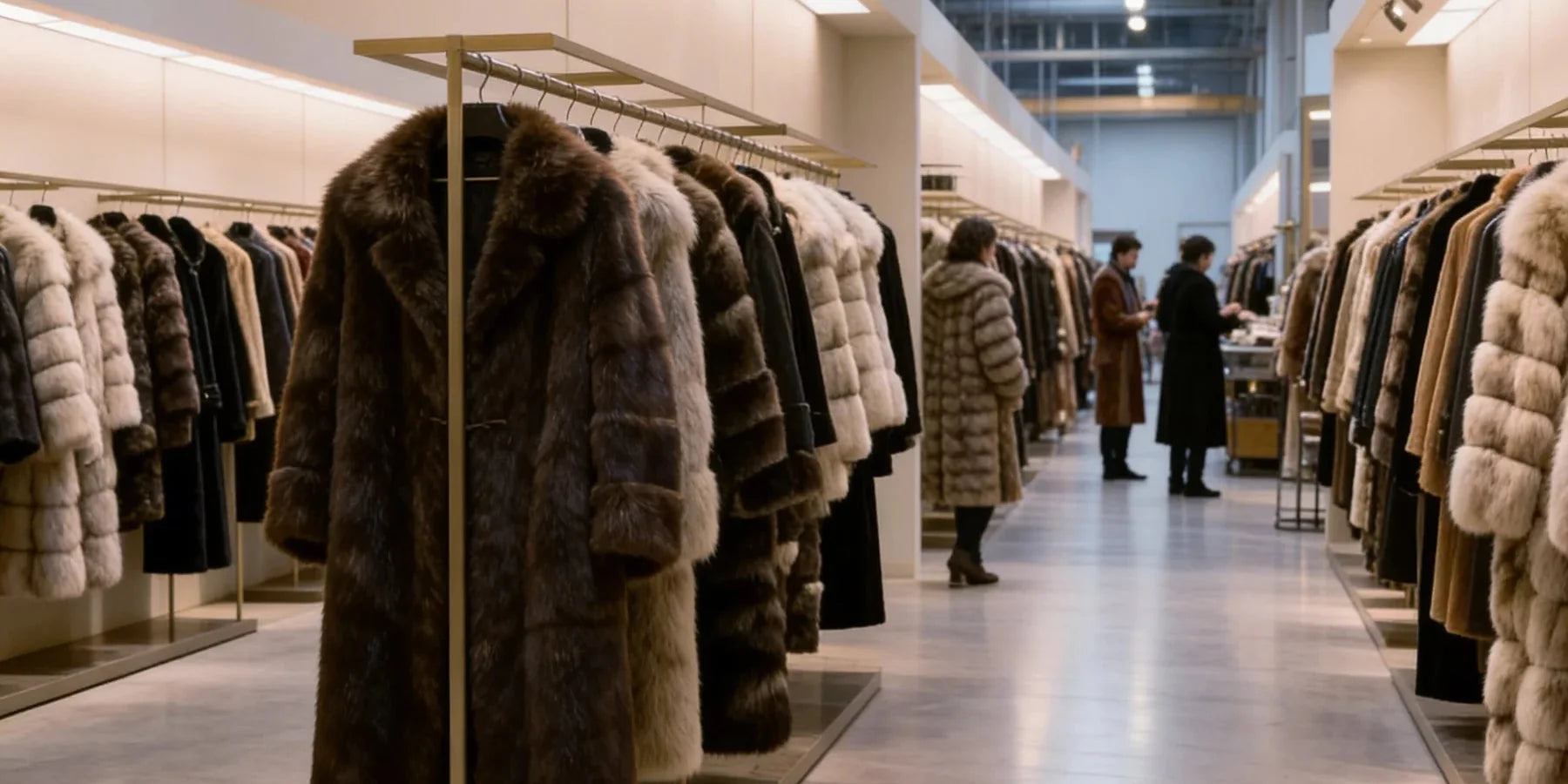
Check the coat in the order a buyer notices risk
The person reading a resale listing rarely starts with the seller's memory of the coat. They start with the current garment. Does the fur look alive? Does the coat close? Is the lining clean enough? Are the sleeves a wearable length? Can the shoulder line fit a present-day wardrobe? Is the size shown in modern measurements or only as an old label?
That order matters because vintage listings often overprice at the wrong layer. A seller may begin with original cost, family history, a luxury store label or the idea that older means rarer. The reader begins with risk. If the first few photos do not answer condition, shape and size, the rare detail becomes a reason to ask more questions rather than a reason to pay more.
Before moving into age or rarity, run the condition layer. The pre-listing fur coat inspection checklist keeps odor, shedding, hard backing, lining and closure problems from hiding under nostalgic wording. Once the coat is sound enough to describe, age and demand can be judged without the price floating away from the evidence.
| Value layer | What the seller may want to say | What the listing has to prove first |
|---|---|---|
| Age | Vintage, older, inherited, estate piece | The coat is still wearable or clearly positioned as repair, costume, styling or collector material. |
| Rarity | Unusual color, dramatic collar, old label, uncommon shape | The detail attracts a real buyer instead of shrinking the audience too far. |
| Style demand | Classic, glamorous, statement, timeless | The silhouette, size and color match outfits people still repeat. |
| Price | Originally expensive or hard to find | Current condition, measurements, photos and buyer channel support the asking range. |
Separate a good story from proof a buyer can use
A story makes a listing warmer, but it does not automatically make the coat more sellable. A coat worn to an opera opening, bought in a historic department store or stored by one family can be meaningful and still have brittle leather, a short sleeve, a narrow shoulder or a color that only a small group wants. Keep the story, but place it after the coat has been described plainly.
A useful proof changes what the next buyer can do. Clean black mink in a jacket length, a fox collar that still has loft, a shearling with a wearable weight, a label that can be photographed, a modern-feeling length, or a size that more people can measure into are all signals because they change the buyer group. They do not prove a price alone, but they reduce uncertainty.
Use rarity versus everyday demand when the coat has an unusual detail and you are unsure whether to lead with it. A rare feature should earn its place in the title only when it helps the right person recognize the coat, not when it distracts from a small buyer group.
The audience is usually smaller than the seller imagines
Vintage fur has a narrower audience than new everyday outerwear. Some readers want a usable winter coat. Some want a dramatic photo piece. Some are looking for a vintage label. Some want material for restyling. Some will not buy unless the fit is easy and the return risk is low. A good listing chooses the most honest audience before it chooses the strongest adjectives.
That is why size, length and color deserve early attention. A coat can be beautiful and still be difficult to sell if the shoulder is narrow, the sleeve is short, the length overwhelms modern shoes or the color photographs unevenly. Those facts do not make the coat worthless. They decide whether the description can sound premium, specialized, approachable or cautious.
If the coat has audience uncertainty, the later article on buyer group signals before you list is the narrower path. It helps read interest before the price is locked: what questions people ask, which photos they request, whether the piece needs a local buyer, and when a listing title is attracting the wrong audience.

A vintage coat needs a likely wearer before age helps the price
The strongest pricing argument is not the rarest sentence. It is the point where condition, style, size, photos and channel all point toward the same kind of buyer.
Rarity can help, but ordinary demand pays more often
Rarity is easiest to overuse. A color may be rare because it is harder to wear. A silhouette may be unusual because it no longer fits how people drive, sit or store coats. A label may be older because the garment comes from a period with sizing and shoulder assumptions that do not match today's buyer. Rare can mean interesting; it can also mean slow.
Ordinary demand is less glamorous, but often more valuable in resale. A clean, wearable jacket length, a neutral color, a recognizable material, a complete set of photos and easy measurements give more buyers permission to keep reading. A seller may feel as if they are underselling the coat by using plain wording, but plain evidence is what lets the intended buyer imagine ownership.
That is not an argument against rare pieces. It is a warning against pricing the coat as if rarity alone has already created demand. When the coat is unusual, write the unusual detail next to the use case: collector piece, styling piece, event coat, restoration candidate, statement vintage, everyday jacket, or local try-on piece. That one phrase can prevent the listing from talking to everyone and reaching no one.
Season controls patience before it controls price
Fur listings have rhythm. A coat photographed in late winter may still sell, but a reader is already thinking about storage, not immediate wear. A listing prepared before cold weather gives the coat a more natural reason to be considered. Timing does not repair condition or create demand for an awkward shape, but it changes how patient the seller can be.
Use seasonality and timing for listing when the coat seems strong but response is quiet. The answer may be presentation, audience, price or timing. Those are different problems. Dropping the price before the listing has entered the right season can teach the seller the wrong lesson.
Timing also matters for repairs and cleaning. If a coat needs professional attention in November, the seller may miss the strongest buyer window. If inspection is finished in summer, the seller can gather photos, measurements, label proof and care history before demand wakes up.
Judge color by wearability and camera honesty
Black, brown and natural neutrals tend to give the reader an easier outfit path. White, pale cream, red, blue, dyed or high-contrast vintage pieces may be memorable, but they ask for better photos and a more specific buyer. Color can raise attention while lowering the number of people who see themselves wearing the coat.
The mistake is treating color as a simple premium or discount. A black coat with a flat photo, dusty nap and no lining image does not automatically outrank a clean statement color with clear use. A pale coat with yellowing, makeup marks or uneven storage color should not be described as fresh. Color needs both demand language and flaw language.
The article on color demand in fur coat listings goes deeper into neutral colors, dyed fur, camera exposure, yellowing, undertone and how to show the true color without making the product look better than it is.


Dated details need translation, not apology
Older shoulder pads, deep armholes, heavy collars, bracelet sleeves, sweep length, hook closures and satin linings do not automatically make a coat bad. They tell the reader which decade the coat may belong to and how it will behave on a body. Some details feel editorial and desirable. Others make the buyer wonder whether the coat needs alteration, styling discipline or a narrower market.
The right listing does not hide dated details. It translates them. A broad shoulder becomes a structured vintage shoulder. A bracelet sleeve becomes a sleeve measurement with styling context. A swing shape becomes a roomy body with full sweep. A heavy collar becomes a statement collar with storage and shoulder weight disclosed. Translation is not spin; it is precise description.
When the detail is the reason the seller is tempted to add money, use how to read dated details without overpricing. The detail should raise the price only when it attracts the target buyer and the rest of the garment supports the claim.
Silhouette is where value meets real wear
A vintage fur coat does not sell from a flat category name. It sells from a shape someone can use: short jacket, stroller length, full-length coat, swing coat, belted coat, hooded coat, cape, stole, fur-trim parka or dramatic evening piece. Shape decides whether the coat belongs to daily winter, formal use, styling, collecting, repair or costume.
Shorter shapes often feel easier online because the reader can imagine driving, sitting and wearing modern denim or trousers. Longer coats can feel more valuable when they are clean, dramatic and useful for formal warmth, but the storage and movement questions get bigger. The shape article, which fur coat silhouettes resell better, should be the next step when the material and condition are clear but the use case is uncertain.
The length-specific article on long coat versus jacket resale demand belongs when the decision is no longer about all silhouettes but about whether more coverage creates more buyers or more friction.
| Silhouette | Common resale advantage | Where the doubt starts |
|---|---|---|
| Short jacket | Easier outfit repeat, easier sitting, less storage fear | Can look abrupt if photos do not show waist, sleeves and lower half. |
| Stroller or mid-length coat | More warmth and classic coverage without full-length drama | Needs good shoulder and hem photos so it does not look dated. |
| Full-length coat | Formal presence, strong coverage, higher perceived drama | Storage, driving, hem wear and buyer height narrow the pool. |
| Swing or cape shape | Editorial vintage effect and easier body fit | Sleeve access, closure, styling and warmth expectations need explanation. |
| Hooded or trim piece | Practical winter use, face-framing detail, utility buyer | The shell, hardware and trim attachment decide value, not fur alone. |
Size matters because it controls who can bid
Vintage label size should never carry the fit claim alone. A size 10 from one era does not equal a modern size 10, and even modern sizing can fail when shoulder, sleeve, armhole, bust, closure and coat weight are involved. Measurements are not a courtesy. They define the number of people who can buy without trying the coat on.
Small sizes can still sell, especially for a strong vintage audience, but they need honest measurements and styling context. Oversized coats can also sell, but only when the shape looks intentional and the shoulders do not collapse. A size-limited coat often needs a narrower title, better photos and a more patient channel.
Use when size limits the buyer group before discounting a coat that gets attention but no offers. The problem may not be the material or age. It may be that readers cannot tell whether the coat will close, sit, layer or move.
A label helps only when it can be connected to the coat
A label can make a listing more credible, especially when it names a known store, furrier, maker, material or location. It can also create trouble when the seller treats it as a guarantee. A photographed label proves that a label exists. It does not prove every material claim, care history, storage condition or current value.
Label proof works best with surrounding evidence: full coat photos, lining condition, label closeup, material closeup, measurements and any known documentation. If the label is damaged, altered, missing, or appears on a relined coat, say what is visible and stop there.
The label article, when a label helps vintage fur value, owns that narrower judgment. It should keep sellers from leaning on a name when the garment itself is not ready to support it.
Choose the selling channel after the strongest proof is clear
Once the coat has been read by condition, material, age, demand, size, color, label and timing, the channel becomes easier. A clean, wearable, current-feeling coat can support a broader online listing. A rare but niche piece may need a vintage buyer, stylist, collector or local try-on audience. A damaged piece should not be pushed into a premium buyer channel just because the material sounds strong.
Channel mistakes create disappointing messages. A collector may care about label and era. An everyday wearer cares about condition, measurements and return risk. A local buyer may care about try-on. A restoration buyer cares about whether damage is repairable. If the listing does not know which person it is speaking to, the price will look like a guess.
For sale-route decisions beyond this article, use how much you can sell a fur coat for, condition notes buyers actually read and the full Fur Coat Value / Resale Guide.
Use current collections as a reality check, not as proof of vintage price
Current retail pieces can help a seller understand what modern buyers recognize: shorter lengths, cleaner shoulders, lighter styling, detachable trim, wearable shearling and clearer product photography. They should not be used to claim that an older coat is worth the same as a new product. New retail value and vintage resale value are different markets.
When a vintage coat is too weak, too dated or too narrow for the seller's goal, the better next move may be replacement rather than overpricing. Compare current artisan fur pieces, practical shearling coats and fur-trim parkas only after the vintage coat's condition and buyer group have been judged.
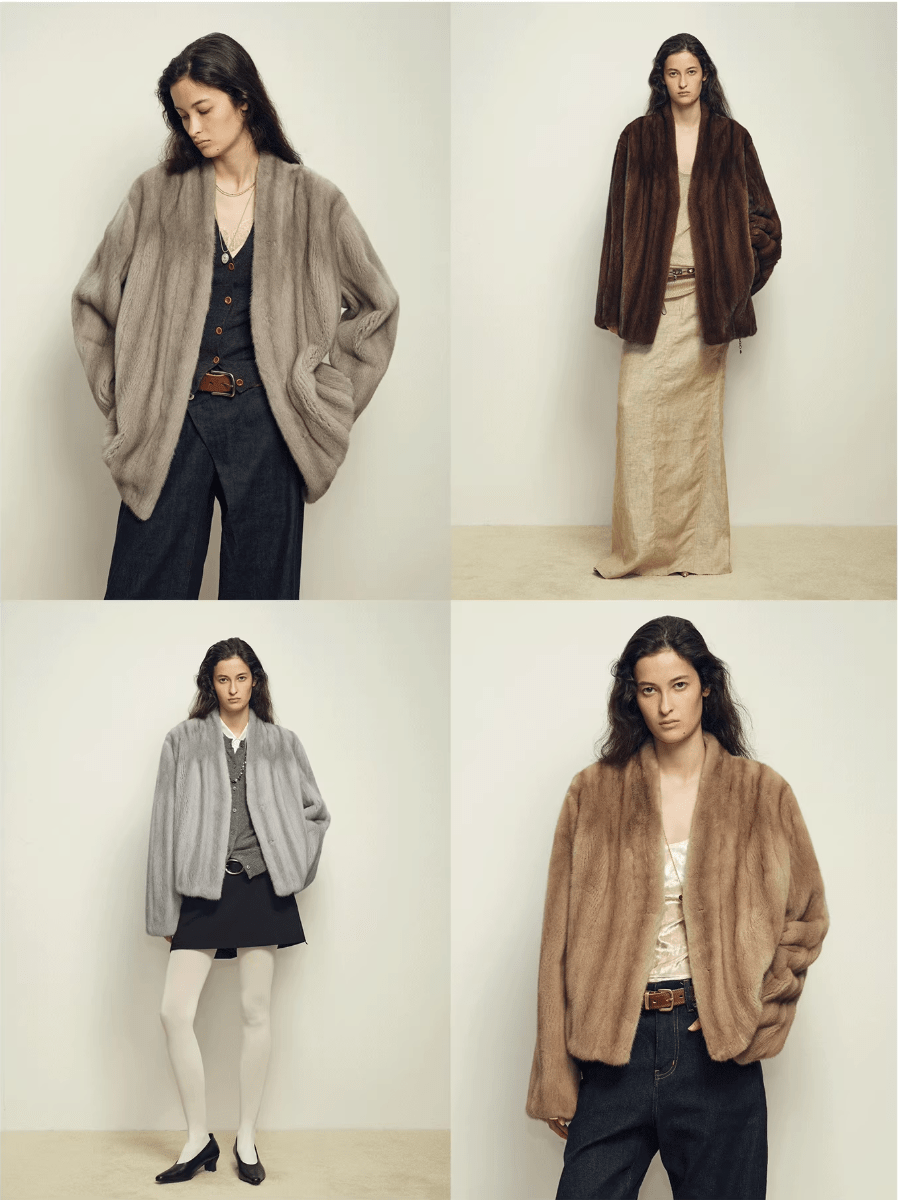 Compare current artisan furUse current silhouettes as a buyer-demand reference, not as a vintage price guarantee.
 Compare wearable shearlingA practical winter buyer may prefer condition and use over age.
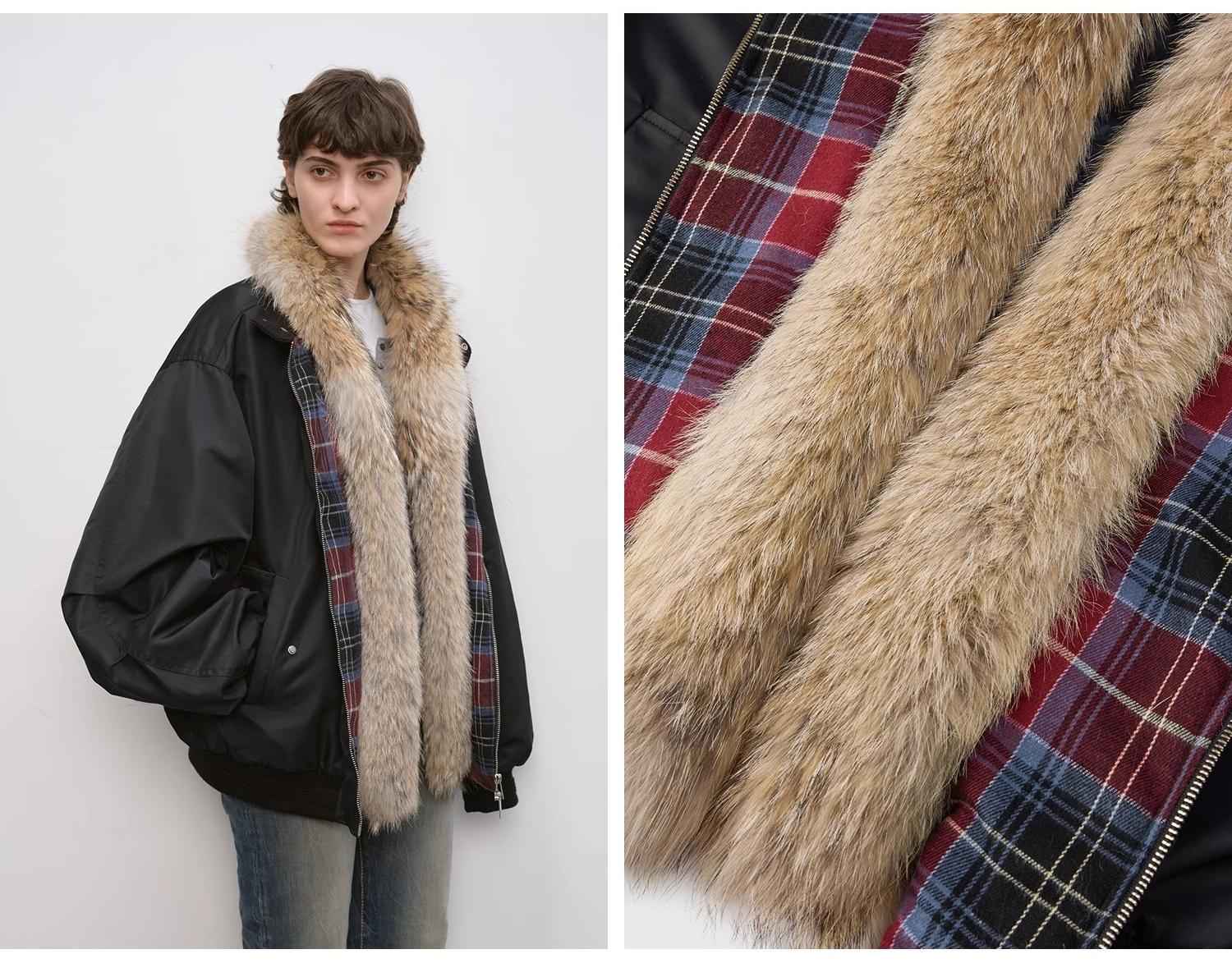 Compare fur-trim parkasTrim and utility pieces answer a different demand signal than full vintage fur.
The final price should feel backed by the evidence
A good asking price is not the highest number the seller can imagine. It is the number that fits the coat's current evidence, the size of the buyer group and the channel where that buyer is likely to appear. If the evidence is thin, the price should be patient or cautious. If the evidence is strong, the listing can sound more confident without turning into hype.
There is no responsible shortcut around this sequence. Condition first. Material second. Age and rarity after wearability. Size before optimism. Color with honest photos. Label with proof. Timing with patience. Channel after buyer group. Price after all of it.
That order gives the seller a stronger page and gives the reader a lower-risk decision. It also helps search engines understand why the page exists: it is not a generic vintage fur price answer; it is a practical value model for judging demand before the listing goes public.
Read the coat in three passes before you name a number
The first pass is physical. Handle the coat gently and write down what is true before any selling language appears: odor, surface feel, lining, closures, cuff wear, hem condition, backing flexibility and whether the coat feels safe to try on. If this pass raises concern, the value discussion belongs closer to condition, repair or as-is wording than to age or rarity.
The second pass is wearable. Put the coat beside ordinary clothes: denim, trousers, a winter dress, boots, a daily bag, the car seat the owner actually uses. The coat does not have to become casual, but it must have a believable use. A coat that only looks good in a memory or a single posed image needs a narrower claim.
The third pass is market. Ask who would search for this coat without already knowing it exists. A short mink jacket has a different buyer than a full-length opera coat. A pale fox coat has a different buyer than a brown mink stroller. A label-focused collector needs different proof than a person trying to stay warm. Price should come after those three passes are aligned.
| Pass | What to record | What changes in the listing |
|---|---|---|
| Physical | Odor, backing, shedding, lining, closures, surface, hem | Decides whether the coat is ready-to-wear, cautious, repair or as-is. |
| Wearable | Length, shoulder, sleeve, size, movement, styling use | Decides whether the coat is daily, formal, statement, collector or local-try-on. |
| Market | Season, color, label, rarity, channel, first buyer questions | Decides whether the asking price needs confidence, patience or restraint. |
When the evidence disagrees, use the lower claim
Mixed signals are common in vintage fur. A good label can sit inside a tired lining. A beautiful long coat can have a narrow shoulder. A rare color can show uneven fading. A clean surface can still have a smoky lining. The stronger signal is worth mentioning, but the weaker signal controls the claim until it has been explained.
This is the difference between a listing that sounds expensive and a listing that can survive questions. A seller can say the coat has a photographed label and also say the lining has wear. They can say the color is unusual and also show the area where it has changed. They can say the coat is full length and also mention hem wear. Honest pairing makes the value claim more believable, not weaker.
For the sections that need their own follow-up, keep the handoff narrow. Use the label article when the name is doing too much work, the color article when light or dye changes trust, and the size article when fit is blocking the buyer group.
A strong vintage listing sounds more handled than glamorous
The finished description should feel as if someone opened the coat and looked where problems begin. It should not read like a paragraph of luxury adjectives placed above uncertain photos. A reader can trust plain details: lining shown, closures working, sleeve measured, no smoke odor noticed by the current seller, light cuff wear photographed, label shown, measurements provided.
Plain wording also protects the seller from the wrong buyer. A collector may still care about label and era. An everyday wearer may still care about warmth and fit. A stylist may still care about color and shape. But each person sees the same baseline: the garment has been handled and described with restraint.
If the seller wants a higher price, the next useful move is often not a stronger adjective. It is another piece of proof: a better cuff photo, a full back view, a label closeup, a sleeve measurement, a note about odor, or a clearer statement that the coat is being sold as-is. Proof does more work than polish.
Use the support articles only when the current question gets narrow
A buyer who is still unsure whether the coat is wearable does not need a label lecture yet. A buyer who cannot judge the size does not need a seasonality explanation first. A buyer who sees a clean short jacket but hesitates over demand may need the silhouette or buyer-pool page. A strong value path moves from the current doubt to the next most useful answer.
That is how this section should be used. The core page gives the order. The support pages solve one signal at a time. If the coat is rare, read rarity. If timing is uncertain, read seasonality. If color is the sticking point, read color. If the coat looks dated, read dated details. If the shape controls demand, read silhouette or length. If fit is unclear, read size. If the label is doing the selling, read label. If response is already happening, read buyer-interest signs.
A good resale check ends with fewer guesses, not more tabs. The seller should know which claim is safe, which evidence is missing, which buyer is plausible and which price conversation can wait until the proof improves.
Turn the resale check into a listing order
Once the coat has been read, the description can follow the same order. First, name the garment plainly: vintage mink jacket, full-length fox coat, shearling coat, fur-trim parka, swing coat, cape, stole or collar. Second, give the current condition claim: clean and wearable, light wear shown, as-is, repair candidate, collector piece, styling piece or local try-on recommended. Third, show the proof: photos, measurements, label, lining, closures, surface and known limits.
This order keeps the reader from feeling tricked. If the first sentence says rare luxury vintage fur and the second paragraph reveals odor, missing closure or unclear size, the listing has asked for too much trust too early. If the first sentence says vintage mink jacket, clean lining shown, measurements provided, light cuff wear photographed, the coat sounds less theatrical but more real.
The title can still be attractive. It simply has to be accurate. A good title might name material, shape and buyer use: vintage mink jacket with clean lining; full-length fox coat with dramatic collar; cream fur evening coat with measurements; vintage shearling coat with wearable winter shape. The title does not need to solve every detail. It needs to attract the person who will understand the proof that follows.
| Listing layer | Better first choice | Why it reduces guessing |
|---|---|---|
| Title | Garment type + material or visible fur + shape/use | The buyer knows what kind of coat is being evaluated. |
| Opening line | Current condition and wearability | The first claim matches the coat in front of the seller. |
| Photo order | Full shape, side/back, lining, label, cuffs, closures, flaw closeups | The reader can check doubts in the same order they appear. |
| Measurements | Shoulder, bust/closed width, sleeve, length and sweep when useful | Vintage sizing stops being a guess. |
| Value language | Rarity, era, label or style after proof | Special details support the listing instead of outrunning it. |
Choose the price conversation after the title attracts the correct reader
Many vintage listings look overpriced because they are speaking to the wrong audience. A daily-wear buyer sees a delicate collector piece and thinks the price is unrealistic. A collector sees a vague everyday listing and worries the seller does not understand the garment. A stylist sees a dramatic coat with no side view and cannot judge volume. The price may be wrong, but the audience mismatch is the first problem.
Before lowering the number, check whether the title and opening paragraph have invited the correct person. A clean neutral jacket can speak to repeated wear. A long formal coat can speak to evening coverage. A rare label can speak to collectors if proof is visible. A dated but dramatic piece can speak to stylists if shape, sleeve and color are clear. A weak coat can speak to repair or as-is buyers if the limits are named without shame.
This is also why the support articles should not all be read as price articles. The rarity article helps choose title emphasis. The timing article protects patience. The color article reduces photo disputes. The dated-detail article translates old construction into fit. The silhouette article names use. The size article defines who can buy. The label article limits claims. The buyer-pool article turns response into revisions. Together, they make the price conversation less emotional.
When the coat is strong, do not undersell it with timid evidence
Caution does not mean writing every vintage fur coat as if it is a problem. Some coats deserve confident language. A clean, flexible, well-photographed mink jacket with a wearable shape and complete measurements should not be buried under apologetic wording. A strong label with clean lining and material proof can be named. A full-length coat in excellent condition can speak to formal winter use.
The difference is that confidence has to be earned by the page. A strong coat should show the reasons early enough that the reader understands the price. If the first photos are beautiful but practical proof is missing, confidence turns into pressure. If the proof is present, confident wording feels natural.
For strong coats, the next improvement is often presentation quality. Better order, better light, a clearer label photo, a side view, a better sleeve measurement or a small product-path comparison can make the listing easier to trust. The goal is not to sound cautious forever. The goal is to sound exactly as confident as the evidence allows.
When the coat is weak, smaller claims can still create a sale
A smaller claim is not the same as declaring the coat worthless. An older fur coat with condition limits may still have a buyer as a repair candidate, styling piece, costume piece, local try-on, sentimental restyle, trim source, affordable vintage piece or collector curiosity. The mistake is forcing it into a ready-to-wear premium category when the evidence does not support that role.
Smaller claims are often clearer. Vintage fox coat with dramatic shape, visible lining wear, sold as-is. Older mink coat with label shown, condition concerns photographed, best for repair review. Cream fur stole with discoloration shown, priced as styling piece. These descriptions may not create the highest possible imagined price, but they reduce the gap between what is claimd and what arrives.
A weak coat needs the same respect as a strong one: accurate title, honest photos, clear measurements and a buyer category. The seller is not trying to make every reader want it. They are trying to reach the reader who understands the limits.
Use the first buyer response as a final edit, not a verdict
Even a carefully prepared listing may reveal a blind spot once people see it. Repeated questions about sleeve length mean the measurement needs to move higher. Questions about smell mean the condition line is not clear enough. Requests for label photos mean the proof is too small. Low offers without questions may mean the listing attracts bargain readers or the price has outrun proof.
Do not treat the first response as a final judgment on the coat. Treat it as an edit. Add the missing proof. Narrow the buyer category. Change the first photo. Move the flaw note higher. Clarify the title. If interest improves after those edits, the coat may have been stronger than the first response suggested.
This final edit loop is where no-guesswork value becomes practical. The seller begins with garment evidence, publishes a clear claim, listens to the market response and revises the page without turning every adjustment into a price panic.
Separate resale value from insurance memory
Many sellers begin with an old receipt, family memory or insurance number. Those details can explain why the coat mattered, but they do not tell today's buyer what the coat can do now. Insurance value often describes replacement logic. Resale value asks a different question: who would buy this exact coat, in this exact condition, through this exact channel?
Keep old paperwork if it exists, but place it behind current proof. A receipt may support history. It cannot soften odor, short sleeves, hard backing, missing closure photos or a size label that no longer translates. When the number matters legally, for estate work, tax questions or formal appraisal, the safer next step is a qualified appraiser, furrier or resale specialist rather than a confident paragraph in a listing.
Use comparable listings carefully
Comparable sales help only when they are truly comparable. A sold mink jacket with clean lining, modern measurements and strong photos is not the same evidence as an unsold full-length coat with no condition closeups. Look for the same material, similar length, similar condition, similar size range, similar color, similar photo quality and the same selling channel.
If the only comparisons are active listings with high asking prices, treat them as wishful signals, not proof. The stronger evidence is a finished sale or a serious buyer response. When comparable evidence is thin, use a cautious price, better proof and a narrower buyer category instead of pretending the market has already spoken.
Before you let age set the price
Age is only useful after the coat has a current buyer. A rare or older coat still needs wearable condition, clear measurements, honest photos and a channel where the right person can find it.
Rarity should name the audience, not decorate the listing. If the rare detail helps a collector, stylist, event buyer or everyday wearer understand the coat, use it. If it only sounds impressive, move it lower.
The weakest proof decides the safest claim. A label, dramatic shape or special color cannot outrank odor, hard backing, active shedding, missing measurements or unclear photos.
Price should come after buyer-pool evidence. Season, size, color, silhouette, label proof and early buyer questions all tell the seller whether the coat deserves confidence, patience or a smaller claim.
FireladyFur's vintage-value lens
FireladyFur treats vintage fur value as a buyer-use question first. A coat should be read through material, current condition, fit, wearability and demand before the listing leans on age or rarity.
For broader fur ownership context, use the Firelady Fur Guide and the Fur Coat Guide. For this resale section, the practical goal is to help sellers lower uncertainty before they lower or raise the price.
For the wider FireladyFur reading path, use the Firelady Fur Guide for fur-wide context, the Fur Coat Guide for coat ownership context, and the Fur Coat Value / Resale Guide for resale decisions.
Choose the demand signal before the asking price
If the coat is sound, move into the support article that matches its strongest uncertainty: rarity, timing, color, shape, size, label or buyer group. If basic condition is still unclear, return to inspection before pricing.
Does age alone make a vintage fur coat valuable?
No. Age can add story or interest, but resale confidence comes from current condition, material proof, wearable shape, size, photos, label evidence and buyer demand.
Should I price a rare vintage fur coat higher?
Only when the rare detail creates a real buyer group and the coat has condition proof to support the claim. Rare but hard-to-wear pieces often need a narrower audience rather than a higher claim.
What is the first thing to check before valuing a vintage fur coat?
Check condition first: odor, dryness, shedding, backing flexibility, lining, closures, cuffs and full photos. Age and demand signals are useful only after the coat can be described honestly.
Can a dated fur coat still resell?
Yes, when the dated details are translated into fit, styling, measurements and use. A dramatic vintage shape can sell well if the buyer understands how it wears.


