


Article Summary
Visible fasteners, lining and edges help describe a fur coat, but they cannot certify hidden skin or attachment strength. Separate a function gently observed on a stable garment from an unexamined area or an unassessed repair.
Even after the construction comparison article explains the build, the listing still needs proof at the places a buyer touches first.
Function and Attachment Are Separate
A fastening may operate while its hidden attachment remains unassessed. Show missing or loose parts without testing strength.
Show Accessible Lining Details
Underarms, lower edge, relining, marks and the label area are current observations, not proof of hidden skin or care history.
Cuffs and hems reveal ordinary life
Hand wear, bag rub, loose lining and uneven hems can change fit, not only appearance.
Separate Visible Build from Hidden Strength
A cuff closeup shows wear at that cuff; it does not establish that the fur is mink. A hood attachment photo shows how trim joins the shell, not the species of the trim. A wool-side seam photo can show an opening, but it cannot certify the strength of hidden skin. Support the material name separately with a reliable label or qualified identification, and describe construction photographs as condition information.
When construction is strong, it helps the material claim feel earned. When construction is weak, it can move the coat into repair review or as-is wording. That is why mink, fox, shearling and rabbit value signals should always be read together with build details.
If the accessible parts have not been examined yet, use the pre-listing inspection checklist. Here, keep the visible lining pull, loose hook, pocket opening, uneven hem or collar fault separate from whatever is still unknown behind it.
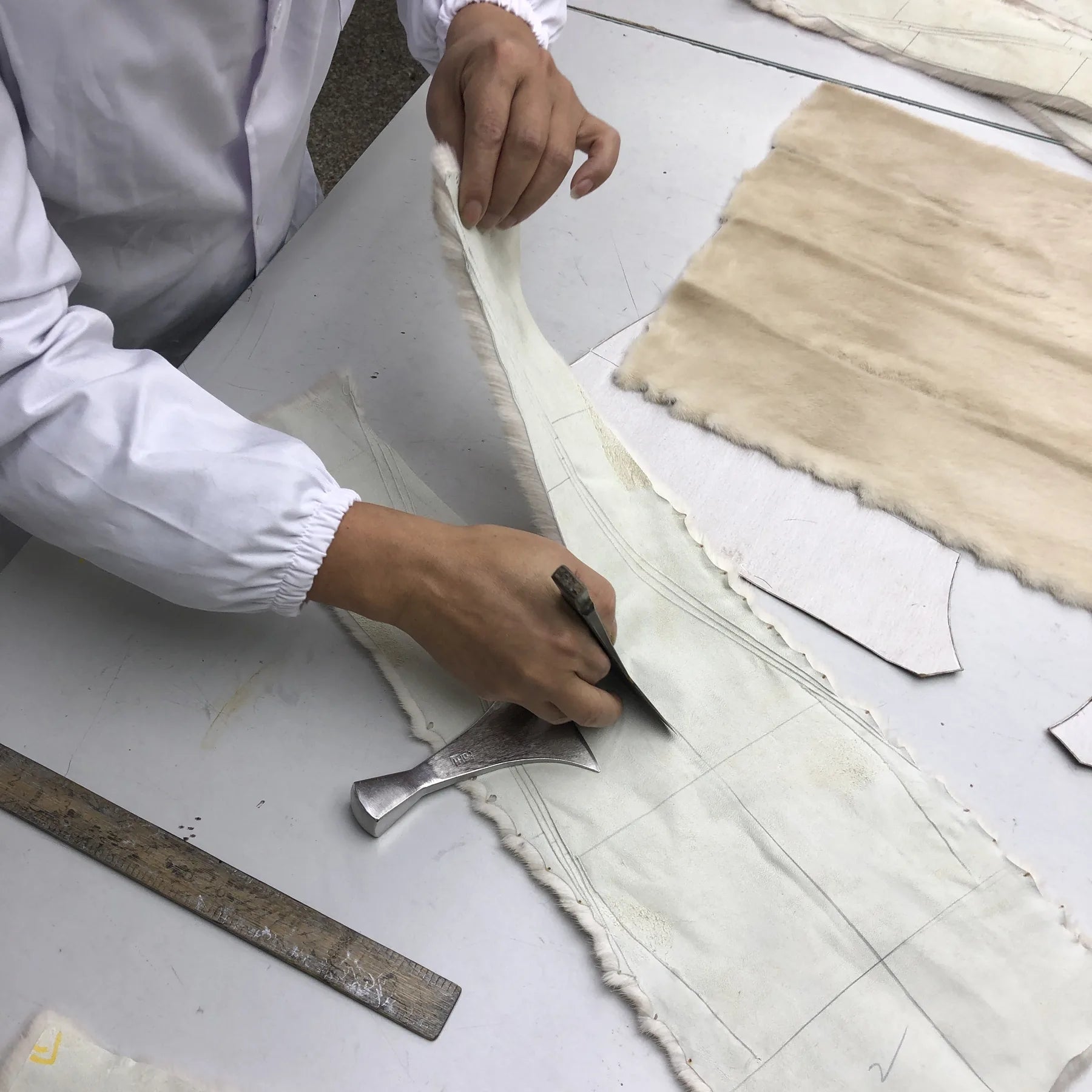
Describe a Fastening and Its Attachment Separately
Keep the garment supported while examining a fastening. Use normal gentle operation only if the surrounding skin and stitching appear sound; stop if a hook pulls its attachment, a seam opens or the panel feels brittle. Do not tug a cuff, stretch an underarm or force a stuck zip to create a demonstration. The Canadian Conservation Institute notes that aged skins can tear under handling stress even when the object was once made for everyday use.
A useful note can distinguish observation from assessment: “Top hook closes; stitching at the second loop is loose and shown in photo 6. Inner skin behind the lining has not been examined.” That is an illustrative description, not a diagnosis. A furrier can assess a hidden attachment or panel before you call the coat ready to wear.
Hooks, buttons, loops, zippers and snaps need photos open and closed when possible. A shiny hook can still be loose. A zipper can look clean and catch the lining. For closure-heavy issues, use lining, cuffs and closures to inspect before selling as the deeper path.
Record Relining, Hem Pull and Underarm Wear
State prior relining when records or reliable history establish it. If the lining only appears newer, leave replacement unconfirmed. A new lining does not explain why the work was done or establish the condition of the skin behind it.
Show accessible underarm lining and record visible wear, marks or loose stitching. Do not infer an odor, source of a stain or hidden seam strength from that view.
Photograph accessible lining that hangs below the hem, pulls the outer body or has detached. State how it hangs now; the image alone cannot establish dragging or storage as the cause.
Explain Whether the Fault Changes Appearance or Use
State whether a belt and its loops are included, and describe any known missing original belt. Its absence changes the available silhouette and accessories; do not infer its history merely because no belt is present.
A pocket-bag hole affects use, while an opening across several attachments needs assessment. Keep any proposed repair unassessed until a qualified repairer has checked the surrounding material; a small visible gap does not prove a small repair.
A pulling lining, failed closure or missing belt can change how the coat hangs or closes even when the front photograph looks attractive. These visible or documented effects are separate from body measurements and unassessed hidden strength.
| Build detail | Observable contribution | Boundary or unresolved question |
|---|---|---|
| Closures | Present parts and gentle operation on a stable garment. | A working hook does not certify the skin behind its attachment. |
| Lining | Current accessible attachment, openings, marks and known relining. | A clean lining does not prove odor, maintenance history or hidden skin. |
| Cuffs/collar | Accessible top, underside and edge views: wear, matting and attachment openings. | Surface appearance does not authenticate species or repairability. |
| Hem | Visible level, detached lining or pulling. | Do not force a stiff panel into position for a photograph. |
| Pockets/belt | Visible bag hole, seam opening, included belt and loops. | State an inaccessible interior or unknown original accessory history. |
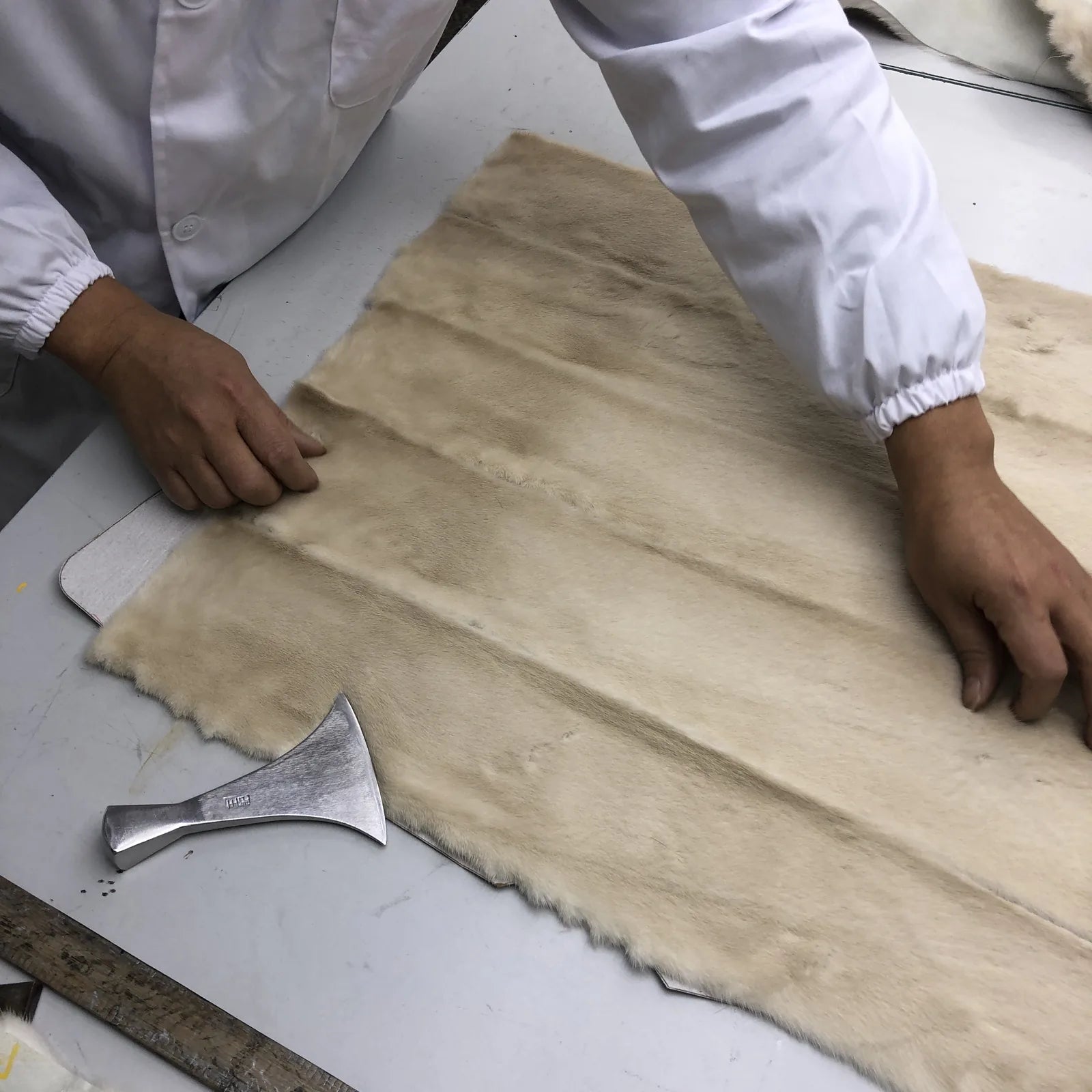
Appearance Does Not Test Function
A hanger photo can show an uneven hem or pulling lining; it cannot establish comfortable movement or hidden strength. Do not arrange a try-on or stress test to settle an uncertain condition.
Inspect Trim as Part of a Shell Garment
On a fur-trim piece, describe the shell, hood, zipper and trim attachment as separate construction details. On full fur, name visible seams and accessible lining. Neither set of photographs establishes the species or the strength of skin behind an attachment.
Write the Construction Note Beside Its Photographs
If a cuff has light rub, mention it near the cuff photo. If a hook is loose, show it. If the lining is replaced, photograph it and describe it without apology. Condition notes buyers read works best when the note and photo order match.
Loose hooks, small lining openings or minor cuff wear may be manageable, but easy-repair language needs a qualified basis. Say what is present. If repair is likely, use careful language: may need reinforcement, could benefit from furrier review, or selling as shown.
Illustrative wording, to use only when true: “Lining shown; fasteners gently checked on a stable coat; light cuff wear photographed; hem hangs evenly; belt included; no major accessible seam opening noticed.” State any unexamined area separately and replace any incorrect clause with the current fact.
If the question becomes a comparison between garment builds, use the Fur Coat Comparison Guide. For this resale note, the inside photograph should document accessible lining and attachments rather than imply a care history or a hidden-skin assessment.
Keep Each Construction Statement Specific
Function is narrower than strength. A hook closing gently does not establish that its hidden attachment will hold wear.
Lining has its own evidence limits. Show current openings and known relining without inferring odor or concealed damage.
Name the effect on use. A pocket hole, missing belt and uneven hem answer different questions.
Separate build from identification. A cuff or hood attachment photograph cannot establish the fur species.
FireladyFur's construction-confidence standard
FireladyFur uses build details to keep resale advice practical. A material can sound strong, but the buyer still needs a coat that closes, hangs, moves and stores correctly.
Separate a working fastening from a sound hidden attachment, and a cuff photograph from fur identification. Describe the part you actually checked and state when an interior area could not be examined. Read about FireladyFur and our editorial standards.
Let construction decide how confident the listing can sound
If the small parts are clean, show them and write with confidence. If they are weak, disclose them and change the buyer expectation before the offer conversation begins.
Which construction details raise buyer confidence most?
Document accessible seams, lining attachments, fasteners, cuffs, collar, hem and pockets. Distinguish what was visible or gently observed to function on a stable coat from hidden strength that remains unassessed; these details do not guarantee wearability.
Should small closure or lining problems be disclosed?
Yes. State the location, extent and any known effect on use, and show it where safely accessible. Do not call repair easy or feasible without a qualified basis.
Do construction details matter if the material is valuable?
Yes. A known material does not resolve an opening, failed fastening or uncertain skin attachment. Those facts may change the sale description or require assessment; they do not establish a fixed reduction in offers.


