


Article Summary
A strong material name can make a weak listing more dangerous. If a coat has odor, dry backing, active shedding, tired lining or repair questions, the safer move is not to repeat the material louder; it is to narrow the promise before a buyer does it for you.
Read mink, fox, shearling and rabbit value signals alongside the actual condition. A known material does not make a failed fastening, unassessed stiffness, continuing hair release or odor problem disappear.
Read the coat before reading the label
Stiff backing, damp odor, active shedding and damaged lining need attention even when the label names a desirable material. Describe each observed problem and obtain an assessment where wearability is uncertain before offering the coat for everyday use.
Use this article like a pause point. If the coat no longer behaves like a normal wearable piece, the next decision is category, disclosure and possible specialist review, not a louder title.
Let Condition Determine the Sale Description
Use existing observations of the coat, not the material label, to decide what can be offered. A visible defect, odor already noticed or resistance during necessary handling needs a specific description; do not create a hand test to confirm it.
Before calling the coat wearable, compare the problem with hard leather in older fur and odor or dryness that changes resale value. Those signals can move the coat from normal resale into project or restoration language.
| Current finding | What material cannot establish | Sale description or next action |
|---|---|---|
| Stable coat with disclosed surface wear | That every hidden area is sound. | Describe the material if known, the wear, measurements and any unexamined area. |
| Condition uncertain | Wearability from an attractive surface or label. | Assessment before normal-wear claims; extra photographs are not a strength test. |
| Stiffness or splitting already noticed | The cause or repair feasibility. | Request furrier review; do not repeat movement to diagnose it. |
| Continuing hair release | Normal wear from the fur type alone. | Use the shedding resale guidance and stop unnecessary handling. |
| Smoke-like, fragrance or musty odor | Its source or cleaning outcome. | Disclose the observation; suspected mould needs safe handling advice first. |
| Weak lining or failed closure | Whether the surrounding skin will take new stitching. | Review lining, cuffs and closures; describe any unassessed project explicitly. |
At the end of the inspection, the seller should be able to choose one category: wearable with disclosed wear, inspection needed, repair review, project/as-is, or not worth listing. That category matters more than the material adjective.
State an Odor Without Assuming Its Cause
State an odor already noticed and any cleaning that actually took place. Light closet odor, perfume, smoke-like odor and a damp or mildew-like smell are different observations, not diagnoses. Suspected mould needs safe handling advice before further inspection.
Use Existing Damage and Construction Evidence
Do not soften observed stiffness, existing splits or continuing hair release into character or age. Record what was already noticed and seek assessment where normal wear is uncertain; a crackling sound alone cannot identify dry backing.
Use the condition check article to distinguish a visible surface issue from an unassessed structural concern. Do not treat hair release during a necessary move as a reason to repeat the movement for more evidence.
- Inspect visible damage with the coat supported. Avoid flexing stiff skin or continuing to handle fur that releases hair; ask a furrier how to assess and move it safely.
- Photograph any balding, split seams or weak lining before using positive material language.
- Call odor minor only when it is genuinely faint.
- Mention professional cleaning, storage or repair only when it can be documented.
- Use project, restoration or as-is language when the coat cannot be promised as wearable.
A weak seam in a structured full coat may create a different risk than wear on a detachable trim. A knitted piece can stretch or lose shape. A sheared surface can reveal patchiness. Before pricing, compare the issue with full skin, knitted, sheared and trim differences.
Compare Three Different Condition Problems
Illustrative situation: a long coat identified as mink has an attractive surface, but stiffness was noticed at the lower hem during a necessary move. Show the surface and any accessible opening, describe the stiff area and leave normal wear and repairability unassessed until a specialist has checked it.
Illustrative situation: a fox jacket has substantial volume and a smoke-like odor already noticed. The volume can be shown, but it does not establish that the odor can be removed. State the odor and any actual assessment or cleaning history separately.
Illustrative situation: a patterned rabbit coat has a soft-looking surface and loose hairs already observed. A few isolated hairs and continuing loss are different findings. Record the actual extent without tugging or brushing to test it; do not assign a lower price ceiling merely from the material name.
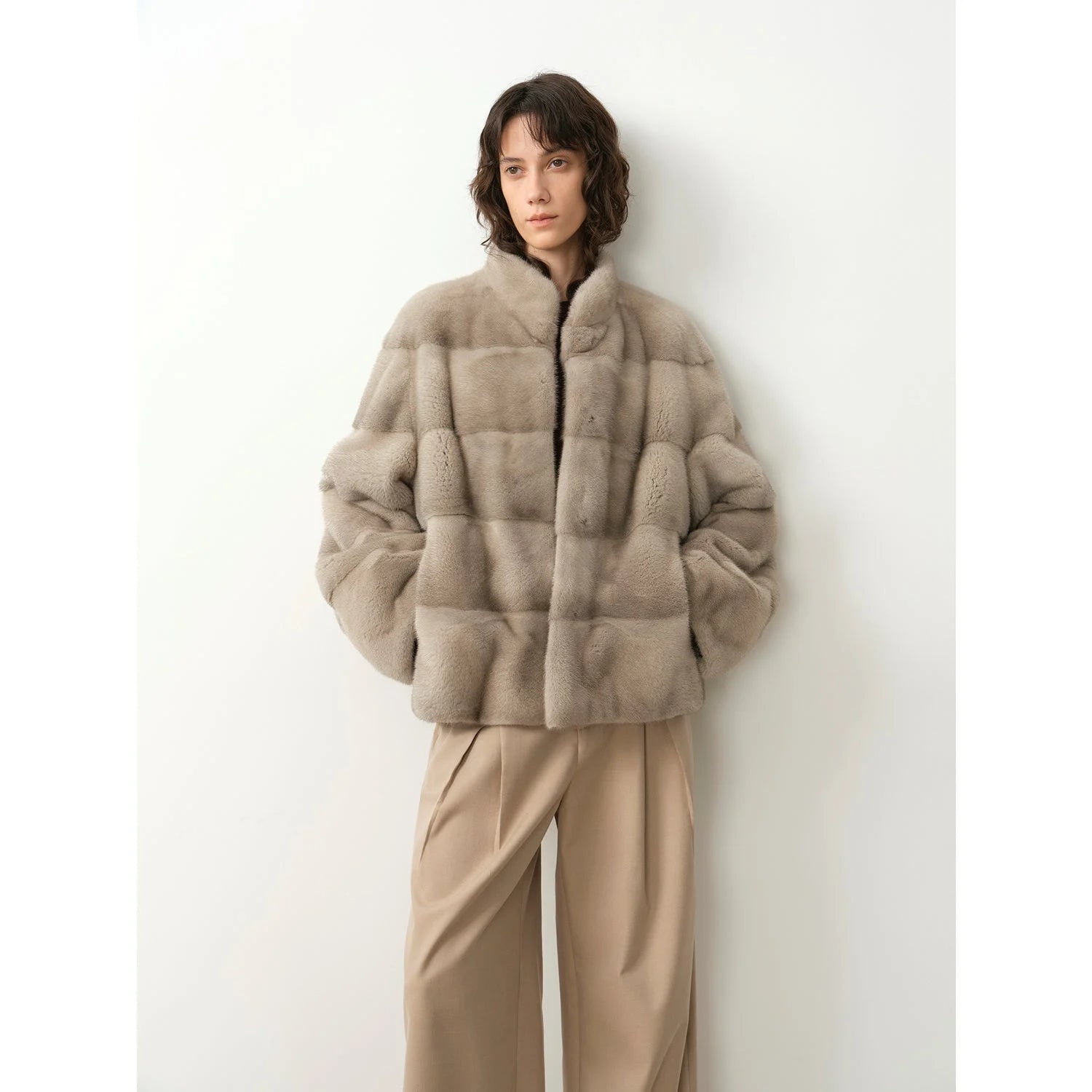
Lowering only the price is not enough
A discount does not change the category if the coat is no longer a normal wearable purchase. Change the wording, buyer expectation and photo proof first.
Ask About Repair Before Calling It Easy
Some problems cannot be solved by better writing. Hard backing, active shedding, tears at stress points, moisture damage, strong odor and broad staining may need a qualified furrier or professional cleaner before anyone can make a normal wearability claim. Guessing that repair will be easy creates the wrong buyer expectation.
Repair wording creates risk when it sounds too easy. A seller can say a hook may need reinforcement or a lining opening is shown. A seller has to be more careful with lines like only needs cleaning, easy repair, or will recover after brushing unless a qualified person has confirmed it.
Write the Limitation Beside the Evidence

Poor condition needs a narrower buyer promise
The listing can still be useful, but it has to stop short of clean premium-coat language when the evidence says restoration, display or repair.
“As-is” still needs a specific description. For example: “Skin feels stiff at the lower hem; split beside the left pocket shown in photos; wearability and repair cost not assessed.” Do not add “easy restoration” without a supporting assessment. On eBay, the Money Back Guarantee can cover an item that differs from its description even when a seller does not offer returns. A project label does not replace disclosure of known damage.
A safer listing names the material, then immediately names the limiting condition. The article on condition notes buyers read can help write that short block. Keep the strongest flaw near the first photos, not buried after styling language.
A flaw note works best when it sits near the photo that proves it. Cuff wear belongs near the cuff photo. A lining opening belongs near the lining image. Odor cannot be photographed, so it belongs in the first condition paragraph, not in a private message after the buyer asks.
The wording does not need to be harsh. It needs to be exact. Light closet scent is different from smoke odor. Dry feel at hem is different from hard backing across the body. A small lining opening is different from a lining that is pulling away through the lower edge.
An unassessed coat may be offered for a clearly described restoration, costume, display or project purpose, subject to the platform and buyer’s requirements. Do not promise usable panels, feasible restyling or safe shipping without a basis. Local pickup is a transport choice, not a repairability guarantee.
Check the opening description against the photos before publishing: the important visible flaw needs a location, extent and matching view; a nonvisual issue needs words. State any unassessed wear or repair question explicitly. A lower asking price cannot fill a missing condition fact.
Read Offers Without Inventing a Cause
Repeated low offers do not identify the cause by themselves. Compare offers with recent similar sales, check for missing condition details, and read any explanation buyers give. Missing photos are one possibility; price, size, style and the selling channel may also matter.
Add any genuinely missing condition information. If the listing already contains it, a low offer still does not establish a cause or prove a small buyer pool; size, style, price and the selected channel remain possibilities to investigate.
Decide What the Present Coat Can Be Offered As
Material identification and condition are separate. A label does not resolve an odor or structural concern.
State the issue early. Photograph an accessible defect and describe nonvisual observations separately.
A discount does not establish wearability. Unassessed normal use remains unassessed at any asking price.
Project use also needs limits. Do not promise repair, usable panels or transport feasibility without assessment.
FireladyFur's advice for poor-condition material
FireladyFur would rather see a smaller honest claim than a premium material claim that creates disappointment. The Fur Coat Value / Resale Guide is built around that boundary: material can help, but it cannot erase condition risk.
If the coat may be brittle, wet-damaged, actively shedding or heavily scented, a local furrier or professional cleaner should see it before the seller promises normal wear.
Lower the promise before you lower only the price
If condition is weak, decide whether the coat belongs in normal resale, repair review, project listing, donation or retirement. The fur label has to support that path, not fight it.
Can a mink coat with hard leather still be sold?
It may be offered as a clearly described, unassessed restoration or display project if the channel accepts it. Disclosure does not guarantee a buyer or safe transport. Do not call it ready to wear unless qualified assessment supports that description.
Does a low price solve odor or shedding issues?
No. State the odor or shedding you observed and describe any assessment already made. A lower price or an as-is label does not make an inaccurate description acceptable, and it cannot establish that the coat is wearable.
Should I clean or repair a poor coat before selling?
Ask a qualified furrier or cleaner whether the proposed work is appropriate and obtain its scope and cost. Compare that with an as-is sale or keeping the coat; do not assume cleaning removes odor or repair restores normal use.


