


Article Summary
Donation can be practical when the likely net sale is small compared with the work and storage you want to avoid. First confirm that a recipient accepts this coat for a specific use. Disclose odor, fragile backing, shedding and missing parts before delivery; a refused coat needs another agreed destination.
It is one of the five exits in the sell, keep, restyle, donate, or replace decision, but it still needs a check. Not every organization accepts fur, not every coat is clean enough to hand over, and donation does not create a fixed value number.
Compare the sale effort with a real receiving option
A low-value coat can still require measurements, photos, messages, packing, shipping, returns, and price negotiation. Donation may protect more practical value if the likely sale price is small after fees and the coat is taking up storage.
Count the actual work for this garment: photographs, measurements, messages, packing and any service already recommended. Compare expected proceeds after charges with an organization’s confirmed acceptance; a dated shape or small size alone does not prove that selling is pointless.
Low sale, high effort
Donation can be cleaner when listing work is larger than likely payout.
Acceptance rules
Call before assuming a charity, theater, shelter, or resale shop can take fur.
Tax value
Ask a tax professional or local rules; do not invent a deduction number from memory.
A coat that needs wide hanger space, careful storage, airing, or professional seasonal care is not free to keep. If no one wears it and the sale price is unlikely to justify the work, donation can release the owner from an ongoing storage decision.
If storage damage is already visible, read storage damage that lowers fur value before choosing donation. The receiving organization may still want the coat, but it should not be described as cleanly stored if shoulders, lining, or smell say otherwise.
Restyling requires a future use, a budget, and healthy material. If none of those are clear, donation may be cleaner than paying to turn an unworn coat into another unworn object. Compare with when restyling is better than listing before paying for redesign.
Donation is especially practical when the owner wants the coat out of the closet respectfully, but no family member wants to wear or store the finished piece.
After a complete listing has received enough exposure to make the response informative, compare the offers with the effort you are willing to spend. One quiet week, especially with few views, does not establish that donation is the only practical option. The market testing can help organize that decision.
A failed test is most useful when the listing was complete. If photos or measurements were missing, fix those first.
Sort the pieces and confirm how they would be used
Donation channels vary. A thrift store may refuse fur. A theater may accept only clean pieces. A wildlife or education group may need specific materials, not a full coat. A community group may need warmth but not damaged lining or strong odor.
Ask direct questions: Do you accept real fur? Does it need to be professionally cleaned? Do you accept vintage coats? Do you accept damaged lining? Can you use collars, stoles, trim, or coats that are not wearable?
| Donation channel | Ask first | When it may work |
|---|---|---|
| Thrift or charity shop | Do you accept real fur and vintage outerwear? | The coat is wearable, clean, and easy to price. |
| Theater or costume department | Do you need full coats, trim, stoles, or character pieces? | The coat has visual value even if everyday wear demand is small. |
| Wildlife or educational group | Do you use fur materials, and in what condition? | The material can be repurposed under their rules. |
| Local community handoff | Does the recipient actually want fur? | A practical winter need exists and the coat is clean enough. |
Some places may want a wearable coat. Others may want trim, stoles, scraps, or costume pieces. The difference matters because a coat with weak lining may still have usable material, while a strong wearable coat may be better sold or given directly.
Ask what they can use before you decide the coat has no resale.
Identify wearable coats, damaged or fragile material, trim pieces, stoles and keepsake items separately. Name each type in the enquiry and obtain acceptance for each; permission to donate a wearable coat does not establish that the organization also accepts loose or fragile material.
Disclose condition before arranging a handoff
Odor, damp storage, active shedding, brittle backing, and torn lining should be named before donation. Use odor and dryness checks or shedding checks if the coat would surprise the next handler.
A donation note can be simple: real fur coat, vintage, lining tear at hem, no smoke odor noticed, measurements attached. The donation note should prevent someone else from discovering the issue later.
A lower-value coat can take time to photograph, measure, describe, pack and hand over. Confirm the recipient's cleaning requirements before paying for preparation. Skip a home steamer or iron: the American Fur Council's care guidance warns against heat and directs fur cleaning to a specialist. Donation may save time and space when expected sale proceeds are small; it should not require an improvised treatment first.
A donation note does not need sales copy. It should say material if known, size or measurements, visible wear, odor note, lining condition, and whether any belt or detachable trim is included.
That gives the receiving person enough information to decide how to use or sort the coat.
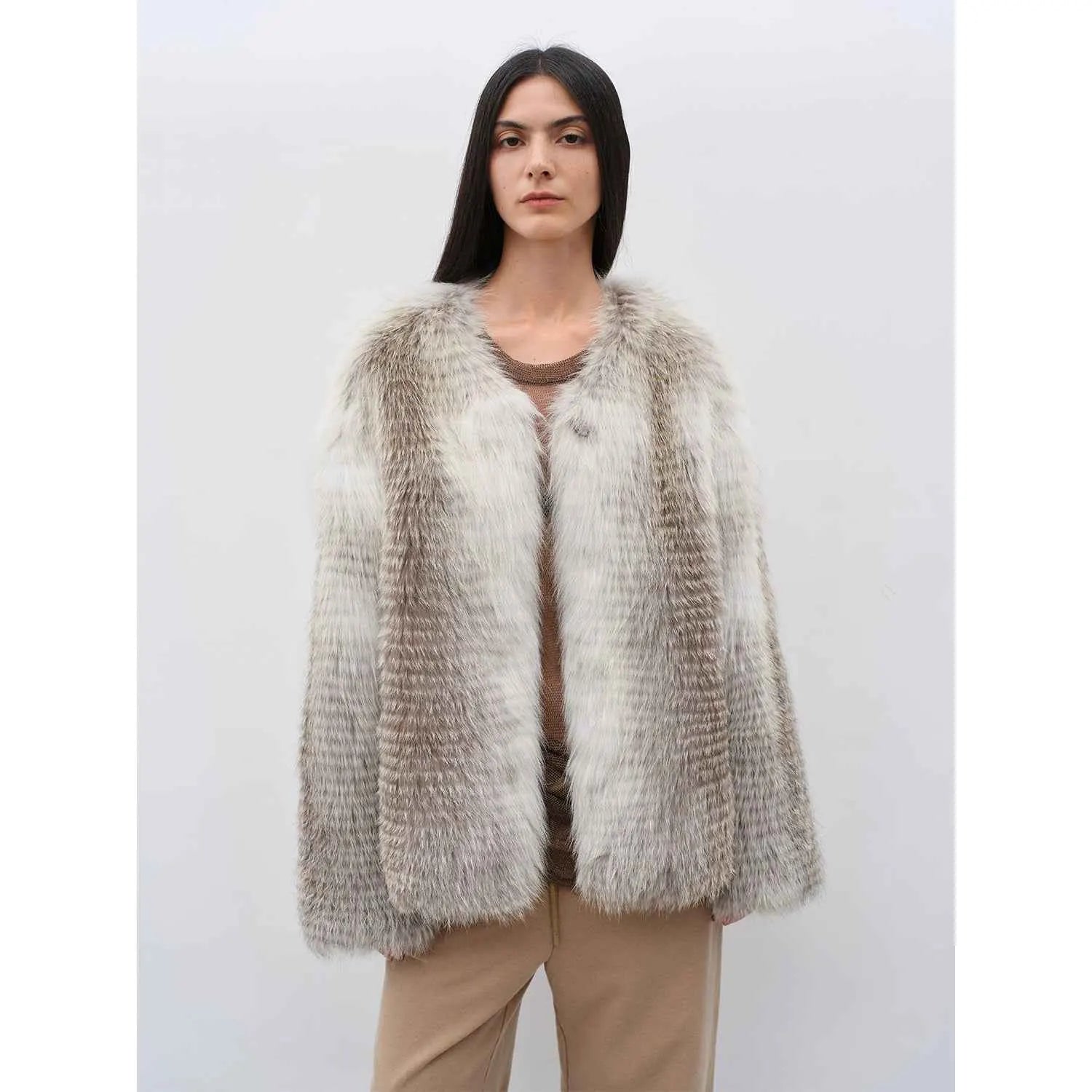
Keep a record without inventing a value
Keep a simple donation record
Write where the coat went, the date, and any condition note you provided. If tax treatment matters, ask a qualified professional. FireladyFur content should not be used as tax advice.
Take clear photos before donating if the coat has family meaning. Memory can be preserved without keeping the physical storage problem.
| Before donating | Why it matters | What to write down |
|---|---|---|
| Acceptance confirmed | Avoid refused drop-off. | Name and date of organization or recipient. |
| Condition described | Avoid surprise handling. | Odor, lining, shedding, repairs. |
| Photos saved | Preserve memory and record. | Front, lining, label, family note. |
| Tax expectation checked | Avoid guessing value. | Receipt or professional advice if needed. |
The decision can become another version of overpricing if the owner donates only because they imagine a large tax value. Donation should be chosen because the receiving option is real and the owner accepts the result.
Keep the record, ask the appropriate professional if tax treatment matters, and avoid building the decision on a number that has not been verified.
Choose the next step if donation is refused
A coat may not be worth a strong resale effort and still have use. Costume, education, reuse, craft, warmth, and local community channels can all be legitimate when the coat is accepted honestly.
A nonwearable coat may still be useful as material if a recipient explicitly accepts its condition. Do not pass on dampness, visible growth or another unresolved contamination concern. Ask for assessment and suitable local disposal advice when no safe, agreed reuse is available.
A refused donation is information, not failure. Ask why: real fur policy, odor, condition, storage limits, season, or lack of use.
A policy refusal can lead to another recipient, sale or an agreed private gift. A condition refusal needs assessment of the stated fault before another handoff. If there is no suitable reuse, seek disposal advice rather than delivering the coat to an unwilling organization.
Agree on a gift or family keepsake separately
Sometimes the best recipient is not an organization. A family member, local costume maker, stylist, or cold-weather neighbor may actually want the coat.
Still write a simple condition note. A private gift can create the same disappointment as a sale if smell, lining wear, or size is unclear.
Donation can be a fair compromise when nobody wants to wear the coat and nobody wants the work of selling it.
If family members want a record, take photographs and agree which keepsake items to retain before the coat leaves. Confirm that nobody is expecting a sale or a specific donation recipient that has not been arranged.
Wait when the coat may have strong resale value and the family has not checked material, label, size, or condition.
A quick inspection and one realistic price check can prevent donating a coat that should have been sold or kept.
FireladyFur's donation boundary
FireladyFur recommends comparing the actual sale effort and storage costs with a recipient’s confirmed use. It should not be used to hide condition. If the owner still wants to replace the coat with a wearable piece, use the Fur Coat Guide after the old coat's exit is settled.
When a coat is good enough to sell but the owner is unsure on price, use a realistic asking range before choosing donation.
Confirm the recipient and describe the coat
Call first. Acceptance rules matter more than good intentions.
Name condition. Odor, lining damage, shedding, or brittle backing should travel with the coat.
Keep records modest. Donation value is not set by original price.
FireladyFur keeps resale advice tied to visible coat evidence and practical owner choices. For brand context, see About FireladyFur; for evidence limits and corrections, see FireladyFur Editorial Standards.
Confirm acceptance before choosing donation
Donation can be the most practical exit if the organization accepts the coat and the condition note is honest. If acceptance is uncertain, compare sale, restyle, keep, or replacement before giving up the decision.
Is donating an old fur coat better than selling it?
Donation can be practical when expected net proceeds are small compared with the listing work or storage you want to avoid, and a recipient has confirmed a use for this coat. Disclose condition before arranging the handoff.
Do charities accept real fur coats?
Some do and some do not. Always call first and ask about real fur, vintage condition, odor, lining damage, and cleaning expectations.
Can I claim a tax deduction for donating a fur coat?
FireladyFur cannot give tax advice. Keep records and ask a qualified tax professional or local authority if tax treatment matters.
Should I clean a fur coat before donating it?
Ask the receiving organization. A coat with strong odor, active shedding, or serious damage should not be handed over without a condition note.


