


Article Summary
Repair when the quoted work will return the coat to useful wear. Consider replacement when the fit, weight, coverage or care routine would still prevent use afterward. Compare complete costs over the same period and check that the new coat actually fixes the problem before shopping.
Think about replacement after the sell, keep, restyle, donate, or replace decision points away from keeping the current coat.
Name the problem the repair must solve
Before paying, name the problem the repair will solve. Repair may be smart when a loose closure, small lining tear, or local hem issue is the only thing keeping the coat from being worn. Replacement may protect more practical value when the real problem is size, weight, climate, or style.
For small function fixes, compare the coat with repair before selling. Think about replacement when the repair quote is only one more expense attached to a coat that no longer fits the owner's life.
| Current issue | Repair can help | Consider replacement when |
|---|---|---|
| Loose closure | The coat fits and the fur body is strong. | Closures fail because the backing is dry or several areas are weak. |
| Lining tear | The tear is local and the coat is otherwise wearable. | The lining is worn across several areas and the coat is still not wanted. |
| Wrong length | A small hem change would solve wear. | Length, shoulder, weight, and style all feel wrong. |
| Odor | A professional says treatment is reasonable. | A specialist expects the remaining odor to prevent your intended use. |
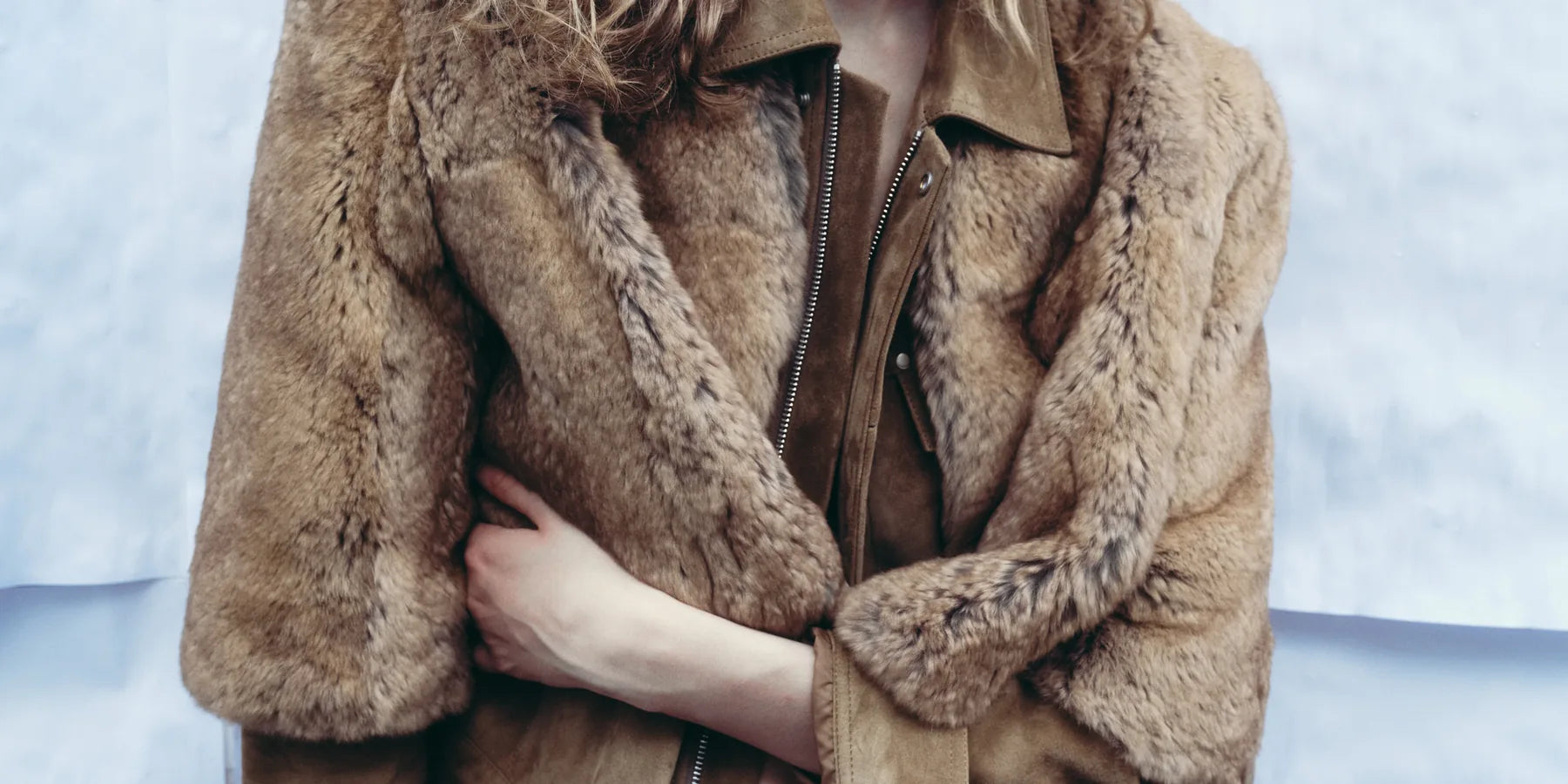
A replacement should solve the old coat's failure
Avoid replacing only because a product photo looks better. Replace when the new coat answers the problem the old coat keeps creating: fit, weight, care, weather, storage, or daily use.
Replacement is not always the smarter answer. A strong coat with one loose hook, one lining catch, or one small seam may deserve the repair. Use repair costs that usually make sense before dismissing a coat that still works.
Consider the coat you will actually wear. Repair if the repair returns the coat to a piece you will wear. Replace if the repair only makes the coat technically better while you still avoid it.
Compare complete costs over the same ownership period
A repair quote should be compared with the coat you would choose now, not with the coat's original price. Replacement deserves a serious look if the cost of repair approaches the cost of a coat that fits your current life better.
Illustration only, not market prices: suppose a written repair quote is $160, cleaning is $90 and the next storage season is $120. Keeping the coat requires $370 for those items. A replacement priced at $500 delivered, plus $40 allowed for first-year care, totals $540. Replacement costs $170 more before any sale of the old coat. Do not subtract a hoped-for resale payment from money you need now.
The $370 option makes sense only if the repaired coat will be worn. If weight or fit still keeps it in the closet, the lower total has not solved the problem. Conversely, a coat needing one closure repair may not need cleaning or paid storage again immediately. Include only costs actually due, over the same ownership period.
Ask the furrier to separate essential repair, optional cosmetic work, cleaning and any inspection fee. Keep unpredictable future repairs outside the quoted total rather than treating them as certain expenses.
Check the replacement against the written problem
The old coat tells you what the replacement must fix. Compare garment weight if it was too heavy, and try a shorter jacket if its length restricted sitting. For wet errands, look for documented rain protection, suitable closures and a hood; neither “parka” nor “shearling” alone establishes that performance.
Write those failures before browsing. Otherwise the new coat may repeat the same problem in a better photo.
For material and type comparison, use the Fur Coat Guide. A new mink jacket, shearling coat, or fur-trim parka should solve a use case, not only replace the old material name.
 Mink coat replacementChoose this when the old coat proves you still want a smooth dressier fur but need a better shape.
 Shearling replacementCompare actual weight, lining, coverage, closures and care limits for dry winter outings.
 Fur-trim parka replacementCompare the actual hood, pockets and stated rain protection; the fur trim needs separate care.
A full fur coat, short mink jacket, shearling coat and fur-trim parka differ in coverage, weight and care. For wet sidewalks and parking lots, inspect waterproof construction and seam protection. SanMar explains why unsealed seams can admit water even when the fabric is waterproof. Exposed fur trim still needs its own care instructions.
Use the Fur Coat Styling Guide only after the functional choice is clear.
| Problem with the old coat | What to verify in a replacement | Why the category name is not enough |
|---|---|---|
| Too formal for daily use | Compare the actual cut with three ordinary outfits and intended destinations. | A shorter coat or trim parka can still be dressy or bulky. |
| Too heavy or difficult to sit in | Compare garment weight, back length and seated fit. | Shorter does not automatically mean lighter or comfortable. |
| Unsuitable for expected wet weather | Check the maker’s rain claim, seams, hood and closures. | Fur trim or a parka shape does not establish rain protection. |
| Care routine no longer practical | Read care directions and plan storage, cleaning and use. | A different material may still need specialist care. |
Check care demands as well as fit
A coat that was practical ten years ago may no longer be practical now. Storage space changes. Driving changes. Climate changes. The owner may no longer want professional storage, careful weather planning, or a coat that cannot handle ordinary errands.
If care is the reason the coat is leaving the closet, use the Fur Coat Care Guide to check whether the current coat is still manageable. Replacement can be less wasteful than pretending another repair will make it easy if the answer is no.
Read the proposed replacement’s care directions before assuming it will be easier to own. Compare cleaning access, storage space and the weather you expect to wear it in. A different material is useful only if its actual requirements suit you.
Include a routine you can follow in the comparison. If a coat needs treatment or storage that you cannot arrange, an attractive product photograph does not resolve that ownership problem.
If the old coat prevents ordinary sitting, bag carrying or the journeys you need to make, add that specific problem to the shopping checklist. Test the candidate coat’s movement and read its weather limits; do not replace one assumption with another.
Replacement becomes practical when the new coat lets you move through winter normally rather than managing the old coat all day.
Give the old coat its own sale or donation decision
Replacing does not mean the old coat has no value. It may still be sellable, restylable, donatable, or meaningful. A coat that is unsuitable for you may still suit another owner.
Use a realistic asking range if the coat is sellable. Use donation as a practical choice if the listing effort is larger than the likely payout.
A difficult listing does not automatically mean the coat should be replaced. Sometimes the listing simply needs photos, measurements, and a more realistic price.
Use listing mistake checks before deciding the coat is the problem.
Buying a replacement does not decide what happens to the old coat. It still needs a sale, donation, restyle, or storage plan.
Do that step honestly so the replacement does not simply add another coat to the same closet problem.
The old coat may no longer match the job
Repair fixes a flaw. Replacement may address a fit or use mismatch.
Compare future wear, not old cost. The original price does not tell you whether the coat belongs in your current winter.
Keep the old coat's exit honest. Sell, donate, or restyle it by condition, not by guilt.
FireladyFur keeps resale advice tied to visible coat evidence and practical owner choices. For brand context, see About FireladyFur; for evidence limits and corrections, see FireladyFur Editorial Standards.
FireladyFur's replacement advice
FireladyFur treats replacement as a buyer-use decision. The new coat should answer the old coat's failure: lighter weight, cleaner fit, easier storage, better weather handling, or a more wearable silhouette.
If replacement points to shopping, compare collections through the same practical questions in the Fur Coat Buying Guide: warmth, weight, fit, care, and daily use.
Repair the coat you will wear, replace the one you keep avoiding
A good repair should change your first use. Compare replacement options and choose a clean exit for the old coat if it cannot.
When should I replace a fur coat instead of repairing it?
Consider replacement when the quoted repair would still leave the fit, weight, coverage or care routine unsuitable for your use. Compare costs over the same period and verify that the new coat fixes that problem. Ask a specialist about an unresolved odor or pelt fault before assuming a cosmetic repair will solve it.
Is replacement wasteful if the old fur coat still has value?
Not necessarily. The old coat can still be sold, donated, kept, or restyled honestly while you choose a coat that works better now.
Should I repair a loose closure before replacing the coat?
Only if the coat otherwise fits and will be worn. If the closure is one small issue on a coat you still avoid, replacement may be cleaner.
What should I buy if I replace an old fur coat?
Choose by the problem you need solved: smoother dressier shape, daily warmth, lighter weight, weather handling, storage, or lower-care winter use.


