


Article Summary
A fur coat offers more coverage; a fur jacket can offer easier movement and a different outfit proportion. Compare actual length, lining, closure, fit and care over the same winter layers before declaring either the better buy.
Choose Between Coverage and a Shorter Hem
A coat generally extends farther down the body; a jacket generally has a shorter hem. Retail names vary, so compare measured length and where the hem falls on you. Added coverage can help over dresses or during outdoor waits; a shorter hem leaves less to manage in seats and keeps more of the outfit visible.
Neither length guarantees warmth or easy care. Compare construction, lining, closures and fit over the same clothes. Use the Fur Coat Guide for broader material choices, then the Buying Guide, Care Guide or Styling Guide for the question left after this length comparison.


Retailers use coat, jacket, cardigan, cape and parka names loosely. Compare the measured back length, hem on a wearer of known height, lining, closure, collar and sleeves. A label cannot establish which body areas the garment covers.
A longer coat can protect a dress or long knit and present one continuous line. A jacket keeps trousers, skirts and shoes visible. The shape and coverage comparison focuses on those physical differences.
Keep the three candidates at comparable construction and fit where possible. A full-pelt long coat, knitted short jacket and insulated parka differ in more than their hem. Note those differences beside the measurements so that the chosen category does not receive credit for another feature.
Compare Warmth Over the Same Base Outfit
Holding material and construction roughly equal, a longer coat can shield more of the body. But a short jacket with a substantial lining can feel warmer than an open or thin long coat in a particular use. Check the neck, wrists, front overlap and hem over real winter layers. A fur-trim parka is a separate shell-and-insulation comparison, not proof that any parka beats any fur coat in wind or rain.
For a dedicated warmth comparison, use long fur coat vs short fur jacket. The summary is practical: choose longer coverage when outdoor exposure is repeated and uncomfortable; choose a shorter jacket when the base outfit, vehicle use, or indoor routine already solves enough of the cold.
Longer coverage matters when thighs, hips, dress hems, or lower layers are exposed for more than a few minutes.
A compact jacket may be enough when most exposure happens in short transitions and the wearer sits often.
Collar height, closure, sleeve shape, and front overlap can matter as much as length.
Warmth also depends on how the rest of the outfit is built. A heavy knit, thermal base layer, wool trousers, boots, and a secure collar can make a shorter jacket feel sensible in a mild city winter. A dress, thin evening fabric, bare legs, open shoes, or long outdoor waiting can make the same jacket feel underbuilt. The outerwear should be judged with the outfit it will actually cover, not as an isolated product.
For cold dry weather, the coat has an advantage when coverage is the missing layer. For damp or windy weather, a full fur coat is not automatically the better tool, because windproofing, shell behavior, and moisture management matter. That is where a parka or a different outerwear path can be more practical. For mild winter, the shorter fur jacket may be easier to repeat because the wearer is not carrying more garment than the day requires.
If the question is mainly fall styling, a leather jacket or short fur jacket can be enough because the base outfit can supply warmth. If the question is winter coverage with fashion presence, a longer fur coat has the stronger case because it protects more of the outfit while creating a finished line. If the question is bad weather, compare a fur-trim parka before assuming a full fur surface is the practical answer.
Use the garment family to test the promise
Compare each pictured garment’s length, lining or insulation, closures and intended weather. Full fur can add coverage; a short jacket leaves less hem to handle. Insulated leather and documented protective parka shells may serve different winter needs. The label alone does not prove the result.


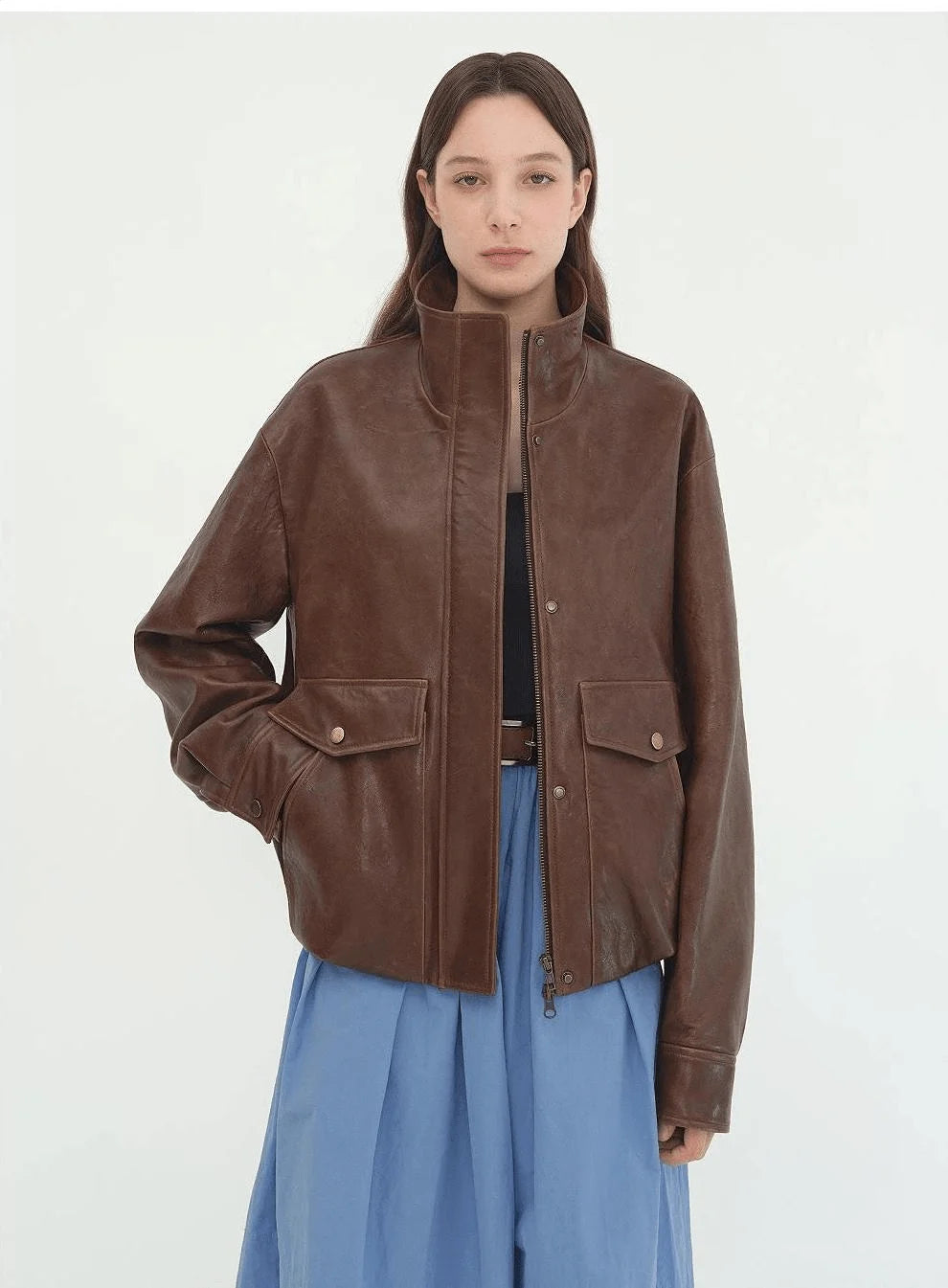
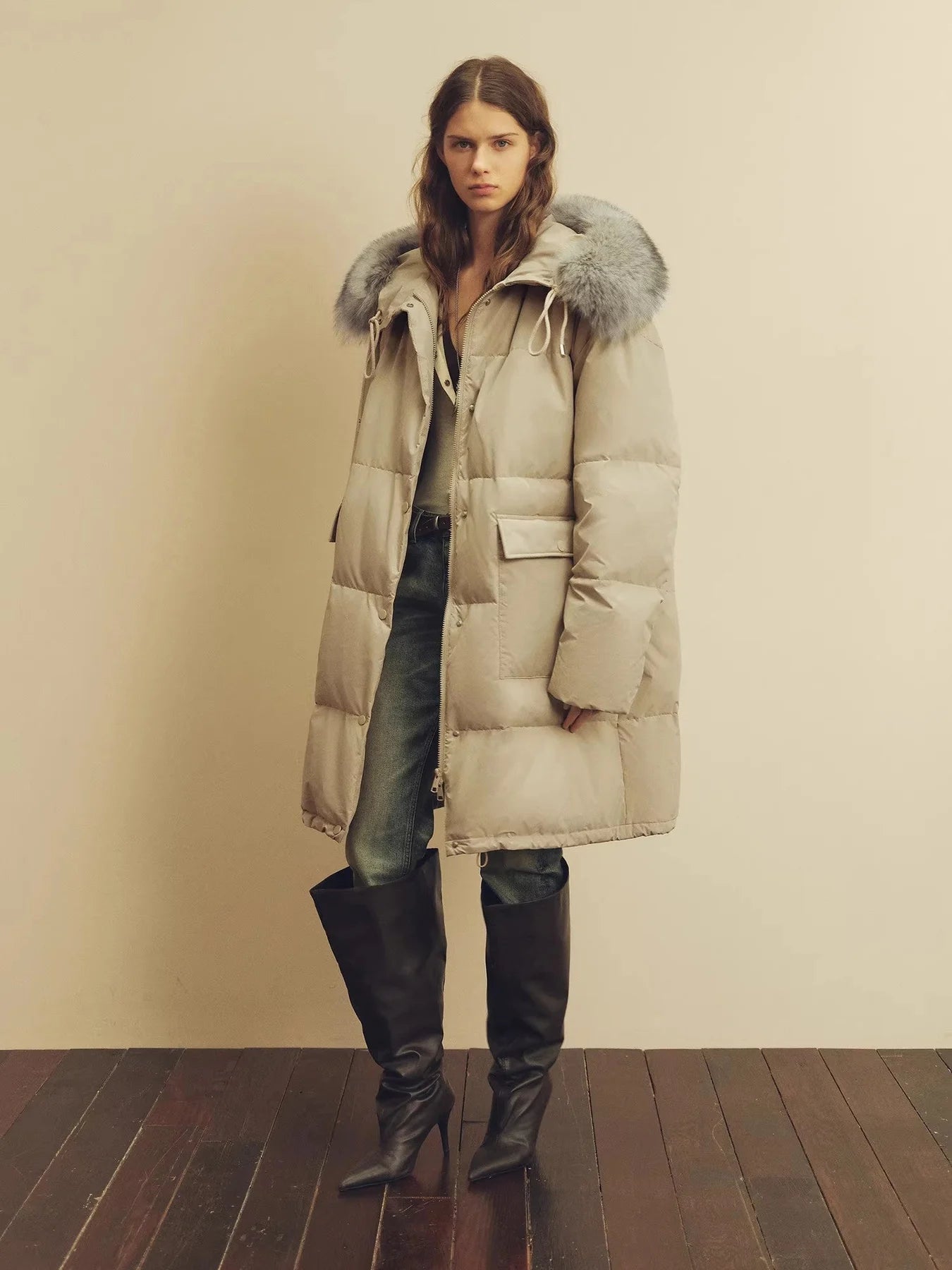
Judge the covered zones while both garments are closed: neck, chest, wrists, lower back, hips and thighs. A high collar or secure overlap can change draft control; a long open front leaves a different result. Warm lower layers can make a jacket sufficient for a short outing, while thin dress fabric and outdoor waiting may make extra coverage useful.
Check Movement in Seats, Cars and Stairs
A garment can be warm and still fail in daily life. The failure usually appears when sitting, driving, climbing stairs, carrying a bag, or moving between heated interiors and cold streets. A jacket has less hem to manage and often feels more natural with trousers, boots, and everyday layers. That is why fur coat or fur jacket for daily wear deserves its own article.
The important point is not that shorter is automatically better. It is that movement has to be tested before the purchase feels settled. If the piece will be worn mostly to restaurants, offices, errands, and short car trips, a shorter fur jacket may become the item that actually leaves the closet. If the piece will be worn on long outdoor walks over dresses or tailored winter outfits, a coat may justify the extra length.
Can the garment enter and exit a car without bunching, twisting, or forcing constant adjustment?
Does the back hem crush, ride up, or push the silhouette into an awkward shape?
Do shoulder straps and sleeve contact flatten the fur or make the coat look collapsed?
Does the piece feel manageable in short heated stops, or does it become something to remove immediately?
Movement is also a care issue. A garment that is constantly crushed against seats, trapped under bags, or folded under the body will age differently from one that hangs cleanly between uses. Long coats can suffer at the hem and seat area if they are repeatedly forced into cars without adjustment. Jackets can suffer at collars, cuffs, and elbows because they are worn more often and handled more casually. The practical question is not only comfort today; it is whether the way the piece will be worn matches the way it can age well.
If the piece will be used several times a week, choose the silhouette that can survive that rhythm. If it will be used for special occasions, choose the silhouette that protects the outfit and photographs well without becoming a burden. The same garment can be excellent in one rhythm and weak in another.
Check hem width and side openings on a longer coat: a narrow hem may restrict stairs or a normal stride. On a jacket, check whether reaching lifts the front or exposes the lower back. A bulky cropped sleeve can hinder movement more than a balanced long coat, so shorter length alone is not a fit verdict.

Choose for the Outfits You Repeat
Start with the outfits and outings you repeat. Trousers, boots, restaurant stops and car travel may leave a short hem with enough coverage. Long dresses, knitwear and repeated outdoor walking may make a longer coat useful. A mid-length candidate can resolve a mixed routine; compare it rather than forcing the choice between cropped and full-length.
Judge the amount of attention you want too. A fuller, brightly colored short jacket can be more prominent than a quiet long coat. If the volume, color or formality feels excessive during ordinary errands, try another cut. The short-jacket buying comparison helps when compact handling is the main attraction.
Choose a daily outfit and one dressier outfit you already repeat, then apply the fitting checks above to both. Count three realistic winter outfits and two outings, rather than buying extra length for a single photograph. Indoor stops, carrying the garment and the available storage at the destination can change how often either shape will be used.
Use Length to Frame Evening Clothes
For evening wear, length changes the line of the outfit. A coat can protect a dress, long skirt, wide-leg trouser, or formal layer from shoulder to hem. A jacket can look sharper over a shorter dress or a warm venue outfit where the lower half should remain visible. The wrong length can cut the outfit in a distracting place, even when the material itself is beautiful.
The focused evening article, fur coat or fur jacket for evening outfits, expands the formal side. The working rule is simple: match the outerwear length to the base outfit before judging drama. If the garment protects the outfit and preserves the proportion, it is doing its job. If it fights the outfit, the category label does not save it.
| Evening situation | Likely better direction | Why |
|---|---|---|
| Long dress or column outfit | Fur coat | The outerwear protects the complete line and avoids cutting the outfit at the hip. |
| Short dress or cocktail look | Fur jacket or shorter coat | A shorter line can feel intentional and keep the outfit visible. |
| Cold outdoor arrival | Fur coat | The garment has to work before and after the venue, not only inside photographs. |
| Warm venue and short transport | Fur jacket | A lighter piece can be polished without feeling like too much outerwear. |
There is a second evening question: how much of the outfit should remain visible? If the dress, trousers, or shoes are the main styling feature, a jacket can frame them. If the outerwear is meant to create the complete winter line, a coat can be stronger. Neither direction is more correct by default. The mistake is choosing a jacket because it feels easier, then discovering that the evening outfit looks exposed; or choosing a coat because it feels grand, then discovering that it overwhelms the person wearing it.
For occasion dressing, test the piece with the real base outfit. A coat that looks perfect over a thin dress may feel too heavy over tailoring. A jacket that works over a cocktail dress may look incomplete over a long gown. The decision should be made while thinking about the garment under the outerwear, not only the outerwear itself.
A jacket makes the lower outfit more visible. Check the trousers, skirt and shoes as part of the complete look; do not buy it only for the collar close-up. A longer hem can create a continuous line over a long outfit, while a shorter hem can deliberately reveal a waist or separates.
Try color and pile volume with the clothes you own. A quiet long coat can be restrained; a strongly colored short jacket can carry the statement. The length and styling comparison helps when those proportions remain undecided.
Consider a Parka When Its Shell Meets the Weather
Bring a parka into the shortlist when its actual shell, insulation, hood and pockets address the outings you repeat. Check documented weather protection, seams, closure and the care of removable trim. A fur collar does not make the shell waterproof. The jacket and parka comparison covers that separate construction choice.
A hood can matter for wind and light snow; accessible pockets can matter when your hands are full. Try reach and seated comfort too. A parka need not replace a dress coat, but a suitable weather garment can fill the daily gap before an additional fur piece.
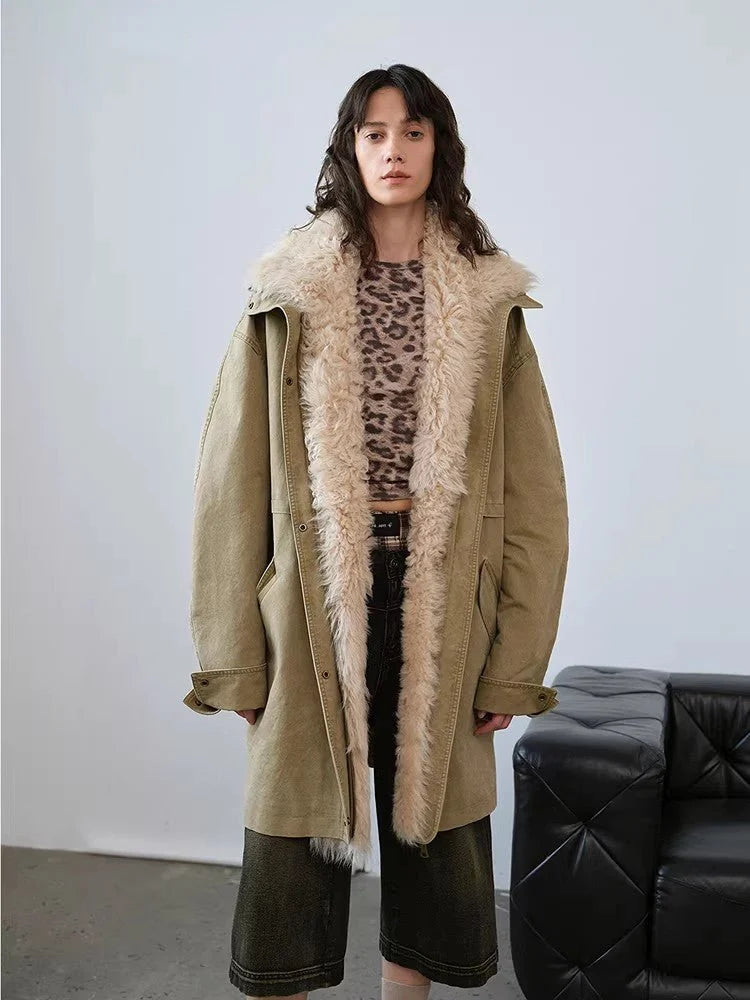
Bring parkas into the comparison when weather is the job
Bring the actual parka into the fitting when its documented shell protection, insulation, hood and pockets address your repeated outings. Fur trim alone does not establish weather performance. Compare movement and care with the fur jacket over the same clothes.
If that is the real use case, compare detachable fur-trim parkas beside short fur jackets before judging either one by luxury language alone.
A wardrobe that already handles bad weather may need a fur jacket for dressier outfits. A wardrobe with only formal coats may need a weather-oriented daily piece first. That comparison is about the missing use, and the jacket and parka utility comparison helps when it remains unresolved.
For this part of the decision, see fur jacket versus fur-trim parka.
Allow Space for Full-Length Coverage
Full-length coverage is useful when it repeatedly covers exposed legs, a dress or long knit. Count that benefit against the extra hem handling on stairs, in cars and near wet pavement. Choose the length because those covered zones matter on your actual outing, rather than because a longer garment appears more substantial.
The full-length coverage comparison develops that tradeoff. Include vertical closet clearance and hanger support before purchase.
Check vertical storage room as well as the hanger: the long hem should not fold against the floor, and the shoulders and collar need space. Stairs, car doors, wet pavement and crowded restaurant seating are additional places where length can require adjustment. The coat is worthwhile when the coverage it adds is used often enough to accept that handling.

Fit the Intended Shoulder Shape and Test Layers
Identify whether the coat uses a tailored, dropped or oversized shoulder. A seam outside your natural shoulder can be intentional; pulling, twisting, uncomfortable weight and restricted reach still require another size or shape. Check sleeve coverage, collar comfort, front tension and the upper back over your usual knitwear.
Use the same three tests below for both garments. Added ease should serve movement, rather than creating pressure or constant readjustment. A bulky cropped jacket can feel larger than a balanced long coat, so do not use length as a substitute for fitting.

Three Same-Day Fitting Tests
Walk and close: wear the same sweater and boots in both pieces, fasten each fully and notice exposed neck, wrists and upper legs. If one garment requires a scarf and the other does not, count that as part of the actual outfit rather than a material advantage.
Sit and move: get into a chair or car seat, stand again, reach for a bag and lift your arms. A longer hem can fold under the seat; a short sleeve can ride up. Neither makes the category wrong, but repeated adjustments predict which one will stay in the closet.
Repeat with two outfits: try a daily trouser look and one dressier outfit. If the coat only works with a single planned look, its projected wear frequency needs to reflect that. A fur jacket often changes the visible lower outfit; a long coat can become the entire outer silhouette.
Compare Care and Total Cost Within the Same Role
Ask for the care instructions of the complete garment. Both full-fur lengths may need specialist cleaning and space around the pile. A long hem can meet wet pavement; a frequently worn short jacket can collect contact wear at the cuff, collar or bag shoulder. Lining, dye and construction can change the care response. Use the care guide for that ownership plan.
Compare actual surface preferences within the mink collection and fox collection, or keep other outerwear in view when neither length meets the role. A collection name is a browsing route, not evidence of weather performance.

Price Equivalent Garments and an Honest Wear Count
A long coat can use more material, but build, species, brand, condition and current listings can reverse the price tendency. Compare equivalent constructions before attributing a premium to length. Add quoted alterations, cleaning and storage to the ticket price.
Use the same ownership period and count outings grounded in your winter routine. A jacket worn twice a week and a coat worn twice a season have different cost-per-wear results; the cheaper ticket is not automatically better. An occasional dress coat can still be the purchase you deliberately want. The buying guide helps when condition or budget remains uncertain.

Read the Product Photos and Measurements Together
Request a full front, side and back, then a closed-front view and details of the lining, collar, cuffs and fasteners. Check model height against garment measurements to estimate your hem position. Cropped images can hide that length; an open pose can hide closure tension.
For a jacket, compare its hem with the lower outfit and inspect sleeve or collar scale. For a coat, inspect hem clearance and the side line. For a parka, request hood depth, trim attachment, pocket placement and shell specifications. Photos can show those features, but they cannot establish odor, weight or every condition issue.

Use the Narrower Comparison for the Unresolved Question
Use the narrower linked advice when one specific question remains: length and warmth, driving and daily wear, evening proportion, parkas, short-jacket value, full-length coverage, styling or fit. You do not need every comparison to make one purchase; go to the question that stopped the actual fitting.
- Shape, coverage, and category difference
- Long fur coat vs short fur jacket warmth
- Daily wear, driving, and outfit rotation
- Evening outfits and formal proportion
- Fur jacket vs fur-trim parka utility
- When a short fur jacket is the better buy
- When full-length coverage is worth it
- How coat length changes styling
- Fit, shoulders, sleeves, and layering
FireladyFur: Choose the Length You Can Use
FireladyFur sells the silhouettes discussed here. Our collections show available designs rather than independently proving warmth or durability. Compare the actual construction, closed-front fit and care; keep the length whose benefit recurs in your wardrobe.
Read About FireladyFur and our Editorial Standards for the context behind these guides.
Choose the product path after the category is clear
If the decision points toward coverage, start with fur coats and jackets and judge each option by hem length, closure, fit, and storage. If the decision points toward refined material and a polished surface, compare Artisan Fur, mink fur, and fox fur. If the decision points toward weather utility, compare detachable fur-trim parkas and broader outerwear before committing to a full fur piece.
Browse only after the role is clear. For coverage, look for full-body images and clean closure. For movement, look for shorter length, shoulder comfort, and easy sleeve motion. For utility, look for hood, pockets, shell, and trim construction. The product page should make the right use case easier to confirm, not harder to imagine.
Frequently Asked Questions
Is a fur coat better than a fur jacket?
Neither is better for every use. A longer coat can cover more of the lower body and an evening outfit; a jacket leaves less hem to handle in seats and reveals more of the lower outfit. Compare actual length, construction, closures, fit and care over the same clothes. Choose the shape that solves your repeated outing.
Is a fur jacket warm enough for winter?
It can be, if the actual jacket's construction, lining, closures and collar suit the temperature and time outdoors. A short hem leaves more of the lower body uncovered, so judge it with the trousers, skirt or dress and base layers you will wear. An open, lightly lined fashion jacket is not equivalent to a closed winter coat simply because both use fur.
Which is easier to wear every day?
A shorter hem can reduce seated handling, but sleeve bulk, collar shape, weight, closure and fit can reverse the result. Sit, reach and walk in both actual garments over your daily clothes. A longer coat can be the easier choice when you repeatedly need its coverage and can manage its hem and storage.
Which works better for evening outfits?
Try each shape over the evening outfit itself. A longer coat can provide coverage over a long dress and a more continuous arrival silhouette; a shorter jacket can frame separates or keep more of the dress visible. Check sleeve room, neckline, hem interaction and the trip outdoors. Neither length is automatically the more formal or warmer choice.
Should I compare a fur-trim parka too?
If wet-weather travel is the recurring job, compare a parka with documented shell protection, appropriate insulation and care instructions. Fur trim alone does not establish weather performance.
What should I check before buying either one?
Check the real wearing role, temperature, time outdoors, sitting and driving comfort, shoulder fit, sleeve movement, closure, storage space, care tolerance, and whether the product images prove the silhouette from the front, side, and back.


