


Article Summary
A mink label and soft hair do not establish the condition of hidden skin or a resale price. Document current surface, accessible lining, seams, closures and measurements, then keep unknown construction or care history explicit.
After the material value article identifies mink as a possibility, verify that identification separately from current condition. Soft-looking hair, a label and an old purchase price cannot establish hidden skin strength or today’s resale price.
Keep the Hidden Skin Unassessed
Surface, lining and closures provide useful resale details, but they are separate observations. A soft fur surface does not confirm that the skin behind the lining or the seams are sound. Keep any inaccessible area unassessed until a furrier has checked it.
If stiffness, an unusual sound, odor or continuing hair release was already noticed, record it without repeating handling to confirm it. Seek assessment of a suspect area before claiming normal wear.
Separate the Mink Label from Current Condition
Show the material or maker label in context and its wording clearly. A label may support identification, but it does not establish current condition. Keep the identification basis separate from surface, lining and closure observations.
If the label is damaged, missing or unclear, the listing can still be useful. Name what can be seen and photographed. If the material is not fully verified, avoid turning the title into a guarantee that the evidence cannot support.
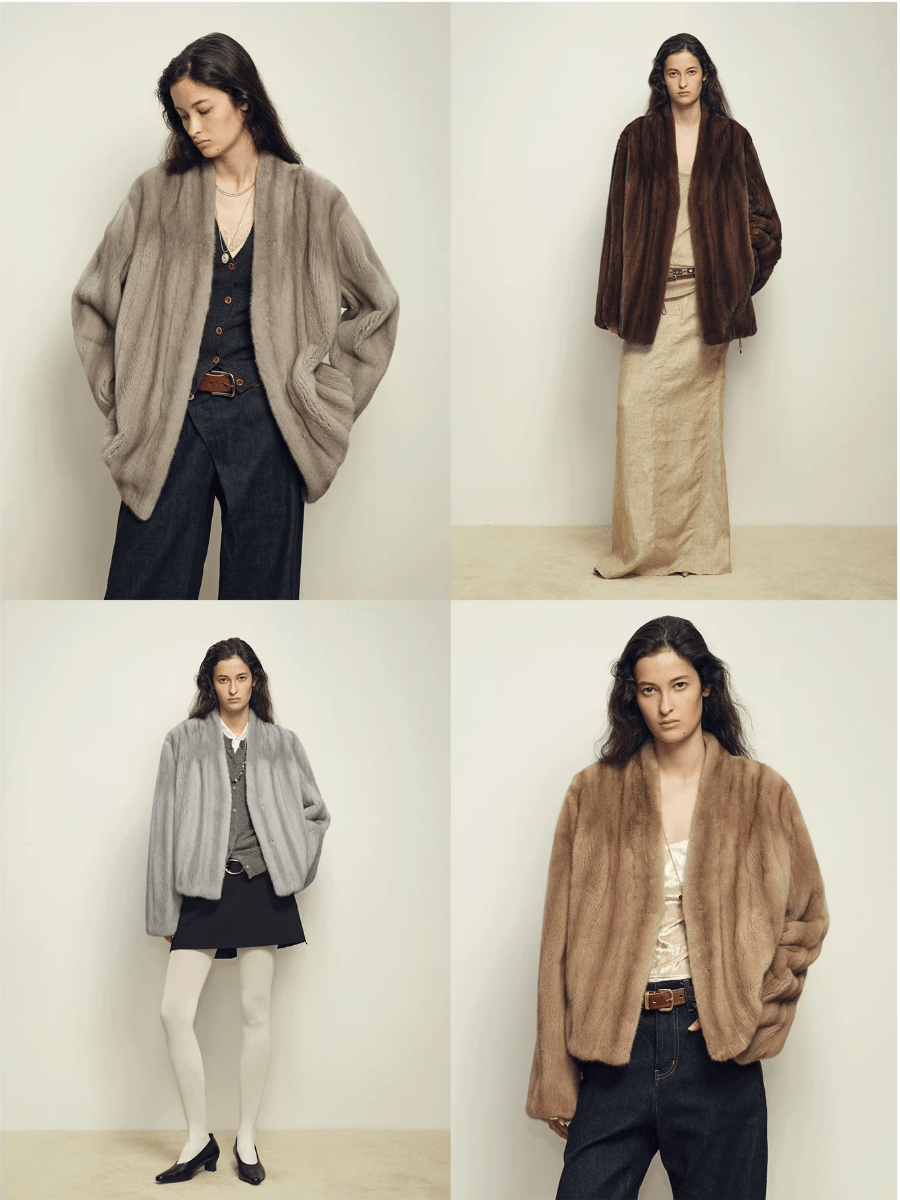
Read the Surface and Stop at Warning Signs
Mink often photographs better when the lighting is simple. Use one clean full photo and one close photo where the buyer can see nap, density and direction. For a photo sequence, use material photos that support resale trust.
Inspect visible cuffs, hem, seams and lining with the coat supported. Do not fold or flex it to test wearability. If stiffness, a suspect sound, an opening or continuing hair release is already noticed, stop repeated movement and arrange assessment; a few isolated hairs alone do not diagnose damage.
Photograph visible flattening, a worn cuff, missing hair or a lining opening in ordinary light. Show the area as it is; the image does not confirm what lies behind a sewn lining.
The lining can hide the part that needs inspection. You may be able to describe the hair and an accessible hem, yet still be unable to assess the skin behind a sewn lining. Do not open the lining yourself or call the backing sound because the coat feels soft. The CCI handling guidance cautions against direct handling of brittle objects. A furrier can assess whether hidden skin and seams can support wear.
If stiffness was noticed during necessary handling, use hard leather in older fur for the assessment boundary. Do not test whether mink feels supple by folding or bending a suspect panel.
| Mink detail | Evidence to record | What remains separate |
|---|---|---|
| Surface | Visible density, nap, flattening or missing hair in full and close views. | Species authentication and hidden skin. |
| Skin/backing | Only accessible existing openings and any resistance already noticed. | Unexamined skin behind the lining; do not flex it for evidence. |
| Lining | Visible stains, openings, pulling or known replacement. | The cause of a mark and hidden attachments. |
| Odor | What the seller already noticed, with location only if apparent. | Photo appearance and a guaranteed cleaning outcome. |
| Storage | Actual dated records or a clearly attributed owner statement. | Current condition and gaps in the history. |
Name the Construction Only When Supported
Full-skin, let-out, knitted, sheared or trimmed mink each needs different proof. The fur label cannot answer a construction question by itself. Use the construction comparison article when the coat's build affects price.
Show What Length and Shape Change
Show a short jacket’s waist placement and sleeve proportions, and a long coat’s back length, lower hem and storage dimensions. The comparison below gives different documentation tasks; it does not establish that a particular length has a larger buyer pool.
| Mink situation | What to show first | What to say carefully |
|---|---|---|
| Short wearable jacket | Proportion, sleeves, cuffs, lining, surface | Easy to style only if measurements and condition support it |
| Long classic coat | Body, hem, lining, storage, closures | Formal or vintage use without pretending demand is universal |
| Sheared mink | Even surface, cuffs, side light | Modern finish only if patchiness is not visible |
| Older inherited mink | Current condition before family story | Known history after the coat itself is clear |
Shoulder, sleeve, closure and pocket details answer use questions. For outfit choices after condition is clear, use fox fur vs mink fur and the Fur Coat Styling Guide; these styling references are not demand measurements.
Separate Storage Records from Today’s Coat
Professional storage, careful hanging or a known low-smoke home can help, but the buyer still needs current photos. For storage-specific care, link the owner to how to store a mink fur coat after the resale condition has been shown.
Keep unknown storage unknown. An even surface or intact shoulder line does not prove a storage method. Report current stiffness, odor or wear separately from an actual dated receipt or an attributed owner statement.
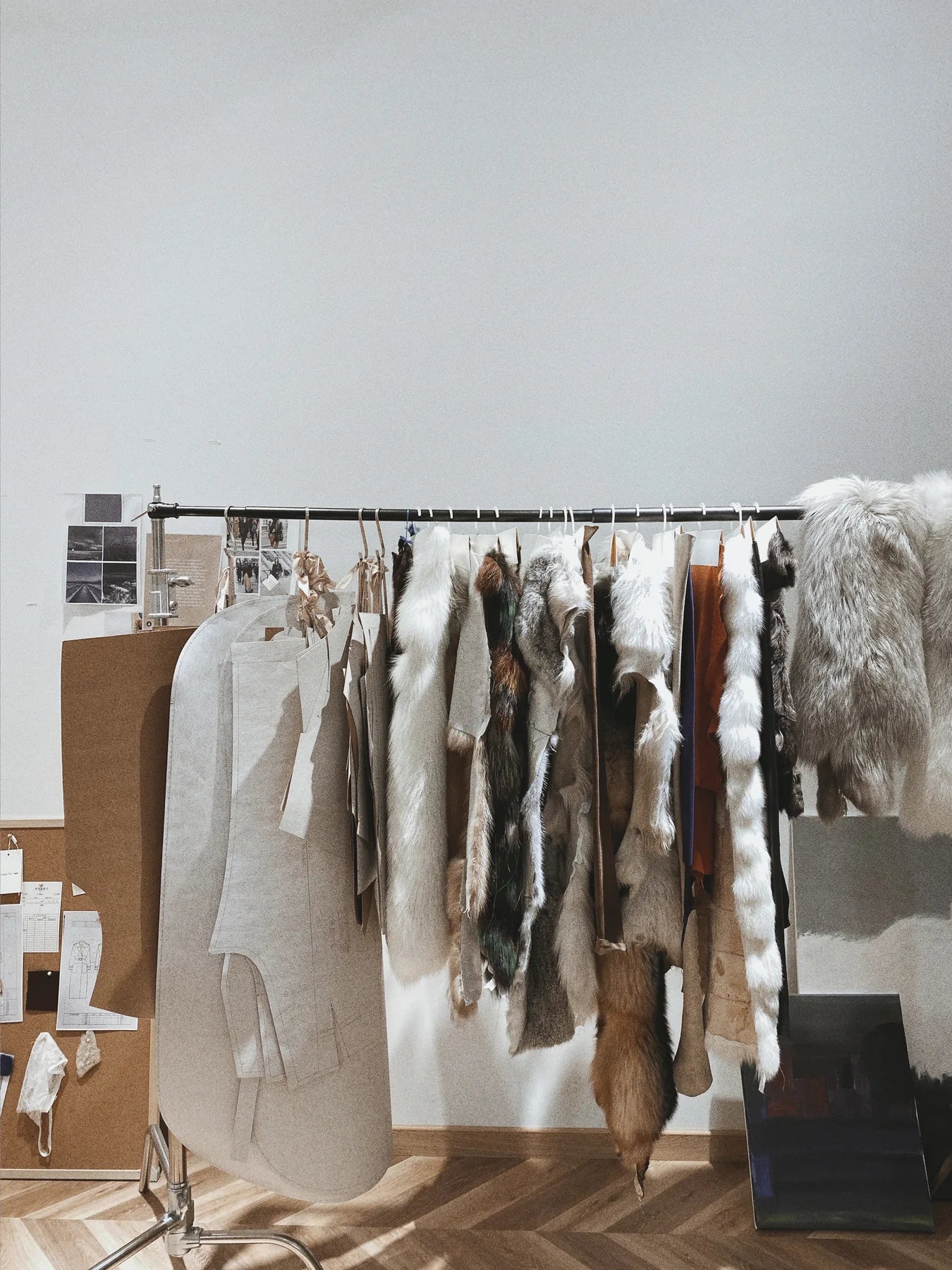
Care Records Do Not Clear a Current Fault
A documented storage service is history. Describe current stiffness, odor or damage even when that history is reassuring; do not move the coat to validate an old record.
Write Present Condition Before Memory or Price
A good mink condition paragraph sounds like someone checked the coat today. It names surface, lining, closures, odor, measurements and any wear. Family memory, original price or storage history can follow, but evidence belongs before sentiment.
For example, “mink coat, good condition, vintage, beautiful” leaves the important facts unanswered. Replace the vague grade with the observed lining, cuffs, closures, odor, measurements and hem; leave exact age or hidden skin unconfirmed when there is no basis.
After assessing whether to sell, keep, restore or replace, use current products to compare silhouette and stated care requirements. A new retail price does not supply the used coat’s resale value; that needs comparable used transactions or a consignment assessment.
Keep the Mink Name Separate from the Condition
Identify the material with an actual basis. A label or qualified identification is different from a texture photograph.
Document the current garment. Surface, accessible lining, fasteners and measurements matter alongside known care records.
Do not test hidden skin through the surface. Soft hair and quiet movement do not establish that the coat is sound.
Compare the right transaction. Current retail pieces help with style choices; comparable used sales or a consignment assessment are needed for resale pricing.
FireladyFur's mink resale standard
FireladyFur does not treat mink as an automatic value claim. Material identification, visible condition, known construction and unexamined areas need separate statements; none is a substitute for another.
If you are choosing a replacement, our artisan fur collection offers current silhouettes to compare with your coat. Use comparable used sales or a consignment assessment for resale pricing; a new retail price is a different transaction.
List mink after the condition proof is stronger than the memory
Build the description around current observations and measurements. If stiffness, odor or an unstable area remains unassessed, state that limit before a normal-wear or pricing claim.
What mink coat resale signal should I check first?
Inspect visible surface wear, seams, lining and accessible edges with the coat supported. Stiffness, cracking, an existing opening or continuing hair release calls for a handling pause and assessment. A few isolated hairs alone do not diagnose damage, and soft fur does not establish the condition of hidden skin.
Does a label make a mink coat valuable?
A reliable label can support identification or maker information, but it does not establish current wearability or a price. Keep construction, damage and unknown skin condition separate, and use similar used transactions for a pricing comparison.
What mink photos should I include before listing?
Show front, back, sides, surface details, lining, labels, cuffs, closures, hem and wear. A video may help show drape only when the coat is sound enough to handle normally. Do not flex stiff skin or move fragile areas to demonstrate softness.


