


FurMark is most useful when it is explained as a traceability and certification system, not as a vague luxury badge. For shoppers, the value is knowing what can be checked, what the mark supports, and what still has to be judged in the garment itself.
The existing article has the right topic but needs sharper boundaries. Certification can build trust, yet it does not replace material inspection, construction quality, fit, storage, or the retailer's responsibility to explain what a shopper is buying.
A stronger FireladyFur version should show how FurMark fits into the buying decision: source transparency first, garment quality second, long-term ownership third.
What FurMark is meant to prove
FurMark describes itself as a global certification and traceability system for natural fur. Its official overview says participating programs are science-based, third-party certified, and transparent, and that FurMark products are traceable and verified against recognized standards. The source page is here: FurMark how it works.
For a shopper, that means FurMark belongs in the same sentence as traceability, animal welfare program standards, processing oversight, and supply-chain verification. It should not be used as a vague synonym for expensive, stylish, or automatically perfect.
How the certification chain helps the buyer
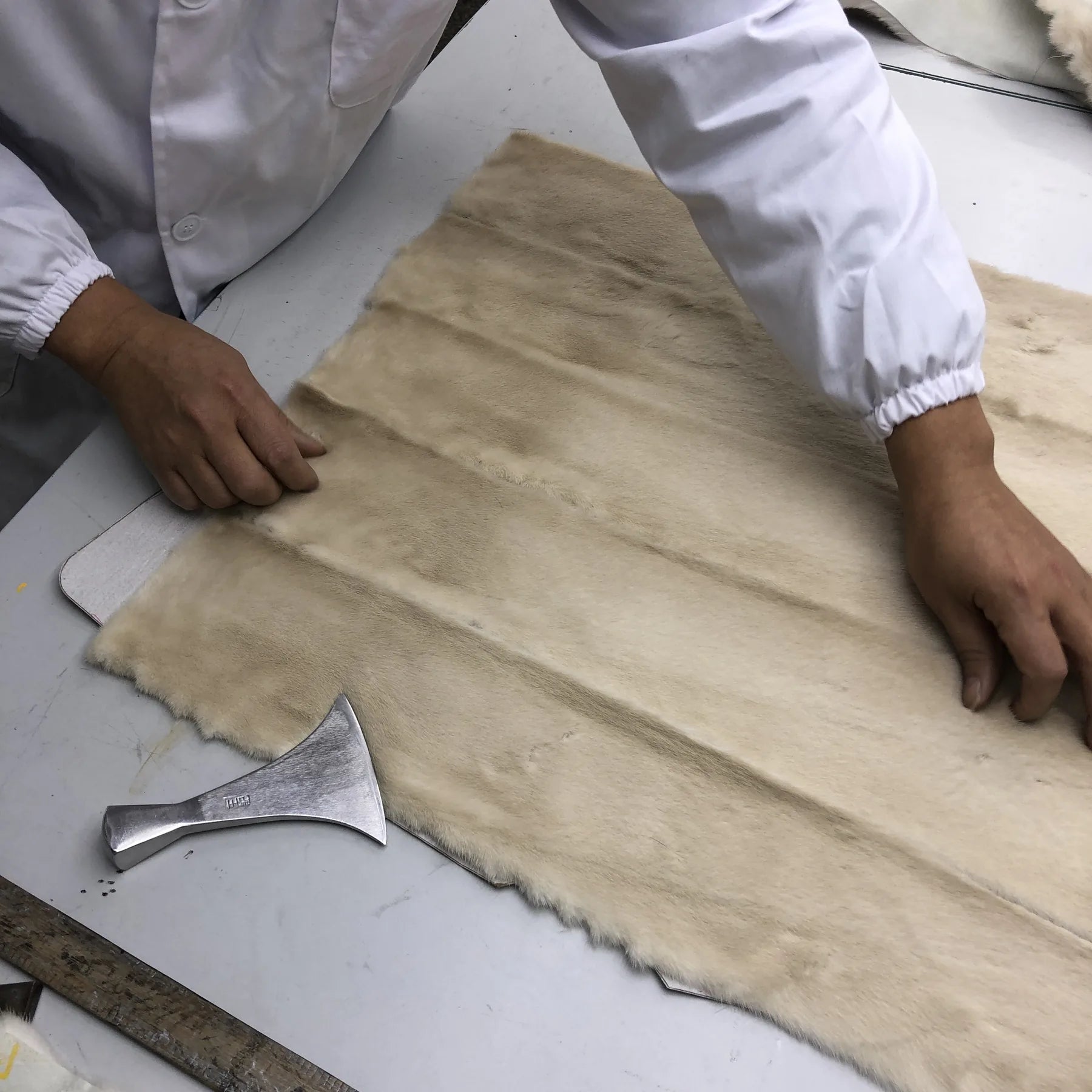
A fur garment is not a single-step product. Pelts are sourced, sorted, dressed, dyed or finished, cut, sewn, lined, labeled, shipped, sold, stored, cleaned, and eventually repaired or restyled. A traceability system helps connect the finished product back to recognized programs instead of leaving the shopper with a generic material name.
| Buyer question | What FurMark can support | What still needs garment-level judgment |
|---|---|---|
| Where did the material come from? | A traceable program structure and label path. | The seller still has to provide clear product information. |
| Was the supply chain checked? | Third-party verification and program standards are part of the FurMark model. | The finished coat still needs inspection for workmanship and condition. |
| Is the coat worth buying? | Certification can reduce uncertainty around sourcing. | Fit, warmth, weight, silhouette, lining, and repairability decide long-term value. |
| Can I care for it? | Traceability does not store the garment for you. | Owner habits and professional care still protect the investment. |
What the label does not replace
Certification is not a substitute for touch, try-on, construction reading, or honest care advice. A traceable pelt can still be used in a shape that does not suit your climate. A well-sourced material can still be damaged by poor storage. A beautiful collar can still overwhelm the neck, clash with a bag strap, or feel heavy in a car seat.
That is why this article should send readers toward practical decision pages after explaining the mark. Use the Fur Coat Guide for material understanding, the Fur Coat Buying Guide for purchase checks, and the fur coat selection article for fit, warmth, and care tradeoffs.
There is also a documentation layer. A shopper should know which part of the coat the claim describes: the pelt source, the dressing and dyeing program, the finished garment, the retailer's inspection, or aftercare advice. Those layers can support each other, but they are not identical. A clear article names the layer instead of letting one mark stand for the whole purchase.
This is especially useful for existing owners or resale buyers. A certified source story does not tell you whether a stored coat has dried at the shoulder, whether the lining has pulled near the pocket, or whether the collar has been crushed for years. The finished garment needs its own condition review before it becomes a responsible recommendation.
On a product page, the strongest presentation pairs the certification note with plain garment facts: fur type, origin language, lining material, closure, length, fit notes, storage advice, and who the coat is meant for. That turns trust into usable information instead of a decorative seal.
Ask how the garment's material can be connected to recognized source programs.
Read hair direction, guard hair, underfur, leather-side flexibility, lining, and seams.
Plan storage, cleaning, repair, and frequency of wear before calling it a good purchase.
FireladyFur's quality commitment should be concrete
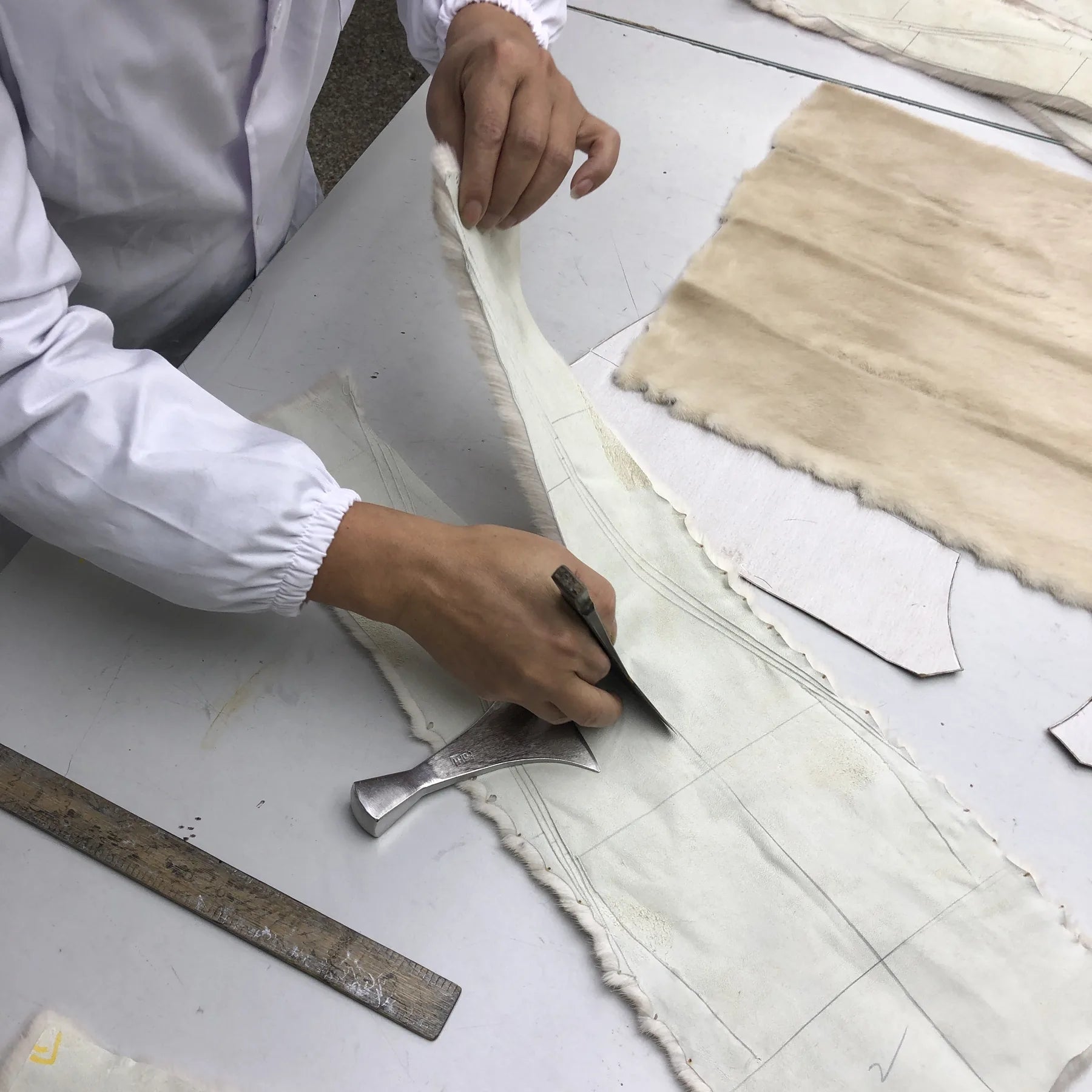
The strongest brand block does not simply say FireladyFur values quality. It explains what quality looks like in a traceable fur garment: stable leather side, even density, clean panel matching, secure seams, appropriate lining, realistic warmth, and care guidance that does not encourage home experiments.
A FurMark-aligned article also has to stay honest about scope. FurMark supports recognized standards and traceability. FireladyFur's role is to help the shopper read the finished coat: does it move well, does it suit the intended use, can it be maintained, and is the product information specific enough to trust?
A shopper's traceability checklist
Ask for the material identity
Know whether the coat is mink, fox, sable, shearling, or another fur family. A generic fur label is weaker than a specific one.
Check the claim basis
If FurMark or another program is mentioned, look for a label, code, or explanation of what the certification covers.
Inspect the finished coat
Run your review through density, direction, backing, seams, lining, closures, and how the coat sits on the shoulder.
Confirm care expectations
Traceability helps at purchase. Long-term value still depends on storage, professional service, and avoiding heat, damp, and compression.
Editorial synthesis: what the commitment means
FurMark is a traceability tool. Its value is stronger when the article explains source verification rather than treating it as a decorative badge.
Certification does not finish the quality check. The shopper still has to inspect construction, comfort, lining, material feel, and care burden.
FireladyFur should own the garment judgment. The brand can translate traceability into practical buying standards that a shopper can see and use.
Trust grows from specifics. Material identity, label verification, care guidance, and repair expectations are more useful than broad quality language.
FireladyFur's traceable-quality lens
FireladyFur's quality commitment should read as a practical promise: explain traceability where available, then help the shopper judge the finished coat. That means material identity, construction, comfort, warmth, care, and long-term wear all appear in the same decision.
The brand can support that trust by linking readers to About FireladyFur and Editorial Standards, while keeping product recommendations grounded in visible garment evidence.
Use certification as the beginning of the check
After understanding FurMark, compare real garments through material, construction, fit, and care before choosing a coat.
FAQ
What is FurMark?
FurMark is a certification and traceability system for natural fur that brings recognized programs under a global framework.
Does FurMark mean a coat is high quality?
It supports traceability and program standards, but the finished coat still needs material, construction, fit, lining, and care inspection.
What should shoppers check besides the label?
Check fur type, density, hair direction, leather flexibility, seams, lining, closures, fit, warmth, storage needs, and repair potential.
Why does traceability matter for fur?
Traceability helps connect the finished product to source and certification information instead of leaving the buyer with a generic material claim.
How should FireladyFur explain FurMark?
FireladyFur should explain the certification scope, then translate it into practical buying judgment for real garments.


